Real Life Beach Read

The term “beach read” started out as an advertising gimmick for books published in the summer for the beach-going crowd. They were non-challenging books, a bit frothy and fun, and could be almost any genre as long as the story was good enough to keep one’s attention but not so serious it would spoil one’s vacation. Nowadays “beach read” seems to be an actual genre, generally a romance or woman’s story that takes place at the beach. In a typical beach story, three sisters who are all at a crossroad in their lives end up at the family’s beach house, often to figure out what to do with house they jointly inherited in the hope that a sale will help solve their various issues. The book ends up with all their problems being resolved as well as the three disparate and far-flung sisters reconnecting and reestablishing their sisterhood.

My sisters recently came to visit, and I couldn’t help thinking I was living in a real life “beach read.” They weren’t here to help resolve the issue of our parents’ house because that had been taken care of eight years before. (Oddly, they just happened to be here on the eighth anniversary of our father’s death, but it was our mother we toasted with her favorite Bailey’s Irish Cream.) And anyway, this house is a done deal — it’s mine and mine alone.
We had no serious issues to resolve, and no true crossroads, though both sisters are dealing with a change in their circumstances, and the visit allowed them a respite from their respective issues. We had reconnected as sisters during our first “three sisters” weekend, but we haven’t all been together in the intervening four-and-a-half years. And rather surprisingly, this was the first time ever the three of us spent the night alone under the same roof.
To be honest, I was a bit nervous about hosting this gathering (three women and one bathroom seemed an untenable equation), and I didn’t know how generous I’d be about sharing my house. But it all worked out well, perhaps because they didn’t stay long, just a couple of nights. It was fun being with people who had known me most of my life (I say “most” because one sister is eight years younger and one is twelve years younger). And it was especially nice solidifying our sisterhood.
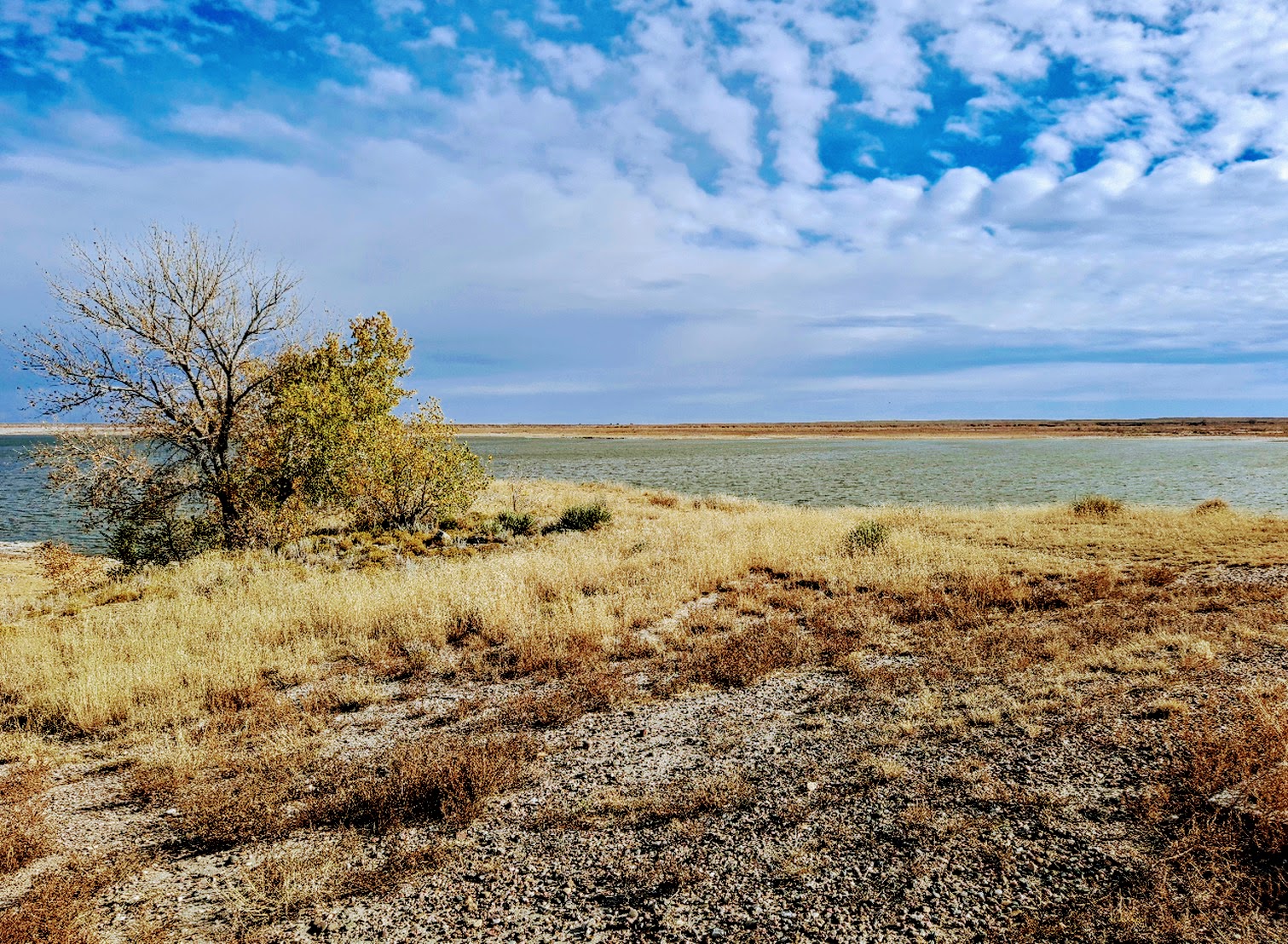
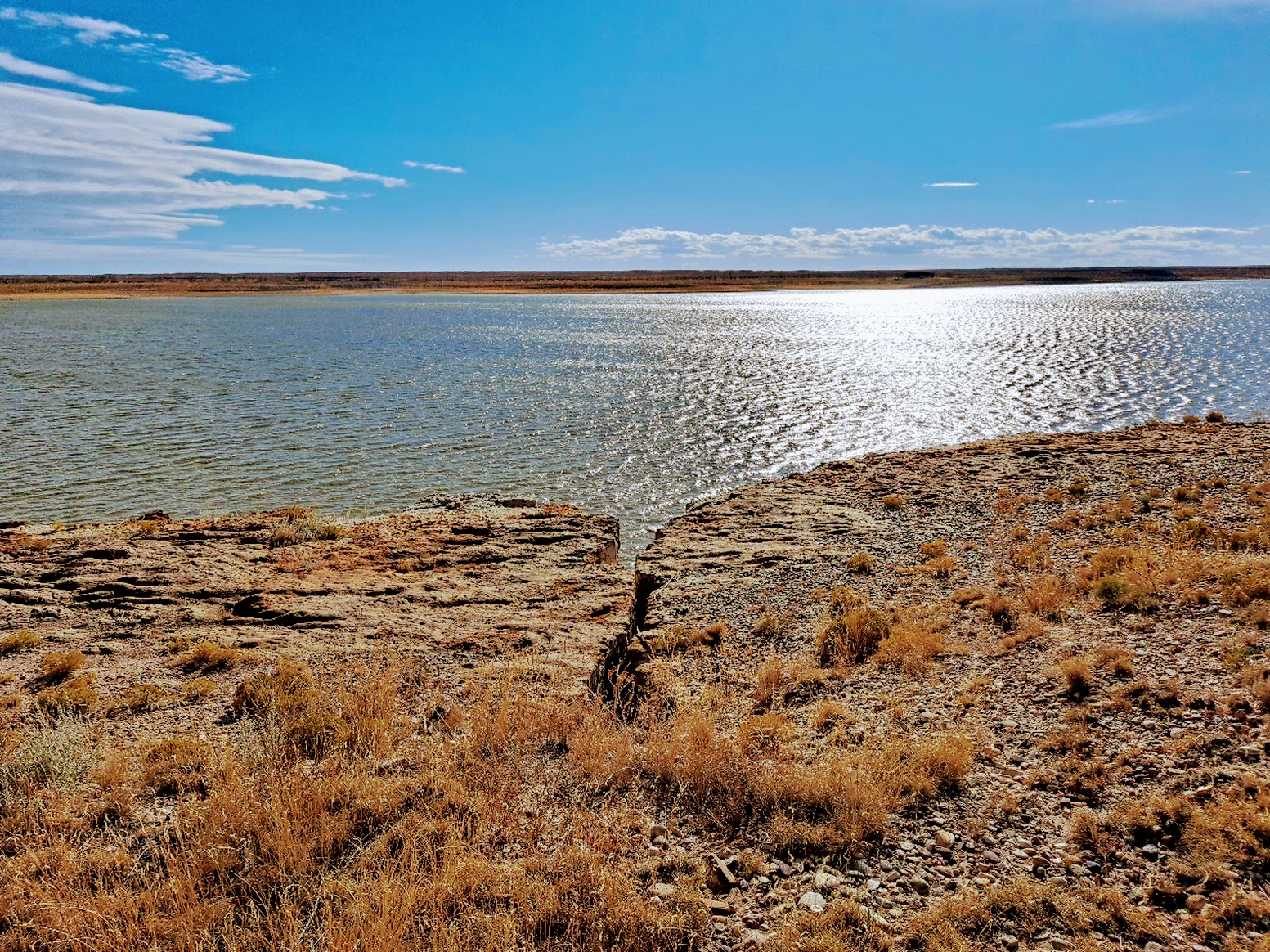
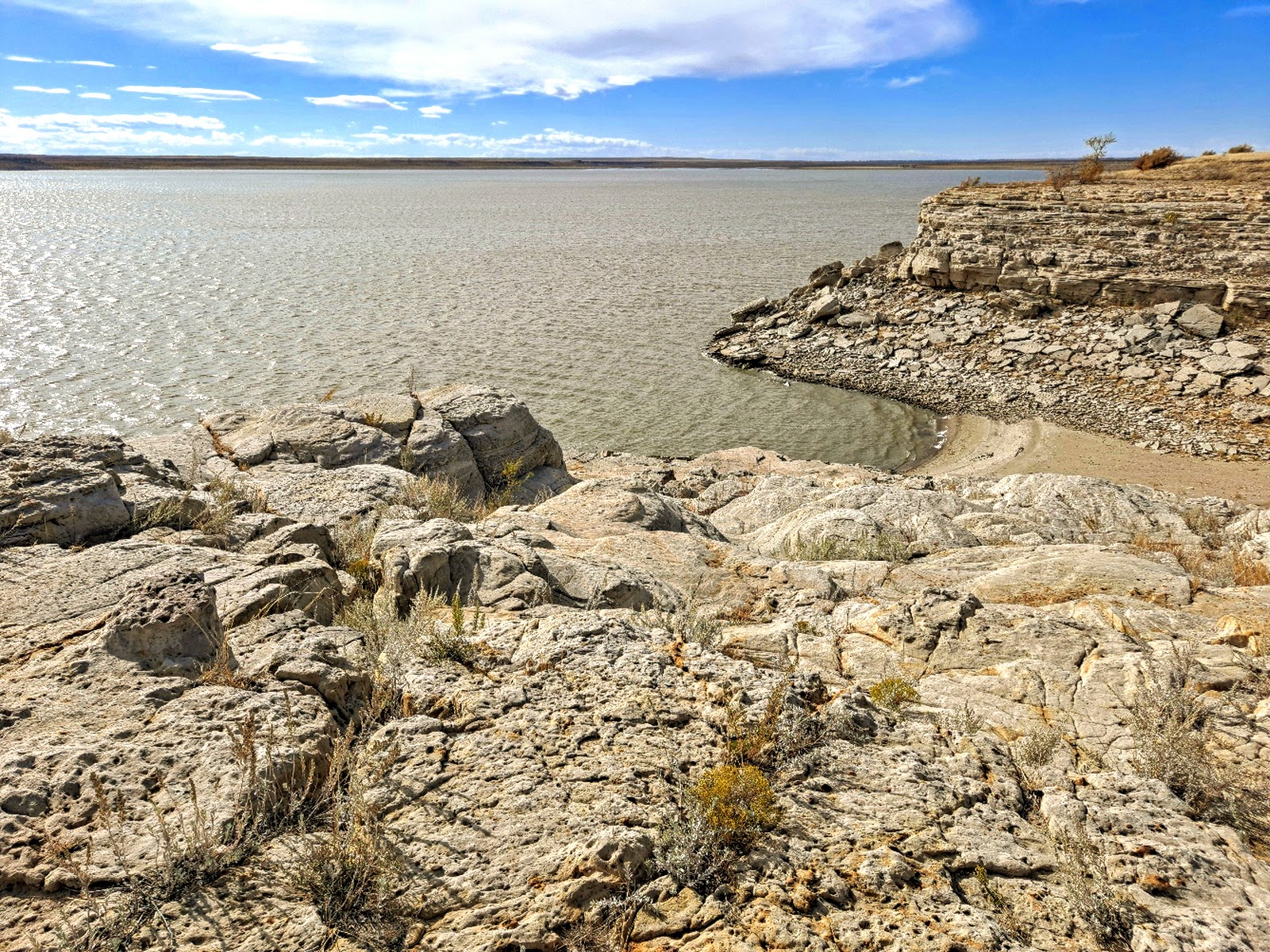
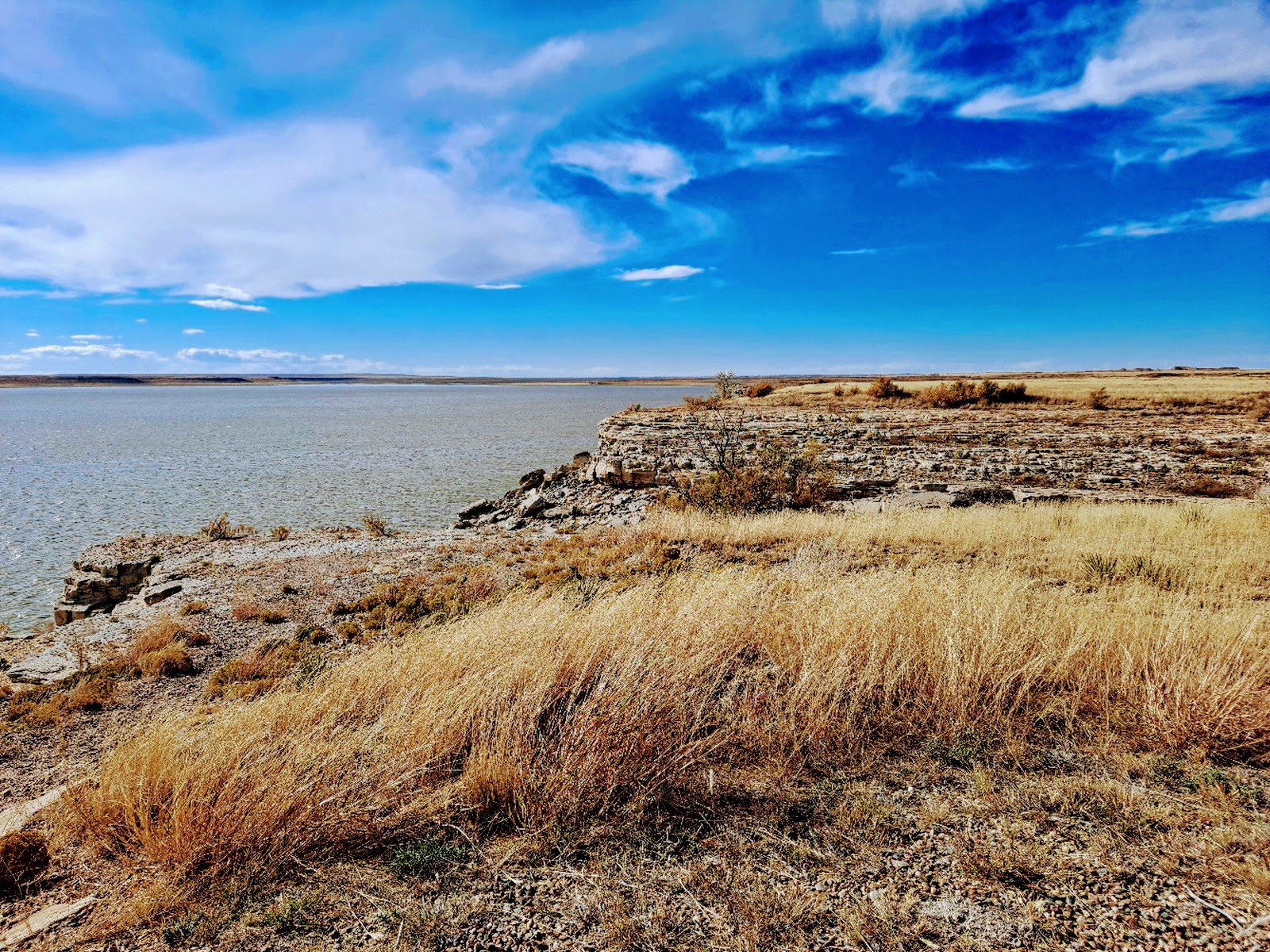
Even though I live in a town way out on the prairie, we even managed to spend some time at a beach!
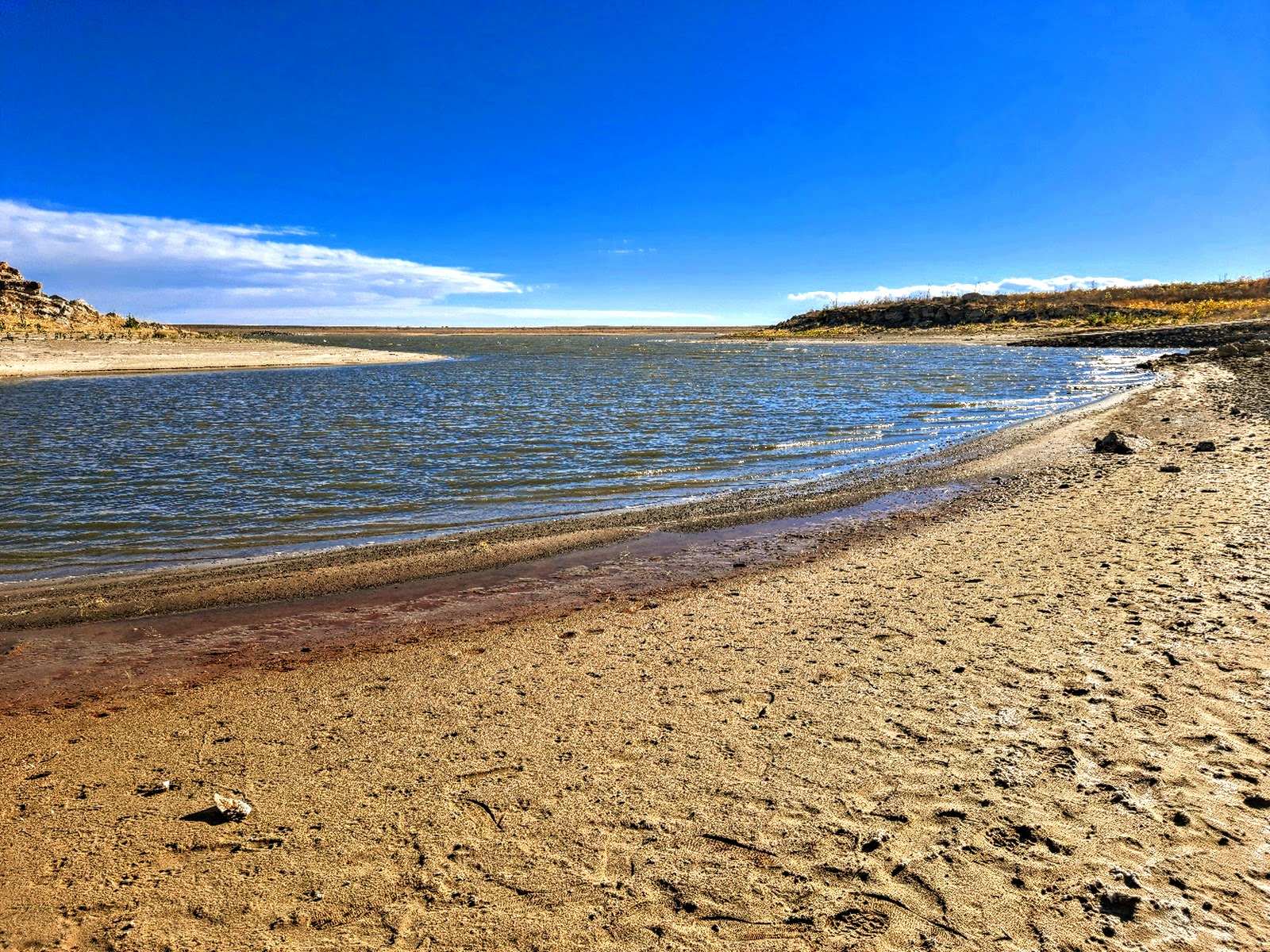
The body of water — a reservoir — is huge, 30 square miles, and is adjacent to a 13,100-acre state park. Obviously, there wasn’t a whole lot of the place we could explore in one afternoon, but we managed to see several beautiful areas and take some stunning photos.
Unlike the characters in a beach read, I don’t suppose any of our lives were changed by the visit, but it definitely was a special time for all of us.

***

Pat Bertram is the author of Grief: The Inside Story – A Guide to Surviving the Loss of a Loved One. “Grief: The Inside Story is perfect and that is not hyperbole! It is exactly what folk who are grieving need to read.” –Leesa Healy, RN, GDAS GDAT, Emotional/Mental Health Therapist & Educator.
Beach Read

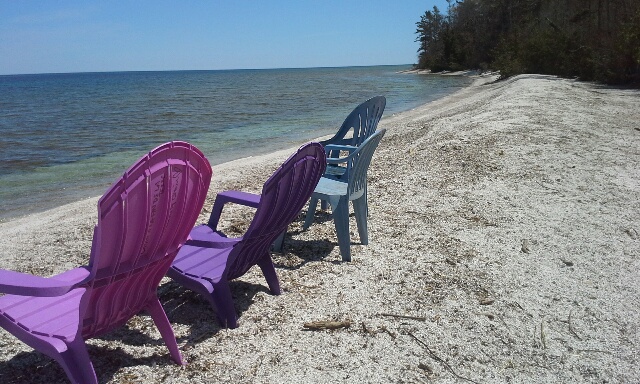
The term “beach read” was first used in 1990 as a way for publishers to market books to people going on vacation. These so-called “beach reads” have mass appeal, are not intellectually stimulating, are guaranteed not to ruin your summer vacation with unwanted — and unpleasant —- feelings or thoughts, and most of all, are easy to digest. Shortly after the term became popular, readers were inundated with novels sporting beach-themed covers and beach-themed stories, as if an entire generation of writers decided to take “beach read” literally.

It strikes me as strange that people would take a beach-themed beach book to the beach to read while at the beach. If one is at the beach, why read a book about the beach? Why not experience the beach at first hand? But then, I suppose, people who spend a lot of time at the beach get tired of the relentless tides and the incessant noise of the breaking waves and need something to divert their attention. It makes a sort of sense, then, to read about the beach because if you’re at the beach, you don’t want to be reading about backpacking in the mountains, otherwise it might confuse you about where you are and what you are doing.

I just finished such a beach read (out of desperation since I couldn’t get to the library), and what most intrigued me (and why I kept reading) is that, like so many of this genre, the story took place in the Outer Banks, with the ocean on one side and Pimlico Sound on the other. I knew the place because I’d been there — it was one the many locations I’d experienced during my cross-country trip.

There is something special about being able to place yourself in a book. When I was young, so many books were set in New York, so I knew New York better than any other city except my own native Denver. It helped that I had been to New York several times, so I knew the sound and the smell and the vibe of the place, but still, I knew so much more about the city than I could have known by real life experience. Oddly, although I knew Denver by experience, I never knew it literarily. Very few books were — and are — set in Denver; it has always been considered a literary backwash. A staple of my childhood, the Beanie Malone books by Lenora Mattingly Weber were a rare exception.

[Writing this made me remember a career day in high school when I was instrumental in bringing Weber (who lived in Denver) to speak to us about the writing life. Considering that I wasn’t blessed with self-esteem and wasn’t knowledgeable in the ways of the world — meaning I didn’t know how to do much of anything — you’d think I would remember how I did something so out of character rather than just recalling the end result, but I haven’t a clue how I got Weber there.]

Four of my books are set in Denver, though I’d never be able to use that city as a setting for any possible books in the future because it has changed so drastically since I last lived there, not just the skyline, but the ideology and politics of the place.

Despite my having spent time at various beaches on three coasts (east, west, gulf), I wouldn’t be able to write a real beach book, either, since I only know a fraction of the mood of those places, and my ignorance would be apparent. I suppose I could create a beach in my back yard — get some sand and a kiddy pool — but that certainly wouldn’t be the same.

I guess I’ll just read about beach places and remember how it felt — how I felt — when I was there.

***

What if God decided S/He didn’t like how the world turned out, and turned it over to a development company from the planet Xerxes for re-creation? Would you survive? Could you survive?

A fun book for not-so-fun times.

Click here to buy Bob, The Right Hand of God.




