Pleasing My Eyes

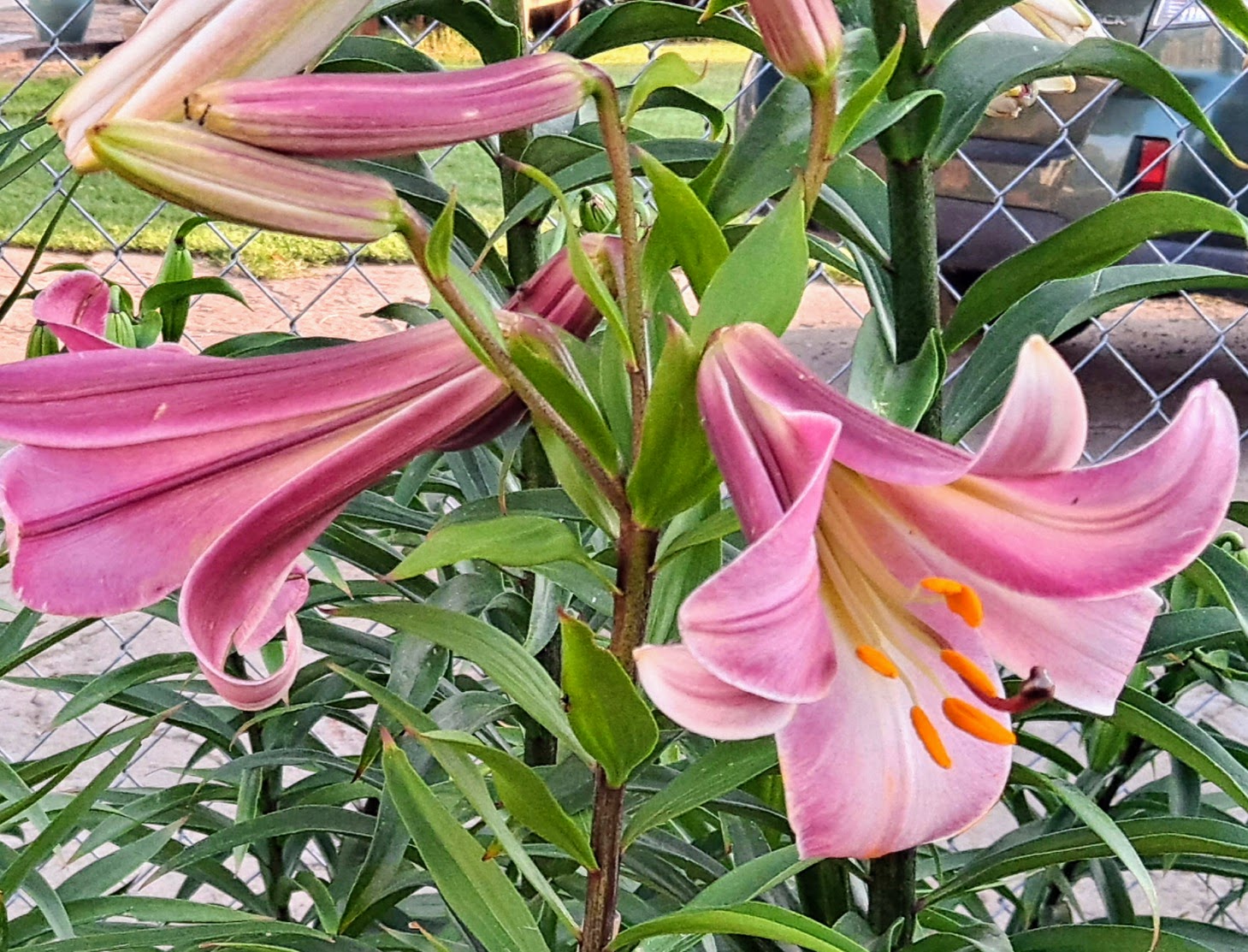
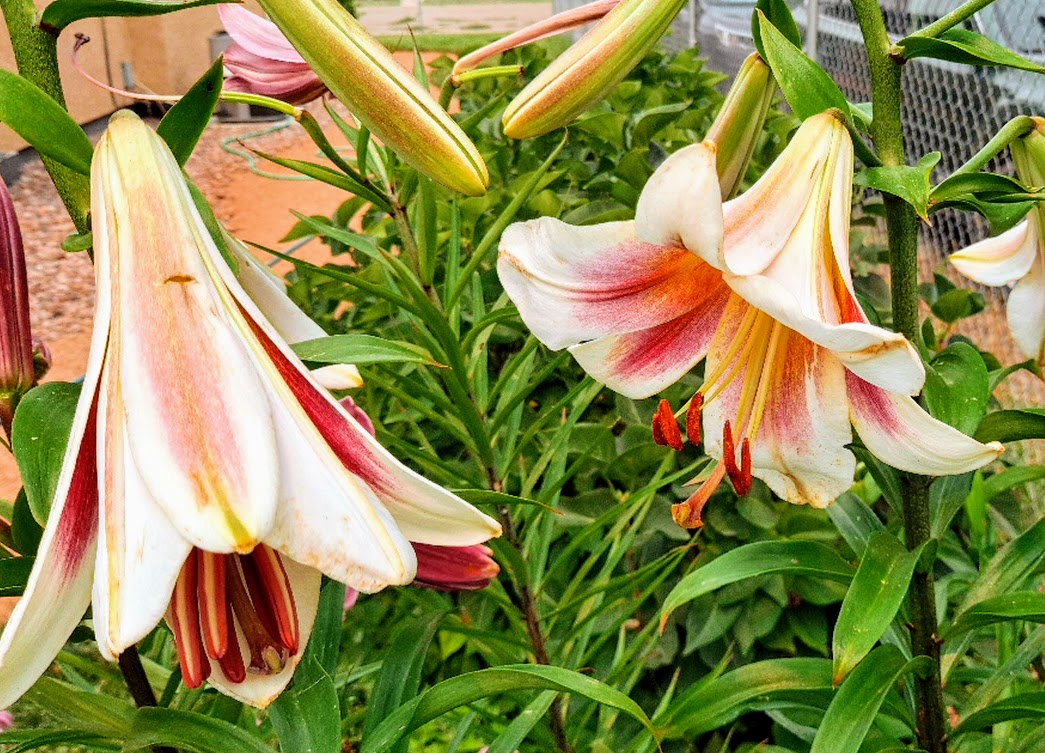
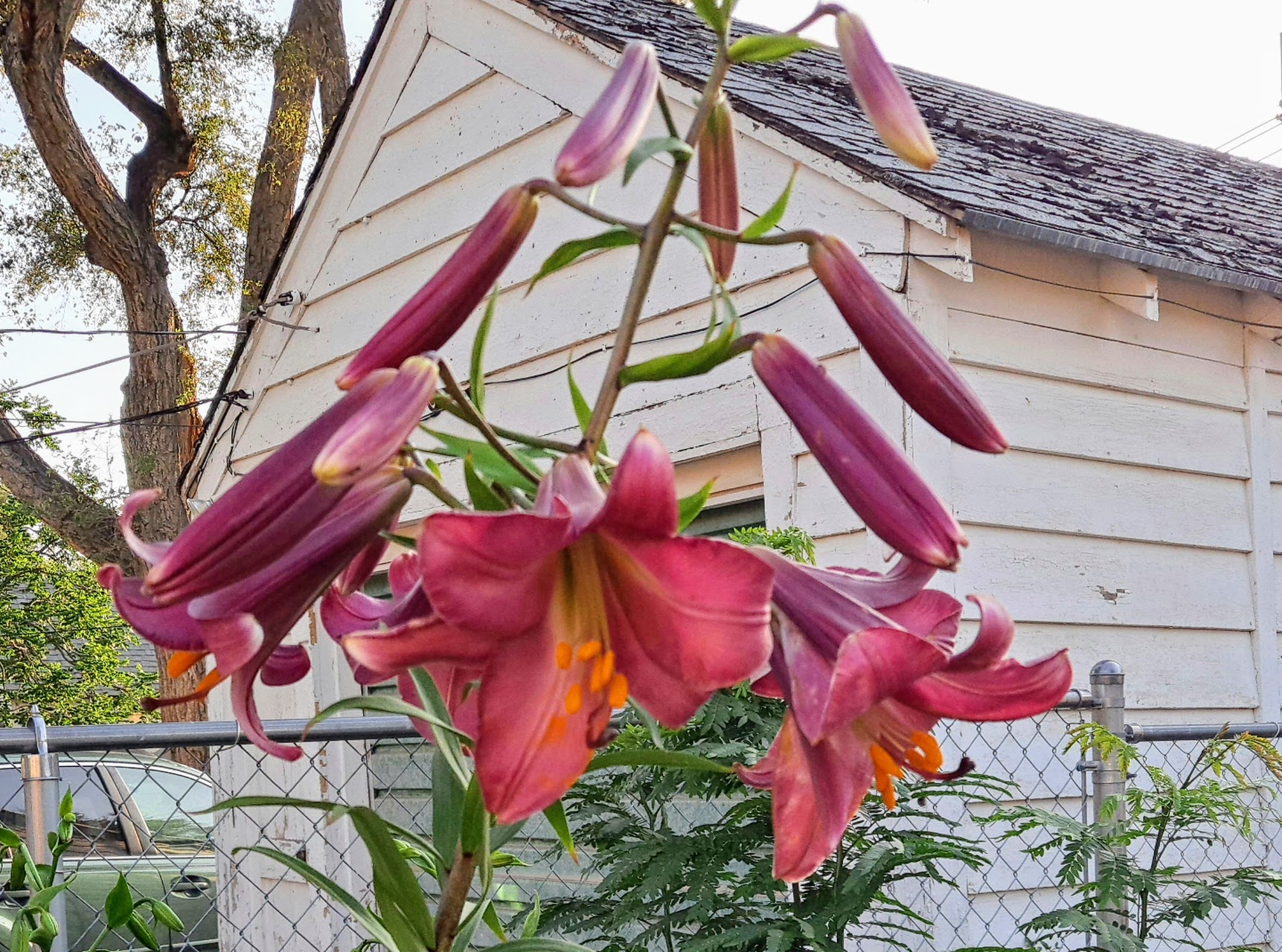
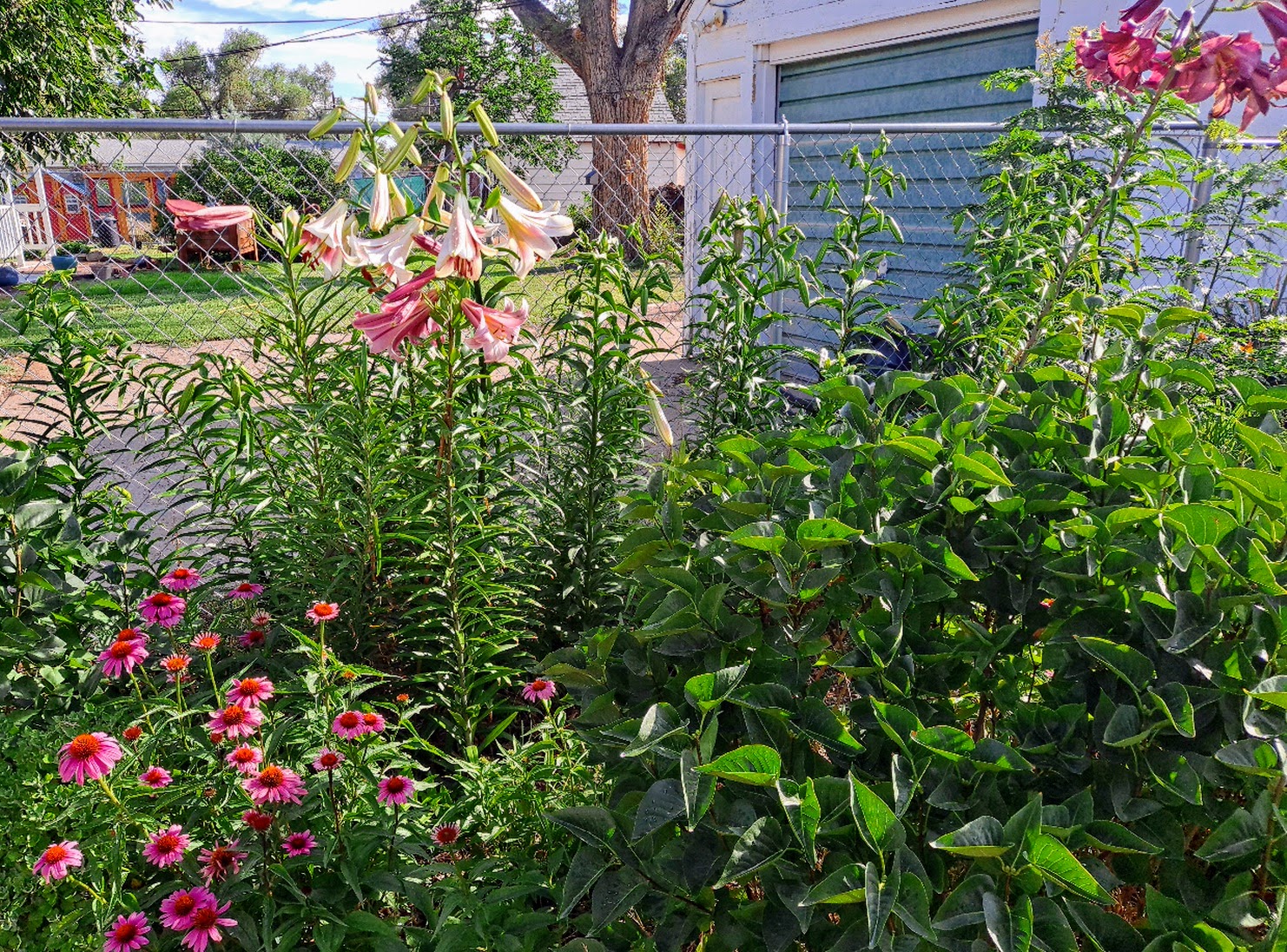
The recent frost did more damage than I originally thought. Although the plum blossoms made it through that first night, they soon turned brown and dropped off the branches. It’s what I expected, but still, it’s a bit disappointing. The lily tree forest was also more damaged than it first seemed — more brown than was first apparent — but I still think there should be plenty of lily flowers come July.

I took a few photos when I was out watering this morning. These irises aren’t mine; they are growing in my next-door neighbor’s yard, though they might as well be mine since there’s no one else to see them. It amuses me to think that I spend so much time outside watering and grooming my yard, and his totally unkempt (well, not totally — he does mow the weeds a couple of times during the summer) and completely unwatered yard yields these majestic flowers.

Then there is this photo of a columbine that planted itself. On my phone, the picture was perfect, the color the lovely purple of the plant itself, but when I uploaded it to my computer, it turned blue. Must be the difference when the P3 wide gamut space on my phone was converted to the standard sRGP for web display. I have no idea what that means, but that’s the answer I got when I Googled, “Why is the color different when uploading a picture from my phone. So that’s why, instead of the original purple, you see a blue columbine. Or maybe you see a different color? Purple maybe? Or orchid?

Another photo I took doesn’t do justice to what I wanted to memorialize. I’d just finished watering the lilac bushes when I noticed water drops clinging to the denuded flower stems. In the morning sun, those long-past-their-prime lilacs glittered like crystal. It was an awesome sight!

This last photo was a surprise. I must have pushed the button as I was walking away from those lilacs toward my gazebo, because this photo showed up on my phone. I loved the colors, especially the blue of the sky, so I kept it. (In the interest of honesty, I have to admit I skewed the photo from the original slanted image to get this version, but otherwise, the phone did it all on its own.)

A lot of plants are showing their first shy blossom, such as the larkspur and the cottage pinks, so perhaps I’ll have different garden photos to show in a few days.

Until then, I have these photos to please my eyes, and perhaps yours, too.

***

Pat Bertram is the author of Grief: The Inside Story – A Guide to Surviving the Loss of a Loved One.

How Does My Garden Grow

A friend left a comment yesterday saying that the pictures of flowers I’ve been posting are inspiring her to plant more. I understand that — they’re inspiring me, too. Last year I had little interest in my yard. The work-to-result ratio just didn’t seem worth it, but this year, so far, the gardens are doing great, with bits of color popping up all over.

The freezes we had a couple of nights this week didn’t do much damage, just burned the edges of some leaves, but I don’t think it will affect the flowers this summer. Luckily, the snapdragons I planted late last spring turned out to be hardy enough to survive the winter as well as these freezes, so I’m much further ahead with that gardening area than expected. Look at all those buds!

Columbines are still going strong, and this self-seeder seems to be enjoying the companionship of other flowers.

A new volunteer has shown up — blue flax! They might have been in a package of wildflower seeds or been blown in, but the reason doesn’t matter, just the enjoyable fact that are here.

Oh, don’t let me forget the star of Bethlehem! They’re easy to forget because they don’t bloom until the afternoon around here, but so dainty and pristine!

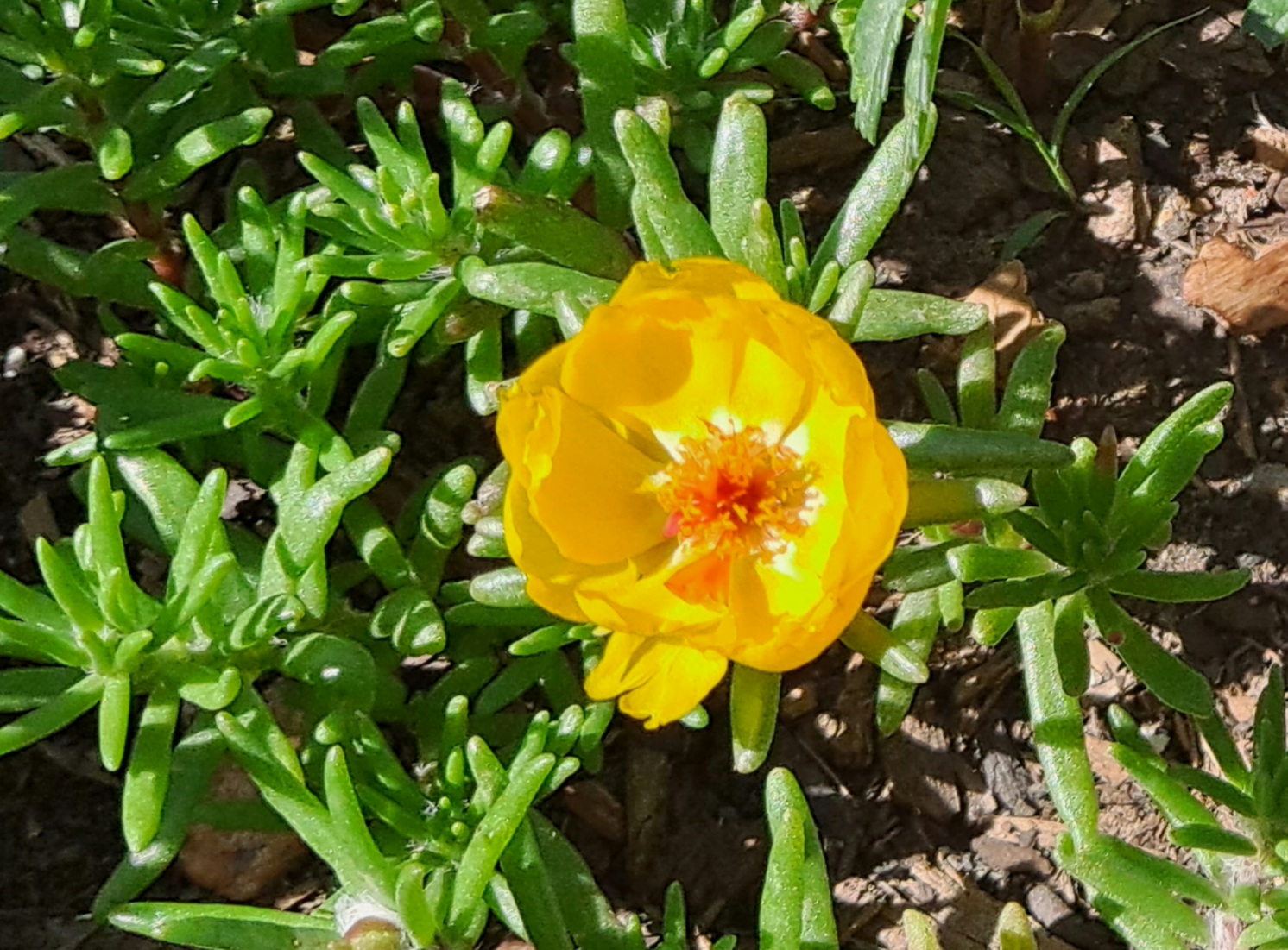
The ice plants flowers are starting to bloom, adding more cheerful ground color to the garden.

The wild roses surrounding the raised garden seem to be waiting for May, when I can plant whatever it is I am going to put in that planter. Dwarf zinnia seeds, maybe?

Ah, May! The fifth of May, to be exact. That’s historically the last day of a possible frost around here, so that’s when I plan on getting petunias to plant in my containers and whatever catches my eye to fill in a few empty spots.

Until then, I’ll continue to appreciate my yard and try to find satisfaction in a job well done even if I don’t always enjoy the work.

***

Pat Bertram is the author of Grief: The Inside Story – A Guide to Surviving the Loss of a Loved One.


Treasure Hunt

I went hunting this morning. I even took a few shots! Camera shots, that is. And the game I was hunting? Treasure!

Although right now there aren’t many flowers in my yard in comparison to the size of the lot, when I looked at each treasure for itself rather than a piece of the whole, I found a whole lot of color.

The most surprising to me was the flower on the vinca. When I moved here, there were a few plants in the way of my soon-to-be sidewalk, so I transplanted them. It seemed as if they all died, so I eventually planted other flowers. Then, of course, the vinca decided to grow. So I moved it to another location, but it didn’t like the new place and pined away. And then the original transplanted vinca came back. I just left it alone and this year, it seems to be taking over that garden spot. I suppose I’ll leave it, especially now, after seven years of being barren, that it’s decided to flower.

The plum trees have blossomed the past couple of years, but so far only a couple of those blossoms managed to grow into plums. Maybe this year there will be more than a couple greengage plums for me to savor.

Unfortunately, there was a frost last night, so who knows what will happen. Meantime, the blossoms still are cheerful!

A few columbines are now flowering.

The wallflowers provide a colorful backdrop for one of the columbine plants.

The wild roses are just coming into bloom. Too bad they have such a short bloom season, but the vibrant color makes any bloom season a joy.

Lilacs, of course, are always a joy. This year, I’ve had a longer lilac season than normal because the white lilacs didn’t start blooming until the purple ones faded.

The garden today was such a delightful place. So many treasures!

***

Pat Bertram is the author of Grief: The Inside Story – A Guide to Surviving the Loss of a Loved One.

A Sort of Apology

I feel as if I should apologize for all these Wheel of Time posts, and yet, here I still am.

In an effort to find an alternative to posting here, I looked for book discussions, thinking it would be fun to talk about the story, characters, and implications of the various events with other students of the work, but the discussions fell into a few distinct categories:

Discussions during the long years while fans waited for a new book to be published, most centering on where they thought the story was going, and which are now defunct because the series of books is finished and the ending, or at least an ending, is known.

Discussions centered on who loved what character, and how foolish were those who didn’t like said character. That sort of non-discussion gets old, especially if you hold a minority opinion and don’t want to be lambasted.

Discussions about the end of the book, and how wonderful the ending was, or if not how wonderful the ending was, how wonderful the substitute writer was for writing it (ignoring the fact that he got paid, and even more importantly, that the project catapulted him into fantasy superstardom).

None of those discussions fit with anything I wanted to discuss, and anyway, most were many years old. Any newer discussions revolved around the now cancelled television series, and how terrible/wonderful the show was. (Terrible because it turned the story into something completely different from the books, wonderful because . . .  well, because it was the Wheel of Time.)

I tried starting my own discussion, but only got the usual fan-type comments such as “I liked character A, I hated character B.”

I considered resurrecting one of my dormant blogs and doing a chapter-by-chapter discussion, but that didn’t appeal to me. I like the puzzle the books present, and I like that in some ways it is (was?) a cultural phenomenon, with many more millions of words written about the books than were actually in the books (the first book was published right around the time the internet, discussion boards, and social sites were just beginning, and the story happened to be geared to the age group that first embraced the online world). To be honest, I didn’t want to spend that much effort on what is really just a way for me to pass mental time. (Physical time, too, but I like having something to occupy my mind, more than the issues of the day or . . . whatever.) Besides, however much I determine that upon this rereading, for sure, I will read every word, I never do. I find myself skimming or even skipping the characters I find annoying and the parts that include too much torture, both mental and physical.

I make sure, however, that I never skim or skip some of the most lyrical of Jordan’s writing. At one point, a character got lost in thoughts of the past, remembering that “They danced beneath the great crystal dome at the court of Shaemal, when all the world envied Coremanda’s splendor and might.” That’s pretty much all we ever find out about the lost nation of Coremanda, but that one sentence is haunting, conjuring in just a few words a long-forgotten time.

And then there’s a song that the same character remembers from long ago, a song that seems to be a theme of the books (NB: the Aes Sedai are the women power wielders):

Give me your trust, said the Aes Sedai.
On my shoulders I support the sky.
Trust me to know and to do what is best,
And I will take care of the rest.
But trust is the color of a dark seed growing.
Trust is the color of a heart’s blood flowing.
Trust is the color of a soul’s last breath.
Trust is the color of death.

Anyway, that lyricism is beside the point . . . actually, no — it’s not beside the point, it is the point of my rereading the books. It’s just not the point of this blog post and my feeling I should apologize for dumping my thoughts on the books here.

So, if you want an apology, you got it, but it’s not truly an apology because a sincere apology connotes a promise of not repeating the offense, and perhaps unfortunately for you, I will continue posting my thoughts until I’ve finished this reread or until I’ve given up blogging again.

***

Pat Bertram is the author of Grief: The Inside Story – A Guide to Surviving the Loss of a Loved One.

Detachment

As you can probably tell from my lack of posts for the past couple of months, I’m losing my emotional involvement with my yard. Usually spring offers plenty of gardening photo opportunities, but lately I tend to just look and pass on by rather than document the beauties I see. Oh, I’m still doing the yard work, still waiting to see what blooms, still taking some pictures, but I’m doing so at a degree or two of separation. I’m not exactly sure why I started losing my enthusiasm. Perhaps because of the difficulty of keeping things green and blooming in this dry and sometimes harsh environment. Perhaps of a general feeling of detachment from life and a sense of the passing years. Perhaps because of . . . who knows.

Oddly, even though it hasn’t been that hot compared to previous springs — we’re just now getting up into the 90s — and even though I’ve been keeping up with the watering, the sun is so intense that the grass is already burning and flowering plants are wilting. I feel as if I should care, but I don’t, not really. Or maybe it’s that I don’t want to care. It does take a lot out of a person to plant flowers and greenery and tend them only to watch them struggle.

In a way, it’s not that big of a deal. I can replant grass and flowers and other vegetation. Or I can plant something else in the place of plants that don’t make it. For example, I had one large swath of grass left from the original sod I’d put in, but half of it died over the winter. (Which is odd in itself since all the rest died in the summer heat.) I couldn’t decide whether to replant the grass come fall or plant something else. In the end, I planted wildflowers instead of leaving the dead grass, and if I decide I want the grass, well, autumn (the best time to plant grass around here) is still a long way away. For another example, half of my ice plant that has spread so rapidly over the years also died in the winter, but I was able to replant.

So, not a big deal, but still . . .

I make it sound as if my garden is failing, but the truth is, it was prettier this spring than ever before.

Plenty of flowers planted themselves, such as the red poppies, and the larkspur. Other plants spread nicely. And some not so nicely. (I try to stay away from flowers that take over, but that’s not always easy to control since what should grow here doesn’t always and what shouldn’t sometimes does.)

This is always a rather unpretty time of year, which adds to my disinterest. The summer flowers haven’t yet budded. The larkspur is finished flowering but hasn’t yet gone to seed, so it makes the garden look rather drab. Once the larkspur and other self-planted annuals are finished, I can then replant so that August and September will be nice, but now it’s just a matter of keeping the yard — and me — going.

It’s funny — I waited all winter for this and now?

I’ve been sitting here thinking, wondering about that “and now?” and I have no response to that.

I have a hunch that once we settle into summer, I’ll be okay. Hot, but okay. There’s been just way too many weather changes lately to suit my poor aging mind and body — cloudiness and humidity and sprinkles of rain followed rapidly by sun and heat and then a repeat of the cycle.

At least I will have plenty of work to do outside to keep me occupied. In fact, I better close this off and go mow the grass.

Wishing you well.

***

Pat Bertram is the author of Grief: The Inside Story – A Guide to Surviving the Loss of a Loved One.

Tulip Envy

In a garden, as in life, envy is not a good thing. One can appreciate the object of that envy, though one must be sure to be grateful for what one has, not what one wishes one had.
That’s cryptic, I know. Or rather, it would be if not for the title of this piece. Tulip envy. Yep. That’s the truth of it.

I was at a friend’s house the other day and was gobsmacked by the sight of her tulip garden. I stood there, frozen with awe, drinking in that vision. Except for photos in gardening magazines, I’d never seen such perfect tulips, such vibrant colors, such an awesome display of floral pulchritude. To say I was envious is . . . well, it’s redundant considering I’ve already mentioned the envy part a couple of times. (Just so you know, all the photos in this blog are pictures of my tulips.)

That’s when I realized it’s okay to be appreciative, but it’s not okay to compare. Her tulip garden is decades older than mine, so it’s had time to mature. It’s in the shade, which around here is necessary since the sun, even on cool days, tends to be intense. (And one of my tulip gardens is always a bit sickly since it gets more sun than the poor things can handle). And anyway, seen for what they are, each of my little displays is perfect.

Another thing I learned is that what you get is what you get. So much of tulip gardening in the dry high plains is a matter of weather and hence beyond our control. This year, for the first time since I’ve lived in this house, we had heavy snows at the beginning of November, followed by a few half-hearted snowfalls rather than the reverse, which is what we usually get. Because of that early snow, tulips that lay dormant last year burst forth with color this year. Even my poor sun-drenched garden put forth a few lovely blooms.

So, I’m celebrating my blooms. Focusing on that which is right beneath my feet.

At least when it comes to tulips, that is. What else is right beneath my feet is an incipient forest. A couple of springs ago, my neighbor’s ash tree flooded my yard with an inch-thick coating of seeds. I cleaned them up the best I could. Twice. (Because there was a second seed flood shortly after the first.) As it turns out, whatever conditions produced tulips this year also produced ash seedlings. Dozens and dozens of them. I can’t just let them be, can’t pull them up like weeds because some of those root systems are a foot deep, can’t kill them because I’d also kill the surrounding ornamental plants. So . . . dig, dig, dig.

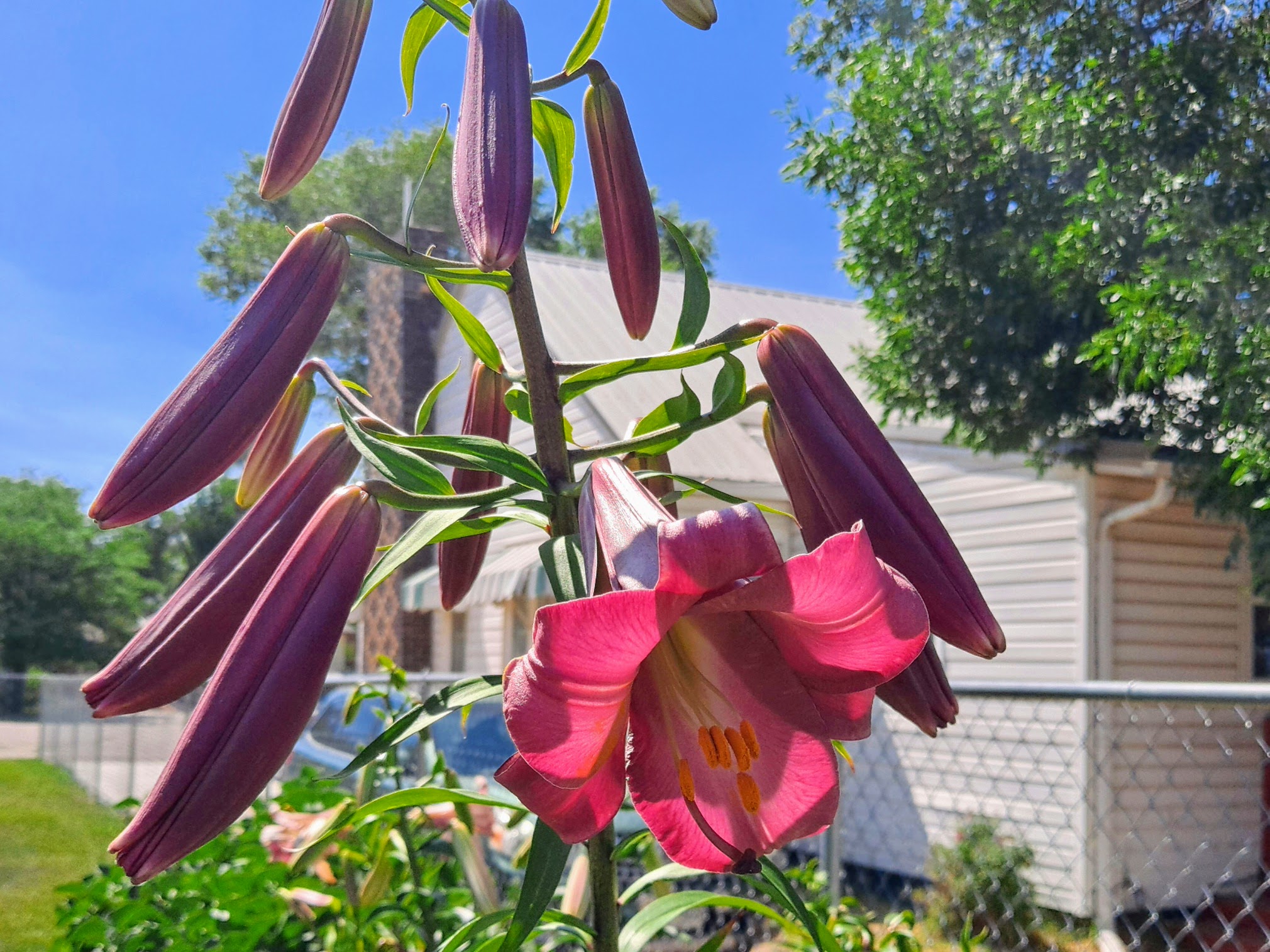
And then, boo hoo, some of my newly sprouted lilies froze in the last frost. Something else I had no control over. They were eager to start growing during the warm days, but the poor things conked out during the frigid months.

With all that going on, it’s truly much better to concentrate on my lovely tulips!

***

Pat Bertram is the author of Grief: The Inside Story – A Guide to Surviving the Loss of a Loved One.

Just One Word
Feast for the Eyes

I got my first seed catalog yesterday, and oh! It sure brightened the dark, dreary day. A real feast for the eyes.

I’m not sure how much I want to spend on mail order seeds and plants this year. With all the price increases (not just groceries but also utilities and insurance), money will be tighter, but still. Flowers? Always a great investment since food for the soul is as important as food for the body.

Regardless of how it turns out, I can dream about glorious gardens and lush blooms. And anyway, with snow on the ground and more in the forecast, dreaming is about all that can be done right now. Luckily, feasting one’s eyes on beautiful if improbable flower photos in catalogs and dreaming about seeing them in one’s own yard takes a heck of a lot less work than buying the seeds and starters and actually planting them.
Even if I wanted to invest actual money in garden dreams, I still pretty much have to wait until spring and see what in my garden survived the winter. It’s possible that some plants I am counting on won’t make it through this horrendous winter; it’s also possible that other plants will have seeded themselves to fill in the gaps. Besides, if I pass on this opportunity to order plants, there will be other opportunities come spring when localized businesses bring out their gardening wares.

To be honest, this long winter chill has made me so lazy that the thought of working in my yard exhausts me. If I am even more honest, one of the thrills for me of having a garden is being able to take photographs of anything that comes up, so I could borrow someone else’s garden or even just rest on the laurels of past photos.

As if!

We both know that come spring, I’ll be out there doing what I can to reclaim and rebeautify my garden spots, even if it takes more work than I would like.

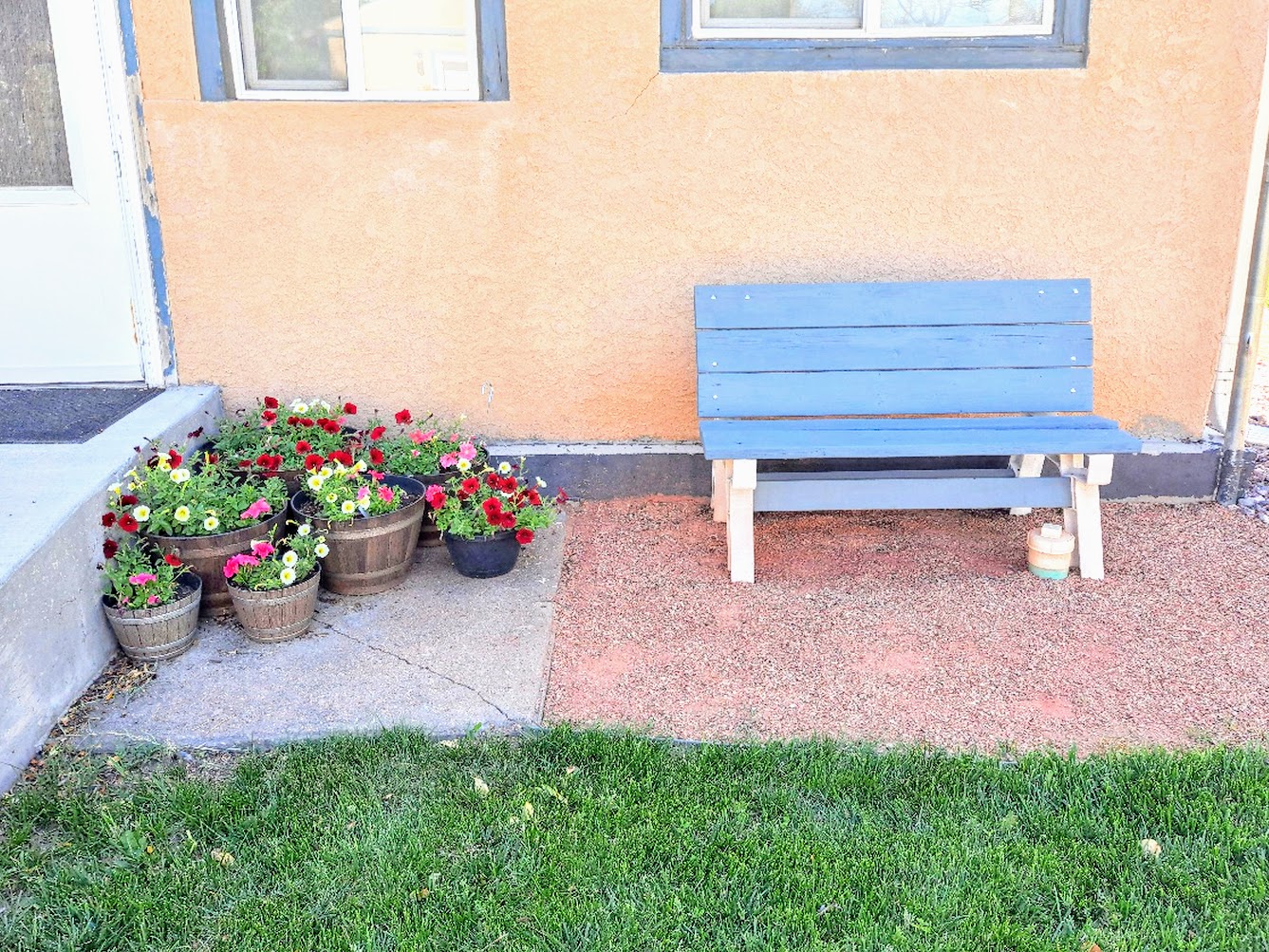
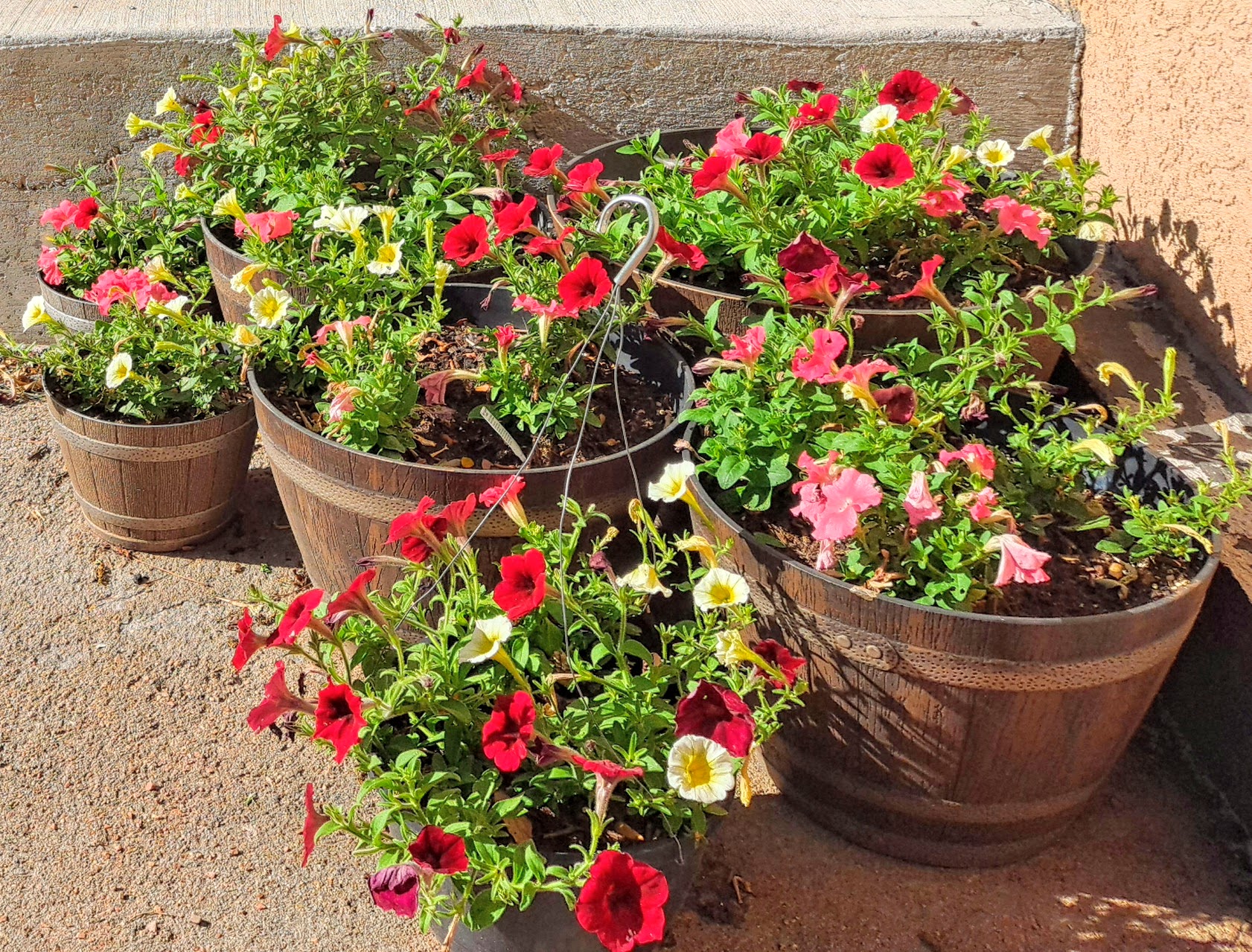
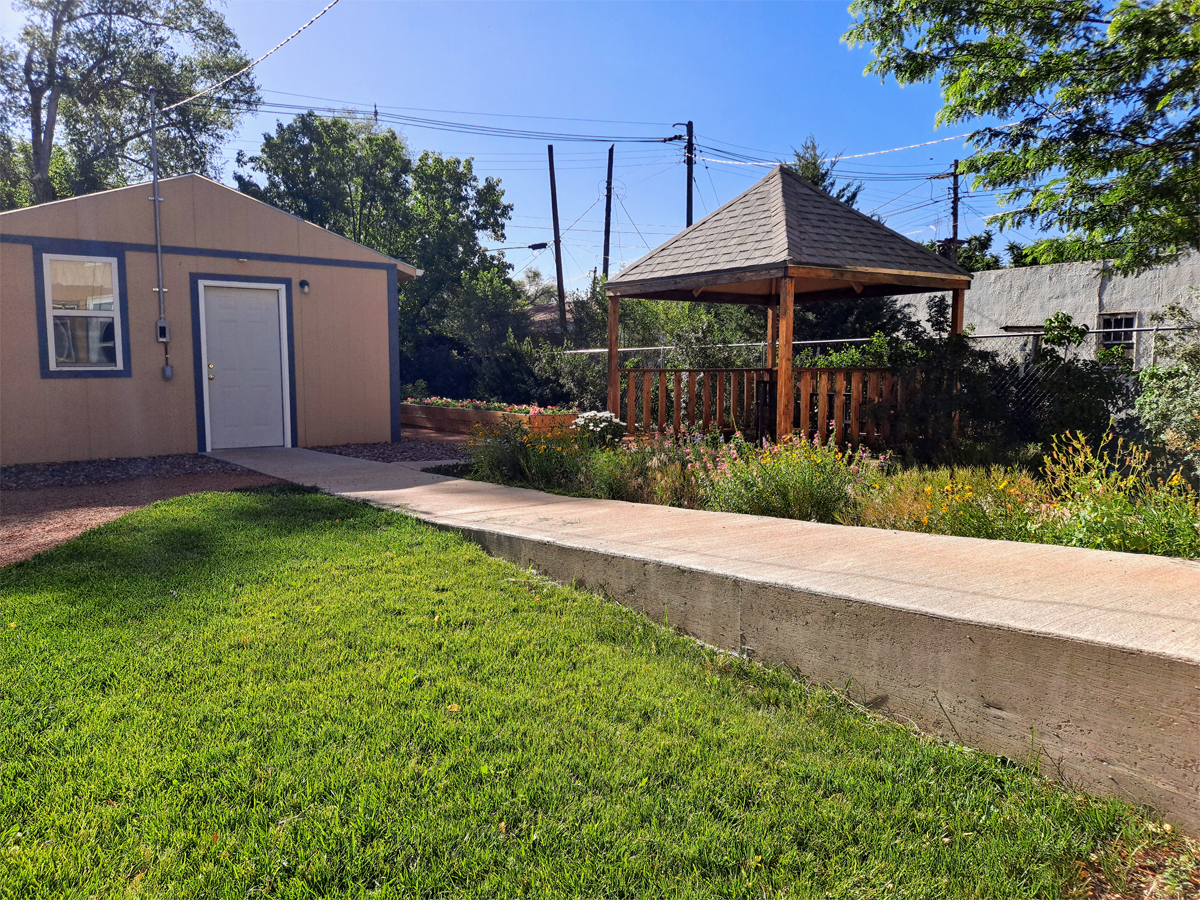
Meantime, I can feast my eyes not just on the all the catalogs that are sure to come, but also on photos of previous garden successes.

***

Pat Bertram is the author of Grief: The Inside Story – A Guide to Surviving the Loss of a Loved One. “Grief: The Inside Story is perfect and that is not hyperbole! It is exactly what folk who are grieving need to read.” –Leesa Healy, RN, GDAS GDAT, Emotional/Mental Health Therapist & Educator.

Gorgeous Autumn Day

I’ll bet you can’t guess what I did today! Aww, you guessed it. Where else would I be on such on gorgeous autumn day but out working in my yard? Of course, if you guessed blogging or being on the internet, that would have been a sure bet, too, because here I am. Or if you guessed reading, that too would have been a win because that’s how I will spend the rest of the day.

Hmm. Sounds as if I live too narrow a life. I might have to do something about that eventually to keep from the dreaded stagnation (dreaded by me, that is), but for now, there’s a lot of work to do, not just the usual maintenance, such as watering and mowing the grass and digging weeds, but also getting ready for late fall planting (lilies and wildflowers) and preparing for winter.

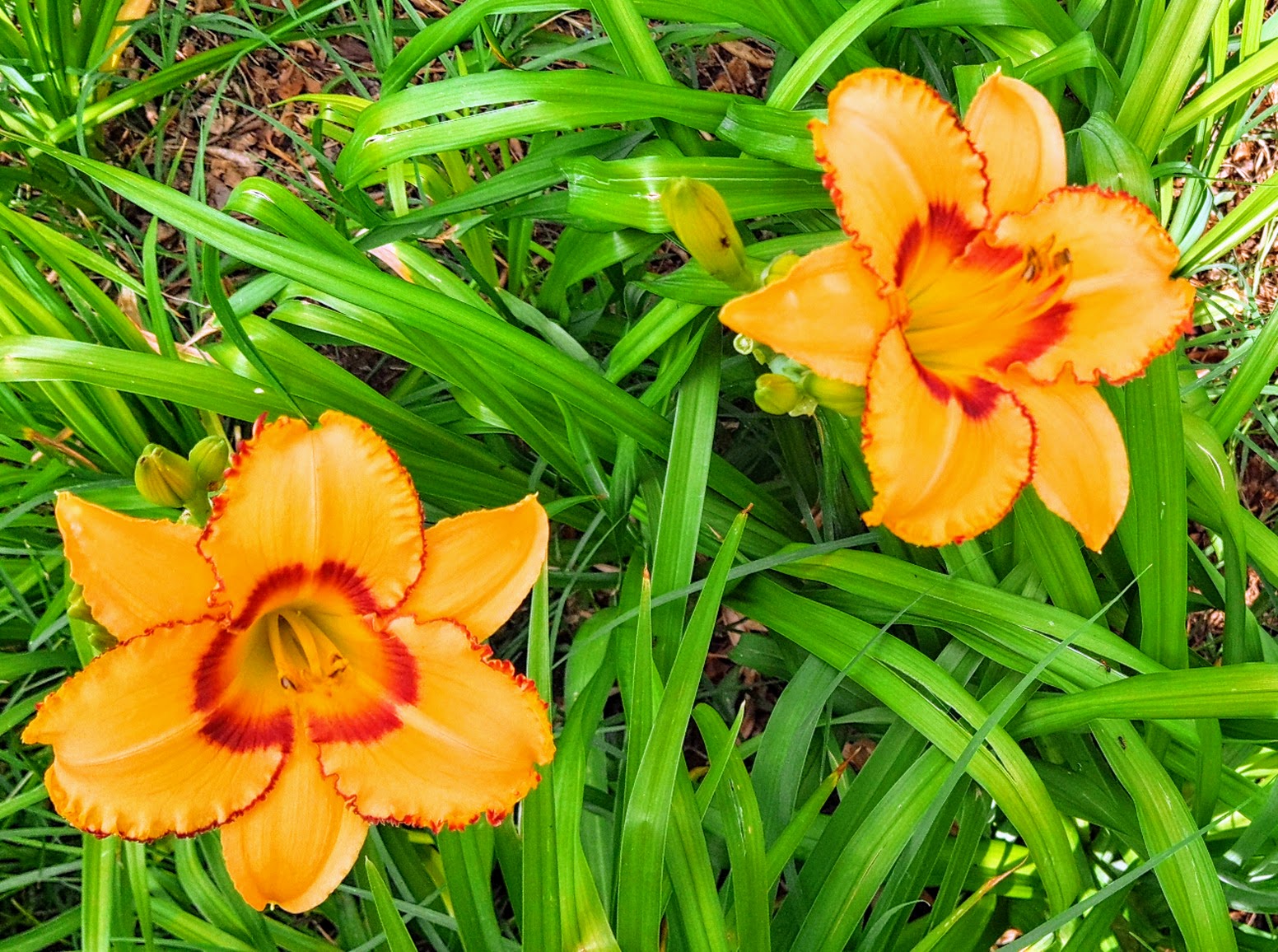
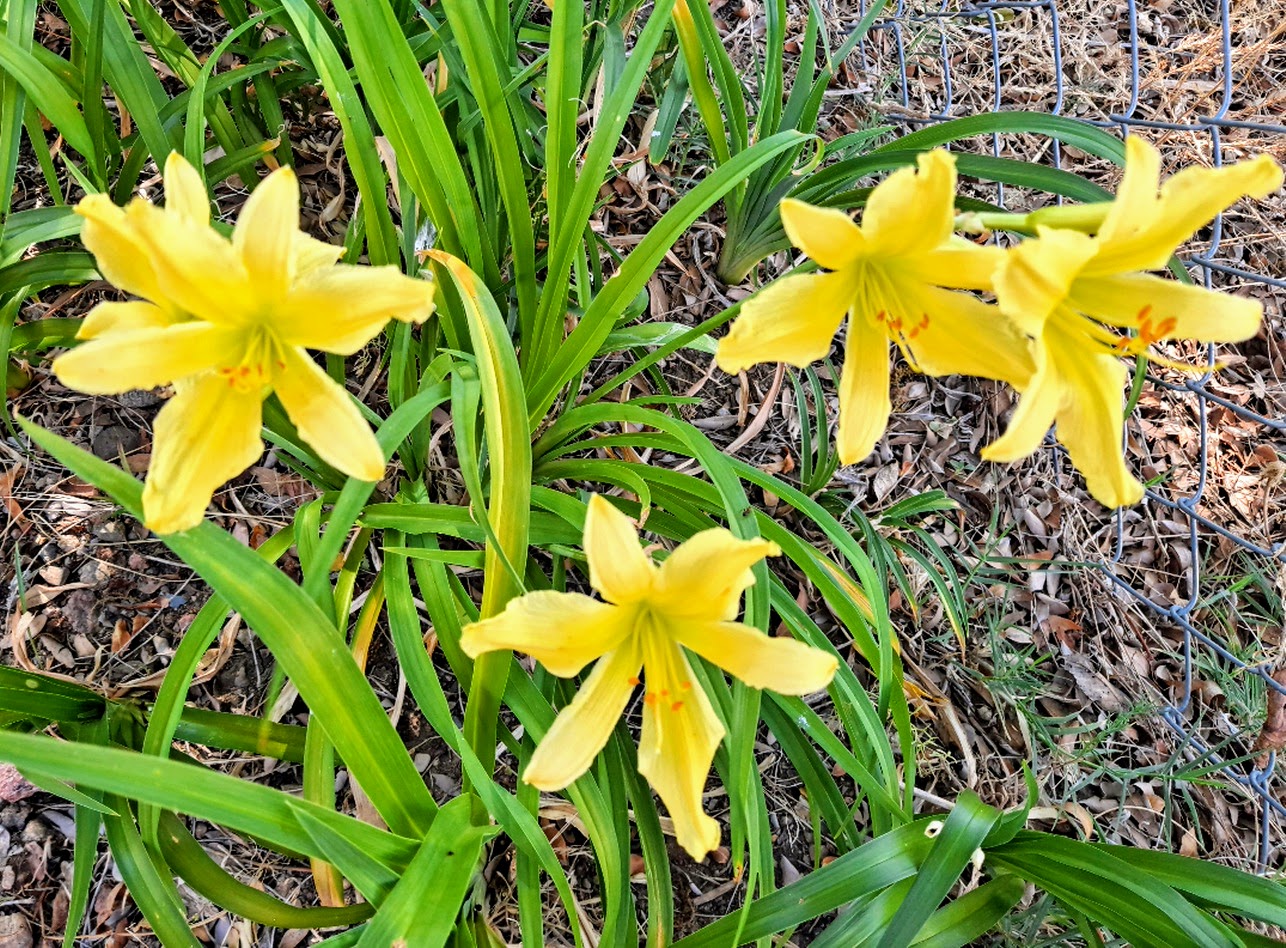
It seems as if summer was never-ending, but then, in just a snap of the fingers, it was over. I know it was a long, hot four months, but in retrospect, the whole summer was truncated. Except for the work I did, though, there wasn’t much to distinguish the days from one another. There seemed to be few summer flowers, and those that did come up, like the lilies and day lilies were swamped in wildflowers or weeds. Now, though, there is plenty of color! Zinnias. Amaranth. Chrysanthemums. New England Asters. Marigolds.

In another snap of the fingers, winter will be here, but I’m not going to think of that — I’ll just enjoy the lovely fall weather as long as it lasts. (Warm days, cool nights — what’s not to like?)

I wasn’t sure whether I should use the term “autumn” or “fall” for this post. I recently came across one of those USA-bashing comments intimating that the sophisticated British use the term autumn but the uncouth and simple Americans use “fall” (named because of the falling leaves). I certainly didn’t want to bring ridicule down on my head for using the wrong word, so I looked up the origin of both terms. It turns out that “fall” is not something you can lay at our American feet. Both words originated in Britain. Autumn was first used in the 1300s. Fall was first used in the 1500s. But the correct term for this season is (or at least it was before 1300) “harvest.”

Still, whatever the name for this season — fall or autumn or harvest — it certainly has been a pleasant and colorful (and exhausting) one for me.

***

Pat Bertram is the author of Grief: The Inside Story – A Guide to Surviving the Loss of a Loved One. “Grief: The Inside Story is perfect and that is not hyperbole! It is exactly what folk who are grieving need to read.” –Leesa Healy, RN, GDAS GDAT, Emotional/Mental Health Therapist & Educator.

Suffering for Art

I’ve never been one to believe in suffering for my art. Not that “my art” is actually art — it’s more in the line of pretty photos I’ve taken to memorialize some flowers I’ve grown. And if art isn’t worth suffering for, then pretty photos — no matter how attractive — definitely are not worth suffering for.

Actually, there wasn’t much pain or suffering involved, and it was a silly thing anyway that’s not much to talk about. And yet, here it is . . .

Last evening, when I got home from work, I noticed this bright orange zinnia, and wanted a photo.

It was a couple of feet into the garden, so I used my walking stick for balance as I leaned over to get a photo, and the walking stick slipped on the foliage, making me lose my balance, and I went down. Sort of ironic, really — if I hadn’t been using the stick for balance, I wouldn’t have fallen. Luckily, I wasn’t hurt except for a small scratch on my arm. Even more luckily, I was able to get up without any trouble.

So that’s a good thing, I suppose — not the fall but learning that I can still get up. I’ve been wondering about that, but I’ve been hesitant to sit on the ground to test myself in case I couldn’t get back on my feet. So I passed the impromptu test and got up with very little trouble. Whew!

It’s been a while — years, maybe — since I’ve fallen, and hopefully it will be a long while before I fall again. I am very careful about such things because I’ve known too many older people whose lives as they knew them came to an end after a fall. (Not because of the fall itself, of course, but because of the injuries the fall caused.)

If ever I need another photo in a hard-to-reach place, I won’t try to balance myself as I lean over to get a close up — I’ll just step right into the garden, and the heck with any damage. One footstep would for sure cause a lot less damage to the garden than an entire falling body. Or I could simply pull out the plants that are in my way. (That’s why the reach was so great to get the photo — the garden had grown out of its bounds.)

I won’t have that same problem next year — that particular garden spot might be mostly empty. Although it’s on the north side of the house, it turns out the be the sunniest (and hottest) place on the property, which is probably why my cool-season grass browned out along there, so it will be the perfect place to plant the desert wildflower seeds I received yesterday. Because it might take a year for the plants to germinate, it’s possible there will be only dirt (and weeds, of course) in that spot.

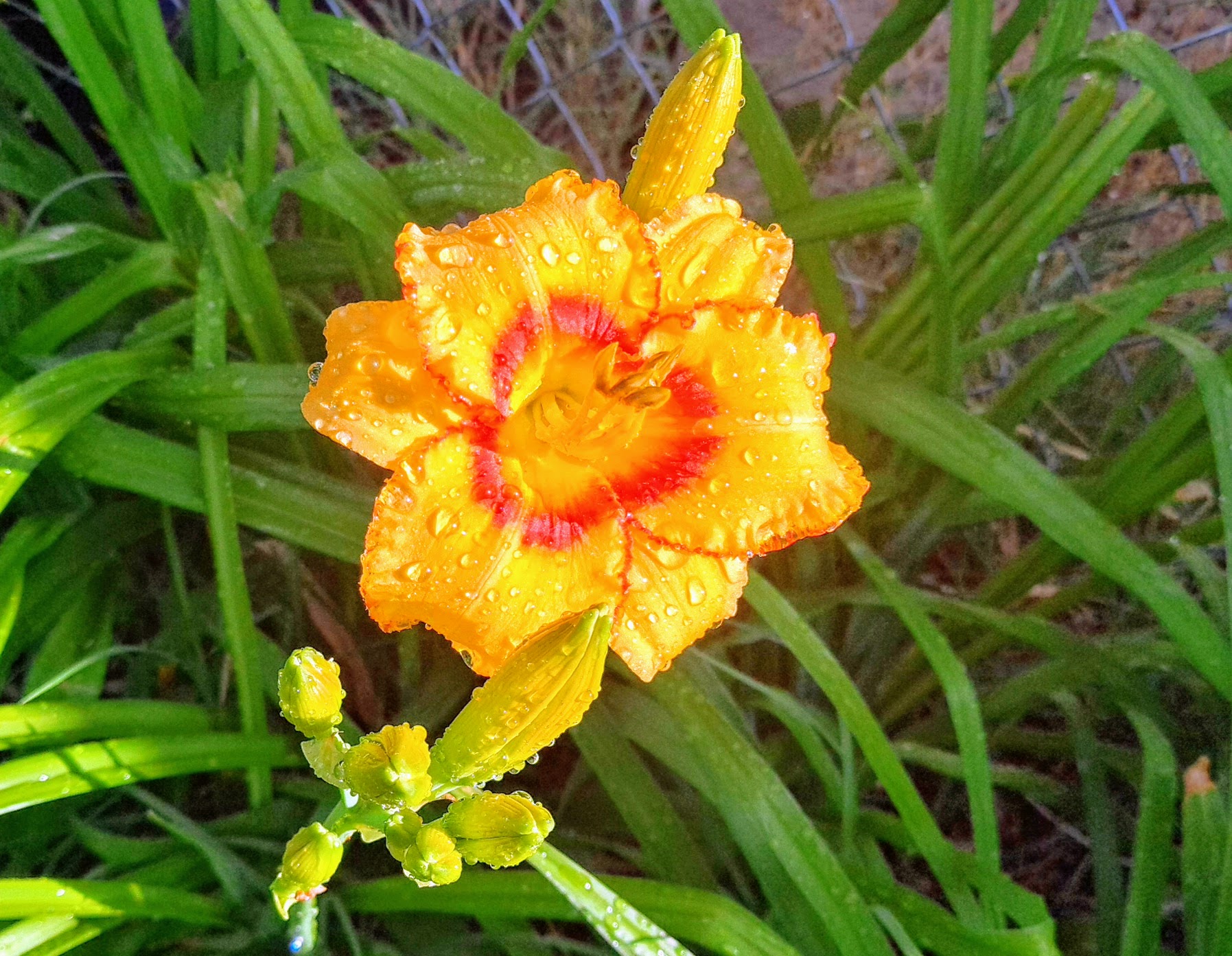
But for now, there are still some pretty flowers for me to photograph.

***

Pat Bertram is the author of Grief: The Inside Story – A Guide to Surviving the Loss of a Loved One. “Grief: The Inside Story is perfect and that is not hyperbole! It is exactly what folk who are grieving need to read.” –Leesa Healy, RN, GDAS GDAT, Emotional/Mental Health Therapist & Educator.