The slang term “to dig” means to understand, approve of, or enjoy something, with the connotation that one is really into whatever it is that one is digging.
The title of this piece might make it seem as if I am really into this summer, really enjoying it, but that perception is far from the truth. Although for the most part, this summer has been cooler than the past few summers by about five degrees or so, it is still horrendously hot, with high temperatures hovering around 99 degrees. Despite that, it’s been harder keeping things alive this year — the sunlight seems even more piercing than normal, searing skin and grass and plants and anything else it happens to fall upon, even some normally sun-loving weeds.
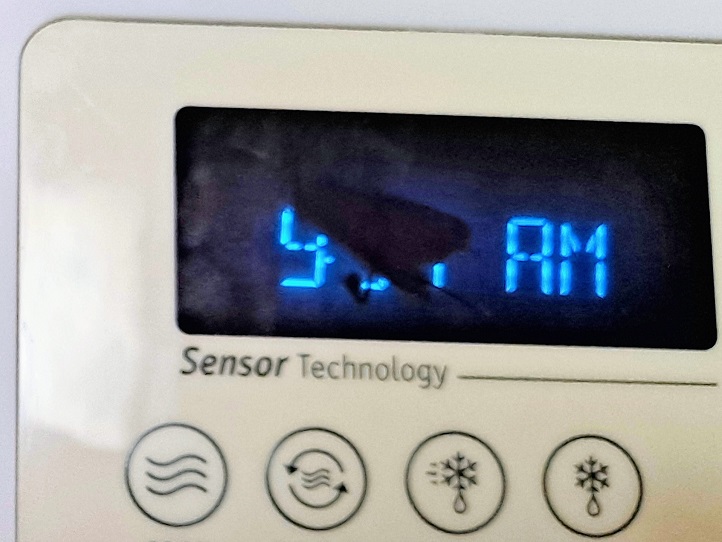
The scourge of insects has been as bad as the heat. First there was the miller moth invasion, where hundreds of moths descended on my yard and made their way into house. Luckily, most of those inside moths were imprisoned in the basement, but a few still made their way into my living space. The weirdest moth incursion was into the screen on my microwave. How it got inside there, I don’t know, but it sure spooked me when I realized that’s what had darkened the viewing screen.
Next came clouds of mosquitoes. Despite mosquito repellent clothes and mosquito repellent spray for my skin, I managed to get several bites every day. I was so not digging that!
And then the grasshopper horde showed up, eating things that I planted specifically because these predators have left them alone in the past, like lilacs and zinnias. That’s not so bad because the lilacs will survive and the zinnias are annuals and so would be gone anyway, but those voracious eaters pretty much ate my greengage plum trees. There is still a bit of the skeletons left, so perhaps the trees will come back next year, but I am not counting on it, especially since there are still weeks of summer left for those critters to continue munching.
We also had three devastating hailstorms. Luckily, they didn’t do any damage to the house or garage, but parts of my garden were decimated.
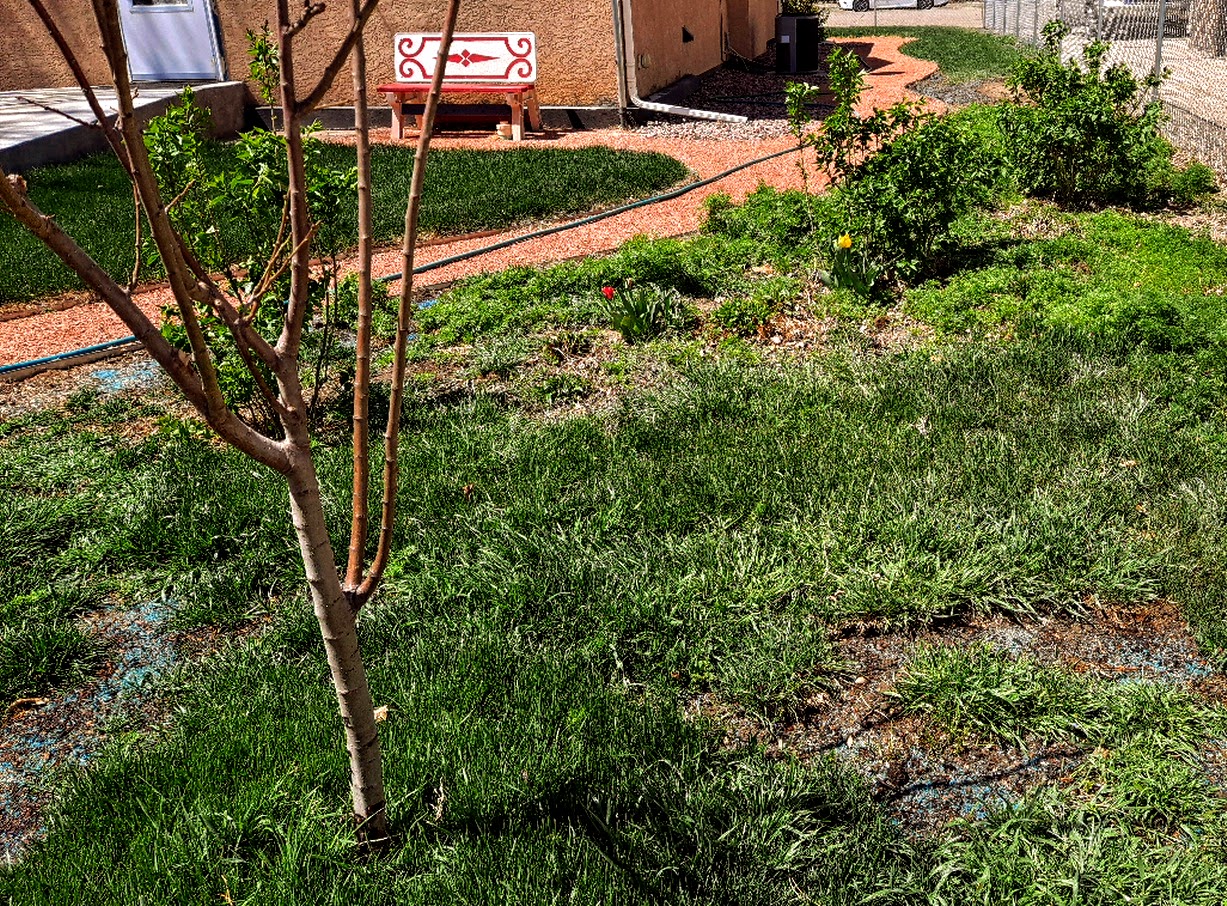
The most disheartening aspect of this summer has been the death of my expensively sodded lawn. They put in a grass that is geared for both sun and shade, and since most of my yard gets absolutely no shade and around fifteen hours of direct sun — searing sun — every day in the summer, the grass didn’t stand a chance. Even worse, the devil grass took over, destroying any possibility for simply overseeding the lawn.
So, no, I did not slangily dig this summer, but I did literally dig this summer, spending two or three hours every morning for the past couple of months digging up the dead grass and the live devil grass.
As hard as it is to do the work, it keeps me focused on what I can do rather than focused on things I can do nothing about. Because of that, until this past week, I wasn’t even that upset about the guys that sold me the wrong grass, but suddenly, the job overwhelmed me, and I was a bit peeved at the whole thing. I think if I believed the extreme heat tolerant grass seed I got would work out okay, it might not have bothered me, but I am to the point I’m not sure that anything I am doing is making a difference. Or that it’s worth it.
Still, I have to do something. I do like the look of the bare ground (and the gardening dream it brings of what could be), but unfortunately, I can’t leave the ground as is. Grasshoppers love bare ground to lay their nests, and next year their population would be incredibly dense if I don’t disturb the ground and plant something. Besides, weeds and the devil grass would take over, and I have no intention of ever doing this sort of digging again. Frankly, I’m astounded I could do it at all. Three years ago, my knees were so bad I could barely walk, and this year so far I’ve dug up about 1,000 square feet of weeds and grass. Makes me sore just thinking about it.
This isn’t the end, of course. After the digging comes the raking and then comes the seeding. And after all that comes daily (or even twice daily) watering until the grass comes up. (Despite my discouraging words a couple of paragraphs ago, I have to believe the grass will sprout and grow.) And then, whatever happens, happens.
Luckily, in just about four weeks, autumn will be here and put an end to this summer, whether I dig it or not.
***
Pat Bertram is the author of Grief: The Inside Story – A Guide to Surviving the Loss of a Loved One. “Grief: The Inside Story is perfect and that is not hyperbole! It is exactly what folk who are grieving need to read.” –Leesa Healy, RN, GDAS GDAT, Emotional/Mental Health Therapist & Educator.








 Bertram's Blog