Sometimes gardening it too much like life to suit me. Come to think of it, gardening isn’t “like” life, it is life. All those plants and other living creatures go through the same sort of life cycles we do, with ups and downs, growth and stagnation, illness and death. They might not have to deal with the angst of their traumas, but we — in this case “I” — suffer the angst for them.
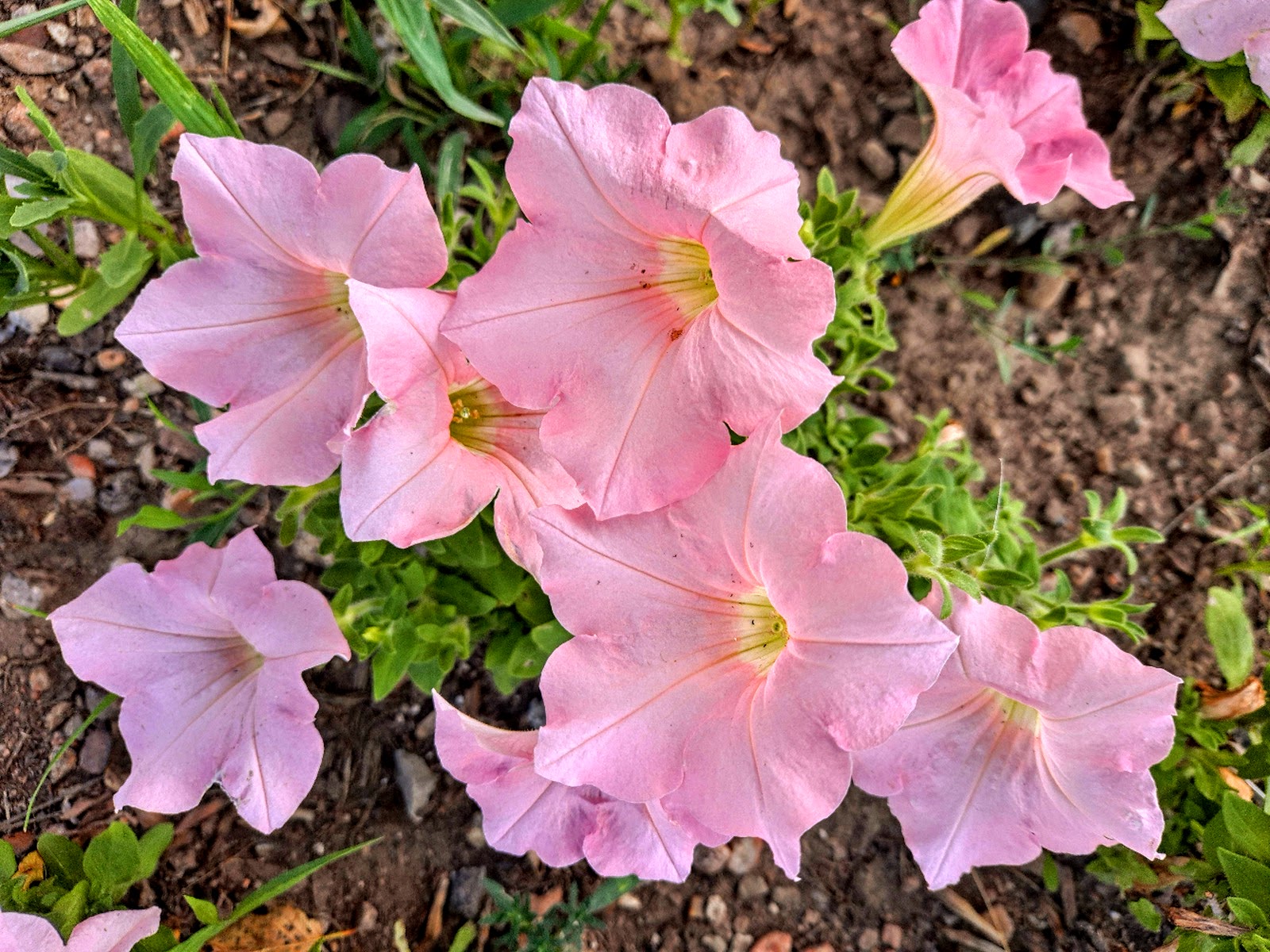
This has been a particularly confusing time for me garden-wise. The sun desiccates plants so quickly, that what was thriving yesterday, is all but dead today. I’m glad I took a photo of these petunias yesterday because today, not only are the flowers gone, but the plants themselves look as if they might not make it through another drastic heat wave.
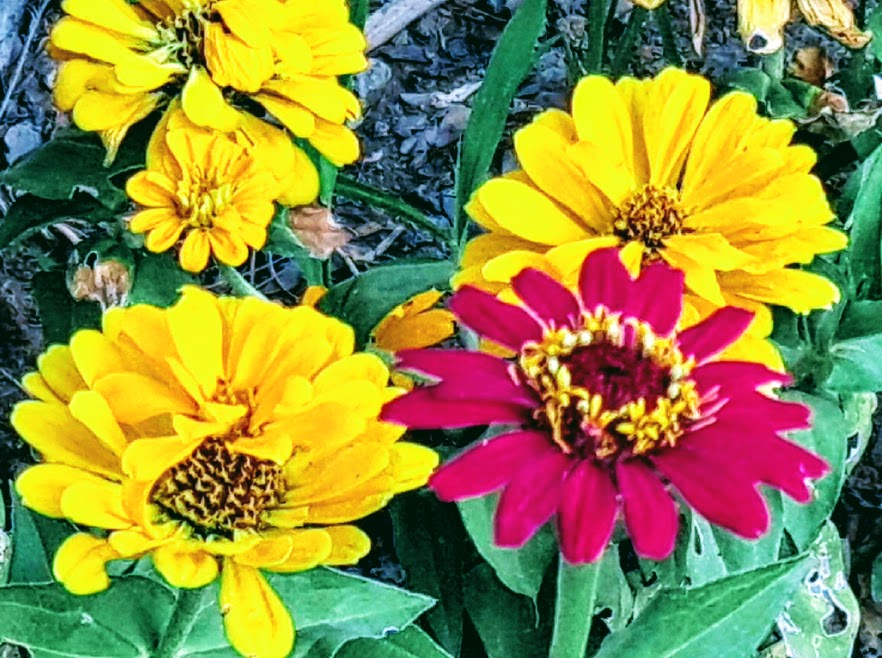
The same thing happened to the zinnias, though I don’t know why. They generally like this climate and this area especially — at one time, 92% of all zinnia seeds were grown in this valley not far from here. Luckily, only the flowers desiccated. The plants themselves seem strong enough to produce more blossoms.
The grass especially confuses me. The large area of the lawn that had turned brown about a month ago was doing well until last night, and now it’s even worse than it was the first “brown” time. As if that weren’t bad enough, I’ve been infested with slime mold in a different area of the lawn. How the heck does such a dry climate even have slime mold spores? And how can a certain area be moist enough for the slime mold to take hold when the area all around it is gasping for a drink? (A while back, a cat with diarrhea left its offering in that very spot, so all I can think of is that it somehow ingested the spores and was generous enough to share.) Even though I clean up the slime mold every morning and sprinkle the grass with baking soda, it grows again overnight in a different spot.
And no, I didn’t take a picture of the white blob. I wanted to get rid of it as quickly as possible; I certainly didn’t want to memorialize the creature. (I suppose it’s a creature, though it’s not an animal, a fungus, or a plant but an amoeba. A smart amoeba. Supposedly these plasmodium can solve problems even though they don’t have a brain. Sheesh. As if the life of a garden — and gardener — wasn’t horror enough.)
Another issue I encountered was with a hen and chick plant that flowered. This rooster, as the blooming rosette is called, came right on time. (They flower about every three years.) One gardener told me the flowering stage was the end of the cycle and to pull up the whole rosette so the “chicks” could grow. After I did that, I found out the flowers produce seed, so I could have left it until the rosette died on its own. See? Too much like life. Either way, the chicks will soon become hens. And that, too, is life.

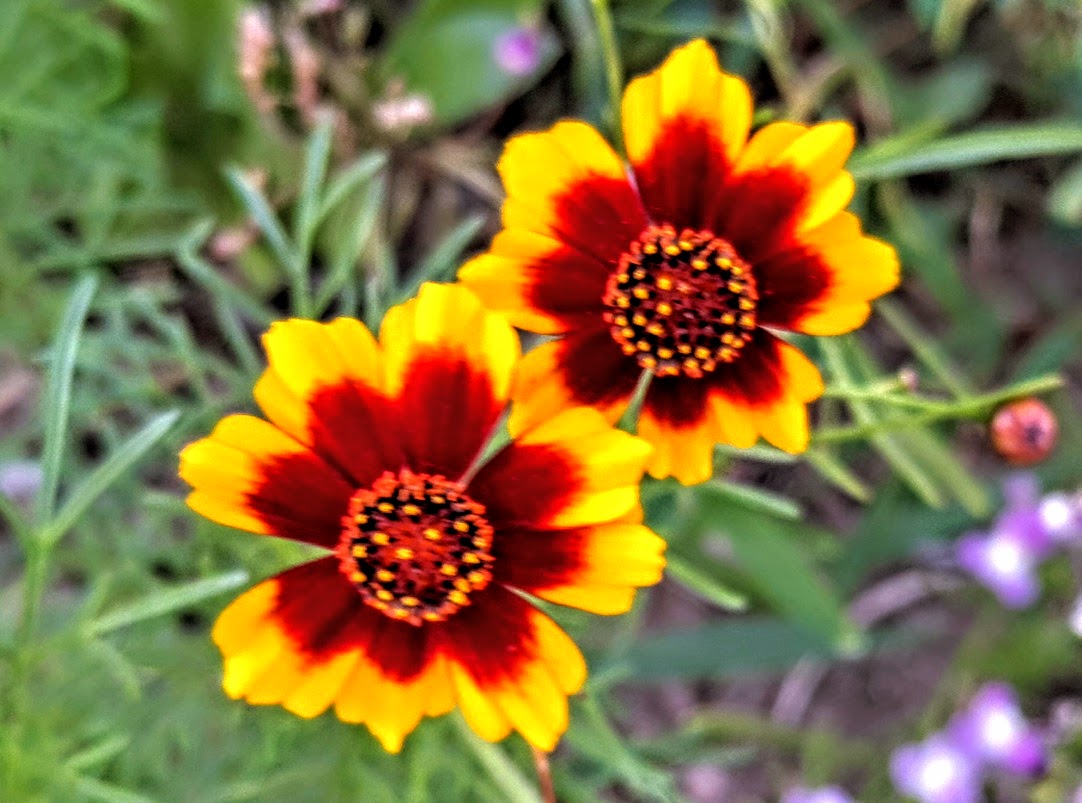
Although I have enjoyed the wildflowers, I’m not sure if I’ll buy more seeds to plant next year. (I still have some left over, so I can change my mind about planting them at the last minute.) The blooms are staggered, so there’s not a lot of color at any one time, and the mass of plants mask weed and weedy grass growth. I’ll need to completely clear out some of the wildflower areas since that will be the only way to get rid of the weeds, but it won’t be a problem since most of the flowers were annuals anyway. The flowers that went to seed won’t be affected — the seeds should still grow.
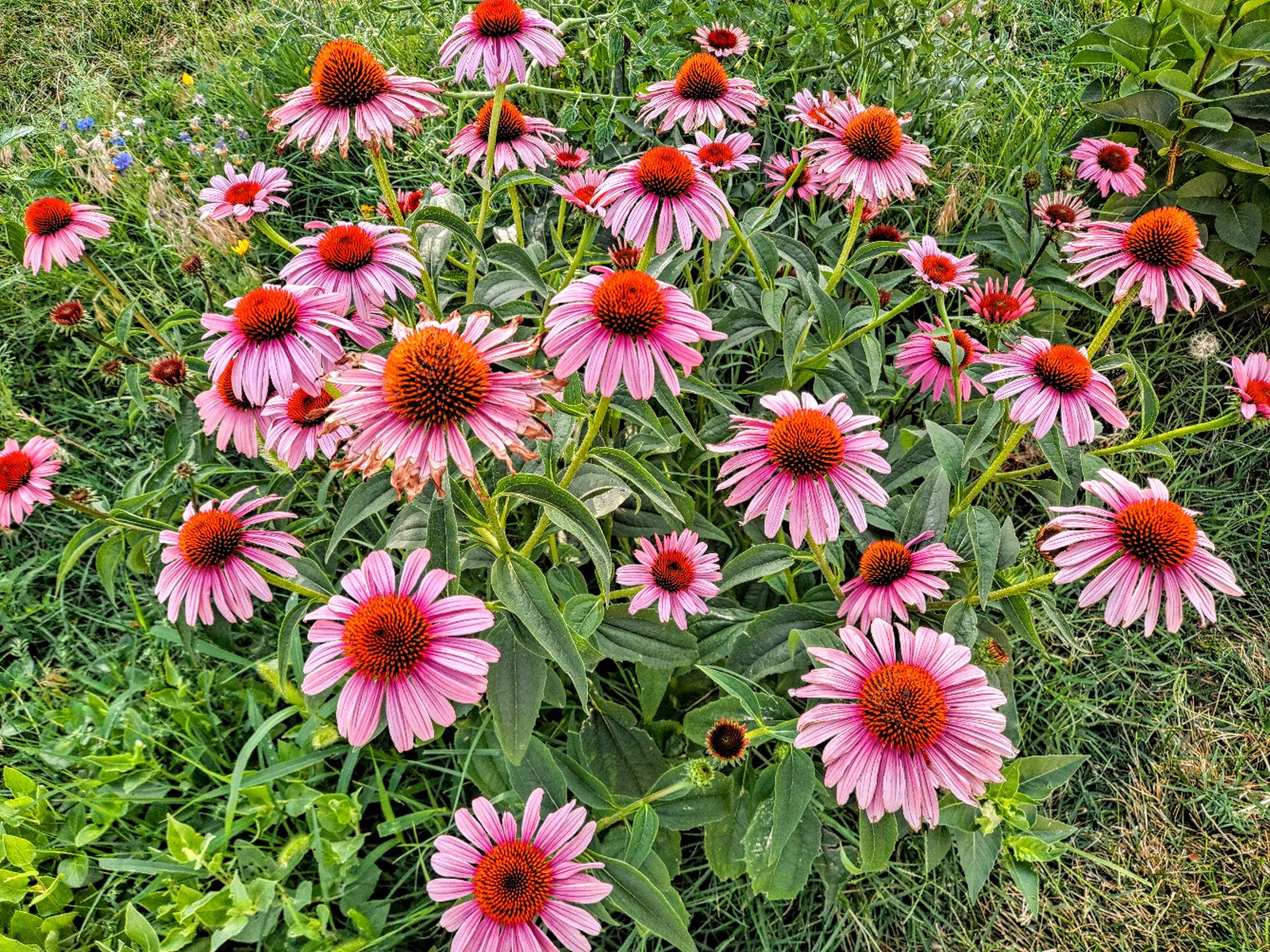
One thing that does so very well here is the magnus echinacea no matter how the weather or the gardener treats it. I’m considering getting a lot more of those plants for problem areas.
And that, too, is like life — when one thing comes to an end, you do your best to find something else to start.
***

Pat Bertram is the author of Grief: The Inside Story – A Guide to Surviving the Loss of a Loved One. “Grief: The Inside Story is perfect and that is not hyperbole! It is exactly what folk who are grieving need to read.” –Leesa Healy, RN, GDAS GDAT, Emotional/Mental Health Therapist & Educator.








 Bertram's Blog