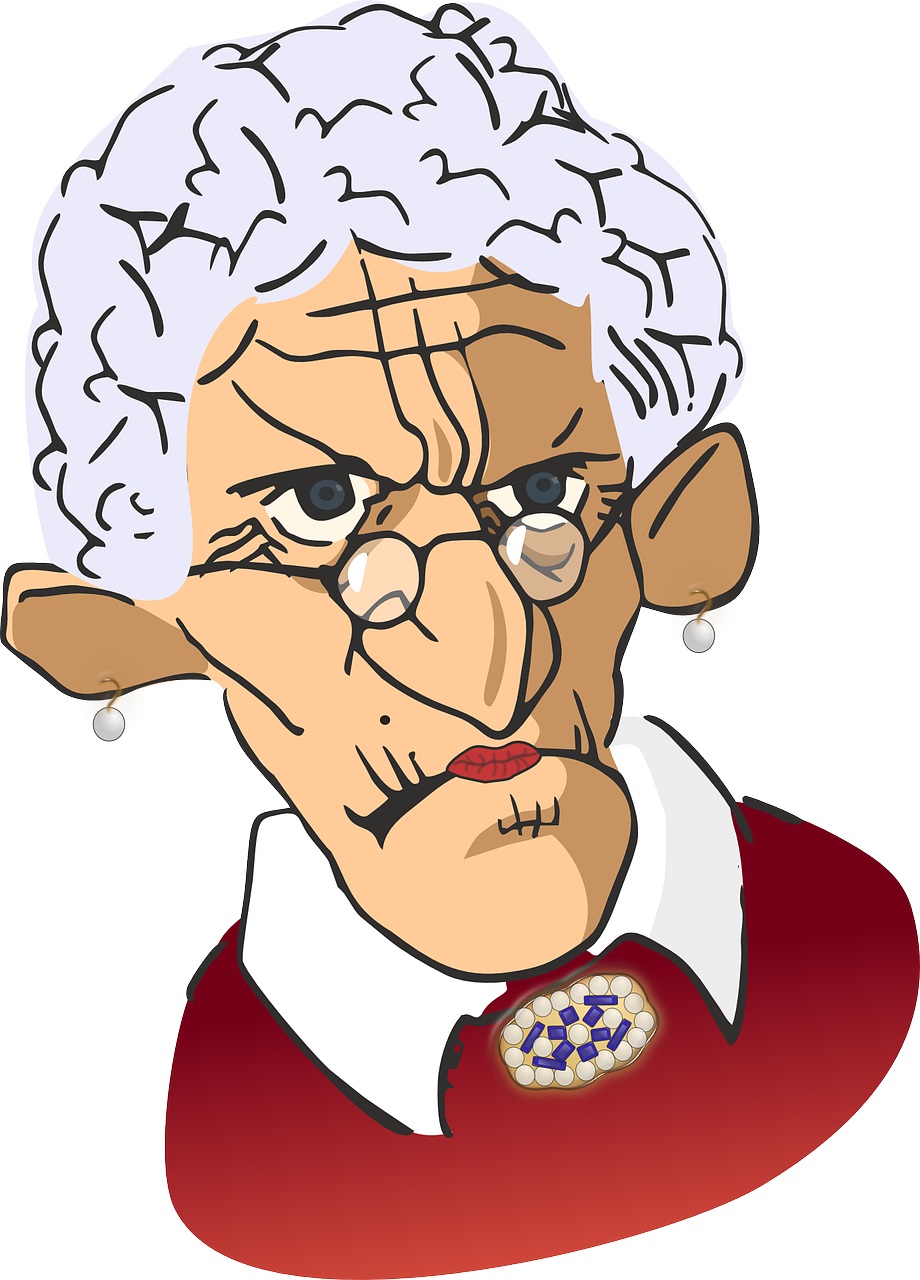
 “Elderly,” with its connotations of frailty and dependence and uselessness, has become a pejorative term, and I can certainly understand that. In fact, the other day when someone mentioned that I was elderly, I was miffed. Elderly? Me? No way.
But that comment led me to a search on what “elderly” is. And when it is.
According to the Social Security administration, 65 is considered elderly, though apparently, that number is being upgraded to 67 since 67 is the new retirement age. According to the AMA, 65 is considered elderly. (As in, “The elderly, i.e. those over 65, are most susceptible to the flu.”) The US Census Bureau considers middle age to be 45 to 65, with the assumption that over 65 is elderly, but one does not go immediately from being middle aged to being elderly, from usefulness to uselessness, from vigor to enfeeblement, but apparently there is no word in the official lexicon — or any lexicon — for this younger older demographic.
Other than these few mentions of what age is “elderly,” the consensus seems to be you are only as old as you feel, though that doesn’t tell me anything. “Feeling” is not the same as “being.” Humans go through a general growth arc, developing and then declining, and there does come a time that, despite what you feel, your body simply doesn’t work as well as it once did. The process is slow, so to a great extent we don’t know we are deteriorating until something happens to smack us in the face and wake us up.
The elderly, even the younger elderly, are at risk for various ailments and accidents, don’t heal as quickly, don’t process thoughts as quickly, don’t focus as quickly as when they were young. I realize this sort of determination is also subjective, but there is a cut off point for each of us when the arrows all point downward. (I’m not talking about joy of living or feeling useful and meaningful and even youthful; I’m just talking about physical things, body processes,)
A few years ago, a friend posted a blog for her birthday. She said, ‘It’s a big one. The one after “middle age” and the beginning of “elderly.” It’s difficult to fathom I’m there already. I don’t feel elderly. I’m told I don’t look elderly. However, the calendar says I am.’
I haven’t reached that “big one” yet, but I’ve often thought of her comment, especially considering the falls I recently experienced. Each fall on its own was simply an accident that could have happened to a younger person, but that they happened to me in such a short period of time makes me wonder if there was something else at work here. Maybe a slower reaction time? Maybe an extra fraction of a second before I realized what was happening? I don’t think so, but I don’t know, so I’ve been channeling my inner elder and staying inside when the streets are snowy or even wet. It’s almost comforting, in a way, to pamper this inner elder and not try to force myself to do something I’m not inclined to do anyway. (I prefer to stay inside since I’m not much for cold weather anymore. Or hot weather, either, for that matter.)
I don’t think it’s a bad thing to admit we’re elderly (though for now I still only admit to “getting older”). After all, when you eliminate the unpleasant connotations with which we’ve saddled the word, elderly merely means “olderly,” (which actually would be a cool word if there was such a thing). And anyway, according to the dictionary, an elder is an older person, especially one with a respected position in society. In this context, elderly has a connotation of wisdom rather than worthlessness.
I can live with that.
When I become elderly, that is.
***
 Pat Bertram is the author of Grief: The Inside Story – A Guide to Surviving the Loss of a Loved One. “Grief: The Inside Story is perfect and that is not hyperbole! It is exactly what folk who are grieving need to read.” –Leesa Healy, RN, GDAS GDAT, Emotional/Mental Health Therapist & Educator








 Bertram's Blog