Where do you get the names for your characters?

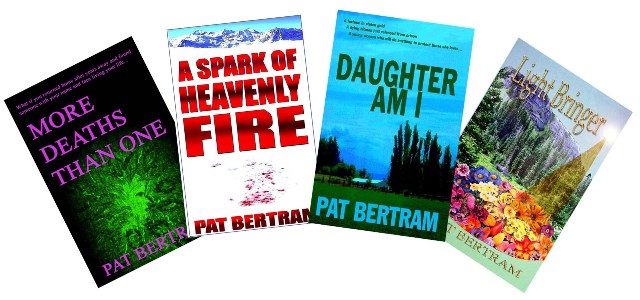
Most of the characters in Daughter Am I are aged gangsters, and they kept the monikers they used when they were young. I patterned my gangsters after those in the 1930s movies, though in the book they didn’t actually reach their prime until the 1950s or even 60s. Some names I stole, like Kid Rags, which was the name of a 1900s gangster in Hell’s Kitchen, and others were inevitable, like the morbid wheelman named Happy.

Bob Stark in More Deaths Than One was so named because he was supposed to seem an “everyman,” hence the common first name. He was also supposed to be stark of speech and action, and so the surname was a reminder to make sure he didn’t get too flowery. Despite his name, Bob Stark turned out to be rather wordy at times and not the silent, uncommunicative loner I had planned.

Greg Pullman in A Spark of Heavenly Fire was named after Bill Pullman in While You Were Sleeping to remind me that Greg was good-looking and very nice.

Rena in Light Bringer was so named because it was short for Ahkrena, which was a word I created to be the name of an unknown ancient race. When the character was small and someone asked her name, all she could say was Rena. Her name was supposed to be a clue to her identity after her research uncovered stories of the Ahkrena, but when I discovered Sumerian creation myths, the book went a different direction. I got rid of Ahkrena, but kept Rena, since by then the character and her name had become intertwined

Here are some responses from other authors about how they named their characters. The comments are taken from interviews posted at Pat Bertram Introduces . . .

From an interview with Donna Small, Author of “Just Between Friends”

Names for characters are tough for me. I will write chapters using ‘ajdfjkd’ instead of names. I just have a hard time finding the right one for the character since I’m a huge believer in your name being having an impact on who you become. Both of my daughters play sports so I keep the rosters from their events and refer to them for different and unique names that will fit my characters. I also Google a lot!

From an interview with John Stack, author of “Cody’s Almost Trip to the Zoo”

Names are fun and usually mean something special. I use kids that I have taught, daughters, grandsons, and friends. Family can be cool because you can often capture their personality in the character and no one really gets offended.

From an interview with Smith Hagaman, Author of “Off the Chart”

You’ve heard the old story. Adam was naming the animals. God said, “What will you call that one?” Adam said, “Hippopotamus.” God said, “Well, you can call it anything you want to, but why Hippopotamus?” Adam looked at him puzzled, “Because it looks like a hippopotamus!” That’s how I get my names.

What about you? Where do you get the names for your characters?  (Or your children or your pets or your plants.)

(If you’d like me to interview you, please check out my author questionnaire http://patbertram.wordpress.com/author-questionnaire/ and follow the instruction.)

***

Pat Bertram is the author of the suspense novels Light Bringer, More Deaths Than One, A Spark of Heavenly Fire, and Daughter Am I. Bertram is also the author of Grief: The Great Yearning, “an exquisite book, wrenching to read, and at the same time full of profound truths.” Connect with Pat on Google+. Like Pat on Facebook.
What’s in a Name?

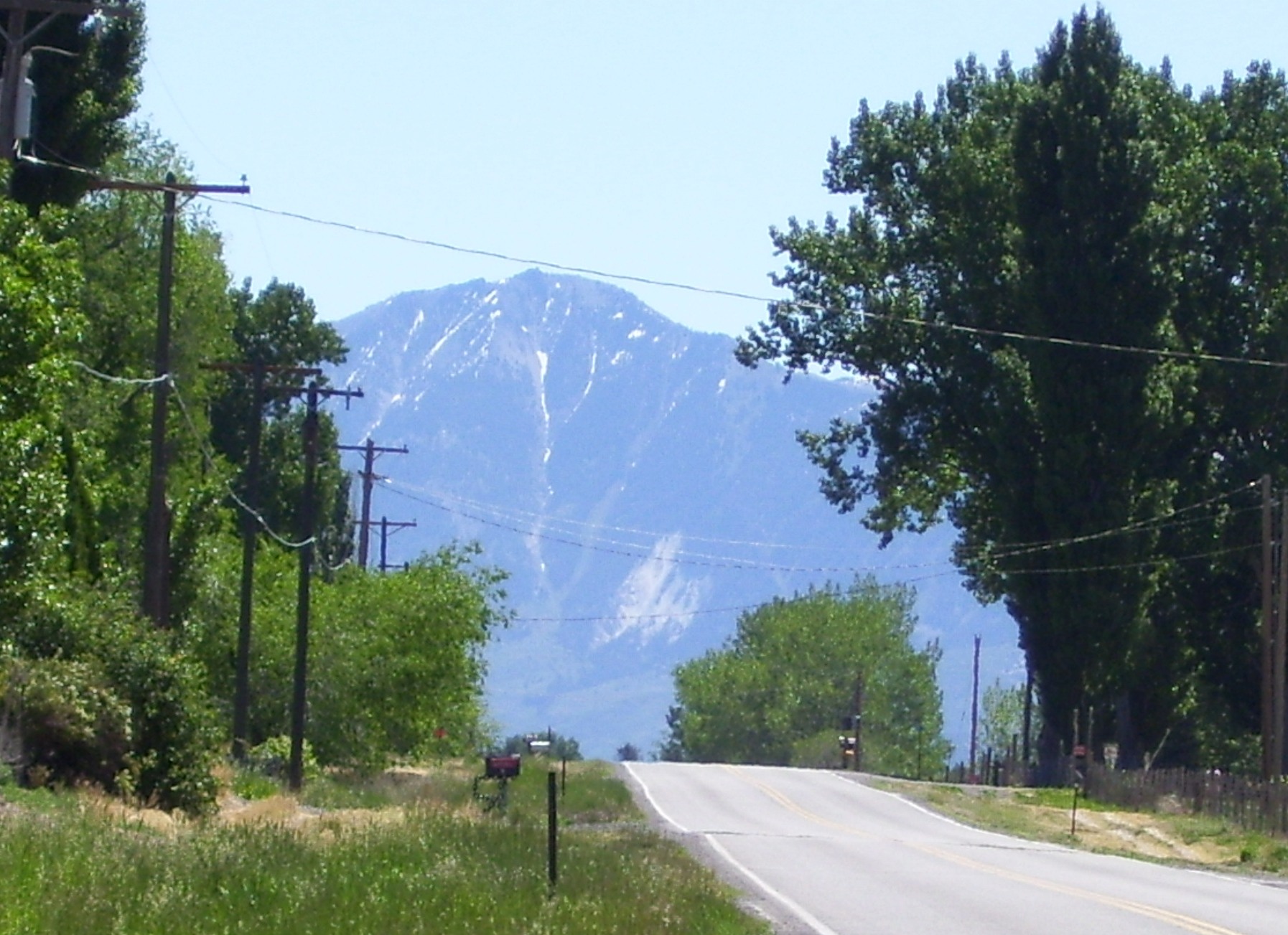
020bI finally found out the name of a mountain that I see almost every day when I go out walking — Mount Lamborn. (I’d be able to see it from my house, but the view is blocked by a neighbor’s haystack and the haystack is blocked by the lilac bushes we planted to keep from having to look at the dang haystack.) I was excited to put a name to the peak until I realized that the name was bestowed by a human (probably by some guy named Lamborn) and was not at all what the mountain calls itself. Does knowing the name tell me anything about the mountain I cannot see during my daily walk? Does the name give me a clue to its origins, its character, its life?

Humans have a penchant for naming things, which I suppose is a good idea. A name is a shortcut to communication. Calling a mountain Mount Lamborn serves as a shortcut to communicate about the mountain, but it says nothing about the mountain itself.

Character names are the same. We give our characters names so that we can identify them. In fact, I have gone so far as to give some of my characters very pointed names for that reason. Bob Stark in More Deaths Than One was so named because he was supposed to seem an “everyman,” hence the common first name. He was also supposed to be stark of speech and action, and so the surname was a reminder to make sure he didn’t get too flowery. Despite his name, Bob Stark turned out to be rather wordy at times and not the silent, uncommunicative loner I had planned. Greg Pullman in A Spark of Heavenly Fire was named after Bill Pullman in While You Were Sleeping to remind me that Greg was good-looking and very nice. Did these characters become their names, or did I simply become so used to them that when the names outlived their usefulness, I found it impossible to change? I wonder what our characters call themselves. Even more, considering the hell we put the poor characters through, I wonder what they call us!

(This was supposed to be a post inviting you to my book launch party to be held on October 15 here on this blog, but finding out the name of the peak sidetracked me. With or without an invitation, you are still invited to my cyber party.) 

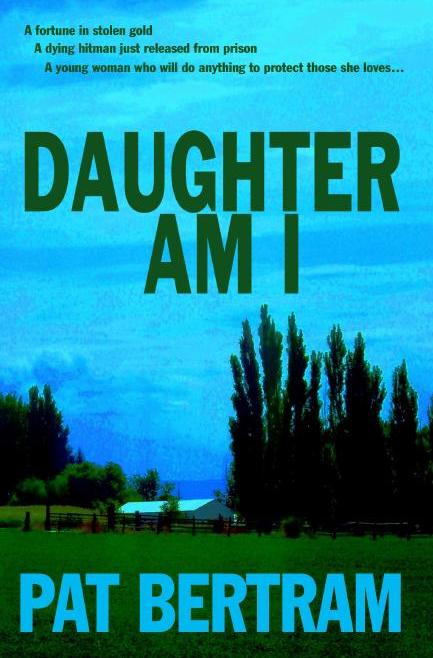
DAIDaughter Am I, my young woman/old gangsters coming of age adventure, will be available from Second Wind Publishing in two days!

add to del.icio.us : Add to Blinkslist : add to furl : Digg it : Stumble It! : add to simpy : seed the vine : : : TailRank : post to facebook

The Story Behind “Stalking Susan” by Julie Kramer

Julie Kramer, author of Stalking Susan is here as my guest to to tell us the story behind the Susans:

Because the plot in my debut thriller involves a serial killer targeting women named Susan, people want to know if I have a special enemy by that name. I don’t. STALKING SUSAN is not a personal tale of revenge.

But some stories stay with journalists long after the newscast wraps. A decade ago, as a television news producer, I covered two cold case homicides that inspired me to write STALKING SUSAN. The cases involved two women, both named Susan, murdered exactly two years apart in St. Paul, MN.

My debut story is not their story. That’s why I use the word ‘inspired,’ rather than ‘based on.’ Their cases remain unsolved. But in the world of fiction I was free to ask myself, what if?

Being a career journalist it’s no surprise I’m a rip-it-from-the-headlines writer. But transitioning from writing news to writing fiction did come naturally. It felt like cheating. And it was work to overcome that feeling. Apparently though, I do have an imagination – a vivid one – and it kicks in for the conclusion, if not the set up.

When I wrote STALKING SUSAN, I changed the victims’ appearances, occupations, and the times and locations of their deaths. I also added more victims. I changed their last names and almost changed their first name. But I decided to keep Susan because I never forgot them and I wanted others to remember them, too.

I don’t recommend other authors give their characters the same name — I ended up with five Susans — it complicates storytelling and character development. But if I’d changed their names to Mary, I’d have ended up with a completely different plot. Because the twists in STALKING SUSAN come from using name origination and famous Susans in history as clues. Because of this, readers named Susan tell me they love the story because it makes them feel special.

When it comes to the world of news, It’s the stories without resolution that tend to stick in reporters’ minds. Besides the parallels of name and date of death – which could end up being completely coincidental – what attracted me to these cases was that they were unimportant murders, buried deep inside the daily newspapers with no real follow-up. Fifteen years later a reporter colleague and I made a run for tips and answers and came up empty. That’s how it usually ends in newsrooms, no matter what you see about reporters in the movies or read in books.

In real life, journalists don’t often catch the killer, so writing this book was a little like living a news fantasy.

But it really was just a fantasy, because bottom line, someone, maybe more than one someone, got away with murder. So any opportunity to keep the names of the true victims out there, is a good thing. So here goes:

Susan Ginger Petersen, age 28, was strangled May 17, 1983.
Susan Jean Rheineck, age 16, was asphyxiated May 17, 1985.

Their murders have never officially been connected. Not by DNA, witnesses or any other evidence. But some similarities in the crime scenes are suggestive.

Now the St. Paul Police Cold Case Unit is taking a fresh look at these murders, and privately investigators are saying wouldn’t it be funny if fiction brought attention to bring tips to solve the crimes after all this time.

To learn more about the author visit http://www.juliekramerbooks.com

Julie Kramer: Stalking Susan




