We writers do the best we can to tell an engaging story, hoping readers will like what we have written, but often readers see something in the story that we didn’t purposely put there.
Sometimes this “extra” is good. A reader once pointed out that A Spark of Heavenly Fire was about love in all its guises. He was right, that is a major theme, though that hadn’t been my intention. I wanted to write a big book, an important book with ordinary people becoming extraordinary in perilous times. Since I didn’t want to do a war story, I did the next best thing — created an epidemic so deadly that the entire state of Colorado had to be quarantined to prevent the spread of the disease. To “personalize” the catastrophe, I told the story from several points of view, not just character POV, but the various ways the characters viewed the epidemic. And what shone through, by the time all the stories were told, was the theme of love in all its guises.
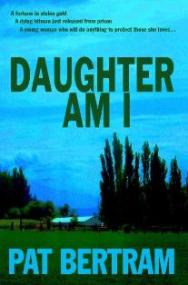 But sometimes the “extra” that readers find is not so good. Daughter Am I is the story of old time gangsters. A young woman inherits a farm from murdered grandparents she didn’t know she had — her father had claimed they died before she was born. When she confronts her father with his lie, he merely responds, “They were dead to me.” She becomes obsessed by the mysteries of why her grandparents had been murdered and what they had done that was so terrible their only son cut them out of his life.
She tracks down her grandfather’s friends, most of whom had lived nefarious lives, and she gradually learns who her grandfather was. At the end of the book, her actions mirror what she has learned about her grandfather, and so she learns the truth of him.
This is the book I had written — a young woman searches for her grandfather, and finds him in herself, in her outlook on life, in her dealings with others.
One friend who read the book was reticent to tell me what she thought. She admitted she loved the characters and the writing, but then she finally said, in a hesitant voice, “But the ending isn’t exactly moral, is it?”
In thinking about it, I had to admit it wasn’t strictly moral, but the ending was inevitable since it fit the search-for-identity story I’d written. I didn’t really think anything more about it until I saw a review where someone liked the book and the characters, but didn’t like cynicism of the book — that anything is justifiable as long as you treat your friends right.
These two comments made me wonder about the truth of the story. Was it really cynical? Really immoral? I wasn’t trying to make such points. I merely wanted to tell a “hero’s journey” story about gangsters. And gangsters, by definition are immoral. If they weren’t, if they were law-abiding citizens, they wouldn’t be gangsters, they’d be corporate executives. (Well, maybe that’s a bad example, considering how many stories of larcenous corporative executives end up in the newspaper.)
In the end, it doesn’t really matter what story they read, at least not from my perspective. The truth of any story is in the minds of readers. We writers can only write the story we know how to write, then send them out into the world to make whatever they can of themselves.
***
Pat Bertram is the author of the suspense novels Light Bringer, More Deaths Than One, A Spark of Heavenly Fire, and Daughter Am I. Bertram is also the author of Grief: The Great Yearning, “an exquisite book, wrenching to read, and at the same time full of profound truths.” All Bertram’s books are published by Second Wind Publishing. Connect with Pat on Google+








 Bertram's Blog