Great Blog Resources for Writers

There are some phenomenal blogs and resources for writers that can help you take your writing to a more polished, compelling, or profound level. These are just a few of the links I have collected over the years:
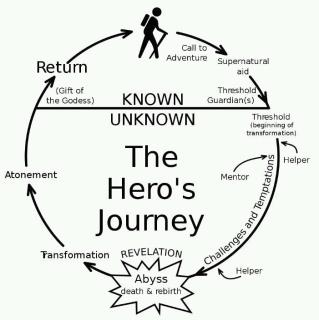
Ageless Wisdom & The Hero’s Journey lists the mythic and archetypal principles embedded in the structure of stories, along with the twelve stages of the hero’s journey. You don’t have to write fantasy to use such mythic elements. My contemporary novel, Daughter Am I, was written with these principles in mind.

The Editor’s Blog is the best resource for new writers who wish to learn the basics of writing and the best resource for experienced writers who wish to polish their work into a perfect gem. Whatever you want to know — hooking a reader, dialogue, action, conflict, editing — you will find great advice from freelance fiction editor Beth Hill.

The Bookshelf Muse has various fascinating thesauruses, such as the Emotional Thesaurus to help you show your characters emotions, Physical Attribute Thesaurus, Character Traits Thesaurus, Weather & Earthly Phenomena Thesaurus, Color, Textures and Shapes Thesaurus, Setting Thesaurus, and the Symbolism Thesaurus. (These are listed on the right sidebar.)

Guide to Grammar and Writing takes the mystery out of grammatical issues and English usage

Cliched, Overdone, or Boring Plotlines helps you find out if your brilliant idea really is as really as fantastic as you think it is, or if it is merely a rehash of a story that has been done a hundred times before.

100 Best First Lines from Novels might help you figure out how to write a first line that is every bit as compelling as those listed.

The Food Timeline helps you keep track of what foods your characters might be eating, especially if you write historical fiction.

Book Marketing Floozy is an indexed blog of sixty-five different articles by various writers about book promotion.

***

Pat Bertram is the author of the suspense novels Light Bringer, More Deaths Than One, A Spark of Heavenly Fire, and Daughter Am I. Bertram is also the author of Grief: The Great Yearning, “an exquisite book, wrenching to read, and at the same time full of profound truths.” Connect with Pat on Google+


The Next Big Step

Yesterday when I was out walking, I finally got a sense of where my WIP needed to go. I wasn’t thinking about the story, but apparently it was thinking about me, and after all this time, there it was, the next big step. Grief. (Wonder where that idea came from!)

I always knew my hero was grieving the loss of the civilized world and everything in it, but I was concerned with his following the stages of grief — denial, guilt, anger, bargaining, depression, acceptance. It dawned on me yesterday that he had never actually felt the sorrow and devastation that accompanies grief. So my vision was of his crying. It goes to show that I cannot write what I do not know. Even though J. had been sick for so long, and I had gone through most of the stages of grief, like my hero, I had never actually gone through the emotion of grief. Could never even have imagined the feeling of amputation that accompanies such a life-changing loss. 

I’m not sure where the discussion is in this.  Perhaps: do you have to have experienced the emotions your characters go through to find the truth of the story? Perhaps: what’s the next big step you need to take in your writing, your life? Mine is a move — perhaps temporary — but a  total upheaval. The big challenge will be to find the energy. One of the problems with grief is the accompanying lack of energy. (Which I need to remember when I write my hero’s grief.)

On a more specific topic, the main impetus for my hero leaving the safety of the compound is his participation in a birth. (This story is a reversal of the hero’s journey — in the traditional journey, the hero dies, at least symbolically, and is reborn. In my story he is reborn first, then the person he used to be dies symbolically.) A nurse, his eventual love interest, actually delivers the child, but my hero must participate in some way. What could he do that would be significant enough to be a catalyst? Keep in mind, this is a totally primitive world. Is cutting the cord (with a flint that he found and has been sharpening) enough? Could there be a problem with the birth that he helps with? He owned a pet shop in the old world, selling used pets, but he probably has been around for the birth of puppies and kittens and perhaps even livestock, so he might have some knowledge. Whatever he does, it has to precipitate his next big step.



