That’s My Story

In recent months, I’ve learned the backstories of some of my new friends, stories that are both horrifying and heartbreaking. That these people are leading normal lives, or what seem to be normal lives, make their stories all the more shocking. And they make me realize, that despite everything I have gone through, I have lived a rather privileged life. At least so far as I know. (One of the stories I was told rivals my book More Deaths Than One for mind control, manipulation, and abuse, which would make anyone question themselves and what they think they know. But I tend to think I do know what I think I know.)

I never felt as if my life was especially blessed — there was too much trauma and poverty, depression and some sort of instability in almost all the characters of my youth. And yet, I grew up, enjoyed mostly good health (meaning that I wasn’t often tormented by terrible pain, trauma, or illness). I loved and was loved in return. I’m settling into what might be a rather benign old age, and even with my extremely limited income, I doubt I will go hungry. Although I’ve never been strong physically, I’ve been strong enough to do what I needed to do. And I’ve been strong enough mentally to get through what I needed to get through.

Those are my realities right now. My privileges. Not everyone has those same privileges. Some people have different blessings — wealth, beauty, acclaim, athletic ability, robust health, great happiness, a fulfilling career, a living — and loving — spouse, cherished offspring.

And some people seem to have very little going for them, often through no fault of their own. Abuse. Disfiguration. Disability. Unending pain. Troubles that seem to multiply. Acute loneliness.

Nothing I can do will ever make a difference to those lives. I can be kind to people I meet, of course, because who knows what pain and horror they are hiding behind smiles or stoic expressions or even scowls. But that’s about all. Being miserable won’t offset their misery. Bleeding for them won’t erase a single moment of suffering. Making allowances for life’s injustices or trying to shoulder another’s mental or physical burdens only goes so far — we each have to live the life we are given.

There’s no way ever to truly understand another person’s point of view, and people who expect that are being unrealistic. We can always only see life through our own eyes, and that’s not a privilege but a reality.

Actually, now that I think of it, my greatest blessing is to be able to turn, in retrospect, a rather messy and traumatic life into one of privilege and good fortune. A nice bit of legerdemain, that.

But that’s my story, and I’m sticking to it.

***

Pat Bertram is the author of Grief: The Inside Story – A Guide to Surviving the Loss of a Loved One. “Grief: The Inside Story is perfect and that is not hyperbole! It is exactly what folk who are grieving need to read.” –Leesa Healy, RN, GDAS GDAT, Emotional/Mental Health Therapist & Educator

Insulation

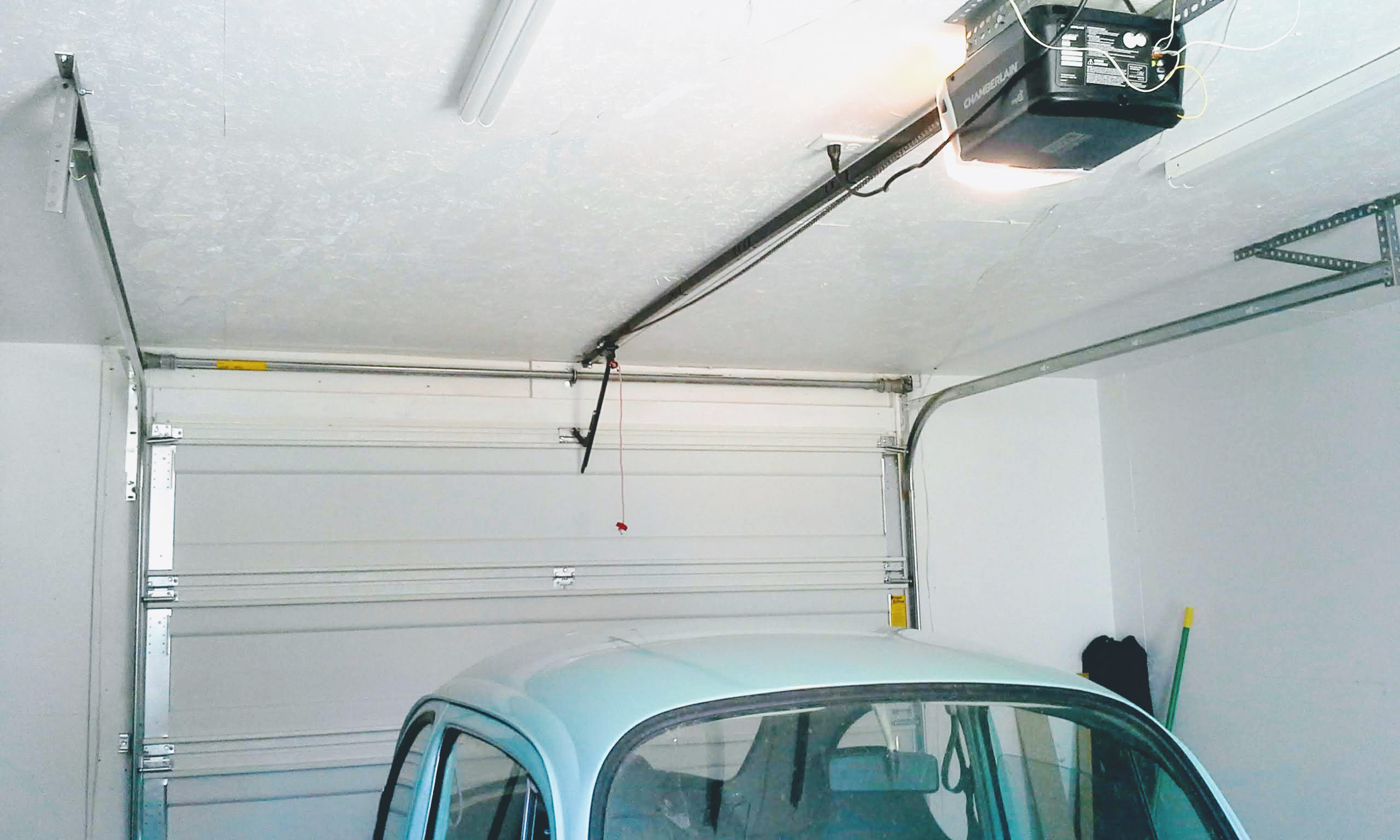
Insulation is the theme of this day. Insulation from problems. Insulation from the world. But especially, insulation for my garage.

When the workers tore down my old garage, we tried to save the materials I’d bought to upgrade the old building, including wall insulation. I suggested they throw the insulation down into the basement to protect it, but I spoke too late — they’d already taken it to the garage of one of the workers. It kind of surprised me that they went ahead and did that without asking. They’d told me they were taking the OSB board there so it would be out of the elements, but they mention their taking the insulation, too. I didn’t make a big deal about it — I figured they had their reasons.

As it turns out, it wasn’t a good decision. When they dug out the insulation from where it had been stored, they discovered it smelled of mice. As much as it pains me to throw away the insulation as well as the money spent for it, it’s not worth risking getting a dread disease. I’ve been insulating myself to keep from getting The Bob; I sure as heck don’t want to risk getting hantavirus.

We’ll have to deal with the wall insulation another day. Today was about getting the attic insulation. Since it wasn’t delivered until almost three o’clock, no work was done on the garage. Tomorrow, hopefully, the guy who has been working on the garage will come early to do the insulation before it gets too hot. Glad it’s him and not me!

I also got a text from the contractor saying that they hope to put in the back stoop and the sidewalk from the house to the garage, which would be wonderful. That steep step up into the house is way too treacherous for a bum knee, so I’ve had to use the front door exclusively.

I imagine someday it will all be finished, but that day isn’t today.

On a non-insulation note, today’s tarot card is the king of pentacles. The card is about steadiness and solidity, wealth shared, multifarious talents, being enterprising, and seeing things through to the end. I’m not sure how any of that applies to today, except perhaps as a prod for me to see things through to the end, even if I have to scrap the first batch of insulation and get new. What did strike me was the word — multifarious. I’d never heard that word before (too insulated, perhaps?), and somehow read it as nefarious. Nefarious did not at all fit with solidity and steadiness, so I had to look it up, and sure enough multifarious, meaning having many parts or aspects, does describe an enterprising individual.

I used to be enterprising — at least, I think I was — but nowadays, I’m too insulated from the world for such goings on. Midwifing the garage to completion is about all I can handle.

***

Pat Bertram is the author of Grief: The Inside Story – A Guide to Surviving the Loss of a Loved One. “Grief: The Inside Story is perfect and that is not hyperbole! It is exactly what folk who are grieving need to read.” –Leesa Healy, RN, GDAS GDAT, Emotional/Mental Health Therapist & Educator

Feeling Clunky

I finished rererereading The Wheel of Time and resisted the urge to start over again, mostly because I have library books due and need to read them. I considered returning them unread, but the librarian was kind enough to deliver them and I didn’t think it proper to be so dismissive of her kind gesture.

The Wheel of Time has some hugely glaring faults, not the least being that Robert Jordan fell in love with his world and apparently didn’t want to waste even a single idea that crossed his mind, even if it didn’t fit with the story. He also had the annoying habit of creating characters for no apparent reason, pounding away at unimportant plot points and then simply dropping them, while at the same time, barely touching on some important issues. He seemed to like playing games with his readers and he especially seemed to like being mysterious for the sake of being mysterious, neither of which did anything to move the story along. He also seemed to change his mind about things he set up in early books, so that there are some awkward gear changes in later books.

But, that being said, the work really is brilliant. He is one of the few major writers I have heard about in the past few decades who actually spent years researching and building his world before he ever began writing. It’s fun trying to pick out all the symbolism and cultures, philosophies and costumes, influences and archetypes. But more than that, it’s a world of old-fashioned values such as honor and obligation, as well as being a world of less pleasant strictures such as compulsory obedience. But without the bad to push against, the good wouldn’t be as apparent. At times, the writing is almost lyrical, which helps lend an otherworldly air to the work.

I wondered how spending two months reading and rereading such a massive work would affect my interest in books taking place in today’s world, and as I feared, today’s world feels . . . clunky. It’s not just books that feel clunky, to be honest. Other things do too, such as modern methods of doctoring. In Jordan’s world, the “witches” can delve into people and heal them almost immediately instead of having them go through horrendous “therapies,” such as the cancer protocols of today. In some cases and places in The Wheel of Time, thought becomes real, so that one isn’t always battering against the solidity of this world. (Our world truly shouldn’t feel so solid, considering that things are made of atoms and atoms are comprised of a few particles, a bit of energy, and a lot of empty space.)

Still, it’s probably good for me to do something other than spend so much time in a fake world, especially one not of my own making. (Though oddly, my as yet unpublished book is a world of my own creation, which takes our world then breaks it and remakes it in a different way. I can honestly say that Jordan did not influence me in any way since my book was written — and the sequel planned — long before I discovered his works.)

Meantime, I’m still chiseling away at the tarot, picking a card every day and seeing what it means as well as how other tarot artists depict the symbol. (Today’s card is the hierophant, if you’re interested. The word hierophant means “revealer of sacred things,” and the card indicates someone who helps unravel mysteries. It’s also about intuition, i.e.: inner tuition — inner instruction or guidance.)

I almost started a tarot journal today, but who starts a new project on the 28th of the month? It is the beginning of the week, so there is that, but the first of the month is just a few days away, which seems even a better time to start. It also gives me plenty of time to change my mind. If I don’t change my mind, there is the decision of how to do it, whether in a long hand journal, or on line. Long hand is easier in some ways since there is the possibility of hand/brain connections, but online would be easier if I wanted to include images. I considered continuing my tarot studies as part of this blog, adding a bit of my tarot learnings to the bottom of the daily article as I did today, but I have a hunch I am alienating readers who see the tarot as something less than admirable. On the other hand, posting to two blogs every day is a bit much.

On a lighter note, I’ve had a surprise. I thought all the wildflower seeds I planted were defunct, but I think it’s more that our severe drought kept them from germinating, because I found a small patch of bachelor buttons below a gutter drainpipe. I didn’t plant it there, but there it is.

***

Pat Bertram is the author of Grief: The Inside Story – A Guide to Surviving the Loss of a Loved One. “Grief: The Inside Story is perfect and that is not hyperbole! It is exactly what folk who are grieving need to read.” –Leesa Healy, RN, GDAS GDAT, Emotional/Mental Health Therapist & Educator


Moving Along

Today has been rather an exhausting day, so after I post a few words (or even a lot of words), I’m going to rest my knee.

I woke at first light as I have been doing the past couple of months. This early rising began with The Bob and resulting isolation, and it is still holding true, even if I wear a sleep mask to block the light in the hopes of sleeping later. What I did at the beginning of this early rising was lie in bed and scroll through Facebook looking for articles of interest, which, in retrospect, was so not a good thing to do — it started the day off with all sorts of crap in my head I didn’t want there. Now, I look at the weather, check my emails, pick a tarot card for the day and try to puzzle out how it refers to me, and then wander around the house a bit until the sun comes up.

I did all that today, then I went out and unlocked my garage. (What wonderful words those are!) I dragged out a ladder and reset the button on the light-sensitive and motion-activated light we installed over the walk-in door. (I thought we turned it on, but apparently, we turned it off because it didn’t come on last night.) Luckily, I only had to climb two rungs because I’m not sure how my knee would have held out if I had to climb higher.

Then I watered my baby bushes and the timid transplanted ones that have not yet settled into their new location.

And then . . . Ta dum!

I took a walk. It wasn’t anything to speak of, just a few blocks — maybe a half mile at most — but since my knee had prevented any sort of walking except some painful hobbling from room to room inside the house for the past several weeks, it was a real triumph. Oddly, my knees and legs don’t hurt from the exercise (though behind the knees ached for a while) but my arms are very sore. No, I didn’t walk on my hands, but the trekking poles I used take some of the weight off my knees and onto my arms. During all that time of healing, I didn’t do much of anything except rest, and I’m paying for it now. Or maybe, a better way of looking at it is that I’m now reaping the benefits of all the resting because I was able to take a walk today. Slowly. But I walked.

And yes, for all you who suggested it, I did use a brace. The brace I got didn’t fit, and since I couldn’t get around to shop for one that did fit, I cut up and rearranged the one I have so it does some good. What is helping even more is massaging the knee (though how manipulating a loose knee cap helps, I don’t know) and using an herbal poultice with frankincense and myrrh. And ice. And heat. (Heat seems to help more now than ice does, though to be honest, with as hot as it is, I’d prefer the ice.)

So, now I’m exhausted.

Time to rest.

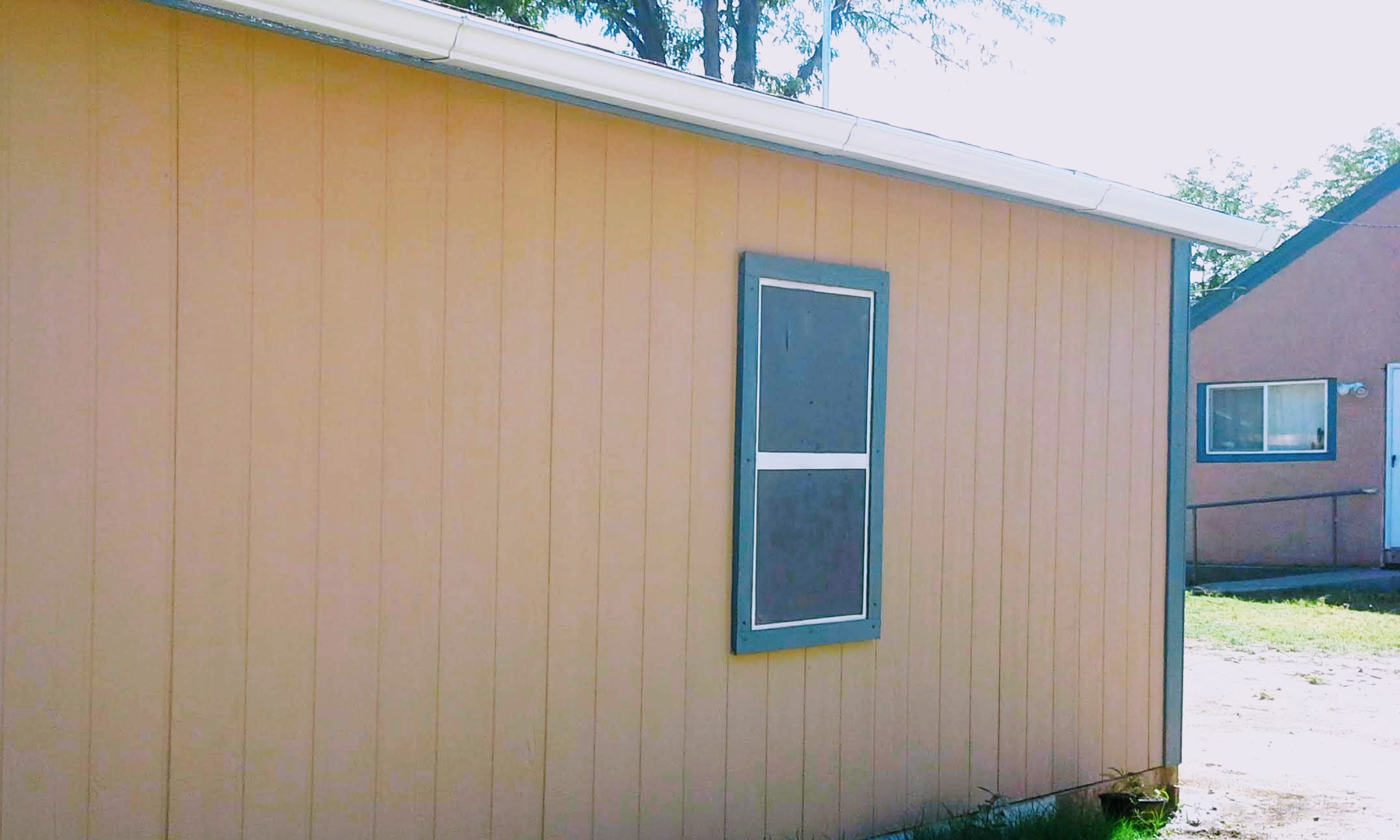
As for the garage — the door is up and on track, the framework is finished, and the lock on the walk-in door is installed. Things are moving along!

***

Pat Bertram is the author of Grief: The Inside Story – A Guide to Surviving the Loss of a Loved One. “Grief: The Inside Story is perfect and that is not hyperbole! It is exactly what folk who are grieving need to read.” –Leesa Healy, RN, GDAS GDAT, Emotional/Mental Health Therapist & Educator
 

Puzzling out the Tarot

Although I see myself as a bit of a mystic, I’ve never been into tarot, or any sort of divination for that matter. I always figured if we can change the future, then it doesn’t matter what the predicted future is, and if we can’t change it, then the prediction especially doesn’t matter.

If ever a thought of the tarot crossed my mind, it would have been in the same mental classification as astrology, Ouija boards, and fortune cookies. I used a Ouija board once when I was kid, know my astrology sign and will read my horoscope when it’s in front of me (though the horoscope never seemed to have any relation to anything going on in my life), and enjoy fortune cookies, but that was the extent of my interest. Oh, I did read up on the occult since I have always been one to try to get a peek into the secrets of the universe, but charlatans so often dominated the field, that I stuck with more scientific gateways, like particle physics and quantum mechanics. (Yep, I was one of those who read such books for fun.)

I’m still not sure there is anything for me in the tarot, but considering that it is supposed to be a way to get insights into one’s inner being, it’s worth studying for now. And besides, it seems a message from my brother. Admittedly, this collection of tarot cards hadn’t been specifically earmarked for me, but that mass of decks sure struck a chord with me, so it felt as if he meant me to have them.

So here I am, trying to make sense of a massive amount of contradictory information. For example, the card I picked this morning to answer my question of what I needed to know today, was the nine of swords. Swords are supposed to be a bad luck sort of card, without a lot of happiness attached, and the nine of swords especially so. One interpretation talks about fears, vulnerability and inner turmoil and suggests that I learn what the source of those fears are. Another interpretation talks of depression and suffering, scandal and loss.

But swords relate to consciousness at a mental level, and reflect an individual’s thoughts, beliefs, and overall attitude. They also point to fears and worries, but don’t necessarily put a whole lot of weight on those fears, because the sword is two-edged, which connotes a balancing act to stay positive.

And nines are about nearing completion, maybe about reaching a plateau, because what looked like the end hasn’t quite arrived.

All that seems positive to me, so instead of the nine of swords telling me I’m depressed and fearful and need to figure out what my trouble is so I can get into a more benign state, my own take on the matter is I’m already there. Or almost. That I’m doing well balancing my fears and staying positive, even though I can do better.

See what I mean about contradictory information?

And this isn’t even taking into consideration the whole ancient elements matter — water, fire, air, earth. According to the most common tarot tradition, swords mean air, but some decks and some scholars indicate that swords are fire. (As you can see, in my own interpretation, I left off any mention of air or fire because the element question muddles an already muddled situation.)

On a different note completely, as I was reading about the elements, I happened to open the book to another page that was defining the “fool” card, and I had to laugh. Apparently, in Italy and Austria, The Fool goes by the name “Mat,” which is an Arabic word meaning “a dead person.” In The Wheel of Time, one of the major characters is a fellow everyone thinks is a fool. I thought he was simply an archetype, but he is definitely one of the major arcana characters from the tarot. Not only is his name “Mat,” but as he says, “I’m usually pretty good at staying alive. I only failed one time that I remember.”

Now I’m going to have to re-reread The Wheel of Time again to look for additional tarot references. As well as to continue puzzling out the tarot itself.

***

Pat Bertram is the author of Grief: The Inside Story – A Guide to Surviving the Loss of a Loved One. “Grief: The Inside Story is perfect and that is not hyperbole! It is exactly what folk who are grieving need to read.” –Leesa Healy, RN, GDAS GDAT, Emotional/Mental Health Therapist & Educator.


Triumph Over Obstacles

The garage door is finally installed! The electronic opener isn’t installed, just the door itself, but that alone is a major accomplishment. Up until now, the door was mostly just propped into the opening to prevent trespassers, but now it’s on its track.

I found it interesting that today’s tarot card pick was the chariot. As usual, my question was what I needed to know today, and as usual, it didn’t tell me anything I didn’t know, but it did seem apropos, not just because of the car/chariot synchronicity, but also because of the card’s meaning of triumph over obstacles.

The triumph didn’t belong to me since I had nothing to do with the installation except for a few sympathetic or encouraging remarks, but it was definitely a triumph over obstacles for the worker who had to try to make sense of nonsensical directions. (The instructions read as if they had been translated from one archaic language to another and then finally into English.) Even once the directions were puzzled out, the diagrams and photos illustrating the directions caused problems. They turned out to be backward images of what they were supposed to be. Luckily, the worker finally figured it out. I can’t imagine the horrors the workers will encounter when installing the opener, but that’s a situation for another day.

I kept wandering into the garage to see what was going on. I worried that the poor guy would think I was checking up on him, which I wasn’t — I trust him. It was more that I enjoyed seeing the door take shape.

And because — I admit it — I was bored. Since I’ve been staying away from Facebook, I have way more time and mental freedom than I’m used to. There are no conflicting political statements to befuddle me, no mined conversations with explosives ready to be tripped, no veiled (and unveiled) insults to be fielded. I don’t appreciate Facebook’s ignoring me and my request to have the block on my blog removed, but I especially don’t appreciate their doing it at this particular time because it makes it seem as if my boycott is a political statement rather than a personal one. Apparently, some major companies are boycotting Facebook because FB is not reining in those who disagree with the current political philosophy, while other people are boycotting FB because FB is deleting the content of those who disagree with that same philosophy, a good example of damned if you do, and damned if you don’t. Or maybe the right hand doesn’t know what the left hand is doing. Either way, it’s confusing. Either way, they are herding people to a particular way of thinking. And either way, I’m out of it for now, which is one way to triumph over the obstacles FB has placed in my path.

The point is that when I got tired of The Wheel of Time world, instead of wandering onto Facebook to see what’s going on, I wandered out to the garage to see what’s going on. Luckily, the worker didn’t seem concerned, and in fact seemed pleased to have someone to commiserate with and, at the end, to share his success.

Anyway, it’s my garage, or rather, it will be. Eventually. For now, it is still the garage builder’s workspace.

***

Pat Bertram is the author of Grief: The Inside Story – A Guide to Surviving the Loss of a Loved One. “Grief: The Inside Story is perfect and that is not hyperbole! It is exactly what folk who are grieving need to read.” –Leesa Healy, RN, GDAS GDAT, Emotional/Mental Health Therapist & Educator.

Searching for Color

I had a bit of a shock today. In my continued studies into the meaning of the tarot, I decided to dig out the research on color I did for Light Bringer. Color was an important part of the story, adding what I hoped would be a different layer of meaning and “feel” to the characters and their interactions. I also wanted these meanings to resound within the reader even if they didn’t know specifically what a color meant, in the way that archetypal characters do. So, lots of research.

I found the notebook labeled “colors” and all that pertained to color in that notebook were lists of colors. In my novels, I try to stay away from the basic red, yellow, blue, etc. and use less obvious color names such as carmine and vermillion, primrose and mustard, lapis and indigo, and the list made it easier to find the proper color name. But that’s all I found. No notes from all those books I used in my color research.

Panic!

I had thrown away some writing notes. When I began writing fiction, I also studied the craft, reading and taking notes from myriad books. When I packed to move, I needed to get rid of stuff, and since I am beyond the writing basics, I figured I didn’t need all that extra weight, though I did keep some notes as reminders to go beyond the obvious and cultivate subtlety. I couldn’t have thrown away those valuable color notes, could I? It didn’t seem possible, but they weren’t where I thought they should have been.

I had written some articles for this blog and other sites pertaining to color, so I went searching for them, but apparently, most of those articles disappeared into the dead website graveyard, without even a ghost remaining. There are a few brief articles about color on this blog, but that’s it.

Unbelievable. All that research  . . . gone.

But no. I finally went through the stack of my research notebooks and found the color notes in the middle of a book labeled, “technical.” (As opposed to alternate technologies, religious studies, general notes, quotes, etc.)

It might not have mattered (from a tarot standpoint) if I hadn’t found the notes because I remember the basic meanings. The basics might be all that’s necessary to help get a feel for the various tarot cards, but only if the artist bothered to use the proper color symbolism. Or maybe it doesn’t matter? Perhaps it’s better to take each card as is, and not worry too much about what the artist intended. After all, the reader is supposed to gain a feeling for the card itself, and color helps intensify that feeling.

See also:
Coloring Your World
Everything You Always Wanted to Know About Green and More

**

Pat Bertram is the author of Grief: The Inside Story – A Guide to Surviving the Loss of a Loved One. “Grief: The Inside Story is perfect and that is not hyperbole! It is exactly what folk who are grieving need to read.” –Leesa Healy, RN, GDAS GDAT, Emotional/Mental Health Therapist & Educator.

Updates

Printer problem fixed! I finally found a place to download the patch to the computer update that screwed up my system and made the computer unable to connect to the printer. Why the fix wasn’t automatically uploaded like the original update, I don’t know. I have a hunch it would have uploaded in the July updates, but now I don’t have to worry about the printer not working. At least not until the next update.

I’d received five lilac twigs from the Arbor Foundation a few weeks ago, and they were all alive and all doing well, and for no reason that I can see, one died overnight. (In case you haven’t noticed, plants are as much of a mystery to me as everything else.) On the other hand, some old morning glory seeds I strewed out there have started coming up, so at least that’s something.

There’s been no further activity on my garage. That’s disappointing, of course, but at least it’s enclosed so the wood and tools and such that are inside won’t go missing. Admittedly, most stuff is too heavy to be casually carted off by the larcenous folk in the neighborhood, but I wouldn’t have put it past someone to pull up in a truck and load it all up. They’ve done that before. It was just a board they came and got, but other people have lost workshops full of tools.

My knee is doing better. I wear a brace part of the time (until it starts digging painfully into my leg), and that seems to help. So does massage, isometric exercises and the herbal poultices I have been using. (Frankincense and myrrh are a couple of the ingredients, which tickles me.) I even walked a bit outside until the pit bulls running loose had me scurrying back inside my fence. (Too many people around here don’t want to walk their dogs, so they let them run loose for a while, which is a real problem, but since they are back in the yard by the time the code enforcer goes on duty, nothing is ever done about it.)

I’m still working my way (again) to the last battle in The Wheel of Time series. It’s odd how the poor fellow who was born to fight the dark powers and save the earth is so underappreciated by everyone. They all think they need to control him (they think they know everything, and they think that if they don’t force him to go, he won’t do what he’s supposed to). What I’ve been thinking about this time through is freedom. The world of the story is a sort of chivalrous feudal matriarchy, with women asserting their rights and men trying to protect women at all costs. What it comes down to is all the disparate factions, as well as powerful individuals, are trying to control everyone else. It seemed weird to me, all this insistence on obedience, until it dawned on me that modern society is rather unique where individuals can try to form their own destinies if they will, rather than conforming so much to the will of the powerful.

I think these are all the recent updates to my life. Well, the tarot. Today’s card was the two of pentacles, which told me to be flexible and adaptable. Good advice, especially in light of all these updates.

***

Pat Bertram is the author of Grief: The Inside Story – A Guide to Surviving the Loss of a Loved One. “Grief: The Inside Story is perfect and that is not hyperbole! It is exactly what folk who are grieving need to read.” –Leesa Healy, RN, GDAS GDAT, Emotional/Mental Health Therapist & Educator.

Fool’s Journey and Hero’s Journey

I’m still playing around with the tarot decks I inherited from my brother, which seems an appropriate way of counting down the days to the second anniversary of his death. I haven’t been learning anything about him from the cards, though it still interests me that he collected them — not just one deck (which would indicative of curiosity), but so many of them. There are about four dozen different decks, another dozen or so duplicates, plus the triplicates I sent to a sister who also found the fact of the collection fascinating.

I have learned some things about the tarot itself, though. The most obvious lesson is that there’s no consensus on what the individual cards mean since the creators of each deck put their own slant on the cards to match their vision and their artwork. The instructions on how to learn the tarot invariably say to study the picture on the card, to figure out what the card means to you, but if every “sun” card, for example, is different from every other sun card, if the artists have added their own embellishments, then the images become simply pretty pictures to illustrate the simple idea of “sun.”

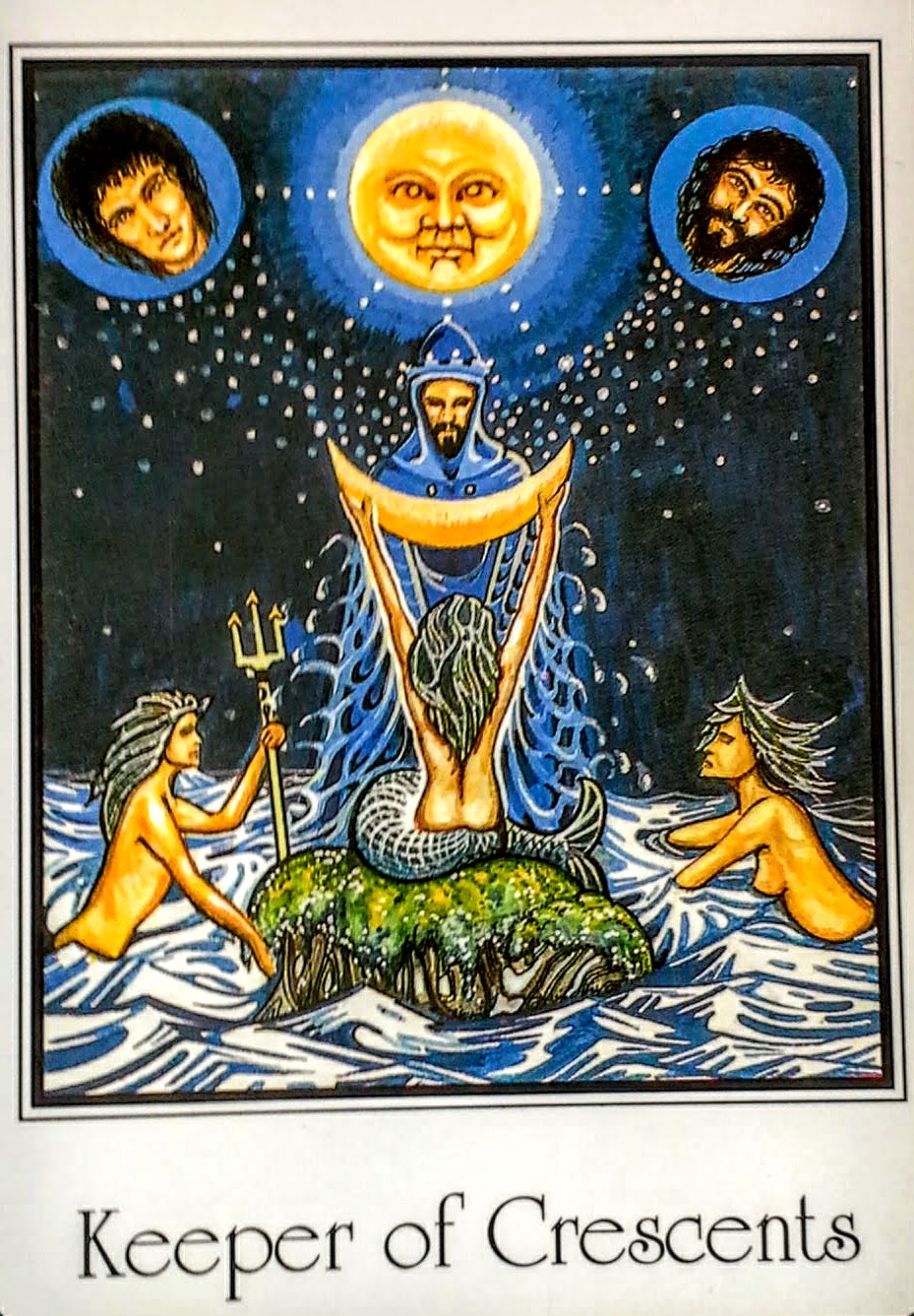
There’s no consensus on what the various suits of the minor arcana are, either. Normally, they are wands, swords, cups and coins or pentacles, but in the Robot Tarot, the suits are laser, light, void, and scarab; and in the Servants of the Light Tarot, the suits are weapons, spheres, crescents, staves. Even more confusing, there’s no consensus on what constitutes a tarot. Most decks are composed of 78 cards, but some tarot decks comprise only the 22 cards of the major arcana. Or less. Or more. The Deva Tarot has five suits instead of the normal four (the fifth is a suit called Triax and is supposed to represent the ether or the spirit). If the Deva Tarot is a deck that’s beyond the realm of a tarot, does it become a tarot if you remove the additional cards?

In other words, the tarot seems a rather arbitrary tool depending on what deck you use, what system of meaning you apply, what you read into the cards, and your own inclinations.

(This kind of reminds me of when I decided to learn the names of birds. After a while it began to seem laborious and arbitrary, especially when it dawned on me these were simply names humans gave the birds, not what the birds called themselves, and in no way imparted a sense of “birdness.” To this day, I only know a few common names, though I do have a bird book if I want to know more.)

However, there is one underlying, non-arbitrary aspect of the tarot: as story-telling cards. I was reading about the Major Arcana (the twenty-two trump cards) and discovered that they tell a story — the fool’s journey, from naivete to wisdom. And suddenly I understood — the fool’s journey is nothing more than the hero’s journey. See? Story!!

More than that, how the cards are laid out tell a story — the story of a person’s future; the story of their past, perhaps; maybe even a deeper story of their self. And since there are infinite possible layouts (and infinity squared when you take into consideration all the various types of cards and decks and meanings), there are an infinite number of stories.

So my idea of using the cards to write a story is not at all farfetched. I used the hero’s journey to tell the story of Daughter Am I, and I could use the fool’s journey to write a completely different sort of story. Each character could be assigned a role based on the Major Arcana, or I could do a reading for each character to see what their particular needs are. Or both.

Meantime, I’m on my own fool’s journey when it comes to the tarot. I’ve been doing a one-card reading for myself every day to get familiar with the cards. My question is always, “What do I need to know today?”

So far, the cards aren’t letting me in on any secrets, but the cards do seem to reflect my reflections. For example, today’s card was the sun card, which, according to the particular deck I used, means enlightenment, especially artistic enlightenment. Although card didn’t answer my question, simply reflected it, the card did answer my unasked question: Why should I blog about today?

So, arbitrary or not, the tarot, even in the simplest practice, has meaning.

***

Pat Bertram is the author of Grief: The Inside Story – A Guide to Surviving the Loss of a Loved One. “Grief: The Inside Story is perfect and that is not hyperbole! It is exactly what folk who are grieving need to read.” –Leesa Healy, RN, GDAS GDAT, Emotional/Mental Health Therapist & Educator.

i Tarocchi di Robot

I’ve been translating a booklet written in Italian that came with a deck of tarot cards, I Tarocchi di Robot. I thought it would be easy using MS Word translator and Google translator — just type in the text. And it was easy. Mostly. There were places of disagreement between the two translations, and even some words that seemed wrong in both translations. I’m pretty sure the writer meant suit of cups and suit of wands rather than seed of cups and seed of wands as presented in both translations, though who knows. When it comes to the tarot, people seem to like being mysterious simply for the sake of being mysterious. So I had to do some translation of the translation, if you know what I mean.

Most of the booklet was about the history of the tarot, which I didn’t bother with — I have several histories in English, which should be enough for anyone, and what was left seemed to be more about the philosophy of this particular deck rather than a practical application or practical information about the individual cards. According to what I could translate:

Robot is a word of Czech origin which means work. It was the playwright Karel Capek who invented the term robot in a novel, Rezon’s Universal Robots, which illustrated a utopian society governed by thinking machines. Later the word robot was used to designate automatons of various shapes and attitudes, and provided the inspiration for an infinite number of literary works, films, and comic books. But in the science fiction strands dedicated to the relationship between men and machines, Robot Tarot is an absolute novelty for the theme itself and for the way it has been developed.

Looking at the triumphal cards, or the Major Arcana, you immediately see that the characters represented, although they are obviously automatons, do not express the insensitive coldness of machines. On the contrary, they seem to be inhabitants of a world parallel to ours, or perhaps later than it. An extremely evolved world, where cyber science has been able to transfer human qualities to androids. Thus, the merits and defects carved into the genetic code of humans are found in the Robot Tarot. Among these automatons there can be love, madness, courage and lies. They too are divided by a social hierarchy, they know suffering and aspire to perfection, to that Paradise that only metaphysical thought is able to touch. There is undoubtedly a hint of poetry in these cards and also a lot of irony if the virtues of the tarot cards, which are difficult for humans to use, can be attributed to thinking machines. So, to be fully ironic about these figures, we want to give them even deeper meanings by imagining that metaphysics, the most sublime or most illusory science (since it tries to explain the meaning of things and life) finds itself projected into this world of steel, plastic and silicon where the soul would seem to be governed by capacitors and transistors and the spirit sacrificed to ideals of pure efficiency and productivity.

There’s definitely poetry in these cards — even without knowing what the images mean (in a tarot sort of way) and even without liking robots (I have no real interest in robots of any kind or in any medium) it’s easy to feel . . . something. The cards are truly stunning and unique, and yes, it delights me to think of automatons — creatures far from human thought — bringing us a deeper understanding of human life.

The main thing I learned from my efforts at studying the Italian prose was how the various suits translated into more traditional terms.

On the basis of what hidden logic have the coins turned into lights, the cups into scarabs, the swords into lasers, and the wands even into the suit of nothing? The answer to this question allows us to enter the philosophy of the Robot Tarot, thus tearing the veil of mystery that lingers on their fantasy world.

We have said that robot means work, and the Minor Arcana refers to work, not to manual and intellectual work but rather to natural work, that is, to those laws which, permeating the Cosmos in every direction, also dominate machines and inert bodies. We know that the creator of this deck knows the symbolic value of the beetle, a sacred animal not only among the Egyptians, because it is considered capable of being reborn from its own decomposition. In the Robot Tarot this figure replaces the Cup, another symbol of regeneration linked to the drink of immortality (think of the Grail Cup containing the blood of Christ, or the cup of the Hindu soma). The Scarab thus expresses the perpetual movement of life in the Universe, and in this movement three phases are distinguishable: one creative, one destructive, and a third one balancing.

The destructive energy, which does not necessarily have a negative meaning, and symbolized by the suit of Laser, replaces the symbol of the Sword (think of the Cherubim sword of fire, the Hindu vajira, or the lightning of Zeus). The creative energy, on the other hand, is represented by the suit of Light. This symbol, which replaces the Coin, is complementary to the Laser or, if you will, the other side of the same coin: as there is a light that destroys, there is another that gives life. The interdependence between these two energies was summed up by alchemists with the symbols of Mars and Venus, by the Taoists with the yin and yang image, and by the Hindus with the symbols of lingam and yoni.

The last pole, that of the permanent balance (equilibrium) and represented by the Nothing that replaces the suit of Wands, symbol of agriculture, of the seasonal balances and of the eternal fluctuation of the Galaxies (the Cosmic Tree). A thought of Heraclitus expresses the properties of this symbol: “Nothing is born and nothing dies, but everything becomes,” formula similar to the modern law on energy conservation.

And that’s all the booklet said about these cards in particular. Unfortunately, the very next part negated this information:

Playing with the analogies between Minor Arcana, symbols of esoteric traditions and universal principles of physics (motion, stillness, creation and destruction), we have proposed a logical structure capable of explaining the contents of the Robot Tarot. In any case, completely different structures could be built and other values and formulas discovered in them. But we prefer that it is the very reader who seeks, between the reflections of the plates (illustrations?) and the flashes of the lasers, the laws that link thought to forms, the relationships between the science of bodies and that of souls (i.e. among the Minor Arcana and the Major Arcana). After all, even this quest can turn into a game, as the history of tarot cards shows.

So in other words, the cards can mean anything a person wants them to mean. In a way, that does make sense since the tarot is not supposed to tell fortunes but help people gain a greater understanding of themselves and their relationship to life, as well as to help the reader of the cards develop a greater intuition.

But that doesn’t help with understanding the meaning behind the cards. I suppose, if I were to do a study of this deck, I’d have to check to see the traditional meaning of all the cards, and then interpret them in a robotically metaphysical way. (A metaphysically robotic way?)

Or I could just enjoy looking at the evocative images as I have been doing.

***

Pat Bertram is the author of Grief: The Inside Story – A Guide to Surviving the Loss of a Loved One. “Grief: The Inside Story is perfect and that is not hyperbole! It is exactly what folk who are grieving need to read.” –Leesa Healy, RN, GDAS GDAT, Emotional/Mental Health Therapist & Educator.