Wishing You the Joy of This Day

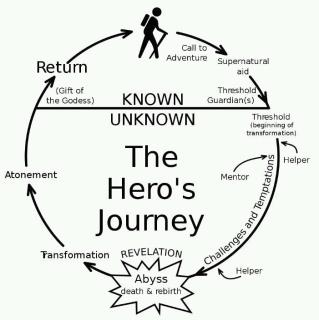
Despite the predominately religious meanings of this time of year, such as Easter and Passover, there is a more personal spiritual meaning — that no matter how down (or up!) we are, we can find a renewal, a liberation, a breaking open of the constraints that bind us so we can burst forth into a new day, a new way of being.

I’m not really doing anything special with this new day, not actively trying to find any sort of renewal, but we are all being herded into a new way of being, whether we want it or not. Since I am a conspiracy novelist who has already written about a pandemic and the ramifications of a novel disease, I tend to see the coming political and financial fallout of this situation, but other people see this crisis in a more spiritual sense. They see an awakening, a renewal.

We are being forced to see what is really important in our lives, not just because of paring our lives down to the basics, but also because of what we are missing. For some people, that could be a good meal in a restaurant or a shopping spree. For others, it’s get togethers with family and friends.

It would be nice to think that those who see renewal in this time of house arrest are right, and that the world is on the brink of enlightenment or resurrection. Of course, each person’s definition of enlightenment is different, so chances are we will be right back where we started with everyone insisting their way is the correct one and vilifying everyone who does not agree.

Still, for now, it’s good to enjoy the moments, even the moments of doing nothing but staying safe. I also enjoy those moments when I am doing something, of course, but when I am not doing “nothing,” the enjoyment is sort of a tagalong feeling to whatever it is I am doing — walking, reading, playing on the computer — rather than enjoyment as a separate entity.

I so often feel a push for more — to walk more miles, to write more and better, to get stronger, healthier, wiser — that it’s good once in a while to burst out of the winding cloths I’ve wrapped myself in, and step out into the joy of being.

I’m overdoing the  resurrection metaphor a bit, but so what?

It’s a new day. And today I can do whatever I want. Be wh0ever I want. Well, in my own mind at least. There is still the matter of a body that doesn’t want to cooperate and a crisis that is keeping us virtual prisoners, but those are matters for another time.

Today is a time of thinking of new possibilities, of being in the moment, of staying safe.

Wishing you the joy of this day.

***

Pat Bertram is the author of the suspense novels UnfinishedMadame ZeeZee’s Nightmare, Light BringerMore Deaths Than OneA Spark of Heavenly Fireand Daughter Am IBertram is also the author of Grief: The Great Yearning, “an exquisite book, wrenching to read, and at the same time full of profound truths.” Connect with Pat on Google+. Like Pat on Facebook.

A Single Death

Every day we are subjected to the current count of how many people have died from the disease du jour, and yet, what’s the point except to keep a tally? Does anyone really care? As of last night, 193 people have died in Colorado from The Bob, but people have died from other things, too. Don’t those deaths count? Even a single death diminishes us, so what difference does it make if one person died or a hundred or a thousand? It matters, of course, to the loved ones remaining behind, and perhaps even to the one who is gone, but why do the rest of us care about the number of people who have died of this disease? We certainly don’t care about the vast numbers of people who die from heart disease or cancer or traffic accidents. So why this? Why now?

Could it be that we are only concerned about ourselves and how close the disease is to us? Or do we simply care about the logistics? We are constantly being told about the lack of equipment (though a few experts think the very lack of respirators is keeping some people alive — there is evidence that the respirators in some cases are hastening the end of vulnerable patients). And we are constantly being warned about the necessity of “flattening the curve” to keep from overwhelming the system (even though some epidemiologists think we are merely prolonging the life of The Bob). So is that what we care about?

Unless we personally know someone who has the virus or have lost someone to the virus, or unless a celebrity has died, we don’t know enough to care about anyone who is suffering. (Though why anyone would care about a celebrity mystifies me, since the deaths of unknowns are tragic, too, but discussing that is too much of a digression even for this blog.)

So what difference does it make how many have died from this particular disease?

Yes, I know, it is tragic that people are dying, but people are dying from other things, and that is tragic, too. A friend recently lost her husband. Except for those of us who knew her (or her husband) no one in the world cares. But if we care about those who die from The Bob, shouldn’t we all care about him, too?

Another friend is going through chemo. That’s every bit as dangerous and life-threatening as the vulnerable folks who get The Bob, and a lot more dangerous than the less vulnerable, since most cases aren’t much worse than a bout of the flu. Chemo is certainly more dangerous than those who have the virus with no outward show of symptoms. So shouldn’t we all care about the woman going through chemo, too?

Why discriminate on the basis of disease? We can care about this disease but no other? So what do we really care about?

That this disease is spreading faster than other diseases at the moment? It’s still not worth the draconian measures being taken to stop the spread. And is it really spreading that rapidly? If so, why are not all the “essential” employees dying? Why aren’t the “essential” stores closing because all their employees are sick?

New studies show that the cities that are the hardest hit are the cities with Chinatowns and high Asian populations. If that’s true, instead of quarantining the rest of the country, why not simply quarantine those neighborhoods? Oh, but you can’t. It’s racist. So, to protect the sensibilities of one community, we have to impose harsh punishments on all of us. (That staying at home and sheltering in place and only shopping for necessities is not a hardship for me do not make such stringent measures any less harsh.)

I keep saying that the measures being taken to flatten that mythical curve (and it is a myth — a projection — and so far, most projections pertaining to this disease have been wrong) don’t affect me, but obviously, I am wrong. Being housebound is giving me way too much time to think! And I have an overactive “thinker” to begin with.

But still, someone has to think about these things. Someone has to care about those dying from diseases other than the disease of the day. Someone has to look beyond the numbers and see the tragedy in even a single death.

***

Pat Bertram is the author of Grief: The Inside Story – A Guide to Surviving the Loss of a Loved One. “Grief: The Inside Story is perfect and that is not hyperbole! It is exactly what folk who are grieving need to read.” –Leesa Healy, RN, GDAS GDAT, Emotional/Mental Health Therapist & Educator.
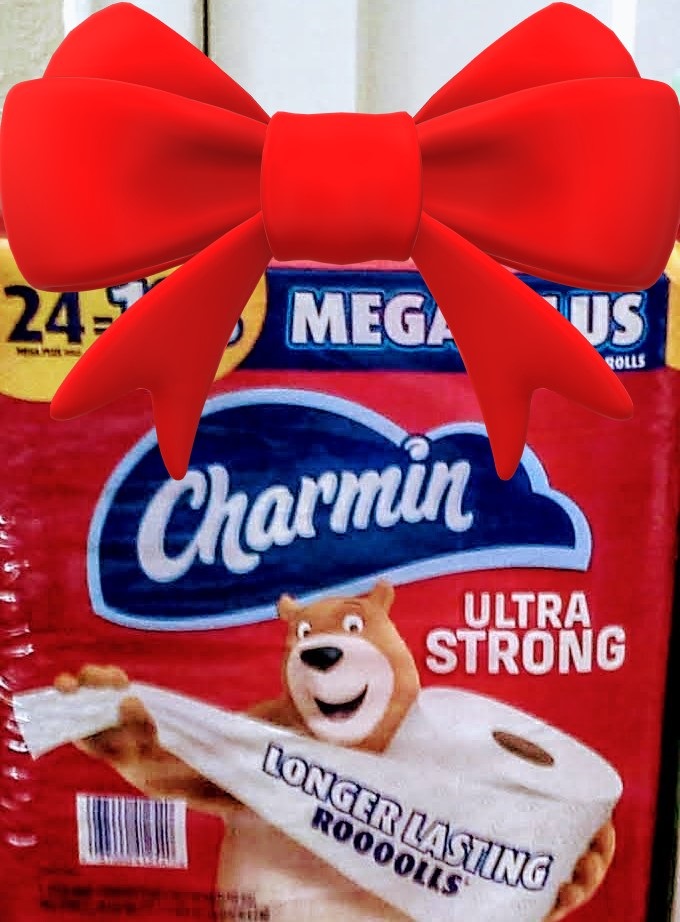
Easter Present!

I got an Easter gift today. Can you guess what it is?

Easter basket?

Bunny?

Flowers?

Nope. None of those. Here’s a hint:

Awww. You guessed it! Toilet paper. Who would have ever thought there would come a time that toilet paper not only would be a welcome gift, but a valuable one, too.

***

Pat Bertram is the author of Grief: The Inside Story – A Guide to Surviving the Loss of a Loved One. “Grief: The Inside Story is perfect and that is not hyperbole! It is exactly what folk who are grieving need to read.” –Leesa Healy, RN, GDAS GDAT, Emotional/Mental Health Therapist & Educator.

Essential

There are some words being bandied about lately that I am getting tired of hearing. Like “essential.” They tell us that only “essential” businesses are allowed open, but some of those essential businesses are not essential to all of us. Like liquor stores or recreational pot shops.

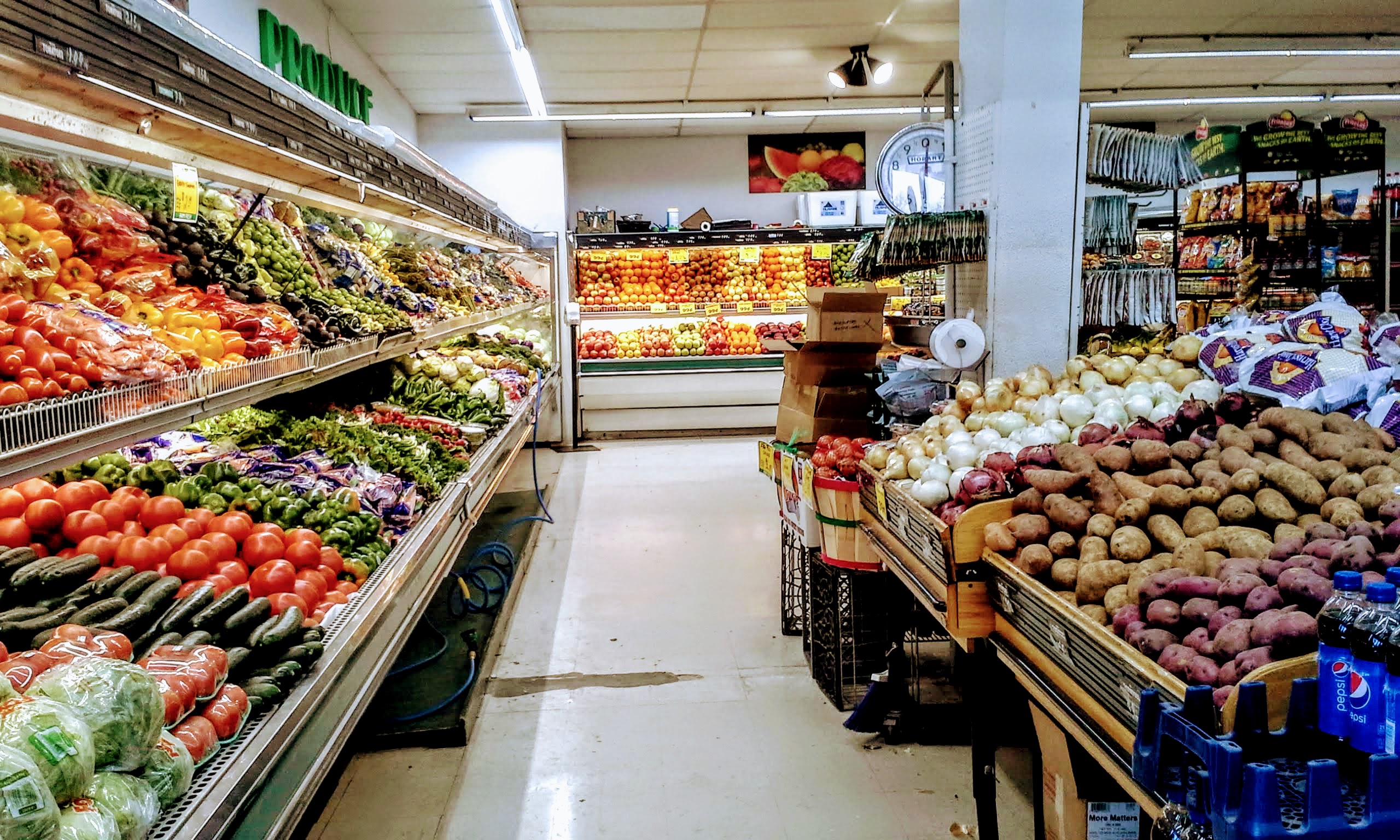
We’re also told only to go out to do essential errands, and to buy only essential items. Despite these constant warnings, I still pretty much live the way I always do because I always only do essential errands, always only buy essential items. When one lives as austere a life as I do, when everything has been pared down to the basics, everything is essential. For example, today I went out and bought groceries. It is essential that I drive once a week to keep my ancient bug going, and today was the day, so went and got a few dollars’ worth of gas, which was essential so that I could get to the store where I bought such essential items as fruits, vegetables, as well as a bit of meat and cheese.

Essential.

Some things are essential for good mental health, such as being with friends (even for those of us with hermit tendencies), but oh, no — that sort of essential thing is not allowed.

So, apparently, some essential things are not essential, and some non-essentials are essential. What a fiasco.

Another term I’m getting tired of is “social distancing.” It’s not the act that bothers me, but the term. In fact, I always prefer strangers — and sometimes even non-strangers — to keep their distance.

Today, when I entered the store, a young woman and her small daughter were nearing the entrance about the same time I was. Since she wasn’t stopping her forward rush, I paused six feet way from them so she could go on, but then she stopped and told me to go ahead. So I did. But instead of waiting until I was inside, both she and her daughter crowded me and went through at the same time. What was the point of that? Even if we weren’t dealing with the current regulations, it would have been rude.

Luckily, I won’t have to deal with such things for another week when it is again time to drive and get my “essential” errands done.

***

Pat Bertram is the author of Grief: The Inside Story – A Guide to Surviving the Loss of a Loved One. “Grief: The Inside Story is perfect and that is not hyperbole! It is exactly what folk who are grieving need to read.” –Leesa Healy, RN, GDAS GDAT, Emotional/Mental Health Therapist & Educator.

The Highs and Lows of Body Temperature

Three years ago, when I destroyed my left arm, a health worker came to see me a couple of times a week to help with things I couldn’t do myself (which was pretty much everything). Before we got down to the important things such as showering or opening bottles and jars or replacing the child-proof lids of my pain pills with ones I could open one-handed, she always took my vital signs.

The first time she took my temperature, we both stared at the number in shock. 91.9˚. That is absolutely not possible. A body temperature that low would mean I was dead. So she shook down the thermometer and tried again. Same thing. Thinking the thermometer was malfunctioning, she replaced the mouthpiece and took her own temperature, which was normal. Then mine again. Same abnormal reading.

The next day she brought a new thermometer, and the reading was slightly higher. 92 or 93, something like that. We finally shrugged it off. I wasn’t cold, was doing well considering I had a pulverized wrist, a fake elbow, a wrenched shoulder, perhaps twenty-five breaks in all told in my forearm, and was drugged to my gills.

Over the next weeks, my temperature climbed to a sizzling 95˚. And there it stayed for a while, though I think by the time she moved to a better job (in part because of the way the company treated me, though that is a different story), my temperature occasionally clocked in at 96˚.

I’ve always had a very slow metabolism (yes, I know — people who are overweight always blame their metabolism, but sometimes it is true) and so we thought my moribund metabolism could be the reason for the low number. (Or vice versa.) Since I seemed to have no problems because of it, we decided not to worry. And, apparently, such a low temperature is not that rare because when I went to the doctor for more surgery and then follow-up appointments, no one commented, probably because by that time they could see that it was my normal temperature.

I think about this every time I hear about people having their temperatures taken before they are allowed to see doctors or go to work. With a low body temperature, a person can have a fever and still test as normal, so a normal temperature is no indication that a person is clear of infection. (And then, there’s the whole no symptoms — including fever — for fourteen days thing, which really makes temperature an inaccurate viral test.)

I might have a thermometer around here somewhere, and I considered taking my temperature out of curiosity, but decided it wouldn’t prove anything. I’m alive and relatively healthy and no number is going to change that.

Besides, since I see almost no one (except a friend at the store yesterday, and we stayed the requisite six feet apart), my temperature is not an issue.

***

Pat Bertram is the author of Grief: The Inside Story – A Guide to Surviving the Loss of a Loved One. “Grief: The Inside Story is perfect and that is not hyperbole! It is exactly what folk who are grieving need to read.” –Leesa Healy, RN, GDAS GDAT, Emotional/Mental Health Therapist & Educator.

More Repercussions

I find it amusing that Kansas is restricting travel from Colorado and quarantining those who do cross the border. Not that there is anything intrinsically amusing about this, it’s that the Colorado-Kansas border figured prominently in my novel A Spark of Heavenly Fire. The book features a terrible disease called The Red Death by those in Colorado and the Colorado Flu by those outside the state where it originated. Although the entire state of Colorado is quarantined and the border patrolled by various means, occasionally someone does slip across the border only to be met by a “welcoming” group of Kansas carrying guns, hoes, and anything else to ward off the trespasser.

Apparently, Kansas today has not yet reached that level of hostility — the travel ban is still just a bureaucratic decree rather than a grass roots action.

I don’t believe in legislating everything, at least I didn’t until this whole mess. Maybe people really are ignorant enough not to know to wash their hands when coming in contact with potential disease carriers. Maybe people don’t know enough to stay away from others if possible during a time of illness. Apparently, some people are so utterly and bizarrely oblivious to any sense of self-preservation as to hold “corona parties,” stuffing as many people as possible into small areas.

If so, apparently, the bureaucracies — the nanny state — really does need to get involved to instill some common sense into those who have none. (And to protect their own careers, of course. If some states enact these measures, then others will follow suit for the simple reason that if they don’t, people will think they aren’t doing anything.)

Yesterday I wrote of repercussions beyond the financial fallout, but potential abuse is only one additional problem. Another problem that is developing is that people who have money and can escape the cities where the disease is most concentrated are ignoring the stay-at-home directives, and treating this hiatus of business as a vacation, and heading to vacation towns and rural areas. Hence, The Bob is hitting where it normally wouldn’t, because those with enough money to travel are carrying the virus with them like deadly luggage.

I suppose those with second homes think that by heading to the smaller towns where these houses are located, they are staying at home, but not all those who are heading to the hills are heading “home.” A rising problem is that these seasonal areas are not equipped to deal with an influx of people at off-season times. Hospitals are tiny, grocery stores are having enough trouble keeping food and essential items for the locals, and utilities are being strained beyond capacity.

So yes, it does seem as if draconian orders are needed to keep people from spreading disease.

It’s a shame, but the people who should be ashamed, apparently have no shame, and so the repercussions of this crisis will continue long after the virus has been tamed.

***

Pat Bertram is the author of Grief: The Inside Story – A Guide to Surviving the Loss of a Loved One. “Grief: The Inside Story is perfect and that is not hyperbole! It is exactly what folk who are grieving need to read.” –Leesa Healy, RN, GDAS GDAT, Emotional/Mental Health Therapist & Educator.

Holding Pattern

My garage is here. As you can see, it needs to be put together, but who knows when that will be. One of the construction workers is sick and they have to wait for the test results, though I have a hard time believing he has The Bob. What are the odds of one of the five people I have seen in the past two weeks being the only person in the county to have it?

Still, they can’t go by the odds, so we’re all waiting for test results.

When they were going to be here building the garage, they were also going to fix my toilet (the wax ring needs to be replaced) and while the water was turned off, they were going to fix the crumbling plaster wall behind the commode, but that probably won’t happen. They will try to get here fix the toilet, and we’ll try to figure out the safest way to do that (me, being “elderly,” staying away from them, and then disinfecting the bathroom afterward). They would wait if they could, but if the floor rots from all the moisture, they’d have to fix it, and their agenda is full enough.

On the other hand, if I don’t have a toilet, I won’t need toilet paper. (Joke.)

Like almost everyone else, I am in a holding pattern, though I have to admit, it has more to do with a wonky knee than any stay-at-home order. Luckily, the knee has healed enough so I can walk around the house without support from my hiking poles. (The poor things are still in shock from that ignoble use.)

I’m used to waiting, though, so it’s not as if living in a holding pattern is anything new.

***

Pat Bertram is the author of Grief: The Inside Story – A Guide to Surviving the Loss of a Loved One. “Grief: The Inside Story is perfect and that is not hyperbole! It is exactly what folk who are grieving need to read.” –Leesa Healy, RN, GDAS GDAT, Emotional/Mental Health Therapist & Educator.

“The Bob” Commentary

Social distancing might be holding in the over-60 population, at least to an extent, but it does not seem to concern the younger folk. Today I’ve seen more groups walking than I have in the year I’ve been here. I don’t know if that’s been the case all along since I’ve stayed inside babying my knee, but today I thought I should challenge myself, so I went outside for a short walk. (If 300 steps can be considered a walk.) I might have stayed out longer, but in that short time, one single walker and two closely-packed trios passed me. In all cases, I crossed the street to get away from them, but still, there they were.

Making matter worse, one of the guys horked up a wad of mucus in front of my house. Really? Really? I don’t understand people, and they sure as heck don’t understand health safeguards.

Needless to say, I took I wide berth around that mess, and came back inside where I am safe. (Just because I think there’s way too much hype over The Bob  doesn’t mean I don’t take precautions. In fact, I take these same precautions when it comes to any flu or other contagious disease. And I might as well admit it, I always cross the street to avoid people when I’m out walking unless I know them — it’s a leftover safety measure from when I lived in a big city.)

There are many loopholes in this stay-at-home order. Except for the closures — places where people obviously can’t go — they can go anywhere and do anything as long as they say they are taking a walk or getting essential items. Some people — couples and families — are going en masse to the stores that are open more as a recreational thing than because they really need the merchandise. And the early shopping hours for seniors are a joke — so many congregate outside the doors of places like Walmart, waiting to get in, that it seems to create more of a problem than it solves.

So why issue stay-at-home orders when it’s so easy to get around them? Well, I do know one reason — by establishing their locale as a scene of disaster, the local governments are positioning themselves for federal relief funds. But for the rest, who knows. There is much going on that we are not privy to.

Speaking of privy (chuckling at my wit here), I did some research on the toilet paper shortage.

I don’t know why no one is admitting that a percentage of our bathroom tissue is imported from China, but it is. (A Walmart employee told me that’s where their store brand comes from.) According to the Observatory of Economic Complexity: The top exporters of toilet paper are China ($2.84B), Germany ($2.78B), Japan ($1.67B), Poland ($1.4B) and Italy ($1.26B). The top importers are the United States ($2.29B), Germany ($1.79B), China ($1.43B), France ($1.33B) and the United Kingdom ($1.26B). So, as you can see — if you curtail the imports, there is a definite shortage. Even if the shortfall is only 10%, that shortfall soon escalates into a massive shortage as people try to stay ahead of their needs.

I’m shaking my head at myself. I had no intention of ever even mentioning any aspect of this current medical situation in my daily blog posts (190 days in a row as of today), but it is there. And it is hard to ignore.

Of course, if the guys would come and build my garage, I’d have something more exciting to write about. Meantime, there is just me, my computer, and vast numbers of articles and commentaries about The Bob flooding the internet streams. And now, with this blog, there is one more.

In case you’re sick of all this, here’s something to brighten your life: today is National Crayon Day. Happy coloring!

***

Pat Bertram is the author of Grief: The Inside Story – A Guide to Surviving the Loss of a Loved One. “Grief: The Inside Story is perfect and that is not hyperbole! It is exactly what folk who are grieving need to read.” –Leesa Healy, RN, GDAS GDAT, Emotional/Mental Health Therapist & Educator.


Gifts for These Times

Much of the rhetoric surrounding The Bob continues to mystify me. Today several links showed up in my Facebook feed touting the necessity for testing everyone in the country and vilifying those who aren’t with the program. And yet, a recent study showed that accuracy of the tests varied depending on how and when samples were collected. For example, if a person was infected with the disease, but the test is done too early before there is a great enough concentration of the virus to detect, then the person is given a clean bill of health and is left to infect everyone they come in contact with. If a person has symptoms, then the tests are more accurate, but they are still not exact. Chest CT scans accurately identified infection in 98 percent of cases whereas RT-PCR tests detected it correctly 71 percent of the time.

It makes sense, then, to continue the way things are, testing people who show symptoms to enable the medical establishment to set a treatment protocol. But for the rest of us? How does getting tested help? If we test negative, we still have to stay away from people because a) we might be sick and b) we might still get sick. And if we test positive, but don’t feel sick, we still have to stay away from people.

Despite my concerns about people getting all het up about this disease and demanding results when no one knows for sure what is really going on, I am staying away from people.

That is, I am staying away except for a brief time today.

Today a friend stopped by bearing gifts — a lovely pad Thai, a vial of healing oil (for my knee) made by a monk, and an even more healing hug.

Yeah, I know. Keep one’s distance. But truly, if I were to die because of a hug, then . . . well, then I’d be dead and wouldn’t care. And if I were to get sick? I’ll do what I’ve always done — go to bed, stop eating, drink water, and wait for my body to heal itself. So far, it’s worked, even with some very serious and rather painful illnesses.

But I’m not concerned about any repercussions from a simple hug. I’ve already spent time with these friends during this era of disease, and so far, we’re doing well.

I’m also doing well on the gift front. I got an email notification today of a gift that will be arriving in the next couple of weeks:

That cracked me up. The perfect gifts for these times!

Nature, too, is bringing me gifts. This little beauty is no bigger than my thumbnail.

I checked my order of bulbs from last fall, and I did order miniature daffodils, but by the description, it seemed as if they were simply smaller versions of the normal daffodils, not these itty-bitty things. In fact, until I took a photo, I didn’t even realize what they were! They are cute, though. I wouldn’t mind a whole yard of them. They are supposed to spread like normal daffodils, but they also go to seed, so there’s hope.

And if not, there’s always next year.

Because yes, for most people, there will be a next year and the wonderful gift of more time.

***

Pat Bertram is the author of Grief: The Inside Story – A Guide to Surviving the Loss of a Loved One. “Grief: The Inside Story is perfect and that is not hyperbole! It is exactly what folk who are grieving need to read.” –Leesa Healy, RN, GDAS GDAT, Emotional/Mental Health Therapist & Educator.

Reckful

Today, I made a few drop biscuits. They aren’t on my diet, but it does seem that stay-in-place orders and a damaged knee are restrictive enough without adding food limitations to the equation.

For the most part, though, I’m okay despite these constraints. I’m not even very restless, perhaps because I’d be staying at home anyway to take care of my knee. Oddly — or not so oddly, actually — today my knee doesn’t pain me so much (though it still isn’t acting quite right) but the muscles above and below the knee as well as the uninjured knee all ache. Makes sense, of course. Because I’ve been walking abnormally, when I walk at all, other muscles have taken up the load and are being stretched beyond normal usage.

So many things that are a normal part of people’s lives, like eating out, don’t matter to me when they’re gone because I seldom visit such places anymore. (When I moved here, I left behind my lunch companion and haven’t reinstituted the practice with anyone else.) Nor am I craving Mexican food or pizza or other restaurant fare like so many are. I’m still using up the food around the house. Hence the biscuits.

It’s been interesting seeing how different people react to the various orders we’ve been given. Some people follow through, while others refuse to even acknowledge the directives, either because they’re young enough to feel invincible or are simply reckless.

Me? I’m the opposite of reckless. In fact, I’d be considered reckful, if there were such a word. I know there are many folks who would disagree — after all, I did take that cross-country trip in my ancient bug all my myself, and I did meet up with all sorts of people I knew only by their online presence. But that wasn’t reckless. I’d thought about all contingencies, reckoned on things going wrong and planned for them though of course I’d hoped for things to go right, and mostly, they did.

I’m especially reckful when it comes to my health, which is why I’m hunkered down at home rather than going to the doctor as so many have recommended I do. Health providers are taking people’s temperatures before letting them in the building, but that seems a bit reckless to me. Or else we aren’t being told everything we need to know about this current medical crisis. If people don’t show symptoms until perhaps two weeks after being exposed, then obviously, taking their temperature wouldn’t prove they aren’t infected. It only means the infection hasn’t shown up yet. And I’m supposed to trust that? I don’t think so.

This situation with the stay-at-home orders seems like an interesting sociological experiment, seeing what businesses are shut down and what aren’t. For example, doctors’ offices aren’t closed down, but chiropractors are. Huh? What about the people with bad backs who can’t function without these treatments? This stricture reminds me of the early years of chiropractic when one couldn’t speak of such “pseudo-doctors” without the hush of sacrilege touching people’s voices.

It also seems strange that churches are closed down, but recreational marijuana shops and liquor stores aren’t. I get the whole dissociating from other people thing, but still, the situation speaks ill of us as a people and what we consider necessary. I suppose, since I’m too reckful to get caught by either alcohol or pot usage, I’m also too naïve to understand why they are on the “essential” list. (To be fair, I don’t go to church, either, but I know a lot of people who do and who count on the weekly services.)

None of this affects me personally. I’ve always lived a stringent life, so such harsh measures don’t mean much to me.

Still, in my own reckful way, I’m being reckless. After all, the proof is in the biscuits.

***

Pat Bertram is the author of Grief: The Inside Story – A Guide to Surviving the Loss of a Loved One. “Grief: The Inside Story is perfect and that is not hyperbole! It is exactly what folk who are grieving need to read.” –Leesa Healy, RN, GDAS GDAT, Emotional/Mental Health Therapist & Educator.