All Jazzed Up

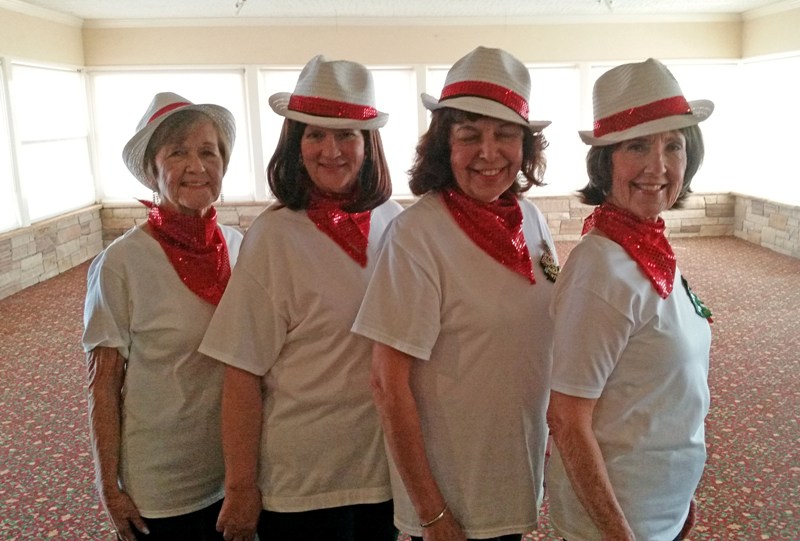
I was invited to dance today. I don’t always get to dance when the class is invited to perform because sometimes — like today — there is only room for a few dancers and others in the class are more experienced than I am, but today I was given a turn, and oh! What a joy! Of all the surprises life has thrown at me in recent years, the most surprising is this love of dancing and the privilege of being taught by a professional dancer who has studied with many famous dance teachers in Hollywood, Las Vegas, Australia and Hawaii, and who is willing to pass on that knowledge to both the promising young and the unpromising mature. (Unpromising because of age, not enthusiasm. None of us adults will ever be prima ballerinas, nor we will ever wear toe shoes, though perhaps we — meaning me — might eventually be able to point our toes in a dancerly way.)

We didn’t wear fancy costumes today, but we looked jazzy all the same. BTW, in case you don’t recognize me, I’m the second from the left with the page boy hairdo.

Let’s boogie!

20141122_141237b

***

Pat Bertram is the author of the suspense novels Light Bringer, More Deaths Than One, A Spark of Heavenly Fire, and Daughter Am I. Bertram is also the author of Grief: The Great Yearning, “an exquisite book, wrenching to read, and at the same time full of profound truths.” Connect with Pat on Google+. Like Pat on Facebook.

Being Important

I’m feeling restless tonight as if I should be doing something important, but here I am at the computer, playing games of solitaire. (Well, I was playing games. Now I’m playing a different kind of solitaire called “What will I blog about tonight?”)

When life is all about family, spouses, soul mates — creating a shared life — everything you do seems important, but when you are alone, importance is hard to feign because the isolation of being the only one in the room makes even breathing seem unimportant.

Despite the way it might sound, I’m not depressed or sad today. I’m feeling good, actually (probably leftover endorphins or adrenaline from dancing). I’m not lonely, either, just alone, and sometimes aloneness echoes in empty rooms, making it seem like some sort of lack. It is a lack, of course, but it isn’t a lack of life or . . . importance. It’s a lack of companionship and maybe a lack of “other energy.”

fireThere are some things I don’t necessarily understand when it comes to dancing. I call myself tone deaf, but I’m not — I just hear a single track of melodic (and not so melodic) noise and find it hard to separate out one particular sound or thread or beat from all the rest, which is why barbershop quartets hurt my ears and simple tunes are soothing. (I can count, though, and as my dance teacher says, if you can count, you can dance. Or something like that.) One woman I particularly enjoy dancing with (she’s so very elegant and graceful she makes me look good!) hears sounds and beats that pass me by  even when she points them out, but I pick up on something she doesn’t — the energy of the group. When we are all dancing as one, I can sense the energy we generate, as if we are tied together with invisible strings, moving arms and legs, heads and torsos in perfect rhythm. There’s nothing quite like that feeling, at least not in my experience.

Even when we are not all in harmony, as often happens, there is an air of connectedness in the studio, with all of us focused singlemindedly on the steps. One woman came with her husband last month, and though he didn’t bother anyone, it gave those classes an uneasy feel because it disrupted the flow of electricity of connectedness among the dancers. (This isn’t as mystical as it sounds. The energy I sense is more of a focus rather than waves of electricity, though I know we all respond to the electricity we generate.)

That energy from another person or a group — that “other energy” — is missing in a solitary room.

Some people spew energy even when they are alone, so rooms don’t seem as empty to them. I don’t spew energy, which makes my presence in a room even smaller and quieter than it would normally seem. And makes whatever I do seem unimportant, as if I am just passing time.

But the truth is, “being” is important, so even when we are alone, regardless of how it feels, we are being important.

***

Pat Bertram is the author of the suspense novels Light Bringer, More Deaths Than One, A Spark of Heavenly Fire, and Daughter Am I. Bertram is also the author of Grief: The Great Yearning, “an exquisite book, wrenching to read, and at the same time full of profound truths.” Connect with Pat on Google+. Like Pat on Facebook.
The Continued Deforestation of America

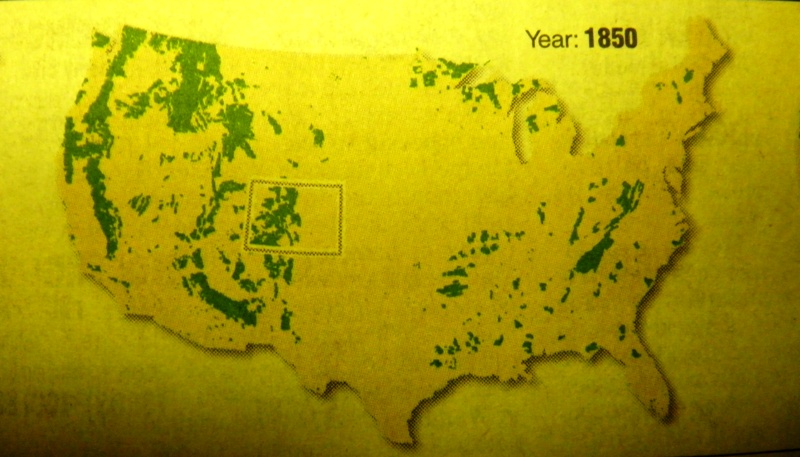
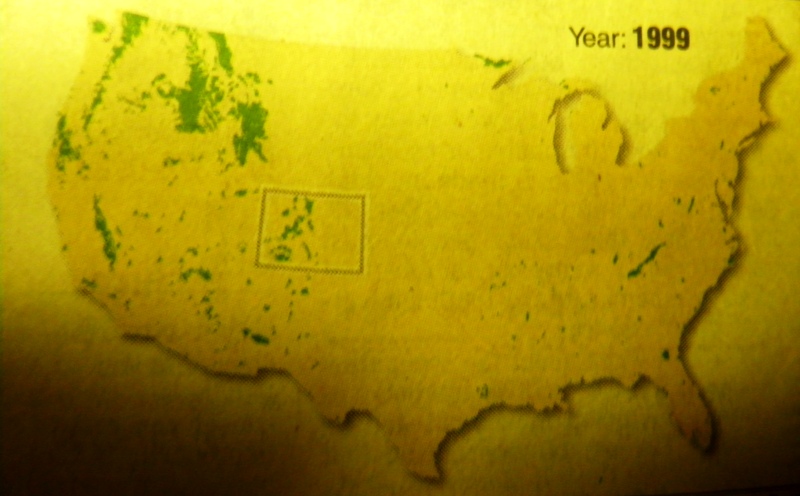
I’ve been sorting through files that belonged to Jeff, my life mate/soul mate, files that I couldn’t sort through right after he died. It felt voyeuristic then, and it feels voyeuristic now because the pictures, notes, cartoons a person saves tells a lot about that person, more maybe than they would want anyone to know. Still, I didn’t want to throw out that particular file without going through it just in case there was something I might need. (Though how I could need something I’d never seen before, I couldn’t tell you.)

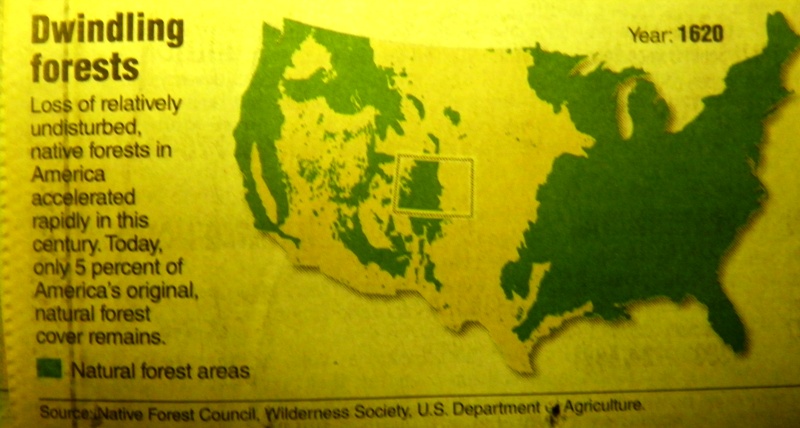
I’m glad I did. I came across the photos posted below, photos that took my breath away. I remember reading stories in grade school history and reading classes about settlers, and the stories always seemed to begin or end with the hardy souls cutting down trees and clearing the land. This legend was so ingrained, it wasn’t until my twenties I realized the truth. What????? They cut down trees for farmland????? Trillions and trillions of trees — for what? The American dream of owning a piece of land? The insanity of it all is . . . well, insane. Yes, I know — persecutions in Europe, religious and political freedom, etc, etc, etc, but unconscionable for all that.

Coincidentally, I recently wrote a piece about how wilderness areas are being called irrelevant now, but I guess the truth is, wilderness areas have always been irrelevant to this country. Once people had cut down all the eastern trees, they set out to tame the west. And here we are today — tamed into submission. Is it any wonder I am committed to finding the wildness within?

Jeff and I planted hundreds of trees. I have a hunch most of them have been cut down by now, but still, we did our part to reforest America. And that is something to be proud about.

Forests in 1620

forests 1850

forests 1999

***

Pat Bertram is the author of the suspense novels Light Bringer, More Deaths Than One, A Spark of Heavenly Fire, and Daughter Am I. Bertram is also the author of Grief: The Great Yearning, “an exquisite book, wrenching to read, and at the same time full of profound truths.” Connect with Pat on Google+. Like Pat on Facebook.
The Relevance of Wilderness

I read an article today that called John Muir’s philosophy irrelevant. In case you don’t know, John Muir was an early environmentalist who believed in our oneness with the earth and advocated the importance of keeping some wilderness areas as undisturbed as possible so we can experience nature in its original state and to ensure that there will be wilderness areas for coming generations to experience. He founded the Sierra Club to further promote his ideas, and while the Sierra Club has gone beyond strictly environmental issues into other political arenas, Muir’s philosophy still holds true. It is important to spare at least parts of the earth from human depredation, because who are we and who would we be without the earth?

Muir’s detractors think his philosophy implies that only awe-inspiring parks are worth saving, and that his vision is rooted in economic privilege and benefits mostly rich white folks with the leisure to backpack, rock climb, and otherwise enjoy the far off places. They say that new generations, especially the diverse communities of working class and minorities, see the world differently than WASPs such as Muir, and that it’s more important to cater to their vision by creating and protecting urban parks and close-in mountain areas.

I don’t know what the rich think — as a matter of fact, until reading this article, I haven’t even seen the phrase “White Anglo Saxon protestant” in years. I’m certainly not a WASP — well, technically I am white, I suppose, though traces of Finno-Ugric blood might skew that a bit. But I am not Anglo-Saxon, protestant, rich, or privileged in the way such folks are said to be.

Nor do I know what the poor or those in diverse communities think. Perhaps they no longer believe it’s important to keep some wilderness areas pristine for the sake of our souls. Perhaps close-in parks are more important to them, but that is their choice. It does not negate the need for hard-to-reach wilderness areas. Besides, most people I know who love to hike or commune with the mountains or find solitude and spirituality in the far reaches of the wilderness are not rich. Some are retired with fixed incomes, some make great sacrifices to be able to afford the lifestyle they love/need, and some indulge their nature-lust in the small increments their time or money afford them.

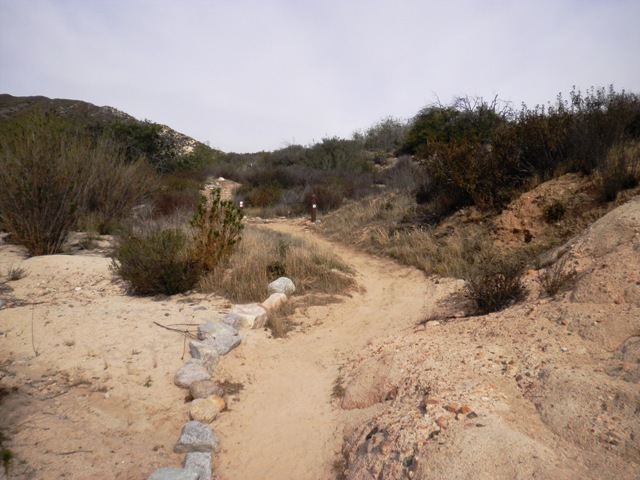
I’m one of those who like close-in places because of the ease in accessing them. I can walk to the desert from where I am currently staying, and in fact have spent thousands of hours hiking those informal trails. Even if I never went up to the mountains, I still like knowing there are relatively untouched places, and that we as a people value them so much we will protect them.

Seems to me, such an ideal is always relevant.

***

Pat Bertram is the author of the suspense novels Light Bringer, More Deaths Than One, A Spark of Heavenly Fire, and Daughter Am I. Bertram is also the author of Grief: The Great Yearning, “an exquisite book, wrenching to read, and at the same time full of profound truths.” Connect with Pat on Google+. Like Pat on Facebook.
 

Plenty of Sense!

More than two thousand years ago, Aristotle (supposedly) came up with the “five senses” model that we all learned as children — sight, sound, taste, smell, touch. Somewhere along the line a “sixth sense” was thrown in for good measure to explain all the unexplainable feelings we have. Current research, however, suggests there are more than twenty senses, including senses that used to be considered touch such as itch, pressure, ability to sense heat and cold, tension, pain, hunger, thirst. All of these have distinct sensors, which separates them from touch.

Other essential senses that have not been included with the five major senses until now are equilibrium, proprioception, and time.

Equilibrium, of course, helps us keep our balance, and allows us to perceive body movements, such as acceleration, direction changes, and gravity.

Proprioception tells us where each of our body parts are in relation to our other body parts. (Alcohol dims this particular sense, which is the basis for the hand to nose inebriation test.)

And time, as you might have guessed, gives us a sense of the passage of time.

As with all senses, these three essential senses diminish with age, which is one of the reasons we lose our balance more easily when we grow older, and have less ability to sense where we are in relation to our surroundings.

The very aged often have trouble defining where they feel pain, sometimes pointing to the left side when the pain is actually on the right side, and sometimes unable to pinpoint the pain at all. Because they no longer have a sense of their own body’s geography, they only know they hurt, not where they hurt.

old manI always thought that as we age, time seemed to speed up because an hour is a much smaller ratio compared to the time we have lived than when we were children, but apparently, that isn’t true. Or if it is true, it isn’t the whole truth. Numerous experiments have demonstrated that people are born with the ability to detect accurately the passage of time. When people are in their twenties, they can sense within three seconds when three minutes are up, but by the time we reach our sixties, we are pff by forty seconds, so compared to our sense of time, the actual ticking of the clock seems faster. Just another sense that loses its effectiveness when we age.

What shocked my father so much about the last three or four years of his life is how different he felt. For more than ninety-three years, he always felt the same. Not as strong or energetic as he was in his twenties, perhaps, but he always felt like himself. But then, as these additional senses wore out, along with his sight, hearing, taste, he began to feel not like himself at all. Which makes sense if he no longer could tell where he was in relation to the world or even to his own body. He also became obsessed with time, constantly looking at the clock, always feeling as if he were late for . . . something. It used to make me feel sad and a bit frustrated that at his advanced age he could not relax enough to just let time pass, but apparently, that was something he physically could not do.

We writers are always told to set the scene and involve readers with the use of sense descriptions, and now that we have plenty more senses to choose from and to torment our characters with, those descriptions could be even more compelling than when we had a palette of only five senses.

***

Pat Bertram is the author of the suspense novels Light Bringer, More Deaths Than One, A Spark of Heavenly Fire, and Daughter Am I. Bertram is also the author of Grief: The Great Yearning, “an exquisite book, wrenching to read, and at the same time full of profound truths.” Connect with Pat on Google+. Like Pat on Facebook.
Dreams of Walking the Pacific Crest Trail

mYAMAdventure.com is sponsoring a fund raiser for the Pacific Crest Trail, and they are looking for five thru-hikers to do the fund raising for them. (A thru-hiker is someone who hikes the entire trail in one season.) In return, the hikers will get some gear to help them offset the expenses as well as advice from experienced hikers. I promised a friend I’d apply, and so I did. For me, it’s a win win situation. If I get accepted, I’ll be finally following the dream of an epic adventure. If I don’t get accepted, I won’t have to follow through on such an idiotic idea. Here are my responses to the application questions:

What draws you to the Pacific Crest Trail and to long-distance hiking?What do you find attractive about it?  Is there something you seek?  Something you hope to get out of the experience?

About twenty years ago, my life mate/soul mate almost died. I was so grief-stricken at the thought of his being gone that I knew only something as challenging as walking the Pacific Crest Trail would help me through my grief and perhaps change my life to such an extent that I could survive the loss. He survived that crisis, and although he continued to be sickly, he lived for another fifteen years. When he died four and a half years ago, I came to look after my nonagenarian father. The only things that kept me sane and stress free were my walks/hikes with the local Sierra Club and dreaming about big adventures. Now that my father is gone and I am basically alone, I still hold on to the dream — not just about meeting the physical challenge but undergoing some sort of transcendental experience — but my age and level of experience (or rather, non-experience) make me wonder if it is feasible. But maybe . . .

What about the mYAMAdventure program attracts you?  What do you most hope to get out of it?

Help with gear and planning. When I researched the possibility of hiking the trail a couple of years ago, the number of gear choices was so great that figuring out the right products to take seemed an insurmountable task. It’s not like shopping for a casual weekend camping trip — when you hike such a trail, your very life depends on those products.

What are your biggest concerns about hiking the Pacific Crest Trail?

Carrying a heavy pack (even 30 pounds seems out of my range) and enough water. Especially water. Now, if I could dehydrate water so I would have plenty, I’d be much more sanguine about my chances of finishing the hike. (I do have a lot of hiking friends near the waterless Mojave part of the trail. Maybe they can be my trail angels to ensure my hydration.)

Please describe your level of hiking and backpacking experience.  Have you ever attempted a long-distance hike?  If so, tell us a little about it.

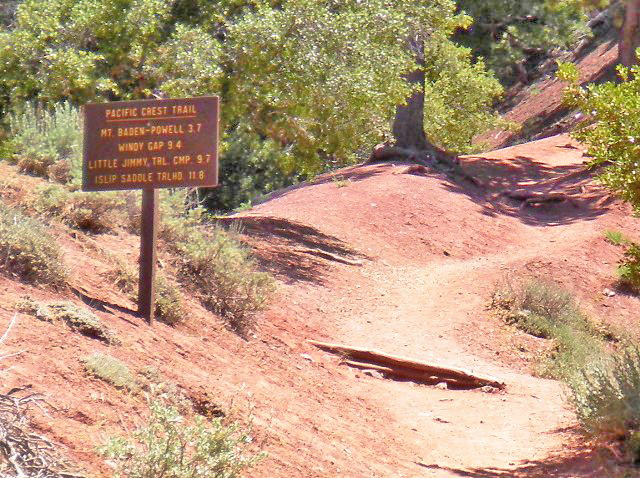
I used to hike three to five miles every day in the nearby desert until I started taking dance classes (I take eight classes a week by last count), now I only average about two miles a day. I’ve gone on several three to five mile hikes on the PCT, which fueled my desire to go the whole way (and also made me realize what a challenge it would be). No backpacking experience.

How far along in your PCT planning are you, if at all?

No planning. Just a little research as to what I could expect.

Have you ever fundraised before?  If so, please describe:

When I was a kid, I went door to door collecting money for March of Dimes. Does that count?

What do you think is a realistic fundraising goal for you?  How do you think you’ll go about raising the $2,000 for the PCTA?

I have a bit of a following on my blog, Twitter and Facebook. I would blog, of course, and do updates on both Facebook and Twitter. Maybe check with my walking group to see if any of them would know anyone who would help. And perhaps talk to local sporting goods stores to see what they would suggest.

Do you currently maintain a blog?  If so, please provide the address:

https://ptbertram.wordpress.com.

Do you have any samples of your photography (available online) that you wouldn’t mind us checking out?  If so, please provide links.

This is my photography blog: http://waywordwind.wordpress.com/

Do you plan to carry a mobile device with a data plan?

Yes

Do you have a ball park figure of how much you think this hike will cost you?  What is it

$6,000 (I really don’t know — that is the number my research a couple of years came up with. Apparently, the number one reason for quitting a hike is running out of money.)

Are you planning to hike the trail regardless of participation in this program?  Describe any possible issues or conflicts you might have regarding a commitment to hike the trail.

Not now. Maybe someday. I am planning on walking additional miles once my life has settled down a bit, in the hopes of one day experiencing such an epic adventure.

What is your level of certainty for getting the time off work/school/whatever to hike the trail? (you’ll select at 1 – 5 type rating on the application)

Absolute certainty

What sets you apart from the other applicants?  Is there anything special you can offer the program?

I am a published author — four novels and one nonfiction book about grief. I also have a loyal blog following. (I’ve been blogging for seven years, and for the past three years I’ve been posting every day.)

What is one question you’d add to next year’s application?  Any that you’d remove?

No changes

How did you hear about mYAMAdventure?

A fellow walker/hiker

***

Pat Bertram is the author of the suspense novels Light Bringer, More Deaths Than One, A Spark of Heavenly Fire, and Daughter Am I. Bertram is also the author of Grief: The Great Yearning, “an exquisite book, wrenching to read, and at the same time full of profound truths.” Connect with Pat on Google+. Like Pat on Facebook.

Do You Dream Of Walking The Pacific Crest Trail?

Do you dream of walking the Pacific Crest Trail but need a push to get you going? Is so, then check out http://myamadventure.com/program-details/. The program, sponsored by Yama Mountain Gear, a company that manufactures and sells ultralight tarps and tents, is primarily a fundraiser to help benefit the Pacific Crest Trail Association (and indirectly, Yama, too, I’m sure). The five applicants chosen to take part in the program will be expected raise $2000 for the PCTA, to blog, and to be willing to share their stories and photos with the public and the various sponsors of the hike.

Although some gear will be provided, as well as mentors to help the winning applicants prepare for the hike, the hikers will hike their own hike. Eek. A daunting idea, just as daunting as when I considered doing it all on my own. The main problem for me has always been the sheer bulk of materials and supplies that need to be carried for 2,660 miles. And water. Now, if water could be dehydrated, that would solve a major issue for me, but apparently, dehydrated water is no water at all.

Still, I promised a friend I would apply before the November 15, 2014 deadline. Now it’s just a matter of coming up with compelling responses to the following questions:

  1. What draws you to the Pacific Crest Trail and to long-distance hiking? What do you find attractive about it?  Is there something you seek?  Something you hope to get out of the experience?
  2. What about the mYAMAdventure program attracts you?  What do you most hope to get out of it?
  3. What are your biggest concerns about hiking the Pacific Crest Trail?
  4. Please describe your level of hiking and backpacking experience.  Have you ever attempted a long-distance hike?  If so, tell us a little about it. (You don’t need any experience to participate in the program.)
  5. How far along in your PCT planning are you, if at all?
  6. Have you ever fundraised before?  If so, please describe:
  7. What do you think is a realistic fundraising goal for you?  How do you think you’ll go about raising the $2,000 for the PCTA? (We’re not expecting a well thought out plan here, just trying to get a general idea of how you think you might approach the fundraising aspect of the program.)
  8. Do you currently maintain a blog?  If so, please provide the address: If you don’t have a blog or website you’d like to share with us, skip this question.
  9. Do you have any samples of your photography (available online) that you wouldn’t mind us checking out?  If so, please provide links. For example, a link to your Instagram, Flickr, or Tumblr account.
  10. Do you plan to carry a mobile device with a data plan? (yes/no/not sure)
  11. Do you have a ball park figure of how much you think this hike will cost you?  What is it?
  12. Are you planning to hike the trail regardless of participation in this program?  Describe any possible issues or conflicts you might have regarding a commitment to hike the trail.
  13. What is your level of certainty for getting the time off work/school/whatever to hike the trail? (you’ll select at 1 – 5 type rating on the application)
  14. What sets you apart from the other applicants?  Is there anything special you can offer the program? Some skill?  Something about your personality?
  15. What is one question you’d add to next year’s application?  Any that you’d remove?
  16. How did you hear about mYAMAdventure?

Feel free to enter! If you get accepted, I’ll do what I can to help promote your hike.

***

Pat Bertram is the author of the suspense novels Light Bringer, More Deaths Than One, A Spark of Heavenly Fire, and Daughter Am I. Bertram is also the author of Grief: The Great Yearning, “an exquisite book, wrenching to read, and at the same time full of profound truths.” Connect with Pat on Google+. Like Pat on Facebook.
Waiting For Something to Happen

I’m trying not to think of my upcoming eviction. Well, it’s not really an eviction, more of a displacement. When my father’s house is put on the market after probate, I will be losing my place to stay. I’m trying to take each day as it comes, enjoying the peace that comes from completing a difficult task and the comfort of familiarity, but occasionally I give in to a moment’s worry about what is to become of me. I could have a lot of years ahead of me, and I have no idea what to do or where to go. I have no desire to live in any particular place and no passion for anything at the moment except dancing.

I only know three things — I won’t be going home to my deceased life mate/soul mate as I yearn to do, I won’t have enough money to indulge myself (at least not for long), and I want to continue taking dance lessons. The normal thing to do, of course, would be to rent an apartment around here for a while, but I’ve been reading want ads for apartments, and oh, I so do not want to live any of those places. And affordable motels around here are . . . well, they’re not the sort of places one would want to afford.

I will need a place to sleep and to find respite from the frantic world, but the idea of settling down sends my internal alarms screaming. It’s not just the possibility of stagnating that concerns me, but also being stuck with a lease, utility bills, neighbors, barking dogs. It feels like entrapment and not at all the life of a wild woman or an adventuress.

It’s possible something will happen in the next couple of months to solve my problem, but waiting for something to happen is not much of a plan. For now, not to decide is to decide, but eventually, not deciding will mean living in my miniscule vehicle, and that is not possible. No internet. No bathroom facilities. No way to stretch out to sleep. (Notice my priorities? Internet comes first!)

Actually, if I have to leave here with nowhere to go, I’ll just get a motel room for a while, affordable or not. If nothing else, it would force me out of my routine, which might not be a bad thing. It’s hard to think outside of the housing box when I’m sitting in a shuttered room.

Since I can’t come up with a solution to my dilemma, it’s best if I continue trying not to think. And who knows, maybe waiting for something to happen will turn out to be a good plan after all.

***

Pat Bertram is the author of the suspense novels Light Bringer, More Deaths Than One, A Spark of Heavenly Fire, and Daughter Am I. Bertram is also the author of Grief: The Great Yearning, “an exquisite book, wrenching to read, and at the same time full of profound truths.” Connect with Pat on Google+. Like Pat on Facebook.

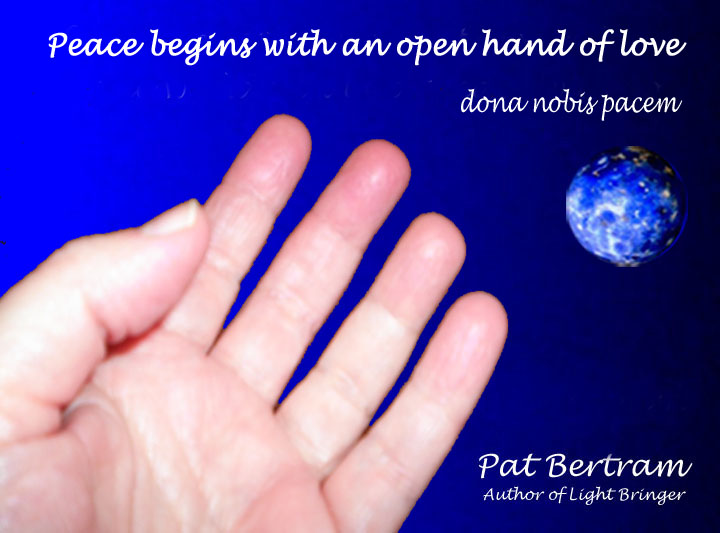
Dona Nobis Pacem

Thousands of bloggers from all over the globe are Blogging for Peace today.

One subject. One voice. One day.

Words are powerful . . . this matters.

peace-blog-hand copy

***

Pat Bertram is the author of the suspense novels Light Bringer, More Deaths Than One, A Spark of Heavenly Fire, and Daughter Am I. Bertram is also the author of Grief: The Great Yearning, “an exquisite book, wrenching to read, and at the same time full of profound truths.” Connect with Pat on Google+. Like Pat on Facebook.

The Perfect Viewing

I hadn’t planned to go to my father’s viewing tonight, but when my plans for a private memorial with my father’s long time health aid didn’t work out, I decided, on the spur of the moment, to drive the two hours to where my family was gathered. In the end, though, I couldn’t force myself go to the viewing. I’d said my goodbyes during the hours before he died and then during the hours afterward while we waited for all the end of life tasks to be completed (pronouncing him dead, arranging for the mortuary to come get him, etc.), and anything else would seem like voyeurism.

When everyone took off for the mortuary, I headed down to the beach, watched the eternal tides washing up on shore, watched the sun set. As I stood there, I could feel the cycle of life, could see that all things end, not just the day, and so after all, it turned out to be the perfect viewing.

sunset

***

Pat Bertram is the author of the suspense novels Light Bringer, More Deaths Than One, A Spark of Heavenly Fire, and Daughter Am I. Bertram is also the author of Grief: The Great Yearning, “an exquisite book, wrenching to read, and at the same time full of profound truths.” Connect with Pat on Google+. Like Pat on Facebook.