Stocking Up

I was talking with friends the other day about our various philosophies of stocking up on food and other necessities. Some of them prefer a huge walk-in pantry, full of all sorts of comestibles. Me? I have a shelf in a small cupboard. I suppose that’s not entirely accurate if you include spices and seasonings as pantry items because that sort of thing resides in a separate cupboard. But for actual foods, those are all but missing.

My refrigerator is mostly empty, too, as is the freezer, which could be why it doesn’t work all that well. In the summer, it’s hard to keep the temperature in the refrigerator compartment below 45 degrees, and in the winter, it’s hard to keep it above 35 degrees, but I am careful about what I keep in the refrigerator so that it doesn’t really matter. I do keep some things in the freezer, but there have been too many times in my life when the electricity went out and food spoiled, so I’m careful not to keep too much frozen food on hand.

Although I think I do have enough food in the house to last me a week if a major storm hit (apparently, storms have closed up the town before, with snow so high people couldn’t get out of their houses), but just in case, I stocked up. Bought two whole cans of beans and two of tuna. (Besides, if I could get out of the house and walk just a bit, I know someone who has a whole larder full of food!)

Apparently, the last such major storm that hit here blanketed all of Colorado. This was a couple of years before Jeff died, and I don’t remember having a problem with food. (Though we did have a problem with the horrible neighbors who plowed the lane and dumped all the snow in front of our driveway so it took us a week to dig ourselves out.) But back then, we did stock up. It was after he died, and I had to try to find a place to donate all the food I couldn’t take with me, that I developed an aversion to excess food storage. The senior center didn’t want the canned goods, the churches didn’t want it, it was the wrong time of year for food banks. I finally found an old woman who said she knew people who could use the food.

Even if the worst happened and I couldn’t get any other food but what’s in the house, I wouldn’t starve. I have a peasant metabolism that is the result of centuries of systematic starvation — the people who survived such times were those whose metabolisms slowed way down when food intake was reduced. Such a metabolism is a curse in times of plenty, but a blessing in times of scarcity.

Despite all this, I wouldn’t have stocked up even to the extent that I did, but this weekend we are going to have record high temperatures followed immediately (immediately meaning within a twelve-hour period) by record lows. A fifty to sixty degree temperature drop. Yikes.

I still have a couple of days before this historic occasion in case I want to stock up even more (maybe buy some mayonnaise to go with that tuna), but I figure I’ve been dealing with The Bob all this time without stocking up, so I’m not worried.

Just out of curiosity, do you stock up or do you just sort of wing it?

***

Pat Bertram is the author of Grief: The Inside Story – A Guide to Surviving the Loss of a Loved One. “Grief: The Inside Story is perfect and that is not hyperbole! It is exactly what folk who are grieving need to read.” –Leesa Healy, RN, GDAS GDAT, Emotional/Mental Health Therapist & Educator

A Feast of Friendship

Some Asian cultures have a tradition of preparing an elaborate meal for their deceased loved ones on the anniversary of their deaths. Those left behind spend all day cooking the loved one’s favorite foods, lay out a fabulous feast and let the deceased partake as they will. Afterward, family and friends gather around the table and eat the “leftovers.”

I was invited to such a feast yesterday by my very dear Thai friend. Although the occasion could have been a somber one, it was in fact a delightful family affair. My friend and her husband have embraced me and another woman who lost her husband as family, and truly, it does feel that way.

The food was beyond awesome, though I am ashamed to admit I didn’t catch the names of some of the dishes, and those I did pay attention to, I couldn’t even begin to spell. But there was chicken; duck; a sort of pork dumpling; cellophane noodles with shrimp; soup; Thai style hard-boiled eggs; a medley of mangosteen, rambutan and litchi fruit; fresh mangos, bananas, grapes. Oh, so many delicious foods!

What really struck me though, were the long journeys each of us had taken — both geographically and metaphysically — that brought us all to the same place at the same time. One from Denver, one from Dallas, one from Thailand, one from Malaysia. For me, that was the true feast — an international feast of family and friendship.

***

Pat Bertram is the author of Grief: The Inside Story – A Guide to Surviving the Loss of a Loved One. “Grief: The Inside Story is perfect and that is not hyperbole! It is exactly what folk who are grieving need to read.” –Leesa Healy, RN, GDAS GDAT, Emotional/Mental Health Therapist & Educator
Restless Mind

Playing computer solitaire has become my way of doodling while my mind is occupied with other things, such as trying to capture a single thought to blog about, but my mind is restless nowadays, and a single interesting thought is hard to capture.

I worry, of course, about what’s going on in the world today. I wish I could believe the so-called truths we are fed. I wish I could believe the simple slogans that are being bandied about, but unfortunately, as with everything else I do, I look beneath the surface to find the blind wiggly things that will not, cannot be ignored. A business or organization can call itself anything it wants; it can use a popular slogan to name itself. But that slogan is simply that: a slogan. A way of keeping people from looking deeper, and if one does find the blind wiggly things, one can’t say anything because of that slogan.

What a world!

My mind is also scurrying about trying to find a new password for my bank account. Every six months, mine becomes defunct. Oh, the pressure!

And, even more pressurizing — my blog platform is discontinuing the simple, classic editing program that I’ve used all these years. (I just realized, in just three weeks, it will be the thirteenth anniversary of this blog, and the end of a year’s worth of daily blogging.) I suppose I should be lucky that although they have changed their editor box several times over these years, they have also kept the classic editor, so I was able to ride out all the changes.

But that ride is over. They are gradually changing all blogs to the new editor, which means when my time comes, they will be changing things on my blog itself, not just the things I want to change. In a way, it will be easy enough — there are only a few blog posts that consistently bring people here, so those are the ones I will start putting right, and then gradually bring all the other 2,280 posts into line. I’m hoping the new way of doing things won’t be as confusing as it sounds. I do know I am an old style blogger, where I just post an essay plus an accompanying photo, but apparently, people like a lot of different styles of content in one post — videos, polls, apps, multiple columns, etc. Although I don’t consider myself a neophyte at this sort of thing, I’ve never been able to figure out this whole block content thing. The photo never ends up where I want, I can’t edit the html the way I want. In other words, the promised simplicity just is not there.

So, although I will be continuing my daily foray into blogging, don’t be surprised if you see a post with just a word or two while I try to figure the whole thing out. Luckily, I still have time before they force me into this new mode, so I might be able to make the changeover seamlessly. But not, as you can see, without a lot of cogitation and restlessness and infinite games of solitaire.

***

Pat Bertram is the author of Grief: The Inside Story – A Guide to Surviving the Loss of a Loved One. “Grief: The Inside Story is perfect and that is not hyperbole! It is exactly what folk who are grieving need to read.” –Leesa Healy, RN, GDAS GDAT, Emotional/Mental Health Therapist & Educator

More Broken Things

I had just finished writing yesterday’s blog about Lost and Broken Things, when I walked into the kitchen and heard a loud crash. Apparently, for no reason, a green goblet jumped off a knickknack shelf in the corner of my counter and smashed itself on the kitchen floor. I was nowhere near the shelf when it happened. The shelf was solid without a wobble, the goblet was well back from the edge of the shelf where it had been for the past seventeen months, the air was still, and yet, there it was, bits of green glassware all over the floor.

This goblet had nothing to do with my shared life with Jeff. I hadn’t even met him when I got it. I’d bought it at Target when I moved into my first apartment for the grand price of twenty-five cents. At the time, I bought two each of three different sizes. I’d kept them for decades without incident, but when I unpacked them after I moved in to my new house, I found that one had broken in transit. And now another is gone.

If I were fanciful, I’d say Jeff knocked the goblet off the shelf to tell me . . . I don’t know. That broken things don’t matter? That I lost his spoon, so he killed my glass? That it’s not just “our” things that will be succumb to entropy?

But I’m not fanciful. I’m just at a loss to explain that particular breakage at that particular time.

Besides, if Jeff were to contact me, I’d hope he had more interesting things to bring to my attention than broken glassware.

***

Pat Bertram is the author of Grief: The Inside Story – A Guide to Surviving the Loss of a Loved One. “Grief: The Inside Story is perfect and that is not hyperbole! It is exactly what folk who are grieving need to read.” –Leesa Healy, RN, GDAS GDAT, Emotional/Mental Health Therapist & Educator

Lost and Broken Things

During the first months after Jeff died, I lost my grip, not just figuratively, but literally. Things often slipped through my fingers for no apparent reason. I simply couldn’t hold on. It seemed as if when I lost the connection with him, I lost the ability to connect with anything. Or maybe grief sapped all my strength. One night, a mug slipped from my hand. My fingers were crooked through the handle, so I don’t know how it happened, but all of a sudden the mug hit the hard tile floor and exploded. It wasn’t an expensive mug, nor did I have a particularly sentimental attachment to it — it was one of two giveaways we’d received from the phone company during a local festival — but I wept as if my heart had broken. Or as if he had died again.

Gathering up the shattered pieces and slivers of the mug, I understood for the first time that as the months and years passed, all our things would break or wear out, and every loss would take me one more step away from our life.

Looking back, it seems odd that the broken mug affected me so much. I’d spent the first two months after he died getting rid of stuff — his clothes, his personal possessions, mementos of his life before me, food and supplies I couldn’t take with me to California, all sorts of things, perhaps a third of everything we owned. It was a horrific time, and I felt so lost and lonely and devastated that no one particular thing stood out as a loss, probably because anything that had a special resonance, I kept.

A couple years after that, there was another silly loss that sent me back into grief mode. My sister made a gorgeous decoration of ribbons and a bow for a gift she’d sent, and since I thought it was too beautiful to waste, I placed it around the hat I wore to keep off the desert sun. After a couple of weeks, it blew off in the wind, and when I realized it was gone, I went looking for it. Couldn’t find it. The bow wasn’t important in the grand scheme of life and death, but it was important to me. It made me feel good, for one thing, and it was a symbol, in a way, of my struggles to create a new life for myself.

After my father died, I went through the things I couldn’t get rid of after Jeff died and found I could dispose of quite a few more things. Then before I moved here, I got rid of still other things. More recently, I disposed of a damaged mug with only a brief pang when I remembered it was the mate to the one I had broken all those years ago.

You’d think after so much loss, one more thing out of my life wouldn’t make a difference, but apparently, it does. I’ve lost an iced tea spoon that once belonged to Jeff — the only such spoon we had — and I am devastated. I’m not crying over the spoon, though I can feel the tears in the back of my throat. I liked the spoon, liked that it reminded me of him, liked the connection to a previous time. And now, that, too is gone.

It’s not as if I don’t have other things of his. I do. We had a lot of duplication in kitchen stuff, for example — the things he brought to our home, the things I brought, the things we bought together. I still have his eating utensils as well as mine, enough to last me the rest of my life. But I don’t have that iced tea spoon.

The odd thing is, as I grow older and then older still, I’ll have to get rid of even more of our things until at the end, I’ll be gone, too. So the loss of this one dainty spoon shouldn’t be a problem.

But it is.

Now that I think about it, the lost and broken things that bother me are not those I chose to dispose of, but the those I didn’t. Just as I didn’t choose to dispose of Jeff.

Of course, I’ll get over losing the spoon, just as I got over breaking the cup and losing the bow and all the rest of the things that are out of my life. Of course I’m grateful for all the wonderful new things that have come into my life.

And yet . . . and yet . . .

Everything that happens, good or bad, takes me one more step away from my shared life with Jeff.

***

Pat Bertram is the author of Grief: The Inside Story – A Guide to Surviving the Loss of a Loved One. “Grief: The Inside Story is perfect and that is not hyperbole! It is exactly what folk who are grieving need to read.” –Leesa Healy, RN, GDAS GDAT, Emotional/Mental Health Therapist & Educator
Outside the Pale

I’ve opened my computer several times previously today so that I could write a blog post, but each time, I’ve played a few games of solitaire and then closed the computer.

Almost anything I want to say about the situation in the world today would put me even further beyond the pale than I already am. Many of my blog readers seem to appreciate my struggles to understand the truth in light of two very different narratives being told today, but other people . . . not so much. They believe what they want to believe, and call everything that doesn’t fit in that belief system lies. Or fake news. Or however else the current lexicon defines an opposing viewpoint they consider invalid.

I did find it interesting that the tarot card I picked today said I was an intelligent and complex woman, a truthseeker, open to hearing the thoughts and opinions of others but able to filter through all the rhetoric to see what is true. It’s how I like to see myself; how I hope I really am.

Which brings me to another point — a pointed stick, in fact.

I looked up the origin of “beyond the pale,” and the “pale” (aka “pole”) was a pointed stick (or a lot of pointed sticks) indicating a boundary. This phrase has been around since the twelfth century. Apparently, when the Normans invaded Ireland, they built a palisade around Dublin to protect themselves from the barbarians who lived beyond that pale.

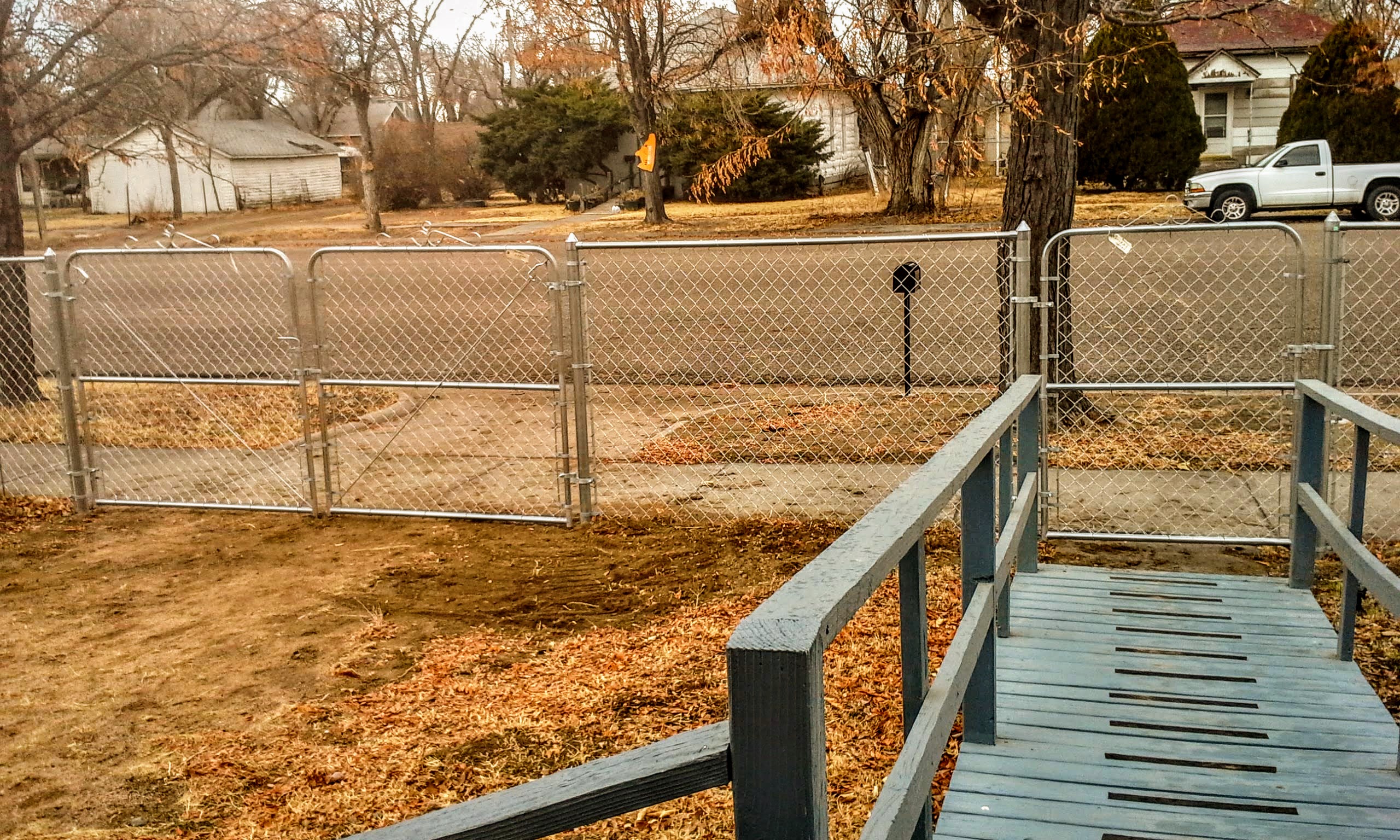
Considering that I have built my own “pales,” both the fence around my house and the small area I have staked for my own on the internet (this blog, of course), perhaps it is others who are beyond the pale — my pale, anyway — while I am solidly within my own pale.

We all create our pales, I suppose, beyond which lie dragons (and barbarians). The problems come not when people stray further beyond some ideolgical pale, but when they physically force themselves into someone else’s pale.

Ah, see what I did? In a roundabout way, I ended up talking about that which I didn’t want to talk about, but it really is hard not to stray into that particular pale when it is so much on my mind.

***

Pat Bertram is the author of Grief: The Inside Story – A Guide to Surviving the Loss of a Loved One. “Grief: The Inside Story is perfect and that is not hyperbole! It is exactly what folk who are grieving need to read.” –Leesa Healy, RN, GDAS GDAT, Emotional/Mental Health Therapist & Educator
The Long View

I’m reading a sort of romance written a hundred years ago. I say “sort of” because I don’t think there was a romance genre back then, at least not the way we know the genre. But it’s irritating me in the same way that modern romances irritate me. So much of the story is based on non-communication. If the people involved simply talked to each other, there wouldn’t be a problem (or a story). I suppose it makes sense for such an old book to be based on communication problems because that era was the beginning of it being acceptable for women to speak their minds, especially around men. But for modern stories to be based on the same stupid theme? Not acceptable.

That’s not the only thing impinging on my life right now that I find unacceptable. Rich, successful black politicians, politician’s wives, celebrities, sports figures who are feted and adored by blacks and white alike are telling their story with the same old racist rhetoric. “White people don’t see me.” “White people hate me.” Um . . . did it ever occur to these folks that maybe it is not their racial heritage that some people might object to, but them specifically? Not everyone likes everyone. Not everyone sees everyone. Not everyone cares about everyone. (Though we often pretend to.)

This reminds me of what Jack Nicholson said to Michelle Pfeiffer in the movie Wolf. “You know, I think I understand what you’re like now. You’re very beautiful and you think men are only interested in you because you’re beautiful, but you want them to be interested in you because you’re you. The problem is, aside from all that beauty, you’re not very interesting. You’re rude, you’re hostile, you’re sullen, you’re withdrawn. I know you want someone to look past all that at the real person underneath but the only reason anyone would bother to look past all that is because you’re beautiful. Ironic, isn’t it? In an odd way you’re your own problem.”

Other than that, I find nothing objectionable about my day. Well, I do find it objectionable that a couple of my Kentucky coffeetrees seem to be fading away. But if they all die, I’ll wait until fall or next spring, and beg my neighbor for another of the tree’s “volunteers” that will be growing in her yard. (There is one thing about the beans that bothers me. They are poisonous if eaten raw, but when roasted, they once served as a coffee substitute for prairie folk. My question is how did they discover that? If you eat the seeds, you get sick and maybe die. So why would you roast the seeds and try again? And how would you know they would make a coffee substitute if they made you sick before you could learn that?)

Although it’s uncomfortably humid today, it’s also cloudy and cool enough that I was able to plant my new plants. Perhaps they will do okay, but I won’t really know until next spring. Gardening is a hard occupation for a person who likes to see quick results, but then, it’s probably a good occupation for such a person — it teaches one to look at the long view.

Unfortunately, a long view isn’t necessarily different from a short view— look at the 100-year-old romance: the same today as it was then.

I suppose it’s possible that the folks who learned to roast the coffeetree beans took the long view, thinking that some illness and a few deaths were worth the long-term gain, in which case the long view paid off.

In other cases, such as the ongoing violence, burning, and looting that’s been going on for months now, the long view isn’t worth contemplating because what’s going on now can’t portend anything good for the future.

So maybe taking the long view isn’t necessarily a good thing to learn. Maybe I don’t need to learn anything when it comes to gardening — just do what I can, and see what happens.

***

Pat Bertram is the author of Grief: The Inside Story – A Guide to Surviving the Loss of a Loved One. “Grief: The Inside Story is perfect and that is not hyperbole! It is exactly what folk who are grieving need to read.” –Leesa Healy, RN, GDAS GDAT, Emotional/Mental Health Therapist & Educator
The Glad Game

When I was a girl, I often got hand-me-downs from a much older and thinner cousin, which gave me a bad body image way too young and many years before it became a “thing.” My books, most of which had been published in the early part of the twentieth century, were also hand-me-downs from her. Looking back, some of the books themselves seemed old even then, so they might have been handed down to her first — odd to think I never thought to ask where the books originated.

I read as much then as I do now, so whenever I got sick and had finished reading all my library books as well as those of my siblings, I’d reread these novels. I had a few Nancy Drew, a lot of Judy Bolton, some miscellaneous stories, and a boxed set of five Pollyanna books that chronicled her life way past childhood. One year I was absent from school so often that I must have read these books three or four times. (I remember thinking I was pretending to be sick so I didn’t have to go to school, but once when I told my mother this, she said, “You really were sick.” But silly me, I never asked what my illness was.)

Way into my late teens, whenever I wasn’t feeling well, I’d reread these books. I don’t know what happened to the mysteries, but a friend wanted the Pollyanna books, and so I gave them to her. (She doesn’t remember this, but it was a long time ago, and I’m sure her receiving the books wasn’t as emotionally charged as my giving them.)

I was particularly enthralled with Pollyanna and her glad game, and I even tried playing it myself, but being the pragmatist and realist that I am, I couldn’t always see “gladness” even in the things she found to be glad about. The game began when her missionary parents received a “missionary barrel” of donated items, and the only thing for a little girl was a pair of crutches. Her father told her, and she believed, that she could be glad she didn’t need them.

To my way of thinking, she could have been just as glad not to need them if she had also received the doll she wanted, and the doll would have lasted a lot longer than the gladness for not needing the crutches. But then, of course, if it had worked out my way, there wouldn’t have been a story.

What made me think of all this is that my co-worker is a real-life Pollyanna, though her key words are not gladness but “this is a good thing because. . .” I’d seen her in action before, trying to keep our charge from descending into a funk, but her skill really struck home yesterday.

The client (for lack of a better word) and I had spent our time together grumping about the things going on in the world today. Being a grump has its place, I think. Facing the reality of widowhood and age certainly has its place. Mostly we just acknowledged the various situations we talked about, and then went on to something else without dwelling on the issues.

When our friend and coworker came home with her gladness, it struck me how very different two valid points of view can be. I’m ashamed to admit that I burst out with, “You’re a real Pollyanna!” Not only is it rude to make personal remarks like that, but the word “Pollyanna” is also sort of trite and meaningless nowadays, devoid of any literary context, especially since others have used the word to describe her. I tend to think it’s different for me, steeped as I have been in the whole Pollyanna literary mystique for so much of my life, not an offhand comment so much as a reflection of the hundreds of times I’d read the Pollyanna books. I could actually see my co-worker in that dauntless girl, changing the world around her with her attitude.

For a few minutes, I considered emulating her, but then I remembered my previously failed Pollyanna-isn-ness. And I remembered how much good I’ve done by dealing with certain realities — such as grief — in all their stark horror, bleakness, and pain by saying, “yes, this is hard, and it will always be hard.”

One thing that I can be glad about — because of this episode, I downloaded the first two Pollyanna books (the two written by the original author) as well as a couple of others she’d written with that same “life is beautiful” attitude.

And the author is right — life is beautiful.

Even when it’s not.

***

Pat Bertram is the author of Grief: The Inside Story – A Guide to Surviving the Loss of a Loved One. “Grief: The Inside Story is perfect and that is not hyperbole! It is exactly what folk who are grieving need to read.” –Leesa Healy, RN, GDAS GDAT, Emotional/Mental Health Therapist & Educator

Outrageous

There are so many things I just don’t want in my life any more, such as outraged celebrities and millionaire sports figures telling me how put-upon they are and how evil the rest of us are because we don’t see that we are privileged and they are not.

Um. No. Just . . . no.

As much as I struggle learning to garden and take care of a yard, it’s so much . . . cleaner . . . than what’s out there in the rest of the world. No one has ever become so outraged they burned down a city because someone killed a plant. No plant association has ever intimidated people to join political organizations with public agendas that are actually different than the ones they privately espouse. (Well, that’s not exactly true. Although many supposedly earth friendly organizations don’t come after potential members with firepower, they do tend to blackmail folks, telling them if they don’t join, the world’s trees will all die, the bees will all die, and ultimately, we will all die. But at least they do this via mail rather than sticking a fist in our faces or burning down our neighborhoods.)

My property feels like a haven from the insanities of the world, and maybe someday it will even look that way. I’d ordered some live plants that came in today, hoping I will have better luck with them than I did with bulbs and such. These plants are vines that will, ideally, twine up my as yet unfinished gazebo. Unlike with bare root plants, I don’t have to scurry to plant these poor wilted things. It’s okay to leave them in the shade for a few days to let them get acclimated to the area and to recover from their traumatic trip. (The box they came in was smashed up, so much so that I’m surprised it got here at all.)

I have the plants sitting next to my seedling forest for the next few days, hoping all the plants will enjoy one another’s company. (A couple of the Kentucky coffeetree seedlings are having second thoughts about the move and seem to want to fade away.)

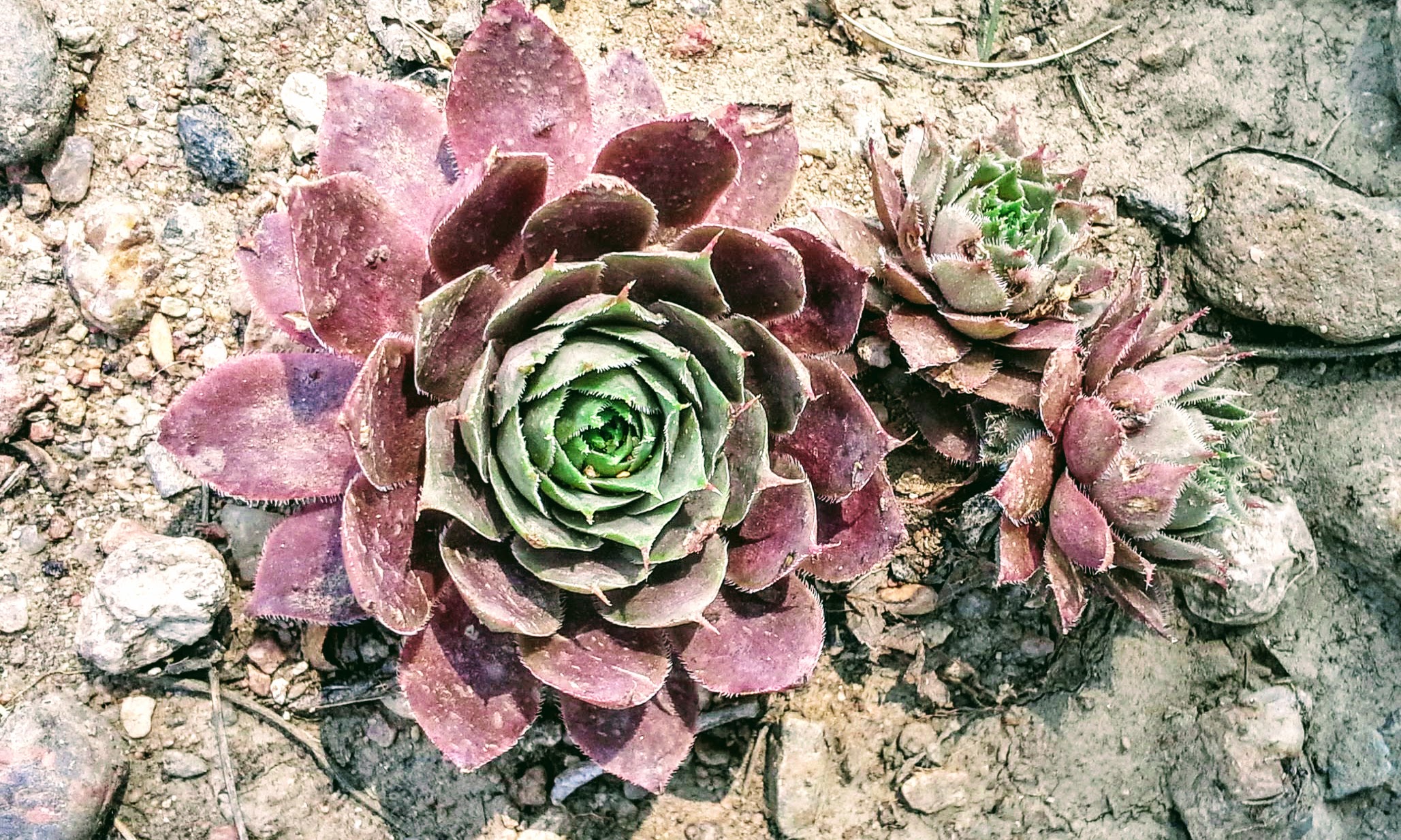
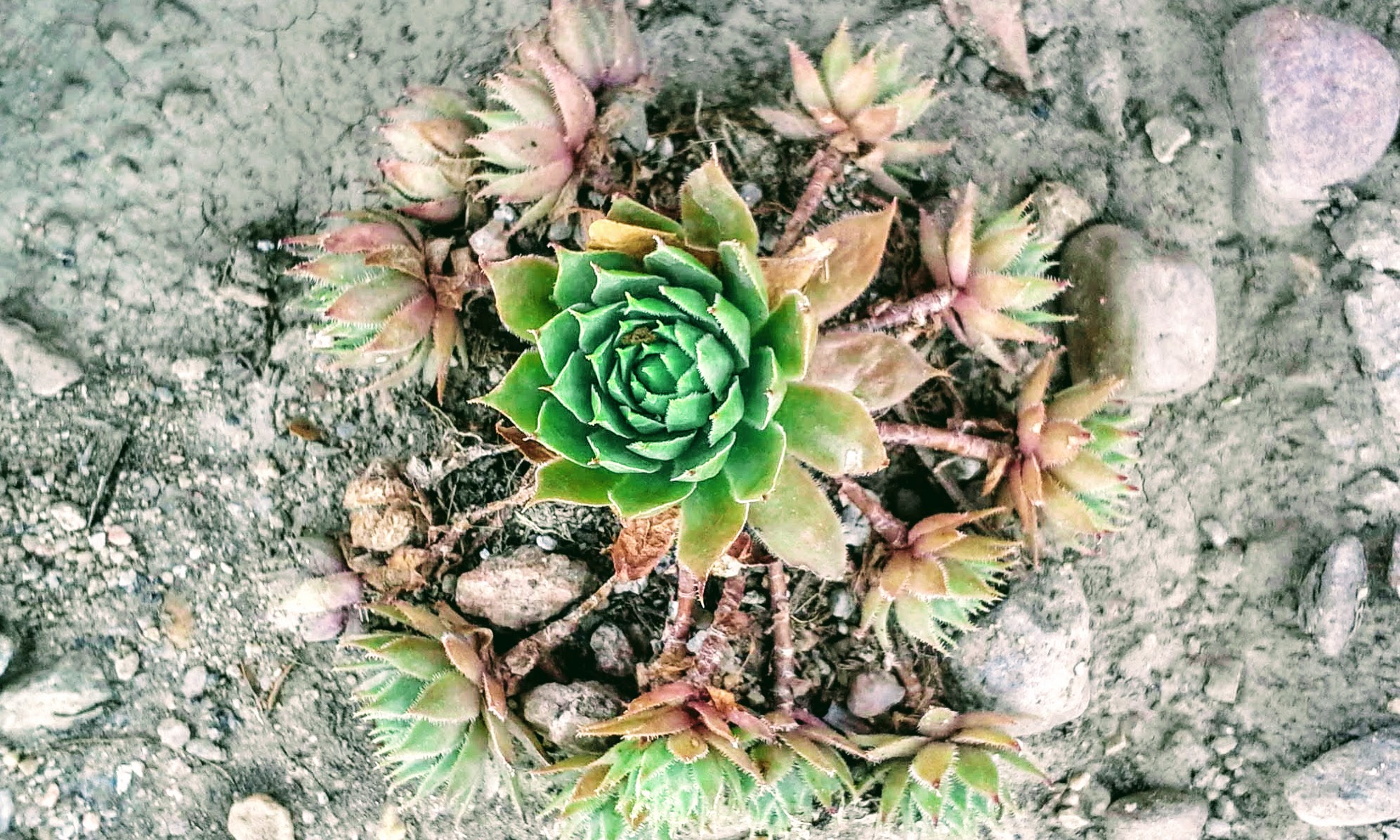
My luck with live plants is so-so. Some die, like almost all those I bought last year. Some live, but don’t grow. (Although they were bare root plants rather than in pots, four of the five lilacs I planted are alive but haven’t grown even a fraction of an inch all summer.) Some do well, such as the hen and chick succulents I ordered a couple of months ago.

(Oddly, the free one they sent in case one of those I paid for didn’t do well, is thriving. The others are doing okay so far.)

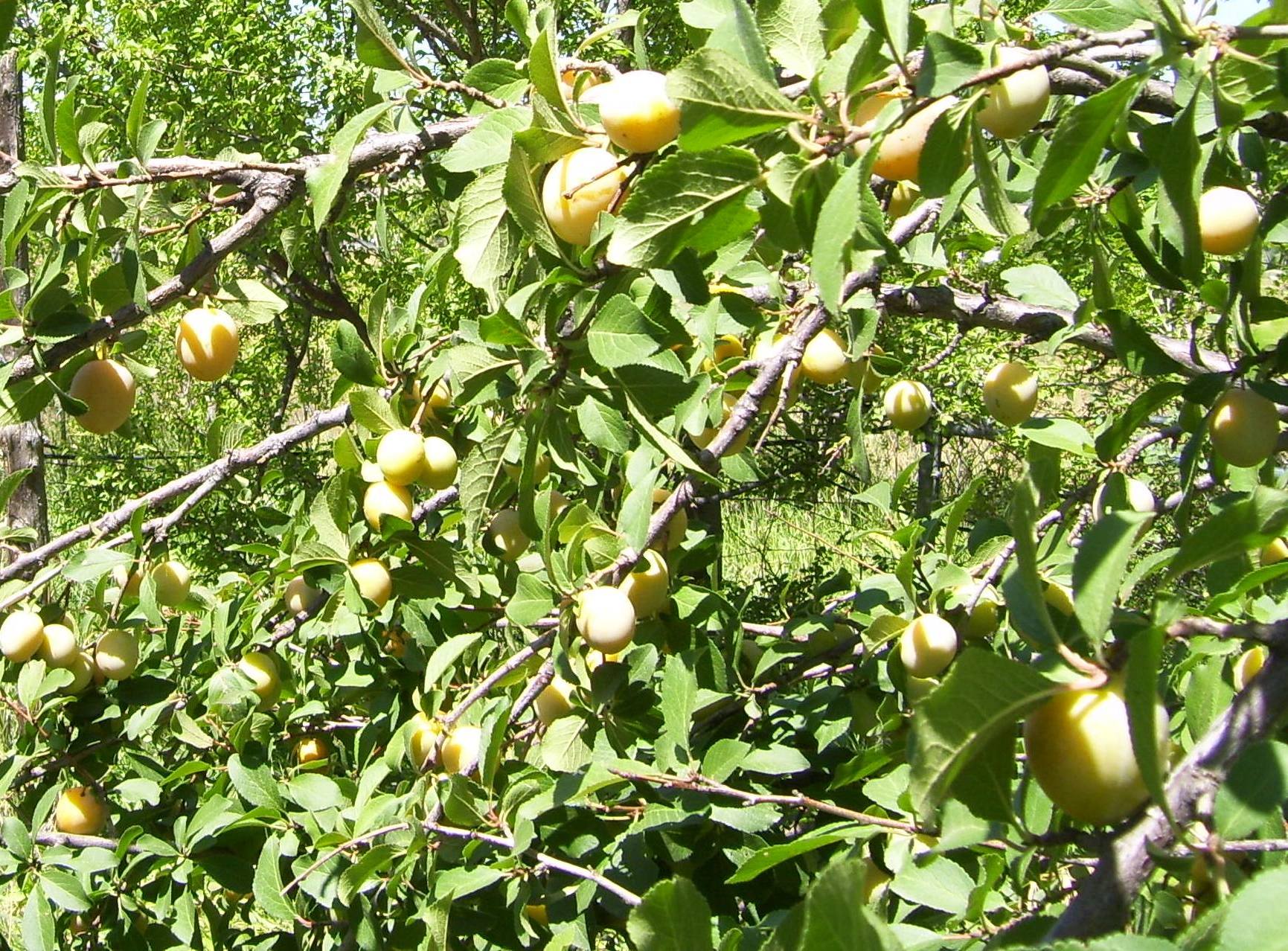
I still haven’t ordered any Greengage plum trees, but there’s no hurry since they wouldn’t be sent for another few months. (The house where Jeff and I lived had a grove of Greengages, and oh, they were the absolutely best-tasting fruit ever, the sort of things the gods would save for themselves.)

I’m never sure how many of any plant to order. If I order two trees, and one doesn’t grow, then I’m out of luck for another year. If I get three and all three grow, then I would have to remove one, which wouldn’t please me at all. (I should be so lucky to have that problem!)

Problems such as these seem so innocent, considering what is going on in other parts of the country. Although I might not be able to fix gardening problems, at least I can understand them, which is more than I can say for the problems that light up the news. Though even those are understandable to a certain extent. People seem to be addicted to outrage, and the more outrage there is, the more outrage there will be since outrage seems to feed upon itself.

It’s . . . outrageous.

***

Pat Bertram is the author of Grief: The Inside Story – A Guide to Surviving the Loss of a Loved One. “Grief: The Inside Story is perfect and that is not hyperbole! It is exactly what folk who are grieving need to read.” –Leesa Healy, RN, GDAS GDAT, Emotional/Mental Health Therapist & Educator
Letter From a Griever

I received this email yesterday from a blog reader:

Dear Pat. Would you allow me a guest slot on your blog to talk about the book, and your grief writing in general?  I quite understand if you’d rather not needless to say, but I’d quite like to enthuse about your work if I may. — Treve

Of course, I said yes, not just because I was flattered but because what Treve has to say about me, my grief writing, and Grief: The Inside Story — A Guide to Surviving the Loss of a Loved One is important to both grievers and those who know grievers.

I first came across Pat’s blog in about 2015, about eighteen months after my wife died of cancer.  During that first year and a half, like most grievers I had experienced extraordinary emotional turbulence, the like of which I have never had before nor since.  It seemed to me that nobody ever tells you about what grief is really like, you just guess that it’s not nice and assume that it probably gets better after a while.  If only it were so simple!  I would occasionally browse the internet to see if there was some help or advice that would make sense to me, but it usually seemed to be written as if it were generic lifestyle advice, rather than designed for people experiencing profound turmoil. 

Be kind to yourself.  Everyone grieves differently.  Go out with friends and try to enjoy yourself.  Try to move on.  

It seemed to me that whoever wrote these sort of things had never actually experienced the kind of grief I was going through.  Perhaps it was just me, maybe this sort of advice would make sense to most people?

After 18 months, I chanced across Pat’s blog.  I can’t remember with absolute certainty, but I think the first of her posts I read was “The Five Major Challenges We Face During the Second Year of Grief” —  [https://bertramsblog.com/2012/01/08/the-five-major-challenges-we-face-during-the-second-year-of-grief].  I think I spent a whole evening reading through Pat’s writings about grief, and I was amazed.  For the very first time I was reading something that actually reflected what I was going through.  And the really weird thing was that Pat was an American lady some years older than myself (a British man in his early forties at the time), and yet she was the first – and only person – who was writing about grief in a way that made sense to me.  And I began to realise that a lot of the received ‘wisdom’ about grieving seemed to be based on various absurd notions, such as the so-called ‘five stages of grief’, that had no real basis in reality.  I was captivated, because for the first time it seemed to me that there might be some common pattern to grief, despite the profoundly different backgrounds of the grievers.  Seven years on I still occasionally read material about grief, often written by highly-trained ‘experts’, that bears no relation to what I went through (and I suspect what most grievers go through).

I was delighted when Pat published her book Grief: The Inside Story — A Guide to Surviving the Loss of a Loved One.  It was fascinating to be able to read her considered reflections about grief, not least because she had obviously had years of contact with fellow grievers who had shared their feelings with her.  Two chapters in particular are of great importance to me.  ‘Why Can’t Other People Understand My Grief?’, which discusses why so many folks seem to be embarrassed or uneasy when they around those who express their grief.  Likewise the chapter entitled ‘Metamorphosis’, on how grief changes us irrevocably.  This has shaped my thinking about grief, and continues to help me even today in trying to make sense of all that has happened to me in the last seven years.

I would sincerely urge any grievers reading this blog to buy Pat’s book, and keep it close to hand.  It covers the first few years of grief, and how its nature and impact change over time, written with great clarity by someone who has experienced it all first hand.   Nobody can take away the intense sting experienced at losing a loved one, but having a wise guide who can point out the emotional and practical road ahead (and also hazards along the way) is a huge help in dealing with grief.  I will always be grateful for the help Pat has given me through her writing.