A Very Sweet Year

Ever since I moved here to my house, I’ve been buying honey from my beekeeping neighbors, and what a treat! Local honey is good for more than just as a sweetener; it helps with allergies. I’m not sure why that is exactly, though it seems as if by ingesting the local pollen in the honey, a person becomes less sensitive to those pollens.

For the last month or so, I’ve had to ration the bit of honey I have left because the neighbors didn’t have any for me to buy. I tried to buy some at the grocery store, and it shocked me to see that even the trusted honey brands are no longer using just USA honey. They blend it from a multitude of countries, which seems strange to me. The honey gathered one location is different from the honey gathered at another location, and to mix them seems counter-productive. I’m sure the packagers do it that way to save money — apparently, at one time China almost put beekeepers in the USA out of business because they were selling it so cheaply. That it was mostly flavored corn syrup didn’t concern consumers. They preferred the cheapness.

Well, not me. I am now a local honey afficionado, and I would rather go without than deal with whatever foreign pollens (assuming there are any pollens in the over-pasteurized mass-produced honey on the grocery store shelves) would assail me.

Luckily, my neighbors finally got enough honey packaged that they could share with me. Yay!

I can tell already, this is going to be a very sweet year.

***

“I am Bob, the Right Hand of God. As part of the galactic renewal program, God has accepted an offer from a development company on the planet Xerxes to turn Earth into a theme park. Not even God can stop progress, but to tell the truth, He’s glad of the change. He’s never been satisfied with Earth. For one thing, there are too many humans on it. He’s decided to eliminate anyone who isn’t nice, and because He’s God, He knows who you are; you can’t talk your way out of it as you humans normally do.”

Click here to buy Bob, The Right Hand of God

My Recycled Year

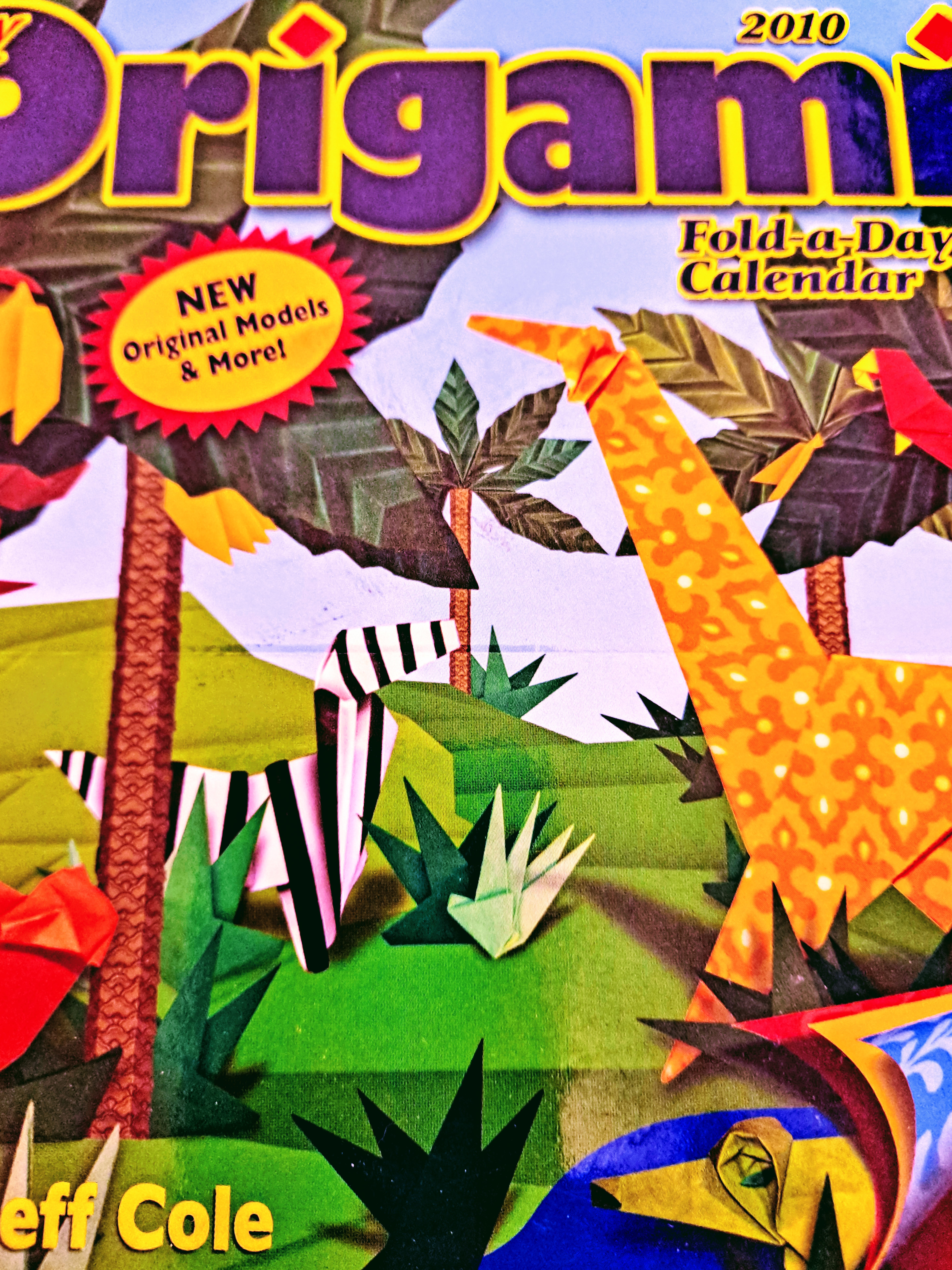
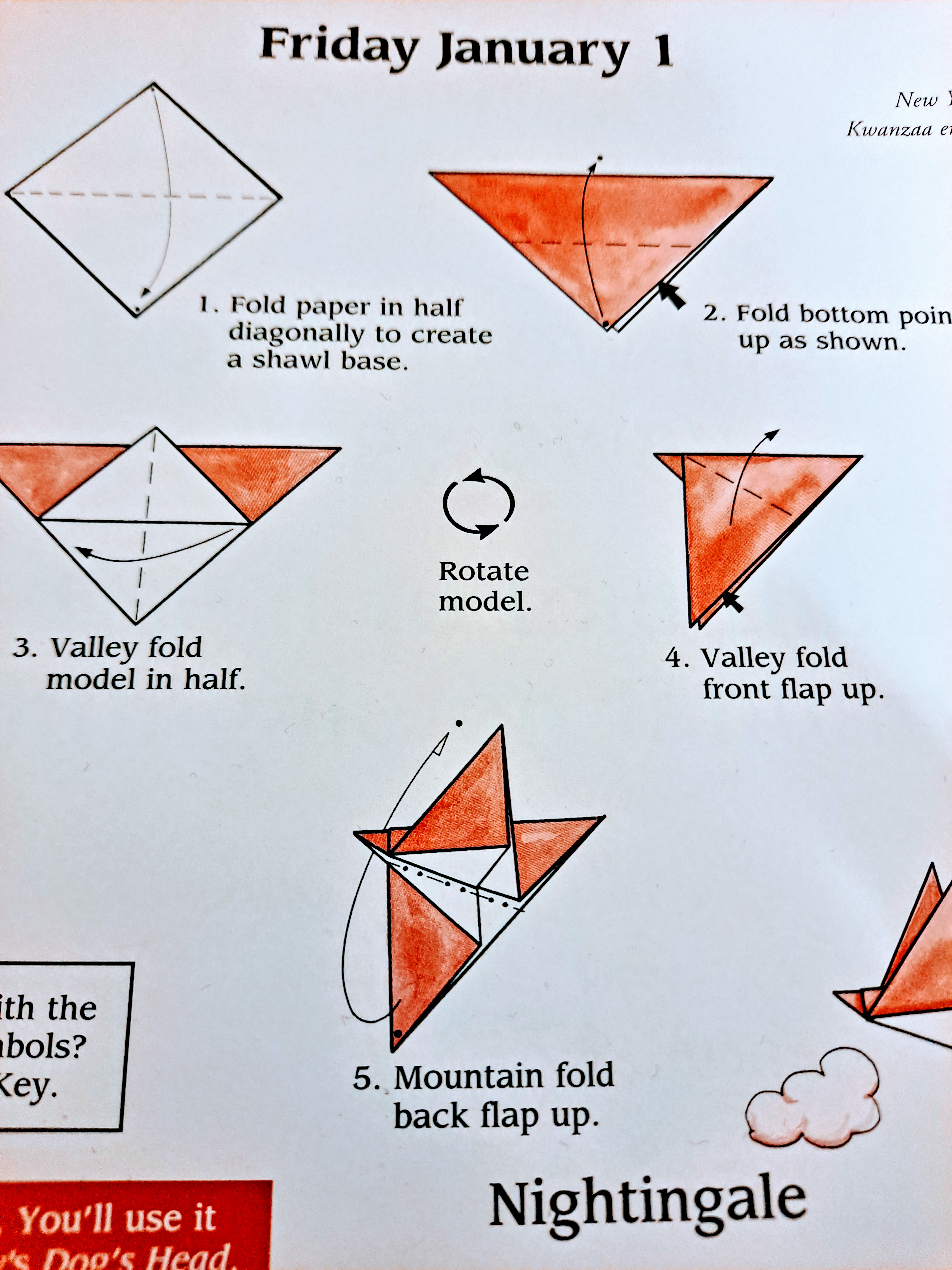
A few years ago, someone gave me an expired but unused calendar still in its original packaging. I’m sure it was more for the origami aspect than any sort of nostalgia, but the interesting thing to me is that the calendar was for 2010, the year Jeff died. I never did the origami, just set it aside, and lo and behold, the calendar is current again. 2010 has been recycled and has now become 2021.

There are many differences of course. Not in the days — everything lines up between the years 2010 and 2021, including non-date-specific days such as Easter — but in the events of the year.

Eleven years ago, Jeff and I were dealing with the stress of his dying, he was dealing with excruciating pain, and then later after he died, I had to deal with the incredible angst of grief.

This year, instead of being assaulted by my grievous loss, I am tending more toward gratitude. I am grateful he is no longer suffering. I am grateful I was able to be there at his end. But most of all, I am grateful he spent more than half his life with me. I got the benefit of his kindness, his intelligence, his gift for appreciation. He brought so much to my life, taught me so much, and even his dying and the gift of grief he left behind taught me much more.

I’m sure it seems odd to people who are still dealing with the daily grief of a deceased loved one that I would call grief a gift, but it is. All that turmoil brought me to the place I am today, both geographically and mentally. More than that, it showed me that there is so much more to us — to me, specifically — than we can ever imagine. I had no idea such a profound experience as grief for a soul mate existed. I had no idea the human heart could hurt so much. I had no idea that given that hurt — and the void he left behind — the heart could heal.

It reminds me of an Edwin Markham quote I’ve always loved:

“He drew a circle that shut me out-
Heretic, rebel, a thing to flout.
But love and I had the wit to win:
We drew a circle and took him In!”

In this case, my grief took in the void, and made it a part of me.

For that, I am also grateful. Even in his absence, he is a part of me.

It makes me wonder if gratitude is the final aspect of grief — for in gratitude, we find the grace to continue living, to embrace all the joys the new year (and all the new years) hold.

If, as the day of my eleventh anniversary of grief approaches, and I get sad and don’t want to relive that year for real, I won’t have the daily reminder (other than the reminders that are in my heart, mind, and soul) because the calendar doesn’t specify a year. Only the day. And that will quite to deal with — one day at a time — during this recycled year.

Wishing you a happy, healthy, and harmonious New Year.

***

Pat Bertram is the author of Grief: The Inside Story – A Guide to Surviving the Loss of a Loved One. “Grief: The Inside Story is perfect and that is not hyperbole! It is exactly what folk who are grieving need to read.” –Leesa Healy, RN, GDAS GDAT, Emotional/Mental Health Therapist & Educator

More of Life’s Confusion

Yesterday I mentioned how much of life, dying, death, grief still confuse me, though now I am usually able to store such things in the back of my mind rather than dwell on them. Writing about that confusion made me remember how often I’ve been confused in life.

When I was very young, almost everything confused me. People always seemed to know things I didn’t, and I didn’t know how they learned such things. For example, everyone knew the names of the streets, and even though I knew the streets around where I lived, once we got out of the neighborhood, I hadn’t a clue what the streets were, and yet everyone else did. It wasn’t until after I got glasses in fourth grade that the confusion cleared. So that’s how everyone knew what the streets were! There were signs, and they could read them.

I came from parents who never used slang and who wouldn’t let any of us use it in their presence, who wouldn’t buy a television or let us listen to the radio unsupervised, so when I went to school, I didn’t understand what most of the insults meant. I remember asking a friend once what “fart” meant, and she turned bright red, and could barely stammer out the meaning.

There were many other episodes, such as the day a group of girls on the school bus were giggling about double-barreled slingshots, and when I asked what those were, they just laughed harder and made fun of me for being such a baby.

Many years later, I saw a Beverly Hillbillies show where the once-poor country girl who knew nothing of women’s underwear, called a bra a double-barreled slingshot. And suddenly it all made sense. I hadn’t been “such a baby.” I simply didn’t have the same cultural references than they did. I read. They watched television.

Although I liked my school classes, mostly because it was cut and dried (1+1=2) so there was no confusion, I still got confused at times. Years later, when I researched those confusing subjects, I learned that the reason I was confused was that the lesson — whatever it had been — was not the truth, or not the whole truth.

And then even later, listening to politicians, I’d get confused until it finally dawned on me that this particular brand of confusion acted as my own particular lie detector. It still works, though now I recognize it for what it is. (Oddly, during this past election, the only person who did not set off a spate of confusion was the one person most people were convinced was a liar.)

Such a lot of confusion! No wonder I spent my life reading and researching. All that not knowing set up a craving in me to know. I do know some things, but mostly what I learned is that just because everyone else knows something, it doesn’t make it true. And I learned to live with not knowing. Although some things we can know, such as the names of the streets and what a double-barreled slingshot is, there are other things we cannot know.

Perhaps this acceptance of not knowing is part of maturity. Maybe it’s just an excuse for being mentally lazy or some other not-quite admirable trait, but I am comfortable (usually) with confusion.

If nothing else, it keeps me from being arrogant. At least, I think it does.

***

“I am Bob, the Right Hand of God. As part of the galactic renewal program, God has accepted an offer from a development company on the planet Xerxes to turn Earth into a theme park. Not even God can stop progress, but to tell the truth, He’s glad of the change. He’s never been satisfied with Earth. For one thing, there are too many humans on it. He’s decided to eliminate anyone who isn’t nice, and because He’s God, He knows who you are; you can’t talk your way out of it as you humans normally do.”

Click here to buy Bob, The Right Hand of God

Life’s Confusion

The other night I talked to Jeff’s photo, as I sometimes do. I think it was Christmas night, and I was feeling a bit lost. And confused. So much of what has happened to me in the past twelve or thirteen years (the years of his dying and the years of my grief) still doesn’t make sense, but for the most part, I just go on about my life, concentrating on the day I am living.

Even so, sometimes, the confusion makes itself felt. For example, I really do like my house, my life, having a place to call home, but it all came about because Jeff died. If he hadn’t died, my life would have been completely different. I wouldn’t have missed this current life, of course, because I would never have known it existed, but still, the confusion is there.

I also continue to be confused about life and death, what it is, where we go, and all that, but again, generally I don’t think about it, just take it as a fact that he is gone and I am not.

And I’m still confused about a lot that happened that last year we were together. I don’t worry about it much — after all, it was a long time ago — but there is one episode that still makes me feel ashamed.

When people talk about those who care for their dying spouses, we imagine tender care, patience, and the warm glow of love. After all, that’s how it’s portrayed in movies, and movies are a reflection of real life, right?

Well, no. Many of us endure a love/hate relationship — we want to be with them and savor ever moment we have, yet at times we can’t stand the stress, the turmoil, the pain (theirs and ours), the sleepless nights and all else that goes along with trying to survive while your mate is struggling with death. We can’t always be the person we want to be, and even worse, as the months pass and the exhaustion and numbness take hold, we become someone we’d just as soon pretend never existed.

Even during a year where death hovers, life still reigns. So we live. We get impatient and frantic and frustrated and surly. And, even though sometimes we wish they’d die and get it over with, we never really believe they are going to die. We forget that each day might be the last, and so we forget to be patient and kind.

It’s one of those time that still shames me. He was looking at Google Earth and visiting all the places he once knew. I listened to his stories of old Denver for a while, and then suddenly I couldn’t stand it anymore, and I got impatient and left. I still don’t know why I felt that way, so that adds to the confusion. There wouldn’t have been a problem if not for Death. If there had been another time, I would have made a point of drawing up a chair and soaking in the time together, but there wasn’t another time. And I am left with the knowledge of how I am not always the kind and patient and generous person I wish to be.

And I am left with confusion.

So much of that time is gone, out of mind. Even if I wanted to remember it, I couldn’t. I can’t even, at times, remember being with him, even though he was the most important person in my life for decades. Even after he died, he continued to be important because of the grief I experienced.

I don’t think I will ever truly find my way out of the confusion. Despite all my studies and experience and contemplation of dying, death, and grief, so much can’t be known. Most of the time, I can live with the confusion in the same way I live with the knowledge that one day I will die. It’s there, but doesn’t have any meaning on a day-to-day level.

Until, of course, there comes a day when the confusion wells up, and I end up pretend talking to Jeff.

***

Pat Bertram is the author of Grief: The Inside Story – A Guide to Surviving the Loss of a Loved One. “Grief: The Inside Story is perfect and that is not hyperbole! It is exactly what folk who are grieving need to read.” –Leesa Healy, RN, GDAS GDAT, Emotional/Mental Health Therapist & Educator

Searching for a Tagline

I’ve been struggling with my new website, and I’ve mostly learned how to use the website builder, or at least as much as I need to know for right now. I’ve pretty much set up the bones of the site; now it needs to be fleshed out with information about me and my books. The book part, while time-consuming, is easy. It’s just a matter of coping and pasting the blurbs and such that were on the old website.

The “about” needs to be updated. I can no longer brag about being a nomad as I did in the previous bio since I am as unnomadish as a person can get — the furthest I’ve been from home in the past few months is a mere handful of miles. But the bio is really just a matter of finding something to say about me. Whatever it is, it won’t be on the homepage; people will have to go looking for it, so it doesn’t have to be as catchy as some of the other parts of the website, such as the tagline.

Taglines are hard. You have to give the essence of your books or yourself in a matter of a few words. This morning I woke up thinking that “Author of provocative fiction and profound works of grief” would be good, but a few hours later that tagline seemed as if it would be too off putting for people who are simply looking for a bit of information about grief. Of course, search engines wouldn’t be sending them to my website for such information — they’d send grievers to one of the grief posts on my blog. Chances are, the only people who would end up at the website would be those who were specifically looking for information about me.

More importantly (to me anyway), I’m trying not to second guess myself too much and to stick with the first ideas that come to mind. Still, I want to hook people into staying, not push them away with pedantry.

So, what about “Author of intriguing fiction and insightful works about grief”?

Originally, I just used, “Author of fiction and non-fiction,” but that is boring and uninspiring to say the least.

If you have any suggestions for a tagline, I’d be glad to hear it.

***

Pat Bertram is the author of Grief: The Inside Story – A Guide to Surviving the Loss of a Loved One. “Grief: The Inside Story is perfect and that is not hyperbole! It is exactly what folk who are grieving need to read.” –Leesa Healy, RN, GDAS GDAT, Emotional/Mental Health Therapist & Educator

Connecting to the Past

I grew up with a hand-me-down life — most of the clothes I wore were hand-me-downs from a much older, much shorter, and much thinner cousin, which, as you can imagine, gave me a bad body image way before such things were fashionable. (It’s funny to think that people don’t do that anymore — hand down clothes — except perhaps for baby clothes. Instead, we donate garments that no longer please us to the various world-wide thrift stores, and end up destroying the cloth and clothing industries in the very areas that need such industry.) I probably sound ungrateful, but truly, back then I was glad for such “new” clothes, even if they had to be altered to fit me.

I also got my cousin’s outgrown books, which did a lot to counter whatever harmful connotations her clothes might have had. Then, as now, I read in the same way I breathe — inhaling without thinking. It’s just what I do, what I have done from the moment I learned how to read. (I know there must have been a time when I didn’t know how to read, but I don’t remember such a time, nor do I remember learning to read. It’s as if I truly have always read.)

Those books from my cousin were the staple of my early life. I went to the library often during the winter and every day during the summer, but during the times I couldn’t get library books, such as when I was sick, I reread my hand-me-down books. I also read my parents’ books they kept on the bookhselves in the room we called the library. This library was a separate room from the living room, and had shelves for books, my mother’s desk, and the chiming clock that formed part of the soundtrack of my early life. (I even read some of my mother’s old nursing textbooks, and will never forget the garish photos of various organs and diseases. I still have nightmares about the smallpox picture.)

I had most of the Judy Bolton series back then. I don’t remember getting rid of them, but I must have cleared them out during a move at some point. Still, I remember those books with the mottled pink cover (the Nancy Drew covers were the same, only they were blue) as if I’d seen them just the other day.

The point of all this nostalgia is that I found a few of the books on the Gutenberg Project website. I certainly hope the site is as they claim, that these books are in the public domain, because I downloaded the few Judy Bolton’s that I could. And now I am reading them.

I’ve always known that books connect us to the others who have read them, a much deeper connection than from writer to reader. I’ve known that certain books connect us to the ages — to the people long dead who also read those very stories.

What I didn’t realize until rereading these Judy Bolton books is how books can connect us to our past selves.

Although I don’t remember the stories so much, I remember the characters, the feel of the stories, and the feel of the books themselves. And I remember reading them.

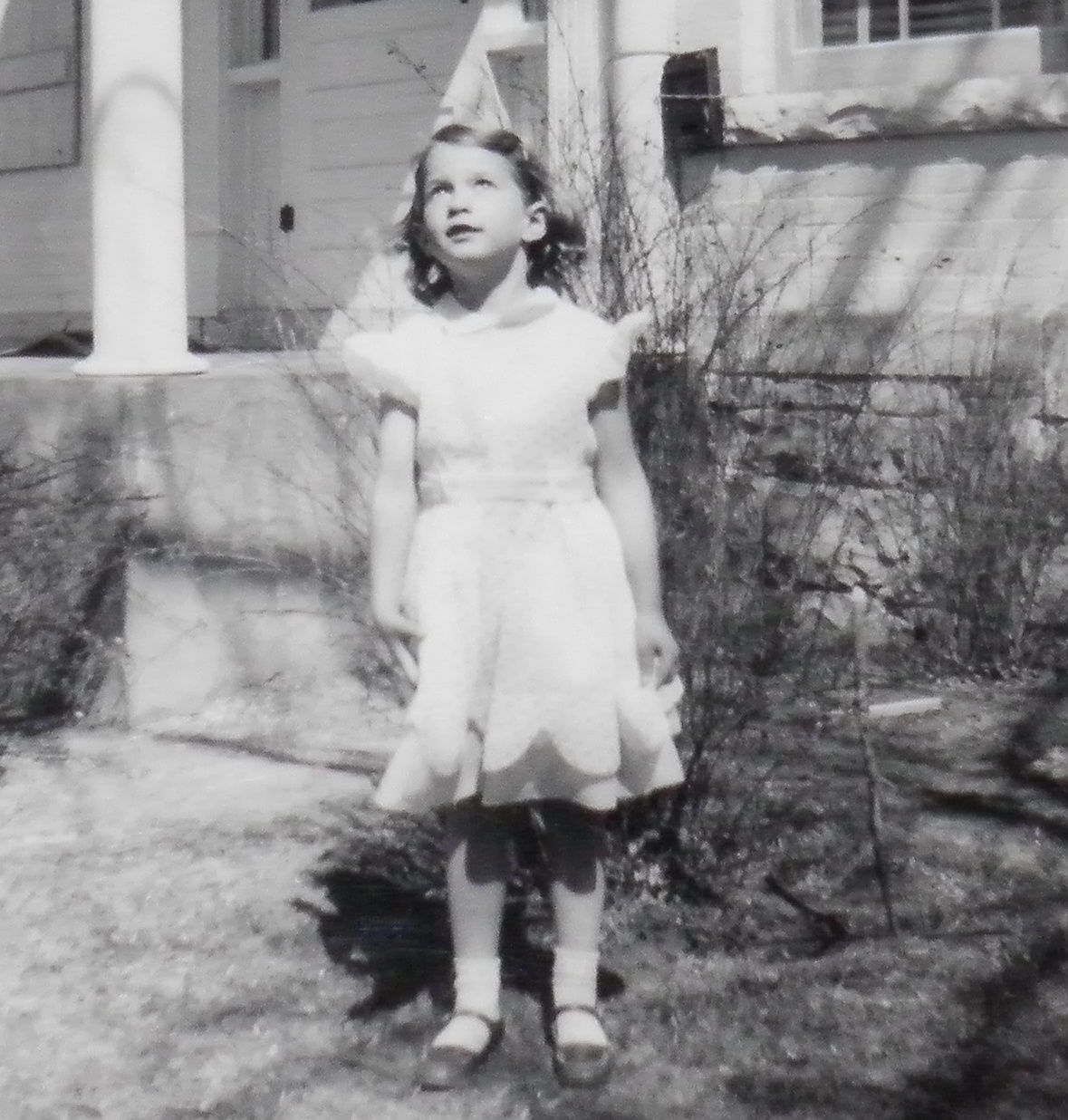
I’m holding a Nook in my hand instead of the hard back book, but the words are the same. And I feel . . . timeless. The person I am today is reading the same book I last read fifty years ago. It seems miraculous. The older person who lived so much during the intervening years — loving, sharing, grieving — is, through these familiar words, connected to that girl child who could only dream and hope of a life that was to come.

I imagine there will come a time, perhaps fifteen to twenty years from now when I am elderly and frail and rereading these books, that I will look back to me on this day and think the same of this me as I think of that little girl me — that I was young and still full of hopes and dreams.

I imagine I will think back to all that has connected me to myself through the years, and I will be grateful for all breaths I took and all the books I have inhaled.

***

Pat Bertram is the author of Grief: The Inside Story – A Guide to Surviving the Loss of a Loved One. “Grief: The Inside Story is perfect and that is not hyperbole! It is exactly what folk who are grieving need to read.” –Leesa Healy, RN, GDAS GDAT, Emotional/Mental Health Therapist & Educator

Web Building

I spent a good part of the day working on my website. It had to be updated anyway because of my new book, Bob, The Right Hand of God, but this is more than a simple update. Because of Adobe Flash being discontinued, my ancient website is becoming defunct (even though my site was a plain old non-flash site, with stationary photos and text), I have to learn a new website builder and redo the entire site.

It’s not really all that complicated; it’s more of a matter of learning how to find what I need and to decide what I want to say. To that end, I looked at various examples of author websites, and though it didn’t really help much, it made me feel as if I were doing something to further my “author-ity.”

One of the problems I have that other authors don’t is the variety of genres I work with. Most authors stick with fiction or non-fiction. If fiction, they write one sort of novel, such as romances or mystery or fantasy. If non-fiction, they stick to a certain topic. Although I do stick to one topic with my non-fiction books — grief — my novels span multiple genres.

Back when I was learning to write, all the books said to write in a recognizable genre. You can put romance elements in mystery, or mystery elements in romance, but basically, you need to brand yourself by making sure your stories are predominately one thing. Well, I didn’t do that — I can only write the books that are in my head, after all, and those books ramble all over the genre spectrum. But now I know why it’s important to do what the others said to do and not what I did — it makes it a whole lot easier to figure out what to focus on when promoting yourself, and especially in figuring out what to focus on for a website.

Do I focus on grief? After all, my grief books sell more than the others.

Do I focus on the fiction? After all, most of my books are novels.

For now, I’m doing what a lot of authors do — put up a photo of myself and a gallery of my book covers on the home page, and then feature each book on a separate page.

The hardest part is to find the site in progress. If I go to the web builder page, they don’t seem to recognize what I’ve already done, so I have to click the link in the email they sent when they informed me of the pending changes. (From what one of the tech people I talked to said, I gather there are two distinct builders on my site — a free one that they gave me in exchange for the defunct one, and one I will have to pay for after an introductory period. And it’s the free one that’s hard to find.)

Mostly though, it’s just a matter of doing the work. Luckily, the old site is still up, so I have time to figure it all out and then to do what I need to do to build my website.

***

Pat Bertram is the author of Grief: The Inside Story – A Guide to Surviving the Loss of a Loved One. “Grief: The Inside Story is perfect and that is not hyperbole! It is exactly what folk who are grieving need to read.” –Leesa Healy, RN, GDAS GDAT, Emotional/Mental Health Therapist & Educator

Driving Nowhere

When I moved here, the alley behind my house was muddy with deep ruts, which was a big factor (next to cost) in trying to fix the old garage. If the old garage could have been fixed, then I would have graveled the driveway leading out to the paved street and not had to worry about the mud.

Well, fixing the garage didn’t work out, so it got torn down.

By the time the new garage was built, the alley was graveled, which made for a pleasant egress from my new garage.

Unfortunately, the gas company had to dig up the alley to put in new gas lines, and so once again, the alley is muddy with deep ruts. (We got a LOT of snow last week, and now it’s melting fast.)

That mud and those ruts are intimidating since I drive a small car, but more than that, I don’t like the idea of muddying up my new garage.

So today, which was supposed to be a driving day (to keep the bug exercised and the battery charged up), I opened the garage door, got in the car, started it, and . . . drove nowhere. I just sat there with the car running, and dreamt of magical road trips and wondrous sites and sights.

Oddly, I don’t really mind not traveling, even though it was an on and off again way of life for many years. Nothing appeals to me so much as spending the night in my own bed in my own bedroom in my own house.

Work around here has come to a standstill — first because of the snow, next because of the holidays, and finally because of the mud — but once I have pathways meandering through my yard, with various plants — trees, flowers, bushes — in strategic areas, there’s a chance that strolling through my own yard will fulfill some of that desire for new sights. Plants are ever changing, and there always seems to be something new to look at.

Meantime, when I can’t actually get in the car and drive out into the country for a short jaunt, sitting in the car and driving nowhere but into my own dreams seems to be an adequate substitute.

***

Pat Bertram is the author of Grief: The Inside Story – A Guide to Surviving the Loss of a Loved One. “Grief: The Inside Story is perfect and that is not hyperbole! It is exactly what folk who are grieving need to read.” –Leesa Healy, RN, GDAS GDAT, Emotional/Mental Health Therapist & Educator

Wishes for You

Merry Christmas, Happy Holidays, Season’s Greetings, Peace and Joy, Warmest Wishes, Happy Solstice, Good Yule, Noel, Good Cheer, Good Tidings, Merry Xmas, Happy Holy Holidays, Warm Greetings, Holly Jolly Holidays, Let it Snow, Ho Ho Ho, Feliz Navidad, Joyeux Noel, Mele Kalikimaka, Buon Natale, Buone Feste Natalizie, Feliz Natal, Nollaig Shona, Fröhliche Weihnachten, God Jul, Wesołych Świąt, as well as any other greeting you use to acknowledge this special day.

***

Judgement Call

I sometimes watch television with the woman I sit with several hours a week, and the show of choice is Judge Judy. The most annoying things, of course, are the commercials. The political ads were horrific, but thankfully they are done with, and by the time they return, I’ll probably be finished with this job and with television. Almost as bad as political ads are the drug commercials, with all the happy people dancing around gleefully while the life-threatening side-effects are listed. Most annoying are those sleazy lawyers promising to get me big bucks if only I could get injured in a car accident.

I suppose the lawyer ads make sense, since this show is partly about the law. It’s mostly, of course, about Judge Judy and her sharp bluntness. That sounds oxymoronic, but she is so very blunt in her speech and so pointed in her remarks that her bluntness comes across as sharp. Not just smart as in keen but sharp as in cutting.

As I watch her, I wonder what it would be like to be so very direct. I realize she is a judge, and that it is her show and her courtroom, so what is entertaining coming from her mouth would be downright rude and hurtful coming from me. And above all, I strive not to be rude or hurtful or unkind in any way. If people annoy me, I stay away from them. It gains me nothing to get in their face and tell them what I think of them. Besides, it would probably make me feel worse than it would make them feel.

As I watch the people who stand before the judge, I wonder how I would act if I were one of them. Would I be able to stand there and keep my mouth shut while my opposite number is spouting lies? Would I be seething at the injustice? Would I protest out of turn? Would I be too intimidated to speak up when allowed? I have a hunch I’d be one of those who try to explain too much, to give the context and other background information. A lot of what happens to us can’t be fit into a yes or no situation. There are always gray areas. And yet often, those folks, whether defendant or plaintiff, are only allowed a single word — yes or no.

But none of that matters. I truly doubt I would ever go to a small claims court, would ever apply to be on judiciary show, would ever get a lawyer to try to resolve any situation those litigants get into.

If I lend someone money, I assume it’s lost, and if they pay it back, great. If they don’t pay it back, I will nag them, and if I still can’t get the money back, eventually give that up, too.

I have seldom gotten a deposit back from a landlord — they have almost always managed to find a way to keep it — so I made sure any deposit was an amount I could afford to lose. Now that I own a house, I don’t have that sort of problem, for which I am eternally grateful.

I do have a contractor who doesn’t always show up when he says he will, but I couldn’t sue him even if I wanted to (which I don’t) because I don’t have a written contract. And anyway, we’ve become friends. Whenever I need something done immediately (like a leaky toilet) that goes beyond what would be contracted for, he does without question. A friendship like that helps take some of the stress out of home ownership and is not worth jeopardizing.

I’ll probably never have a property line dispute — the first thing I did when I got here was to have my property surveyed, and it is now part of the legal definition of the place.

I’ve been bitten by dogs, my car has been hit by other drivers, and I’ve slipped and fallen and been badly injured, and never have I sued. In fact, that’s a matter of contention between me and a friend because my not doing so comes across as my being contrary rather my making a judgement call. And maybe I am contrary, but I know for sure I’d rather end a fender bender (even when it is the other person’s fault) with a hug rather than an appearance before a judge.

**

Pat Bertram is the author of Grief: The Inside Story – A Guide to Surviving the Loss of a Loved One. “Grief: The Inside Story is perfect and that is not hyperbole! It is exactly what folk who are grieving need to read.” –Leesa Healy, RN, GDAS GDAT, Emotional/Mental Health Therapist & Educator