Lopping My Yard Into Perfection

It rained last night, a lovely surprise. Even better, it rained enough that it gave me an extra day off from watering. It also rained enough that the ground is too wet for me to be clomping around on that sodden clay soil to dig up weeds. (I’ve been pretty much keeping up with weeds that I can reach from my grassy areas, but the deep garden areas are more difficult to access, especially when the ground is muddy and slippery.)

So, no gardening work today! It’s just as well — I’ve been in a lopping mood lately, and it’s probably not fair to take it out on my garden even more than I have. (Luckily, the bush I lopped off almost to the ground a couple of weeks ago is starting to green up. Whew!)

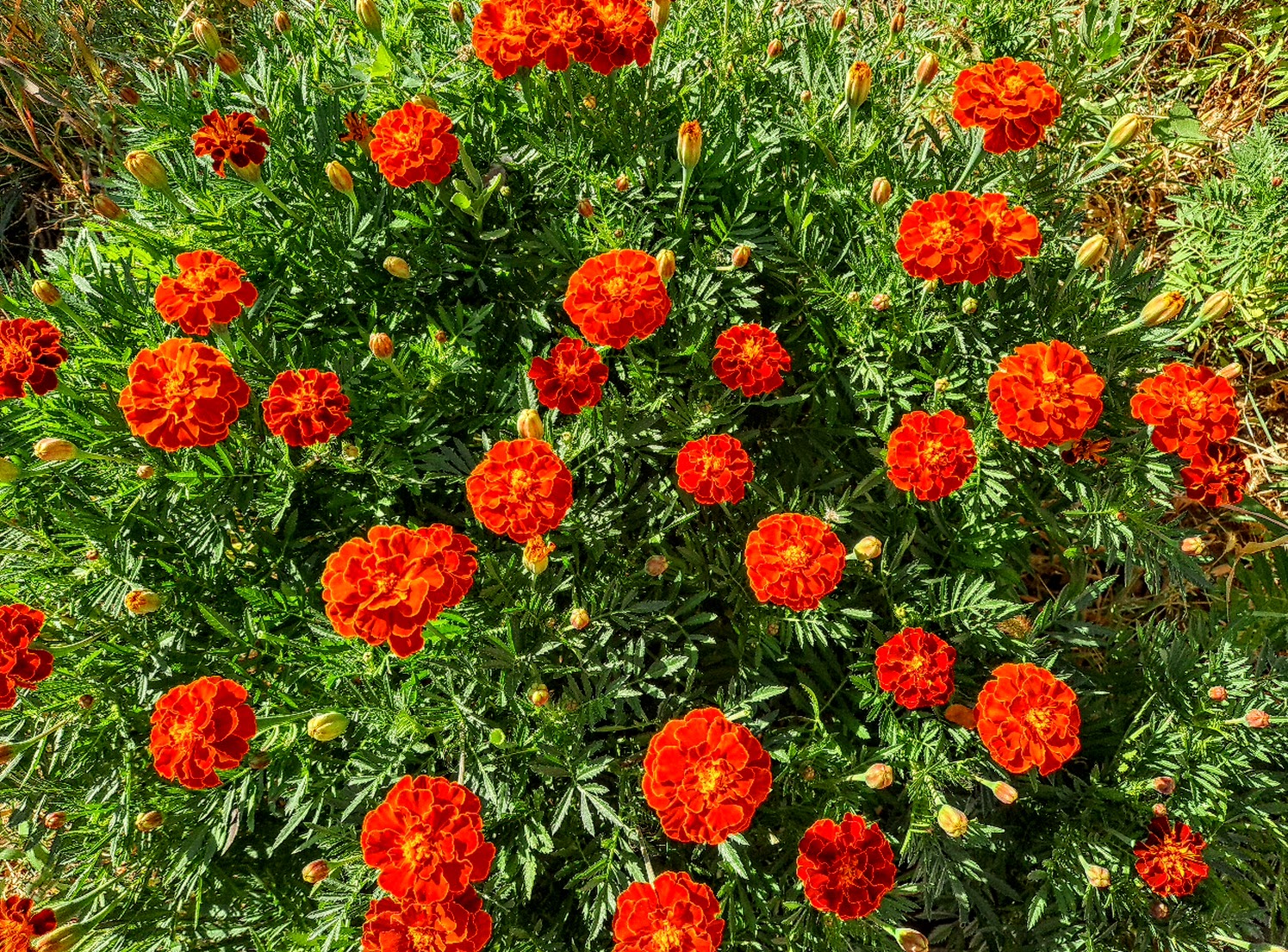
My raised garden started out in late spring as a freshly planted petunia patch, to match the petunia container gardens dispersed throughout my yard. Then the self-seeded moss rose started growing, which made a nice counterpoint to the petunias. Then the self-seeded marigolds got going. I wasn’t sure what to do about any of it. It ruined my matching-petunia-gardens theme, but I thought those other plants deserved a chance, so I just let it all go, though as more marigolds took hold, I thinned them and moved the seedlings to other places in my yard. Unfortunately, those pretty frilly marigold seedlings that were left in the raised garden ended up being shrubbery. No exaggeration. Some of those plants were almost two-feet tall and almost that big around. That most were only twelve to eighteen inches didn’t make them any less of a shrub. (To give you an idea of the size of the plants, all the marigolds in the accompanying photo are from a section of a single plant.)

Anyway, those “shrubs” kept growing and growing until just about all I could see of my raised garden were marigolds. They’re not my favorite flower, though judiciously spread through my gardens to fill in blank spots, they help brighten my fall yard. But a whole sea of marigolds? Too much of a sort-of-good thing.

Irritated by the marigold takeover, but not totally willing to yank out all the plants (I’m going to have company in three weeks, and they are looking forward to seeing my “park,” so I want it to look as good as possible), I did the next best thing. At least I hope it is. At any rate, it was the only solution I could think of — I chopped the heads off those plants. Now all the plants in the raised garden are the same height. With any luck, the puny petunias and stringy moss rose will be able to make a comeback now that they aren’t being buried beneath the huge crowns of the marigold shrubs.

If they marigolds die, I’ll pull them up, which is what I would have done if I weren’t so determined that my yard look its best. It will be interesting to see what happens. Perhaps they might even grow a few new flowers.

Meantime, the whole yard is heaving a sigh of relief. Not only are they drinking up the moisture and basking in the relative of cool of this after-rain day, they are thrilled that I’m not out there with my pruning shears, trying to lop my yard into perfection.
***

Pat Bertram is the author of Grief: The Inside Story – A Guide to Surviving the Loss of a Loved One

Lesson Learned. Maybe.

Daily writing prompt
What’s a lesson you’ve learned recently that shifted your perspective?

The most recent thing I learned is that you can’t transplant flowers when it’s 103 degrees and expect them to live.

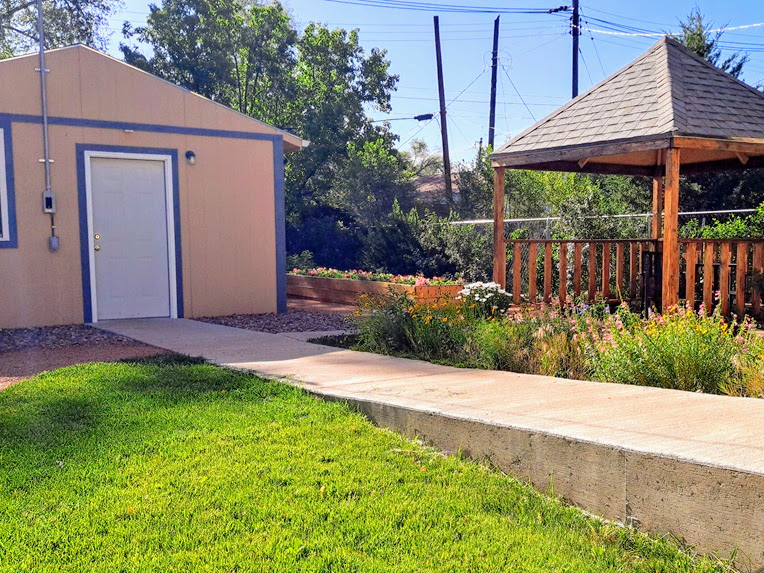
A month ago, I planted petunias in my raised garden (center of the photo), but the area is being taken over by the marigolds that planted themselves.

I’d been transplanting a few marigolds at a time, mostly to plant in my what I laughingly call my farmer’s garden, which consists of a single pumpkin plant, a single tomato plant, a single cantaloupe plant, and single watermelon plant. Fortunately (or unfortunately — I don’t know which), the marigolds remaining in the raised garden are doing so well I had a choice to let them do what they want, thin them, or transplant them.

Obviously, I went the transplanting route, otherwise I wouldn’t be writing about learning that you can’t transplant flowers in the heat.

I suppose, in a roundabout way, I merely thinned them since I don’t know if I can keep the transplants alive, though I just took a quick break to water them again in a half-hearted attempt to give them a bit better chance at surviving.

If it were only the temperature I had to concerned about, I might not worry so much, but it’s windy, the sun out here on the plains is incredibly intense, and the humidity is only 11%. Eek. Doesn’t sound like a temperature anything or anyone would like. I sure didn’t! I gave those poor plants a quick squirt and scurried back inside.

So that’s the lesson I learned. Maybe.

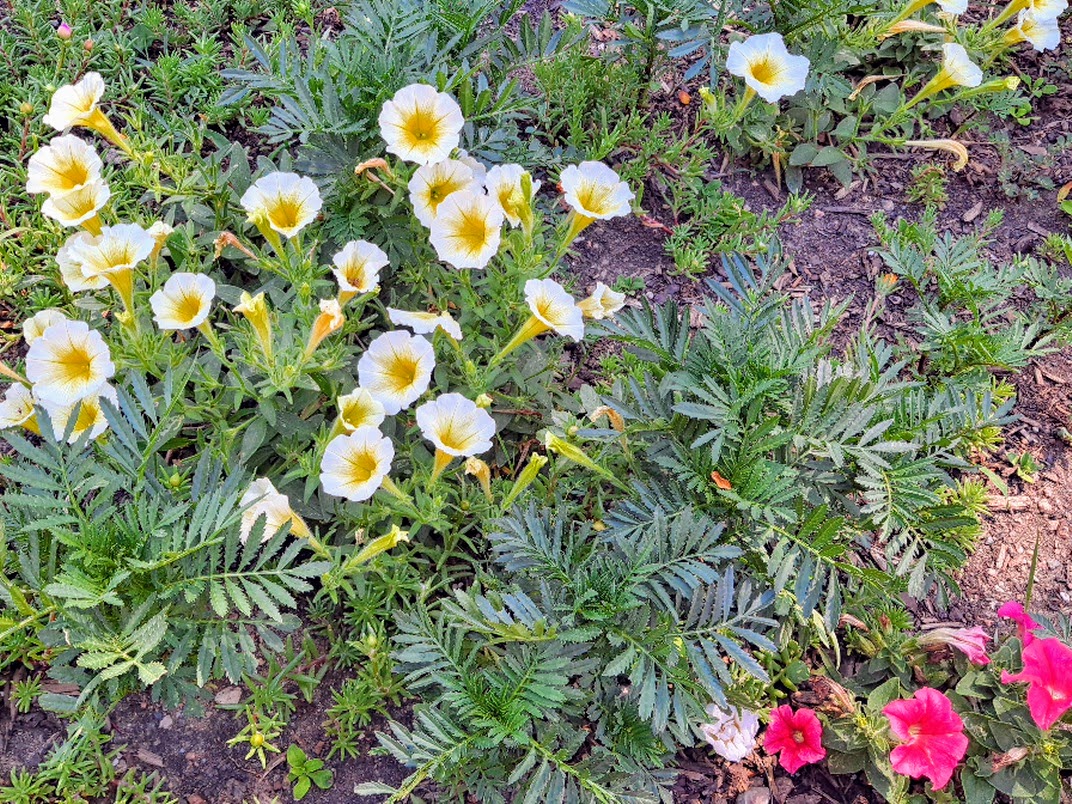
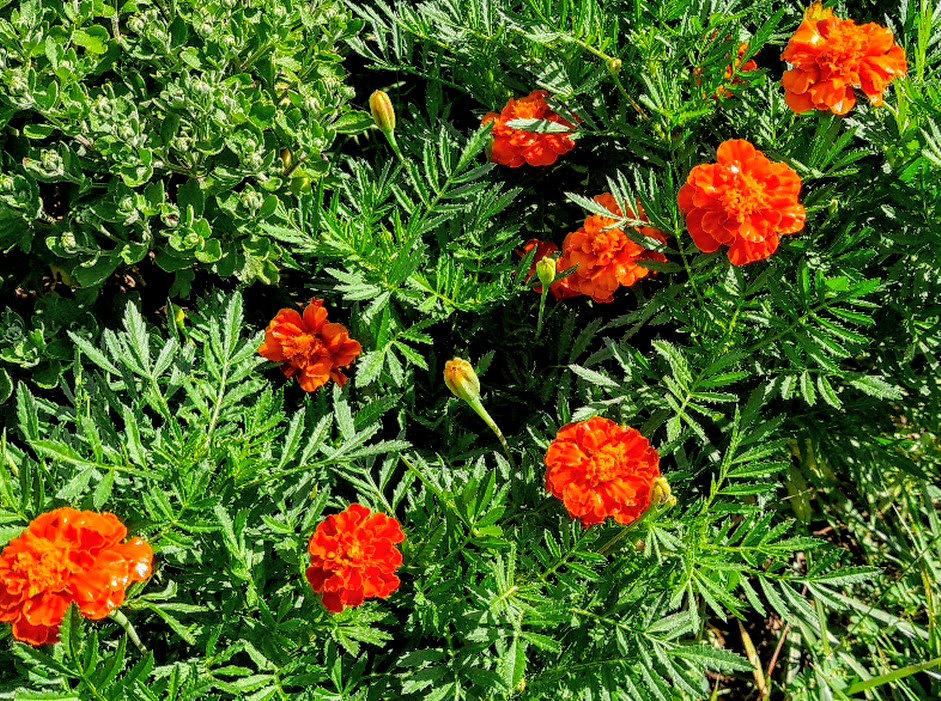
Did this lesson shift my perspective any? I doubt it. When/if the marigolds I transplanted don’t make it, I’ll probably try again or else run the risk of having them overshadow the petunias and moss rose that need to share space with those marigolds. (In the photo below, the marigold plants are those with the slightly bluish-green palm-like foliage.)

Although this lesson might not have shifted my perspective, for sure it reminded me to stay in out of the sun. And that’s a lesson I intend to take to heart.

***

Pat Bertram is the author of Grief: The Inside Story – A Guide to Surviving the Loss of a Loved One

Gorgeous Autumn Day

I’ll bet you can’t guess what I did today! Aww, you guessed it. Where else would I be on such on gorgeous autumn day but out working in my yard? Of course, if you guessed blogging or being on the internet, that would have been a sure bet, too, because here I am. Or if you guessed reading, that too would have been a win because that’s how I will spend the rest of the day.

Hmm. Sounds as if I live too narrow a life. I might have to do something about that eventually to keep from the dreaded stagnation (dreaded by me, that is), but for now, there’s a lot of work to do, not just the usual maintenance, such as watering and mowing the grass and digging weeds, but also getting ready for late fall planting (lilies and wildflowers) and preparing for winter.

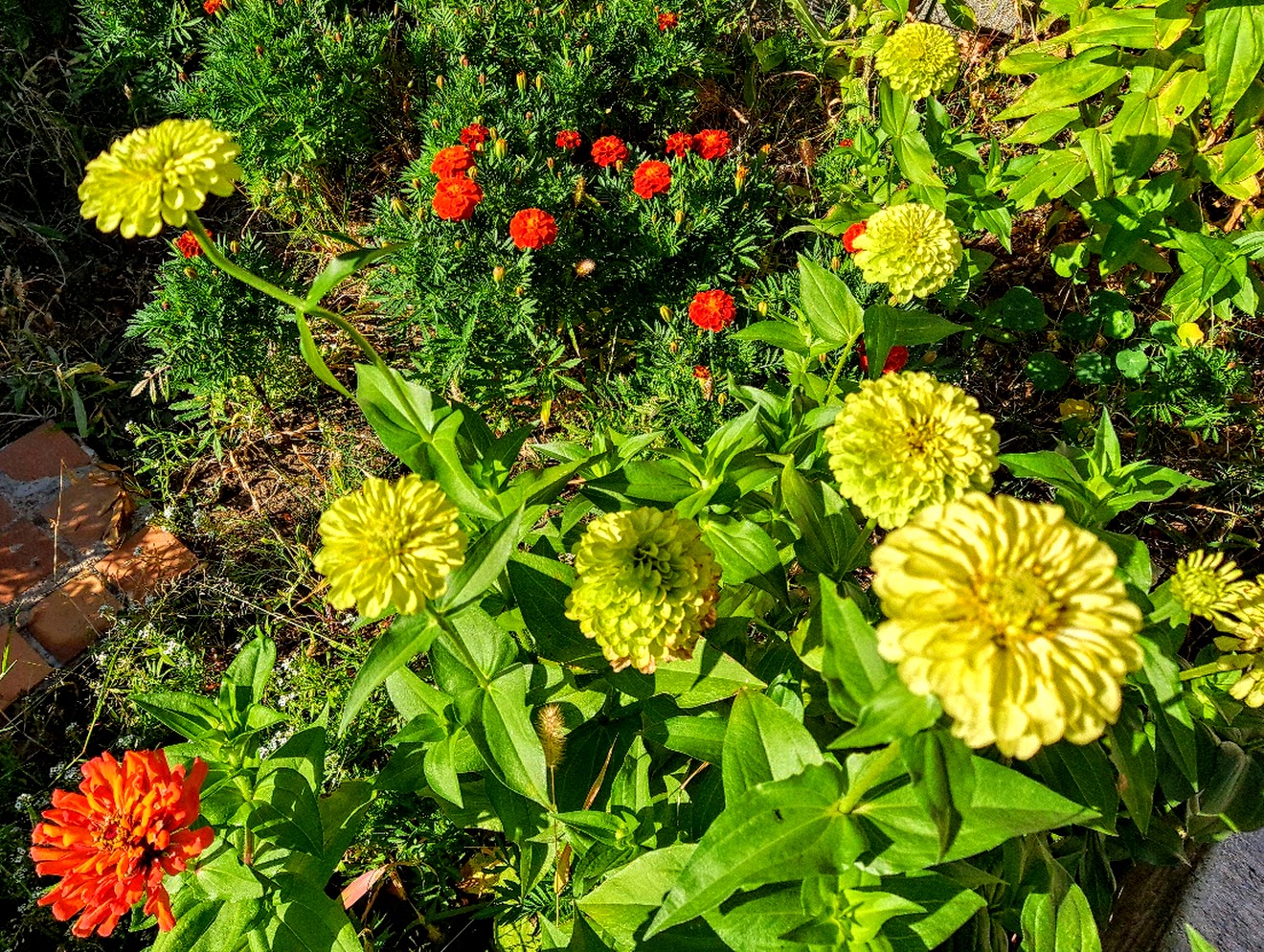
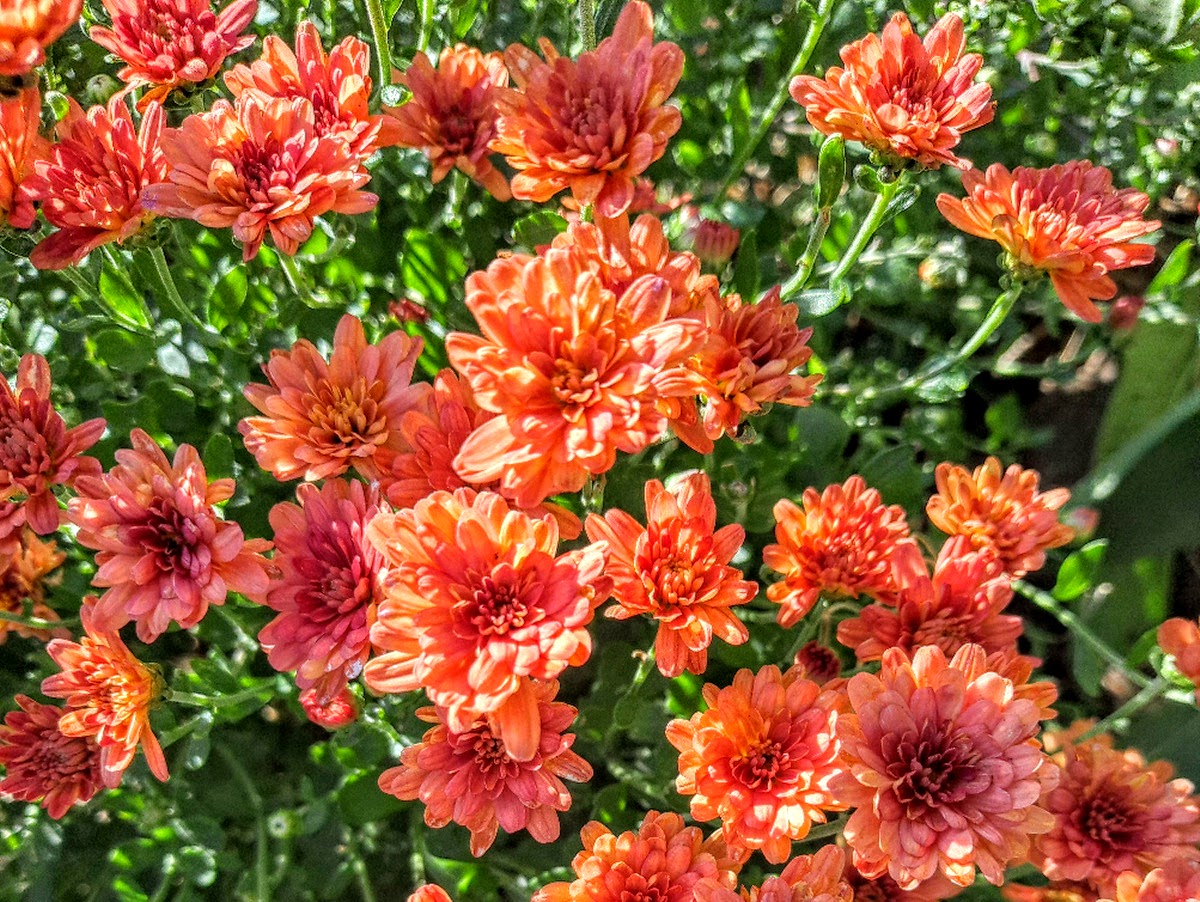
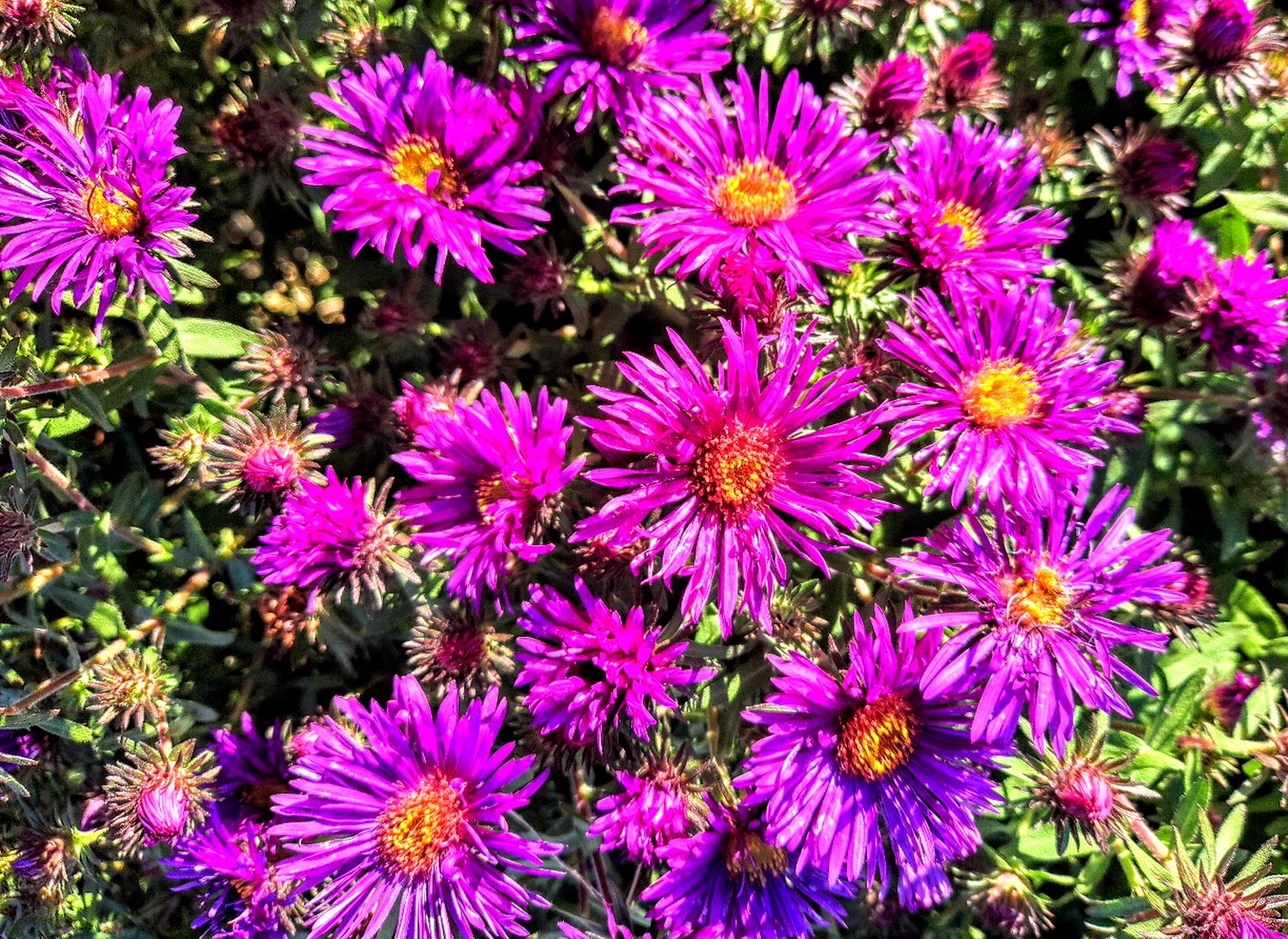
It seems as if summer was never-ending, but then, in just a snap of the fingers, it was over. I know it was a long, hot four months, but in retrospect, the whole summer was truncated. Except for the work I did, though, there wasn’t much to distinguish the days from one another. There seemed to be few summer flowers, and those that did come up, like the lilies and day lilies were swamped in wildflowers or weeds. Now, though, there is plenty of color! Zinnias. Amaranth. Chrysanthemums. New England Asters. Marigolds.

In another snap of the fingers, winter will be here, but I’m not going to think of that — I’ll just enjoy the lovely fall weather as long as it lasts. (Warm days, cool nights — what’s not to like?)

I wasn’t sure whether I should use the term “autumn” or “fall” for this post. I recently came across one of those USA-bashing comments intimating that the sophisticated British use the term autumn but the uncouth and simple Americans use “fall” (named because of the falling leaves). I certainly didn’t want to bring ridicule down on my head for using the wrong word, so I looked up the origin of both terms. It turns out that “fall” is not something you can lay at our American feet. Both words originated in Britain. Autumn was first used in the 1300s. Fall was first used in the 1500s. But the correct term for this season is (or at least it was before 1300) “harvest.”

Still, whatever the name for this season — fall or autumn or harvest — it certainly has been a pleasant and colorful (and exhausting) one for me.

***

Pat Bertram is the author of Grief: The Inside Story – A Guide to Surviving the Loss of a Loved One. “Grief: The Inside Story is perfect and that is not hyperbole! It is exactly what folk who are grieving need to read.” –Leesa Healy, RN, GDAS GDAT, Emotional/Mental Health Therapist & Educator.