This year seemed to be a year of migrations.
First, of course, the tarantula migration. I say of course because I’ve been hunting (and haunting) the migratory paths of the tarantulas for several years, ever since I moved within driving distance of the Comanche National Grasslands, and so far, I’ve only seen a single tarantula, and that was many migrations ago. Most years, it’s been the hunt that’s been the experience.
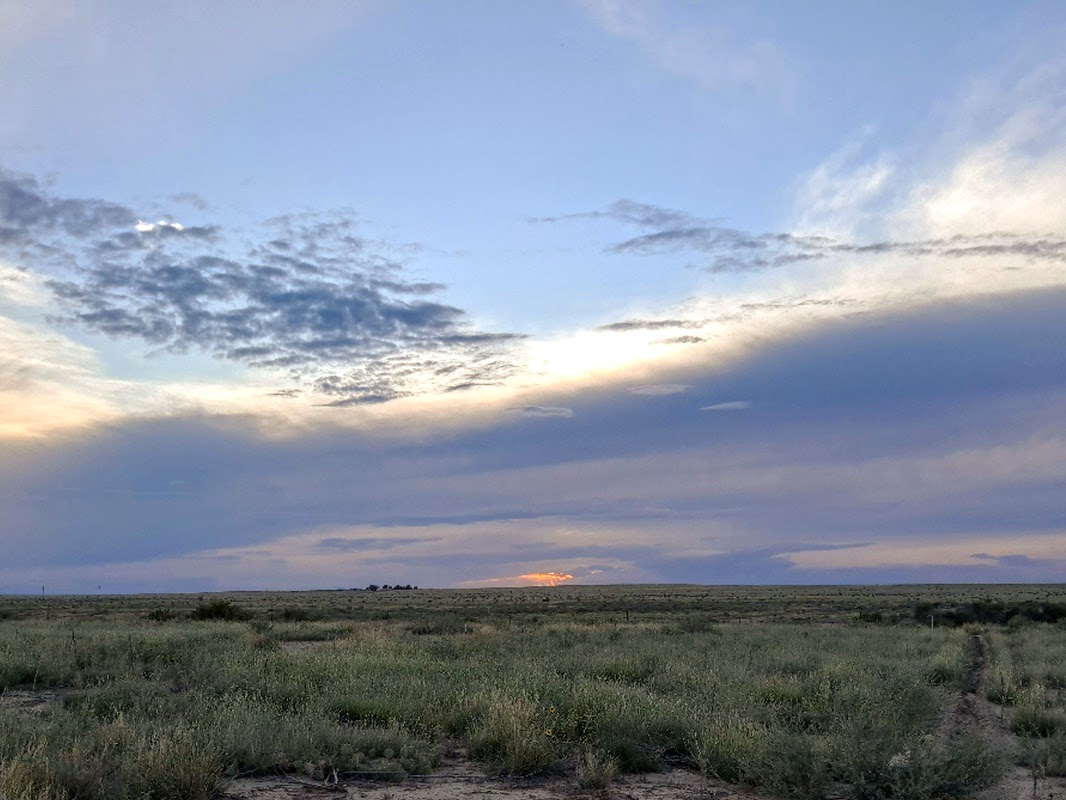
The migration isn’t really a migration. It’s just that around the beginning of autumn, the usually solitary male tarantulas creep out of their burrows to try to find a mate, so this is when it’s possible to see them. I saw plenty of burrows out on the grasslands, but none of the inhabitants.
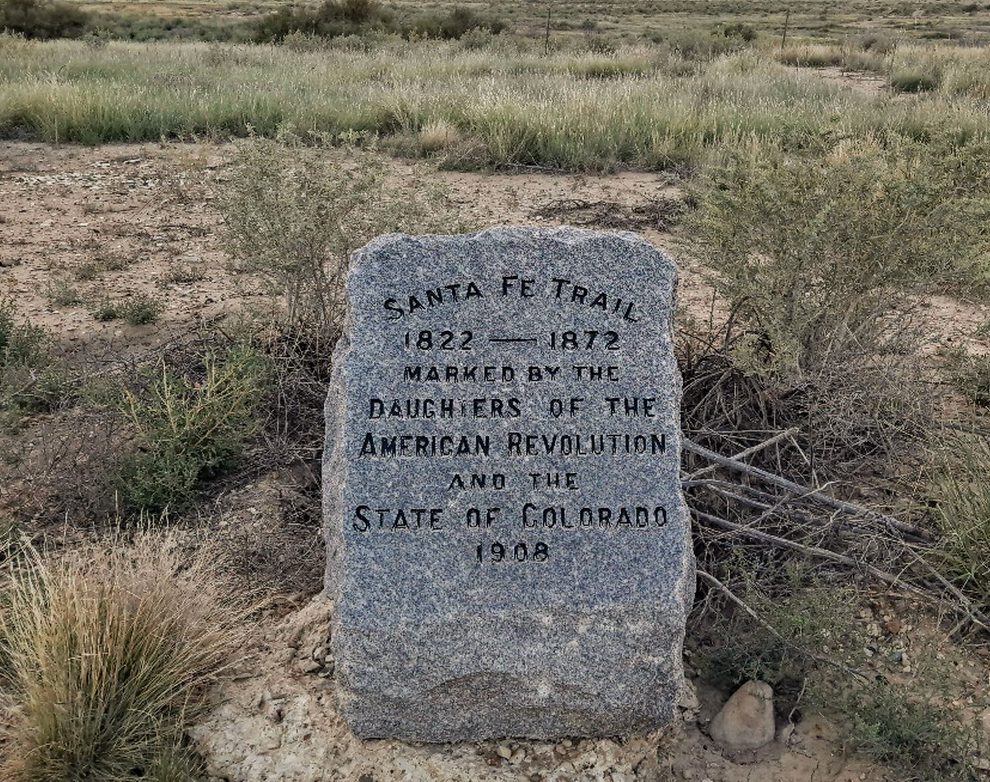
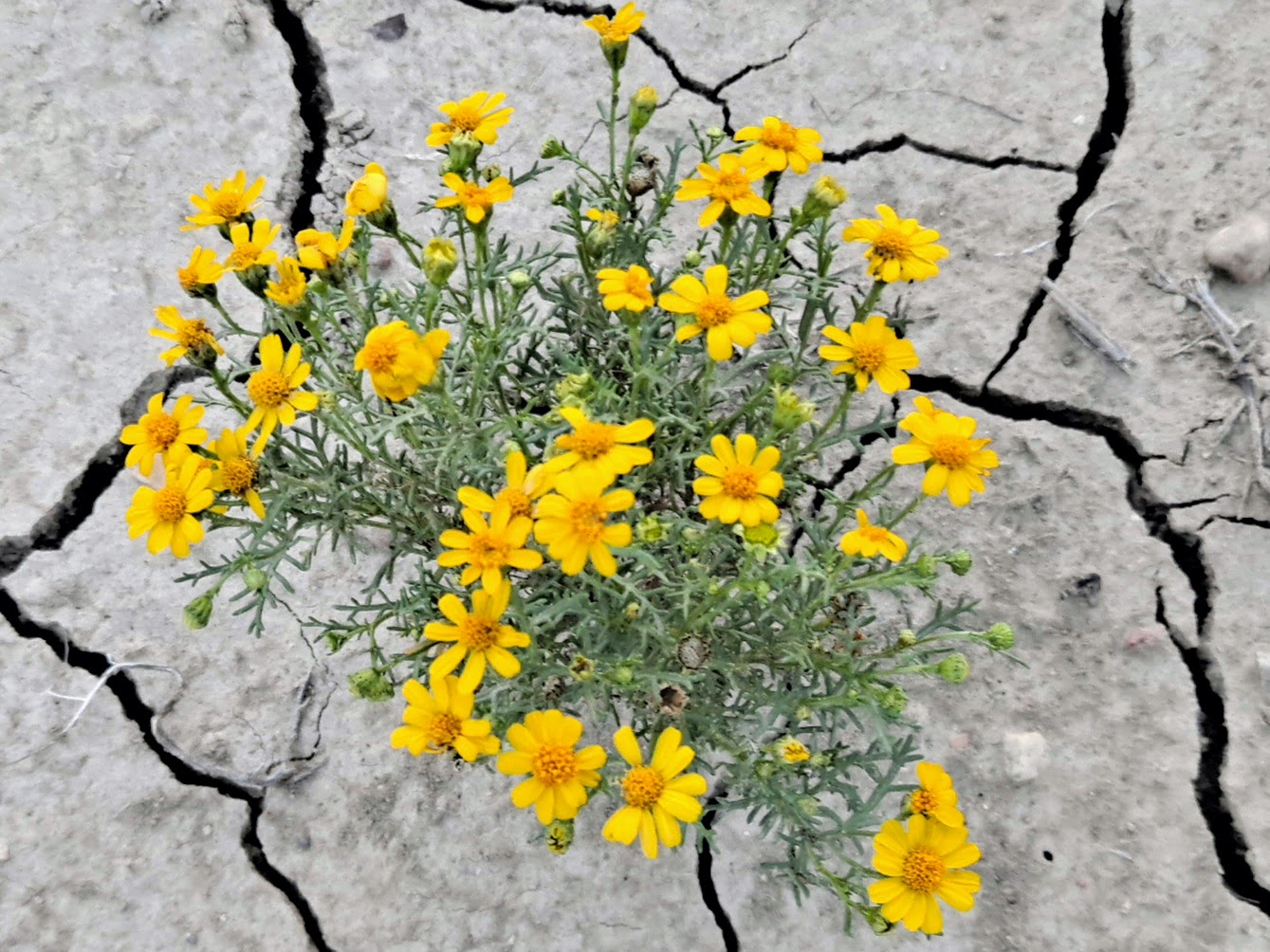
What I did see (and experience) was a part of the Santa Fe trail, the immensity of the grasslands, and the ability for life to show itself even in the most extreme conditions.
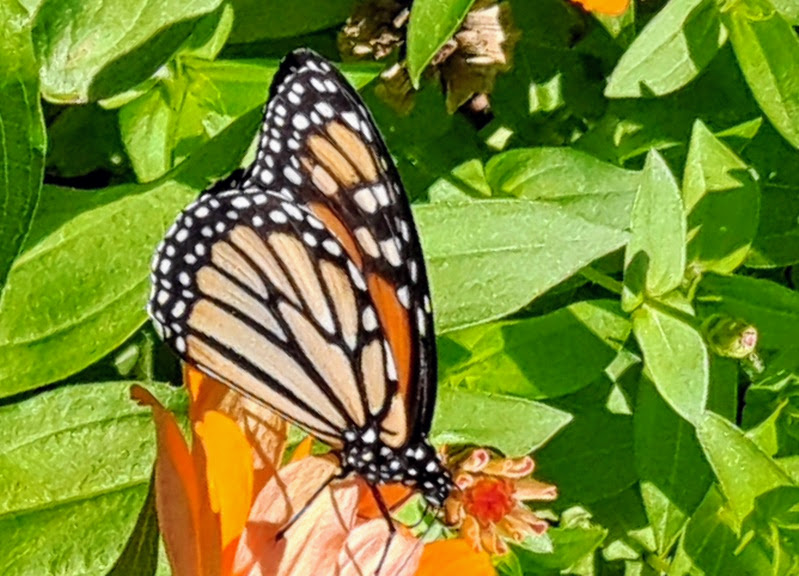
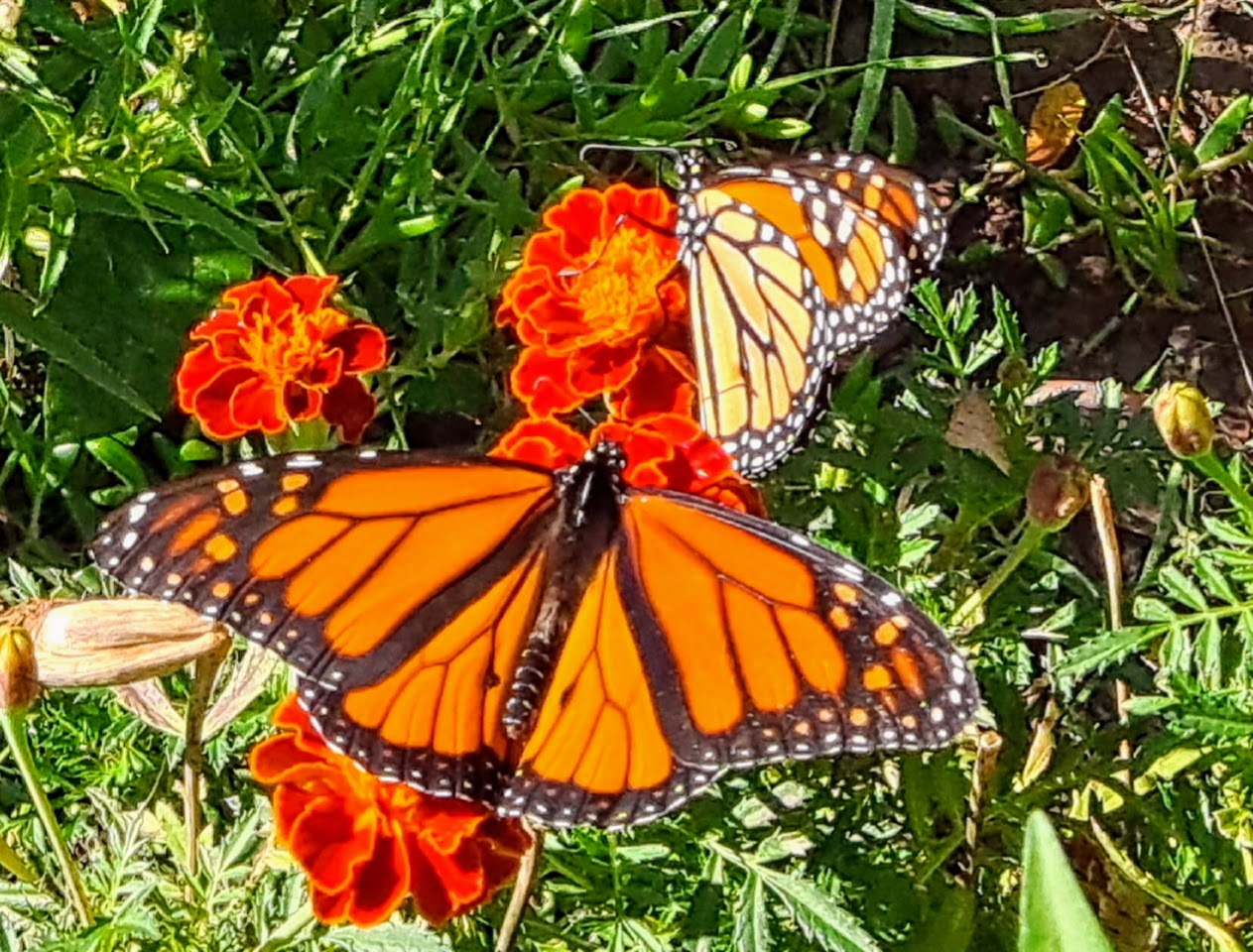
The second migration isn’t an “of course” situation. In fact, it came as a total surprise. And it came to me. For the first time in my life, I experienced a small part of the monarch migration. There were dozens — perhaps hundreds — of monarchs stopping by my place to make use of my butterfly-friendly utilities. According to locals, the monarchs used to pass through here in the spring, though they haven’t in many years, but apparently, they were never seen as much in fall. It makes me wonder if the rain we had around that time (five inches in thirty-two hours) made a difference to their flight path because they showed up the first dry sunny day after the storm had moved on.
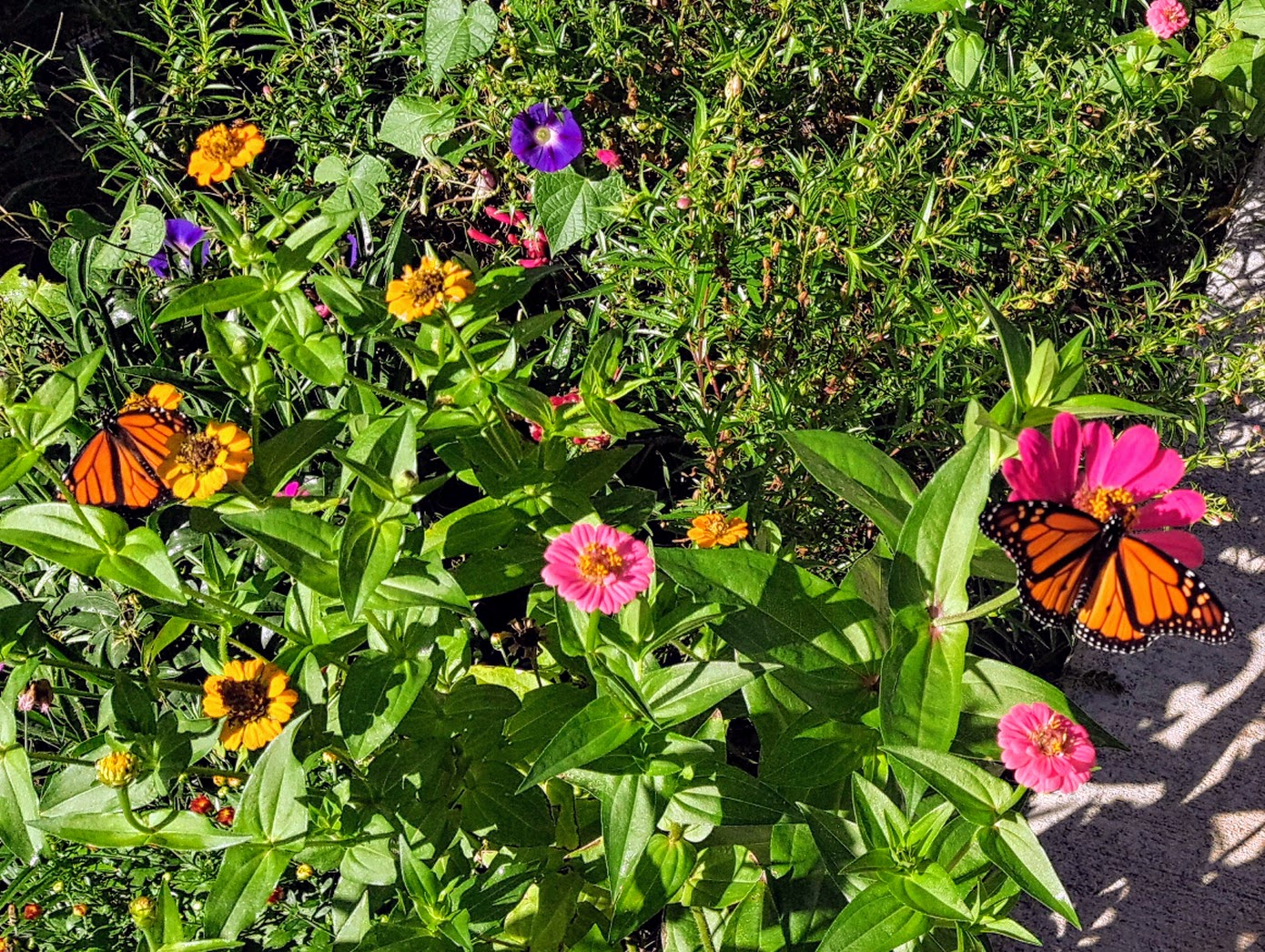
When I first came to this isolated part of the country, I used to see what I thought were monarchs, but what I actually saw were Viceroy butterflies — lepidoptera with the same coloration of the monarch, but much smaller and with an extra stripe across the wings. It wasn’t until I’d seen more than a few of those very large butterflies that I realized they were monarchs and that the migration had graced me with its presence.
The sandhill cranes flew high overhead on their yearly migration southward, not seen so much as heard as their song of passage drifted down to earth. There were (and are) other migrations, such as the migration of the seasons, each season coming to us in turn and then moving on. It’s not a progression we generally notice except in a casual way, but as a gardener, I now tend to be more aware of that particular migration than I used to be. With my advancing age, the seasons seem to pass by ever more rapidly, so there’s that, too.
Which brings me to another migration. Mine.
I am part of my own migration — my migration through the years. Or perhaps it’s the other way around, and time is migrating through me. Either way, I am fortunate to be able to experience the migration of life, both mine and that of the world around me, even though the tarantula migration continues to elude me.
***
Pat Bertram is the author of Grief: The Inside Story – A Guide to Surviving the Loss of a Loved One