Fiction is a type of simulator, much like a flight simulator, where we can experience life at one remove. Just like a flight simulator, the situations we encounter in fiction (particularly fiction that poses dilemmas) seem real, and they have real effects on our minds. Although this is recent research, I have known it since I first learned to read. I never read fiction just for entertainment. It was more real to me than that — like practice for life. I didn’t see myself as the main character, rather I read myself into the story, trying to figure out how I would act in a similar situation. Unlike many of the youth of my generation, I never had to use recreational drugs to understand what could happen. I knew secondhand through books the possible consequences. I also knew the consequences of teen-age pregnancy, drunk driving, and whatever other trouble kids my age could get into, and it made me cautious. Maybe too cautious. Still, I never got into a mess I couldn’t get myself out of.
As I grew older, potential problems became more serious, and again, books simulated various scenarios I was able to sidestep. I might have continued to be too cautious, but I never saddled myself with avoidable problems such as overwhelming debt. (I was going to change this cliché, but I got an image of debt as a saddle with a banker as the person sitting on the saddle riding me, and I thought it was an apt image, so the cliché stays.)
Popular books, easy books, happily-ever-after books, books without major moral dilemmas never did much for me. In fact, if I read too many of these “junk food” books, I’d get depressed. Oddly, all books now depress me the way these books once did, perhaps because the situations in books no longer act as a simulator. I know I will never be an unwed mother, a single mother, or a woman struggling to handle a family and a career. I know I will never solve a murder, either as an amateur or a professional. I know how it feels to love. I know how it feels to lose the one man who made life worth living, know how it feels to take care of an aged parent, know how it feels to be the subject of a brother’s rage.
But I still have a “flight simulator” — my imagination. Although imagination isn’t as good a simulator as fiction since we tend not to be able to project our true feelings into the future, a life time of reading and living has trained me at least in a small part to imagine how I would deal with certain situations.
 I’ve been writing lately about my idea of hiking the Pacific Crest Trail. I have been hiking small sections of the trail (some of my typos crack me up — I just wrote “trial” instead of trail, and that is apropos at times of hiking the PCT — a real trial). These Saturday hikes give me a small taste of the dream. But more than that, talking/writing/thinking about walking up to Seattle expands my mind the way reading a good book used to.
If it sounds as if I am backtracking (instead of backpacking), the truth is that as much as the idea intrigues me, I really don’t think I could do it. It’s way too dangerous for someone who isn’t fit and has no camping experience. Besides, I cannot see me wielding an ice axe to keep from falling off a narrow icy trail, cannot see me coming face to face with a grizzly who wants to wrestle me for my scant food supply, cannot see me “out packing” bags of used toilet paper, carrying the stinky package for hundreds of miles until I came across a place where I could dispose of it. Nor am I interested in doing something that takes such massive planning — the preparation takes longer that the 2650-mile hike itself. I want to be spontaneous, just take off walking and keep on walking, and that is so not possible on the PCT. It’s also expensive — hikers typically spend $4000 to $8000 for the 5-6 month jaunt.
Still, I want an epic adventure someday, and I want it for real, not second hand from books — if not the PCT, then perhaps something that stems from this particular simulation. I’ll keep imagining, keep throwing myself into the future, and see what happens.
***
Pat Bertram is the author of the suspense novels Light Bringer, More Deaths Than One, A Spark of Heavenly Fire, and Daughter Am I. Bertram is also the author of Grief: The Great Yearning, “an exquisite book, wrenching to read, and at the same time full of profound truths.” Follow Pat on Google+. Like Pat on Facebook.

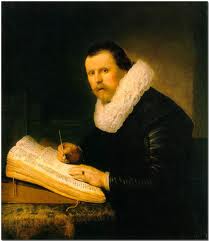
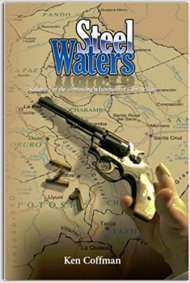 A murder of crows. A quiver of cobras. A charm of finches. A mischief of mice. A tower of giraffes. A scurry of squirrels. To this list of wonderfully evocative group names, I’m adding “a thrill of books.”







 Bertram's Blog