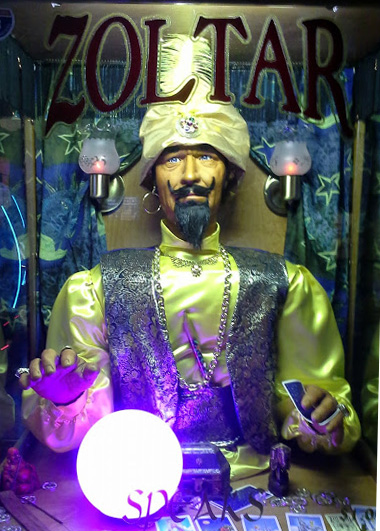
As someone who grew up reading fairy tales, I’ve never been one for wishing. The wishes so often turned out to be dross rather than the gold the wisher wished for. For example, a person who wished for enough income to live comfortably for the rest of his life might end up drowning. Or a person who wished for someone to know their heart might end up on the operating table of a heart surgeon. Of course, those examples are modern ones, just what I could think of off the top of my head. Back in fairy tale lands, there were no heart surgeons, and there was not talk of income, either.
People who did get a wish or three in fairy tales often ended up worse than they were, and I learned that lesson well, so I have no idea why all of a sudden I am interested in the culture of wishes. I made a wish box as a repository for the new year’s wishes people sent me as well as a couple of well-worded ones of my own. I’ve also become enamored of the idea of a senbazuru, which is 1000 origami cranes. The legend says that anyone who folds 1000 paper cranes will be granted one wish or happiness and eternal good luck.
And the explanation that came with the tarot deck I am currently using, said that today’s tarot card, the nine of cups, is the wish card.
So, lots of wishes and wishing!
Whether the cranes or the wish box or the tarot card will actually make all my wishes come true, however scant those wishes might be, it’s all about the doing.
I have a hunch it’s in the folding that one’s crane wish comes true — once a person has mastered the art of folding the crane, it becomes a mindless or maybe mindful activity, and that alone should bring peace and happiness of a sort. (Because deep down, no matter what one wishes for, isn’t it all about peace and happiness?)
So what does one do with 1000 cranes when they are all made? Pass them out so others can share in one’s good fortune? Leave them in strategic places for people to find? (But what an irony that would be, to be arrested for littering when one is only trying to spread a bit of happiness.)
One of the wishes I added to my wish box was selling thousands of copies of Bob, The Right Hand of God, though I have no idea how to get there except by wishing. It could happen.
Meantime, keep on wishing. As long, of course, as you word your wish so that it cannot be misinterpreted.
***

“I am Bob, the Right Hand of God. As part of the galactic renewal program, God has accepted an offer from a development company on the planet Xerxes to turn Earth into a theme park. Not even God can stop progress, but to tell the truth, He’s glad of the change. He’s never been satisfied with Earth. For one thing, there are too many humans on it. He’s decided to eliminate anyone who isn’t nice, and because He’s God, He knows who you are; you can’t talk your way out of it as you humans normally do.”
Click here to buy Bob, The Right Hand of God.









 Bertram's Blog