Tooting My Own Horn

Today is my 500th day in a row of blogging. I can’t say that I’m proud of everything I’ve written, but I am pleased that I have managed to keep to the discipline of a post a day for so long.

It is also my 222nd day of taroting. I know that’s not a word, but I’m not exactly studying the tarot, nor am I doing what is considered a reading. I am simply picking a card, making a note of all the various interpretations of each card so that when I use a tarot deck where the instructions are in an archaic form of Italian (as a couple of the decks are), I will be able to check my own notes for what each of those cards might mean.

If you don’t know why my interest in the tarot, it’s that I ended up with my deceased brother’s tarot collection, and I started my card-a-day practice as a sort of memorial to him. (In case you missed the posts where I talked about his decks, I have about four dozen different decks, some collectables, some common, some esoteric, and each month I pick a different deck to use to see if there is any one that will speak to me. So far, I haven’t heard a word from any of them.)

And today I’ve folded my 140th origami crane. My intent was to do one a day, thinking that by the end of three years I will have made my senzaburu (1000 origami cranes), but I find myself folding cranes whenever I have a few free minutes because the idea of all those cranes has captured my imagination. The legend is that anyone who folds a thousand origami cranes will have a wish come true or happiness and eternal good fortune. Since I have no particular wish (except to sell thousands of copies of Bob, The Right Hand of God), I’m aiming for eternal good fortune. Though to be honest, I tend to think I have that now, for which I am grateful.

Still, it doesn’t hurt to hedge my bet. Actually, I think the benefit comes in the folding rather than the finished senzaburu, but since it’s early days yet, I don’t know for sure.

I’ve also folded various other birds just for fun. Those I’m thinking of hanging in my garage to let me know where to stop and park.

This is all I have to toot about. These things are nothing special, really, except that I am doing them, and they all add up to a daily discipline, proving . . . I don’t know . . . perhaps that I’m alive and kicking and still going strong.

***

What if God decided S/He didn’t like how the world turned out, and turned it over to a development company from the planet Xerxes for re-creation? Would you survive? Could you survive?

Click here to buy Bob, The Right Hand of God

The Sweeping Sun

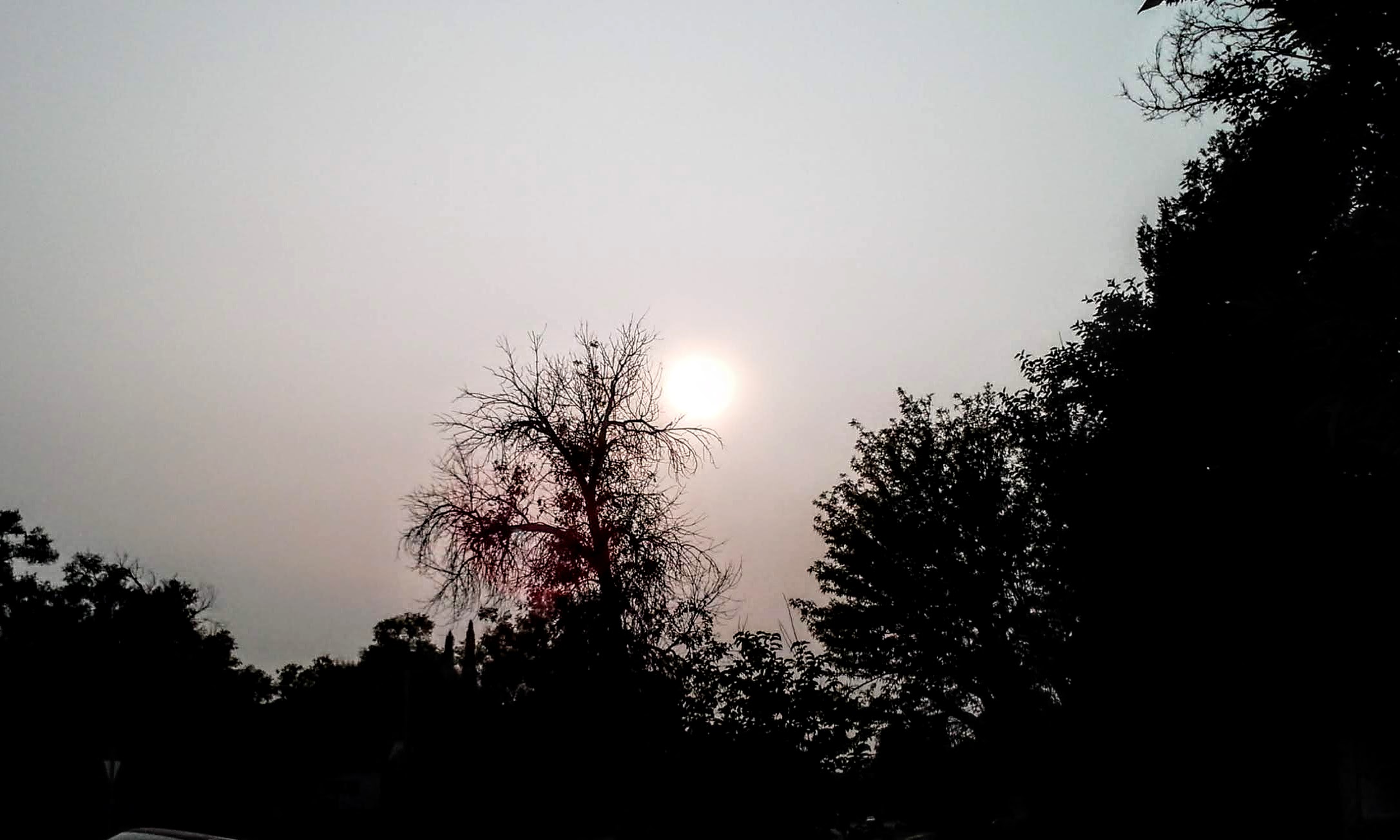
The house Jeff and I lived in was had a long view of the horizon, with Grand Mesa off to the side. Since nothing impeded our view from the living room window, we could watch the sunset every night as it swept from the far southwest in the winter to the far northwest in the summer. I knew the exact notch in the Mesa where the sun seemed to hover for a few days before it began its journey south again, and it really shook me up one year when the final sunset of winter took place several notches beyond the norm, as if the earth were lurching on its axis. Besides that year, though, the sun swung back and forth with an even beat.

It almost feels like that now, though I have no long view — no view of any sunset, actually — just trees and houses across the street impeding the horizon. What I do have, this year, is my nightly walk home from my job. I was just settling down into the dark, enjoying the rare night walk, when, one day at a time, the light crept up on me. And now I’m walking home in the pre-dusk dimness, which is almost as bright as midafternoon.

I didn’t get to feel this gentle change of the light at the beginning of the sun’s journey into winter because of daylight savings time. One day I walked home in the bright sunshine, the next time I walked home it was dark.

Now, though, I can feel the subtle changes as the days get perceptibly longer. In no time at all, it will be spring!

Actually, it felt like spring today — the last snow has melted, and the temperature got up near seventy. Tomorrow will be the same, but then the temperatures will drop to the more seasonal low of 7.

But whatever the weather, the days will be getting longer and lighter, and though I can’t see the sun setting, I know it is sweeping inexorably toward the northwest.

***

What if God decided S/He didn’t like how the world turned out, and turned it over to a development company from the planet Xerxes for re-creation? Would you survive? Could you survive?

Click here to buy Bob, The Right Hand of God

Changing Foods

So many foods taste different from what I remember them tasting in my youth. Although people say it doesn’t matter where things are grown, it makes a huge difference. When I was young, most of our fruits and vegetables were grown in the United States, and were only available when they were in season. But oh, they were so worth waiting for! Oranges so sweet they put sugar to shame. Tomatoes so juicy and tangy and sweet it was easy to understand they were basically a fruit and not a vegetable. And now? Oranges that come from south of us are bitter, tomatoes are tasteless, and all manner of foods have depleted nutritional value.

Oddly, it works the other way, too. I first had kiwi fruits from New Zealand, and they were fabulous, but those grown in the USA are rather bland. Same with Granny Smith apples; when they came from New Zealand, they were sweet and tangy and crisp; often those grown in the USA are mealy and sour.

One thing that is vastly different from my youth is Hershey’s cocoa powder. Back then, because of the high cocoa butter content, the powder couldn’t be dissolved in a liquid. To make hot chocolate, you had to heat sugar and cocoa and a bit of milk, stirring constantly, to make a syrup, and then gradually add the rest of the milk, still stirring. I tend to think it’s one of the reasons powdered hot chocolate mixes became so popular — you just dumped the mix into a mug, add hot water, and instant hot chocolate! Now, cocoa is so devoid of fat that it is instantly dissolved in milk. It’s also much blander and the color is a lot paler.

My mother made a meat dish that I dubbed “black meat” when I was very young because of its intensely brown color. (When I asked her how to make it, she told me to “slice any cheap beef into thin strips, roll in butter mixed with paprika, salt, and garlic powder. Brown the meant, and a little water, finely chopped onions, 1 teaspoon cocoa, a dash of cloves, and a bit of leftover coffee. Then cook forever.”)

The last time I made this, the meat tasted sort of the same, but the color was a regular gravy color. The cocoa powder simply is not the same. I thought perhaps they’d been adding an alkali to neutralize the natural acids like a Dutch processed cocoa, but apparently not. Oddly, Dutch processed cocoa is supposed to be darker than the more acidic cocoas, but when I was young, it was the opposite — you could always tell the Dutch processed cocoas because they were lighter in color.

That’s the problem with having lived so many decades — too many things are vastly different, and the people who write the articles now to explain those differences don’t go back far enough, probably because they aren’t very old and can’t imagine the world being any different before they set foot upon the earth.

A brief stint on Google showed me a bunch of gourmet brands that have a high fat content and are darker in color that grocery store cocoa, so I might shop around and see if I can duplicate the taste and texture of the old Hershey’s cocoa. But for the other foods, such as real oranges and real tomatoes? I’m out of luck.

***

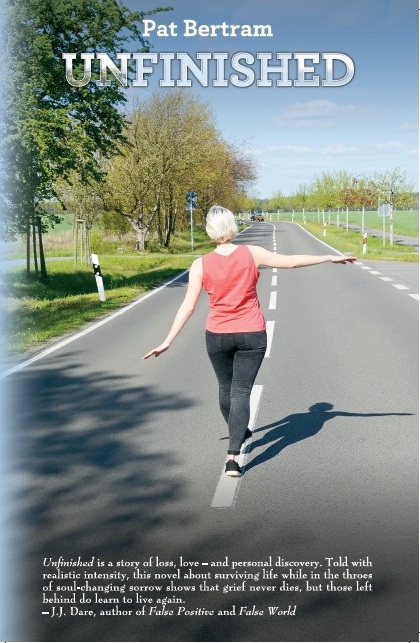
While sorting through her deceased husband’s effects, Amanda is shocked to discover a gun and the photo of an unknown girl who resembles their daughter. After dedicating her life to David and his vocation as a pastor, the evidence that her devout husband kept secrets devastates Amanda. But Amanda has secrets of her own. . .

Click here to buy: Unfinished

New Month, New Tarot Deck

Every month I’ve been using a different tarot deck in an effort to see if the deck feels the same as the rest, or if it resonates with me. Although I like a couple of the decks better than any of the others, either because of size or feel or the artistry, I haven’t felt any special affinity with any of the cards.

This month’s choice of decks is the Jungian tarot, which is based on archetypal images designed to activate the imagination. According to the designer of the deck, most of the current values assigned to the various cards were arbitrarily developed in the nineteenth century by occult groups. By contrast, he says the attributions in the Jungian Tarot were painstakingly researched in an effort to relate tarot interpretation to more ancient traditions.

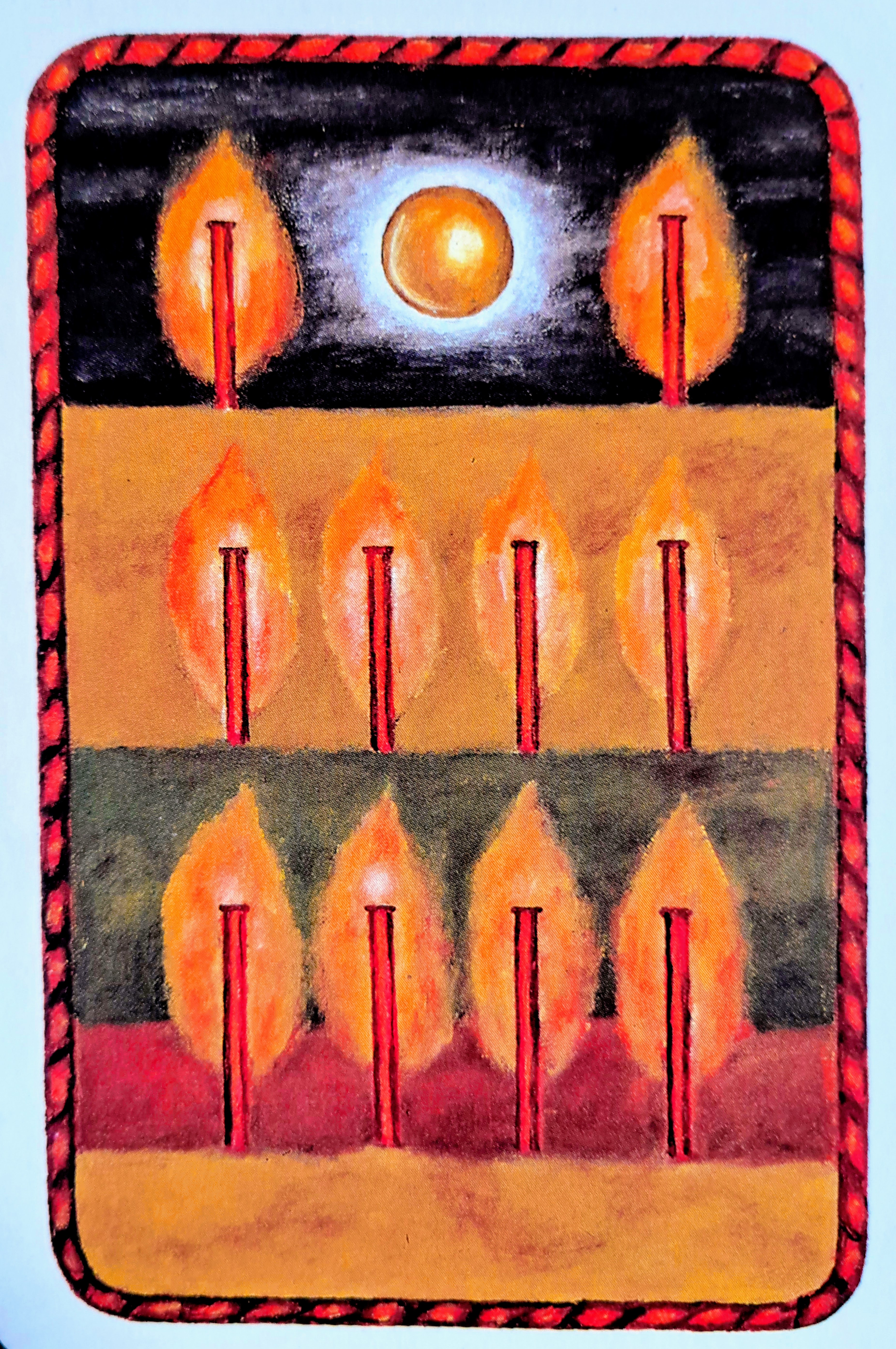
Sounds good, right? Well, today’s card, the ten of wands activates my imagination not at all. The image gives me the impression of being weirdly inappropriate since it seems sinister, and the ten of wands is a rather benign card relating to careful management, functioning within a large organization, success, the loneliness that comes from success, and reacting defensively to badly organized ideas. Which is not a whole lot different from the meanings assigned by other tarot interpreters. Most say the card is about success and the perhaps oppressive responsibilities one has to take on because of that success; a need for prioritizing, delegating, and sharing your burdens. (None of which seem to have any relation to my life at all.)

It almost seems as if the major arcana (the cards most people have heard of, such as the fool, the hanged man, the sun, the moon, etc) are the cards that every tarot artist and interpreter spend most time on, and the others are “also rans.” (Which is why so many readings, such as online readings, use only those twenty-two cards rather than all seventy-eight cards.)

When I do graduate from picking just one card to doing a periodic reading (weekly or monthly), chances are I will only use those twenty-two cards until I get familiar with how the cards fit together to show . . . well, to show whatever it is they are supposed to show. I still don’t know. I do know the tarot isn’t really about foretelling the future; it’s more about communicating with our deepest being, but so far, there’s not a hint of what I might be hiding in my innermost depths. It could be I have no such depths. It could be the cards are not speaking to me, and if they are, I haven’t learned to listen. It could be that the whole thing is hokum.

So far, the only imagination it has activated in me is the possibility of using the cards as story telling cards — using each of the face cards as a character, and surrounding them random cards to see how their lives would unfold. But the idea has gone no further than that. Nor have I deepened whatever intuition I might have or learned anything I don’t already know.

But I have the cards, so it does me no harm to pick one every day just to see what I pick.

***

While sorting through her deceased husband’s effects, Amanda is shocked to discover a gun and the photo of an unknown girl who resembles their daughter. After dedicating her life to David and his vocation as a pastor, the evidence that her devout husband kept secrets devastates Amanda. But Amanda has secrets of her own. . .

Click here to buy: Unfinished

What’s in a Name?

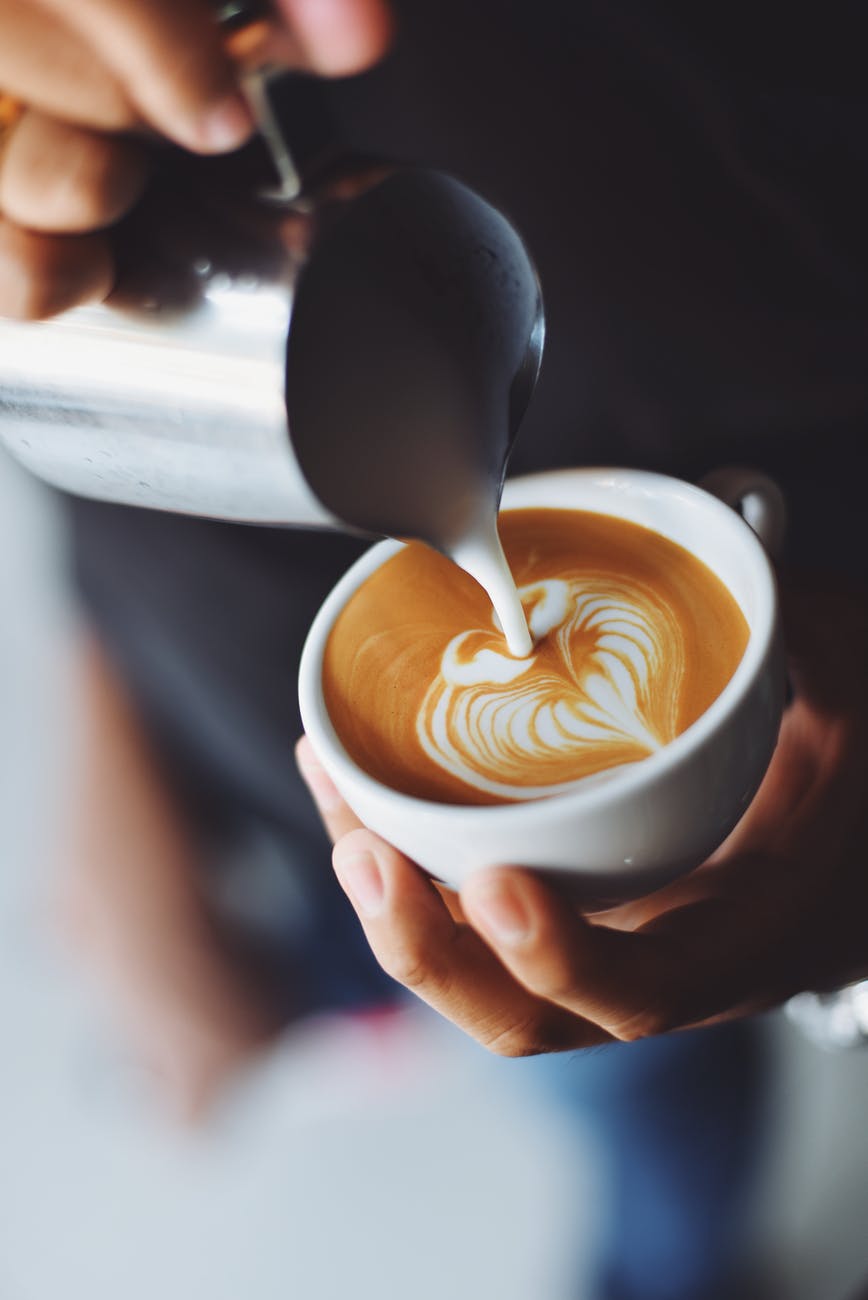
I’m reading a mystery that takes place in a historic coffee shop, which is interesting in itself because I didn’t realize how far back coffee shops went — way back to the 1700s, actually. And maybe even before. I thought they were a more recent idea, though I don’t know why I supposed that — after all, beverage restaurants go back to the beginning of time. (The time of commerce, anyway.) Grog shops, pubs, taverns, wineries, tea houses, so why not coffee shops? I’m sure when chocolate became popular in the 1700s, there were chocolate shops, too, though a cursory look at Google’s offerings didn’t tell me if my surmise was correct.

But I should have known about coffee shops; after all, the term “café society” was coined in the early twentieth century, though the custom of literati, artists, and socialites gathering at coffee shops after attending cultural activities stems from the nineteenth century in the United States. Although coffee shops were prevalent in European culture, they didn’t become the cultural icon they are today in the USA until the later part of the twentieth century.

So, here I am in a fictional coffee shop that has been around for a hundred years, “listening” to the manager of the shop ramble on and on about the different coffee beans, the different ways of brewing, the different tastes and smells (particularly smell since apparently half the appreciation of coffee lies in the scent), as well as the various undertones, overtones, and aftertastes.

Reminds me of wine. People always taste more in wine than I’ve ever been able to even guess. Maybe it’s like music — even a good barbershop quartet grates on my poor ears because I hear only a single discordant sound. Afficionados and others with a musical ear can hear each tone separately, and so they can appreciate the harmony.

I’ve never been able to taste anything in wine but . . . wine. I’m sure it comes as no surprise that my tastes run more to a slightly sweet sparkling wine, though the last time I had any wine (a glass of Seven Daughter’s Moscato) was a couple of years ago when a friend took me out to dinner to celebrate my buying a house. So you can see, I am not a big fan of fermented grapes.

And coffee? It all tastes the same to me, so I find it amusing that I am drinking a cup of instant coffee doctored with honey and lots of cream while I am reading what amounts to a connoisseur’s guide to coffee sandwiched between a couple of murders.

It’s a good thing I never aspired to be member of café society. There’s just no getting away from my plebian tastes when it comes to . . . well, almost everything. Books, movies, art, coffee, wine — plebian all the way. It’s ironic, really, when you consider that my name comes from patrician, which is the exact opposite of plebian.

I guess the answer to Shakespeare’s question, “What’s in a name?” is “Nothing.”

***

What if God decided S/He didn’t like how the world turned out, and turned it over to a development company from the planet Xerxes for re-creation? Would you survive? Could you survive?

Click here to buy Bob, The Right Hand of God

The Art of Living

I visited my friend today, the one who is dealing with end stage cancer, and it was a nice visit. The four of us were there — the four who have formed a small family and who celebrate holidays together — so it was fitting we all got together for this informal celebration of life.

None of us were morbid or melancholic in any way — not the three of us (including her husband) whose mates have died, and not our lovely friend who is facing her final months. We simply visited as we normally do while nibbling on nutritious snacks. The talk revolved around food as it often does among the four of us, perhaps because our food backgrounds are completely different; two of us are native-born Americans and two are from widely different Asian countries.

The food and the talk of food seemed to fit the mood we established of living for today without any thought of what tomorrow might bring, because what is more life affirming that food? Not only does it nourish our bodies and spirits, it unites us with our heritage, and it brings us together in a peaceful and sharing manner.

I am truly glad we had such a pleasant visit. In a side chat, the other widow and I mentioned how sorry we were for our friend’s trouble, how sad we were for ourselves, and that we didn’t really want to think about “it.” So we didn’t.

I don’t know if I could have endured a tearful time. After all, she is still here, still living each day the fullest she can. And isn’t that all any of us can do? Some of us might know our expiration date, at least to the extent of a doctor’s guess, but no one truly knows what tomorrow might bring. So we live each day with an almost careless lack of concern. And isn’t that just as important when it comes to an end, whether our own or a loved one’s?

After Jeff died, I often mentioned in my blogs about his “time of dying” or his “dying years,” but those are misnomers. Even when a person is dying, he is living, even if he’s in too much pain to care.

I remember crying to the hospice social worker who would come and check on us, that he hadn’t had much of a life, which seemed to make his death all that much more tragic, but she reminded me that whatever one has to deal with — disregard from parents, lack of financial success, ill health, whatever — it is still life.

And I remind myself of that now. However long I have with my friend, it will be about enjoying the time together, because this is part of living. Maybe it’s even the art of living.

***

Pat Bertram is the author of Grief: The Inside Story – A Guide to Surviving the Loss of a Loved One. “Grief: The Inside Story is perfect and that is not hyperbole! It is exactly what folk who are grieving need to read.” –Leesa Healy, RN, GDAS GDAT, Emotional/Mental Health Therapist & Educator

Unrandom Acts of Random Kindness

I got a notice today reminding me that February 15-21 is Random Acts of Kindness Week. Included were a list of kind acts one can do, but doesn’t that take away the randomness of being kind if you have to plan to be kind? Isn’t the purpose of being kind simply . . . being kind? And not just one week out of the year, but every week.

It reminds me of that scene in Road House where Patrick Swayze tells his bouncers to be kind. Not matter what anyone does, be kind. If they get in your face, be kind. Well, he actually said to be nice, but this isn’t a post about being nice — it’s about being kind — though there isn’t much difference between the two concepts when it comes to behavior. Being nice is about being pleasant and agreeable, and being kind goes beyond simply being nice to being benevolent. Either way, it’s about treating others with respect and graciousness.

So many of the suggestions for unrandomly committing random acts of kindness are neither particularly nice nor particularly benevolent, especially if you are doing it for the purpose of being kind to make yourself feel good about being kind.

For example, leaving a note on someone’s car telling them to have a nice day. Have you ever had a nice day just because someone told you to? Doesn’t it irk you more than it evokes kindness, especially if they lifted your windshield wiper to secure the note? A better act of kindness would have been for them to keep their note writing to themselves.

Another idea was to place a quarter in a new purse in a store because it will be a treasure to the person who buys the purse. Um, no. First of all, in no way can a mere twenty-five cents be considered a treasure. And second of all, it would probably trip all the metal detectors as the person left the store, creating an embarrassing situation. Well, probably not, since the detectors only detect theft-detection devices, but still . . . leaving a quarter is not really being kind. It’s better to save your quarter for the person standing in front of you in the check-out line who is fumbling for cash, irritating the hell out of you. So, be kind. Even if you don’t give the person the quarter, be kind. Getting irritated and impatient does no one any good.

One popular suggestion is to bake cookies for an elderly neighbor. So not a good idea! The elderly person might like or even want the cookies, but are they allowed to eat them? After all, they could be diabetic or prediabetic, or on a diet, and your foolish act of kindness could derail their attempt at better health. Besides, with The Bob running rampant, I certainly wouldn’t want to eat anything someone made just so they could feel kind, so for sure I won’t make anything for anyone else, and that, in its own way, is a kindness — it shows I have their best interests in mind.

One thing I do agree with is to only say nice things. That ties in with the Swayze quote. But not just for that one week, but for every week. There is seldom a reason not to say nice things unless people are being larcenous toward you or creating a dangerous situation.

For example, one of the suggestions is to help an older person cross the street. Um, no. If you lay hands on me, well, that’s my cue to NOT be nice.

So, before you do something kind, make sure people welcome your kindness, otherwise it isn’t kind; it’s merely self-serving, and being self-serving generally falls under the category of not being kind.

***

Pat Bertram is the author of Grief: The Inside Story – A Guide to Surviving the Loss of a Loved One. “Grief: The Inside Story is perfect and that is not hyperbole! It is exactly what folk who are grieving need to read.” –Leesa Healy, RN, GDAS GDAT, Emotional/Mental Health Therapist & Educator

Accepting Life’s Challenges

It amazes me how some people are so accepting of life’s challenges, determined to enjoy every day as it comes no matter what else they must endure. A dear friend has been battling cancer, and after a crisis that entailed a visit to the hospital, she was told she has three to six months. She and her husband are accepting and cheerful, happy and grateful for each day given them, so I can do no less. When I get to see her, I too will be cheerful, happy, and grateful for the time together, will feel privileged to considered a part of the family, but beneath the cheer, my heart will be breaking.

Words from “Hurt,” a song written by Trent Reznor for the band “Nine Inch Nails,” but also poignantly sung by Johnny Cash keep going around in my head: Everyone I know goes away in the end.

Barring any unforeseen problems, traumas, accidents, illnesses, I could live many more years, perhaps decades. The problem with a long life is that everyone does go away in the end. There are always new people to meet (at least, I hope there always will be; after all, the nonagenarian woman I take care of has met me, and we’ve become friends), but that does not mitigate my sorrow for those who “go away.”

Oddly, this is the first friend whose death I will have to deal with. Most friends I lose go away in a less permanent way, or I go away.

But I don’t want to think about that. Like her and her husband, I want to focus on the happiness of the day. I want to be grateful for the joy she’s brought into my life, to be happy for the time we still have, to be accepting of life’s challenges.

But there’s still that poor, aching heart of mine to deal with and the tiny voice in the back of my mind that whispers, “It’s so not fair.”

***

What if God decided S/He didn’t like how the world turned out, and turned it over to a development company from the planet Xerxes for re-creation? Would you survive? Could you survive?

Click here to buy Bob, The Right Hand of God

Nature In the Raw

I don’t often get true adventures any more because my life is quite tame. I get the day-to-day adventures, of course, such as getting up in the morning (it’s not something everyone can do), or going out to shovel snow, or seeing the changes in my yard during the different seasons. But compared to the adventures I once had, such as hiking in the woods or taking long road trips, my adventures are small.

I certainly don’t deal with nature in the raw very often, generally out of laziness. I mean, when the weather gets wild (and yes, weather is considered nature), I could go outside but . . . well, I don’t.

Walking to and from work is the one time where I go out no matter what the weather is. For a while, I got to walk in the dark (well, quasi dark — there are plenty of streetlights between our two houses, and I carried a flashlight for the darkest nights), and I truly enjoyed that. I don’t drive at night, and I generally don’t like going for a walk in the dark, and being out in the dark in the summer is more “nature” than I want to deal with. Too many mosquitoes! Though maybe, before the mosquitoes come this summer, I’ll spend some dark time out in my yard.

Last night was a treat, a real adventure, short though it may have been. We got a huge amount of snow, and it was COLD! The women I work for wanted to drive me home, and were almost insistent, so I agreed, but when I got outside, I simply could not forgo the small adventure of walking home in the crackling cold. The temperature was close to zero, and what appeared to be a few flurries of snow was actually the humidity in the air freezing.

It was lovely — so quiet and still, with only the muffled sound of an occasional vehicle in the distance.

There will come a time, I am sure, when I couldn’t trust that I would be okay even for such a short time in extreme weather, so I especially enjoyed last night’s experience of nature in the raw.

***

What if God decided S/He didn’t like how the world turned out, and turned it over to a development company from the planet Xerxes for re-creation? Would you survive? Could you survive? Would you even want to?

Click here to buy Bob, The Right Hand of God

Respecting My Years

I am rapidly approaching that “elderly” birthday, the one that can no longer be kindly categorized as late middle age. For the most part, I don’t notice a difference, but there are some interesting dichotomies. My memory is slowing down, especially when it comes to short-term memory, and I am a bit slower in thought, but on the other hand, I think that I think better, if that makes sense. I’m also a bit slower physically, some of which is due to age and some to my perception of age, by which I mean that I am respectful of my years and try to make accommodations, even if they aren’t strictly necessary.

For example, I have no trouble shoveling my sidewalks, and yet I won’t go walking in the snow unless I must, and if I do have to, I make sure to wear non-skid hiking shoes and use my dual trekking poles. I also make sure to carry my single hiking pole whenever I am out in the dark or in any other possibly adverse condition, though to simply take a walk on a good weather day, I leave it behind. (People call it my cane, which I object to because a cane seems such an elderly thing to carry, but I suppose technically it is a cane since I’m using it in the city to help with my balance as I navigate broken sidewalks and bumpy streets.)

Now that my knees are doing better, I could probably climb stairs without too much trouble but I am very careful when I’m on stairs, walking up or down like a very old-elderly woman instead of a young elderly one.

Knowing how easy it is to trip, I try to be aware of what I am doing, even when walking around the house. I pay particular attention to the sill between the kitchen and dining area; it’s the sort of thing old women tend to trip on, and after such a fall, too many of their lives are never the same.

Sometimes I worry that respecting my years and acting like an old woman will age me more rapidly, but I tend to think it’s better to err on the side of caution even if I move slower than I could. Of course, accidents happen to even cautious people, but I can’t worry about every little thing — otherwise I’d never do anything! But still, I am trying to respect my many years of living so I can be around to enjoy more of them.

***

What if God decided S/He didn’t like how the world turned out, and turned it over to a development company from the planet Xerxes for re-creation? Would you survive? Could you survive? Would you even want to?

Click here to buy Bob, The Right Hand of God