Filling My Life

I can see why I had such a hard time trying to find topics when I was blogging every day — there are no great emotions in my life as when I was dealing with grief, no great adventures as when I was hiking or road tripping, no wonderful new experiences as when I bought my house. There’s just me going about what has become my normal life, which mostly entails spending two or three hours working on my yard and the rest of the time reading or relaxing and trying to recuperate from the labor.

To be honest, I’m not sure this is a fulfilling life, but to be even more honest, I’m not sure I care. It takes a lot of energy to search for ways of being fulfilled and then to follow through, and I have never been a high-energy person. I do have a part-time job looking after an older woman, so that’s something anyone would consider worthwhile. Outside of that job, however, my only responsibility is looking after myself, and that should be at least as worthwhile as looking after someone else, right? I’m not sure why, but we seldom think we are as important as others. When we’re coupled, it’s easy to feel as if we’re leading a worthwhile and fulfilling life because of its “we” centeredness. Being “me” centered is considered selfish, but when “me” is all there is, then by definition, we have to give ourselves as much validity as when we were a “we.”

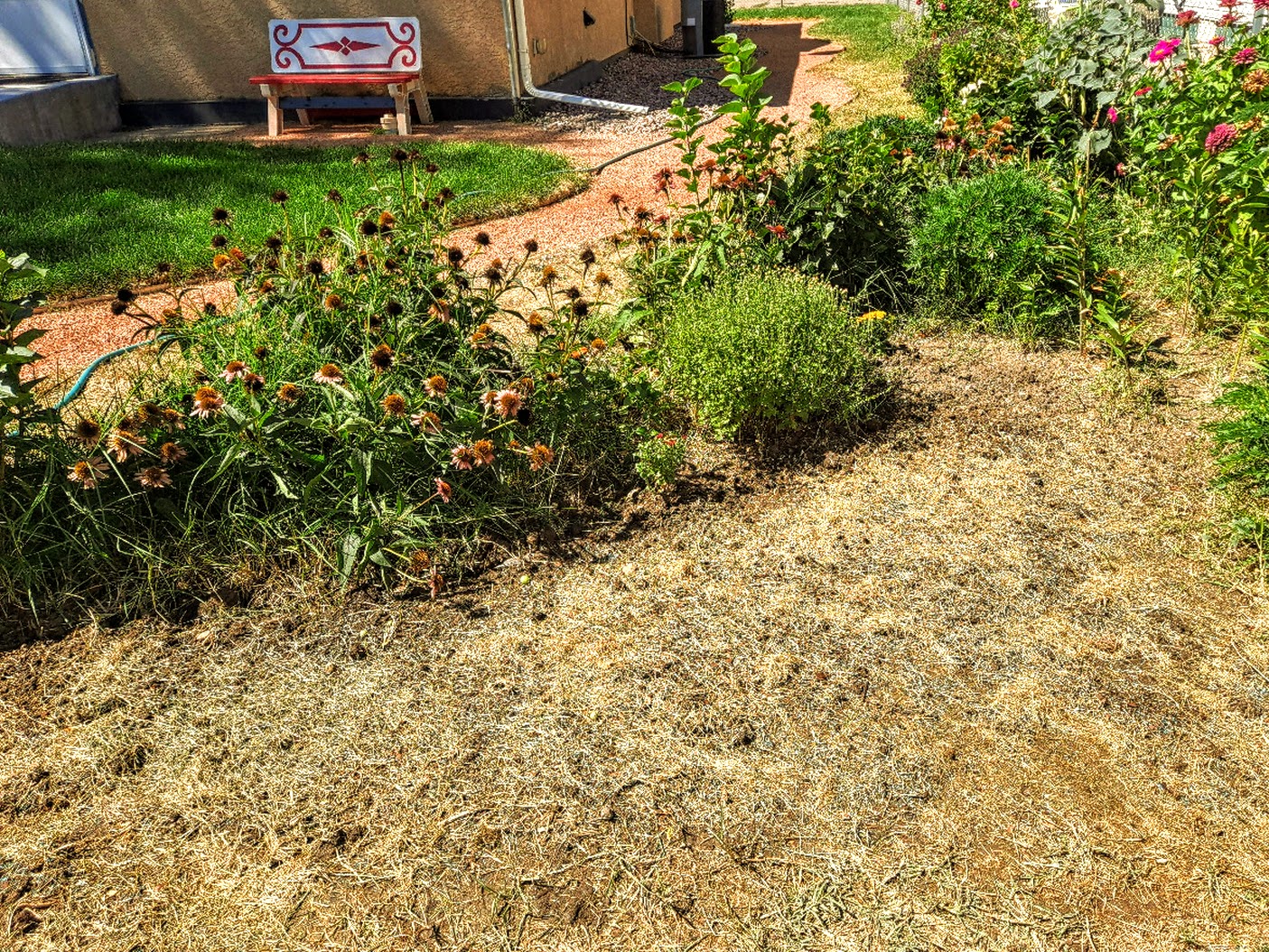
Now that I think of it, I spend more time looking after my yard than I spend looking after myself. I’m pretty easy to care for — make sure I have plenty of books, fix relatively healthy meals, try to put myself to bed at a reasonable hour. My yard, on the other hand, is rather demanding. Because of the lack of natural moisture in the area (due to a curse put on this land by the survivors of the Sand Creek massacre, I’ve been told, and even a subsequent blessing ceremony by more current members of that tribe couldn’t remove the curse) I have to spend time watering my grass and plants. I gave up weeding my gardens in the summer because it was impossible to keep on top of the growth (the weeds around here thrive even without much moisture), so I am having to do now what I didn’t do then. I’m also extending my garden, bit by bit. (There is still a swath of my backyard that has never been cleared; the weeds and weedy grasses are so dense it takes an hour just to clear a few feet.)

Although such work might not be compelling to others, it is to me, especially this time of year when the cleared gardens stay cleared, and the fall flowers bring intense color to the yard. It’s also fulfilling work in a creative sort of way, with the yard as a canvas I paint with plants. Although the heat-stressed grass hasn’t yet greened up, at least, with the cooler temperatures, I don’t have to worry about additional damage the sun can do, and there’s always hope for the spring.

Actually, hope isn’t just for spring. When there aren’t big emotions, big adventures, big experiences to fill my life, there’s always hope for something — a chance visit with a friend, a few words that make me think, a new flower to plant or to enjoy, a book that keeps me interested. Even without hope of . . . something . . . there’s still today and my gratitude that even though there might not be a lot to bring drama to my life or heighten my emotions (and hence give me blog topics), there’s nothing to torment me, either.

***

Pat Bertram is the author of Grief: The Inside Story – A Guide to Surviving the Loss of a Loved One. “Grief: The Inside Story is perfect and that is not hyperbole! It is exactly what folk who are grieving need to read.” –Leesa Healy, RN, GDAS GDAT, Emotional/Mental Health Therapist & Educator.
Autumn Gardening

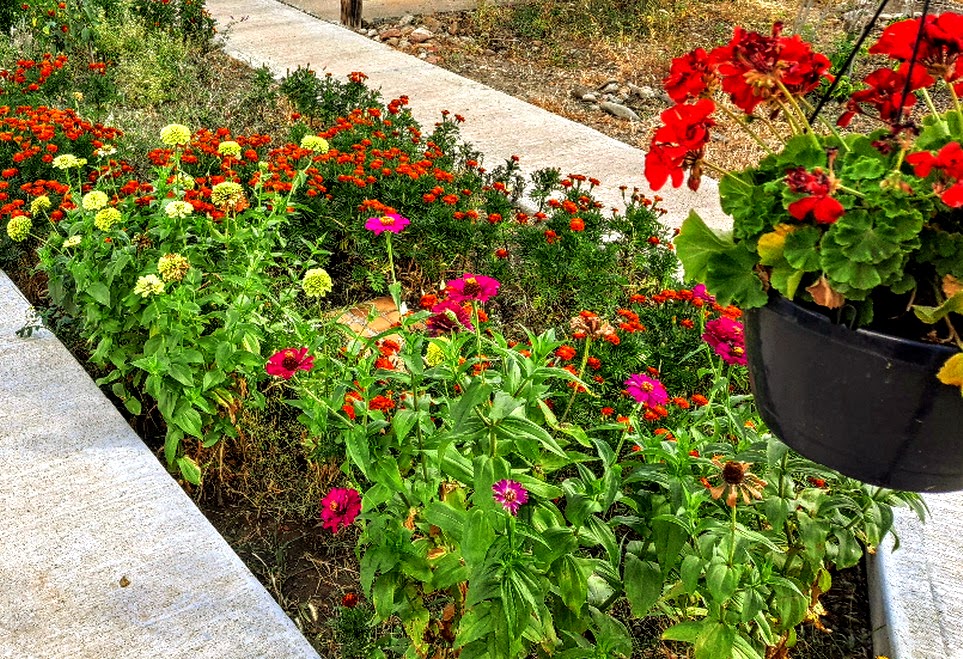
I’ve spent a lot of time working out in my yard this year, two or three hours most days, and to my surprise, I’ve discovered that the past couple of weeks, ever since autumn arrived, have been the most enjoyable. The weather has been nice — still and warm, without the strong winds of spring or the scorching temperatures of summer. But more than that, whatever work I have done stays done. In the summer, when I weeded, that wasn’t the end. More weeds came, and the weedy grasses came back with a vengeance. (Admittedly, “vengeance” is a human reaction, not a plant one, but the way those grasses grew it seemed vengeful.) But this fall? Whatever flower bed I cleared out stayed cleared out, and I can actually see an end to these tasks for the year. At the same time, I feel as if I am preparing the soil for new hopes and dreams to flower next year.

Even better, with the weeds and undergrowth cleared out, the bare spots in my garden are obvious, so I know where to plant new flowers. Of course, come spring, those bare spots could fill up with self-planted flowers since I let so many of them go to seed, but for now, I feel as if I have a bit of control. In the summer, the weeds, the sun, and the aggressive plants are in control, but for now, life is taunting me by letting me feel as if I am in charge. Still, whoever or whatever is in charge, it feels good to stroll around my property or sit on a bench and see all that has been accomplished.

Best of all, the autumn flowers are gorgeous, giving my yard a park-like appearance.

***

Pat Bertram is the author of Grief: The Inside Story – A Guide to Surviving the Loss of a Loved One. “Grief: The Inside Story is perfect and that is not hyperbole! It is exactly what folk who are grieving need to read.” –Leesa Healy, RN, GDAS GDAT, Emotional/Mental Health Therapist & Educator.
A Spring in My Step

My step has lost its bounce, as if the balls of my feet have become underinflated. At best, I tend to plod; at worst, I lumber. Of course, a lot of this has to do with tiring myself — and especially my legs — working in the yard, but there is so much to do out there before winter that I tend to work more than I should. Still, I thought I’d check online to see what — if anything — would help put the spring back in my step.

I had to laugh. The first few articles I found had advice like think positively, eat right, drink right, work in a garden, go shopping, visit with friends, have some fun. Good advice, but not exactly what I was looking for. I did eventually find some exercises to help improve strength and balance in the lower body and enable elderly people to walk better and be safer.

After more research, I came across an interesting explanation of why older people lose the spring in their step: a difference in joint and muscle redistribution. For younger people, a normal gait is powered 1/3 by the hips, 1/3 by the knees, and 1/3 by the ankles. For elderly folks, the gait distribution is 3/4 by the hips, 1/8 by the knees and 1/8 by the ankles.

Because of this, you’d think that ankle and knee strengthening exercise would help redistribute the propulsion ratios, but although those exercises are valuable and help with many problems, exercise itself does little to put the spring back in a person’s walking gait. I can attest to that — I am doing various ankle/hip/knee exercises, and although they are helping my knees, they aren’t doing much to help with the spring in my step.

What does help? Paying attention to your gait when walking, standing tall as if peeping over a crowd, and actively engaging the ankles — land on the heel, roll the foot to the ball of the foot and push off.

Of course, as with everything I research, there is controversy. Some physical therapists and exercise trainers say this is entirely the wrong way to walk, and each offers their advice to walk correctly, such as landing on the outside of the heel and slightly move it inward to land flat. Or don’t land on the heel at all but walk toe to heel. Or land on the ball of the foot and use your hips to propel you forward because your hips are the bigger muscles and hence have more power. (I wonder if this is why elderly use their hips more than ankles or knees — since it is the biggest muscle group, it would retain muscle mass longer than other muscles.)

To me, the correct way of walking is whatever is most comfortable, least painful, and lightest on the feet, so I suppose almost all ways of walking are correct for someone.

There’s not much I can do about trying to propel myself forward when I’ve spent myself — I’m lucky to be able to move at all at those times — but I have noticed the rest of the time that if I pay attention and actively engage my ankles, I do seem to have more of a spring in my step.

***

Pat Bertram is the author of Grief: The Inside Story – A Guide to Surviving the Loss of a Loved One. “Grief: The Inside Story is perfect and that is not hyperbole! It is exactly what folk who are grieving need to read.” –Leesa Healy, RN, GDAS GDAT, Emotional/Mental Health Therapist & Educator.
Gorgeous Autumn Day

I’ll bet you can’t guess what I did today! Aww, you guessed it. Where else would I be on such on gorgeous autumn day but out working in my yard? Of course, if you guessed blogging or being on the internet, that would have been a sure bet, too, because here I am. Or if you guessed reading, that too would have been a win because that’s how I will spend the rest of the day.

Hmm. Sounds as if I live too narrow a life. I might have to do something about that eventually to keep from the dreaded stagnation (dreaded by me, that is), but for now, there’s a lot of work to do, not just the usual maintenance, such as watering and mowing the grass and digging weeds, but also getting ready for late fall planting (lilies and wildflowers) and preparing for winter.

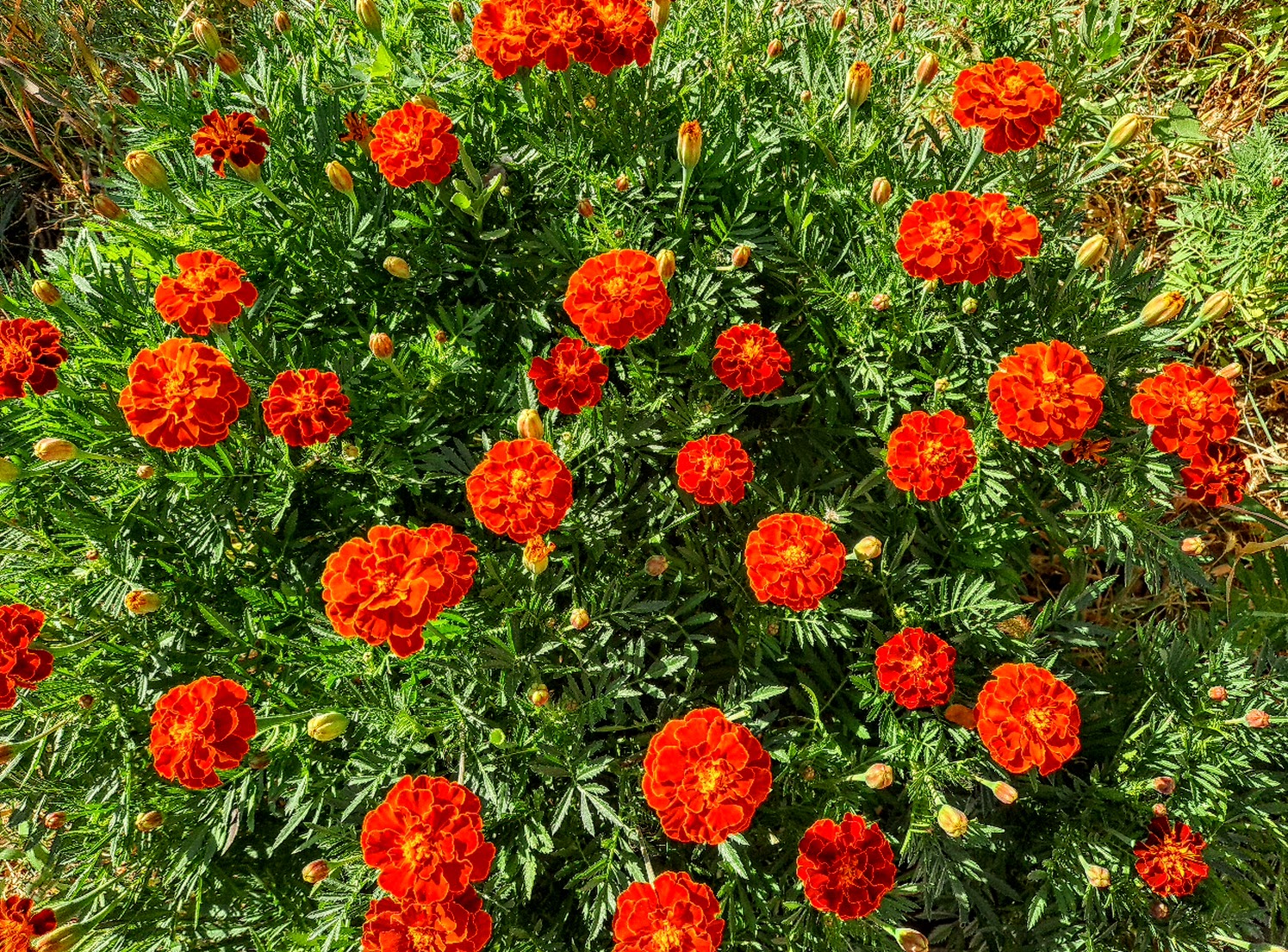
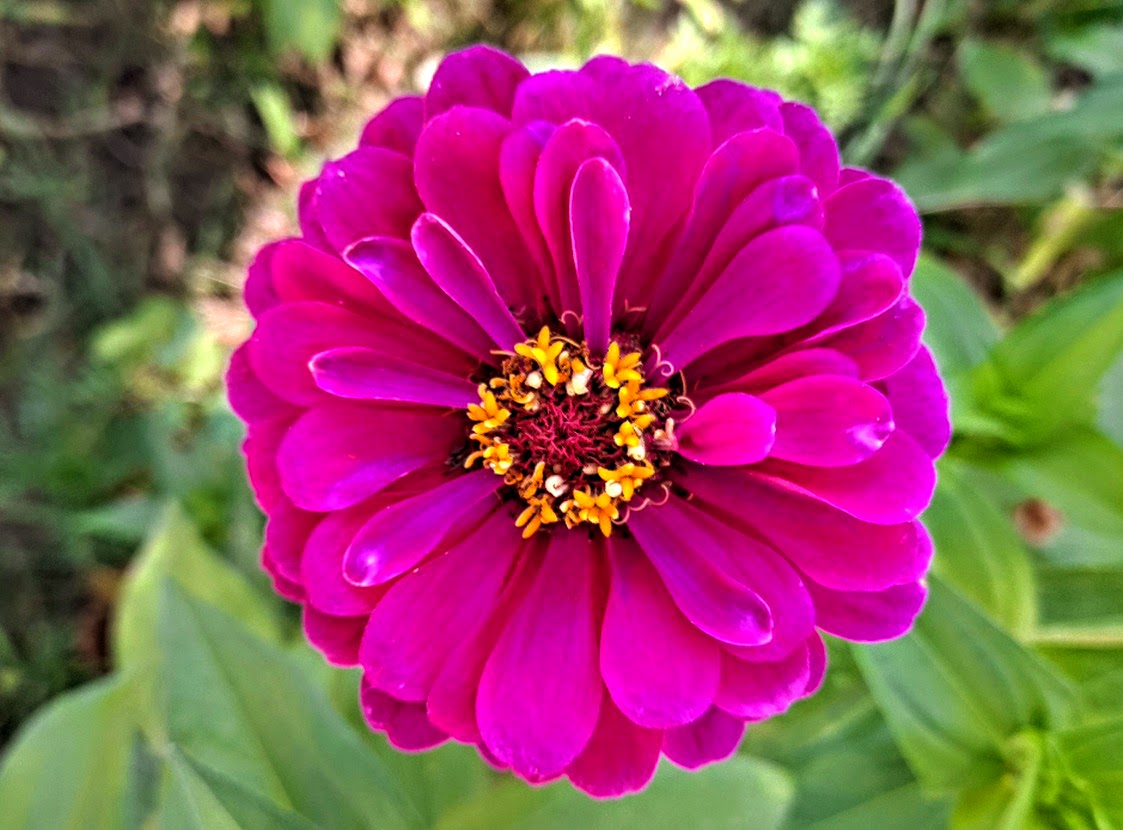
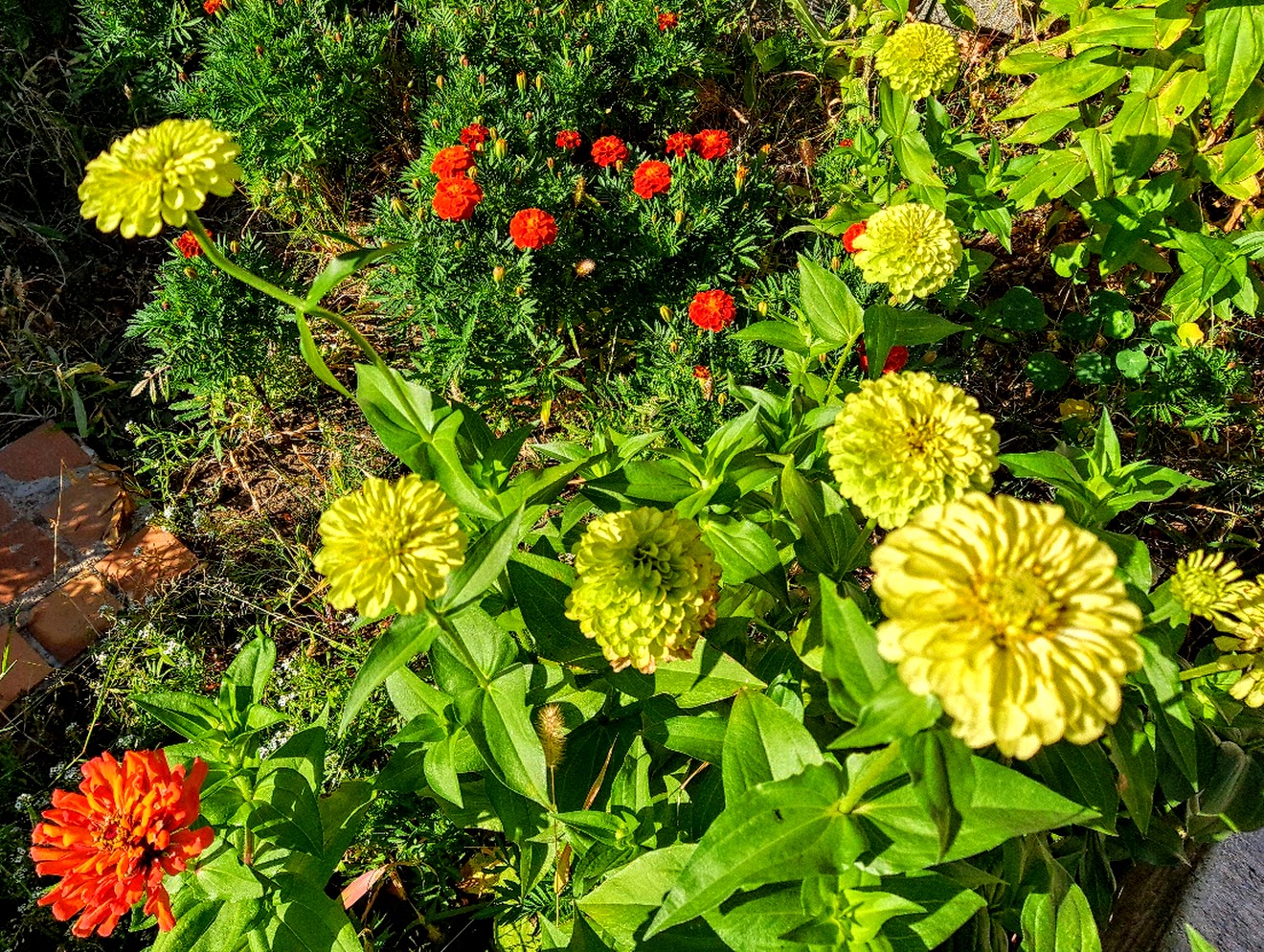
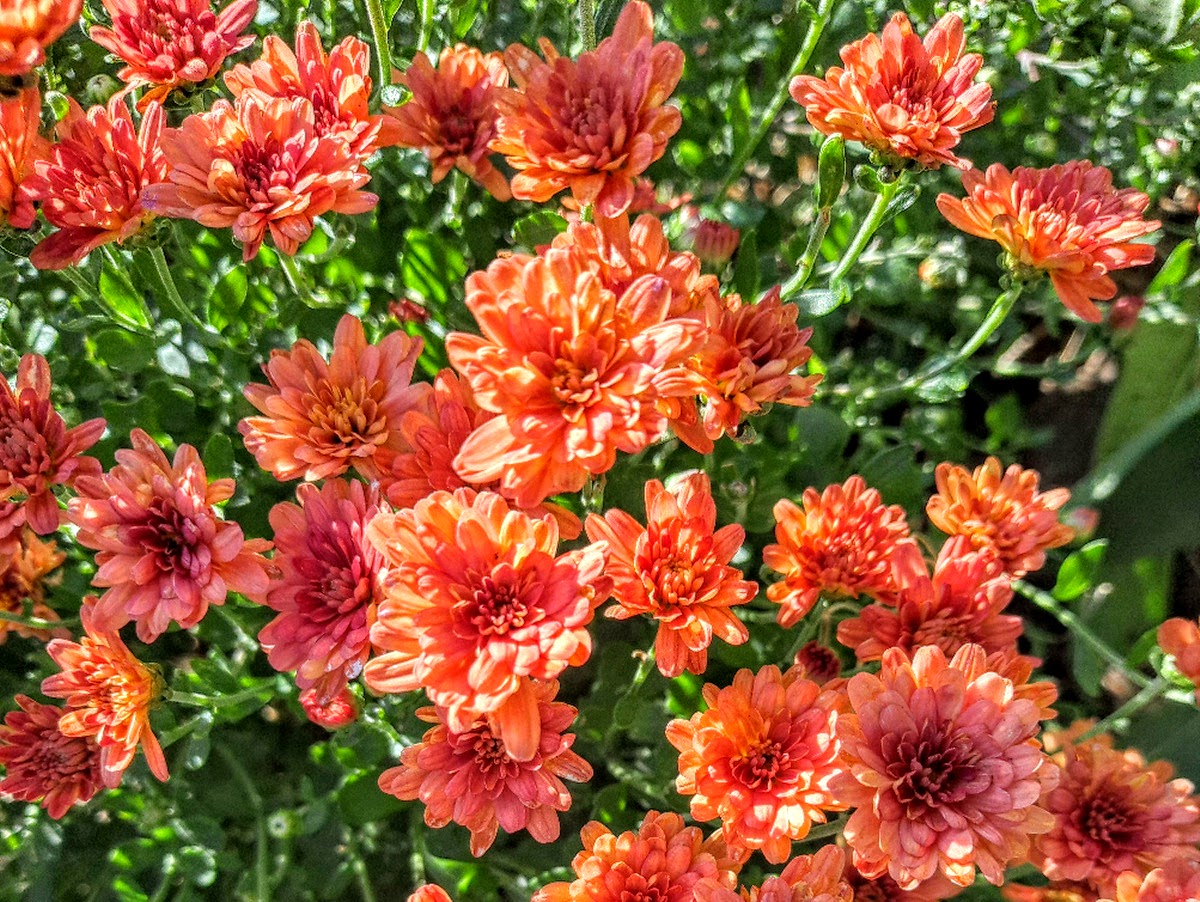
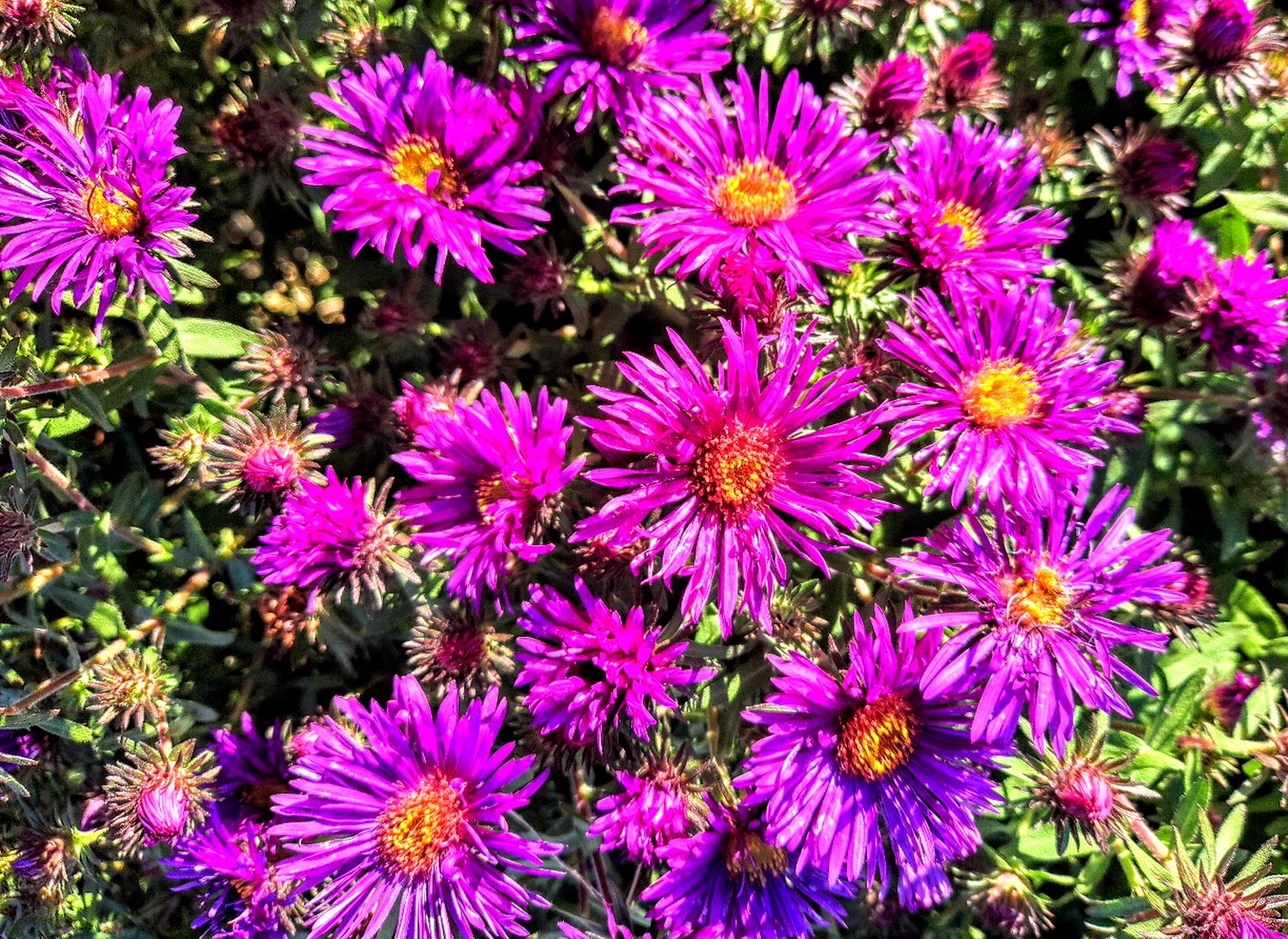
It seems as if summer was never-ending, but then, in just a snap of the fingers, it was over. I know it was a long, hot four months, but in retrospect, the whole summer was truncated. Except for the work I did, though, there wasn’t much to distinguish the days from one another. There seemed to be few summer flowers, and those that did come up, like the lilies and day lilies were swamped in wildflowers or weeds. Now, though, there is plenty of color! Zinnias. Amaranth. Chrysanthemums. New England Asters. Marigolds.

In another snap of the fingers, winter will be here, but I’m not going to think of that — I’ll just enjoy the lovely fall weather as long as it lasts. (Warm days, cool nights — what’s not to like?)

I wasn’t sure whether I should use the term “autumn” or “fall” for this post. I recently came across one of those USA-bashing comments intimating that the sophisticated British use the term autumn but the uncouth and simple Americans use “fall” (named because of the falling leaves). I certainly didn’t want to bring ridicule down on my head for using the wrong word, so I looked up the origin of both terms. It turns out that “fall” is not something you can lay at our American feet. Both words originated in Britain. Autumn was first used in the 1300s. Fall was first used in the 1500s. But the correct term for this season is (or at least it was before 1300) “harvest.”

Still, whatever the name for this season — fall or autumn or harvest — it certainly has been a pleasant and colorful (and exhausting) one for me.

***

Pat Bertram is the author of Grief: The Inside Story – A Guide to Surviving the Loss of a Loved One. “Grief: The Inside Story is perfect and that is not hyperbole! It is exactly what folk who are grieving need to read.” –Leesa Healy, RN, GDAS GDAT, Emotional/Mental Health Therapist & Educator.

Uneasy

I wasn’t sure I wanted to post a blog today — I’m feeling uneasy and didn’t really want talk about it lest it seem as if I were complaining, though that wouldn’t have been my intention. Then I decided that this disinclination to “share” anything today wasn’t worth breaking a 1,087 daily blog streak, and anyway, I’ve often spoken of things that didn’t exactly show me in a good light.

(“Share” is in quotation marks because I have come to hate that word — it’s such a social networking cliché, but it’s the only one I’ve found that works in this particular context.)

To be honest, this uneasiness is not that big of a deal — I’m just feeling out of sorts and didn’t want to seem self-indulgent by writing about it. Since I couldn’t think of another topic that I haven’t done to death (I mean really, how many times can I write about grass?), and since I didn’t want to use such a feeble excuse as uneasiness to quit the daily blog routine, and since I’ve confessed to worse things, here I am.

Yesterday I went to a meeting of a guild I belong to, and maybe three times as many people showed up compared to what I’m used to. I was fine while I was there, but when I got home, I felt . . . not sad exactly, but definitely not happy. Just uneasy. I have never done well in groups, and this was the biggest group I’ve been in for more than two years, and apparently, it was more than I could handle.

I woke this morning in that same uneasy state, but since I didn’t have to work today, I went outside to continue digging up weedy grass. (Oops. I there is that “G” word, after all.) I had nothing else to do, and I figured the physical activity would help get me back to my normal stoic self. It didn’t. In fact, it made me wonder what the heck I’m doing all that work for. It seems silly, really — all that work and worry just for a bit of a lawn and a few flowers. But then I reminded myself I need a focus. It doesn’t matter how silly the focus is — it’s important to have something to concentrate on outside of myself to keep me from looking too deeply into myself or looking too closely at my life.

I’m okay living alone (and considering my reaction to yesterday’s meeting, I’m apparently more okay being alone than being around a lot of people), but if I look at the realities — growing old alone, having no one to do nothing with, having to rely so much on myself — it just seems too dang sad. So I try to focus on other things, no matter how silly they might seem. Like working in the yard.

This uneasiness will pass as moods generally do. If not, well, I’ll be back at my care-giving job tomorrow, and that for sure will make me think of something — or rather someone — besides myself.

***

Pat Bertram is the author of Grief: The Inside Story – A Guide to Surviving the Loss of a Loved One. “Grief: The Inside Story is perfect and that is not hyperbole! It is exactly what folk who are grieving need to read.” –Leesa Healy, RN, GDAS GDAT, Emotional/Mental Health Therapist & Educator.
What a Horror!

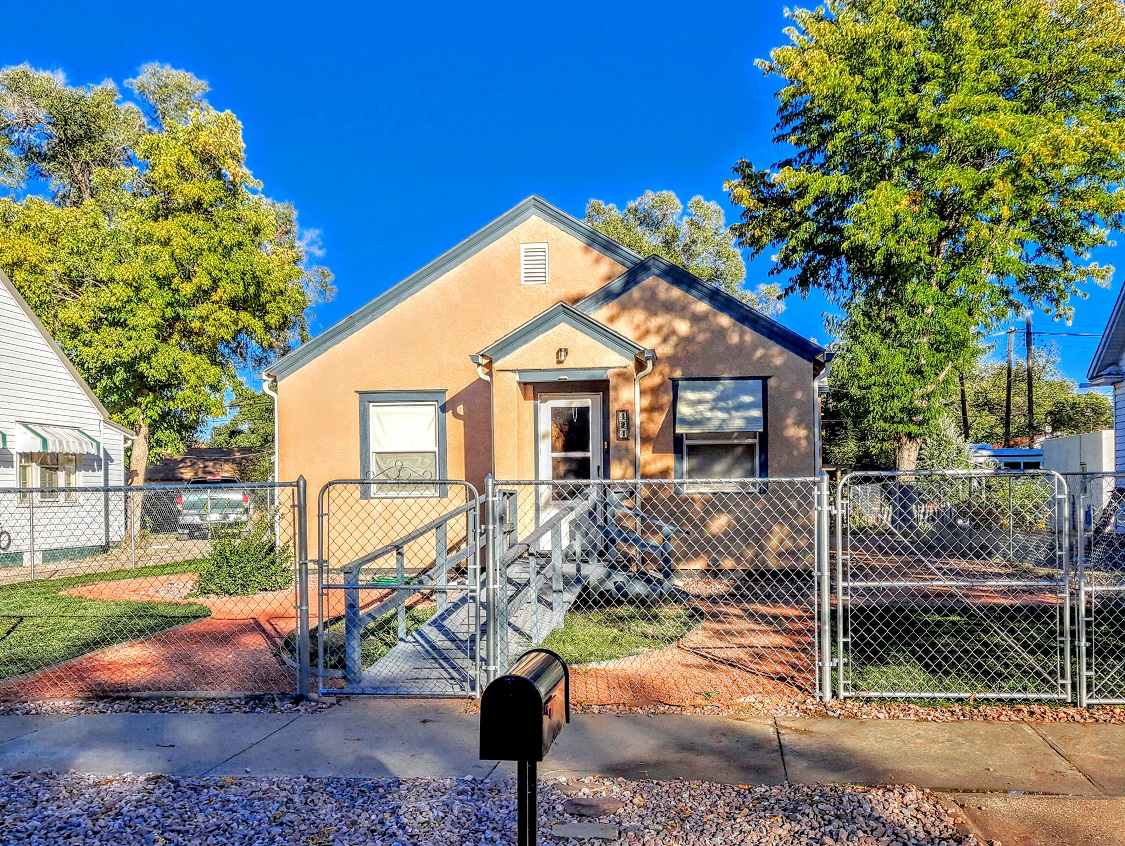
I spent the morning digging Bermuda grass out of one of the half-circle flower beds along the front ramp. It seems as if I’ve done this same cleanup in this same garden several times before, and no wonder — I have. I’ve done the fall cleanup three years in a row, as well as pulling weeds at various times during the summer each of those years. I gave up a couple of months ago, and oh, my. What a horror! Thick grass with three- and four-foot stolons and me with bad knees.

It’s actually easier to dig up an entire bed than to dig around existing plants, but I keep hoping those existing plants — daylilies — will spread and multiply and take over the whole garden. So far, it hasn’t happened.

I’m considering doing something else next year — perhaps not plant anything and wait to see what comes up. Tulips will come up, I hope, and after they die back, I’m sure the larkspur will also come up. Around here, larkspur is a short-lived plant, so after I’ve cleared out the dead stalks, I’ve been planting other things to fill in the garden while the daylilies decide what they want to do.

Maybe it’s not that important to have flowers in the front all season. Maybe it’s more important to baby the daylilies and try to keep the garden free of grass for a year and see what happens. (I suppose I could buy a grass killer that’s made especially for flower gardens, but I hesitate to fill my yard with chemicals, and anyway, it’s almost impossible to kill Bermuda grass.)

A few days ago, I wrote about gardening being an all-encompassing creative endeavor, using mind, eyes, hands, heart, and body. It’s also very much a learning experience, which makes it a good project for me because above everything else, I love to learn.

And today’s lesson was all about Bermuda grass. I have a first-hand knowledge of the weed from my efforts to contain the grass the past couple of years, but there is still much I didn’t know. It turns out the scientific name for Bermuda grass is Cynodon dactylon, though it goes by many names besides Bermuda grass, such as quickgrass, twitch grass, and couch grass. It is a weed found all over the world, probably originating in sub-Saharan Africa or perhaps on islands in the western parts of the Indian Ocean. It’s called Bermuda grass because it was introduced to the USA via Bermuda. Although around here, Bermuda grass is used for lawns because of its tolerance for sun and heat, it is considered one of the world’s most invasive weeds, one moreover, that is almost impossible to get rid of.

So, despite having learned all that about my nemesis, it certainly doesn’t help me any in trying to get rid of it. That stuff is truly scary. Even though I have a weed barrier underneath the rocks around the house and my pathways, the Bermuda grass pokes it way to the sun. And if it can’t poke through the barrier, it will grow from far beneath the path and emerge along the edges, which makes it impossible to get rid of. Sure, I can dig it up, but because I can’t get to the origin of the root, it just grows back.

Eventually, I’m sure, I’ll have to make some sort of accommodation with the relentless stuff, but if I give up the fight, I’ll end up with a huge mess.

That brings me back to the beginning premise of this essay, and my musing about not planting anything in this particular garden and see if dedicating myself to the task of clearing out the weed will help. Actually, I’m sure it will — until next year when I go back to planting and watering that garden. Then, all the bits of roots and stolons and seeds and biological detritus that I couldn’t completely eradicate, will erupt into new plants, and I’ll be back where I started from.

Still, things do manage to grow despite the horror of the gardening world. In fact, speaking of larkspur as I did above, I found these two dainty flowers today.

***

What if God decided S/He didn’t like how the world turned out, and turned it over to a development company from the planet Xerxes for re-creation? Would you survive? Could you survive?

A fun book for not-so-fun times.

Click here to buy Bob, The Right Hand of God.

Mostly Flowers

This is a quickie post, mostly photos of my flowers that are blooming today because I’ve run out of time for anything more time consuming.

The weather was cool and still with bright blue skies, so I stayed outside working much longer than I should have. I cleaned weeds from around the edge of a garden so I was able to do much of it sitting, which helped protect my knees.

Besides spending too much time outside, I just got a text asking me to go in to work earlier, so here I am, in a hurry, so I’m showing off my photography skills instead of my writing skills.

I’m sure you’re just as glad to see photos instead of another essay about grass, though I won’t let you completely off the hook. As I was cleaning out the gardens on either side of my front ramp, I noticed a tangle of four-foot-long Bermuda grass stolons (above ground stems) beneath the ramp on the original sidewalk. I thought maybe the grass was growing out of the cracks, but it turned out that the grass on one side of the ramp was inching toward the other side and vice versa. Apparently, even grass itself thinks things are greener on the other side.

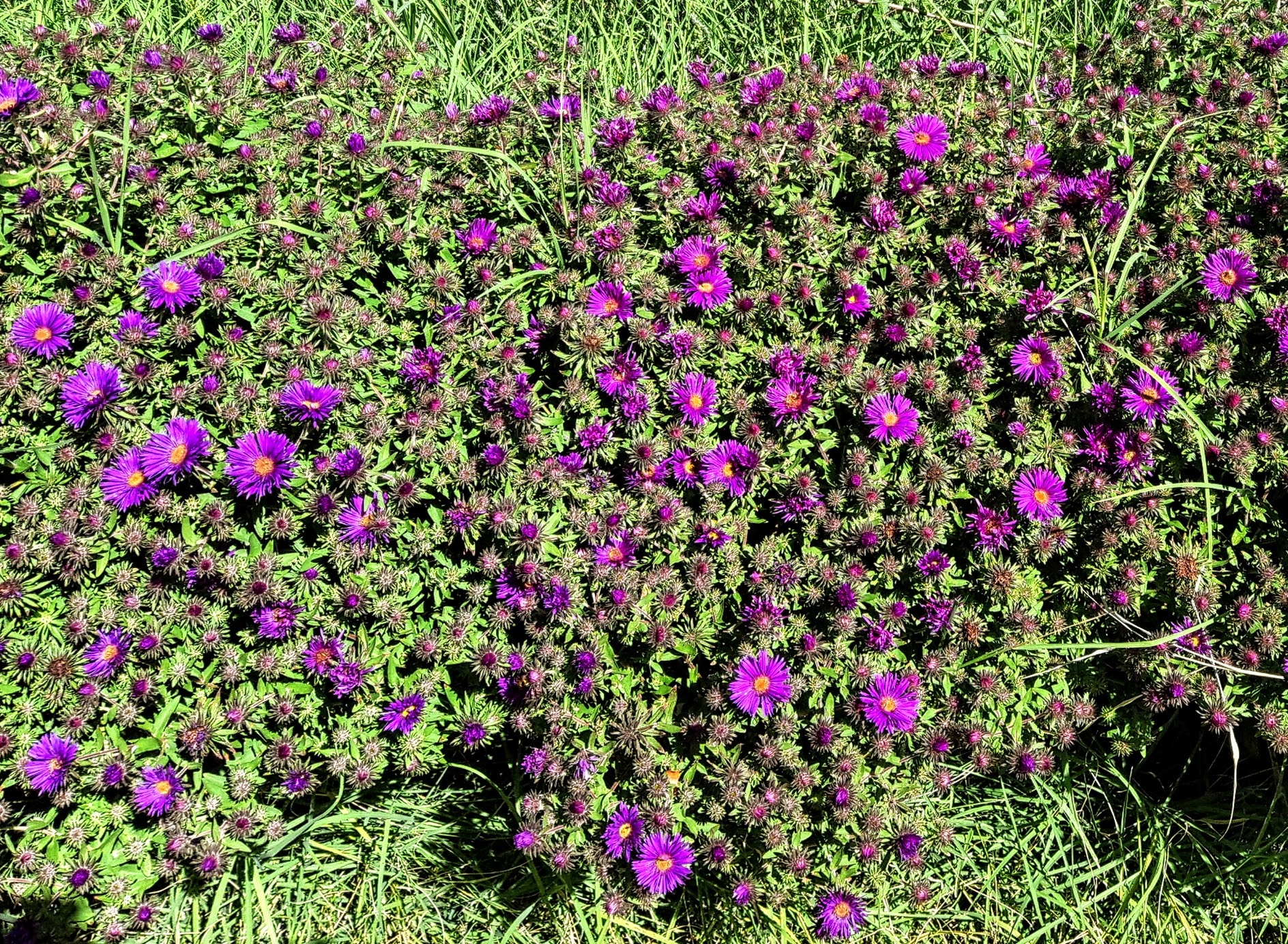
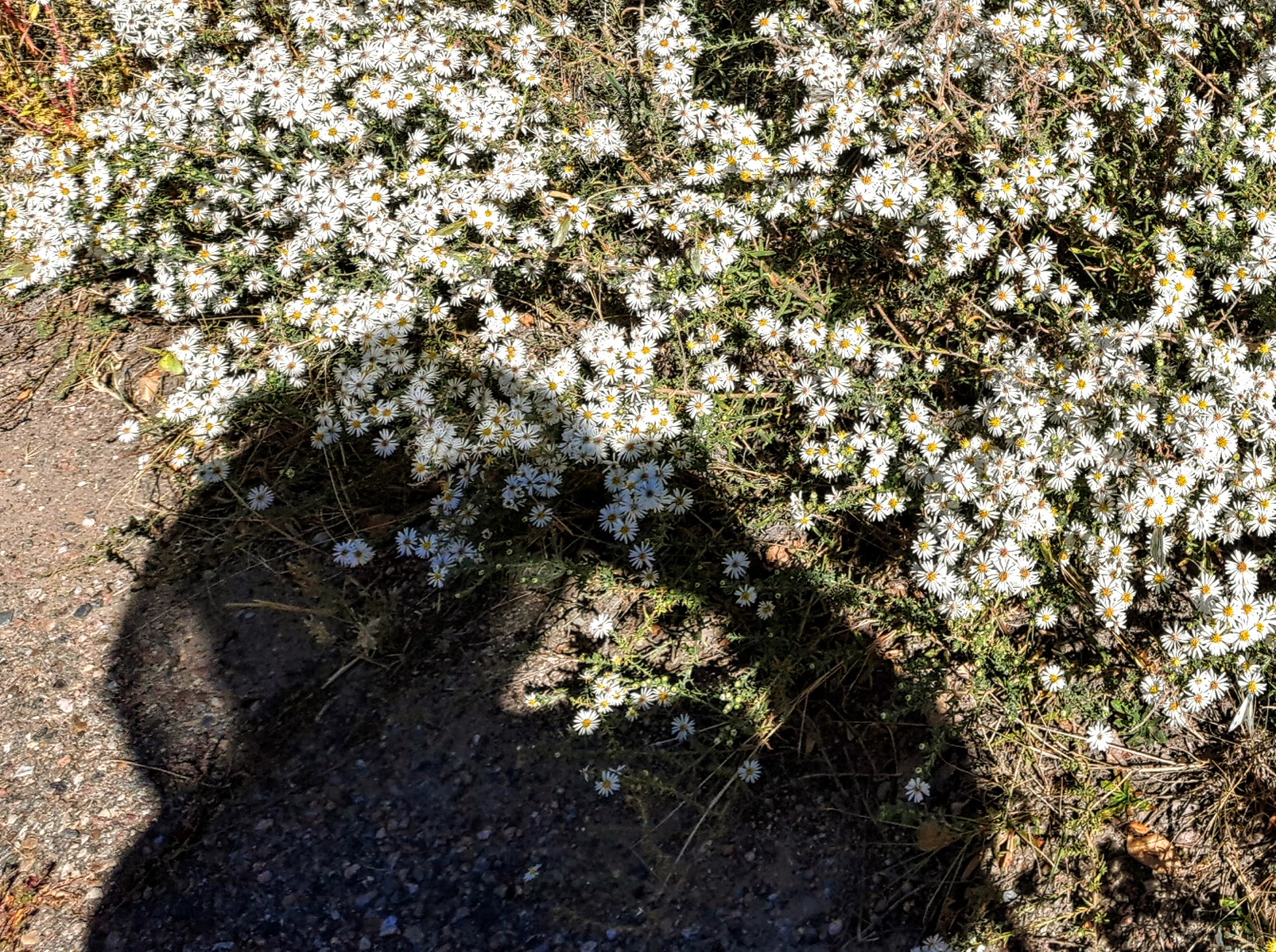
I’m still astonished by the growth of my New England asters this year. If anyone local wants any when it comes time to divide them, be sure to let me know.

Well, I’ve run out of time, so it’s off to work I go.

***

What if God decided S/He didn’t like how the world turned out, and turned it over to a development company from the planet Xerxes for re-creation? Would you survive? Could you survive?

A fun book for not-so-fun times.

Click here to buy Bob, The Right Hand of God.

A Grass-Filled Day

I experienced a bit of a dichotomy today. I spent the first couple of hours in my yard planting grass, and the second couple of hours pulling up grass.

I suppose it’s not as bad as it sounds, or as bad as it felt while I was doing these two tasks because I was working in two separate gardens, and the grasses were completely different from one another — one was a turf grass and the others were weedy grasses. I might not have paid attention to the weedy grasses but the recent chill as well as a mist of rain and high humidity made all those grasses go to seed. Not only was it unsightly, but I certainly don’t want to deal with even more weedy grasses next year. So I took the time to pull up the grass.

This problem I have with weedy grass is a good example of what happens when you remove one type of organism or organic material from an ecological niche. Last year, this island garden (as I call the strip of ground surrounded by sidewalks) was inundated with Bermuda grass. I managed to dig up most of it, thinking that would be the end of the problem, but no. Immediately other grasses rushed in to fill the niche.

Oddly, when I could have used all these grasses to create a semblance of a lawn, none were around. All I had were small patches of Bermuda grass and a whole lot of tall weeds like ragweed, kochia, and wild mustard.

Oh, well. The work keeps me busy and gives me an excuse to be outside. It’s supposed to be healthy — being outside — but even if it isn’t, I like expanding my reach and making use of the whole property, not just the house. It makes me feel . . . rich.

Now it’s just a matter of waiting to see if the turf grass grows as well as the weedy grass does. I’m having a lot of problem with the Bermuda grass encroaching on my lawn, but I’m not sure I care if the same thing happens in the area I planted today. I just need a way to access the back of the garden, it shouldn’t encroach on my expensive grass, and no matter what grass ends up there, it will all mow the same.

I hope you’re not as bored with this post as I am, but as always, I write about what’s on my mind, and today was a grass-filled day.

***

Pat Bertram is the author of Grief: The Inside Story – A Guide to Surviving the Loss of a Loved One. “Grief: The Inside Story is perfect and that is not hyperbole! It is exactly what folk who are grieving need to read.” –Leesa Healy, RN, GDAS GDAT, Emotional/Mental Health Therapist & Educator.
Unscheduled Hours

It’s amazing how many hours there are in a day when you don’t spend four hours working in the yard in the morning and four hours caregiving in the late afternoon.

Well, actually, there are the same number of hours in a day no matter what you are doing, but without all those hours of scheduled activity, there are a lot of free hours.

Normally, I’d be working outside doing something — cleaning out my overgrown gardens, for example — but it’s a cold, dark day and I don’t have to go to my job, so after a short walk, I’ve been treating myself to an entire day inside. So many hours to do nothing! Not that I do nothing, you understand, it’s that I could if I wanted to. Mostly I’ve been reading and relaxing and looking out the window, planning my next gardening project.

What struck me today is how, of all my creative endeavors over the years, gardening seems to be the most multi-faceted. Painters use their minds and eyes and hands to create their art. Writers use their minds and hands (or mouth if using speech-to-text software) to create their art. But gardeners use minds, eyes, hands, and bodies. (Sculpting is also physical, but since I’ve never sculpted, my premise can still stand. And anyway, a garden is a type of sculpture — a living sculpture.)

Where many artists and writers rely on their own knowledge and inspiration, letting paint or words flow from within, as a new gardener, I can’t do that since I have no “within” — no intrinsic knowledge of gardening. So in addition to the other facets of landscaping as an artform I’ve already listed, I’d have to add research. Lots of research. Not only do I need to learn what plants will work in this climate and in this soil, I have to learn how to care for them. Admittedly, I often get the plants or seeds first and then figure out what to do with them, but now that I’m becoming more familiar with this artform, I’m doing more preparation and planning.

Also, I am paying more attention to the aesthetics of my garden plots and the yard as a whole rather than just concentrating on each individual plant. Because of this, I’ve been doing more to sculpt the shape of the gardens and create a more pleasing balance, such as replacing low-lying plants with taller ones or vice versa. And standing at the window, looking out, gives me a broader view of the yard and a better sense of what I can do in the future.

So, even though I’m treating myself to a rare day inside, apparently, my thoughts are still outside.

But that’s okay. There are a lot of unscheduled hours in this chilly day to use however I wish.

***

What if God decided S/He didn’t like how the world turned out, and turned it over to a development company from the planet Xerxes for re-creation? Would you survive? Could you survive?

A fun book for not-so-fun times.

Click here to buy Bob, The Right Hand of God.

There Will be Hope

There’s something very hopeful about preparing a new garden bed, not just the hope for new flowers, but hope for the future — hope that there will be a future. That hope keeps me going despite the hard work, and it is hard, even if the plot is only about 25-square feet. That’s a lot of digging, especially if what’s beneath the soil is a tangle of Bermuda grass roots as well as a tree root or two. (From a tree that was cut down years ago.)

I enjoy looking at that bare ground (well, bare except for the bits of vegetation that resist being raked up) and thinking about what I will plant. I know one thing I will plant are New England asters. When I first mentioned those plants years ago, a blog reader warned me that they tend to spread and even take over. In my smugness as a new gardener, I responded that I liked plants that spread because they save me from planting more. And I do like them. The problem is that the single stem I started with grew into a mass with several stems, so I divided them and replanted, and now each of those stems has become a clump of several stems. So now I need to figure out what to do with them all. A gardener friend wants some, so that’s a start. I know where I want a few more, so that’s good. In the end, I think, I’ll plant what’s left in my uncultivated area and let them take over. I bet they would lovely in a large mass!

Part of my newly cultivated area will be planted with grass — I need an area I can mow to give me access to the back of the garden. With no access, I ended up with a whole lot of weeds and weedy grasses. The lilies that were planted in that area rose above the weeds, and were lovely, but I want to give them less competition — except, of course, from the additional lilies I ordered a couple of days ago. Luckily, lilies don’t mind being crowded, so if my lilies — new and old — ever decide to multiply, I won’t have to divide them as I do with the asters. I’m still hoping for a lily forest. Apparently, it takes years for lilies to reach their full height, but a clearing in front of the lilies will help them and will help me help them.

As for what else I will plant — I’m not sure. I might just wait until spring and see if anything volunteers to grow in the area. Volunteers are those plants that grow on their own, sometimes seemingly appearing out of nowhere, though chances are they were seeds blown in on the wind or dropped from birds.

My favorite of these volunteers this summer has been the aptly-named heavenly blue morning glory. There have been one or two blooms every day for a couple of weeks now. I’m thinking of getting seeds and planting some on purpose next year, but sometimes, for me, the on-purpose plants don’t always grow as well as the volunteers.

Still, no matter what will go in the area I cleared today, there will be hope.

***

Pat Bertram is the author of Grief: The Inside Story – A Guide to Surviving the Loss of a Loved One. “Grief: The Inside Story is perfect and that is not hyperbole! It is exactly what folk who are grieving need to read.” –Leesa Healy, RN, GDAS GDAT, Emotional/Mental Health Therapist & Educator.