Gardening and Aloneness

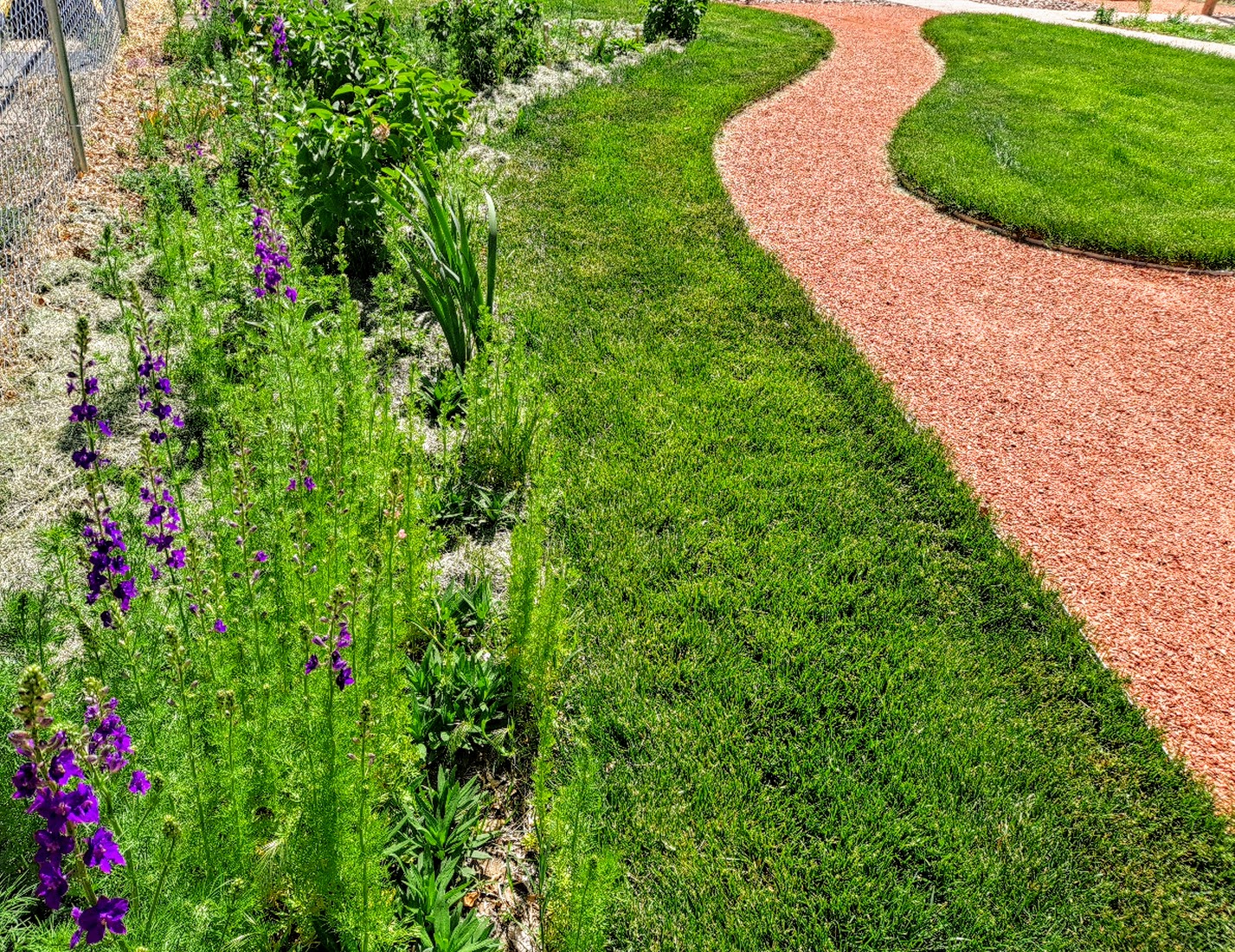
A friend called this morning and asked if I was outside taking care of my “baby.” Meaning my yard. I had to laugh because I really was taking care of things in the yard. The only reason I had my phone with me was to get photos of the larkspur and the roses that had begun to bloom prolifically.

Obviously, my focus on the garden and lawn hasn’t gone unnoticed. In fact, the growing beauty of my yard is rather a conversation piece, something to share with neighbors who get the fun of seeing what’s developing without having to do the work. Until recently, I’d never realized that about gardening — that it wasn’t a lonely project but something to share. In fact, a neighbor a few houses away is going to be sharing her garden with me. Literally sharing. Tomorrow evening, I’ll be heading over there to dig up some of her prolific plants to transplant in my yard. She said, “I love sharing plants. I can’t wait to share some yard pretties with you.”

And I can’t wait to get them.

Although I’m surprised that I’ve taken gardening to heart, since I’ve never really been all that much into gardening, I’m not surprised that I’ve become focused on something outside of myself.

When you live alone, you need something to keep you going, something outside of yourself to expand your reach, something . . . more. I have friends and neighbors, a couple of siblings I am in occasional contact with, and a job that occupies my attention a few hours every week, but the rest of the time, when I am inside and the door is shut, there is only me.

I will eventually get back to fiction writing, but for now blogging is all I can handle. Any long writing project, such as a novel, seems incredibly lonely. I spend too much time in my own mind as it is. Admittedly, when you write a novel, you people your mind with various characters, but that simply masks the truth of being alone.

Since I need something more than just me alone, it might as well be gardening. At worst, babying a yard is a lot of work. At best, it’s a joint creative endeavor between me and nature and a couple of neighbors. And in the middle, between best and worst, is a whole lot of yard pretties!

***

Pat Bertram is the author of Grief: The Inside Story – A Guide to Surviving the Loss of a Loved One. “Grief: The Inside Story is perfect and that is not hyperbole! It is exactly what folk who are grieving need to read.” –Leesa Healy, RN, GDAS GDAT, Emotional/Mental Health Therapist & Educator.

Gardening and Life

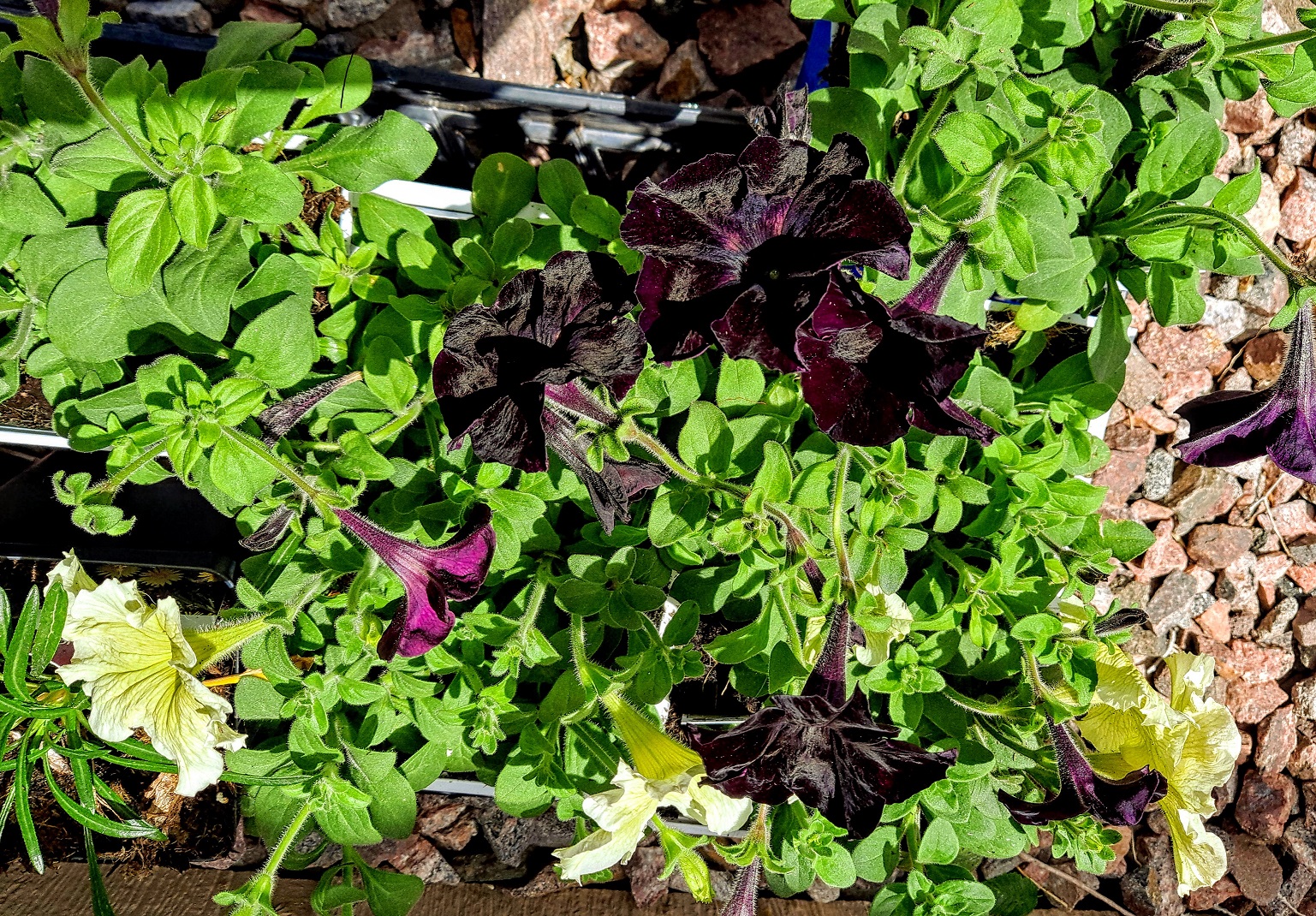
Last year, I planted black and white petunias in large pots and when winter came, I just left the dead plants where they were. I didn’t see any reason to clear them out because they’d be covered with snow anyway. Today, when I cleaned out the desiccated plants, I noticed some seedlings in the pot. They didn’t seem like weeds, though I’m sure some weed seedlings have smooth, rounded leaves like these little guys.

I looked online for images of petunia seedlings, on the off chance that the flowers had reseeded themselves, and sure enough, those seedlings are petunias. I didn’t know that they could reseed themselves. I’m considering letting them get large enough to transplant, and then plant them in the garden to see if they would become a permanent fixture. Or not. These petunias were black and white, and I’m not sure how much color they would add. But I’ll wait and see how I feel when it gets to that point.

One of my future flower projects will be to start cultivating self-seeders. I like when flowers come up on their own without my intervention because I don’t have luck with seeds, though it does look as if some of the California poppies are starting to come up. (So far, those are the only seeds from the wildflower mix that I planted last fall that’s making an appearance.) Come to think of it, I’ve planted several varieties of flowers that are supposed to reseed themselves, but the only one I’ve ever had any luck with is larkspur, so much so, that I have many areas where larkspur is growing.

As my yard takes hold, when the bushes and perennials are established so I know what areas to focus on, that will be the time to “fine tune” the garden, to fill in weedy spots and to find out what plants will do well here in this area of weather extremes. That could still be years. My raised garden hasn’t been built yet, so when that’s done, it will be a whole summer’s project just getting it filled in and planted. And there is a long strip of weeds and grass going toward the alley that I’m not going to worry about until the back pathway is finished.

It’s interesting to me that I have become so fixated on my yard and gardening. It’s never been something I’ve been interested in, though I have always loved seeing other people’s beautiful yards. The only times I ever tried gardening was when I was about seven or eight and my mother gave me a small garden spot to play with. I planted sweet williams, and some even came up, but I never repeated the experience until Jeff and I tried to garden. The only thing we could grow were lilacs and Siberian elms. Everything else, absolutely everything else except weeds, including several six-foot trees, disappeared into the jaws of grasshoppers. Voracious creatures! I get scared every time I see one in my yard now, but so far, they’ve been courteous eaters, only nibbling on a few things and leaving the rest alone.

And now, here I am, spending hours every day outside, grooming my yard.

Life does strange things to all of us.

***

Pat Bertram is the author of Grief: The Inside Story – A Guide to Surviving the Loss of a Loved One. “Grief: The Inside Story is perfect and that is not hyperbole! It is exactly what folk who are grieving need to read.” –Leesa Healy, RN, GDAS GDAT, Emotional/Mental Health Therapist & Educator.

Surprises. Mostly Pleasant.

I made good use of my day off and mowed the grass. The hardest part of using any bit of machinery seems to be cleaning the machine after use, and this mower, because it’s a mulcher that chops up the grass after it’s cut, seems to get “gunkier” than most. I never can clean all the grass gunk (for lack of a better word, and believe me, I’ve been on Google looking) off the underside of the mower. The second hardest part is emptying the grass catcher, mostly because it has to be done so frequently. This grass grows fast, and it is densely packed, so there is a lot of it. I’ve been using the ensuing mulch for mulch, so in some cases, I had to pull weeds before I dumped the clippings. The easiest part of mowing is . . . mowing. Though even that isn’t as easy as I’d hoped. Still, the whole project doesn’t take long, just a little more than an hour, so it’s not all that onerous.

After I finished with the grass, I watered the bushes and other plants that didn’t get a drink yesterday, then I planted hollyhocks. I have a lot of seeds grown from last year’s hollyhocks, and even though I planted them in the fall as my neighbor (who gifted me the original hollyhock seeds) suggested, none came up. A few minutes online gave me a different method — to soak the seeds overnight, then just lay them on the ground without covering them with dirt. Apparently, they need the light to germinate. So that’s what I did. I have plenty more seeds to experiment with if these don’t sprout.

When these tasks were finished, I roamed my pathways, looking for anything new, and I found some nice surprises.

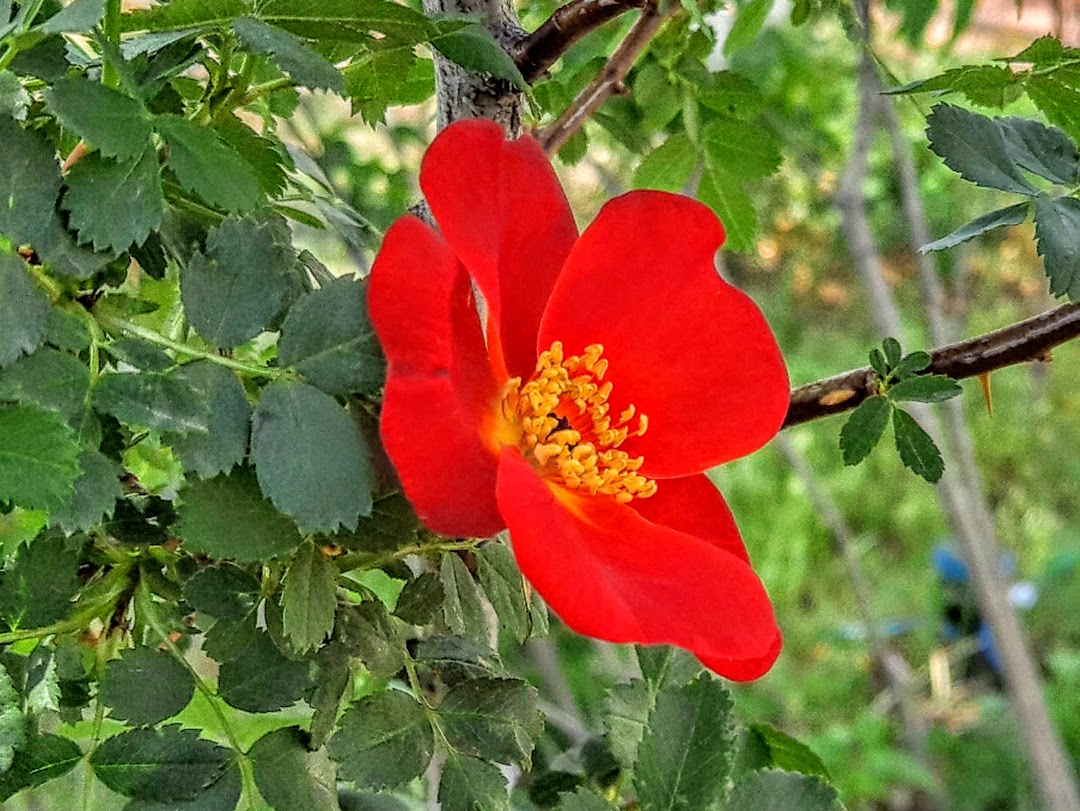
The first rose of the season! I have never been able to find out what kind of roses these are. A rather lengthy bout of online searching didn’t produce any definitive results, though some people call this five-petaled flower a simple rose, a prairie rose, a shrub rose, a native rose, a wild rose, or any number of other names. All I know for sure is that it is some type of rose.

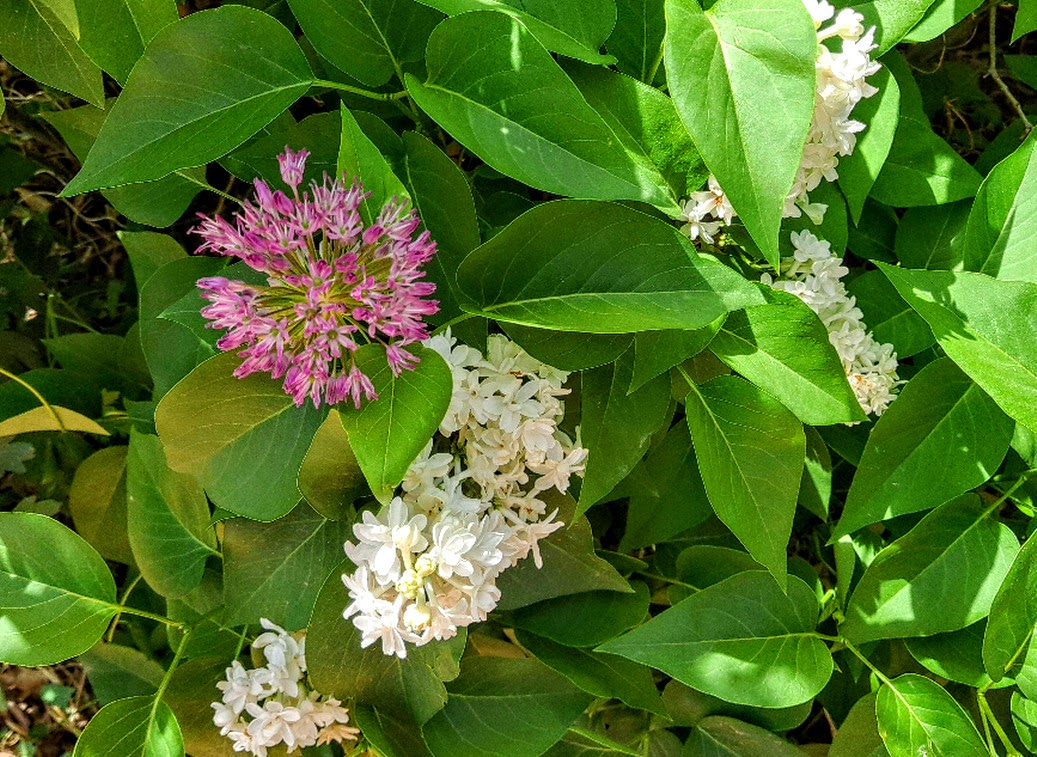
This allium grew among the lilacs. I didn’t even know it was there since it had never bloomed before. It’s so pretty with the purple allium, the green leaves, and the white lilacs.

The honeysuckle is in bloom, too. This honeysuckle is an old one and has been here for many years, perhaps even decades. It’s a bush, not a vine as many honeysuckles are, including a few I planted a couple of years ago.

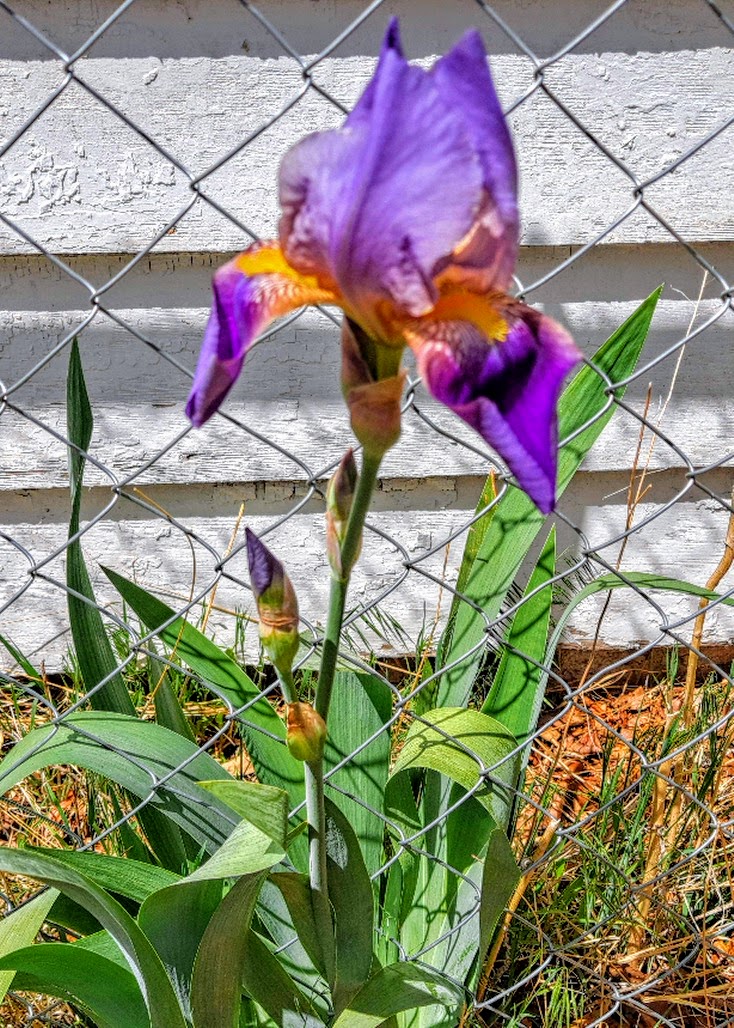
I was also surprised to see an iris blooming. Before the fence was built, I’d tried to transplant some of the irises that would be caged between my fence and the neighbor’s garage, but most of those transplants seem to have died. This is the first time an iris I planted actually flowered.

The only unpleasant surprise was a pile of dirt off to the side of one of my paths. I thought I’d somehow shoveled dirt onto the path when I dug up some weeds, but when I started to push the dirt back where it came from, I discovered the real culprit of the dastardly deed. Ants!! Red fire ants are building a home. Considering how vicious the bites are from those ants, I’m lucky I managed to remain bite-free. If they continue to deconstruct my landscaping, I’ll have to do something about them, but I really don’t want to. I’m one of those people who literally won’t hurt a fly, or any creature, for that matter, but I make an exception for any that hurt me.

Luckily, my surprises were mostly pleasant ones.

***

Pat Bertram is the author of intriguing fiction and insightful works of grief.

The Day is What the Day Is

I’ve finally become acclimated to the clock change we had to make because of daylight savings time, and the disorientation I felt because of the change has abated. Unfortunately, I’m dealing with disorientation again, though this time it’s confusion not about hours but about days.

My work schedule was abruptly changed this week after almost two years on basically the same schedule. Now, I work one day that I always did, one day that I sometimes did, and sometimes one day that I never did. (Did that confuse you? Now you know how I feel!) In addition to all that, my “weekend” was changed to the middle of the week.

I’m not complaining. It’s actually a good schedule for me, with more free days than working days, so I’m sure it will be easy to get used to the new routine. But until then, I am rather lost in time, never quite sure what day it is or what I am supposed to be doing on that day.

Even though I had to work today, I still managed to water my grass. Tomorrow, I will water the bushes and trees. So that’s good. It’s easy to know where I stand when it comes to my yard — if I watered the grass yesterday, then I don’t need to do it today Same with the bushes. (If that sounds like a lot of watering for this time of year, we’re going through a hot spell — 97 degrees Fahrenheit today — so I am on a summer watering schedule.)

Unfortunately, the rest of my life isn’t as easy to figure out. If I worked yesterday, does that mean I have today off? If I have today off, does that mean I work tomorrow? Eek.

Luckily, I have calendars, both paper and electronic, to help keep me oriented. Mostly, though, I only need to keep track of what calendar day it is so I know whether to go to work, whether the library is open, whether . . . You get the idea. In the long run — or the short run — it doesn’t matter if today feels like Saturday or Sunday or Monday. The day is what the day is. And today is the day the first larkspur decided to bloom!

***

Pat Bertram is the author of Grief: The Inside Story – A Guide to Surviving the Loss of a Loved One. “Grief: The Inside Story is perfect and that is not hyperbole! It is exactly what folk who are grieving need to read.” –Leesa Healy, RN, GDAS GDAT, Emotional/Mental Health Therapist & Educator.

Weeds and Weeders

I got a new long-handled weed digger. The first one I had was advertised as tap root weeder. The prongs closed over the root when you stepped on the lever, and then you yanked the whole weed up, root and all. It worked well until the handle broke. (The handle came in two pieces that needed to be screwed together, and the weeder broke at the break.)

This new weeder I got is better built. The handle is a single piece, and it has a release button to push the weed out of the prongs. The only thing I don’t like is that the prongs don’t close. You just twist the tool once the prongs are in the ground, lift up, and release. It seems to work okay for most weeds, but I’m thinking of getting another weed puller like the first one I had since it was better for tap roots, though I would make sure the handle is one piece.

I’m also mulching with my grass clippings since my mower mulches the grass as it cuts (in other words, it cuts it into small pieces rather than leaving the grass blades long), so I’m hoping that will cut down on the need to weed, but so far, it hasn’t worked. The weeds around here are tenacious and laugh at my attempts to keep them from growing.

With my luck, I’d invest in another weeder, then the weed problem would clear up on its own and I wouldn’t need either weeder. I used the phrase “with my luck” ironically, meaning I have bad luck, but the truth is, I have good luck (that’s how I ended up here in this house — good luck), so it seems as if investing in a new weeder would solve the weed problem once and for all. Either I’d have a weeder for any type of weed, or I’d have no weeds and two unnecessary weeders. I know which one I would choose!

Oddly, some parts of my garden areas that were overgrown with weeds last year seem to be fairly weed free this year. I’d dug up all the weeds last fall when I cleared out the dead flower stalks, so perhaps that helped. Or maybe they are waiting to gang up on me in the heat of the summer when I really don’t feel like digging weeds. Other garden areas, of course, seem to have more weeds this year.

But that’s part of gardening, right? Figuring out what plants you want and how to keep them growing, and figuring out what plants you don’t want and how to keep them from growing.

It’s all about learning, and learning is one thing I’ve learned how to do.

***

What if God decided S/He didn’t like how the world turned out, and turned it over to a development company from the planet Xerxes for re-creation? Would you survive? Could you survive?

A fun book for not-so-fun times.

Click here to buy Bob, The Right Hand of God.

Becoming a Gardener

It rained enough last night to drench the ground, so I was able to miss a day of watering my lawn, bushes, and other plants. Unfortunately, the rain must have been enhanced with weed growth hormones, because the weeds took over. I suppose I should have used the opportunity of a free day (no work today as well as no watering) to pull some of the weeds, but I didn’t want to deal with the mud. This is clay soil; I’m certain you wouldn’t want to deal with the thick, slippery goo either.

Instead, I did an inside chore or two, then hunkered down to assemble some kitchen chairs. A relative wanted to get rid of the chairs, and he sent them to me. I’d planned to put the reassembled chairs in the basement in case I ever have to spend time down there, such as in a tornado emergency, but I had visions of myself falling while trying to descend with those light but awkward chairs, and falling is so not on my to-do list. So I stowed the chairs in my garage until someone younger and more agile shows up, someone I can cajole into doing the deed for me. Actually, the cajoling part is easy — any of the workers who have been here would be more than willing to take the chairs to the basement. It’s getting them here that’s hard. Eventually, though, they’ll stop by to do a bit more work. Meantime, the chairs are doing no harm in the garage. Besides, they’re close at hand if I decide to sit outside.

After I assembled the chairs, I worked on my Three Years in Bloom project. Although I was only recently given the journal, the journal itself starts in January. It seemed as if I had two choices — wait until next January to start or start the journal now and then circle back to next January. Then a third option struck me — I could fill in those first months using bits from my blog. So I did. It was harder than I thought it would be, mostly because there was so little to work with. Apparently, I don’t do any gardening in January when there is snow on the ground. (I’m being facetious here since not many people garden in the snow.) Nor had I done much planning or dreaming about what to plant come spring. I’d purposely not looked at the seed and plant catalogs that piled up — I wanted to wait to see what takes hold this spring before I go looking for other plants. So until mid-March when I planted my greengage plum trees and a couple of crocus bloomed, the only thing I’ve written about that has any possible connection to gardening is the weather. During those winter months, I was able to take a break from watering my grass, so there wasn’t even that to talk about.

Still, I managed to bring myself current on the journal.

Speaking of gardening — I noticed that the rain not only brought out the weeds, it also budded the larkspur. I should be seeing some purple flowers very soon. I also noticed a few alliums. I’d forgotten that before we put the rocks around the house, I’d dug up the allium bulbs that would have been buried, and transplanted them. This forgetfulness seems to indicate the importance of keeping a gardening journal. On the other hand, if the bulbs hadn’t come up this year, it wouldn’t have mattered that I forgot them.

It does amuse me that I am turning into a gardener since I’ve always had a brown thumb. It must be the right time in my life for such a new pursuit. A garden is never truly finished and perfected, but is an ongoing work in progress. So too, it seems, is a gardener.

I started this post talking about weeds, and I will finish the same way. We’re not expecting any more rain for a while (in fact, we’re back to fire weather watch), so tomorrow the ground should be dry enough on the surface to make it a good time to pull weeds. I just hope I don’t pull non-weeds in the process. But if I did, would I even know?

***

Pat Bertram is the author of intriguing fiction and insightful works of grief.

Ah, Procrastination!

Sometimes procrastination is a good thing. In this part of the country, gardeners are cautioned not to plant before May fifth because that is traditionally the last freeze. This year, I’ve been watching the forecast, and the low temperatures for the coming day were nowhere freezing, so I’d been planning to start sowing seeds in my garden and perhaps even setting out some bedding plants. But I procrastinated. With all the wind we’ve been having, I didn’t feel like spending any more time outside than I had to.

My procrastination turned out to be a good thing because tonight it will be getting below thirty. I doubt it will remain that low for very long, so perhaps the plants that are coming up will be okay. Luckily, I didn’t spend time and money on plants that have no chance to make it through this freeze. By the time I have a chance to do the planting I want to do, we should be long past the chance of a frosty night.

One thing I did put off that maybe I shouldn’t have, was mowing my lawn. A neighbor wanted my grass clippings, and since he was supposed to come this past Saturday to mow the lawn to get the clippings, I let the grass grow a little longer. When the grass is that long, it cuts unevenly because the lawnmower tires mat down the grass as it moves along, and the grass doesn’t immediately spring back as it does when it is shorter.

Anyway, he never showed up, not to mow and not to tell me he changed his mind. So I did it myself. That poor lawn! It looks as if it has a Mohawk haircut in spots. So now I know — I have to mow every week without procrastination.

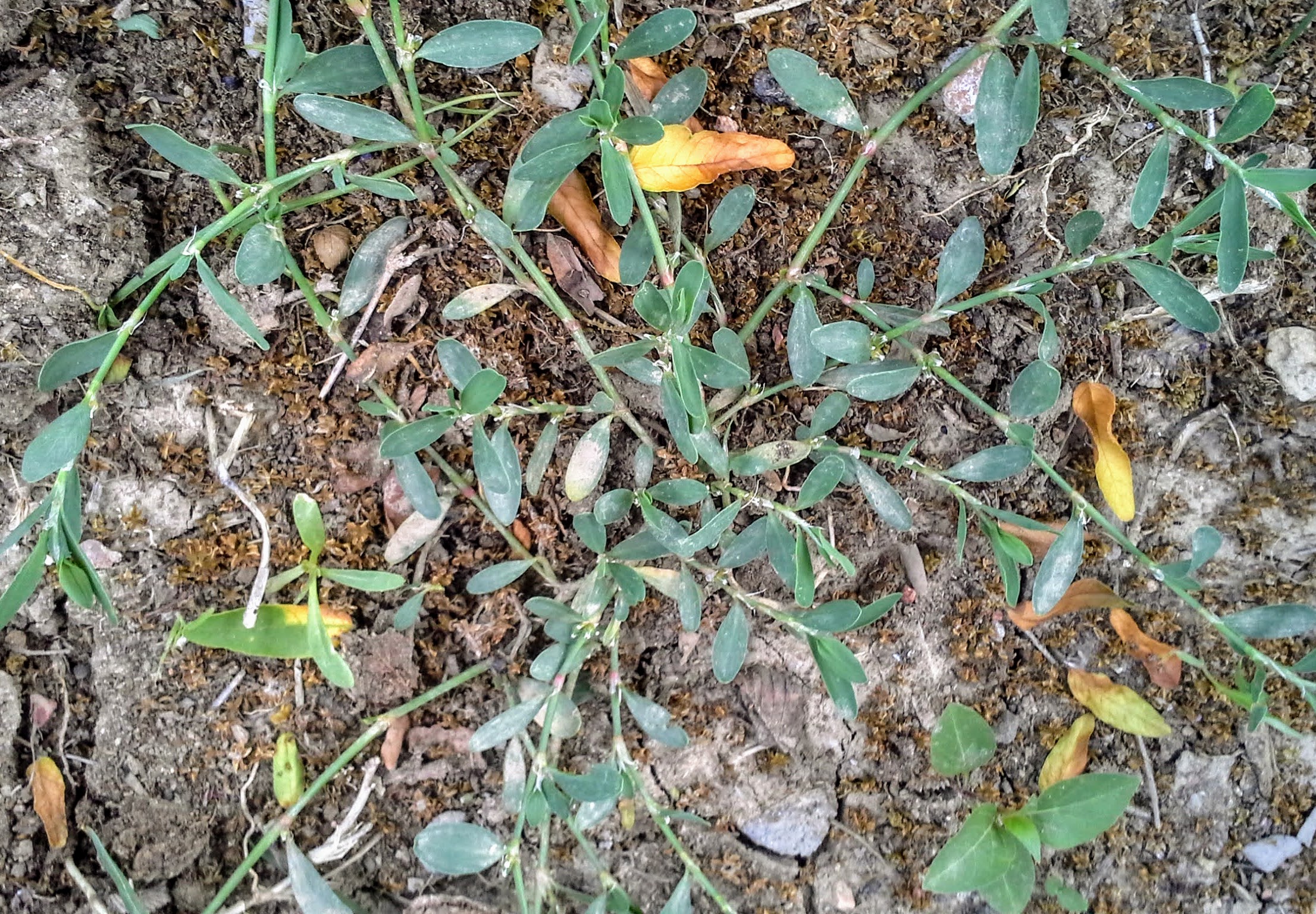
Another time procrastination turned out to be a good thing was when it came to weeding. I have a hard time telling the difference between larkspur and the wild mustard weed when the seedlings are small, so I’ve been letting the mustard get a bit taller than I would like. Good thing. Some of what I thought was mustard turns out, with a bit of online research, to be the California poppy seeds I strewed around last fall.

Continuing the procrastination theme: a few days ago, was gifted with a gardening journal. The journal begins with January, and since this is already May, starting it now doesn’t feel right. But I’m not sure I want to wait until next January to start, either. I did come up with a solution — I’ve talked about gardening enough on this blog during the first four months of the year, that I can copy some of those blog entries into the journal.

Deciding to do the first months retroactively is one thing. Actually doing them is another. On the other hand, if I procrastinate long enough, January will be here, and I can simply start fresh next year. Is this a case of procrastination being a good thing? Who knows.

***

Pat Bertram is the author of intriguing fiction and insightful works of grief.

Treasures!

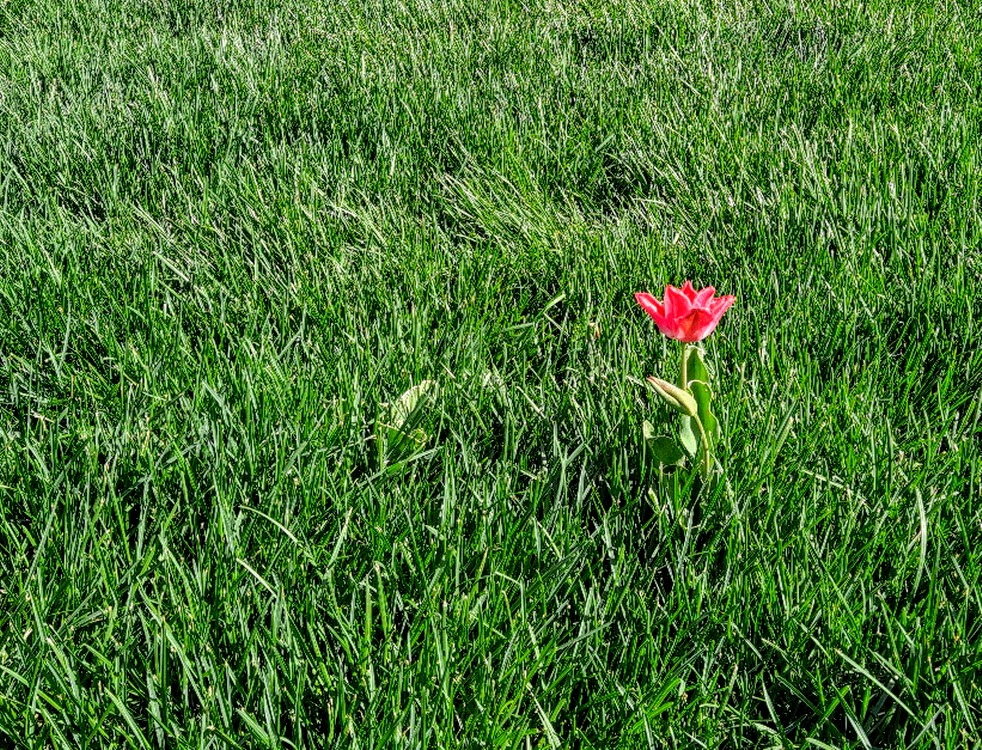
This morning, before the wind got too strong to be comfortable, I wandered around my property looking for treasures. The first treasure didn’t take much looking — the red tulip really popped in the sea of green.

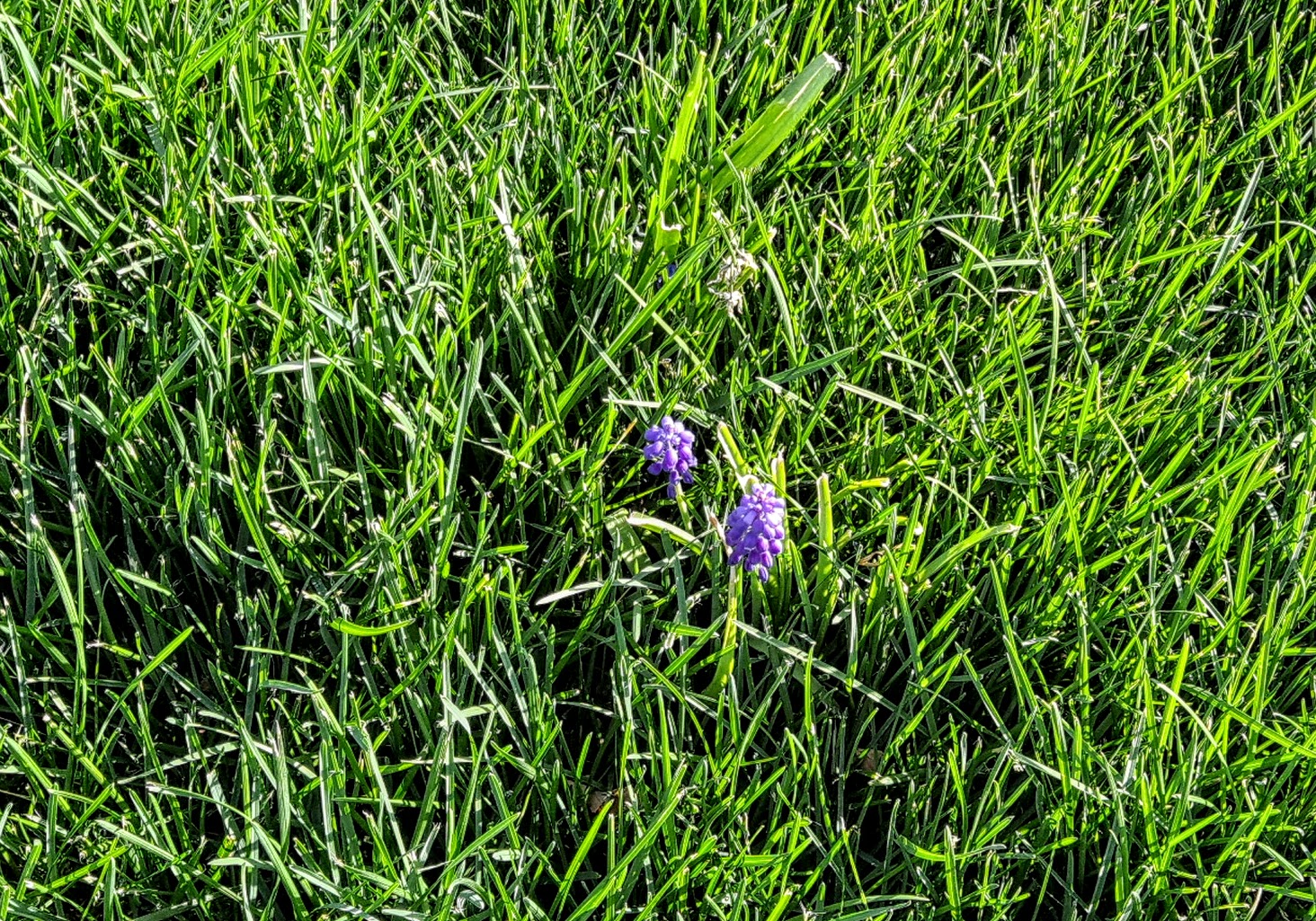
This was one of the many tulips I planted my first autumn in this house. None of those tulips had come up making me wonder about my ever becoming a gardener. And yet now, almost three years later, this particular beauty decided to make itself known. As did this grape hyacinth.

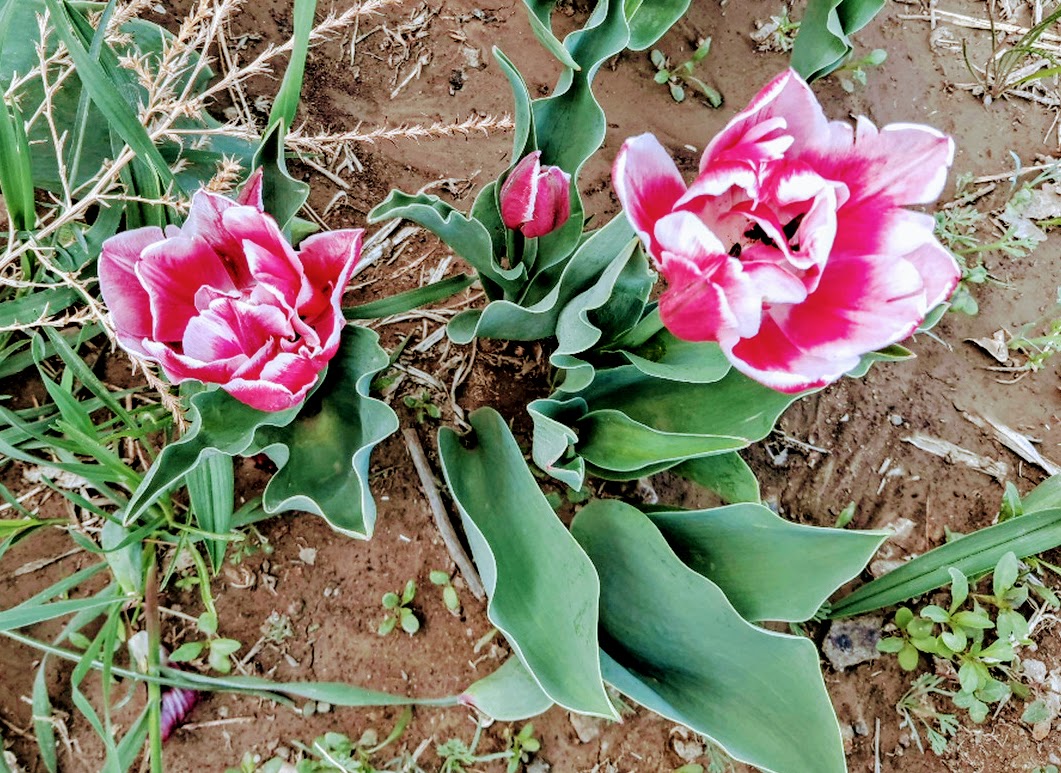
Interestingly, an acquaintance stopped by to drop something off, and he was so taken by these jewels in the grass, that he, too, called them “treasures.” But those aren’t the only treasures of the day. There are a couple of double tulips that are still blooming.

and two yellow tulips hold pride of place beneath the lilacs.

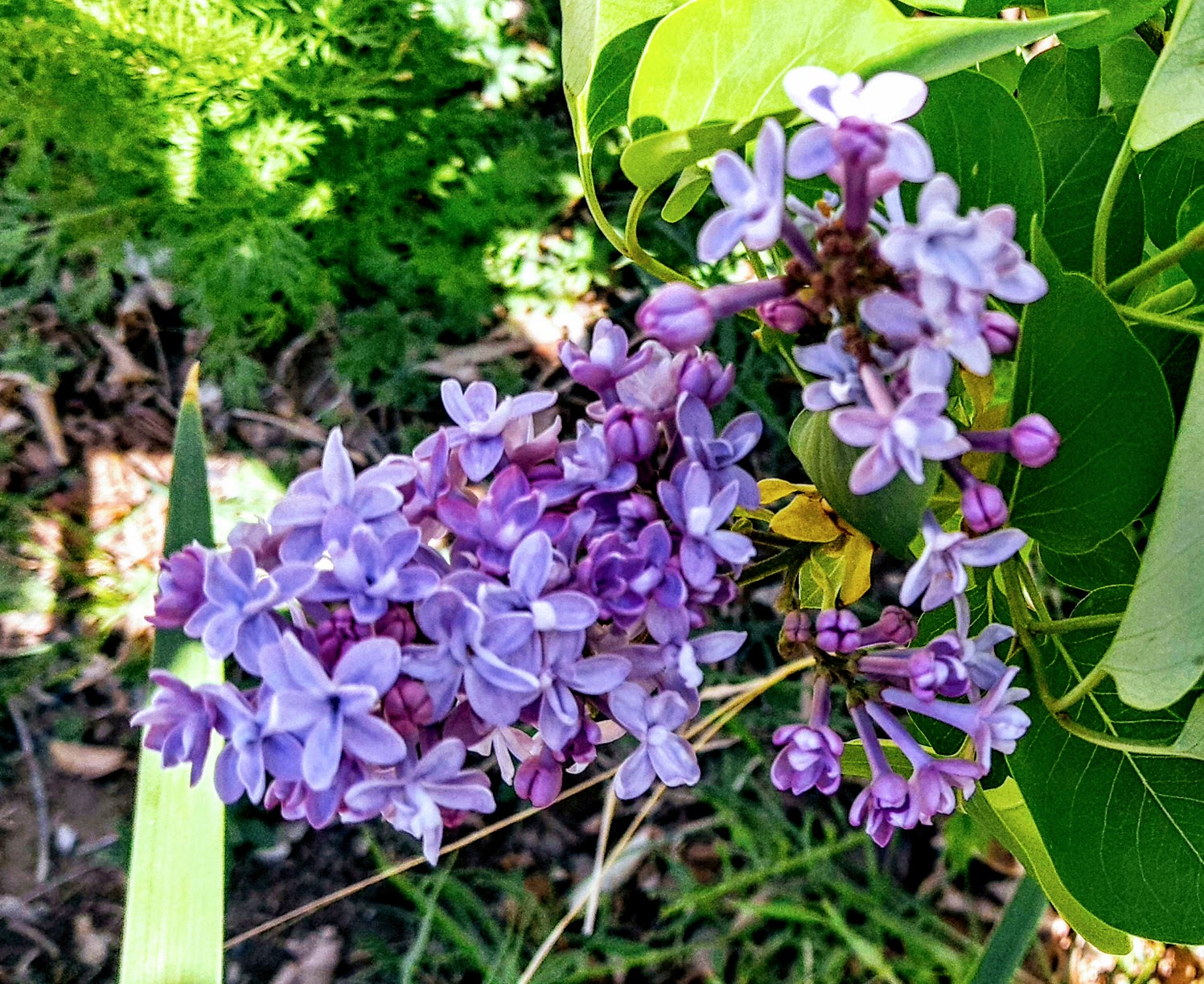
Speaking of lilacs, the purple lilacs I planted three years ago are blooming! So lovely!

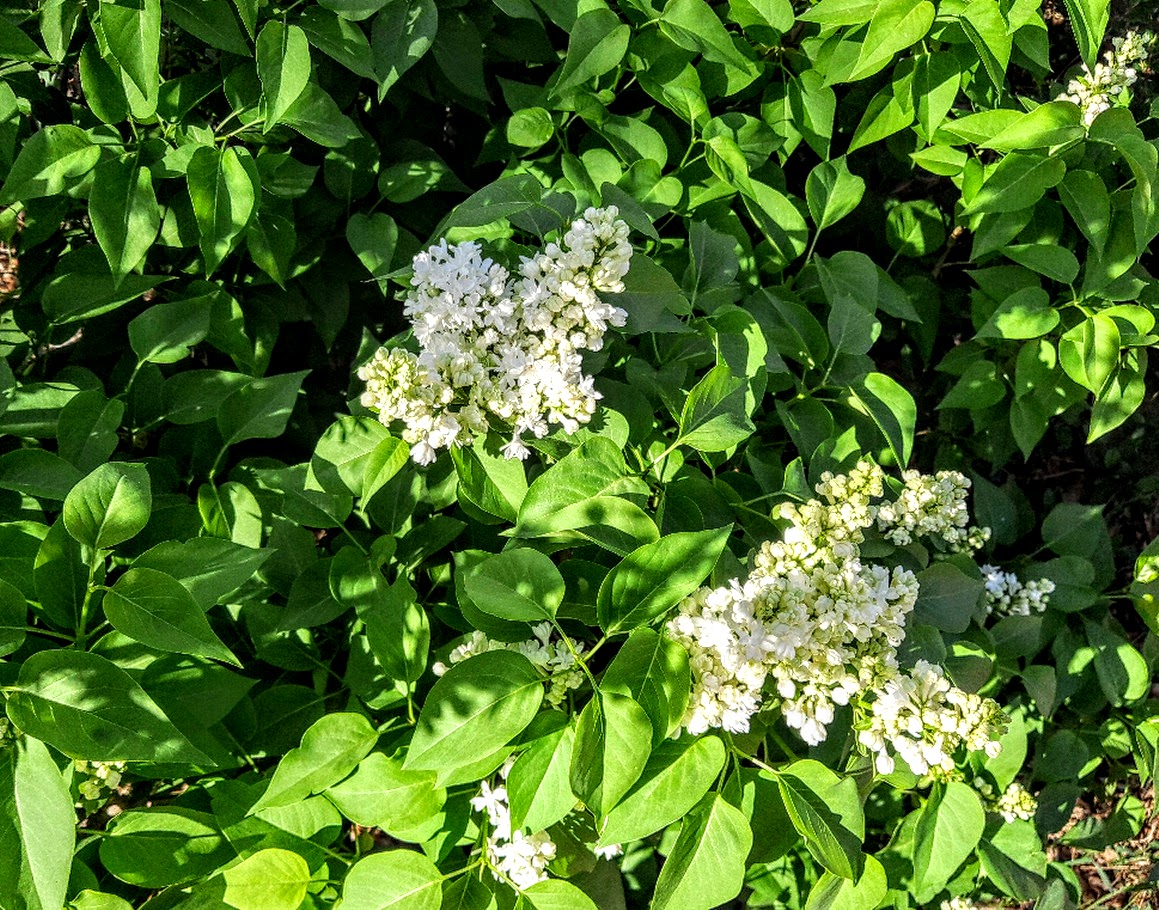
As are the white lilacs that gleam among those shiny green leaves.

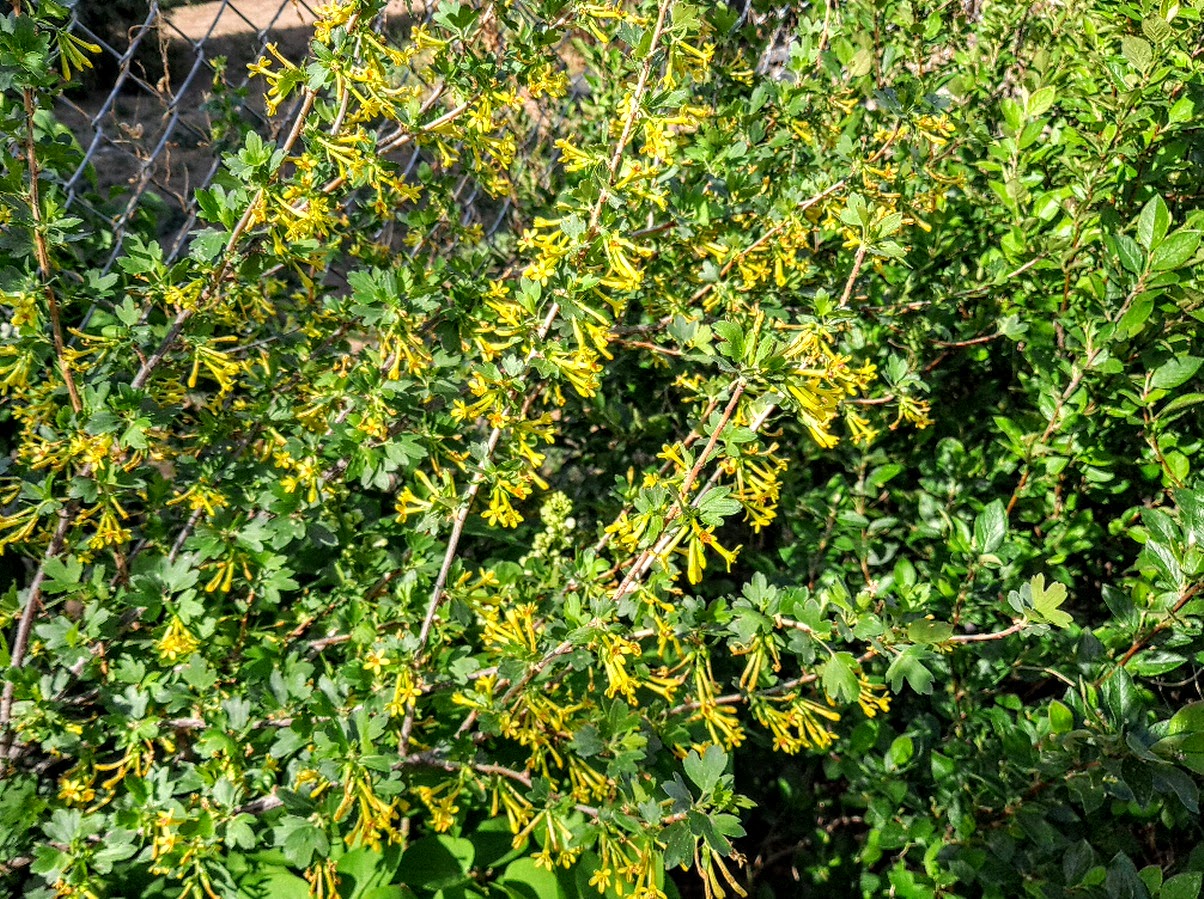
The people I bought the house from had planted some clove currents, and she occasionally asks if they are still here. I can honestly tell her that not only are they still here, but that they are thriving.

So many treasures! And with any luck, this is just the beginning.

***

Pat Bertram is the author of intriguing fiction and insightful works of grief.
Leisurely Morning

This was one of those days that started out leisurely, and then suddenly, here it is, almost time to go to work, and I still have a blog to write, a meal to eat, cleansing to do, and all the other little chores one needs to perform before heading out.

It was a nice morning though, and despite not being as leisurely, it’s turning into a nice afternoon. I couldn’t ask for better weather. It’s sunny and warm, no winds (those will return tomorrow along with more fire warnings), plenty of non-searing sun (the sun around here can be strong enough to scorch one’s skin). Just an all-around nice day. Whether by coincidence or by dint of the mild day, I had enough energy to put the morning to good use.

Even though I watered my grass and other plants the day before yesterday, I took this opportunity to water everything again. A neighbor is supposed to come on Saturday to mow my lawn because he wants the clippings, and I want to make sure the grass has dried out enough to make the mowing easy in case he doesn’t show and I have to do it myself. Also, the winds that are expected tomorrow make watering difficult. In addition, I got a bit spooked when I heard that there might be water restrictions this summer because of the drought. I doubt watering extra now will help with less water later, except that perhaps it will settle in the sod even more. (Though after all these months, I don’t think my lawn can still be considered sod.) But the watering helps offset my worry.

I do tend to worry, even when I tell myself not to worry because things so often do work out, but I can’t help thinking that things work out because of the worrying. If I focus on something, thinking about all the probable ramifications and possible solutions, perhaps it’s that focus that keeps the things I worry about from happening. So if I heed my warning to not worry, will things still work out? Just one more thing to worry about!

Either way, I watered today, keeping my grass alive a bit longer, so that’s good.

In addition to the watering this morning, I also dug up and transplanted a couple of lilac sprouts from a neighbor’s lilac bush (with his permission). It’s not something I planned to do, but as I was watering and looking at my garden area from a different angle, I suddenly saw the perfect place for a couple more lilac bushes.

I also transplanted a tree. It’s not much of a tree, just a foot-tall seedling, but I’ve had it in a pot for a couple of years, and it’s outgrowing the pot. There is a spot that would be perfect for a small tree. A big tree could be problematic because the spot is fairly close to overhead wires. Even though this particular tree — a locust — grows tall, I planted it there anyway. I figure I can lop it off to keep the tree small and bushy, assuming, of course, I can continue to keep it alive.

Once the tree was planted, I poured a bucket of ornamental rock around bare dirt so it would fit with the surrounding area.

I think that’s all I did this morning. I’m so exhausted, it feels like more.

One thing I didn’t do was take a photo of the pretty tulip that bloomed today because I didn’t have to. I’d found the tulip in my yard last year and took a picture of it before transplanting it among the rest of the tulips. It looks exactly the same this year, so I’m using last year’s photo. Oddly, the photo was taken on this very same day last year.

Well, it’s been nice visiting with you. Now I’m off to deal with the rest of my small chores before I head to work.

***

Pat Bertram is the author of intriguing fiction and insightful works of grief.

Red-Letter Day

The term “red letter day” refers to the practice, dating back to the Roman Empire, of using red calendar numbers to signify important days. Although this was (and still is) a common practice for perhaps a couple of thousand years, the actual term “red-letter day” wasn’t used in print until 1663. Unlike so many words and terms that have begun to mean the opposite of their original meanings (bully originally meant a darling; harlot originally meant a goofy fellow; naughty originally meant having naught; nice originally meant silly; silly originally meant blessed), the meaning of “red-letter day” seems to have remained unchanged for centuries.

Despite this discussion of “red-letter days,” today is more of a “white blossom day” than a “red-letter day” because the blossoms are what make this such a momentous day. “What blossoms?” you might ask.

The blossoms on the greengage plum tree I planted last year. Those blossoms. And oh! They are so pretty, and such a sign of hope.

Flowers of all kinds seem to symbolize hope, of course, but fruit blossoms bring with them the added hope of someday having fruit. There might be too few blossoms to merit even a single plum this year, but still, it’s nice seeing the flowers.

Today is also a “black hat day.” My use of the phrase “black hat” isn’t used idiomatically to mean a villain, but is used literally. A neighbor gifted me with a beautiful black hat! A wonderful side effect of being known as “Pat in the Hat,” is that if anyone has a hat to donate, I am the first one to come to mind.

It’s also a grey cloud day, and a pink tulip day, and probably all sorts of other “days,” but all these important days can be found under the single umbrella of “red-letter day.”

I hope you’re having a red-letter day, too.

***

Pat Bertram is the author of Grief: The Inside Story – A Guide to Surviving the Loss of a Loved One. “Grief: The Inside Story is perfect and that is not hyperbole! It is exactly what folk who are grieving need to read.” –Leesa Healy, RN, GDAS GDAT, Emotional/Mental Health Therapist & Educator.