Intrusion

For someone who lives such a simple life, I still manage to find excitement. Or rather, excitement manages to find me.

This particular adventure started with the snowstorm last night.

I went out in the dark to brush off the four-inch accumulation from my ramp. The snow doesn’t melt as quickly from the wooden ramp as it does from the sidewalks, and I wanted to make sure no ice formed under the additional two inches that would pile up in the next few hours. It was a lovely night: luminous and oh, so quiet. I stood there, broom in hand, and enjoyed the experience of being inside my own personal snow globe.
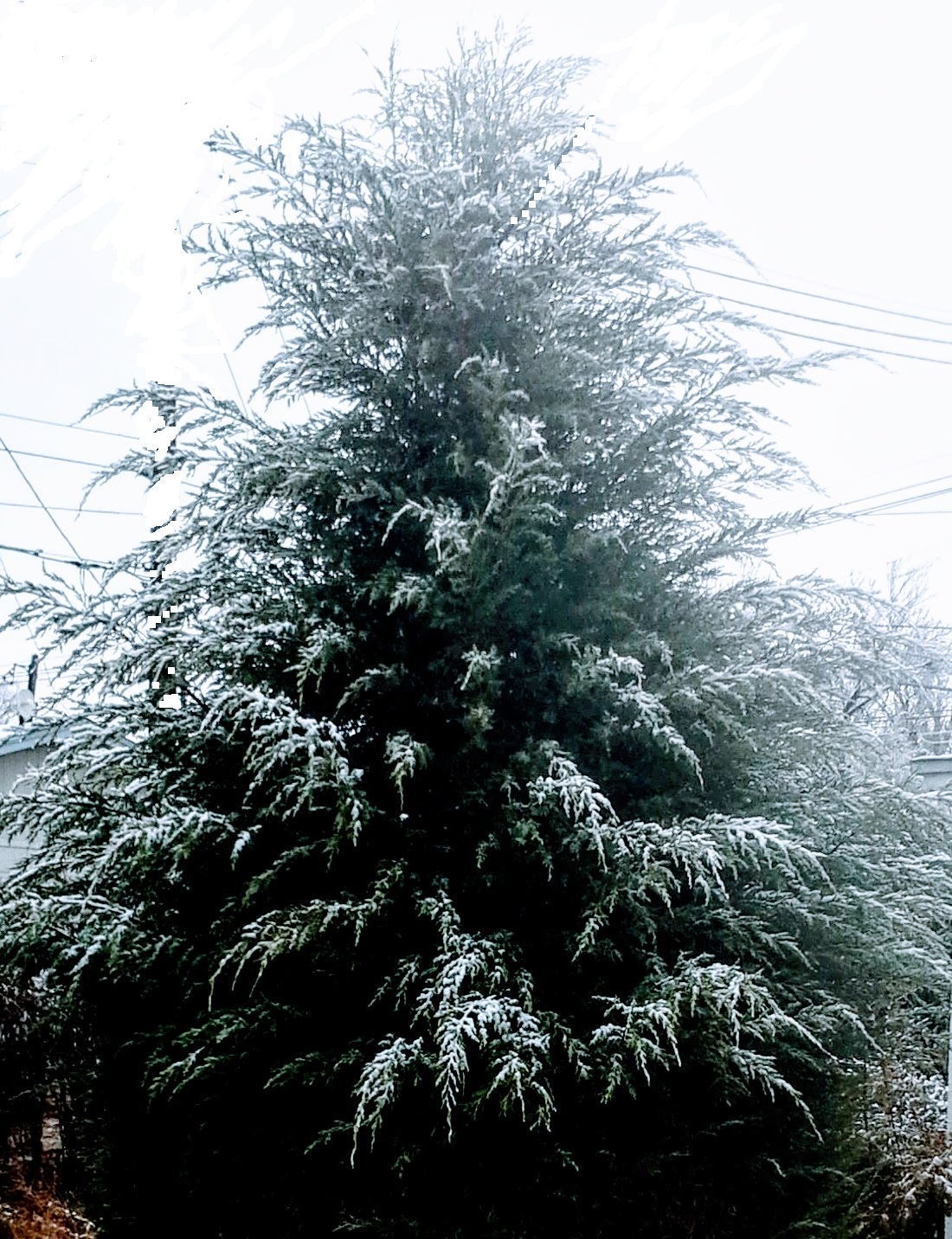
This morning, when I went out to finish sweeping the ramp, I discovered that someone (my next door neighbor, I learned later) had shoveled the sidewalk in front of my house. Such a nice thing to have done!

By the time I finished sweeping the ramp and brushing the snow off my covered car, the clouds had cleared away and the sun was shining warmly. So I went inside, opened the curtains to the back yard to get the benefit of the warmth, and . . .

What the heck?

Footsteps led from the back gate, across the newly dug garage foundation, around the carport almost to the house, then back around and into the carport, and finally out the gate. I told myself I must be misinterpreting what I was seeing. This neighborhood is crawling with feral cats, and I thought that perhaps they had sunk into the snow as they made their rounds.

But no. When I went out to look, I could see that the tracks had been made by shoes, so a person had definitely come in the yard, though it didn’t look as if anything had been taken. (The snow that had blown onto the things stored under the carport had been undisturbed.)

I checked with the contractor to make sure neither he nor one of his workers had come for a ladder or some such they had left here, but he said they hadn’t stopped by and he was sure the building inspector hadn’t either since the inspector wouldn’t have needed to enter the yard. The contractor suggested I call the sheriff, but I hesitated, since nothing had been taken.

Instead, I checked with my next door neighbors who have a camera pointed at the alley to see if they could see anything, and there it was — a video of a hooded fellow very deliberately striding up to my gate, crossing the foundation for the garage, leaving camera range, then a minute or so later, retracing his steps. My neighbor husband, being a tracker, followed the footsteps into a well-trafficked street a couple of blocks away where they disappeared.

My neighbor wife came over to stay with me and said I really should call the sheriff to report an intrusion, so I gave in and did. (Is this a small-town thing? In bigger cities, we don’t generally report something so minor, mostly because we know the cops are too busy to care.) While we waited for someone from the sheriff’s department to come, we sipped flower tea and talked about the theft/homeless/street people problem, which is fairly new in this area. There is a homeless coalition housed nearby, and they bus in people from the big cities, many of whom wash out of the program and end up on the streets here. It’s a good thing for those who stay to finish the program, but overall, it’s not a very good thing for the town.

The sergeant from the sheriff’s department came after about an hour, though he did say (when I asked) that if it had been an emergency, he would have been here immediately. Apparently, a couple of ambulance calls took precedence over my non-emergency. He took my name and birthdate, and I offered him a cup of tea. (I have to laugh at myself in light of my post yesterday about channeling my inner elder since offering tea seems such an . . . ahem, old lady . . . thing to do.)

The sergeant said that the guy in the video didn’t look like any of their “frequent flyers.” We told him we thought it might have been our troublemaking neighbor, but that the tracks hadn’t led to his house. The deputy said that the guy doesn’t live there any more, and if we see him to call because there is a warrant for his arrest — fraud and embezzlement. (Apparently, he is a full-service thug — drug dealer, thief, breaker of the peace, and now defrauder and embezzler.) Before he left, the sergeant said that he would make sure the alley behind my house is patrolled.

By the time I had a chance to take a photo after everything quieted down, most of the 6” of snow had melted, but the tracks were still visible. By sundown tonight, the snow will be gone and all but the memory of the weird event will have disappeared. Well, the memory and the locks I immediately went out to buy to secure the gates.

It really had surprised me that a potential thief would be brazen enough to come through the gate even at that time of night (2:35 a.m. according to the video). A lot of things go missing in this neighborhood, but generally, things are not taken from fenced yards. I have a hunch the absence of my car from under the carport (it’s temporarily parked out front since I can’t get around the garage foundation to park it under the carport) made him think the house was empty.

Adding to the weirdness, when I went to get the locks, it turned out they were kept behind the counter as if they were a controlled substance. Apparently, locks are one of that store’s most stolen items, second only to duct tape.

Weirdest of all, none of this scared me. It probably should, but I had the fence put up, am now using my new locks, and once the garage is up and everything stored out of sight, I will have done everything I can to protect myself.

I might be heading toward elderliness (young elderliness, that is), but I don’t intend to live in fear.

And anyway, at least in the writing, it seems that all this excitement wasn’t so exciting after all.

***

Pat Bertram is the author of Grief: The Inside Story – A Guide to Surviving the Loss of a Loved One. “Grief: The Inside Story is perfect and that is not hyperbole! It is exactly what folk who are grieving need to read.” –Leesa Healy, RN, GDAS GDAT, Emotional/Mental Health Therapist & Educator
Channeling My Inner Elder

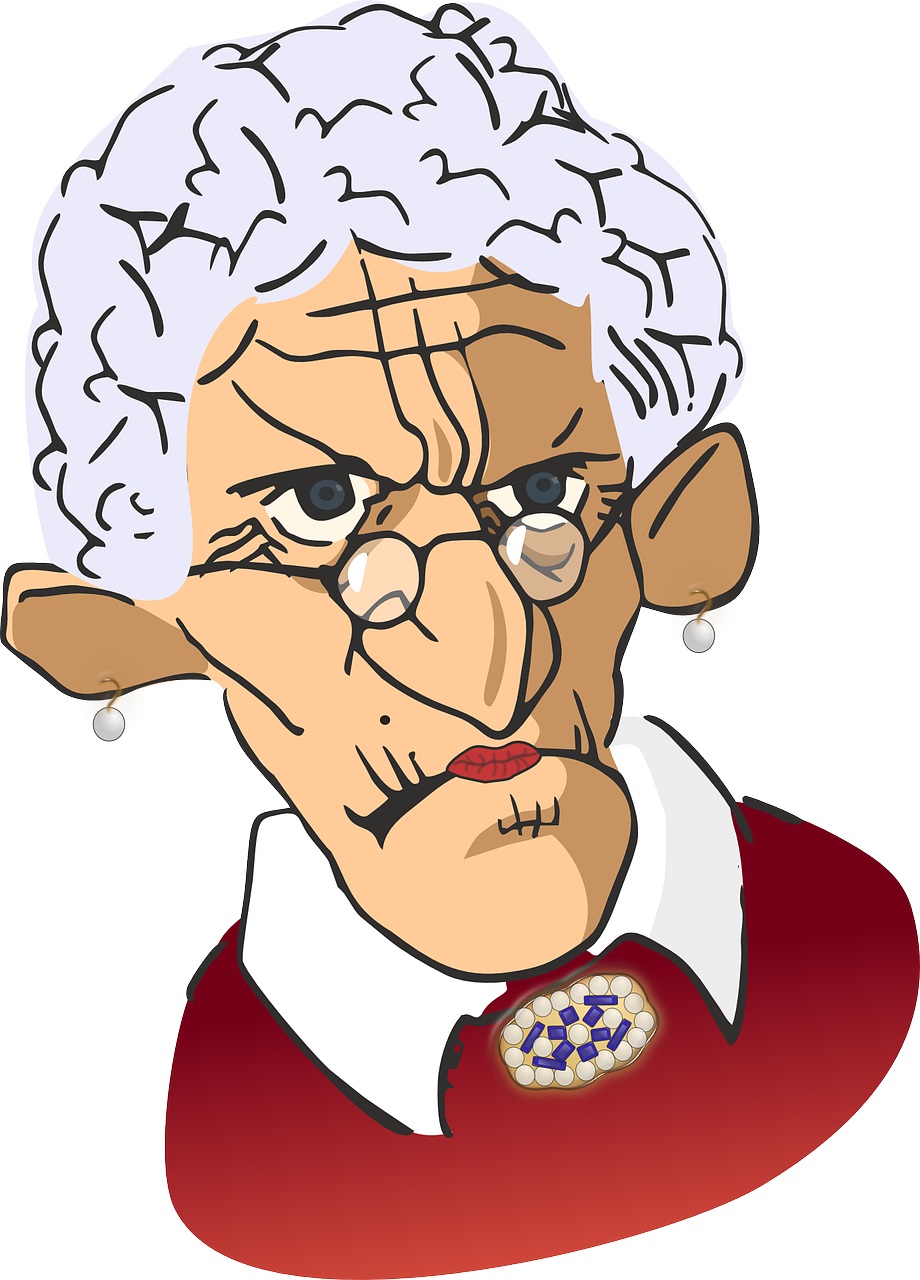
“Elderly,” with its connotations of frailty and dependence and uselessness, has become a pejorative term, and I can certainly understand that. In fact, the other day when someone mentioned that I was elderly, I was miffed. Elderly? Me? No way.

But that comment led me to a search on what “elderly” is. And when it is.

According to the Social Security administration, 65 is considered elderly, though apparently, that number is being upgraded to 67 since 67 is the new retirement age. According to the AMA, 65 is considered elderly. (As in, “The elderly, i.e. those over 65, are most susceptible to the flu.”) The US Census Bureau considers middle age to be 45 to 65, with the assumption that over 65 is elderly, but one does not go immediately from being middle aged to being elderly, from usefulness to uselessness, from vigor to enfeeblement, but apparently there is no word in the official lexicon — or any lexicon — for this younger older demographic.

Other than these few mentions of what age is “elderly,” the consensus seems to be you are only as old as you feel, though that doesn’t tell me anything. “Feeling” is not the same as “being.” Humans go through a general growth arc, developing and then declining, and there does come a time that, despite what you feel, your body simply doesn’t work as well as it once did. The process is slow, so to a great extent we don’t know we are deteriorating until something happens to smack us in the face and wake us up.

The elderly, even the younger elderly, are at risk for various ailments and accidents, don’t heal as quickly, don’t process thoughts as quickly, don’t focus as quickly as when they were young. I realize this sort of determination is also subjective, but there is a cut off point for each of us when the arrows all point downward. (I’m not talking about joy of living or feeling useful and meaningful and even youthful; I’m just talking about physical things, body processes,)

A few years ago, a friend posted a blog for her birthday. She said, ‘It’s a big one. The one after “middle age” and the beginning of “elderly.” It’s difficult to fathom I’m there already. I don’t feel elderly. I’m told I don’t look elderly. However, the calendar says I am.’

I haven’t reached that “big one” yet, but I’ve often thought of her comment, especially considering the falls I recently experienced. Each fall on its own was simply an accident that could have happened to a younger person, but that they happened to me in such a short period of time makes me wonder if there was something else at work here. Maybe a slower reaction time? Maybe an extra fraction of a second before I realized what was happening? I don’t think so, but I don’t know, so I’ve been channeling my inner elder and staying inside when the streets are snowy or even wet. It’s almost comforting, in a way, to pamper this inner elder and not try to force myself to do something I’m not inclined to do anyway. (I prefer to stay inside since I’m not much for cold weather anymore. Or hot weather, either, for that matter.)

I don’t think it’s a bad thing to admit we’re elderly (though for now I still only admit to “getting older”). After all, when you eliminate the unpleasant connotations with which we’ve saddled the word, elderly merely means “olderly,” (which actually would be a cool word if there was such a thing). And anyway, according to the dictionary, an elder is an older person, especially one with a respected position in society. In this context, elderly has a connotation of wisdom rather than worthlessness.

I can live with that.

When I become elderly, that is.

***

Pat Bertram is the author of Grief: The Inside Story – A Guide to Surviving the Loss of a Loved One. “Grief: The Inside Story is perfect and that is not hyperbole! It is exactly what folk who are grieving need to read.” –Leesa Healy, RN, GDAS GDAT, Emotional/Mental Health Therapist & Educator

Snowdrop in the Snow

I’m certainly no snowdrop, remaining steadfast and sprightly in the snow. Instead, I brew a cup of tea and huddle over the warmth of my computer and ignore the snow. Except, of course, a moment now and again to look out the window and enjoy the whiteness of the day.

Well, that’s not exactly true. I did sweep the snow off the ramp leading to the house. I’m not expecting either a package or a visitor, but on the off chance someone would need to come to the door, I wouldn’t want the fates of irony to get into the act. (As much as I appreciate irony, having someone slipping on the wheelchair ramp and ending up in a wheelchair is one example I can live without.)

Then, even though I have a car cover, the snow still needed to be brushed off. It’s been a long time since I had to do that — the last time was a year and a half ago when I got caught in a snowstorm on a road trip. And the last time before that was . . . I don’t know. Maybe a decade or so ago. Even though I haven’t had a workable garage since I moved back to snow country, I do have a carport, but the foundation for the new garage blocks off access. Hence, snow removal.

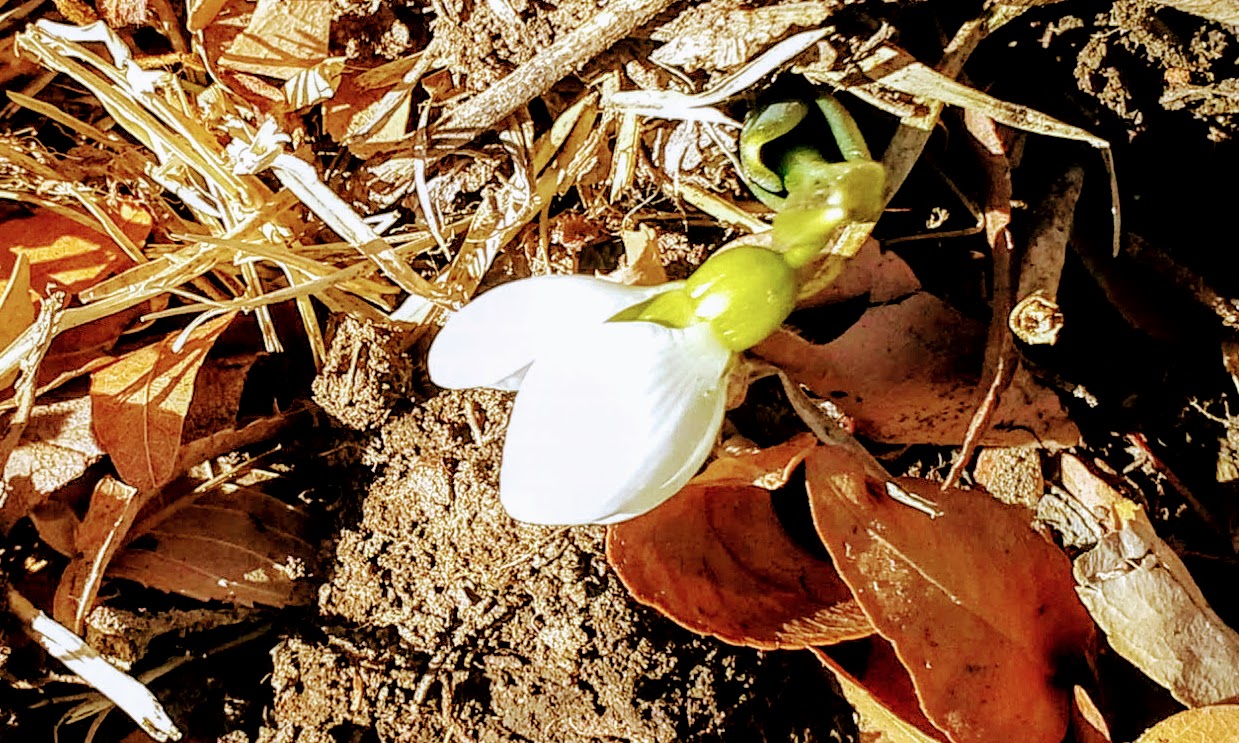
And then, of course, I had to take a photo of that resolute little bloom in the snow.

This is Tuesday, and as usual, almost all my activities for the week were scheduled for today but, apparently, I am taking a snow day. There can be no work on the garage, a stint of volunteer work at the library was cancelled, I lost track of time and missed the third activity, and I simply don’t feel like going out into the snow and dark for a meeting tonight.

So here I am, a cup of tea at my elbow, the computer shining brightly in front of me, contemplating how not like a snowdrop I am.

***

Pat Bertram is the author of Grief: The Inside Story – A Guide to Surviving the Loss of a Loved One. “Grief: The Inside Story is perfect and that is not hyperbole! It is exactly what folk who are grieving need to read.” –Leesa Healy, RN, GDAS GDAT, Emotional/Mental Health Therapist & Educator
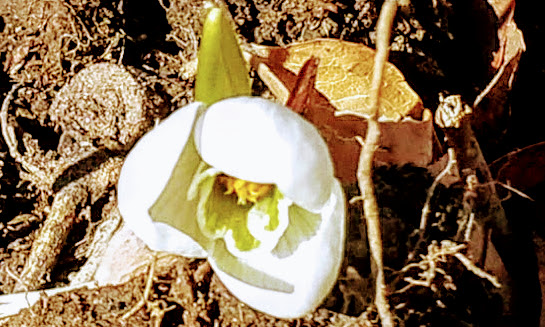
Snowdrop!

At least, I think it’s a snowdrop. When I planted bulbs in the fall, I took a scattershot approach, so they are all mixed up without any indication of what is planted where.

The snowdrop was supposed to be the first to bloom, and considering that this little gem (no bigger than my thumbnail) is not just the first but the only flower so far, I figure it has to be a snowdrop. And if not, well, a snowy drop by any other name is still a lovely little blossom.

I realize it’s not much, this bloom, but every flower garden, no matter how lush, had to start with a single flower, and this is mine — the first step to what I hope will be a pretty yard.

At the moment, of course, the yard is not at all pretty. The brown grass is gouged with troughs where the garage and the carport used to be. The carport was moved close to the house and is filled with a lot of the stuff that should be (and will be) in the garage when it is built, but a few cold, snowy days put garage on hold. There are supposed to be a couple of more cold, snowy days next week, but then after that . . . well, I’m keeping my fingers crossed.

I realize everything is a slow process, whether growing a single bloom, planting a garden, landscaping a yard, or building a garage, and it’s still early days since I haven’t been here quite a year.

In fact, exactly three weeks from today will be my first anniversary as a homeowner.

So far, so good!

***

Pat Bertram is the author of Grief: The Inside Story – A Guide to Surviving the Loss of a Loved One. “Grief: The Inside Story is perfect and that is not hyperbole! It is exactly what folk who are grieving need to read.” –Leesa Healy, RN, GDAS GDAT, Emotional/Mental Health Therapist & Educator
Preparing for the Death of a Spouse

When people ask me how they can prepare for the death of their sick spouse, I can only shrug helplessly because there is no way to prepare emotionally for all the painful and chaotic feelings that grief will throw at you.

I thought I was prepared for Jeff’s death, so after he died, I truly was stunned by the depth and breadth of my feelings. During the last year of his life, and especially the last six months, he’d begun withdrawing from the world and from me. This withdrawal, this lessening of a need to be with others is a natural part of dying, and my response to his withdrawal was just as natural — an increased determination to live. He might have been dying but I wasn’t, and I had to untangle our lives, find a way to survive his dying and his death. I thought I had successfully completed this task, but his death rocked me to the core of my being.

As I discovered, there is a world of difference between presence and absence, and an eternity of difference between dying and dead. Because of this difference, you simply cannot know, cannot prepare for how you will feel.

There is one thing, though, that you can do to prepare, and that is to make sure you are familiar with all the little chores that come with modern-day living.

Even if we don’t have a traditional split in chores, such as the woman doing the cooking and cleaning, the man doing the outside chores, we do tend to gravitate to certain chores and over the years, they become habit. So still, in a time of — perhaps — more equality around the house, the person left behind is also left learning how to do things that are generally simple to learn. When you are grieving, however, when you are caught in the never-ending spiral of pain and stress, helplessness and hopelessness, befuddlement and utter bewilderment, learning such tasks becomes almost impossible.

One woman I know was frantic when it came time to take her car in for an emissions test. Because it was something her husband had always done, she had no idea what to do. Another woman had no idea how to balance her checkbook, had never even been to their bank. One man didn’t know how to make coffee or even how to cook simple meals. In another case, it was the woman who had done minor chores around the house, and the poor husband was ashamed to admit he didn’t even know how to change a lightbulb or tighten a doorknob.

Those of us who knew how to do these things found it almost impossible to garner the energy to do them, so I can only imagine how these people were nearly done-in when confronted with such tasks.

Preparing ahead of time is not as simple as it sounds. Sometimes it is the dying person who wants to teach the person being left behind how to do all these small things, and the soon-to-be survivor resents not just the lessons, but the very idea that their mate is leaving them.

Sometimes, the one dying is resentful. They already feel helpless and the survivor, by taking an interest in “their” chores, seems to be pushing them further into helplessness.

None of this is easy. We humans are odd creatures — so very fragile, and yet at the same time, so very tenacious. It’s hard to die. It’s hard to survive. And yet each of us manages to do what we need to do, prepared or not.

***

Pat Bertram is the author of Grief: The Inside Story – A Guide to Surviving the Loss of a Loved One. “Grief: The Inside Story is perfect and that is not hyperbole! It is exactly what folk who are grieving need to read.” –Leesa Healy, RN, GDAS GDAT, Emotional/Mental Health Therapist & Educator

Grocery Stores and Grief

Grocery stores seem such prosaic places, with isles full of treats and temptations, and music that is supposed to put shoppers in the glad mood of buying.

And yet, for those grieving the loss of a life mate, grocery stores can be a source of incredible pain. It took one woman from my grief group more than a year before she could return to the store where she and her husband always shopped. For another woman, the grocery store was a reminder of how carefully she had to shop for her diabetic husband, and it took her months before she could shop without weeping.

Whatever our situation, grocery stores are a part of our lives. When there is an upcoming celebration, even if only movie night at home or a game day on television, we go to the grocery store for treats. When we have company coming, we go to the grocery store to stock up on special ingredients. When holidays come around, we go to the grocery store for all the family favorites. When it’s hot, we go to the grocery store for meals that are simple to fix. When it’s cold, we go to the grocery store for hot chocolate and soup and other warming foods.

When it isn’t a special occasion? We still frequently go to the grocery store to stock up on food and other necessities. Often a couple shops together. Even if a person goes alone, their mate is there too, if only in spirit, as the shopper choose foods their mate likes or might like.

Although they seem an almost constant presence in our lives, grocery store shopping trips are so common and matter-of-fact that we never of think of them in any context but what to eat.

But when your mate dies, suddenly a grocery store becomes a minefield. You automatically start putting his or her favorite foods in the basket, only to dissolve into tears when you see what you have done and realize . . . again . . . that he or she is gone.

I’d become used to going to the grocery store by myself during Jeff’s final weeks, and I’d become used to fighting off tears. We’d always shopped together, so during those weeks, the clerks, of course, inquired about him, and all I could do was shake my head and try not to cry as I said he wasn’t doing well. And when he was gone, the tears were my only response. It took me many months before I could actually say, “Jeff died”. Or “Jeff is dead.” The words simply would not form.

After a couple of months, I went to a different state to take care of my father. The grocery stores there were different enough that they had no emotional connotations for me. Then the grocery store I most shopped at for my dad went out of business, and I had to go to stores further away for the products he liked. I ended up in a store that strongly reminded me the one where Jeff and I shopped, so I left in tears.

I had to go the that store occasionally, so I got used to it and didn’t think much of it until about three years after Jeff died when I decided to buy a particular salad dressing I used to like that was only sold at that store. After I picked up the salad dressing bottle, I looked for some other flavors in that same store brand, wondering if I should try something new, and I saw a dressing Jeff liked. I automatically reached to get it for him, and when I realized what I was doing, suddenly, right there, in the salad dressing aisle, I started to weep.

Grocery store melt-downs are common among the bereaved, and yet very little is said about it. But then, very little is said about any of the everyday horrors that beset those who’ve suffered a loss.

Which, of course, is why I write about such prosaic things as shopping at a grocery store.

***

Pat Bertram is the author of Grief: The Inside Story – A Guide to Surviving the Loss of a Loved One. “Grief: The Inside Story is perfect and that is not hyperbole! It is exactly what folk who are grieving need to read.” –Leesa Healy, RN, GDAS GDAT, Emotional/Mental Health Therapist & Educator.

Shame

In response to a blog I wrote the other day, Validating Grief, a reader left the following comment:

Last night at my grief group, three people apologized for being tearful or crying as they spoke! They seemed ashamed…actually saying “I should be composed”! How can we expect society to validate our grief, our shadow world, when we don’t! I think that is the reason your voice has been so important to me…you validate yourself which gives permission and example for others in the same to position to do so. Then and maybe only then will the “others” come along.

This comment really made me think. Although I have talked around the issue during the past ten years, I have never actually used the word “ashamed,” and yet it’s true. Our current society, which so shamelessly promotes mores that many people find appalling, still manages to find one group to shame: those who are mourning.

I was never ashamed of my grief, though I did at times feel as if I weren’t handling it well because of all the tears. I cried around others at the beginning because I could not talk about Jeff’s death without sobbing; my grief came from somewhere so deep inside that I had no conscious control over my tears. Later I did my grieving in private. Only I (and my blog readers) knew what I was going through. And even then, as I continued writing about grief, I sometimes felt apologetic as if I were trying to garner sympathy rather than simply telling my truth.

In our present culture, tears are a sign of weakness. Through thousands of movies and books, we are taught to be stoic, to hold back our tears, to be cool. Yul Brynner in The Magnificent Seven was the epitome of western cool, gliding across the film’s landscape without a single show of emotion. Think how different our experience of grief would be if men such as these had wept.

Even more than that, the complex and painful experience of grief for a spouse, life mate, soul mate is not something we see on television shows, in movies, or read about in novels. Fictional folks shed a fictional tear or two, perhaps go on a fictional spree of vengeance, then continue with their fictional lives unchanged.

In real life, this doesn’t happen, and so we are ashamed of our weakness.

For men, this is an especially fraught situation. Where women’s outward shows of grief are often greeted with sympathy, men’s grief is treated with disdain. From a young age, boys are taught that only girls cry, that to be a man, you must be stoic. And so, for men, an additional layer of complication is unnecessarily added to an already complicated situation.

Another reader commented on that same blog post about validating grief:

Agreed that the embarrassment and shame about expressions of grief is important and significant enough for its own essay. I’d add that for us guys, it’s got a different dimension or layer to work through.

Anger is just about the only acceptable form of male grief, and so all those chaotic feelings that so many of us, male and female, feel after the loss of a mate — anxiety, frustration, loneliness, confusion, despair, helplessness, panic, resentment, bitterness, isolation, numbness, emptiness, futility, yearning, envy of those who are still coupled — have no place to go in a man except to be buried in anger and embarrassment and shame.

Current theories about grief that are supposed to replace the outdated five stages of grief model, are just as damaging to the griever, because proponents of these theories say that getting past the loss and returning to our normal selves is a matter of resiliency. Normal selves? There is no more normal! Resiliency? People who are grieving are utterly resilient; how else would we survive?

Because of all this conditioning, if our grief doesn’t fit into any of the established ideas about dealing with loss, we are ashamed. If everyone else can get by without tears, why can’t we? If everyone else can get over their loss, why are we still in such pain?

Despite what people might believe, weeping and wailing are appropriate ways of relieving the incredible stress, pain, and angst of losing a longtime mate for both men and women. Such releases are necessary because otherwise the pain stays inside to cause emotional and physical damage, gets relieved by pharmaceuticals, or leads to inappropriate behavior such as illicit drugs or dangerous anger.

Grief is not just a matter of emotions. It is, in many cases, a physiological response to stress, and especially to the loss of our survival unit. Humans are pack animals, and our very survival depends on our pack, and when we lose the other half of our survival unit, it sets off a cacophony of alarms in our bodies that create havoc with our systems. And yet, somehow, instead of being taught to accept physical changes as a normal part of grief, we are taught to be ashamed of these body processes, as if we were defecating in public. (But oh, wait, I just remembered — in many cities, relieving oneself in public is now accepted without shame and is no longer a punishable offense, but cry in public? Oh, no! That is shameful.)

As time goes on, we are supposed to “get over” our grief, and miraculously, the pain does diminish, but there is no way to get over the loss — every single day, we wake up to a world without our loved one. One year, five years, ten years — what are years to a broken heart? For people who are still married, every day of those ten years, they woke up to their spouses. They take comfort in being married, and yet we are supposed to . . . what? Take comfort in our lonely beds? One year, five years, ten years — doesn’t matter. They are still gone.

We did nothing wrong but try to do the best we could in an untenable situation. So why are we supposed to be ashamed?

The truth is, there is nothing to be ashamed of while grieving. It takes courage and strength to grieve and aren’t those traits the epitome of manliness (and womanliness)?

It’s those “others,” the people who urge us to “get back to normal,” who should be ashamed — of their ignorance, if nothing else.

***

Pat Bertram is the author of Grief: The Inside Story – A Guide to Surviving the Loss of a Loved One. “Grief: The Inside Story is perfect and that is not hyperbole! It is exactly what folk who are grieving need to read.” –Leesa Healy, RN, GDAS GDAT, Emotional/Mental Health Therapist & Educator.

Mystery Evening Critique

The Roaring Twenties mystery fundraiser was a success. It had the biggest turnout to a local event that I’d seen, it made money, and people had fun. At least, they had fun to the extent that the evening met their expectations. The people with no expectations and those who were willing to get into the spirit of the game had the most fun. Those who expected to sit and watch a play were not quite as satisfied.

People’s comments to me revealed their expectations, and said more about them than it did about my writing. Some people said I did great, and I could see they meant it. Some people avoided me. Others damned me with faint praise: “It was good for a first attempt.” Or “You’ll do better next year.” Others said it was fun, but that they couldn’t hear most of the play.

A friend warned me about this — how nerve wracking it was for scriptwriters who had to sit back and see their dialogue not working the way it was supposed to. I’d glibly responded to him, “If it doesn’t work, I’ll get to blame the role-players for not doing their job of engaging the audience.”

And so it was.

Few people, even those to whom I had explained the concept, got the point — that it was a game, a role-playing game, with some scripted parts to keep things going. Everyone who came was supposed to play a role, and to that end, each had been given a cheat sheet with a bit about their character. For example: You bet on Sugar Beet since it was supposed to be a sure thing, and now you think Mr. Big sold you out. Or You strongly approve of the suffragette movement, and you think flirts like Poppy give women a bad name.

The people who played the various scripted characters were supposed to sit among those without lines and get them involved. Only a couple of women did this, and did it admirably, but I could see the strain it was for them since so few responded to their attempts. Some of the younger people who volunteered to play a part were great, but others huddled in a corner with their friends instead of getting the non-scripted folks to participate, and they kept sitting when they too-quietly spoke their lines rather than standing up when they were supposed to speak.

After the murder, non-scripted people were supposed to have been interrogated, but that part was dropped, maybe because of the problem with getting attendees into the spirit of the game.

I’d thought that during the event the characters would become less my creation and more theirs as they adlibbed, took things further than what I had suggested, and got other non-scripted guests to participate. None of that happened. And since I wasn’t one of those who were supposed to be chivvying others into participating, there was nothing I could do about it. Nor was there anything I could do about lost lines, swallowed punchlines, clues that no one could hear, participants with jitters and nerves, and people who wanted to do things their own way.

That the evening was a success was due to the efforts of those who did get into the spirit of the thing and who so wonderfully (and in the case of the bartender, so chillingly, and in the case of the jockey, so charmingly) delivered their lines.

From a personal standpoint, I enjoyed the evening. It was interesting to see how far I had come in the eleven months since I’d moved here — how many people I knew or recognized, how many people knew or recognized me.

From an author standpoint, it wasn’t nearly as enjoyable, mostly because of my own expectations. The game never took on a life of its own, as I had hoped. I’d seen it as sort of a flash mob thing, where scripted characters, seemingly from the audience, would jump in with their lines as if on the spur of the moment, which never happened because of the aforesaid huddling. And I woefully overestimated how many attendees would get into the speakeasy attitude and play along. (I should have known what would happen when only a smattering of people with non-scripted lines made any effort to dress the part.)

So what’s the solution? Insist on having greater control of the process? But then, this wasn’t really about me as an author, but about the community. Give explicit instructions to the scripted players, making sure they sit among the “audience,” and write additional lines so they aren’t expected to adlib? When people make a reservation, ask if they are willing to say a few lines, and then give them specific things to say? Wait to see who shows up in costume, and give those people lines? The characters who were the most enthusiastic and who really carried the evening were those who had been coopted almost at the last minute, so is the solution to coopt more people like these, people with big voices and bigger personalities? Or is the answer to give up on the idea of an interactive experience and give people the play they expected?

But then, that raises the question: Is this who we have become? A people who would rather simply sit and watch rather than get involved?

I don’t know the answer, and I don’t need to since my scriptwriting days are done.

Besides, the evening really was a success, and in the end, that’s all that counts.

***

Pat Bertram is the author of Grief: The Inside Story – A Guide to Surviving the Loss of a Loved One. “Grief: The Inside Story is perfect and that is not hyperbole! It is exactly what folk who are grieving need to read.” –Leesa Healy, RN, GDAS GDAT, Emotional/Mental Health Therapist & Educator.

Validating Grief

People often ask me what they can say to comfort someone who is grieving the loss of a spouse, and I have to admit that there is nothing they can say to bring comfort. There are no words, no reminder that the deceased is no longer suffering, no platitudes or original thoughts that can make one whit of difference when a person’s world has just imploded.

Even worse than trying to find the right words is to ask questions. Brain fog — the grief-induced amnesia, dazedness, and inability to think that shroud us after the death of a life mate — seems unreal, but it is a very real condition. This fogginess is common when a person is undergoing severe trauma, and make no mistake, such a profound loss, such an abrupt change in one’s circumstances is traumatic. So questions simply do not compute. “How are you today?” “Is there anything I can help you with?” “What are you going to do?”

Anything, anything at all that demands a response causes the brain to shut down. It is already overloaded with trying to deal with the loss, the unfathomableness of death, the disappearance of habits one shared with the deceased. It’s like having to learn to walk and talk and breathe all over again. What once came naturally, no longer does. Even a question as simple as “how are you” is a problem for the bereaved. And anyway, why are you asking that question? You already know how the person is. They are in pain, feeling lost and bewildered, and have no words to describe what they are feeling.

This leaves the person who wants to do something to show they care at loss, because you do have to say something. Just staring at the bereaved person (as so many do) makes them feel as if they are an exhibit in a freak show.

So, keep your words simple. Say “I’m sorry.” Although most people think “I’m sorry” connotes an apology, the first definition of “sorry” is: “feeling distress, especially through sympathy with someone else’s misfortune.” Which is exactly what we want to say to someone who is hurting.

If you are close, a hug is a good. If you knew the deceased, speak of them, relate a special memory. If you want to do something for the griever, don’t ask, tell. Offer to get groceries. Heed what they say, and if they mention something that overwhelms them (in my case it was cleaning the house) then say you will do it.

Mostly, listen. Listen to what they say and what they refrain from saying. Be there. Validate their pain.

In the end, what most people who have suffered a traumatic loss want from other people is validation. Respect for their grief. An acknowledgement that what they are going through is extraordinarily traumatic and painful.

Too often onlookers try to minimize the pain of grievers, which allows the onlooker to deny the validity not just of the loss but of death itself. “You weren’t married, so you can’t possibly feel bad over the loss of your mate.” “You divorced your first husband in order to remarry, so you got what you deserve.” “She was drinking and driving, so she doesn’t deserve to be mourned.” Or, as one particularly obtuse acquaintance said to me, “How did Jeff allow himself to get so sick?” As if it was his fault that he died, and so was not worthy of being mourned.

Even less boorish people inadvertently try to minimize the pain of grievers. “At least he’s in a better place.” “At least you still have your children.” “At least you have your health.” Of all the minimizing, non-validating phrases you can say, “at least” is the absolute worst, so please, never, ever say “at least” in any reference to their loss. They are living the absolute worst that can happen. There is no more “at least.”

Sometimes people compare their loss to the griever’s. As someone said to me, “I know how you are feeling. My dog just died.” I am not going to get into a discussion here about how some people think grief is grief no matter the loss. Just believe me when I say that by comparing the loss of your pet to the loss of a spouse and all the collateral losses that come with such a death, like the loss of income, the loss of a best friend, the loss of a home, the loss of one’s very identity, will not endear you to the griever.

The only time mentioning your own loss is if it is in the same magnitude. After Jeff died, I found comfort in people telling me that they still have grief upsurges even years after the death of their husband. And though I could not understand their pain, I was grateful for the people who told me about the loss of a child. These stories helped me realize that some people did understand, and that I would survive.

The upshot here is, don’t worry so much about what you can say to comfort your grieving relative or friend. Be aware of what they are feeling, not what you are feeling. Let them know that you know what a catastrophe the loss is for them. Respect their pain and sorrow. As difficult as facing their pain might be for you, realize that it is a thousand times worse for them. You go home to your own life, to your spouse (perhaps). And they go home only to more pain.

***

Pat Bertram is the author of Grief: The Inside Story – A Guide to Surviving the Loss of a Loved One. “Grief: The Inside Story is perfect and that is not hyperbole! It is exactly what folk who are grieving need to read.” –Leesa Healy, RN, GDAS GDAT, Emotional/Mental Health Therapist & Educator.

Shadow World

There is a shadow world that most people don’t know about. It’s a world of pain and confusion, of courage and change.

It’s the world of widow and widowers.

Jeff’s death, of course, thrust me into that world, but more than that, it’s been my writing about grief and loss and hope that have made me a citizen. From the beginning of this “journey,” as people so quaintly call the horror of loss and the resulting grief, I’ve written about my experiences, and others have responded.

I remember them all.

The woman halfway around the world who encouraged me in my grief even as those closer to me urged me to move on.

The woman who told me that even though her first husband died ten years ago and she’s happily remarried, she still has upsurges of grief, such as when their daughter graduated from high school and he wasn’t there to see it. I couldn’t fathom ten years down the road, and yet here I am, a mere seven weeks from my own tenth anniversary.

The woman who asked her widowed mum about grief and what I might be feeling, and passed on her words of wisdom, “Their absence comes to mean the same thing their presence once did.”

The woman whose husband died on the same day Jeff did. The woman whose husband died exactly one month before. The women whose husbands died one month, two months, three months later.

The women who have lost their husbands more recently.

The men who were (are) every bit as heartbroken and confused as the women, though seemed more reticent to tell their stories.

The men who have to hide their grief because society still does not always accept that their way of life could be a way of love.

The man who was instrumental in getting me to write a book from the perspective of years after the loss — Grief: The Inside Story – A Guide to Surviving the Loss of a Loved Onehoping we could make the world (and the so-called experts who had never experienced such a profound loss) more accepting and understanding of grief, and only managed to make ourselves more accepting and understanding of our own grief.

Everyone has a story, and I remember them all because they are my story. I used to remember the dates, too, but hundreds of death dates are too much to carry. But I remember the grievers. I remember their stories.

People all over the world have read my grief posts or one of my grief books. No matter our language, no matter our heritage, we all shared the same pain. We all are all part of that shadow world of widows and widowers.

To us, of course, it isn’t a shadow world. It is our world. But the world at large doesn’t know it exists. Doesn’t know we exist as other than the pleasant person who stands in front of them in a grocery store line, the kind person who volunteers their time at church, the gracious person who listens without comment while they talk about their problems with their still-living husband.

The shadow world exists. We all have a story, of course, whether we suffered a heinous loss or not, but the statistics show the truth: the absolutely most stressful life event one can experience (the most stressful by a huge margin) is the loss of a child or a spouse. Divorce comes a distant second. What makes these losses so stressful is that we don’t survive them. Not only have we lost the one person who makes our life worth living, but we lose ourselves. Often, we lose our homes — sometimes voluntarily, sometimes involuntarily — and we end up miles from where we once lived our own version of the fairy tale that turned out to be not so happily ever after.

We become the person who can survive such a loss. We create new ways of living. We survive. Most of us even —eventually — thrive. But through it all echoes the pain, the loss, the death that brought us to this new place.

And no one but us knows this. Most people who haven’t glimpsed this shadow world don’t want to know it exists. They want to believe we are exactly as we seem — happy and kind, peaceful and hopeful — without the undercurrents of grief that sometimes rise up and overwhelm us. They want to believe — need to believe — it can’t happen to them, and if it does, it won’t be that terrible after all. And so the most important part of us becomes a shadow, hidden sometimes even from ourselves.

But I see your shadow, all of you I have connected with this past decade. I hear your pain. I remember your story. I remember you.

I remember.

***

Pat Bertram is the author of Grief: The Inside Story – A Guide to Surviving the Loss of a Loved One. “Grief: The Inside Story is perfect and that is not hyperbole! It is exactly what folk who are grieving need to read.” –Leesa Healy, RN, GDAS GDAT, Emotional/Mental Health Therapist & Educator.