Channeling My Inner Elder

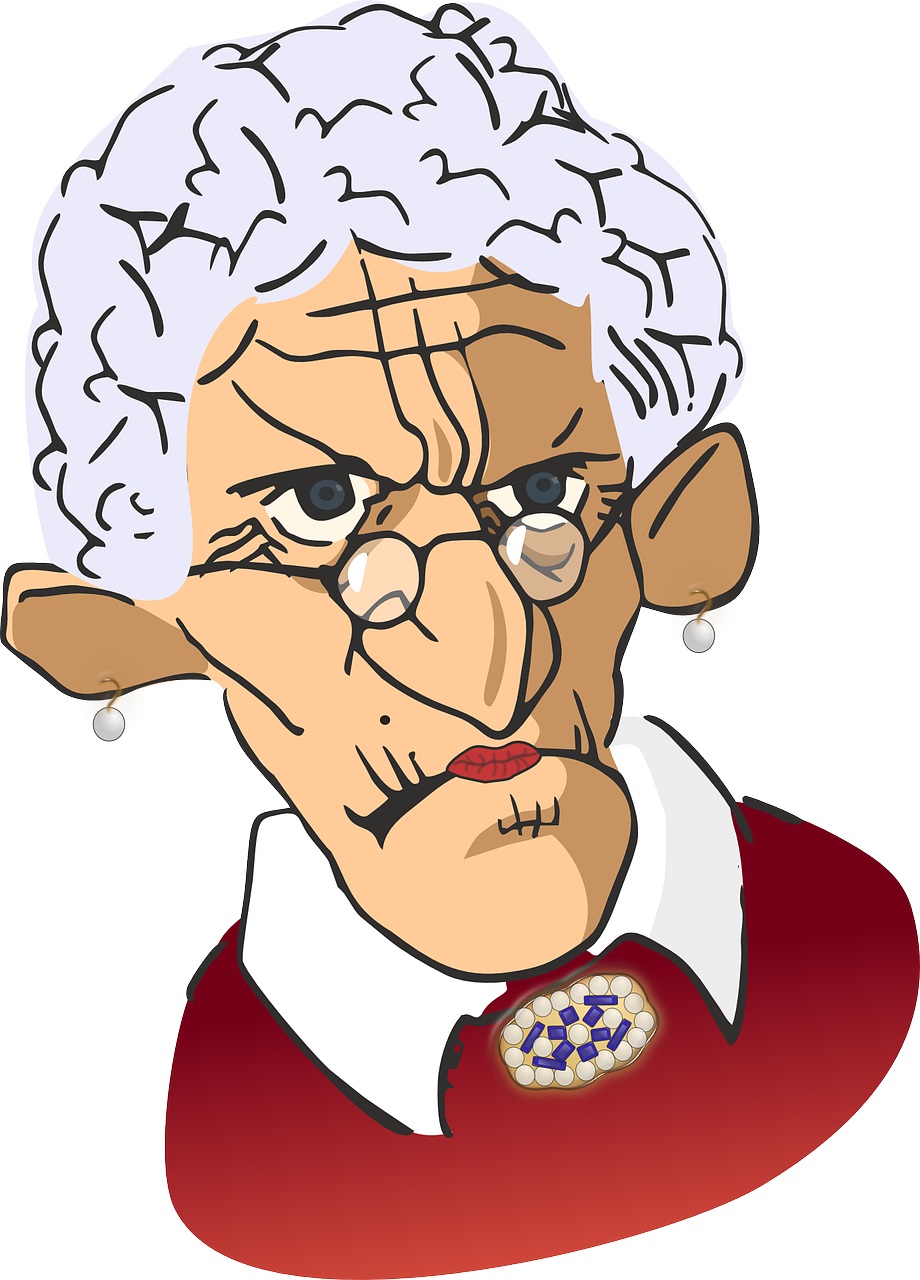
“Elderly,” with its connotations of frailty and dependence and uselessness, has become a pejorative term, and I can certainly understand that. In fact, the other day when someone mentioned that I was elderly, I was miffed. Elderly? Me? No way.

But that comment led me to a search on what “elderly” is. And when it is.

According to the Social Security administration, 65 is considered elderly, though apparently, that number is being upgraded to 67 since 67 is the new retirement age. According to the AMA, 65 is considered elderly. (As in, “The elderly, i.e. those over 65, are most susceptible to the flu.”) The US Census Bureau considers middle age to be 45 to 65, with the assumption that over 65 is elderly, but one does not go immediately from being middle aged to being elderly, from usefulness to uselessness, from vigor to enfeeblement, but apparently there is no word in the official lexicon — or any lexicon — for this younger older demographic.

Other than these few mentions of what age is “elderly,” the consensus seems to be you are only as old as you feel, though that doesn’t tell me anything. “Feeling” is not the same as “being.” Humans go through a general growth arc, developing and then declining, and there does come a time that, despite what you feel, your body simply doesn’t work as well as it once did. The process is slow, so to a great extent we don’t know we are deteriorating until something happens to smack us in the face and wake us up.

The elderly, even the younger elderly, are at risk for various ailments and accidents, don’t heal as quickly, don’t process thoughts as quickly, don’t focus as quickly as when they were young. I realize this sort of determination is also subjective, but there is a cut off point for each of us when the arrows all point downward. (I’m not talking about joy of living or feeling useful and meaningful and even youthful; I’m just talking about physical things, body processes,)

A few years ago, a friend posted a blog for her birthday. She said, ‘It’s a big one. The one after “middle age” and the beginning of “elderly.” It’s difficult to fathom I’m there already. I don’t feel elderly. I’m told I don’t look elderly. However, the calendar says I am.’

I haven’t reached that “big one” yet, but I’ve often thought of her comment, especially considering the falls I recently experienced. Each fall on its own was simply an accident that could have happened to a younger person, but that they happened to me in such a short period of time makes me wonder if there was something else at work here. Maybe a slower reaction time? Maybe an extra fraction of a second before I realized what was happening? I don’t think so, but I don’t know, so I’ve been channeling my inner elder and staying inside when the streets are snowy or even wet. It’s almost comforting, in a way, to pamper this inner elder and not try to force myself to do something I’m not inclined to do anyway. (I prefer to stay inside since I’m not much for cold weather anymore. Or hot weather, either, for that matter.)

I don’t think it’s a bad thing to admit we’re elderly (though for now I still only admit to “getting older”). After all, when you eliminate the unpleasant connotations with which we’ve saddled the word, elderly merely means “olderly,” (which actually would be a cool word if there was such a thing). And anyway, according to the dictionary, an elder is an older person, especially one with a respected position in society. In this context, elderly has a connotation of wisdom rather than worthlessness.

I can live with that.

When I become elderly, that is.

***

Pat Bertram is the author of Grief: The Inside Story – A Guide to Surviving the Loss of a Loved One. “Grief: The Inside Story is perfect and that is not hyperbole! It is exactly what folk who are grieving need to read.” –Leesa Healy, RN, GDAS GDAT, Emotional/Mental Health Therapist & Educator

Snowdrop in the Snow

I’m certainly no snowdrop, remaining steadfast and sprightly in the snow. Instead, I brew a cup of tea and huddle over the warmth of my computer and ignore the snow. Except, of course, a moment now and again to look out the window and enjoy the whiteness of the day.

Well, that’s not exactly true. I did sweep the snow off the ramp leading to the house. I’m not expecting either a package or a visitor, but on the off chance someone would need to come to the door, I wouldn’t want the fates of irony to get into the act. (As much as I appreciate irony, having someone slipping on the wheelchair ramp and ending up in a wheelchair is one example I can live without.)

Then, even though I have a car cover, the snow still needed to be brushed off. It’s been a long time since I had to do that — the last time was a year and a half ago when I got caught in a snowstorm on a road trip. And the last time before that was . . . I don’t know. Maybe a decade or so ago. Even though I haven’t had a workable garage since I moved back to snow country, I do have a carport, but the foundation for the new garage blocks off access. Hence, snow removal.

And then, of course, I had to take a photo of that resolute little bloom in the snow.

This is Tuesday, and as usual, almost all my activities for the week were scheduled for today but, apparently, I am taking a snow day. There can be no work on the garage, a stint of volunteer work at the library was cancelled, I lost track of time and missed the third activity, and I simply don’t feel like going out into the snow and dark for a meeting tonight.

So here I am, a cup of tea at my elbow, the computer shining brightly in front of me, contemplating how not like a snowdrop I am.

***

Pat Bertram is the author of Grief: The Inside Story – A Guide to Surviving the Loss of a Loved One. “Grief: The Inside Story is perfect and that is not hyperbole! It is exactly what folk who are grieving need to read.” –Leesa Healy, RN, GDAS GDAT, Emotional/Mental Health Therapist & Educator

Cat Photos

I’ve read that people online love to look at cat photos, so here are my cat photos.

See? Cat?

Well, I thought it was funny!

And anyway, the Cat was mine for only a couple of hours, and I never even got to drive the excavator! The construction workers did a lot in that short a time — dug the foundation for the garage, and moved the lilacs that were going to be in the way.

Now I just have to keep my fingers crossed that the lilacs will survive, though I’m sure at least some will. With the Cat, they were able to dig down below the root and take up the whole ball of earth.

Things might be at a standstill again. We seem to be in a weird weather pattern — spring every weekend, fall on Monday and Friday, and winter midweek. Although it’s nice to have lovely weather on the weekends, it makes it hard to find a long enough dry time on work days to pour the foundation and allow it to cure. But it’s fun to watch the property change when they do get a chance to work.

***

Pat Bertram is the author of Grief: The Inside Story – A Guide to Surviving the Loss of a Loved One. “Grief: The Inside Story is perfect and that is not hyperbole! It is exactly what folk who are grieving need to read.” –Leesa Healy, RN, GDAS GDAT, Emotional/Mental Health Therapist & Educator
 

Job Shadowing

A guidance counselor at the local grade school contacted a woman I know and asked her to speak to one of the students about being a writer. This woman’s expertise is in journalism, which is one thing the boy is interested in, but the counselor also wanted an author to talk to him, so my acquaintance passed the request along to me. (The subject line of the emails that were copied to me is “job shadowing,” hence the title of this blog.)

I’ve been ignoring the whole situation because I’m truly hesitant about encouraging anyone to be a writer. I’m of the same mind as Dorothy Parker; “If you have any young friends who aspire to become writers, the second greatest favor you can do them is to present them with copies of The Elements of Style. The first greatest, of course, is to shoot them now, while they’re happy.”

People who want to write will write despite any encouragement or lack thereof, so I certainly wouldn’t blight the kid’s interest in writing by not talking to him, but apparently he isn’t interested in the craft of writing so much as writing as a job, and I can’t tell him anything about the job aspect. (Except to tell him that to make money as a writer, he needs to find another job, such as plumber or electrician.)

I can tell people how to write better, I can tell them how to develop a story, I can tell them any number of things about the craft of writing, but I have no idea how to make a living at being a writer. Besides, I tend to think any writing advice I have would go over the head of even the smartest kid, since so much of what I know is obviously over the heads of the most well-known and wealthiest writers today because so few of them practice what I would preach. Being a good writer and being a successful author have little correlation to one another. Rather than expertise, it is luck and phenomenal marketing skills that determines a successful writer.

Making the situation worse, nowadays success seems to be about sliding in on the coattails of another writer. It used to be that there was a turnover in bestselling authors as they died or retired, but the trend now is to continue the name ad infinitum. And ad nauseum.

I did give a speech to students not that long ago about the importance of writing, but that’s different from talking one-on-one.

Writers, if you were presented with this dilemma, what would you do?

***

Pat Bertram is the author of Grief: The Inside Story – A Guide to Surviving the Loss of a Loved One. “Grief: The Inside Story is perfect and that is not hyperbole! It is exactly what folk who are grieving need to read.” –Leesa Healy, RN, GDAS GDAT, Emotional/Mental Health Therapist & Educator

Snowdrop!

At least, I think it’s a snowdrop. When I planted bulbs in the fall, I took a scattershot approach, so they are all mixed up without any indication of what is planted where.

The snowdrop was supposed to be the first to bloom, and considering that this little gem (no bigger than my thumbnail) is not just the first but the only flower so far, I figure it has to be a snowdrop. And if not, well, a snowy drop by any other name is still a lovely little blossom.

I realize it’s not much, this bloom, but every flower garden, no matter how lush, had to start with a single flower, and this is mine — the first step to what I hope will be a pretty yard.

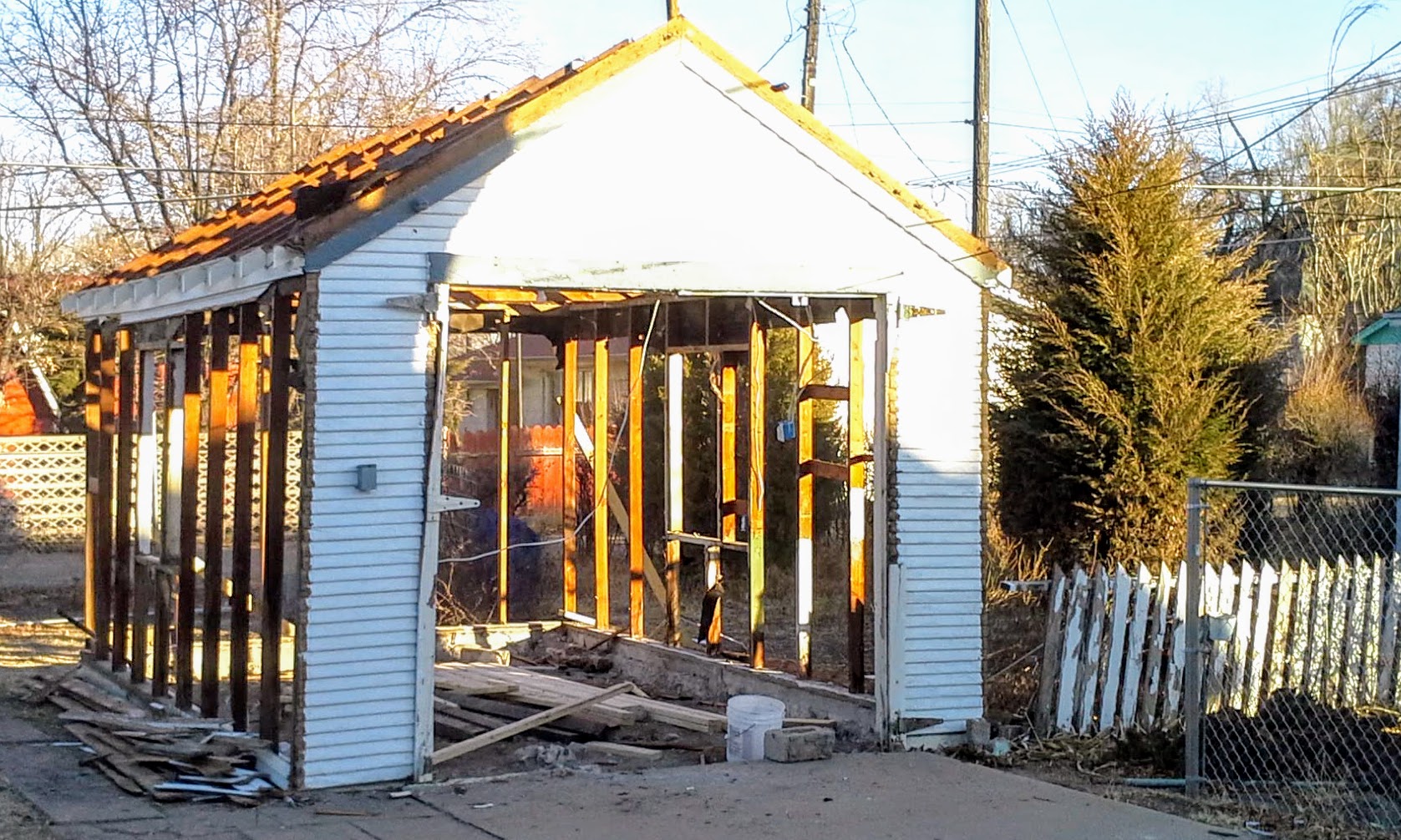
At the moment, of course, the yard is not at all pretty. The brown grass is gouged with troughs where the garage and the carport used to be. The carport was moved close to the house and is filled with a lot of the stuff that should be (and will be) in the garage when it is built, but a few cold, snowy days put garage on hold. There are supposed to be a couple of more cold, snowy days next week, but then after that . . . well, I’m keeping my fingers crossed.

I realize everything is a slow process, whether growing a single bloom, planting a garden, landscaping a yard, or building a garage, and it’s still early days since I haven’t been here quite a year.

In fact, exactly three weeks from today will be my first anniversary as a homeowner.

So far, so good!

***

Pat Bertram is the author of Grief: The Inside Story – A Guide to Surviving the Loss of a Loved One. “Grief: The Inside Story is perfect and that is not hyperbole! It is exactly what folk who are grieving need to read.” –Leesa Healy, RN, GDAS GDAT, Emotional/Mental Health Therapist & Educator

Preparing for the Death of a Spouse

When people ask me how they can prepare for the death of their sick spouse, I can only shrug helplessly because there is no way to prepare emotionally for all the painful and chaotic feelings that grief will throw at you.

I thought I was prepared for Jeff’s death, so after he died, I truly was stunned by the depth and breadth of my feelings. During the last year of his life, and especially the last six months, he’d begun withdrawing from the world and from me. This withdrawal, this lessening of a need to be with others is a natural part of dying, and my response to his withdrawal was just as natural — an increased determination to live. He might have been dying but I wasn’t, and I had to untangle our lives, find a way to survive his dying and his death. I thought I had successfully completed this task, but his death rocked me to the core of my being.

As I discovered, there is a world of difference between presence and absence, and an eternity of difference between dying and dead. Because of this difference, you simply cannot know, cannot prepare for how you will feel.

There is one thing, though, that you can do to prepare, and that is to make sure you are familiar with all the little chores that come with modern-day living.

Even if we don’t have a traditional split in chores, such as the woman doing the cooking and cleaning, the man doing the outside chores, we do tend to gravitate to certain chores and over the years, they become habit. So still, in a time of — perhaps — more equality around the house, the person left behind is also left learning how to do things that are generally simple to learn. When you are grieving, however, when you are caught in the never-ending spiral of pain and stress, helplessness and hopelessness, befuddlement and utter bewilderment, learning such tasks becomes almost impossible.

One woman I know was frantic when it came time to take her car in for an emissions test. Because it was something her husband had always done, she had no idea what to do. Another woman had no idea how to balance her checkbook, had never even been to their bank. One man didn’t know how to make coffee or even how to cook simple meals. In another case, it was the woman who had done minor chores around the house, and the poor husband was ashamed to admit he didn’t even know how to change a lightbulb or tighten a doorknob.

Those of us who knew how to do these things found it almost impossible to garner the energy to do them, so I can only imagine how these people were nearly done-in when confronted with such tasks.

Preparing ahead of time is not as simple as it sounds. Sometimes it is the dying person who wants to teach the person being left behind how to do all these small things, and the soon-to-be survivor resents not just the lessons, but the very idea that their mate is leaving them.

Sometimes, the one dying is resentful. They already feel helpless and the survivor, by taking an interest in “their” chores, seems to be pushing them further into helplessness.

None of this is easy. We humans are odd creatures — so very fragile, and yet at the same time, so very tenacious. It’s hard to die. It’s hard to survive. And yet each of us manages to do what we need to do, prepared or not.

***

Pat Bertram is the author of Grief: The Inside Story – A Guide to Surviving the Loss of a Loved One. “Grief: The Inside Story is perfect and that is not hyperbole! It is exactly what folk who are grieving need to read.” –Leesa Healy, RN, GDAS GDAT, Emotional/Mental Health Therapist & Educator

Grocery Stores and Grief

Grocery stores seem such prosaic places, with isles full of treats and temptations, and music that is supposed to put shoppers in the glad mood of buying.

And yet, for those grieving the loss of a life mate, grocery stores can be a source of incredible pain. It took one woman from my grief group more than a year before she could return to the store where she and her husband always shopped. For another woman, the grocery store was a reminder of how carefully she had to shop for her diabetic husband, and it took her months before she could shop without weeping.

Whatever our situation, grocery stores are a part of our lives. When there is an upcoming celebration, even if only movie night at home or a game day on television, we go to the grocery store for treats. When we have company coming, we go to the grocery store to stock up on special ingredients. When holidays come around, we go to the grocery store for all the family favorites. When it’s hot, we go to the grocery store for meals that are simple to fix. When it’s cold, we go to the grocery store for hot chocolate and soup and other warming foods.

When it isn’t a special occasion? We still frequently go to the grocery store to stock up on food and other necessities. Often a couple shops together. Even if a person goes alone, their mate is there too, if only in spirit, as the shopper choose foods their mate likes or might like.

Although they seem an almost constant presence in our lives, grocery store shopping trips are so common and matter-of-fact that we never of think of them in any context but what to eat.

But when your mate dies, suddenly a grocery store becomes a minefield. You automatically start putting his or her favorite foods in the basket, only to dissolve into tears when you see what you have done and realize . . . again . . . that he or she is gone.

I’d become used to going to the grocery store by myself during Jeff’s final weeks, and I’d become used to fighting off tears. We’d always shopped together, so during those weeks, the clerks, of course, inquired about him, and all I could do was shake my head and try not to cry as I said he wasn’t doing well. And when he was gone, the tears were my only response. It took me many months before I could actually say, “Jeff died”. Or “Jeff is dead.” The words simply would not form.

After a couple of months, I went to a different state to take care of my father. The grocery stores there were different enough that they had no emotional connotations for me. Then the grocery store I most shopped at for my dad went out of business, and I had to go to stores further away for the products he liked. I ended up in a store that strongly reminded me the one where Jeff and I shopped, so I left in tears.

I had to go the that store occasionally, so I got used to it and didn’t think much of it until about three years after Jeff died when I decided to buy a particular salad dressing I used to like that was only sold at that store. After I picked up the salad dressing bottle, I looked for some other flavors in that same store brand, wondering if I should try something new, and I saw a dressing Jeff liked. I automatically reached to get it for him, and when I realized what I was doing, suddenly, right there, in the salad dressing aisle, I started to weep.

Grocery store melt-downs are common among the bereaved, and yet very little is said about it. But then, very little is said about any of the everyday horrors that beset those who’ve suffered a loss.

Which, of course, is why I write about such prosaic things as shopping at a grocery store.

***

Pat Bertram is the author of Grief: The Inside Story – A Guide to Surviving the Loss of a Loved One. “Grief: The Inside Story is perfect and that is not hyperbole! It is exactly what folk who are grieving need to read.” –Leesa Healy, RN, GDAS GDAT, Emotional/Mental Health Therapist & Educator.

Shame

In response to a blog I wrote the other day, Validating Grief, a reader left the following comment:

Last night at my grief group, three people apologized for being tearful or crying as they spoke! They seemed ashamed…actually saying “I should be composed”! How can we expect society to validate our grief, our shadow world, when we don’t! I think that is the reason your voice has been so important to me…you validate yourself which gives permission and example for others in the same to position to do so. Then and maybe only then will the “others” come along.

This comment really made me think. Although I have talked around the issue during the past ten years, I have never actually used the word “ashamed,” and yet it’s true. Our current society, which so shamelessly promotes mores that many people find appalling, still manages to find one group to shame: those who are mourning.

I was never ashamed of my grief, though I did at times feel as if I weren’t handling it well because of all the tears. I cried around others at the beginning because I could not talk about Jeff’s death without sobbing; my grief came from somewhere so deep inside that I had no conscious control over my tears. Later I did my grieving in private. Only I (and my blog readers) knew what I was going through. And even then, as I continued writing about grief, I sometimes felt apologetic as if I were trying to garner sympathy rather than simply telling my truth.

In our present culture, tears are a sign of weakness. Through thousands of movies and books, we are taught to be stoic, to hold back our tears, to be cool. Yul Brynner in The Magnificent Seven was the epitome of western cool, gliding across the film’s landscape without a single show of emotion. Think how different our experience of grief would be if men such as these had wept.

Even more than that, the complex and painful experience of grief for a spouse, life mate, soul mate is not something we see on television shows, in movies, or read about in novels. Fictional folks shed a fictional tear or two, perhaps go on a fictional spree of vengeance, then continue with their fictional lives unchanged.

In real life, this doesn’t happen, and so we are ashamed of our weakness.

For men, this is an especially fraught situation. Where women’s outward shows of grief are often greeted with sympathy, men’s grief is treated with disdain. From a young age, boys are taught that only girls cry, that to be a man, you must be stoic. And so, for men, an additional layer of complication is unnecessarily added to an already complicated situation.

Another reader commented on that same blog post about validating grief:

Agreed that the embarrassment and shame about expressions of grief is important and significant enough for its own essay. I’d add that for us guys, it’s got a different dimension or layer to work through.

Anger is just about the only acceptable form of male grief, and so all those chaotic feelings that so many of us, male and female, feel after the loss of a mate — anxiety, frustration, loneliness, confusion, despair, helplessness, panic, resentment, bitterness, isolation, numbness, emptiness, futility, yearning, envy of those who are still coupled — have no place to go in a man except to be buried in anger and embarrassment and shame.

Current theories about grief that are supposed to replace the outdated five stages of grief model, are just as damaging to the griever, because proponents of these theories say that getting past the loss and returning to our normal selves is a matter of resiliency. Normal selves? There is no more normal! Resiliency? People who are grieving are utterly resilient; how else would we survive?

Because of all this conditioning, if our grief doesn’t fit into any of the established ideas about dealing with loss, we are ashamed. If everyone else can get by without tears, why can’t we? If everyone else can get over their loss, why are we still in such pain?

Despite what people might believe, weeping and wailing are appropriate ways of relieving the incredible stress, pain, and angst of losing a longtime mate for both men and women. Such releases are necessary because otherwise the pain stays inside to cause emotional and physical damage, gets relieved by pharmaceuticals, or leads to inappropriate behavior such as illicit drugs or dangerous anger.

Grief is not just a matter of emotions. It is, in many cases, a physiological response to stress, and especially to the loss of our survival unit. Humans are pack animals, and our very survival depends on our pack, and when we lose the other half of our survival unit, it sets off a cacophony of alarms in our bodies that create havoc with our systems. And yet, somehow, instead of being taught to accept physical changes as a normal part of grief, we are taught to be ashamed of these body processes, as if we were defecating in public. (But oh, wait, I just remembered — in many cities, relieving oneself in public is now accepted without shame and is no longer a punishable offense, but cry in public? Oh, no! That is shameful.)

As time goes on, we are supposed to “get over” our grief, and miraculously, the pain does diminish, but there is no way to get over the loss — every single day, we wake up to a world without our loved one. One year, five years, ten years — what are years to a broken heart? For people who are still married, every day of those ten years, they woke up to their spouses. They take comfort in being married, and yet we are supposed to . . . what? Take comfort in our lonely beds? One year, five years, ten years — doesn’t matter. They are still gone.

We did nothing wrong but try to do the best we could in an untenable situation. So why are we supposed to be ashamed?

The truth is, there is nothing to be ashamed of while grieving. It takes courage and strength to grieve and aren’t those traits the epitome of manliness (and womanliness)?

It’s those “others,” the people who urge us to “get back to normal,” who should be ashamed — of their ignorance, if nothing else.

***

Pat Bertram is the author of Grief: The Inside Story – A Guide to Surviving the Loss of a Loved One. “Grief: The Inside Story is perfect and that is not hyperbole! It is exactly what folk who are grieving need to read.” –Leesa Healy, RN, GDAS GDAT, Emotional/Mental Health Therapist & Educator.

Mystery Script

[For those who couldn’t make it to the murder mystery dinner, or who did but couldn’t hear what people were saying, the following is what I’d written. I wanted the people with scripted parts to be placed around the room to make it seem as if it weren’t a play — which it wasn’t; it was supposed to be an interactive game — but things didn’t work out that way. Still, one way or another, it did work out.]

DOLLY CARSON introduces herself as The Mistress of Ceremonies of the Lost Souls Underground Club, extends a welcome along with a wish that her guests enjoy their evening, introduces Felix Tucker as a card dealer, Win Winslow as a bookie taking book on an upcoming boxing match, then raises a finger to her lips and cautions everyone to “speak easy.”

After everyone has their dinners, DOLLY CARSON introduces POPPY O’HARE as the Lost Souls own songbird.

When Poppy finishes her song, BESS JORDAN approaches her on the stage.

BESS JORDAN My name is Bess Jordan, and I have a petition to get more rights for women. Would you sign it?

POPPY O’HARE: I’m an emancipated woman. I don’t need anyone’s help. (She flounces off)

BESS JORDAN: (Calls after her) The nineteenth amendment giving women the vote is only the first step.

FLORENCE NASH: Poppy’s emancipated all right. She emancipated her way into my husband’s bed. My name is Florence Nash. I’ll sign.

CARMEN TRUJILLO: I’m Carmen Trujillo. I’ll sign, too.

During the meal, there is more talk about women’s rights instigated by BESS JORDAN , flirtatiousness from POPPY O’HARE, who is Win Winslow’s girlfriend, and snide remarks about flirtatious poppy from FLORENCE NASH, but most of the conversation is about the money everyone lost at the horse race that morning, when the least favorite (Milk Money) beat the favorite (Dandy Lion) at 50 to 1 odds.

It is widely known that a mysterious person known only as “Mr. Big” runs the rackets in the County, and it had been rumored that Mr. Big had fixed the race so that Sugar Beet (third place contender) would win. No one knows who to be angry with: Mr. Big for selling them out, a second person who sold out all of them, including Mr. Big, or the jockeys who only did what they’d been bribed to do.

When the meal is almost finished, DOLLY stands up and flings out her arms:

DOLLY CARSON: That was the slowest horse race in history.

CARMEN TRUJILLO: My husband is going to kill me when he finds out how much I lost.

JAMES PROWERS: I lost more than anyone.

CARMEN TRUJILLO: What are you talking about, Mr. Prowers? Milk Money won.

JAMES PROWERS: Call me James. James Prowers. Milk Money is my wife’s horse.

FELIX TUCKER: So? What’s hers is yours.

JAMES PROWERS: Milk Money is the worst trotter ever. Couldn’t beat a donkey.

FELIX TUCKER (bellowing): Shut up everyone, I want to hear this!

CARMEN TRUJILLO: Then why did she win?

JAMES PROWERS (points to Frank Faraday): Ask him. Frank Faraday. He’s the nincompoop who rode her.

FRANK FARRADAY: (Stands up) I didn’t mean to, Mr. Prowers. Honest. It’s just that all the other racers were so far behind. Usually I’m the one behind, on account of I’m bigger than all the other jockeys, and I didn’t know what else to do.

JAMES PROWERS: That’s why I hired him. He never wins. I figured with him on that dobbin I couldn’t lose. See, my wife wants to help me train horses, and she kept nagging me and nagging me, so I agreed that if Milk Money won, she could help.

FELIX TUCKER: I heard that Mr. Big fixed the race and that Sugar Beet was supposed to win. That’s why I bet on Sugar Beet. I only bet on sure things.

FRANK FARRADAY: Mr. Big did fix the race, but then that gambler Win Winslow came around and bribed the rest of the jockeys to lose. He tried bribing me, too, but Mrs. Prowers had already bribed me to win, and I am honest. Honest, I am.

WIN WINSLOW (who is at a different table, stands up): Are you talking about me?

FRANK FARRADAY: Yes, Mr. Winslow. Sorry.

WIN WINSLOW: No problem. I don’t care if everyone knows what I did

POPPY O’HARE: You’re not scared, baby? What if Mr. Big finds out?

WIN WINSLOW: Mr. Big has been running things too long. It’s time for new blood in this town, and I intend to be the new top dog.

FELIX TUCKER: So you’re the one who made the killing at the track?

WIN WINSLOW: That was me! I placed my bet under a phony name so that Mr. Big wouldn’t know who won, but now that I have my money and everyone knows I’m Mr. Bigger, it doesn’t matter. Mr. Big wouldn’t dare touch me.

POPPY O’HARE: But what about people who lost their money, like Felix Tucker or Carmen Trujillo? Won’t they come after you?

WIN WINSLOW: They can’t. They know if they did, they’d never be able to gamble in this town again.

JAMES PROWERS: I wouldn’t mind if something happened to you. My wife is at home right now, painting the barn pink.

WIN WINSLOW: (laughs): I hear you. That’s a fate worse than death. Hey, Effie! Bring me some of my Amaretto!

EFFIE tOWNSEND (bartender): Sure, Mr. Winslow. I’ll go get your special bottle (Goes in the back room.)

CARMEN TRUJILLO: I like pink.

JAMES PROWERS: A pink barn. I will be a laughingstock.

EFFIE tOWNSEND: (placing a glass in front of Win Winslow next to one that’s already there): There was only enough in the bottle for one drink, so this is the last of it.

POPPY O’HARE: I don’t know why people have to gamble. Why can’t they just watch the pretty horses run?

WIN WINSLOW: Without gambling, there is no horseracing.

POPPY O’HARE: (snuggling up to Win): But gambling upsets people too much.

WIN WINSLOW: I have business to conduct, Dollface Why don’t you go sing us a song?

POPPY O’HARE: Okay, Snookie. (She picks up a glass and takes a swig.) Ooh, that’s horrible stuff! (Goes to the stage area and begins to sing. After a verse or two, her words falter, she stumbles, and collapses.)

DOLLY CARSON rushes to the fallen singer, but she’s pushed aside by CHARLES PRESTON.

CHARLES PRESTON: Step aside. I’m a doctor. Dr. Charles Preston. (He bends over the body.) This woman is dead. Murdered. I can smell the bitter almonds from cyanide. Call the cops.

(General pandemonium, and cries of “No cops” and “No pigs” “No Coppers” and “I have to get out of here.”

Dolly CARSON: Sit down.

FELIX TUCKER (bellowing): Everyone sit down and shut up!

Dolly CARSON: Thanks, Felix. We don’t need the coppers. We can figure out who killed her and then turn the murderer over to the cops ourselves. (Points to Florence Nash who has been badmouthing Poppy all evening.) You didn’t like the victim, did you?

FLORENCE NASH: She was okay.

Dolly CARSON: That’s not what you were saying earlier.

FLORENCE NASH: Okay, you’re right. I didn’t like her. She was a flirt. And more. She was always going after my husband, and he left me, thinking she meant she wanted to be with him. But she was just playing around, and now I’m all alone. But I didn’t kill her.

Dolly CARSON: Do you know anyone beside you who would want her dead?

FLORENCE NASH: Everyone. All the women anyway. She flirted with our husbands.

BESS JORDAN: She put the woman’s movement back twenty years.

Dolly CARSON: You didn’t like her, did you, Bess?

BESS JORDAN: No. Didn’t hate her enough to kill her, either. We don’t need people like her. The woman’s movement is becoming stronger all the time. We can do anything men can, and better.

WIN WINSLOW: In your dreams!

Dolly CARSON: She was your girlfriend, Win, but you didn’t really like her, did you?

WIN WINSLOW: She was a flirt. And a gold digger. But she was beautiful and fun.

Dolly CARSON: Is that why you killed her? Because the fun was over?

WIN WINSLOW: I didn’t kill anyone. I don’t need to. I got guys for that. Besides, poison is a woman’s weapon.

BESS JORDAN: No, poison is a woman’s privilege, but men poison, too. We are all equal.

Dolly CARSON (Points to people at random and asks them questions): You didn’t like the victim, did you? What was your beef with her? Do you know anyone besides you who would want her dead? Do you have any information relative to this investigation?

Dolly CARSON (turning to Mildred Boggs): Mildred Boggs, you were sitting across the table from Poppy. Did you like her?

MILDRED BOGGS: No, but . . .

Dolly CARSON: What was your beef with her?

MILDRED BOGGS: Same as everyone else. With women like her around, no one’s husband is safe, but . . .

Dolly CARSON Do you have any information relative to this investigation?

MILDRED BOGGS: Yes. That’s what I’ve been trying to tell you. I don’t think Poppy was supposed to be the victim. I think it was Win Winslow. She drank from his glass.

Dolly CARSON: The bottle was in the storeroom. Anyone could have spiked it with cyanide. It could have been Felix Tucker. James Prowers. Carmen Trujillo. Effie Townsend. Or anyone here. So, Win, who wanted you dead?

WIN WINSLOW: No one wants me dead. Everyone likes me. I’m a likeable guy.

Dolly CARSON: Does anyone else have anything to say? (If there’s no response, or when the discussion dies down, Dolly holds up a ballot.) We don’t want to call the cops, and since no one has any pertinent information, and since no one is confessing, let’s take a vote.

While the votes are being tallied, people go get dessert.

After the votes are tallied, Dolly announces the winners of the voting for Most Dastardly Villain, Best Costume, and Best Role Playing, and thanks everyone for being such Keen Detectives.

After the applause dies down, it’s time for the truth to come out. If the right person was chosen to be the villain, the killer takes a bow and explains why he or she did it. If the wrong person is chosen, the real villain tells the truth.

***

So, who do you think is the killer?

***

Pat Bertram is the author of Grief: The Inside Story – A Guide to Surviving the Loss of a Loved One. “Grief: The Inside Story is perfect and that is not hyperbole! It is exactly what folk who are grieving need to read.” –Leesa Healy, RN, GDAS GDAT, Emotional/Mental Health Therapist & Educator.

Mystery Evening Critique

The Roaring Twenties mystery fundraiser was a success. It had the biggest turnout to a local event that I’d seen, it made money, and people had fun. At least, they had fun to the extent that the evening met their expectations. The people with no expectations and those who were willing to get into the spirit of the game had the most fun. Those who expected to sit and watch a play were not quite as satisfied.

People’s comments to me revealed their expectations, and said more about them than it did about my writing. Some people said I did great, and I could see they meant it. Some people avoided me. Others damned me with faint praise: “It was good for a first attempt.” Or “You’ll do better next year.” Others said it was fun, but that they couldn’t hear most of the play.

A friend warned me about this — how nerve wracking it was for scriptwriters who had to sit back and see their dialogue not working the way it was supposed to. I’d glibly responded to him, “If it doesn’t work, I’ll get to blame the role-players for not doing their job of engaging the audience.”

And so it was.

Few people, even those to whom I had explained the concept, got the point — that it was a game, a role-playing game, with some scripted parts to keep things going. Everyone who came was supposed to play a role, and to that end, each had been given a cheat sheet with a bit about their character. For example: You bet on Sugar Beet since it was supposed to be a sure thing, and now you think Mr. Big sold you out. Or You strongly approve of the suffragette movement, and you think flirts like Poppy give women a bad name.

The people who played the various scripted characters were supposed to sit among those without lines and get them involved. Only a couple of women did this, and did it admirably, but I could see the strain it was for them since so few responded to their attempts. Some of the younger people who volunteered to play a part were great, but others huddled in a corner with their friends instead of getting the non-scripted folks to participate, and they kept sitting when they too-quietly spoke their lines rather than standing up when they were supposed to speak.

After the murder, non-scripted people were supposed to have been interrogated, but that part was dropped, maybe because of the problem with getting attendees into the spirit of the game.

I’d thought that during the event the characters would become less my creation and more theirs as they adlibbed, took things further than what I had suggested, and got other non-scripted guests to participate. None of that happened. And since I wasn’t one of those who were supposed to be chivvying others into participating, there was nothing I could do about it. Nor was there anything I could do about lost lines, swallowed punchlines, clues that no one could hear, participants with jitters and nerves, and people who wanted to do things their own way.

That the evening was a success was due to the efforts of those who did get into the spirit of the thing and who so wonderfully (and in the case of the bartender, so chillingly, and in the case of the jockey, so charmingly) delivered their lines.

From a personal standpoint, I enjoyed the evening. It was interesting to see how far I had come in the eleven months since I’d moved here — how many people I knew or recognized, how many people knew or recognized me.

From an author standpoint, it wasn’t nearly as enjoyable, mostly because of my own expectations. The game never took on a life of its own, as I had hoped. I’d seen it as sort of a flash mob thing, where scripted characters, seemingly from the audience, would jump in with their lines as if on the spur of the moment, which never happened because of the aforesaid huddling. And I woefully overestimated how many attendees would get into the speakeasy attitude and play along. (I should have known what would happen when only a smattering of people with non-scripted lines made any effort to dress the part.)

So what’s the solution? Insist on having greater control of the process? But then, this wasn’t really about me as an author, but about the community. Give explicit instructions to the scripted players, making sure they sit among the “audience,” and write additional lines so they aren’t expected to adlib? When people make a reservation, ask if they are willing to say a few lines, and then give them specific things to say? Wait to see who shows up in costume, and give those people lines? The characters who were the most enthusiastic and who really carried the evening were those who had been coopted almost at the last minute, so is the solution to coopt more people like these, people with big voices and bigger personalities? Or is the answer to give up on the idea of an interactive experience and give people the play they expected?

But then, that raises the question: Is this who we have become? A people who would rather simply sit and watch rather than get involved?

I don’t know the answer, and I don’t need to since my scriptwriting days are done.

Besides, the evening really was a success, and in the end, that’s all that counts.

***

Pat Bertram is the author of Grief: The Inside Story – A Guide to Surviving the Loss of a Loved One. “Grief: The Inside Story is perfect and that is not hyperbole! It is exactly what folk who are grieving need to read.” –Leesa Healy, RN, GDAS GDAT, Emotional/Mental Health Therapist & Educator.