I’d been counting the days until it got cool enough to start planting the three hundred spring bulbs I bought. The instructions said not to plant until the highs were consistently in the mid-60s or cooler, and today was supposed to be the day. A couple of times during the past weeks I’d almost given in to the urge to start plant, but considering what a non-green thumb I have, I figured I needed to give those poor plants the best start possible.
So I waited.
After a few unexpected (and lovely) eighty-degree days, the temperature did drop today as forecast, so I got all gussied down and went out to play farmer.
And then the winds came. Severe winds.
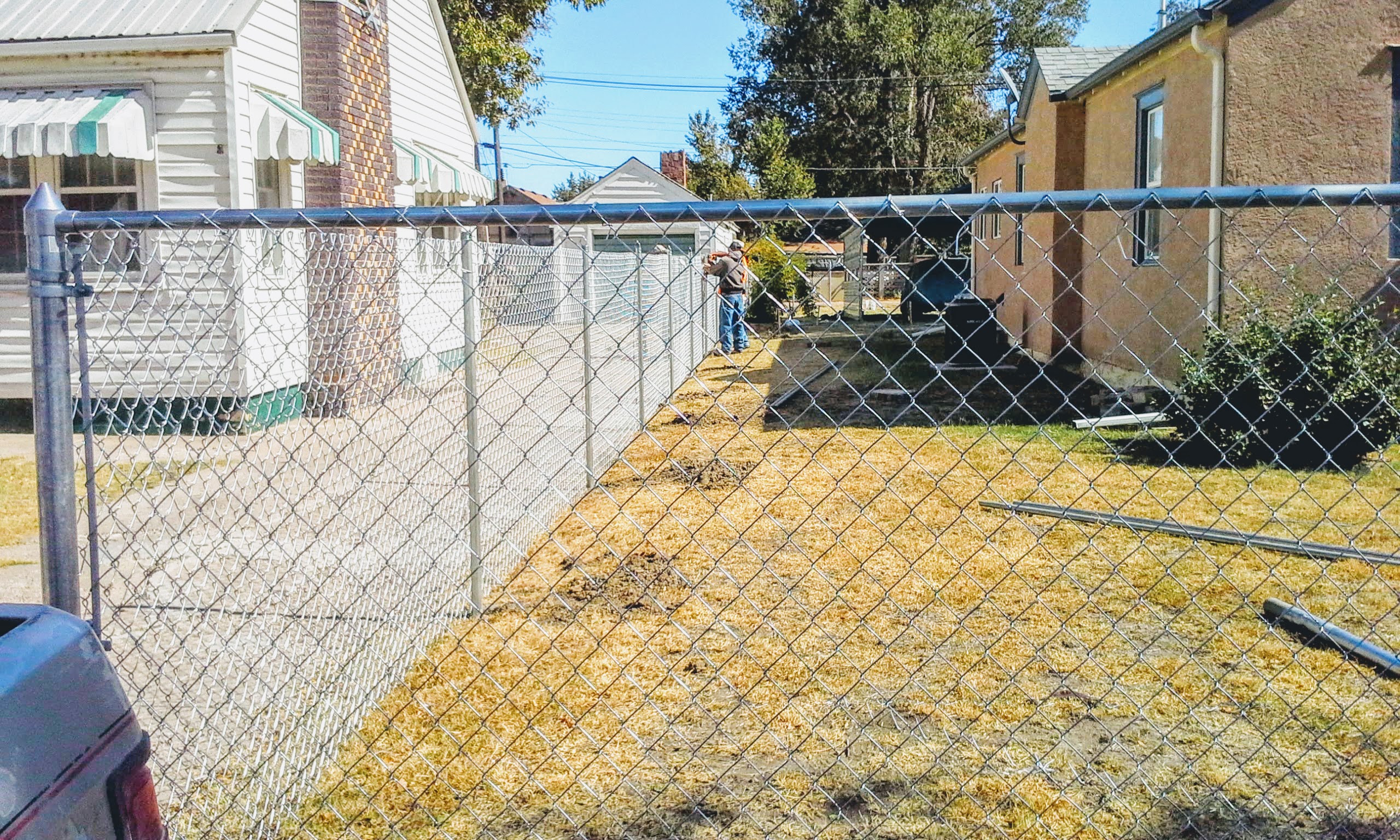
Being stubborn, I didn’t let a little — or a lot — of wind force me inside, but I postponed the precision work of planting the bulbs for another time. Just as well. The guys who’d put up the fence hadn’t yet finished burying the bottom of the chain link fabric, and they’d left the dirt they were going to use piled in the middle of front yard where I’d planned to plant. So I raked leaves away from the fence and moved the dirt — shovelful by shovelful — where it belonged. Then I gathered up the leaves, and smashed them to use for mulch.
Such excitement!
I’m laughing to myself. A friend made a remark the other day about certain blogs that said nothing important (she wasn’t referring to mine; she hadn’t known I had a blog), and well . . . I sure hope she doesn’t read this one. Talk about nothing important!
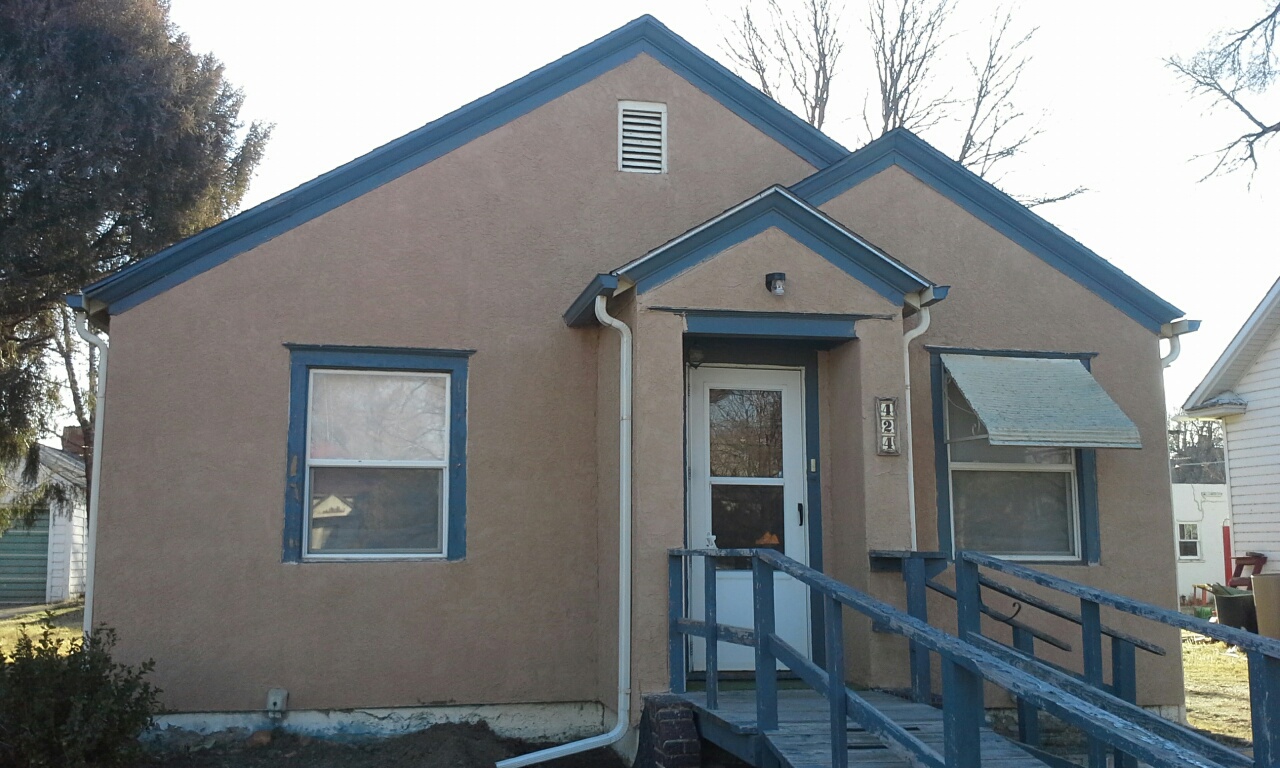
Not important in the grand scheme of things, that is. The job was very important to me — to be outside despite the wind, to work physically, to accomplish something. To continue building my nest. And that nest building, of course, is the most important of all.
It’s taken me my whole life to get to the point where not only could I own a house but that I wanted to. And anything I do for my home is a way of honoring the house, and me, and the painful journey it took to get here.
***
 Pat Bertram is the author of Grief: The Inside Story – A Guide to Surviving the Loss of a Loved One. “Grief: The Inside Story is perfect and that is not hyperbole! It is exactly what folk who are grieving need to read.” –Leesa Healy, RN, GDAS GDAT, Emotional/Mental Health Therapist & Educator.









 Bertram's Blog