Lily Tree Forest

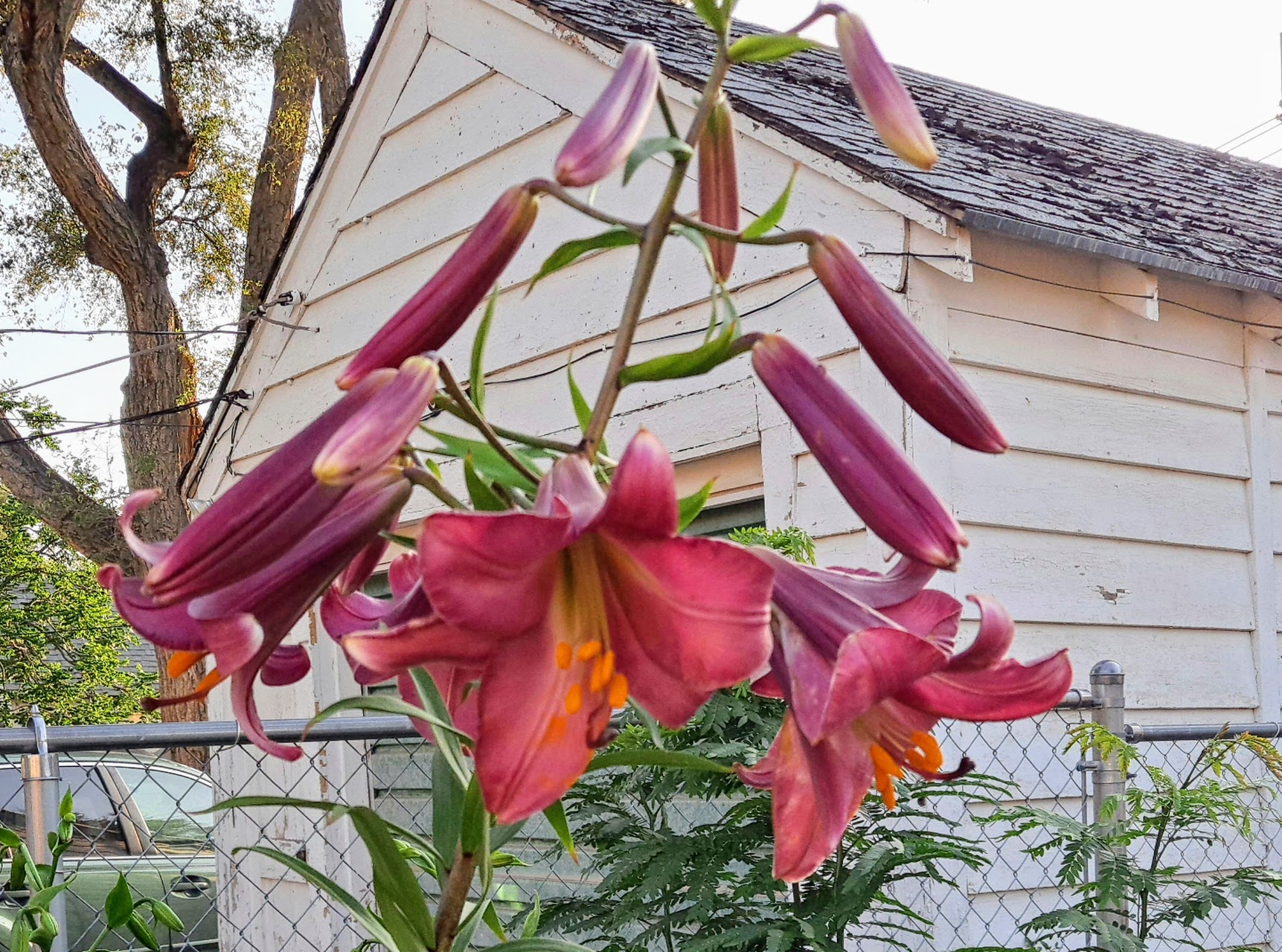
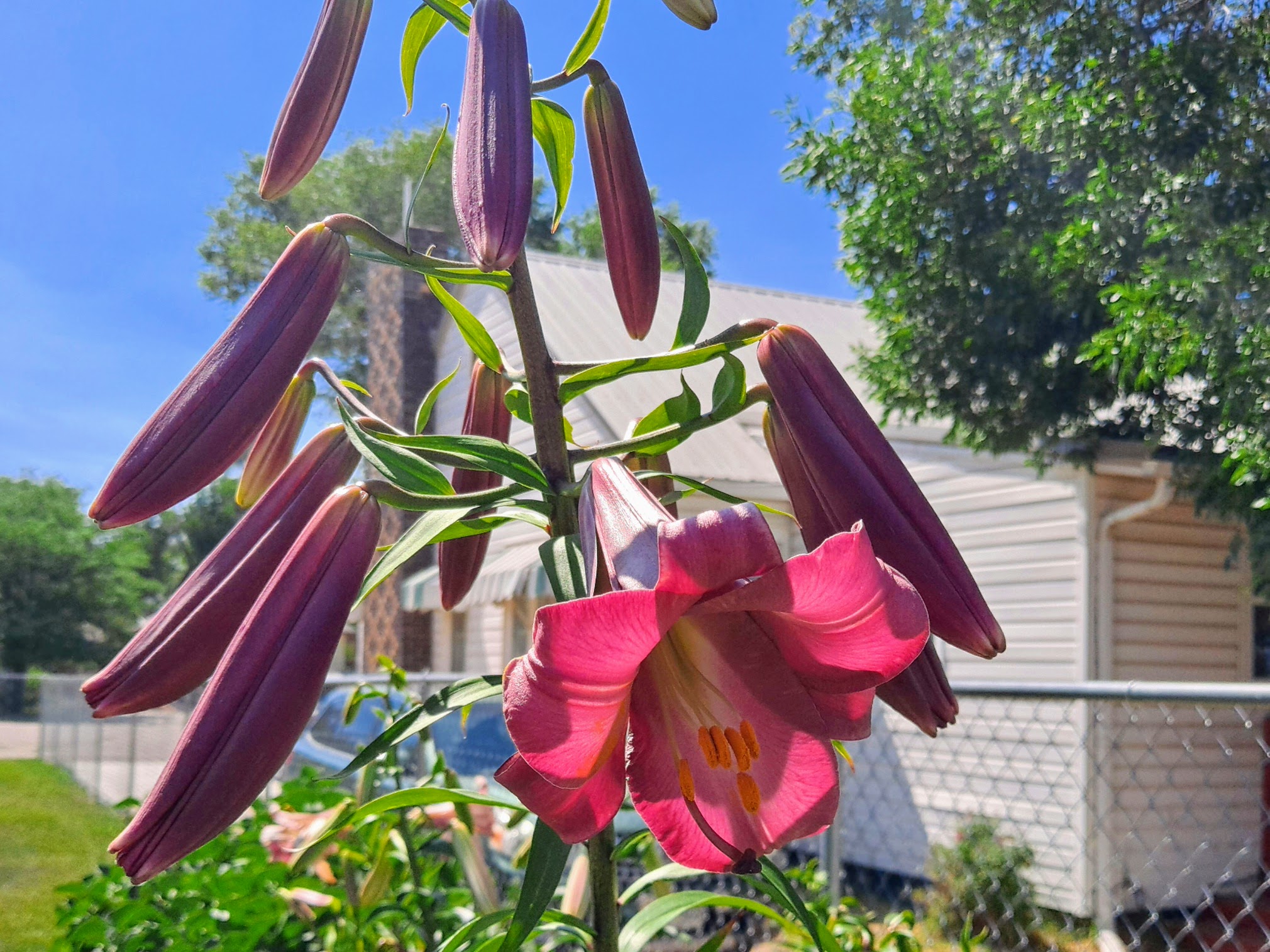
When I first started thinking about a garden, I came across photos of a luscious flower called a tree lily, a hybrid between an Oriental lily and a trumpet lily. (For obvious reasons, they’re also known as Orienpet lilies.) I’d always thought lilies were a rarified flower that only professional gardeners could grow, but apparently not. I loved the idea of a lily tree forest, so I decided to take a chance, even though the bulbs aren’t cheap.

Some of the original bulbs never came up, so the next year I planted a few more. And a few more after that. A couple of years ago, the lilies started to grow tall and to bloom. And oh, how lovely those lilies are! Large than my hand, on stalks taller than I am, they manage to deal with the weather extremes of this area very well. Even the late frost didn’t do much damage.

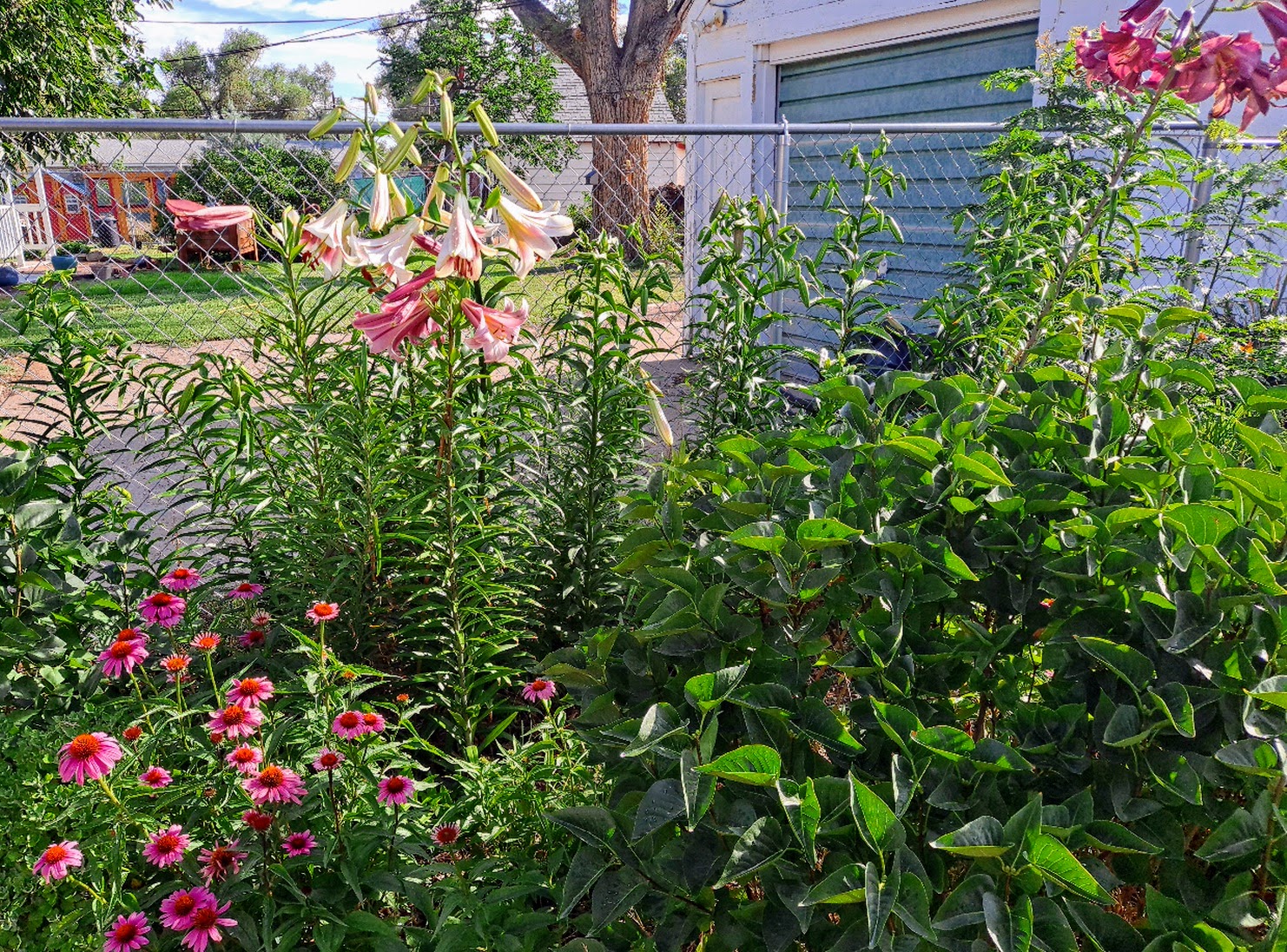
My one nitpick with the plants is that they need to be staked to keep them from growing in crookedly, but how does one stake a six- or seven-foot plant? I do fine when they’re young with my 2-foot metal stakes and the three-foot bamboo stakes, but after that, they’re on their own. I could tie them to the fence, but it would take a lot of plant ties or twine, and I’m afraid I’d forget it was there and trip on it or decapitate myself. Well, not decapite, of course, but something unpleasant anyway.

Although the forest looks as if it’s a narrow swath, the tallest lily and the one most needing to be staked is six feet from the fence. Still, leaning or not, my lily forest is awesome. The plants are just starting to bloom, and since each has multiple flowers that bloom at different times, I will have lilies to enjoy for over a month. (The flowers on the lower left-hand side of the photo are purple magnus echinacea.)

It’s amazing what an amateur gardener can do with no expertise but a head full of hopes. I’m still an amateur, of course, but after five years of gardening, I do know a few things, such as water them, remove weeds and weedy grasses, and let them do what they want to do.

Luckily for me, what they want to do is . . . bloom.

***

Pat Bertram is the author of Grief: The Inside Story – A Guide to Surviving the Loss of a Loved One
Orange You Glad

When my little brother was small, three or four maybe, he was annoyingly smart. He’d ask if I wanted to play a particular game, and if I said no, he’d say, “I’ll let you win.” That’s how smart he was — he knew how to beat me (even though I was more than a decade older than he was) as well as figure out how to let me win. He also had an infectious laugh. He used to tell one of those knock knocks that kept repeating the refrain, and when he got to the punchline, he’d just laugh and laugh. I’d have to laugh with him, even though by the time he finished, I was sick of “bananas.”

You know the joke:

Knock, knock. Who’s there? Banana. Banana who? Knock, knock. Who’s there? Banana. Banana who? Knock, knock. Who’s there? Orange. Orange who? Orange you glad I didn’t say banana again?

As I was sorting through the photos I took for today’s blog, I noticed that they were mostly yellow and orange, and it reminded me of that joke.

The flowers are no joke of course — they are a delight to the eye. My eye, anyway.

Although the spring flowers are gone, and the few summer flowers I planted — wildflower and dwarf zinnias — haven’t yet come in, there are a few flowers showing their colors.

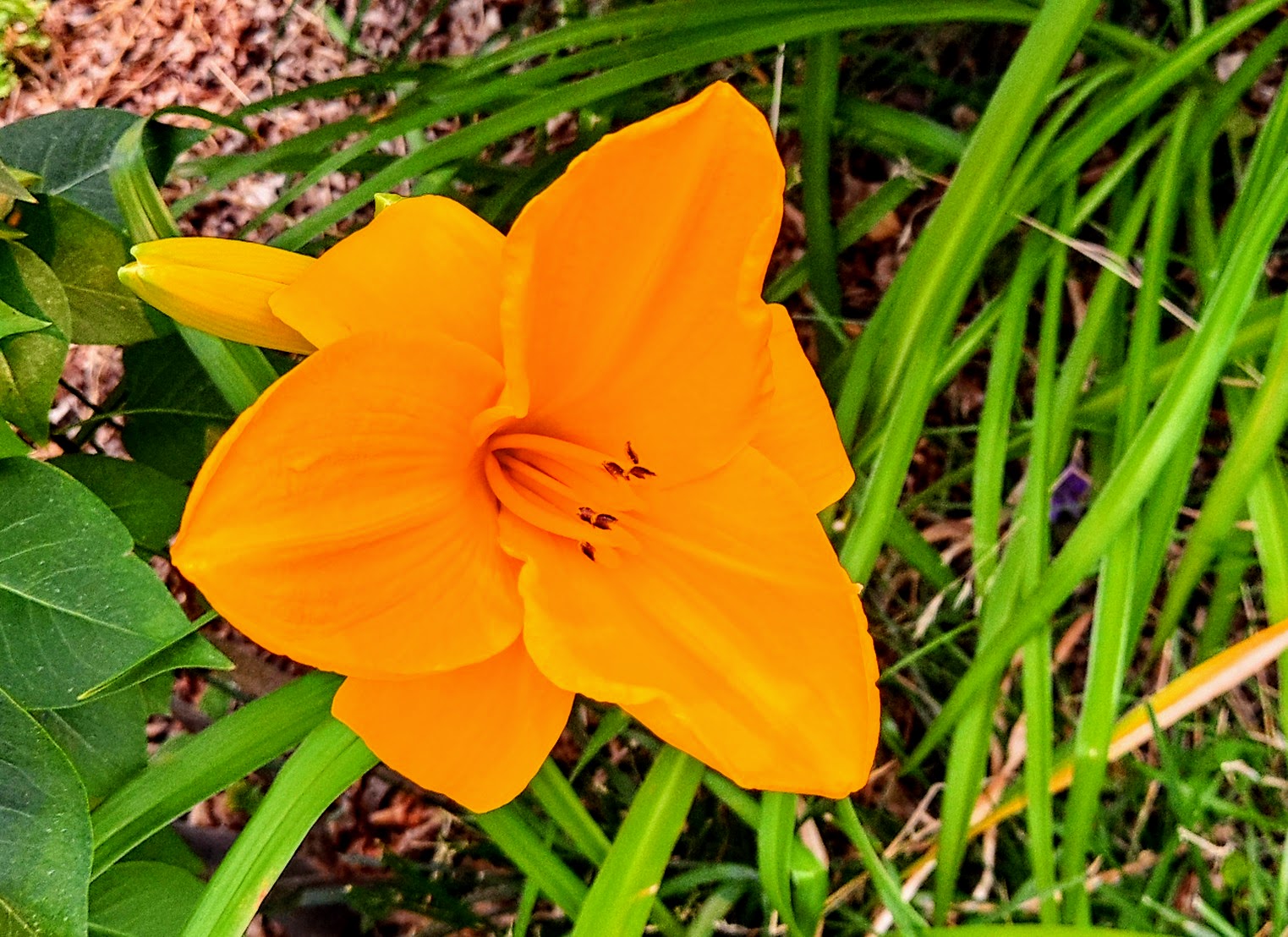
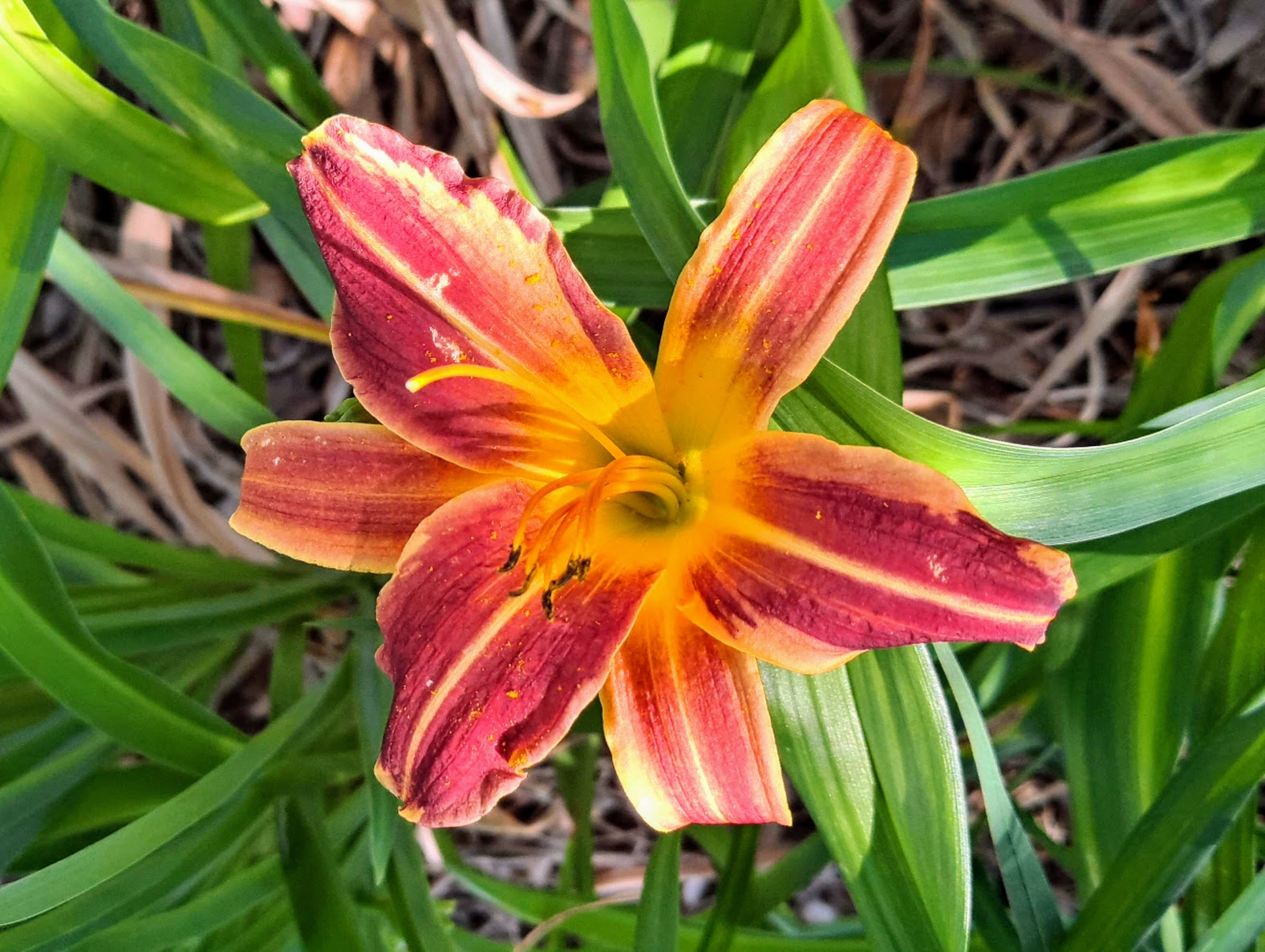
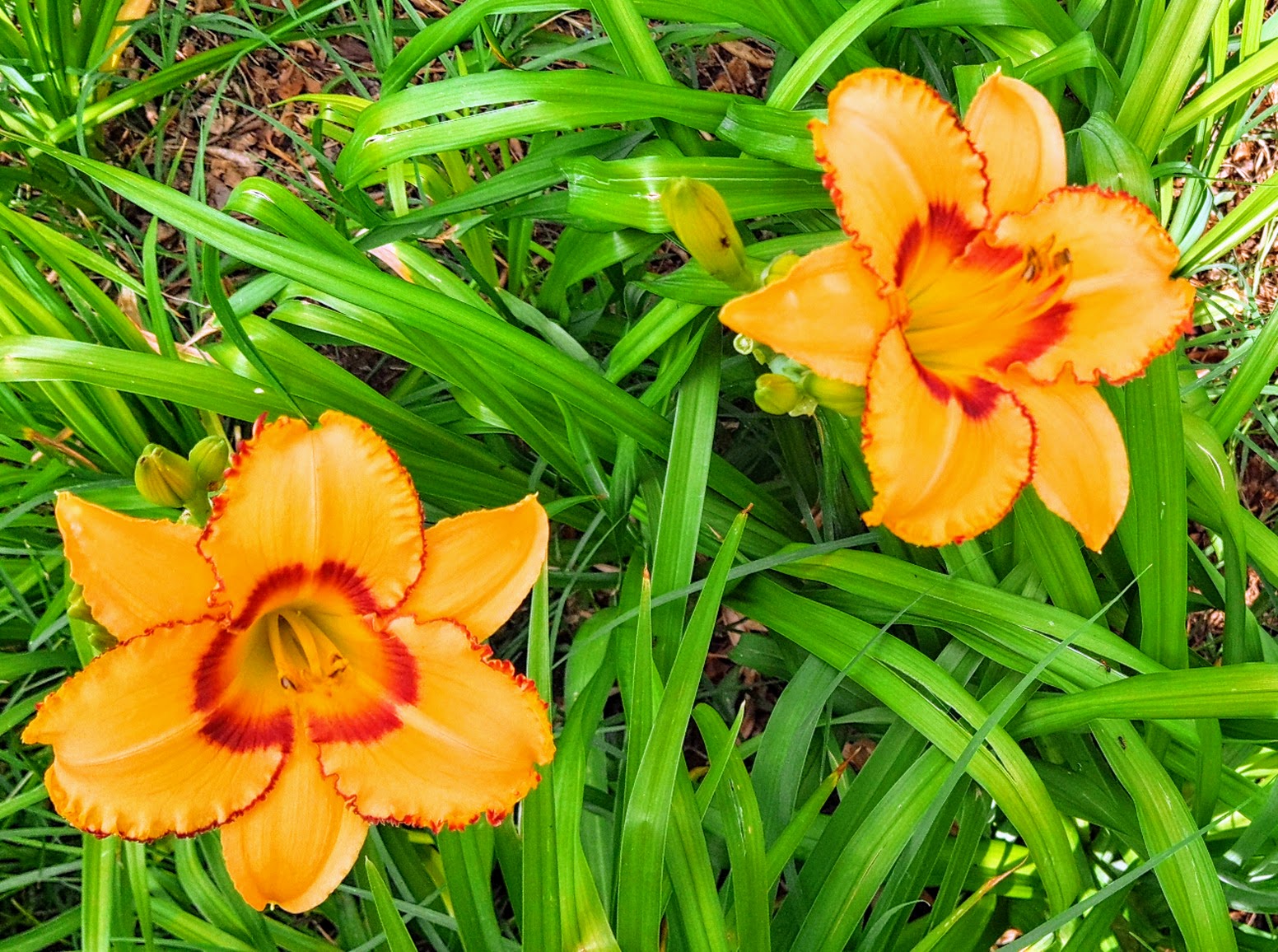
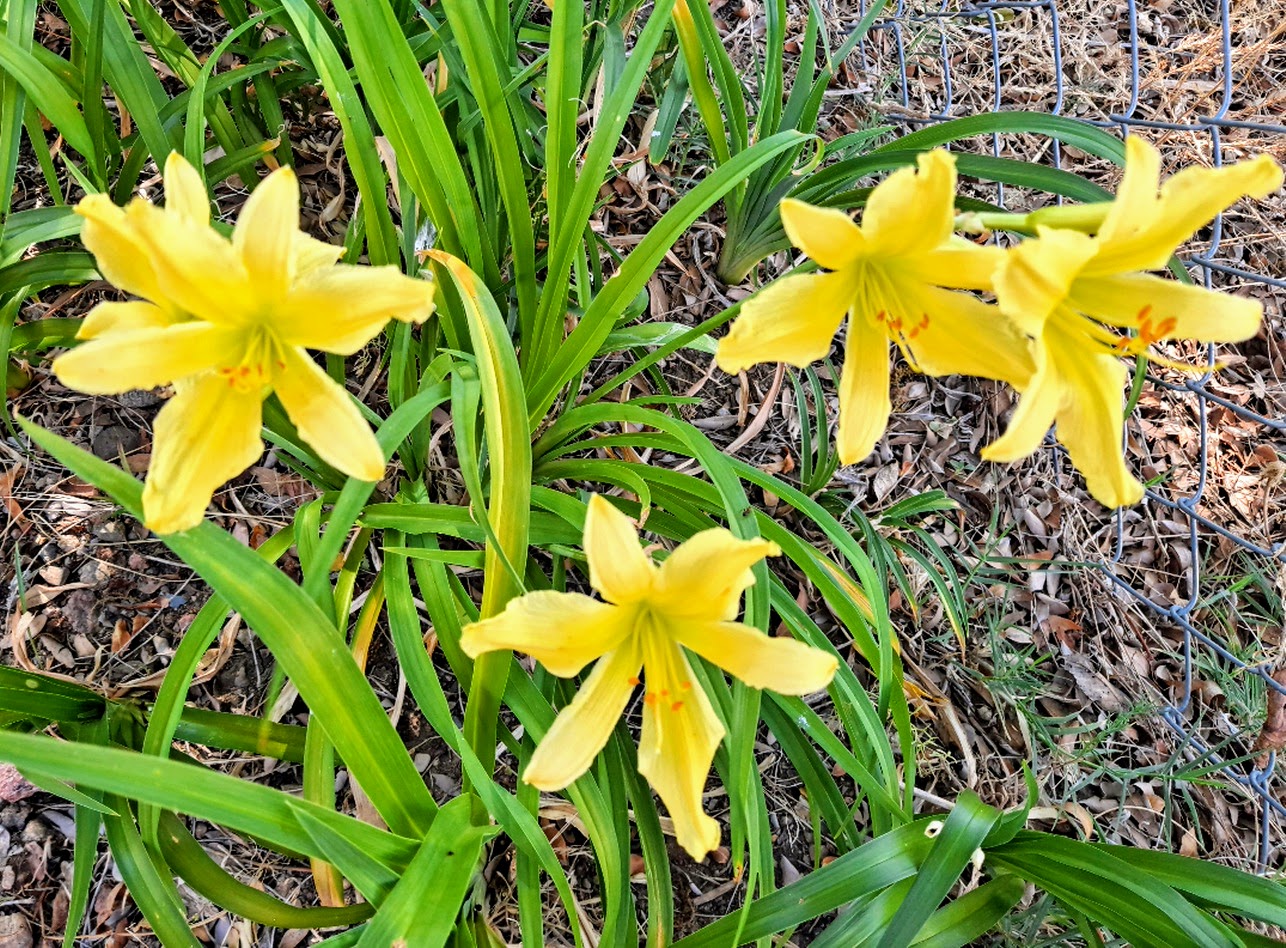
Daylilies.

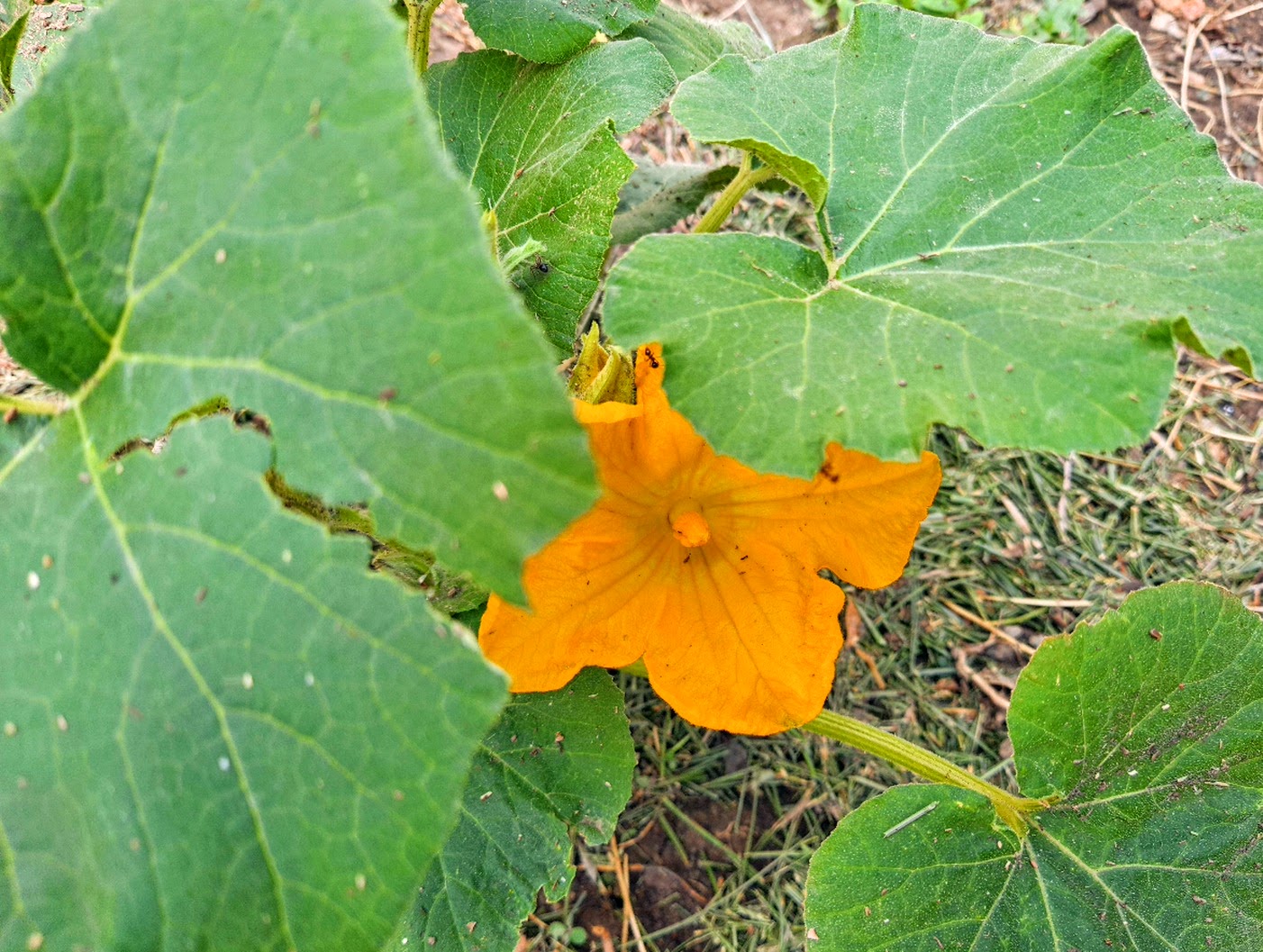
This shy pumpkin blossom.

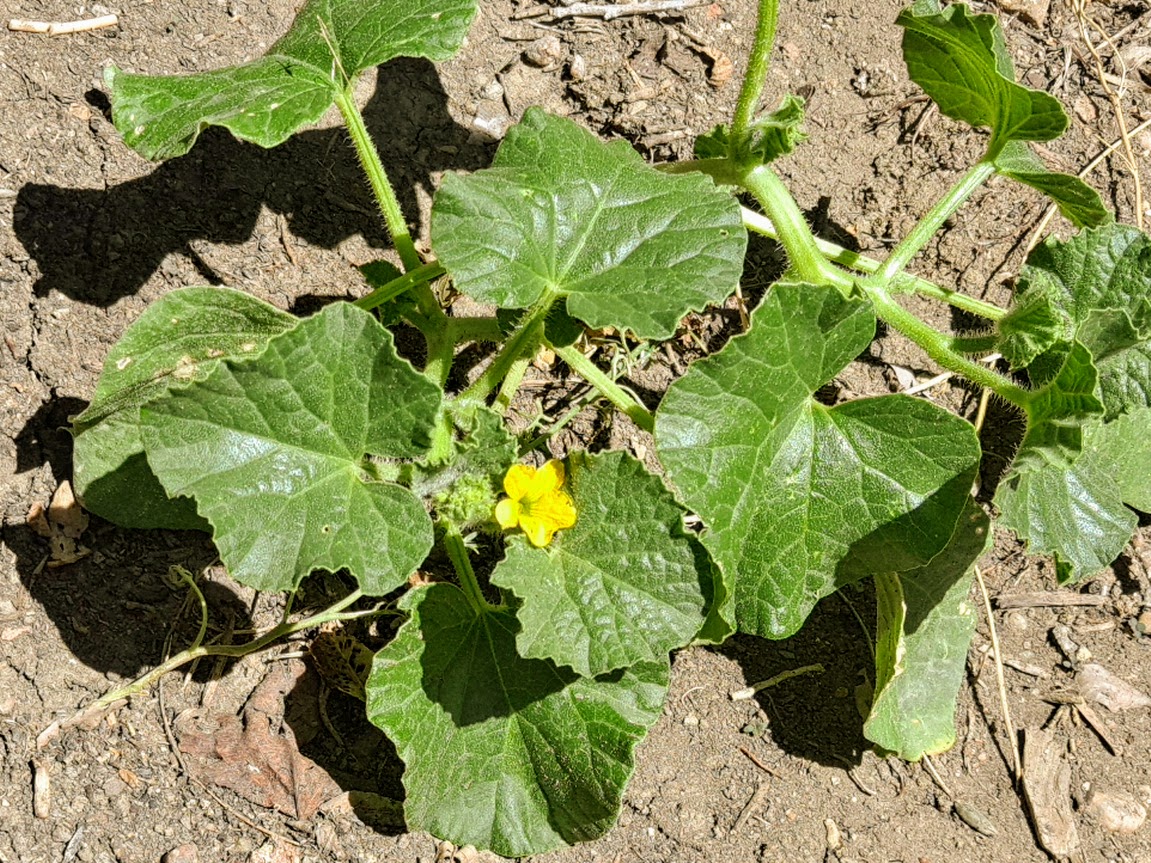
A dainty cantaloupe blossom.

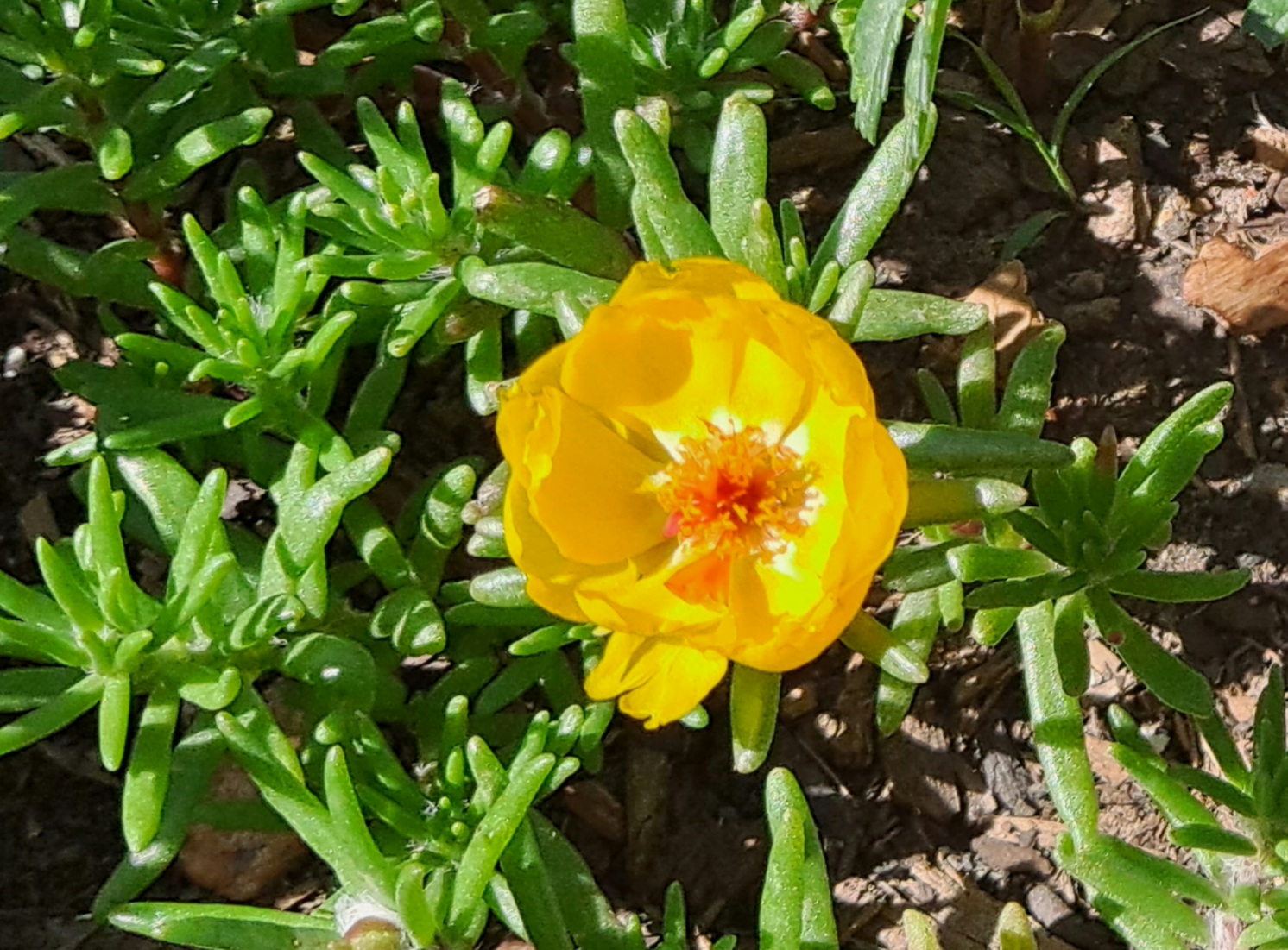
The first moss rose. My raised garden is filled with the greenery of flowers that planted themselves, but so far, there’s only this one yellow rose.

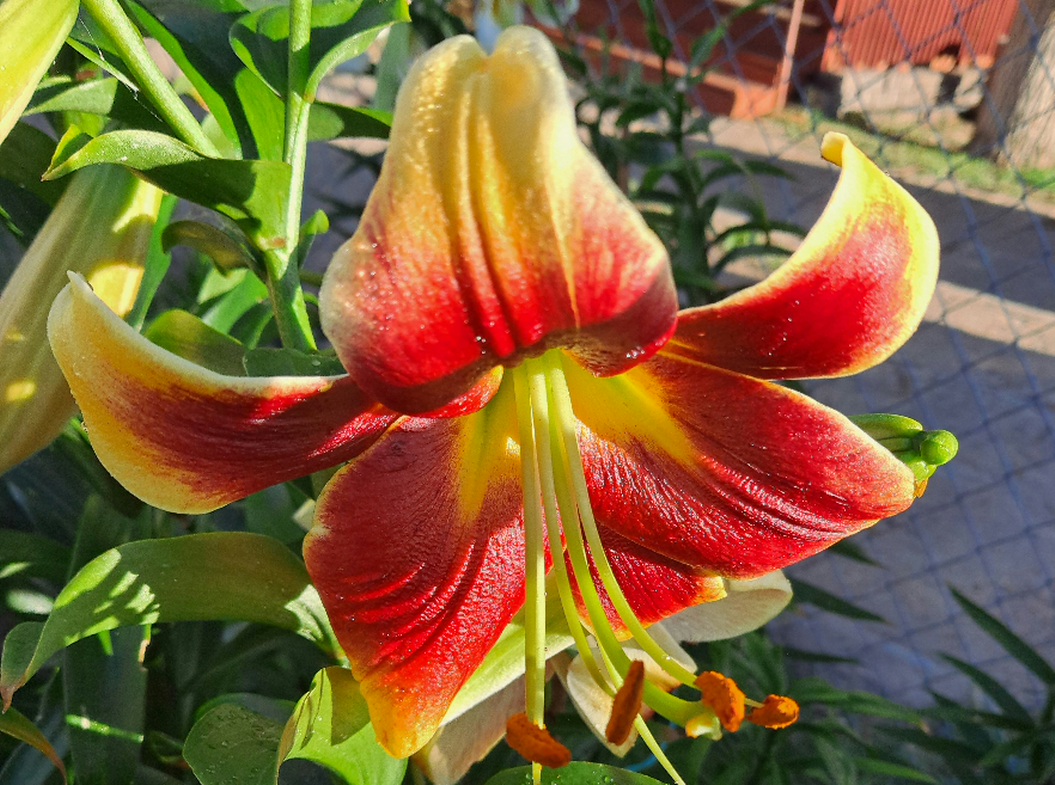
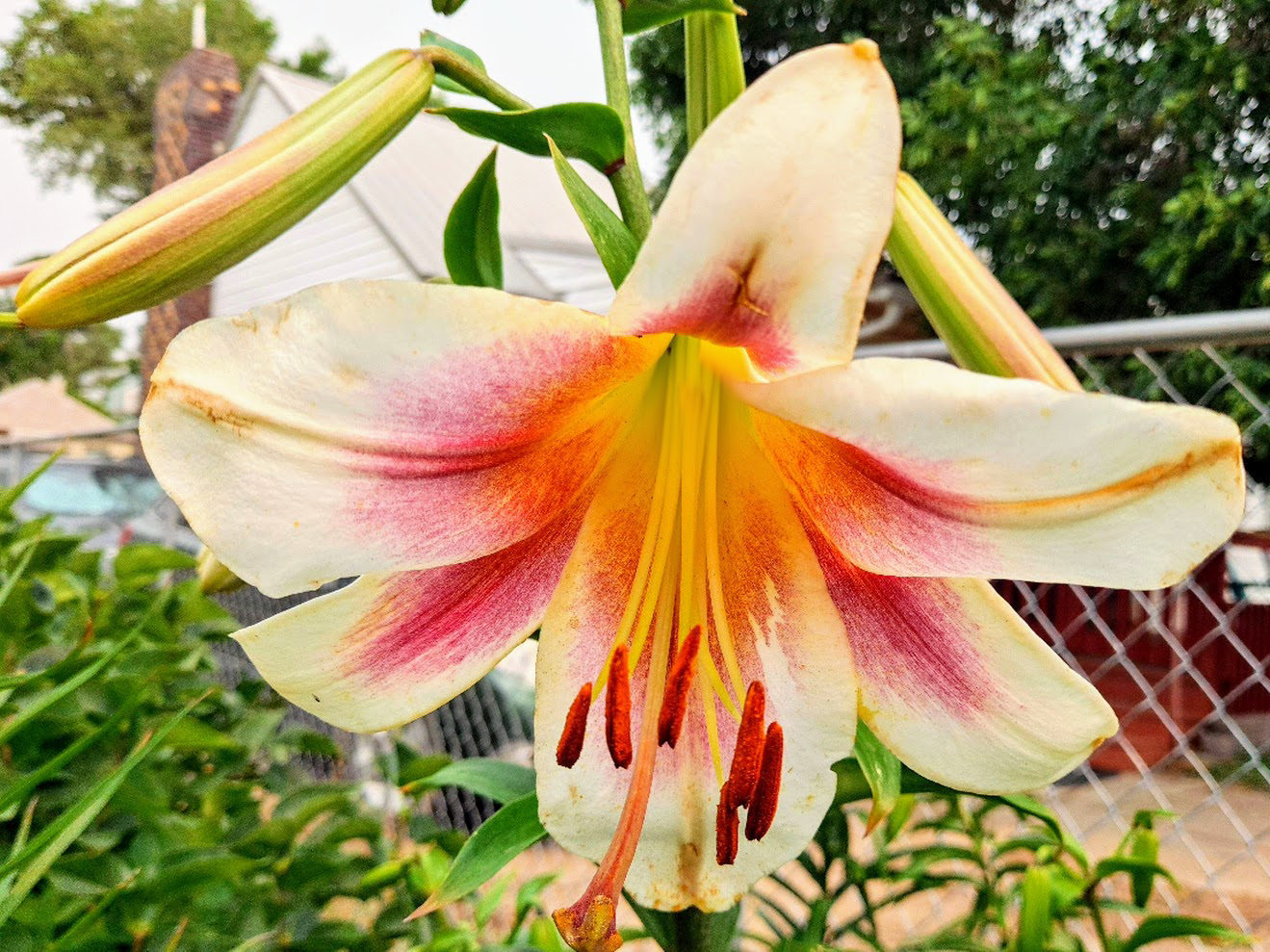
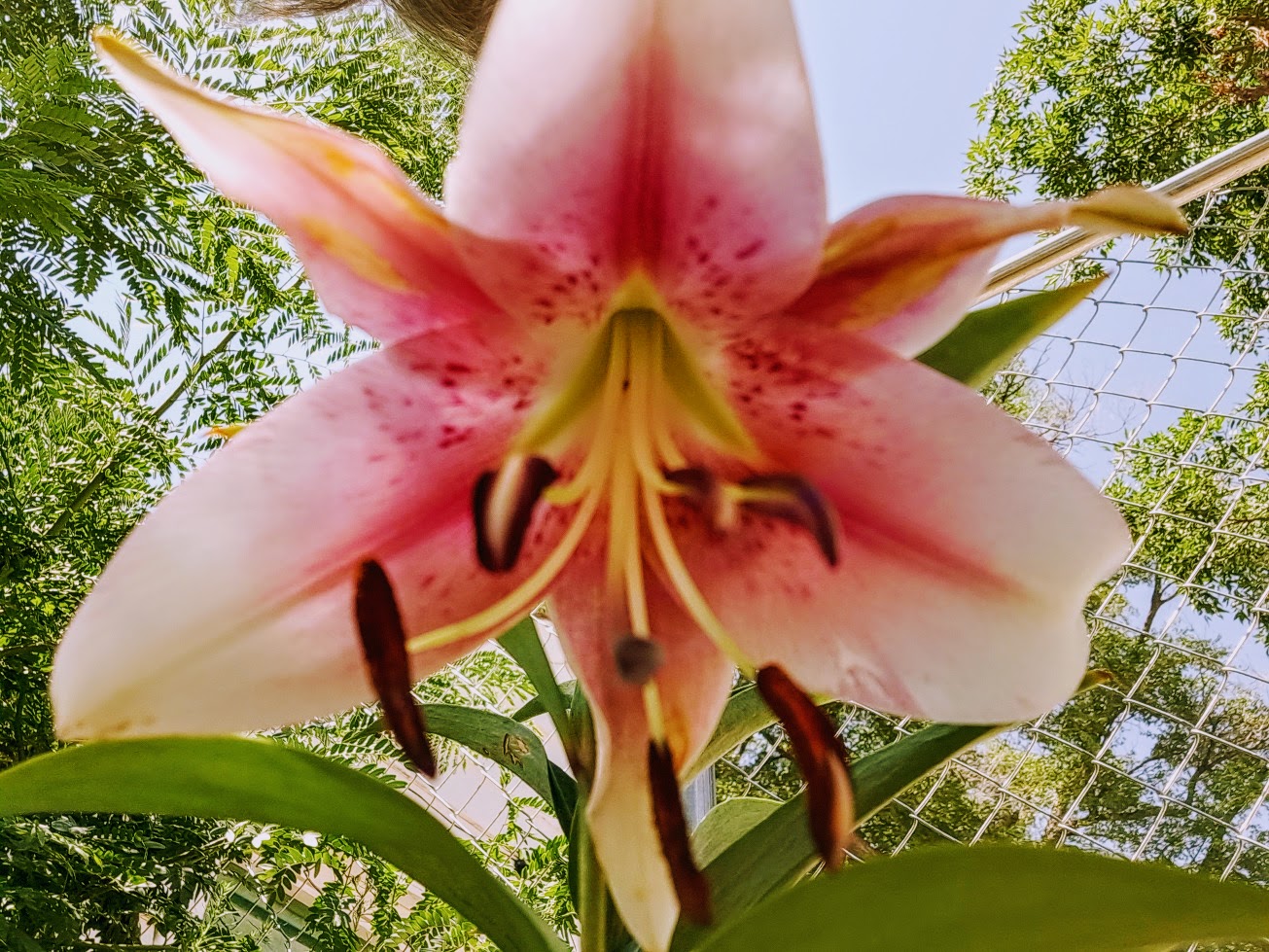
And then there’s this tree lily flower. I always thought lilies were an exotic flower, only able to be grown in special circumstances, so I was delighted when I found out I would be able to grow a forest of lily trees. (Lily trees are a hybrid of oriental and trumpet lilies, enormous flowers sitting stalks that grow to six feet or even more, and I have dozens of them yet to blossom!)

I realize this pink lily doesn’t fit with the color scheme of the rest of the blog, but orange you glad I posted it anyway?

***

Pat Bertram is the author of Grief: The Inside Story – A Guide to Surviving the Loss of a Loved One.

Lily Forest

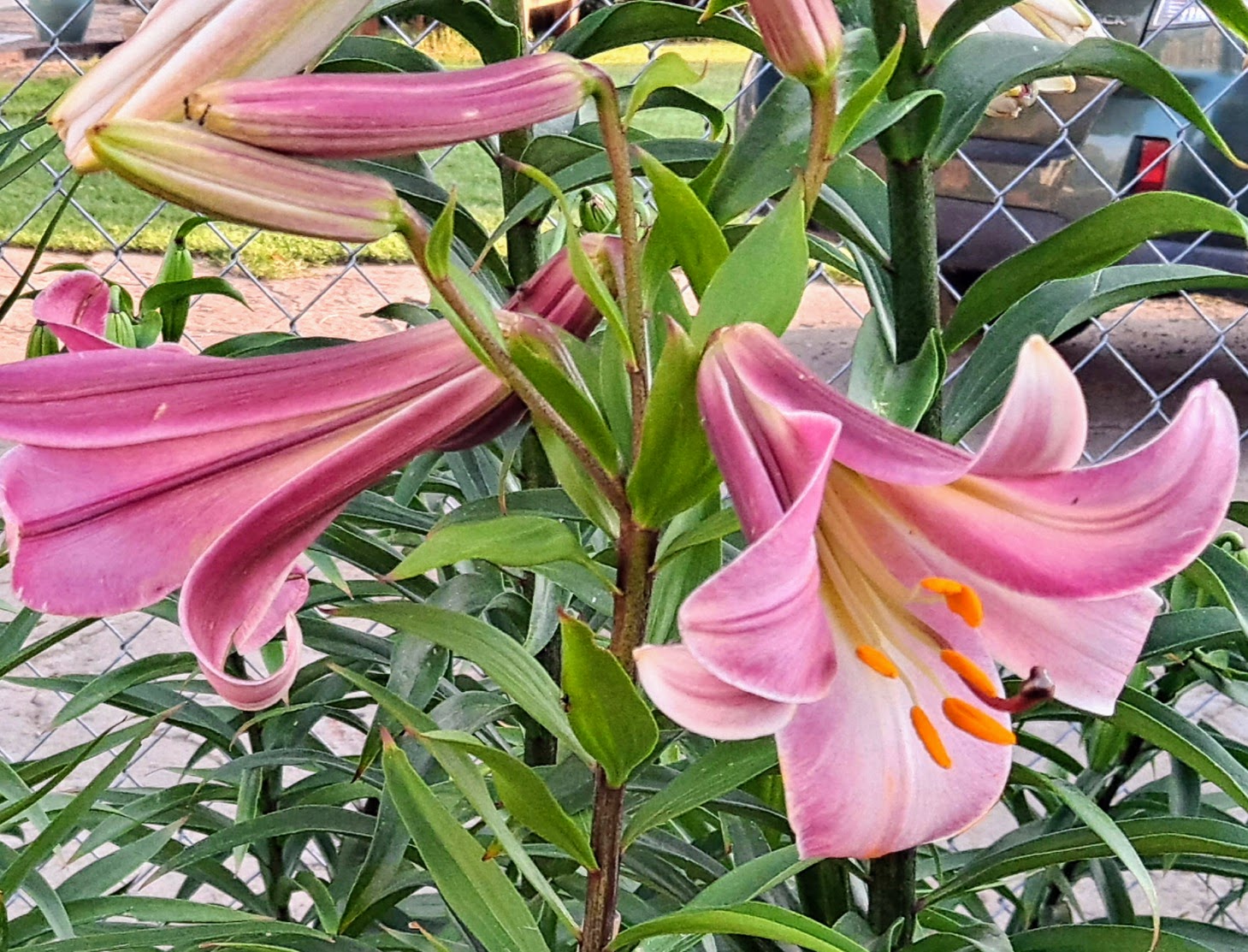
Ever since I heard of lily trees (a cross between an oriental lily and a trumpet lily) and how tall they grow (an average of four feet), I wanted to grow a forest of lily trees. To that end, I’d been planting a few lily bulbs every year, and this year, they decided to really pop. And oh, my! What a lovely mini forest!

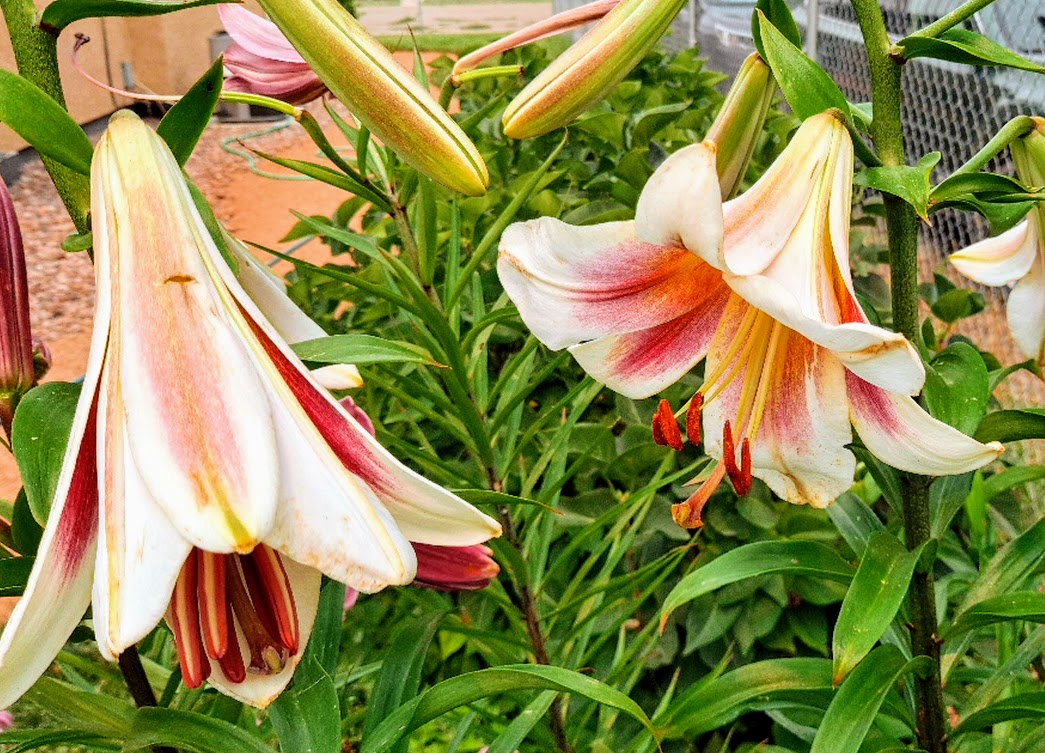
The lilies are large and vibrant, with lots of dark pink

light pink,

white

And even a couple of yellow that just showed up this morning.

Although for the most part, there isn’t a lot of color in my garden this time of year (after I pull up the spring-blooming larkspur, it takes a while for newly planted flowers to grow) the lilies command so much attention, that it doesn’t really matter. And then, of course, there is the purple echinacea that frames the forest. (It’s called purple, though in my garden, it’s actually pink, and can be seen at the bottom of the lily forest photo.

My raised garden is doing well, too. A squash!

A frog house nestled among the cucumbers and tomatoes. Well, tomato.

And contented birds shaded by another tomato plant. Luckily, the real birds are leaving my garden alone, though they tend to roam in the grass. With any luck, they are eating the myriad baby grasshoppers.

It is interesting to me that of all the things I thought of doing after Jeff died, owning a garden with a lily forest never even entered my mind, and yet here I am. Despite times of late-night loneliness, I am doing well. A garden can be such a comfort, at least as long as one concentrates on what is working rather than what is not. Even better, it provides a focus. There is always work to be done, plans to make, views to enjoy, and perhaps even a little food to harvest.

Best of all, it gives me fodder for an occasional blog post!

***

Pat Bertram is the author of Grief: The Inside Story – A Guide to Surviving the Loss of a Loved One. “Grief: The Inside Story is perfect and that is not hyperbole! It is exactly what folk who are grieving need to read.” –Leesa Healy, RN, GDAS GDAT, Emotional/Mental Health Therapist & Educator.

Underestimating Gardening Tasks

I am enjoying the unseasonably warm temperatures. The late mornings are still a bit chilly when I go out to work in my yard, so I don’t get the full benefit of the 70+ high temperature, but it’s still nice to be able to work without freezing my fingers and toes.

I have learned that when it comes to gardening, I always underestimate the time it takes to any task, and planting this last batch of bulbs is no different. I am placing them between the daylilies I planted a couple of months ago, so I figured the ground would be easy to work, but unfortunately, I let the prostrate bindweed take hold. I started out digging it up, but discovered that I was also digging up the newly planted daylilies, so I decided to wait until it was time to plant the tulips and do it all at once (weed and plant). And so I really have my work set out for me.

I also have to decide what to do with the lily trees I planted. The first twenty had a note on the package to plant 3” deep, which I did. A second batch from another company that I received ten days after the first batch said to plant 6” deep, which I also did. Concerned about the disparity of depths, I checked online, and the online instructions from the company where I bought the first twenty said to plant 10” deep. If I can figure out where the bulbs are (I raked the area flat, so it’s anyone’s guess), I might try to dig them up and replant them, but if the cooler weather comes too quickly or if my knees give out, I will have to wait until next fall and buy the bulbs again. Which I do not want to do because they are relatively expensive.

I am so not a gardener! Though I suppose, by the time I get my yard landscaped, I’ll at least know a bit more about what I am doing. It’s too bad about the lilies — I was really looking forward to an eventual lily tree forest of six-foot-tall plants. Apparently, the plants die back every winter, and every spring for three or four years, they come back taller than ever until they eventually grow to their full height. Planting new bulbs next fall would put the “forest” back another year so I wouldn’t see the full growth until the fourth year.

The good news is that if I decide to try to replant, and if I can find the bulbs, it should be an easy enough task since the ground was worked to at least a 6” depth.

But then, there is that comment I made earlier, that I always underestimate the time it takes to do any gardening task. Still, I can take comfort from knowing that at least the weather will be warm for a my bulb hunt.

***

What if God decided S/He didn’t like how the world turned out, and turned it over to a development company from the planet Xerxes for re-creation? Would you survive? Could you survive?

A fun book for not-so-fun times.

Click here to buy Bob, The Right Hand of God.