A Virus by Any Other Name

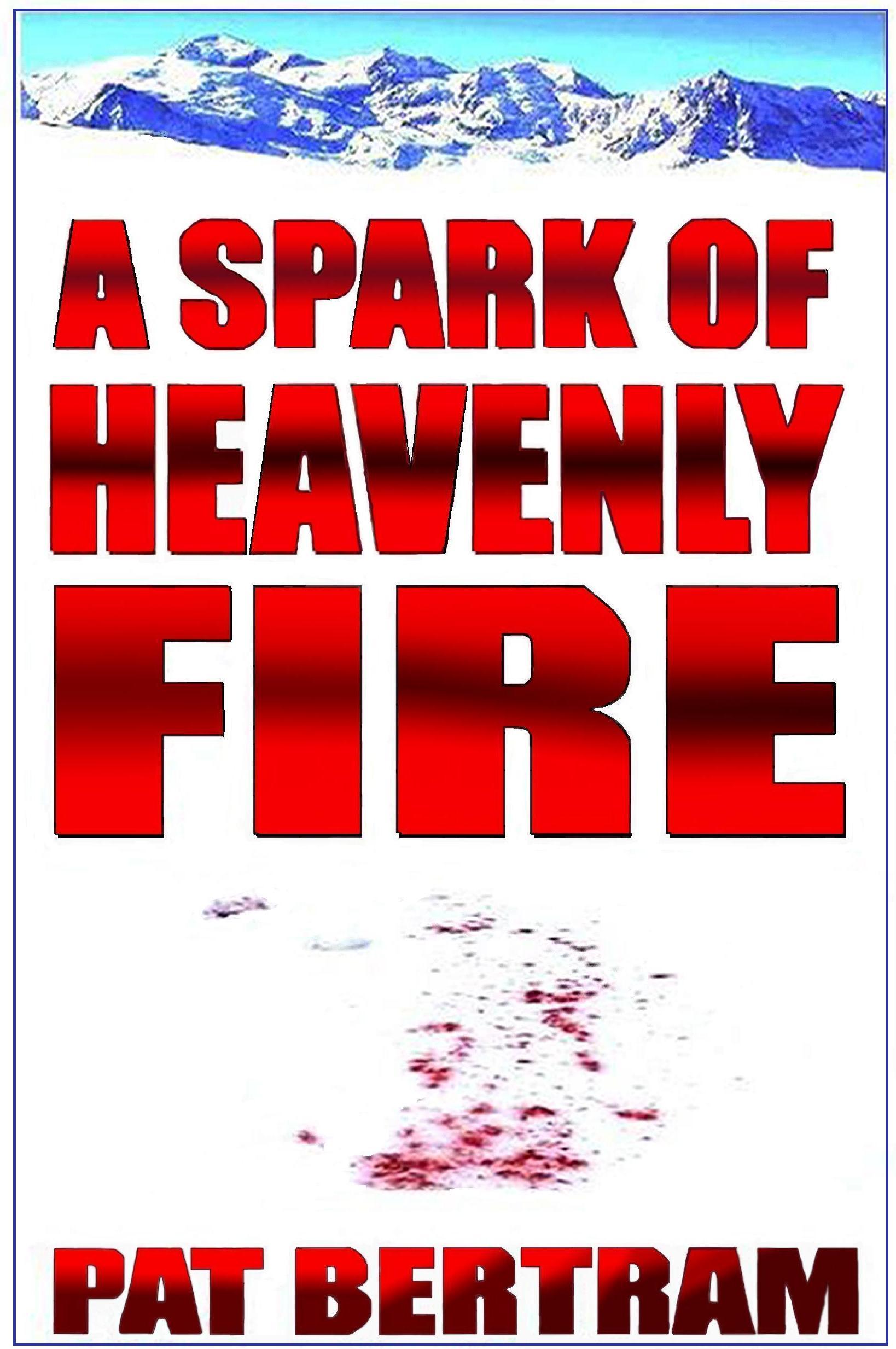
In the following scene from A Spark of Heavenly Fire, my novel about a novel disease that was first published in 2009, investigative reporter Greg and his editor Olaf are talking about an article on the pandemic Greg is hoping to write.

—-

“How’s the research coming, Greg?” Olaf asked, a shade too heartily.

“I feel as if I’m drowning in paper.”

“So I see,” Olaf said, laying a hand on the stack of articles. “Mind if I look?”

“Help yourself. They belong to the newspaper.”

Olaf settled himself in his customary chair with a handful of the papers. A minute later, he raised his head.

“How do these guys get anything printed? If my reporters turned in work as incomprehensible as this, they’d be out of here so fast they’d think they were flying.” He glanced at the papers and shook his head. “Even the titles are incomprehensible. ‘Imitating Organic Morphology in Micro-fabrication.’ I don’t even know what that means.”

“Me neither,” Greg said, thinking if he had to wade through this sort of stuff to learn about the red death, the earth would fall into the sun long before he read half of it.

Olaf tossed the sheaf of papers back onto Greg’s desk. “Better you than me.”

“What do these guys do?” Greg asked. “Take a course in obfuscation?”

“Probably. Convoluted writing and obscure terms are a way of intimidating the uninitiated, keeping the profession closed to non-scientists, and adding to the scientific mystique. Just think, if diseases had names like Bob and Carol and Ted and Alice, doctors wouldn’t make anywhere near the amount of money they do now.”

Greg laughed. “That’s an idea. They do it for hurricanes, why not everything else?” He mimed seizing the phone and dialing. “Mr. Olaf? I can’t come in today. I’ve got the Bob.” He hung up his imaginary receiver and looked inquiringly at his boss.

Olaf nodded. “Works for me.”

—–

And it works for me.

By the time this new virus was well-publicized, I was already sick of the fear mongering. For example, one of the first studies of the possible effects of this pandemic claimed that 80% of the world’s population would die. It was that first insane projection from which all the other insanity came.

The truth is, most people did not get infected, and of those infected, most did not get sick, and of those who got sick, most did not die.

Again, as with my post yesterday, I am not trying to denigrate anyone’s experience. For those who suffered deaths in the family, severe illness, isolation from family, or financial hardships, it was a terrible thing. But for most of us, the worst was the fear. It was reprehensible the way people who should have known better — the political hacks representing us, the media, the idiotic folks who put sick people into nursing homes where so many elderly lived — exaggerated the truth and caused immense (and in many cases, unnecessary) fear. There is a good chance we would not have been that much worse off if we had all just gone about our business, but too much jockeying for position was being done by people in power or people who wanted power, and truthfully, I think their tactics were so successful that they ended up buying into their own propaganda of fear.

And the manipulation is still going on. A vaccine of sorts is available for those want it, but the next move is to make the vaccine mandatory to “protect the vaccinated.” Huh? I thought the purpose of the vaccination itself was to protect the vaccinated. And if the vaccine isn’t a real vaccine, one that does protect the recipient, when are they going to get a real vaccine so that those who want to be fully protected can be? As with everything else that has gone on the past two years, the truth is hard to come by. What we are told might be the true truth, a semblance of the truth, or a wholly manufactured truth.

To keep from validating any of the shenanigans that is going on surrounding this virus, I have refused — and continue to refuse — to use any of the official names the parasite is given. Hence, “The Bob.” My own private rebellion.

I mean no insult to any Bob living or dead, of course. I named the disease many years ago back when I didn’t know any Bobs, and reusing the name for this virus seemed a good way to keep myself from succumbing to the fear and intimidation that the media and our so-called leaders apparently want us to feel.

Living In Fear

Almost all new books mention, in some way, “The Bob.” Of course, the authors don’t know enough to call it “The Bob,” so they call the virus by other names that don’t really mean much. It was bad enough living through the upheaval; it’s a whole lot worse having to relive it in books. Sometimes, the reference is simply a placeholder, to give people an idea of when the story takes place, which is never a good idea because it dates the book, and readers in the next few years who prefer only current books won’t be interested. Other times The Bob is a major plot point. Either way, it doesn’t interest me. It seems perhaps sacrilegious to say this, considering the trauma so many people suffered during the past year and a half, but whether The Bob is mentioned merely to set the time or is an intricate part of the plot, it seems . . . trite. And even worse than trite — a cheap shot to get people personally involved in the story instead of using good writing to get engage readers.

I could be wrong, of course. Others might like to see their “Bob” experiences from a different point of view, to gain a bit of perspective.

The author of the book I am currently reading talks about how worn down people are from more than a year of worrying about their families and themselves; how weary they are of having to wear masks and keep their distance from others; how exhausted they are from isolation and loneliness and grief; and especially, how tired they are of living in fear.

I do understand that many people got deathly sick, that loved ones died, that some people suffered tremendously from isolation, but those things alone, I would think, would preclude people from reading about the horrors they lived through.

Notice I say, “the horrors they lived through.” Despite what I wrote in the first paragraph, that it was “bad enough living through the upheaval,” the truth is, for me, it wasn’t bad at all. In fact, it made no difference to my life. Well, except for the mask, but since I was seldom around people and seldom went into a store, I rarely had to wear it.

I never worried about myself, never was afraid, never was lonely (except for a few times that had nothing to do with The Bob). Most of the people I cared about were already dead, and those still alive were taking care of themselves. I didn’t have any travel plans to call off, and as for local events, I’d mostly stopped going to those before they got cancelled. (I’d gained too much weight for one thing; the food was generally something I shouldn’t eat, for another.)

So I stayed home and read. I did see a few people, but always the same ones — the woman I worked for as well as an occasional friend or two. And that is exactly the life I would have lived even if The Bob had never made itself known.

I’m not denigrating anyone’s experience. I know it was a rough time for a lot of people, but it does seem strange to me that in this, as in so much else, what might be good for one person is terrible for another. Still, we each have our own nemeses.

I don’t know if it’s true, but I read that women with O positive blood got The Bob less frequently and not as bad as people with other blood types (it has to do with the protein coating on the cells). Unfortunately, it is definitely true that women with O positive blood are especially tasty to mosquitoes that carry various deadly viruses.

It just goes to show, if one thing doesn’t get us, something else will, though with the mosquitoes as with The Bob, I do the best I can. I won’t live in fear.

***

What if God decided S/He didn’t like how the world turned out, and turned it over to a development company from the planet Xerxes for re-creation? Would you survive? Could you survive?

A fun book for not-so-fun times.

Creating a Murder

I met with a friend today to do a bit of brainstorming for the murder at the museum event, but we got stymied when it came to figuring out physical clues. We never got further than my original examples of a weapon, a blood spot, a fingerprint, and some sort of photographic clue. In my own mystery stories, I’ve depended on conversations, especially when one character contradicts another because physical clues always seemed so Nancy Drew-ish. And yet, that’s what I need for this event — clues for the participants to find. Even though I can think of things to plant around the museum, I can’t figure out how any of those clues would lead people to suspect a particular character.

Because neither of us were able to come up with anything other than what we already had, we went on to discuss the victims. Since the event will be called “A Murder of Crows,” by definition, that means that two or more people will have to be victims. My idea is a married couple — traveling salespeople. Perhaps the man sells men’s haberdashery and the woman sells women’s unmentionables. I envision them killed in their bed, but I have no idea how someone would kill two people without one or the other being aware of it, though it’s possible only one of the couple was the intended victim, and the other woke up and saw the killer.

But I haven’t a clue why anyone would want to kill one or both of these seemingly innocuous characters. We discussed the possibility of the couple being spies, but there doesn’t seem to be anything noteworthy happening in this area around that time (1900), nor does there seem — at first glance — to be anything spy-worthy about that time in the USA, either. If we jettison the spy idea, we could have the couple ending up with some sort of contraband — an Indian relic, for example — and the owner wants it back or a greedy person sees it as a source of personal riches.

There are lots of other possibilities, of course. Most of the costumed characters would need to have to a motive, otherwise, there’s no real game. Often in a mystery story, you start out with no one who has a motive, so the detective needs to search out a motive to discover the perpetrator, but I don’t think that sort of scenario would be feasible in this case. Too much work for the participants.

Which means that I would have to come up with a motive to assign to each of the characters. Possibilities are: robbery, jealousy, vengeance, lust and passion (as in a crime of passion), money, loathing, anger, fear, mistaken identity, covering up secrets and lies, prevention of a greater crime (killing an assassin, for example)

I won’t have another meeting on the topic until next week, so it will give me a chance to let things stew in my brain pan. With any luck, I’ll cook up a likely scenario and plenty of suspects.

***

Pat Bertram is the author of Grief: The Inside Story – A Guide to Surviving the Loss of a Loved One. “Grief: The Inside Story is perfect and that is not hyperbole! It is exactly what folk who are grieving need to read.” –Leesa Healy, RN, GDAS GDAT, Emotional/Mental Health Therapist & Educator

Murder Mystery Proposal

I submitted a proposal to the museum today for the murder mystery they’ve planned for the end of October.

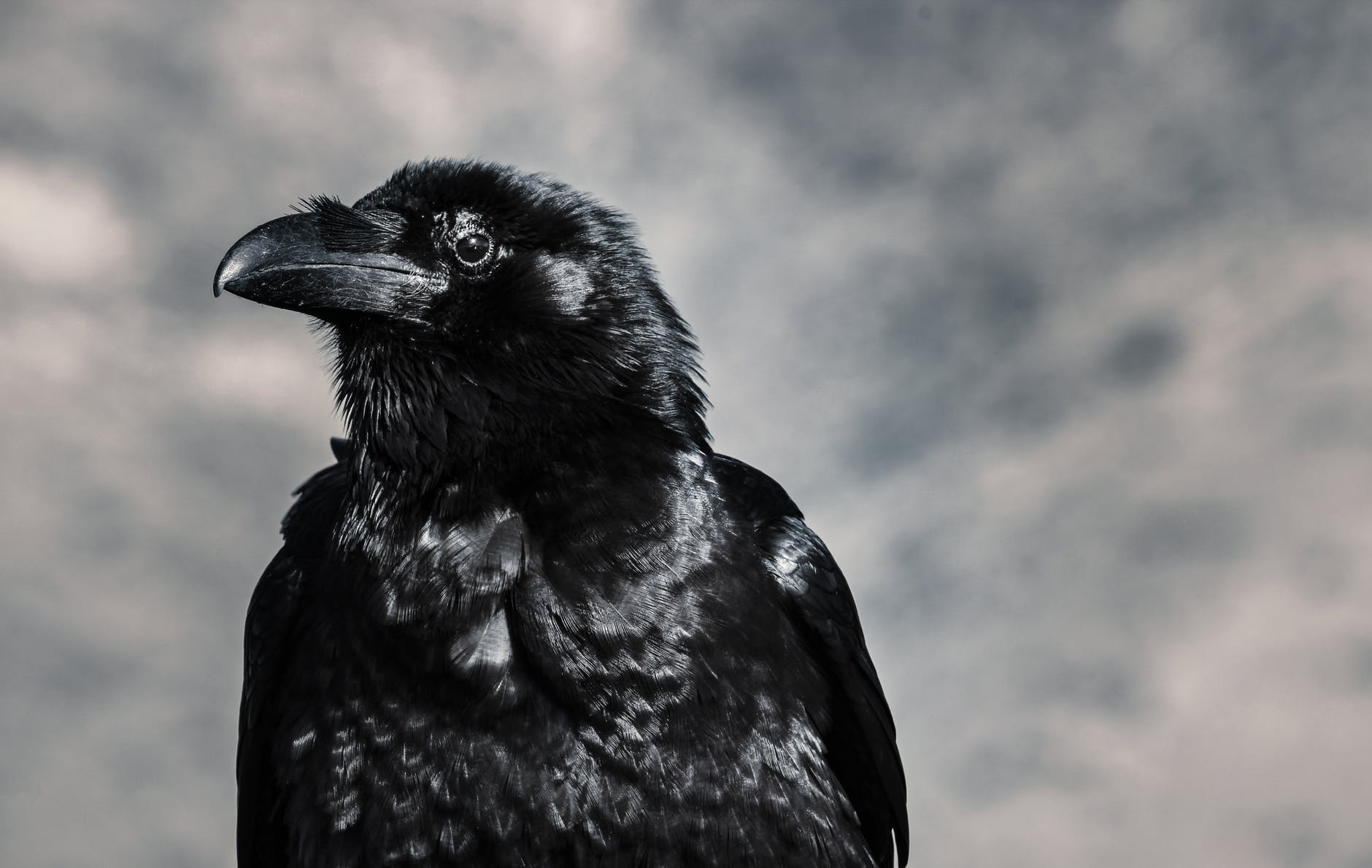
The first mystery I created was based on a Clue game, so all the character’s names were colors. Various comments and suggestions from people gave me the idea of bird names. The victims could be a couple surnamed “Crow,” and the event could be called “A Murder of Crows.” Not everyone knows that a group of crows is not a flock but a murder, but that shouldn’t make any difference to the game.

Crows have nothing in particular to do with this area, though this part of Colorado is a good site for birding. (Except when it comes to me. Out of the 400 species that have been sighted, I’ve seen only a dozen or so.) Because of a lack any historical connection to crows, my proposal was just a first draft to get things going. Still, the museum director seemed to like the idea.

One of the characters could be a woman reporter, whose name could be Brenda Starling or more probably, Nellie Starling since Brenda Starr wasn’t created until the forties and Nellie Bly was active during the historical time of this event.

I’d also like one of the victims to be a ghost, roaming around looking for either her husband, their killer, or both.

And there’s a local medicine man who would make a good huckster.

My job is done for a while. The next steps need to come from other people, such as signing up people to play various characters and finding out noteworthy local events from that time. And I need help figuring out the visual clues, though I have a hunch that will be left to me.

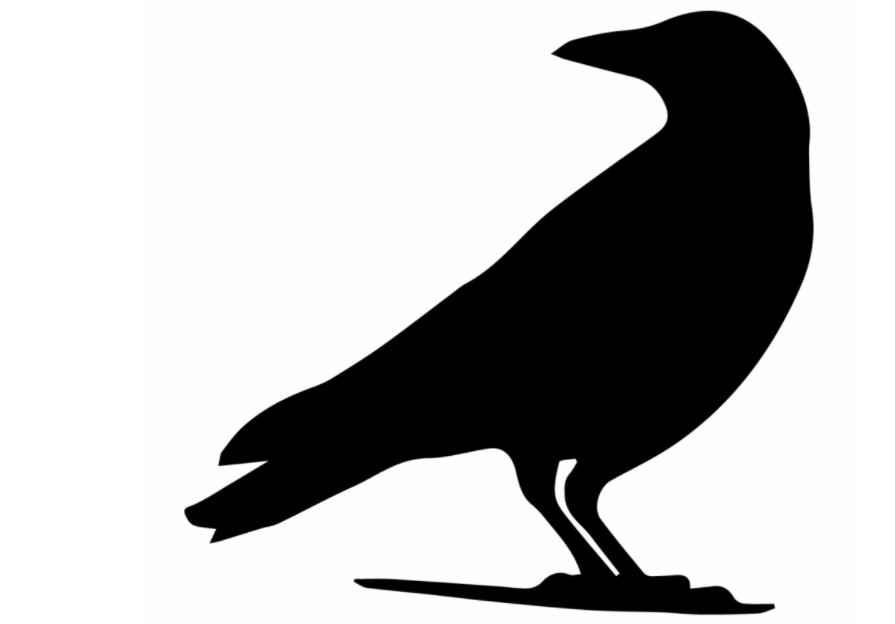
I did have visual clues the first time, such as a photo of a man with a saloon girl he claimed never to have met, but since the museum is rather large for such a small town, I think clues like that got lost. This time, I figure we can put a silhouette of a crow by any clue, photographic or otherwise, to give people a hint.

I’d like to use fingerprints somehow. It’s possible I could just put a photo of a fingerprint by the crime scene and then simply tell people who it belonged to, though the person would deny committing the crime. Another possibility is to give all the characters a photo of a fingerprint they can hand out so people can check who the fingerprint belongs to, but the logistics of doing that seem a bit too complicated.

What makes this sort of game hard to create is that it has to be enigmatic yet logical, as do all mysteries. It also needs to be convoluted yet easy enough to solve so that even kids can play.

Until the museum folks gather some of the information I need, I don’t really have to do anything else to put it all together. Except think, of course. It always helps me to play out various scenarios in my head before I lay them out on a page.

A big thank you to everyone who gave me suggestions for this project. It certainly makes it easy for me to come up with a proposal when all I have to do is collate other people’s ideas!

***

Pat Bertram is the author of Grief: The Inside Story – A Guide to Surviving the Loss of a Loved One. “Grief: The Inside Story is perfect and that is not hyperbole! It is exactly what folk who are grieving need to read.” –Leesa Healy, RN, GDAS GDAT, Emotional/Mental Health Therapist & Educator

Black as Ink

A phrase in the book I’m reading slapped me in the face. It wasn’t a literal slap, of course, but the phrase was so incongruous that it took me out of the story as surely as a slap would have done. What was this brutal simile? It wasn’t anything special, to be honest. In fact, it’s so common as to seem almost invisible, but I noticed it.

As black as ink.

That’s it. Not a big deal, right? And yet, when was the last time you saw pure black ink? For me, it was decades ago, when I bought some calligraphy supplies with the thought of learning how to do fancy lettering. That ink truly was black, totally opaque, without a hint of light or any other color. Even back then, black wasn’t the only ink available for calligraphic needs, or any needs. My mother used a fountain pen for many years, and that ink was blue. When I was in school, perhaps middle-school age, cartridge pens were all the rage, and I used the peacock ink. Such a gorgeous color! And not black.

Nowadays any ink we see is generally in ballpoint pens, and although black used to be the prevalent color, blue now seems to be preferred for official documents, which is odd to me. Doesn’t blue tend to fade into the “blue nowhere” of computer screens? And yet, any bank document or other official paper I’ve had to sign recently required a blue signature.

I once had a multitude of pens with bright non-black colors. I just checked my ballpoint pen stash, and I have a red ink pen as well as a green one, though the green is dried up. So, since I tossed it out, I guess I can’t count green among ink colors. Nor can I count purple, though once I had a ballpoint pen with that color ink that I used up.

There are still a lot of pens around with black ink, though none of those inks are truly black. Some are charcoal, some are rather translucent with a tinge of blue or red, others are a muddy black, and some are licorice color (which is a very, very dark brown unless one is talking about red licorice).

Some printers do use ink instead of toner, and again, there are more colors available — and necessary — than black. My printer uses cyan, magenta, and yellow, which along with the black, can create just about any shade or hue of any color.

If the book had kept my interest, this rather inoffensive though clichéd simile would have passed unnoticed, so that’s two strikes against the author — ill-chosen words and a less than compelling story.

I’m just glad that people who read my books are kinder than I am, and refrain from pointing out my own literary faux pas. I do try to remove anything I would not like to see in a book, but some phrases are so common as to be invisible — such as “black as ink” — so who knows what cringeworthy phrases are buried in all my rhetoric.

***

What if God decided S/He didn’t like how the world turned out, and turned it over to a development company from the planet Xerxes for re-creation? Would you survive? Could you survive?

A fun book for not-so-fun times.

Click here to buy Bob, The Right Hand of God

Another Mystery at the Museum

A couple of years ago, I devised a murder game for the local historical museum based on characters who once lived in the area. Last year, due to The Bob, there wasn’t any such event, but here we are, slowly getting back into activities, and so once again, I need to create a murder.

It’s a good thing I keep my documents because until I looked at what I wrote for that first Murder Mystery at the Museum, I’d forgotten I’d based it on the game of Clue, using colors for the characters names — Mrs. Peacock, Colonel Mustard, etc. I also used some historical figures for the victim and various backstory folk, which I will probably do again because, after all, this is a fundraiser for a historical museum.

This new mystery will take place in the 1890s, about fifteen historical years later than the first. The date isn’t arbitrary. The murder will take place in a hotel that was built in 1890, more because of the research I did on the woman who owned the hotel than for any other reason.

Because of the setting of the mystery, the characters can be almost anyone because so many people traveled through the area and stayed at the hotel, such as a circuit judge, traveling salespeople, preachers, cowboys. Any of the various employees, such as chambermaids and waitresses as well as the proprietor herself could also play a part.

Then there is the possibility of other popular characters of the day, such as a lady reporter or a kid detective. Or perennially popular characters such as a medicine man or even a ghost.

Lots of possibilities! As always, the challenge is figuring how to pepper clues around the museum to help people solve the mystery. I didn’t do that well with solid clues the first time, relying more on the written clues in the handout and on the characters who played the part rather than clues for people to find.

Luckily, I still have a couple of months to figure all this out.

If you have any suggestions, I’ll be glad to hear them!

***

Pat Bertram is the author of Grief: The Inside Story – A Guide to Surviving the Loss of a Loved One. “Grief: The Inside Story is perfect and that is not hyperbole! It is exactly what folk who are grieving need to read.” –Leesa Healy, RN, GDAS GDAT, Emotional/Mental Health Therapist & Educator

The Powers That Be

In almost every book I read lately, the author mentions, at least once, “the powers that be.” The expression irritates me because . . . well, because it’s irritating. It’s a cliché, and like so many clichés, it’s too general. If “the powers that be” refer to the people who decide what is allowed or acceptable in a group or organization or government, then in any given situation, the powers that be are different. For example, if the author is referring to the board in charge of a homeowner’s association, then those powers that be are completely different from those governing a country.

So to use the phrase “the powers that be” is not just a cliché, but it’s also pure laziness on the author’s part. If “the powers that be” in a book are important enough to be mentioned in such a haphazard way, then they are important enough to be mentioned more specifically, by occupation if nothing else.

Sometimes the author puts those words in a character’s mouth, which is even worse because truly, no one ever uses that phrase in everyday conversation. They say, “the cops” or “the governor” or the “president’ or they mention the person by name or title.

I took time out of from this diatribe to see where the phrase came from, and it’s an old one. Many centuries-old phrases come from Shakespeare or the bible, and this one is no different. Do you care to hazard a guess before I tell you?

If you guessed the bible, you’re right. The first time the phrase showed up in print was in William Tyndale’s 1526 translation of the New Testament: “Let every soul submit himself unto the authority of the higher powers. There is no power but of God. The powers that be, are ordained of God.”

The King James version is: “Let every soul be subject unto the higher powers. For there is no power but of God: The powers that be are ordained of God.” (Romans 13:1)

It seems to me the common literary usage has come to mean something, if not completely different, then a sideways skew, because in no usage I’ve ever read do “the powers that be” have anything to do with getting their authority from God. Generally, they are given their power by other (secular) powers that be or they take upon themselves whatever power they have.

Another phrase I frequently come across in books are “the authorities,” which basically means the same thing — that the author is too lazy to figure out who those authorities are. I have to confess, I think I might have used “the authorities” once for that very reason: I didn’t know who my particular authorities would be, so I copped out.

Now that I got that off my chest, I can go back to reading the book, though I imagine I will still grit my teeth whenever I come across either “the authorities” or “the powers that be” just as I grit my teeth and bear it whenever I come across authorities or powers that be in real life.

***

What if God decided S/He didn’t like how the world turned out, and turned it over to a development company from the planet Xerxes for re-creation? Would you survive? Could you survive?

A fun book for not-so-fun times.

Click here to buy Bob, The Right Hand of God

Books for Book Lovers

When you are making out your Christmas list (because of course, you are making out a list even though it’s only August), here are some books for you to consider for your bookish friends, and for yourself too, of course, if you haven’t already read these books.

Bob: The Right Hand of God for those who love whimsical and satirical apocalyptic stories, rebellious loners, six-foot millipedes, baby volcanoes, and cities that suddenly turn into oceans. 

Click here to read the first chapter of Bob: The Right Hand of God

Click here to buy Bob: The Right Hand of God

Unfinished for those who love drama, buried secrets, stories that tell the truth about grief, and women who find themselves when they find themselves alone.

Click here to read the first chapter of Unfinished

Click here to buy Unfinished

Madame ZeeZee’s Nightmare for those who love fun, dance, murder, mystery, older women who live with all the verve and nerve of the young, and perhaps me. (The main character is named Pat. Coincidence? You be the judge!)

Click here to read the first chapter of Madame ZeeZee’s Nightmare

Click here to buy Madame ZeeZee’s Nightmare

Daughter Am I for those who love road trips, treasure hunts, buried family secrets, mysteries, gangsters, young women coming of age and old folks who refuse to admit their age.

Click here to read the first chapter of Daughter Am I

Click here to buy Daughter Am I

Light Bringer for those who love precocious babies, aliens, conspiracy theories, secret underground laboratories, lost identities, and manipulative international corporations.

Click here to read the first chapter of Light Bringer

Click here to buy Light Bringer

A Spark of Heavenly Fire for those who love conspiracies with a medical twist and for those who wonder what it would be like if the world were to go through another pandemic.

Click here to read the first chapter of A Spark of Heavenly Fire

Click here to buy A Spark of Heavenly Fire

More Deaths Than One for those who like conspiracy theories, mind control experiments, the Vietnam era and its aftermath, and a bit of otherworldly strange midst the horror.

Click here to read the first chapter of More Deaths Than One

Click here to buy More Deaths Than One

Grief: The Great Yearning for those who need the comfort of knowing they are not alone in their sorrow especially during the first year of grief.

Click here to read the first chapter of Grief: The Great Yearning

Click here to buy Grief: The Great Yearning

Grief: The Inside Story — A Guide to Surviving the Loss of a Loved One for those who need to learn more about the mystery of grief either because they are grieving a person who had been intrinsic to their life or because they know someone who is grieving and want to understand more about what the griever is experiencing.

Click here to buy Grief: The Inside Story — A Guide to Surviving the Loss of a Loved One

Getting Over Grief

People often ask me how to get over grief, but the truth is (despite the title of this piece), we never get over grief for the simple reason that the person being mourned is gone for the rest of our life on Earth. Still, over time, the focus does change from the past and from our lost love to the future and perhaps a new love.

At the beginning, our focus — when it’s not on what we have lost — is about breathing. Taking one breath after another. Generally, breathing is simple. It’s something we do without thinking. But after the death of a person intrinsic to our life, such as a spouse or soul mate, it’s as if they took our breath with them when they left us, and breathing becomes something we need to focus on. A breath in, a breath out. Such a painful thing, those breaths! Adding to the complication is that so often we don’t want to breathe. We’d just as soon it was all over for us, too, and yet, we are compelled to continue taking those breaths.

As the years pass and the pain begins to subside, we hold on even tighter to our pain because grief is all that connects us to our lost love. During all those months and years, grief does its job, changing us into a person who can survive without the person we most loved. And gradually, a new love creeps into our life. Actually, I should say, a new focus comes into our life. Whatever it is that we find to focus on, it’s compelling enough to take our mind off our pain and sorrow and loneliness for a short time. And over the next months and years, all those “short times” add up. New memories are made. The past lessens its demands. The future becomes more compelling. And life goes on.

This new love or focus doesn’t have to be a person. It can be almost anything. Visiting museums. Hiking. Planning epic adventures. Yoga. Dance classes. Traveling. A new home. Gardening. For me, it was all of those things.

I tried so many things at the beginning. I wrote about my grief. I walked for hours. I visited museums. I went on day trips with people from my grief group. I took yoga classes. Sometimes, I could forget myself and my pain for minutes at a time, but nothing held. When the moment passed, I was right back where I started, in full grief mode.

It wasn’t until I started learning to dance that the focus lasted more than the moment. I started thinking about dancing, started practicing at home. Although grief didn’t leave me alone for long, it did start to lose its intense hold on me, and I could finally focus on something other than my loss and my pain.

As grief further eased its grip on me and I could sometimes imagine a future, I dreamed of — and planned — epic adventures. I was going to visit independent bookstores all over the country to see if they would sell my books. I was going to walk up the coast to Seattle. I was going to hike the Pacific Crest Trail. I was going to take a freighter to New Zealand. I was going to go on a year-long camping trip. I was going to drive cross-country in my vintage VW. I still have the research I did for all these adventures, but in the end, the only one I followed through with was my 12,500 cross-country road trip as well as a north/south trip along the western coast and several trips from California to Colorado.

A couple of years ago, I changed my focus yet again when I bought a house and found a place to call home.

And now, what I find compelling enough to propel me into the future is gardening.

I’m far enough away from my focus on grief that I seldom get snapped back to those early months, but for the first seven years, no matter how compelling my current focus was, I often found myself blindsided by grief.

I’m not sure how a person goes about finding a new focus. I tend to think that when a griever is ready, a new focus — a new love — appears, rather than needing to search for it, but however it happens, the readiness and the new focus are part of this process of change we call grief.

***

Pat Bertram is the author of Grief: The Inside Story – A Guide to Surviving the Loss of a Loved One. “Grief: The Inside Story is perfect and that is not hyperbole! It is exactly what folk who are grieving need to read.” –Leesa Healy, RN, GDAS GDAT, Emotional/Mental Health Therapist & Educator

Wasting My Author Mind

I’m reading a book that was published a couple of years before The Bob mess, and it gives me the willies since it could so easily reflect what’s happening today with the vaccine.

In the novel, a super-secret organization that is not government sanctioned but that uses the various alphabet agencies as cover for their dastardly deeds is trying to create a new hierarchy. In an effort to control the population, they are injecting people who rebel against this new hierarchy with nanotech implants that assemble themselves in their bodies and brains and turn the injected people into willing robots who will do anything in response to their handlers, even kill themselves.

Not that I think that’s happening in the real world today, but the point is that it could. As in the novel, some of the major players in The Bob mess are a multi-billionaire software mogul with a god complex, a whole stratum of the population that seems to want to remake the world in a way that is inimical to another swathe of the population, and way too many ways of spying on ordinary citizens (satellites, traffic cameras, phones in everyone’s hands).

What is missing in the fictional story is a pandemic and people who are trying to inoculate the whole world with a dubious vaccine. The vaccine might be dubious only in my own mind, but truly, who among us knows for absolute certain what all is in the injection they are so obviously foisting on us? And why, if they want everyone to get the vaccine, do they show commercials of people having needles stuck in their arms? So not a way to convince the needle-phobic to get the shot! Besides which, although they want us to believe that the vaccine protects us against delta and lambda and any other variation, vaccinated people are still getting sick from those as well as the original organism. Lambda is the scariest since it’s said to be able to work around the vaccine’s antibodies.

But what do I know? None of us know the truth of The Bob, the vaccine, the variants. All we know are what we are told by news organizations and political hacks, which might be the true truth, a semblance of the truth, or a wholly manufactured truth. All any of us can do is pick our truth. Although it might seem like it, in this essay, I’m not trying to peddle any brand of truth. Basically, I’m just playing author, combining the two stories — the novel I am reading and the story we’re being told about The Bob — and extending the scenario beyond the original premises as all good authors do.

There are certainly enough wild surmises out there to add plot twists to the story: The Bob being a result of “gain of function” experimentation gone wrong; the whole mess being instigated by a prominent population-reduction activist; the entire scenario being enacted for the purpose of inoculating the world’s population with some sort of chip or nanoconstruct; a dress rehearsal for some future nefarious plot to see what it takes to get us to do what they want us to do.

Instead of wasting my “author mind” on such far-out scenarios as these, I’d be better off trying to figure out some sort of world or a bunch of characters to play with that would carry me from book to book. Because if I were to write this story that’s currently writing itself in my mind, people would yawn at the very thought and put the book down (assuming they picked it up in the first place) with a “Bo-o-o-o-ring. Been there.”

***

What if God decided S/He didn’t like how the world turned out, and turned it over to a development company from the planet Xerxes for re-creation? Would you survive? Could you survive?

A fun book for not-so-fun times.

Click here to buy Bob, The Right Hand of God