A Long Slow Conversation

For the most part, despite writers’ groups and online discussions, writing is a solitary occupation. You spend years writing a book, months rewriting it, and perhaps a year or two editing it. (Unless you are participating in National Novel Writing Month as hundreds of thousands are doing this November, then you spend . . . gasp! . . . a whole month writing your book!)

During the time you are writing, you have only your vision to sustain you. You wonder if anyone will ever buy the book. You wonder if anyone will like it. You don’t need acclaim, because writing is an end in itself. Still, readers connect the circle between you and the culmination of your vision, and in an odd sort of way, they finish the book. They take your vision and make it their own.

Many writers don’t consider readers during the writing process. They write solely for themselves and are proud of that fact, but what they don’t realize is how often their story fails to reach beyond the confines of the cover to allow the reader to participate in the story.

I write for myself in that I can only write what I can write. Even though I know the kinds of books that sell in great numbers, I’ve never been able to make that leap. My mind simply rebels — it wants to write what it wants and when it wants. Currently, my mind doesn’t seem to want to write any story; it simply wants to steep in the story I am presently living: new house owner. One day, though, a new story will pop up that I want to write. (I’m already trying to figure out who in my new town will be the victim of my next “Nightmare” story, the sequel to Madame ZeeZee’s Nightmare.)

Although I can only write what my mind will allow, I still take potential readers into consideration. I wonder what readers will think. Will they understand my references? Will they find the humor? Is my writing clear enough? I like thinking that perhaps someday a reader will share this as yet unwritten product of my mind.

Malcolm R. Campbell, author of Conjure Woman’s Cat, wrote: “Whether it’s a book, poem, post, review, article or news story, I always hope somebody will say something. One never knows. It’s a slow conversation, so much time having gone by between the moment when something was written and the moment when somebody tells you they found it.”

Such a wonderful description of writing/reading — a slow conversation. I know I’ve read many books where I felt the author and I were having a conversation, silent though it may be. I read and I think about what I read.

It’s quite a heady realization that now I am a writer with readers of my own. I hope they enjoy our long, slow conversation.

***

Pat Bertram is the author of Grief: The Inside Story – A Guide to Surviving the Loss of a Loved One. “Grief: The Inside Story is perfect and that is not hyperbole! It is exactly what folk who are grieving need to read.” –Leesa Healy, RN, GDAS GDAT, Emotional/Mental Health Therapist & Educator.

 

Four Days Until the Blog Blast For Peace!


If words are powerful, then this matters.


On November 4th, people all over the world will blog for peace. Blog4Peace was created and founded by Mimi Lenox, who believes that because words are powerful, blogging for peace is important.

Mimi began blogging for peace in November, 2006. Thirteen years and thousands of peace bloggers later she — and all those she inspired — are still blogging for peace. On every continent. In 214 countries and territories. In war-torn countries and peaceful villages. Whole families. Babies in utero (yes, really!) Teenagers. Senior citizens. Veterans of war. Poets and singers. Teachers. Classrooms. Authors and artists. Doctors. Lawyers. Cats (many, many cat bloggers). Dogs. Gerbils. Birds. Goats and Bunnies. Scientists. Designers. Researchers. Stay-at-home-parents. Kids. Baby Boomers. From the Netherlands to Kansas. And everywhere in between.

I joined the peace bloggers in 2012. And I still blog for peace. 

This year’s theme is “Change your climate,” and that is a theme I can adopt. Although I do not believe in the possibility of world peace (because war and stressful times are never our personal choice but are fostered by others or foisted on us by circumstances) I do believe in personal peace, in finding peace within ourselves — in changing our inner climate — no matter what happens to provoke us into chaos.

And yes, words are powerful. And yes, this matters.

I hope you will join Mimi and me this year.

How To Blog For Peace:

  1. Choose a graphic from the peace globe gallery http://peaceglobegallery.blogspot.com/p/get-your-own-peace-globe.html or from the photos on Facebook. https://www.facebook.com/BlogBlastForPeace#!/BlogBlastForPeace/app_153284594738391 Right click and Save. Decorate it and sign it, or leave as is.
  2. Send the finished globe to mimi@mimilenox.com and TAG Mimi Lenox on Facebook. Your contribution will be added to this gallery.
  3. Post it anywhere online November 4 and title your post Dona Nobis Pacem (Latin for Grant us Peace)

Sounds cool, doesn’t it? See you on November 4!

***

Pat Bertram is the author of Grief: The Inside Story – A Guide to Surviving the Loss of a Loved One. “Grief: The Inside Story is perfect and that is not hyperbole! It is exactly what folk who are grieving need to read.” –Leesa Healy, RN, GDAS GDAT, Emotional/Mental Health Therapist & Educator.
Colonel Mustard in the Library with a Candlestick

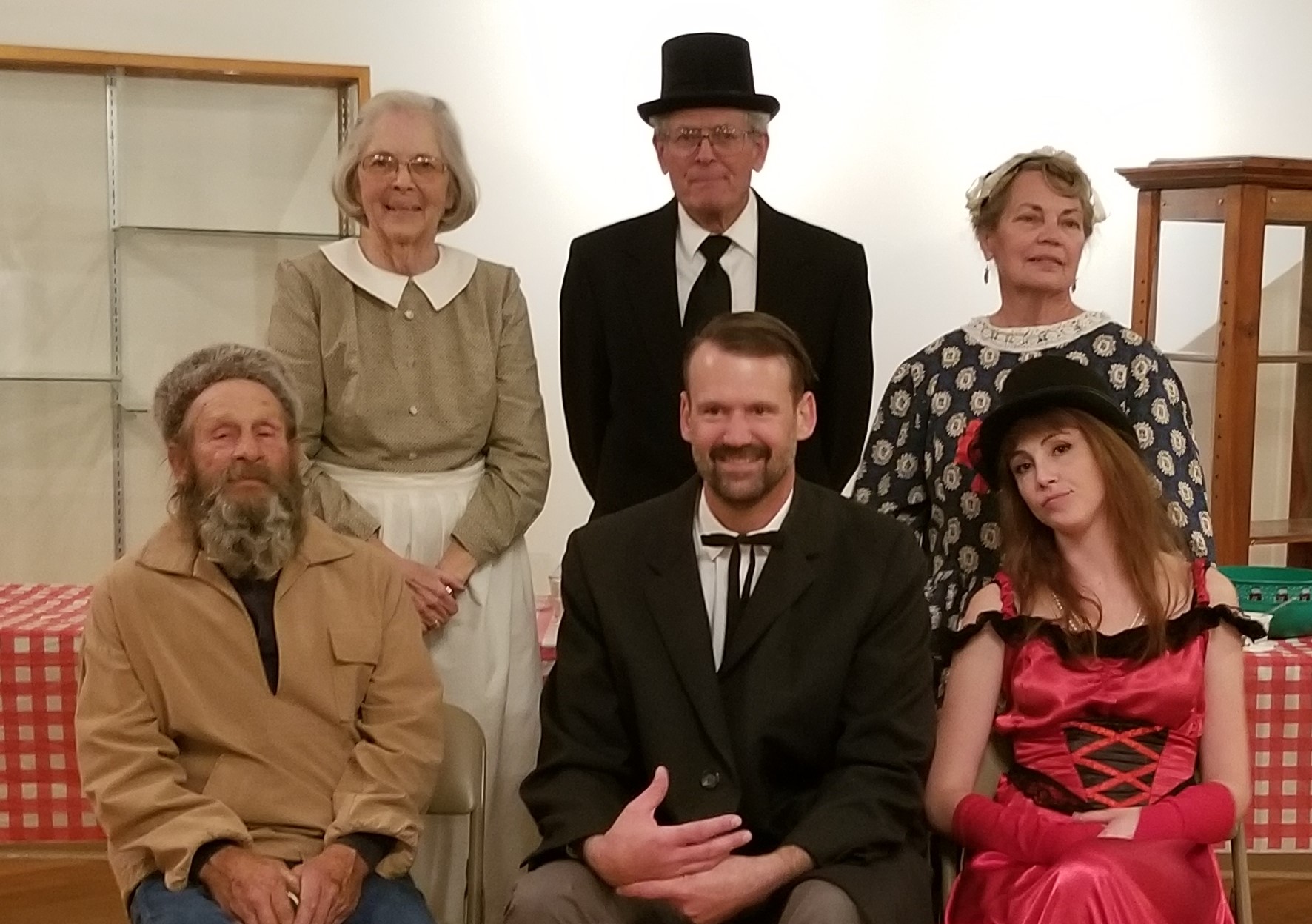
I’ve blogged several times lately about the mystery I wrote for a family night in the local historical museum. Yesterday I posted the scenario, so if you want to try your hand at figuring out who did it, you can find the list of suspects and their alibis here: Spur of the Moment Murder Mystery.

(For history buffs, the historical allusions in the game are correct — Clay Allison did kill Deputy Faber. Rutherford B. Hayes had just been publicly inaugurated as the nineteenth president of the United States, and he’d lost the popular vote but won the most electoral college votes after a ferociously disputed ruling by a Congressional committee. The suffragette referendum in Colorado had just been defeated. Clay Allison had surrendered after the Civil War, and some accounts say he escaped the firing squad the night before he was to be killed; other accounts say he was pardoned. In real life, he died ten years after this fictional murder — he was thrown from a freight wagon and a wheel rolled over his head. I am sure he would have preferred my scenario to the ignominy of his actual death.)

So, in our little game, who did kill desperado Clay Allison?

Well, Colonel Mustard didn’t do it, and he didn’t have a candlestick, and he wasn’t in the library. He was, in fact, in the bar at the time of the murder. The bartender attests to that.

Mrs. White did not kill Clay. She was, as she claimed, hosting a suffragette meeting in the schoolhouse. Flyers and posters attest to the meeting.

Professor Plum did not kill Clay. His birth date, clearly stated on the suspect list shows that he could not have shown up in town until decades after Clay was killed since he was not born until after the murder.

Miss Scarlet did not kill Clay. She was, as she claimed, with Mr. Green.

Mr. Green did not kill Clay, because although he denies knowing Miss Scarlet, it is apparent he is lying. A photo shows the two of them together, and the bartender can attest to their relationship. So, since he is a proven liar and Miss Scarlet is a proven truth teller, we have to believe that the two were together when Clay was killed.

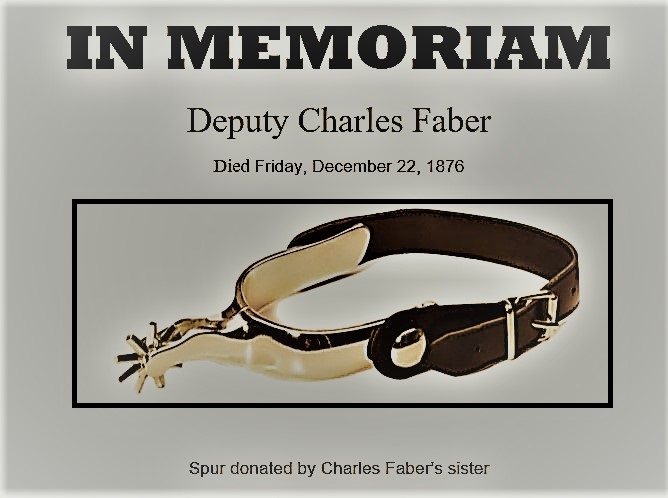
So that leaves Mrs. Peacock. Mrs. Peacock killed Clay. She was furious that Clay went free after the judge ruled that Clay Allison’s actions in killing her brother Deputy Farber were self-defense. Apparently, after donating one of the deputy’s spur to the sheriff’s department, she continued to carry the other one around. We don’t know if she’d planned to kill Clay or if she did it on the SPUR OF THE MOMENT!

***

Pat Bertram is the author of Grief: The Inside Story – A Guide to Surviving the Loss of a Loved One. “Grief: The Inside Story is perfect and that is not hyperbole! It is exactly what folk who are grieving need to read.” –Leesa Healy, RN, GDAS GDAT, Emotional/Mental Health Therapist & Educator.
Spur of the Moment Murder Mystery

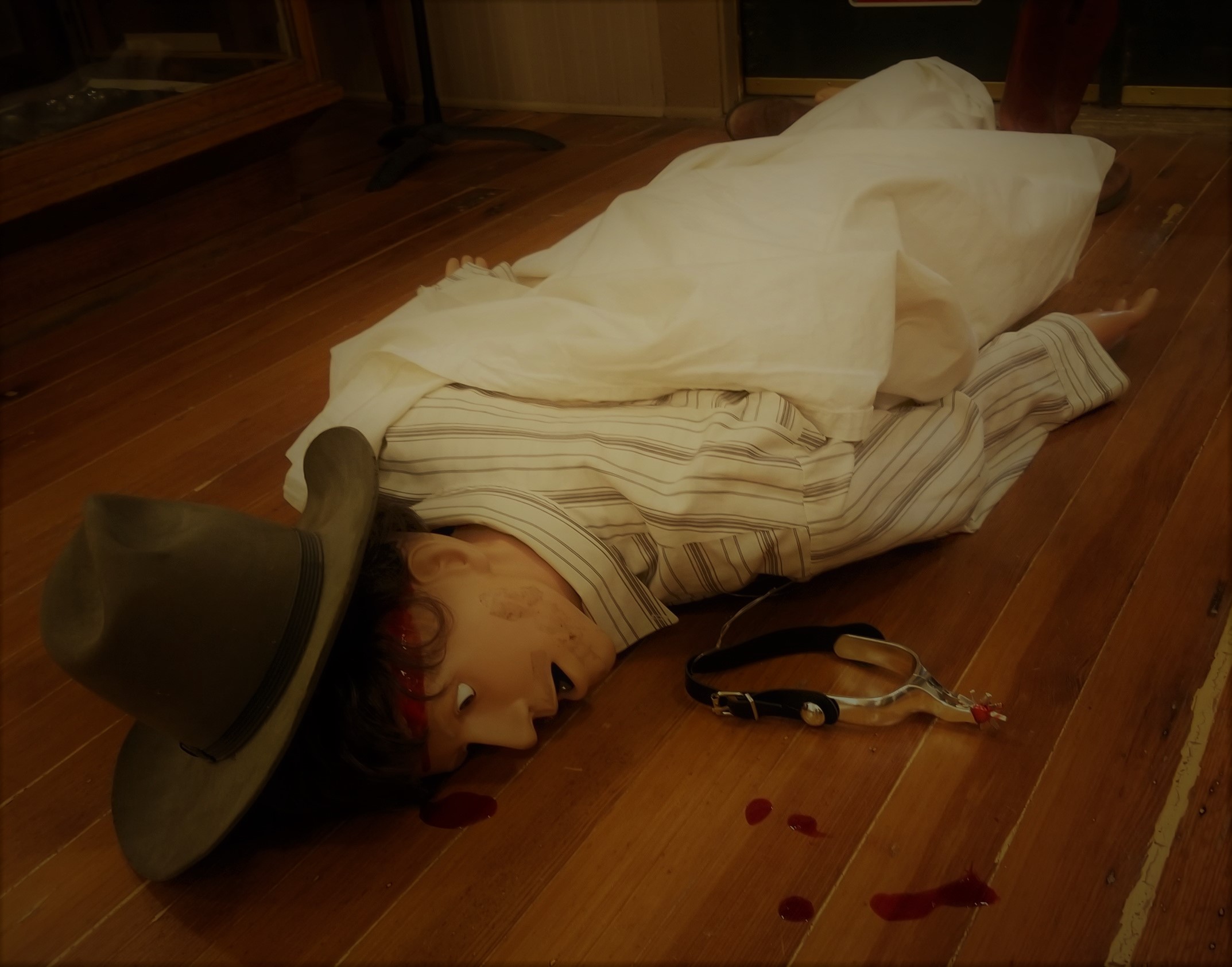
I missed the murder I created for the museum because I still haven’t gotten over my cough, so I’m reprising the mystery here. This is the scenario I wrote:

It is Monday, March 5, 1877. Rutherford B. Hayes has just been publicly inaugurated as the nineteenth president of the United States. Hayes lost the popular vote but won the most electoral college votes after a ferociously disputed ruling by a Congressional committee. People are out late, some celebrating the victory, some drowning their sorrows at having a Republican in office.

At 9:10, Clay Allison was killed outside the jewelry store, and at 9:15 pm, revelers discovered the body.

There are many suspects.

Colonel Mustard, the blacksmith, born in 1832, was at the garrison in Gainesville, Alabama when Clay and his Confederate unit surrendered at the end of the Civil War. Mustard swears that Clay had escaped the night before he was to go before a firing squad, and this does not sit right with the Colonel. The Colonel says he was in the saloon when Clay was killed.

Mrs. White, schoolmarm, born in 1824, says Clay deserved to be shot for mangling the English language. Clay had bragged that he was a shootist, and Mrs. White says there is no such word. She also says she was at a suffragette meeting that evening at the schoolhouse. The suffrage referendum had just been defeated in Colorado, and she and other women in town were determined to get suffrage for women in Colorado.

Mrs. Peacock, candy-shop lady, born in 1842, is the married sister of Deputy Charles Faber. Clay had gunned down the deputy after the deputy had demanded Clay and his brother relinquish their guns. Mrs. Peacock is not only grieving the loss of her brother, but is fuming that Allison went free after the judge ruled Clay Allison’s actions self-defense. She claims to have been home alone.

Professor Plum, a professor at Colorado College in Colorado Springs, born in 1878, is writing a book about Clay Allison. He came to town to learn more about what actually happened between Clay and Deputy Faber. Plum claims that Clay was long dead by the time he arrived in Las Animas to do his research.

Miss Scarlet, dance hall girl, born in 1860, hated Clay Allison for promising her marriage and a life of respectability and then reneging on the deal. She claims to have been with Mr. Green when the incident occurred.

Mr. Green, bank teller, born in 1847, says he was not with Miss Scarlet, had never even met her. He claims to be an upstanding citizen with pretentions to being bank president one day, though he does admit that Clay Allison tended to play fast as loose with the ladies in town, and should be shot on general principles.

Rules:

Look for clues in the above suspect list and in the photographs provided. FYI: the bartender corroborates the alibies of anyone who said they were in the saloon.

Check off the characters as you learn they didn’t do the dirty deed. When you sort out the truth from the lies, whoever is left, then, must be the killer. Keep in mind, not everyone will tell the truth.

o Colonel Mustard
o Mrs. White
o Mrs. Peacock.
o Professor Plum
o Miss Scarlett
o Mr. Green

***

Mr. Green and Miss Scarlet

___________________________________________________________________________

So, who dunnit? Who killed Clay Allison?

In case anyone wants to figure out who the killer is, I’ll wait until tomorrow to post the solution.

***

Pat Bertram is the author of Grief: The Inside Story – A Guide to Surviving the Loss of a Loved One. “Grief: The Inside Story is perfect and that is not hyperbole! It is exactly what folk who are grieving need to read.” –Leesa Healy, RN, GDAS GDAT, Emotional/Mental Health Therapist & Educator.

Accolade!

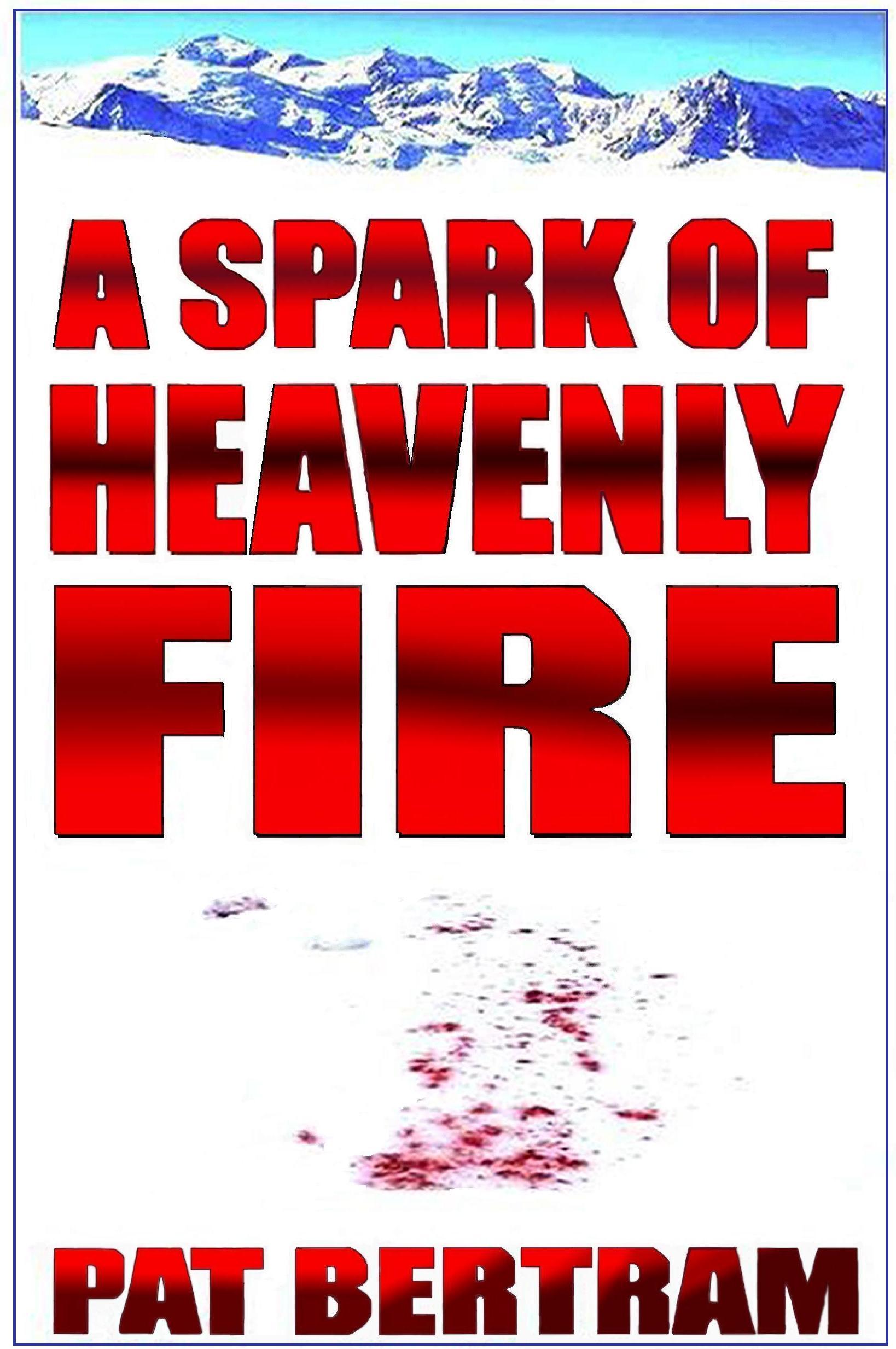
I got a wonderful compliment yesterday. One of my new friends just finished reading A Spark of Heavenly Fire, and last night when we met at a community event, she raved about the book, and me.

She told she had a hard time getting into the book, not because of a problem with my writing or the story, but she kept being amazed that she knew the person who’d written it. She said, several times, “I didn’t realize I knew someone so smart.” Eventually, she said, she was able to forget that she knew the writer and was able to become immersed in the story. And she loved it.

Admittedly, no one who calls themselves my friend is going to come up to me and tell me I am a rotten writer. (Smiling here — I wrote the word as wrotten. Sounds like it should be a medieval form of the past tense for written?)

At least one person has told me to my face that they weren’t impressed with my writing, and another complained about typos, but neither of these folks are people I have any sort of relationship with. Still, I could see the truth in my friend’s eyes — they lit up when she talked about the book, and even better, she immediately borrowed another. (Several people each bought one of my books, and they are passing them around.)

Her accolade certainly put a smile on my face, but lest you think I’m am letting the compliment go to my head, I should confess I was immediately brought down to earth by a little girl, about ten years old, who told me to get out of her way. (I did because I was too stunned by her impertinence to do otherwise. I was even more stunned by her mother who just stared at me.)

Still, it does my heart good to know that some people are reading — and liking — my books.

If you haven’t yet read A Spark of Heavenly Fire, you can read the first chapter online here: http://patbertram.com/A_Spark_of_Heavenly_Fire.html

Buy it on Amazon here: https://www.amazon.com/gp/product/B0024FB5H6/

Download the first 30% free on Smashwords: https://www.smashwords.com/books/view/1842

Happy reading!

***

Pat Bertram is the author of Grief: The Inside Story – A Guide to Surviving the Loss of a Loved One. “Grief: The Inside Story is perfect and that is not hyperbole! It is exactly what folk who are grieving need to read.” –Leesa Healy, RN, GDAS GDAT, Emotional/Mental Health Therapist & Educator.
A Murderer at the Museum

I’ve been trying to figure out how to set up a live murder mystery evening sans dinner, sans skit, just a simple game similar to Clue. The best way I’ve come up with so far, is to finger six or seven suspects, tell why they hated the victim, and offer alibis for each. Visitors will be given this brief history, along with a check list of suspects so they can cross off those they know couldn’t have done it.

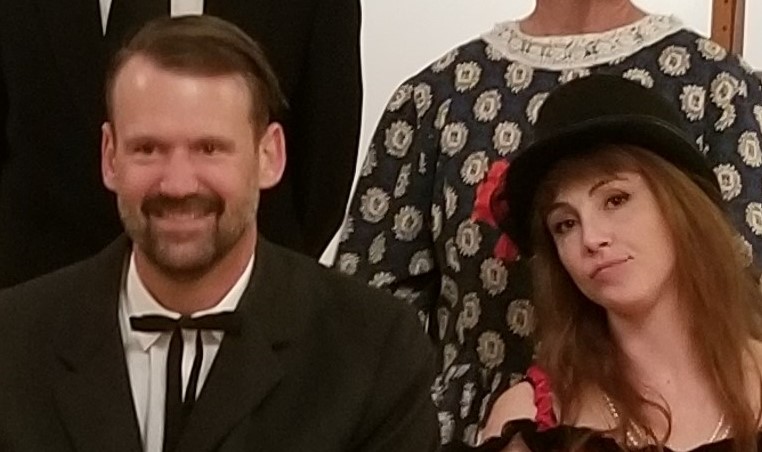
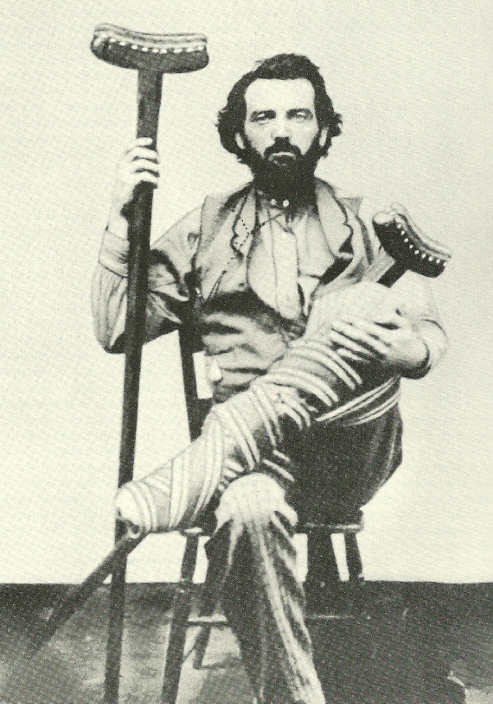
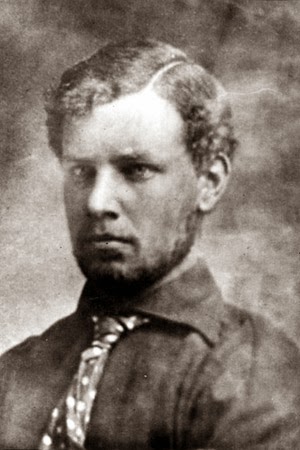
I spent the afternoon at the history museum trying to find a mystery and decided to kill off Clay Allison, a self-proclaimed shootist, ten years before he actually died. (He died at 45 when he fell off a wagon —literally — and a wheel ran over his neck.) Considering that Allison killed a deputy in this county and was never prosecuted (the killing was considered self-defense though the deputy had been doing his job as a lawman at the time of the gunfight in the saloon), I figure a lot of local folk back then would have liked to dispatch the evildoer.

Or maybe he did himself in — after all, he’d once shot himself in the foot as evidenced below.

Although it’s easy leaving clues and red herrings, the difficulty comes in proving which of the alibis are correct. (It’s much easier proving them wrong.)

At the suggestion of one writer friend, one of the suspects will be out of time/place (he will have been born after the shoot-out), and the only clue of his innocence will be his date of birth. One woman, a dance hall girl, will say she was with the local chiropractor, and though he will deny it, a photo of the two of them will be hung somewhere in the museum.

And that’s as far as I’ve got. One suggestion I considered was to use the time zone change. Although today it would work since the dateline is only an hour or two away, back then, it would have been a couple of days hard ride, so I haven’t been able to make that work.

Since this is more of a scavenger hunt than a live Clue game or skit, the clues to who didn’t do it need to be visual so they can be scattered around the museum. Luckily, I still have a couple of weeks to figure this out.

***

Pat Bertram is the author of Grief: The Inside Story – A Guide to Surviving the Loss of a Loved One. “Grief: The Inside Story is perfect and that is not hyperbole! It is exactly what folk who are grieving need to read.” –Leesa Healy, RN, GDAS GDAT, Emotional/Mental Health Therapist & Educator.
Event Adventure

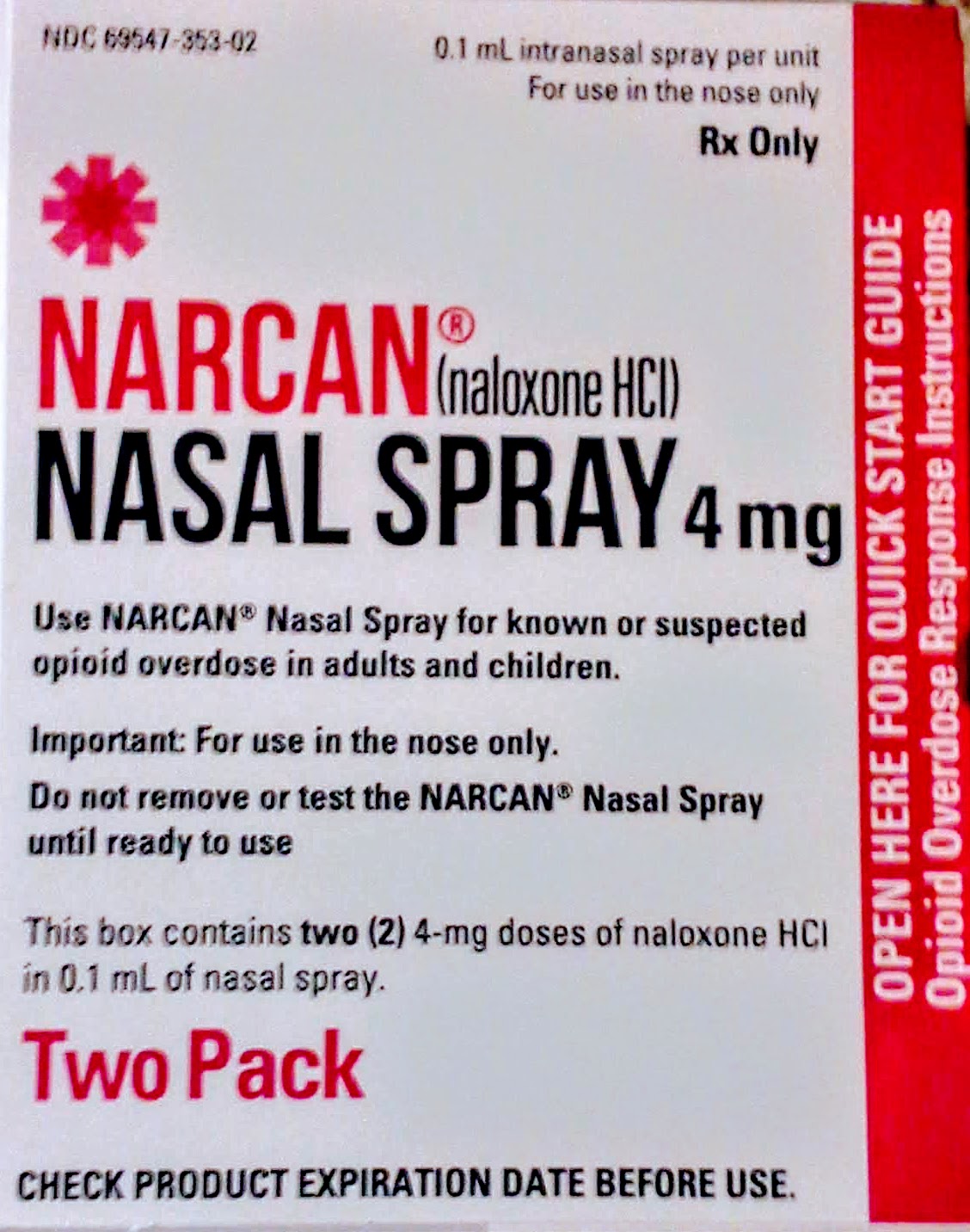
I attended a community event yesterday geared toward addressing opioid addiction in the area.

The woman I went with has to take opioids for her severe pain, and hasn’t become addicted. Neither did I become addicted when taking opioids after I destroyed my arm. In fact, back then, the doctor told me I wouldn’t get addicted even though I was on super-high dosages. One thing no one has ever explained is why some people get addicted, some don’t, and how to tell the difference. Despite all the hype, opioids aren’t a problem for everyone, and if those opposed to the drugs manage to get them banned, a whole lot of people will be in a whole lot of pain.

But that wasn’t what the event was about. It was more for those who need the services of the community to help with their present addiction. One big focus was the use of Narcan. A couple of local youths put on a brief skit about how to use Narcan and to show that there are no effects for someone who doesn’t need it. One sober youth fell to the ground. The other went to the rescue, opened the Narcan, and squirted the Narcan up his nose.

(My murder-mystery brain went into overdrive, and I immediately imagined they had killed the poor fellow. He was fine, even though he’d accidentally been given a double dose, but in a future book, he won’t be. Poor guy doesn’t even know he’s going to be murdered in absentia. Not by Narcan, of course, but by some drug that had been substituted by nefarious folk.)

After that sixty-second training course, we were given boxes of Narcan to use on all our drug-addicted friends. So, if you come to my house and fall down in a drugged stupor, I’ll be able to revive you — unless I murder you first for bringing drugs (and bad karma) into my house.

Although we were told that Narcan is safe, I can’t imagine there is any drug that is perfectly safe for everyone, so if by chance you did come to my place and collapse from your addiction, and if by chance I allow you to live, I won’t give you the Narcan. I wouldn’t want it to interfere with all the legal drugs the doctors have you taking.

To be honest, I was more interested in the coloring book that was being given out at one of the booths. I remember when coloring books were for children — now they are for adults. Apparently, kids have better things to do than color someone else’s artwork.

Oddly, many years before the adult coloring fad hit, Jeff and I thought coloring might be a soothing activity, so we got coloring books and crayons. Despite the intriguing designs in the books, we were both bored out of our skulls. So, if you do come to visit, and if you don’t expire from drugs (or from me), you can color in what is sure to be a still-pristine coloring book.

By far the most interesting thing about the evening is that while we were standing in line to be served dinner (free to all of us who attended), two different people came and talked to me as if they knew me, though I had never seen either of them before.

One of the people, wearing a shirt saying, “Don’t meth with me,” mentioned he always saw me walking by his house, and another asked about my car. Admittedly, I do sort of stand out, what with my hats and my vintage vehicle; nevertheless, it’s discomfiting to find out that I know fewer people than who know me.

And here I thought that by settling down my adventurous days would be over. Who knew community events in small towns are their own adventure!

***

Pat Bertram is the author of Grief: The Inside Story – A Guide to Surviving the Loss of a Loved One. “Grief: The Inside Story is perfect and that is not hyperbole! It is exactly what folk who are grieving need to read.” –Leesa Healy, RN, GDAS GDAT, Emotional/Mental Health Therapist & Educator.
100 Days

There are ninety-eight days until the end of the year. What are you going to do with those days? Will you finally get around to the New Year’s resolutions you made and promptly forgot? Are you going to slack off, giving yourself permission to take a break from the breakneck speed of your life? Are you going to get going on that novel you wanted to start, continue, finish, or edit? Are you going to make inroads in the pile of books on your nightstand, or finally read some of those ebooks you downloaded? Are you going attempt the photography project you always wanted to do?

In yesterday’s blog about my twelve-year blog anniversary, I mentioned that several years ago I had made a commitment to post every day for the last 100 days of the year, and I suddenly felt as if I’d like to take up the challenge again. After all, I had already completed the first day! (Since I am getting a late start — the 100 last days began with September 23 — I will have to add the first day of the new year to make an even 100 days. Assuming I get that far. Assuming that decimal numbers are important.)

The first challenge helped me get back into writing, helped me get back into myself. Too often I am pulled in many directions, with no clear direction of what I want to do or be, so a challenge like this might be what I need to give me a bit of focus.

And challenge it will be. I have a hard time focusing my mind on any sort of writing right now. I am trying to put together a press release about my latest (and possibly my most important) book Grief: The Inside Story, but the words don’t seem to connect with me.

It’s possible this disconnect with words is due not so much to letting myself drift but falling once again into my old book-a-day reading habit. (After Jeff died, I couldn’t read because books either had a couple getting together, which made me cry, or had the couple not getting together, which made me cry, or had too many deaths, which made me cry. It was easier simply to stop reading. Compared to losing Jeff, giving up reading was easy, though it had always been a major part of my life.)

I recently read that reading and writing go hand in hand because reading is inhaling and writing is exhaling. (That’s how I always felt about reading, as if it were a type of breathing.) But now I suppose I need to try to exhale, though I’m not sure what I would be exhaling. I have little to say, no real inclination to say what I do have to say, and making a commitment goes against my current desire to drift, but what the heck. I never let a lack of wisdom stop me from blogging before.

All this is by way of warning for those of you who follow this blog. Yesterday, today, and the coming ninety-eight days are more for me, just for the discipline of writing. I don’t expect you to read or comment on my meanderings, (especially not this blog post), but if you desire to do so anyway, I will be glad of the company.

And maybe I will even be glad of a chance to stop the drift. Just drifting has been good for me, especially the past few months where I’ve been getting used to a new house, a new town, a new life, but it doesn’t really seem to accomplish much.

So, this is a start.

Perhaps.

***

Pat Bertram is the author of Grief: The Inside Story – A Guide to Surviving the Loss of a Loved One. “Grief: The Inside Story is perfect and that is not hyperbole! It is exactly what folk who are grieving need to read.” –Leesa Healy, RN, GDAS GDAT, Emotional/Mental Health Therapist & Educator.
Expunging Flaws

There are many words and phrases I would like expunged from the English/American language, such as “veggies” (I don’t see what’s wrong with “vegetables”), intestinal fortitude (a meaningless phrase since all that is necessary is “fortitude”), executive decision (a phrase that is often misused in place “decision” when someone is talking about a simple personal decision rather than a decision made for a group or a decision with executive power).

My latest problem word is “flaws.” To be honest, there is nothing wrong with the word, just with the concept, especially when it comes to people. This is a word loved by writers who insist it’s necessary to write “flawed” characters for them to be believable, but I have always and will always disagree with this premise.

Tell me honestly, except for a few physical attributes that you might not like about yourself, do you think you have flaws? No, of course you don’t. You think you have problems. You laugh about your quirks. You are beset with internal conflicts. You might even have a list of traits that you try to work on, such as trying to be kinder or more disciplined, but you don’t have flaws. You are who you are. All the parts, good and bad (and who is to say which are which) make up your character.

And if you do think you have flaws, why do you think so? Aren’t you perfect in what you are — you? Who else can be you? Who else can you be?

To have flaws means to have imperfections that mars a person or thing. Why would any part of you be an imperfection? Why would you allow anyone, even yourself to think you are intrinsically imperfect?

You might have things you dislike about yourself. Other people might see things they dislike about you. But why are these flaws? These traits are the very fabric of your being.

Who gets to define perfect? Imperfection? Flaw? And why would we give anyone the power to define such terms?

We are who we are.

Often, we try to “improve” ourselves with diet, exercise, different thoughts, different activities, but these are all just gild on our already perfect selves.

I might not have paid attention to the latest batch of “flaw” words, might have continued to keep my irk to myself, but I recently read an article that attempted to list all the flaws in a certain person in the public eye, and oddly, the article had a completely different impact on me than it should have. All those “flaws” combined to make an incredibly unique human, someone perfect in and of themselves. Hated, of course. Loved, to be sure. Scorned. Admired. Vastly rich according to some people. Bankrupt according to others.

But, oh such a perfect individual.

As are we all.

When we look at a scene, at a flower, a field, we don’t see “flaws,” we don’t even notice imperfections because any supposed imperfection is lost in the whole. And, as with humans, who is to say what those imperfections might be? A flower is perfect in its perfection. A bucolic scene is perfect in and of itself.

Are we less than the fields? The flowers?

Nope.

To think of ourselves as flawed seems to put us above whoever or whatever happened to create us. It’s as phony an idea as the Persian rug makers who purposely put a flaw into each of their rugs supposedly because of their belief that only God can make something perfect. That speaks to me of arrogance, to believe you are so absolutely perfect you have to create a flaw to make yourself less than perfect.

Billions of years ago, the universe was born. Through untold eons it learned how to fashion various life forms, and finally, it formed a semblance of a human being. A million years later, our present species came into being, and many thousands of years after that, I was born. You were born. Each of us is the culmination of an untold number of twists and turns in creation. How can the end result not be perfect?

So, change the thing you don’t like about yourself, but don’t believe that thing is a flaw. It is not.

***

Pat Bertram is the author of Grief: The Inside Story – A Guide to Surviving the Loss of a Loved One. “Grief: The Inside Story is perfect and that is not hyperbole! It is exactly what folk who are grieving need to read.” –Leesa Healy, RN, GDAS GDAT, Emotional/Mental Health Therapist & Educator.
House Proud

People keep asking me when I’m going to write another book, and I finally have an answer for them: when I stop being so house proud.

I recently read an article telling authors not to get distracted by housework, which never used to be a problem for me. I didn’t mind clutter. mostly because I was too involved in other things to pay attention to it. I didn’t mind a little dust or even a lot of dust — I figured it was better sitting on the top of tables and such rather than floating in the air.

But now, I like seeing my place clean. I like the clutter-free rooms and the dustless furniture and floors. It tickles me to get up in the morning and see my charming living room.

It even pleases me to mop the floors and dust the furniture. I especially like being able to dust the ceiling fans. (The last place I lived the ceiling fans were so caked with greasy dust that I was never able to get them clean.)

Surprisingly (surprisingly to me, that is), all this housework doesn’t feel like work. It feels like playing house.

Maybe if I’d owned a house when I was younger it wouldn’t be such a joy taking care of this place. I certainly wouldn’t have had the same feeling of connection, and I know I would have worried all the time about things falling apart. (Entropy seems to loom large in my life.) For now, though, it’s been fun doing small repairs around the house, most recently rescreening the windows. (I have vinyl windows, and it’s easy, though time consuming, to replace the old screen fabric with new.)

It’s not just physical time I spent on the house but mental time, time I would normally have used for writing (or more probably, thinking about writing). I think about where I want the fence to go, where to plant the multitude of bulbs I ordered, when to order the small trees I want and where to put them. I think about a container garden I would like to put in a small triangular space between the house and the back-door railing.

Ah, so many things to think about!

Someday, perhaps, I won’t be so enamored of all this house care, and will free up my mind for writing.

Meantime, I’m proud to be house proud.

***

Pat Bertram is the author of Grief: The Inside Story – A Guide to Surviving the Loss of a Loved One. “Grief: The Inside Story is perfect and that is not hyperbole! It is exactly what folk who are grieving need to read.” –Leesa Healy, RN, GDAS GDAT, Emotional/Mental Health Therapist & Educator.