The Camping Life

Daily writing prompt
Have you ever been camping?

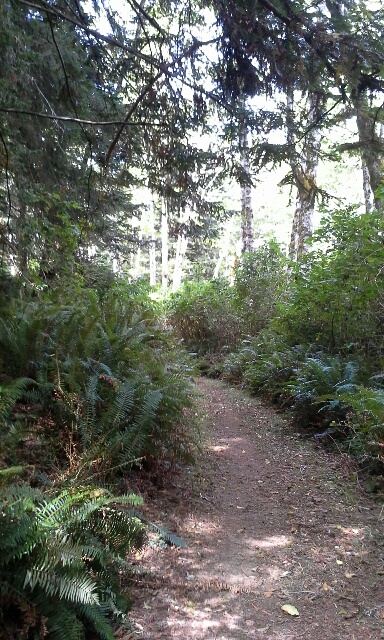
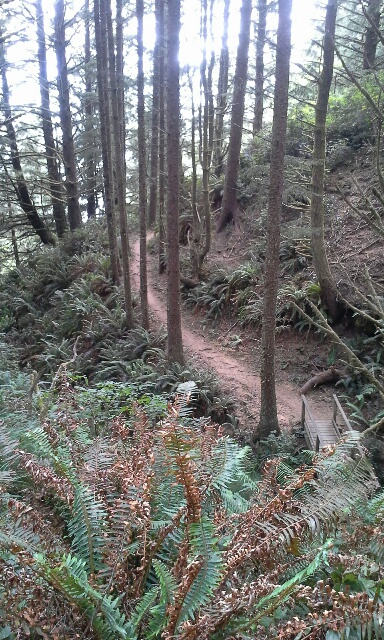
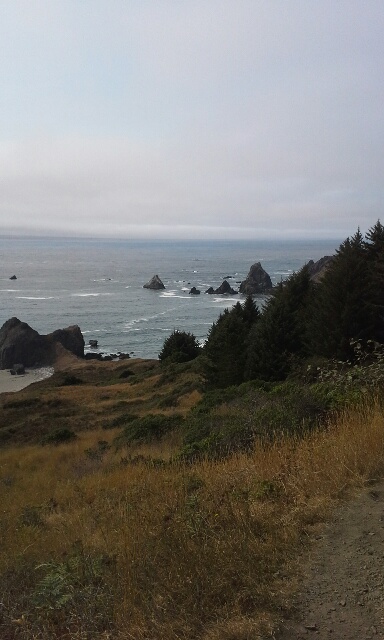
The summer before my epic cross-country trip, I lived in a friend’s camper in Northern California where I could tramp along the coast and hike the redwood forests. Although most people call this camping, to me I was simply living in a tiny house and enjoying the environment that was so different from anything I’d experienced before. (And enjoying the friendship, of course.)

The other end of the camping spectrum is “cowboy camping” — out in the wilderness with no roof over your head except the Milky Way and so many stars you wouldn’t believe. Although the romanticism of that appealed to me, the physical sensation of being out alone and vulnerable in that vastness seemed too intimidating, so I never did it.

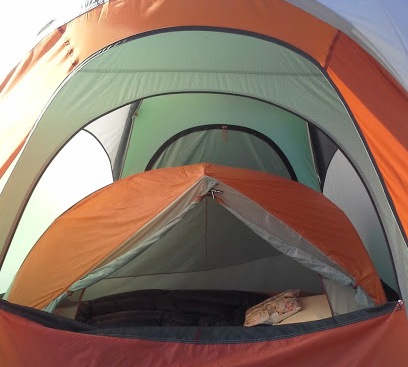
I did camp in a tent, though, which seemed, Goldilocks-like, to be perfect, falling as it does somewhere between a tiny house on wheels and an infinite roof overhead.

I loved tent camping. Like most of my adventures, people kept telling me I couldn’t do it — I was too old, it was too dangerous, too many things could go wrong — but that didn’t deter me.

The first night I camped out was the first night of my cross-country trip. I’d practiced setting up the tent, so that wasn’t a problem, though it was a bit awkward since the tent was a six-footer. (I got a big one because I wanted to be able to stand up. And it was on sale.) I had a folding lounge chair big enough to sleep in since I wasn’t sure I could sleep on the ground, and all sorts of other comforts, including the main one — a restroom within walking distance.

I woke in the middle of the night to use that rest room. By the time I got back I was wide awake, so I lay on the top of the picnic table and drank in the stars. Eventually, I went back into the tent and finished the night in my cozy pallet on the ground.

I learned a lot about how to be comfortable in that tiny space. I spent most of my time outside, of course, so it was only at night and in the heat of the day that I sought shelter. A few nights were frigid, and I couldn’t get warm, so I opened my backpacking tent inside the larger tent, and soon became warm enough to sleep comfortably.

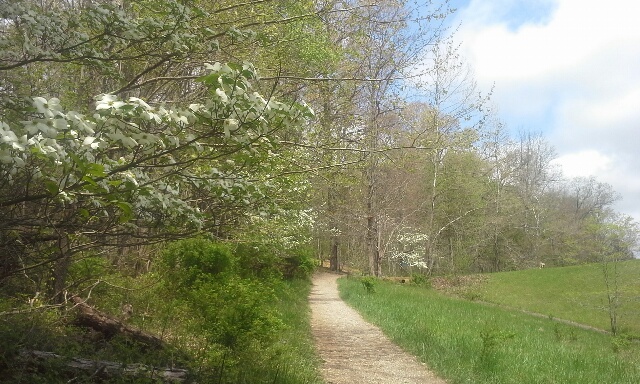
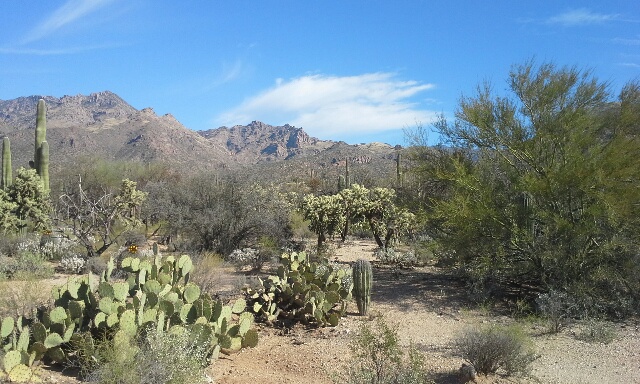
During that trip, I camped in deserts, mountains, forests, near swamps and lakes and on a beach. Each campsite was special. Each experience was exquisite. Each person I met was an instant friend. One slightly older woman had gone to the same high school I did, which made us even instanter friends. She was a retired teacher whose retirement funds didn’t stretch enough for a conventional life, so she spent most of her time on the road, living in her tent. Although campers were only allowed a two-week stay, she’d been there almost a month. There were few campers during that February, and so they let her stay.

I considered doing what she was doing, and if I hadn’t lucked out on buying a house, I might have lived the camping life, though to be honest, as much as I loved camping, I’m so much more comfortable living in a stationary house with a roof and heat and running water and my own bathroom.

I didn’t camp every night during that trip. Most often I was with friends, who treated me royally. Occasionally I spent nights in motels, especially if the weather was bad or I was tired or there weren’t any nearby national parks. (I did stay in a couple of state parks, but so many were almost as expensive as a motel that it didn’t seem worth it.)

I still have that oversize lounger. Maybe this summer I’ll drag it out and sleep under the stars. Or not. Although it’s a nice thought, second thoughts remind me that mosquitos, skunks, and other denizens of the night aren’t so nice.

It’s funny — sitting here writing this, I know I had all those adventures, but they seem as if they happened to someone else, as if I’d just read myself into some fictional character’s life — a character who is spontaneous and adventuresome and courageous, all things I’m not.

Except, apparently, I am those things. Or at least I was.

***

Pat Bertram is the author of Grief: The Inside Story – A Guide to Surviving the Loss of a Loved One

Peace Pilgrims

Several years ago, I seriously considered doing an epic walk — hike one of the long trails like the Pacific Crest Trail, trek along the Pacific coast, or walk across the United States. I was just starting to come out of my deep grief after Jeff died, and I wanted to find a deeper connection to both myself and the world, maybe even go through some sort of spiritual transformation. When I mentioned this desire to a friend, she suggested that I walk for a cause like the Peace Pilgrim did because if I had a cause, people would be more willing to help supply food, water, a shower or even transportation if I need it, and they might even get others to help. I never did find a cause, nor, despite training for it, was I ever able to do that epic walk. Instead, I took hundreds of day hikes, an overnight hike, and finally a 12,000, 21-week cross-country road trip, camping and hiking when I could, staying with friends or even treating myself to a motel when I wanted to or needed to.

As epic as that trip was, it was not what I’d originally envisioned, which was something akin to what the Peace Pilgrim did. The Peace Pilgrim was a woman who, in response to a spiritual awakening, had taken a vow to “remain a wanderer until mankind has learned the way of peace, walking until given shelter and fasting until given food.” Her pilgrimage began in 1953 when she was 44 and ended with her death in 1981. She carried only a pen, a comb, a toothbrush, and a map, trusting to those she met to supply what she needed, though she never asked for anything.

I admired her zeal and wished I could do the same, but I didn’t have that sort of trust. Still don’t. Nor do I have the physical ability for such an endeavor. I am on a different mission now, if such a solemn word can describe what I am living for — a peaceful life, taking care of myself, maybe even that deeper connection to myself and the world I once envisioned. Still, that old dream of a life-changing walk haunts me, which is one reason I was so fascinated by the monks and their walk for peace.

As with so many of my posts, the first few paragraphs usually serve only as background to a point I’d like to make, which is the uncanny connections between the Peace Pilgrim and the leader of the Walk for Peace.

She died in 1981. He supposedly was born in 1981. She started her walking mission when she was 44. He is said to be 44. They both experienced a spiritual awakening that took them from their mundane lives to one of spirituality, service, and inner peace. During both of their walks, they depended on others for food and shelter, accepting what is offered, asking for nothing. I’m not suggesting anything here, just making the observation that the second walk seems to be a continuation of the first. “Seems to be” being the operative words, since there really is no connection except for a few interesting coincidences.

Is there something bizarre about my sitting home, in my comfortable life, admiring (and I admit, envying at least a tad) those who willingly suffer the indignities of the road in the name of peace? If so, I am okay with that. I’m just glad someone is doing what I never could. And glad I got to participate in the Walk for Peace, if only vicariously.

***

Pat Bertram is the author of Grief: The Inside Story – A Guide to Surviving the Loss of a Loved One.

Lusting After Wanderlust

A friend and I had tea together today, which was so nice, we couldn’t figure out why we didn’t do it more often, though the truth is, we are both busy and our schedules don’t often coincide.

We both live alone, and one of the things we talked about was getting feeble and if there would come a time when we would need to text each other (or text someone, anyway) every day to let them know that we are okay. My next-door neighbors pay attention to the shade in my computer room; if it’s up, they know I’m awake and okay. If it’s closed in the morning or the lights don’t come on at night, they will text me to make sure I’m okay, so I do have that bit of security. More than a bit, actually. It’s very comforting to know that my neighbors would notice if something happened to me.

My friend and I soon decided to change the subject because it was too depressing talking about getting feebler, and besides, it didn’t really seem all that relevant because both of us were feeling good today. Good meaning no real problems. Good meaning not old. Good meaning feeling the way we always did.

Walking home, there was even a spring in my step, and it seemed as if I could do anything I used to do. Until I turned on the computer at home and saw photos from a hiking group I belong to and never unjoined because it seemed too much like giving up. Seeing those photos of various individuals walking on trails way beyond civilization, gave me a bad case of wanderlust.

I might still feel as if I can do what I used to, but the truth is, hiking alone in the wilderness is out of the question. But oh, I do miss those adventures! There was nothing like it, being out alone among the rocks or trees, following a trail wherever it led, nothing to do but put one foot in front of the other and breathe in the freedom. Although I wish I lived closer to a wilderness area, as I did when I lived near the desert, or when I spent that summer in Crescent City with a friend who so generously dropped me off at the beginning of a trail and picked me up at the other end, I suppose it’s just as well I don’t live closer. It’s hard enough yearning for wilderness trails that are beyond reach; it would be almost unbearable if the trails were but a hand’s breadth away and yet I couldn’t trust myself to hike alone.

I might feel differently someday. My knees aren’t really giving me any problem, and I’m gradually getting back in the habit of walking (weather and work permitting) so who knows what I’ll be able to do in the future. And who knows what I won’t be able to do since generally people don’t get younger with the passage of time. But I don’t want to think about that.

Still, walking is good. Trying to get into hiking shape is even better. If nothing else, it will give me something to focus on rather than a possibly feeble future.

***

What if God decided S/He didn’t like how the world turned out, and turned it over to a development company from the planet Xerxes for re-creation? Would you survive? Could you survive?

A fun book for not-so-fun times.

Click here to buy Bob, The Right Hand of God.

Trail!

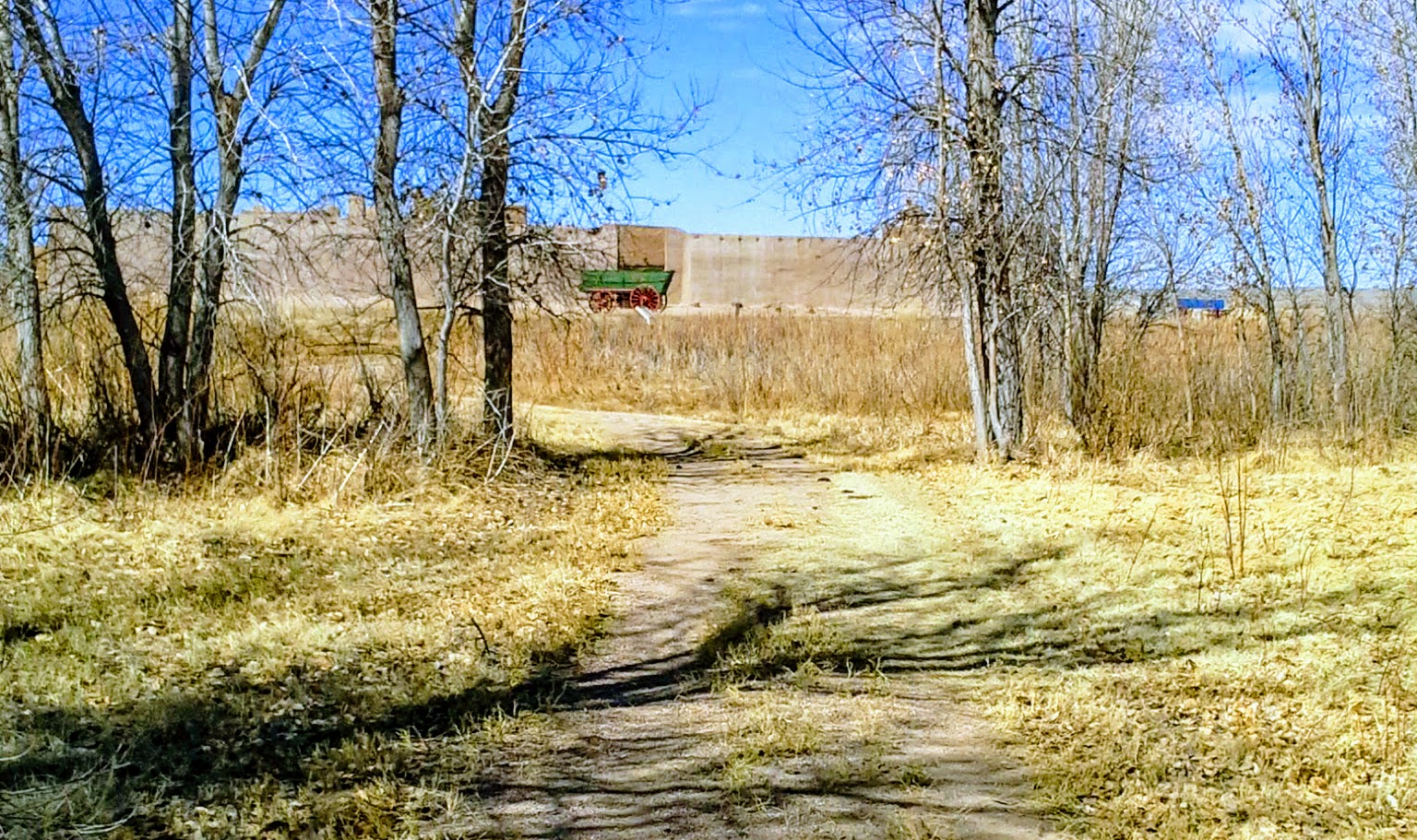
I have missed trails, missed following a path into unknown wonders, so when I found a nature trail at Bent’s Old Fort when my friends and I visited the historic site, I took the opportunity to head out on an adventure. I’d felt as if I had stepped back in time at the fort, and the short hike in the prairie and along the Arkansas River did nothing to dispel that feeling.

I looked back once and saw the fort, but even that sign of civilization soon disappeared from sight,

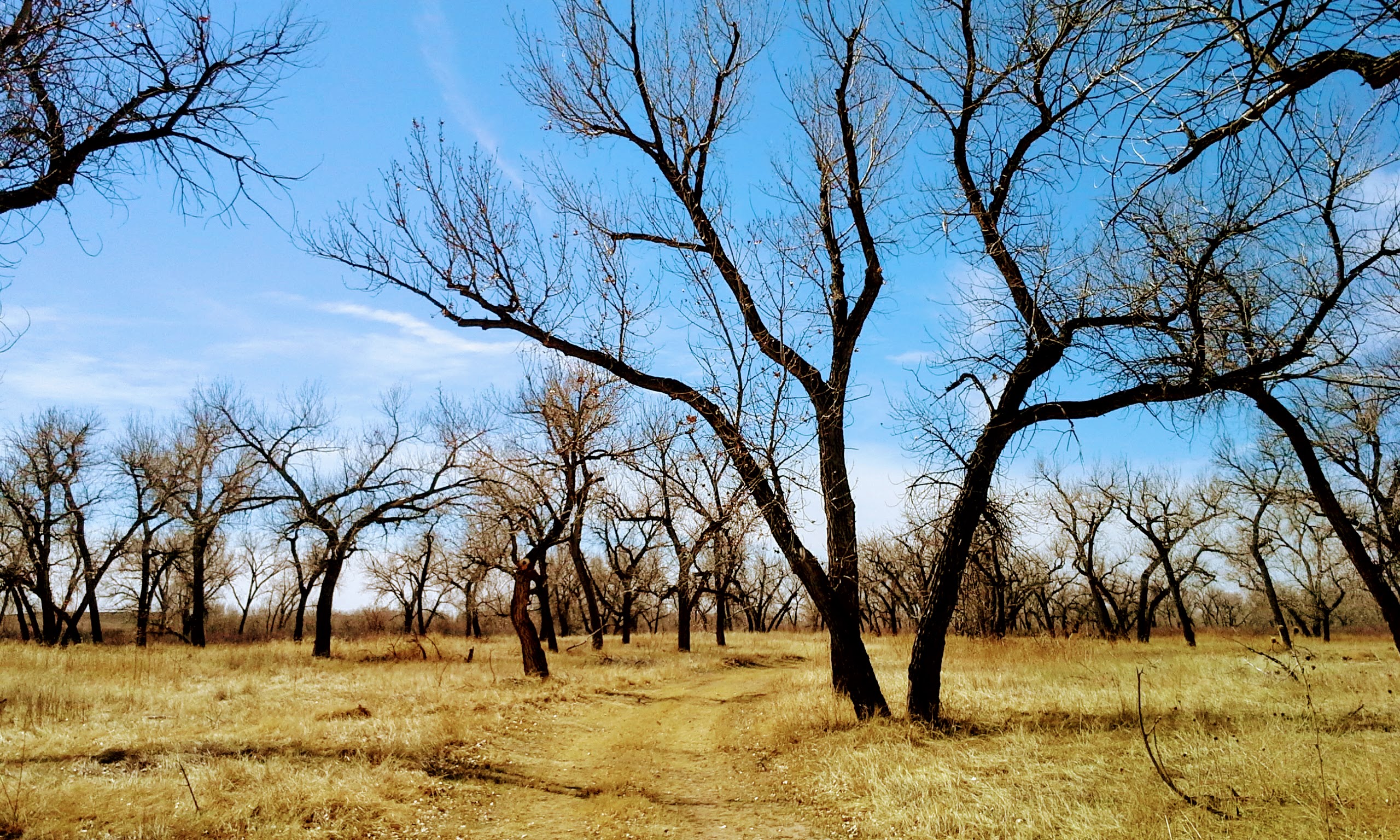
and all was as it had once been. Prairie, and trees,

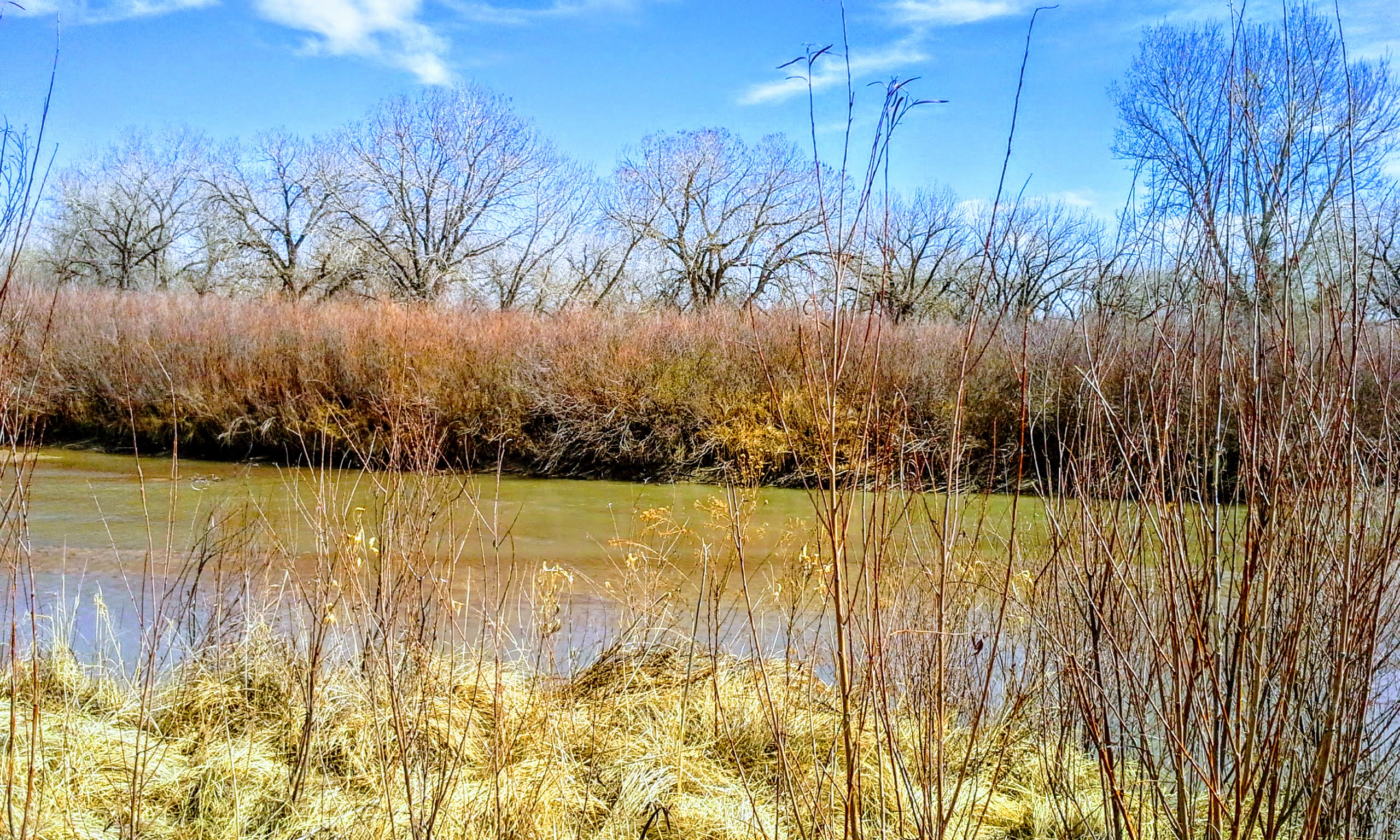
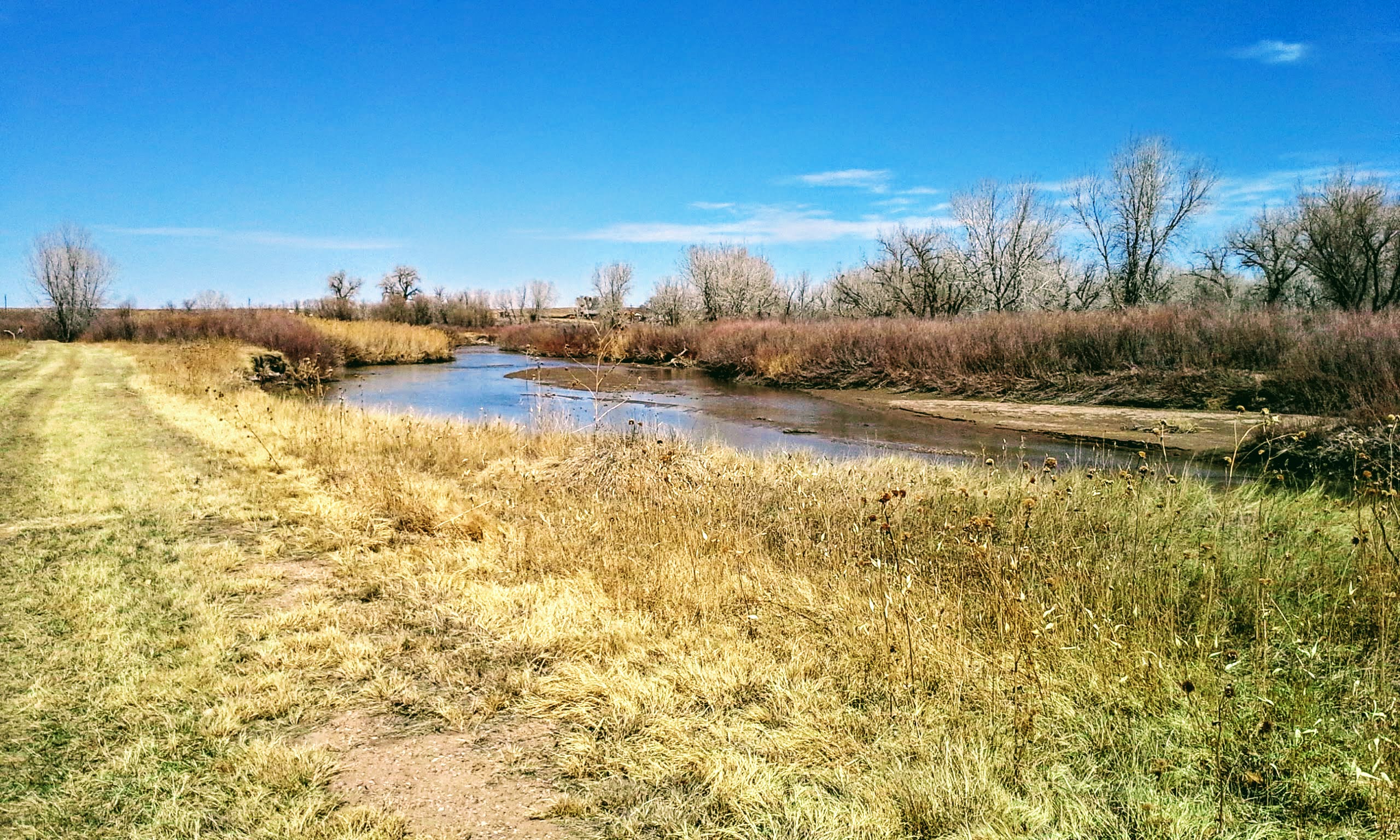
and the Arkansas River.

Unless I want to travel a hundred miles or more, or traverse gravelly roads for long distances, this trail seems to be the only trail that is available to me. It’s still further than I want to drive for what is a rather short walk (though with my tweaked knee, that mile and a half seemed like a far piece.) Still, when my garage is done (if it ever is) and I can easily get on my “horse” and head out without having to uncover the vehicle and unlock gates, I’d like to visit the place more frequently. Maybe even find a place where I could take a photo each time I went so I would have a visual presentation of the slow-changing scene.

It could be an interesting project, and even better, would help me overcome my aversion to driving to a place merely to walk.

***

Pat Bertram is the author of Grief: The Inside Story – A Guide to Surviving the Loss of a Loved One. “Grief: The Inside Story is perfect and that is not hyperbole! It is exactly what folk who are grieving need to read.” –Leesa Healy, RN, GDAS GDAT, Emotional/Mental Health Therapist & Educator.

Hiking in Hocking Hills

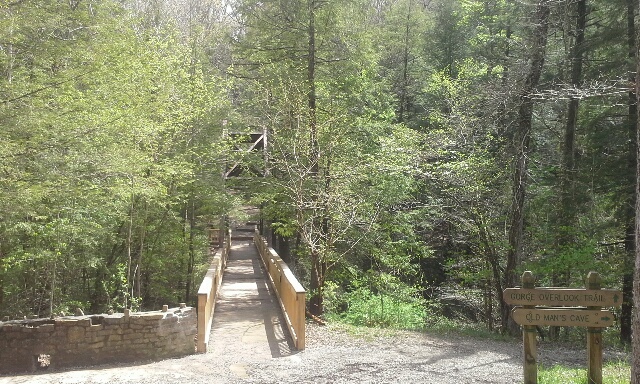
A friend recommended Hocking Hills State Park in Ohio as a place to go hiking, and since I desperately needed to make some sort of wilderness connection, no matter how tame, I visited the park.

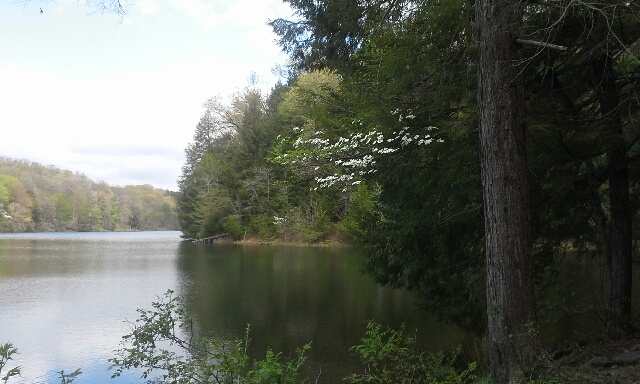
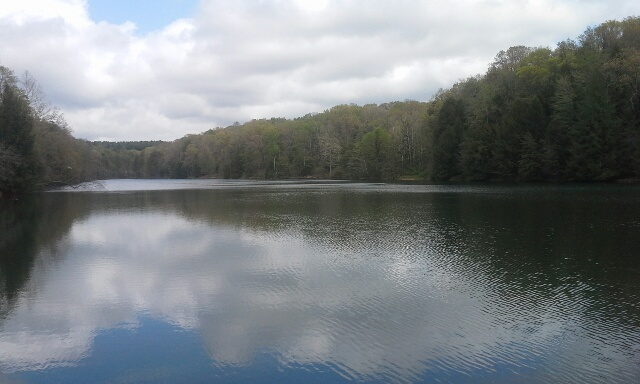
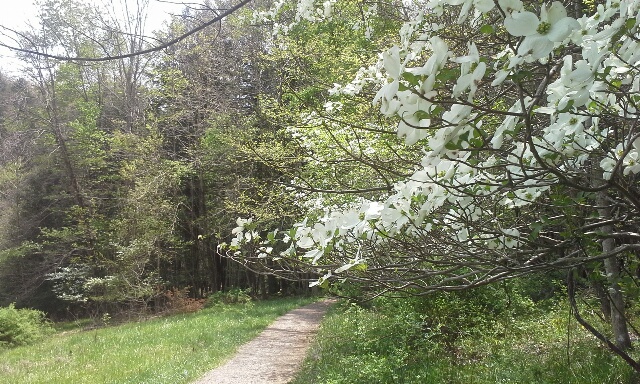
It was worth going out of my way to visit the place — fabulous rock formations and a lovely hike through trees to a lake where I saw red-wing black birds, cardinals, and a huge bird that might have been an owl.

Although the park was fairly crowded, I took the trail less-traveled. On my way back I noticed a young woman sitting cross-legged on a wall. She seemed sad, so I asked if she were okay. She gave me a faint smile and said yes, but still I hesitated. I asked if she would like to talk or if she needed a hug. She stood and said, “I can always use a hug.” I held her for perhaps a minute while she cried, told her I was sorry for her troubles and continued on my way.

Later, back on the highway, I became tearful. It wasn’t until the unexpected bout of melancholy passed that I wondered where those tears had come from. Had I absorbed her sorrow?

Remembering other tearful episodes on this trip, I realized the tears always came after visiting people caught in grief-stricken or stressful lives. Tears for me seem to be a response to stress, so although it is possible I absorb other people’s emotions, it’s also possible I am just reacting to the stress of the situation, or maybe it’s only that their sorrow calls forth echoes of my own.

I don’t suppose it matters one way or another — whatever the reason, I process the emotion, then wash it away.

And in this particular situation, what I am left with after the cleansing is the memory of a hike made more poignant by that brief encounter with another human being.

***

(Pat Bertram is the author of the suspense novels Light Bringer, More Deaths Than One, A Spark of Heavenly Fire, and Daughter Am I. Bertram is also the author of Grief: The Great Yearning, “an exquisite book, wrenching to read, and at the same time full of profound truths.”)

***

Sabino Canyon Adventure

Note to self: do not take hiking advice from frail little old ladies at national park visitor centers.

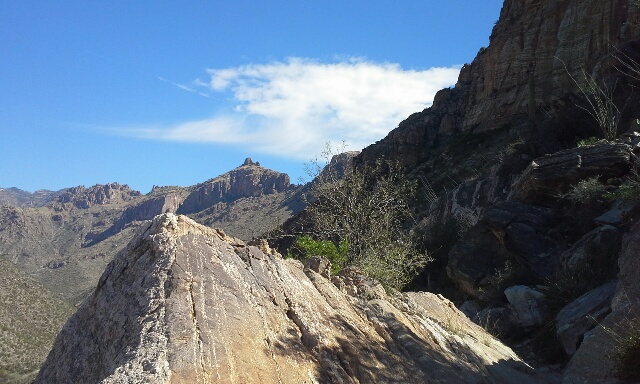
About a half-hour drive from the foothills of the Catalina Mountains where I am staying, is the Sabino Canyon Recreation Area, a part of the Coronado National Forest. I’d seen a picture of the Sabino Canyon Trail, and since it is here (or rather, since I am here), I thought I’d sample the trail.

It seemed such a simple thing — go to the area and start hiking — but there were so many intersecting trails and so many people (I managed to snag the very last parking space in a vast lot) I figured I needed a map.

The aforementioned frail little old lady stood behind a small counter, and asked where I wanted to go. I told her I didn’t know, that I’d never been there before. She seemed to be mentally rubbing her hands together with glee when she responded, “I love when people ask for advice.” Apparently, all those hundreds of people milling about outside knew instinctively this woman couldn’t help, but not me. So I blundered forth with my questions.

It turned out that the Sabino Canyon Trail was at the top of a long shuttle ride, which did not serm inviting to me. People were crammed into those open bus-like contraptions, forced to listen to a narration of what they were seeing. And they paid for the privilege.

Not me. I opted to walk up at least part way. The frail woman showed me a six-mile loop hike on the map, said it was a wide path, no stream crossings, no rocks, and level except for perhaps a quarter of a mile uphill. Sounded good to me, so clutching my map, I thanked her and headed out.

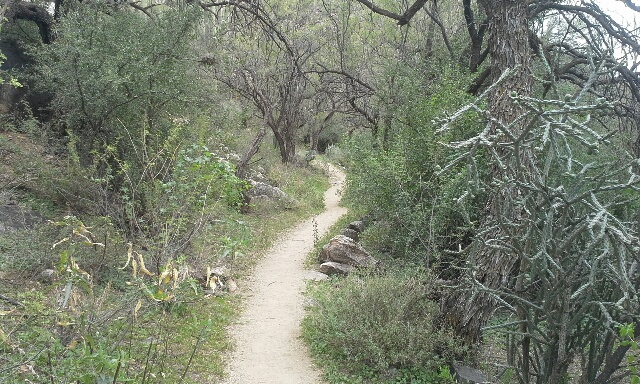
Sure enough, the path was wide, level, well-maintained, with no rocks or other obstructions for the unwary to trip over. For about a tenth of a mile. Then things changed. Became narrow. Slabs of rock to hike across. Small boulders to navigate over. All uphill. Up and up and up.

Still, it was pleasant. Beautiful. Since I walked slowly, everyone else passed me (am I the only one who doesn’t seem to be part mountain goat?), so I only had sporadic sounds of voices to distract me. (I’m learning to accept human noises as sounds of wildlife. Makes it easier.)

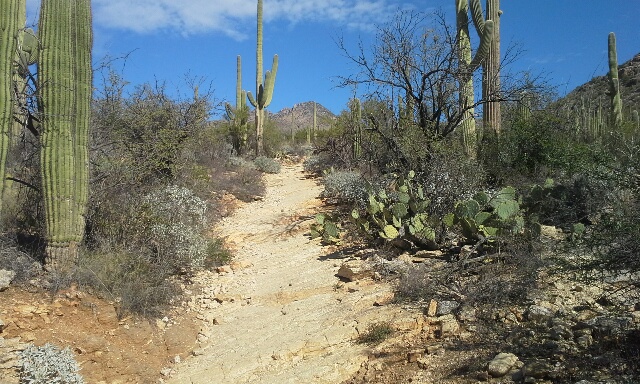
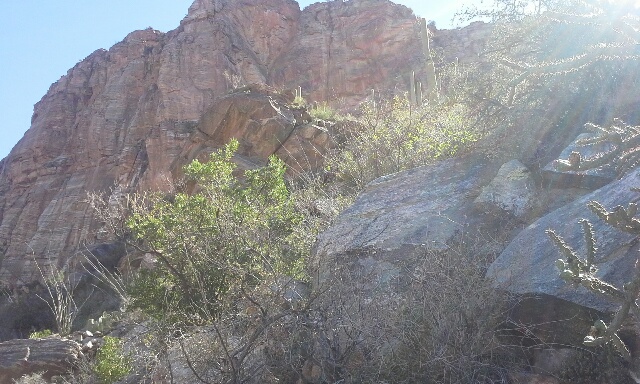
Within sight of the acropolis, a huge rock outcropping, I perched on a boulder, nibbled a protein bar for lunch, and changed my socks. Rejuvenated, I headed back down the other part of the loop trail that the woman had told me followed a stream, but had no stream crossings. I went down some steep slippery slopes until I hit the stream bed. And sure enough, the trail followed the stream for more than half a mile. It was cool down there — green vegetation for shade instead of the ever-present saguaro. Since I was sore and exhausted from the long trek, I looked forward to the end of the trail. Unfortunately, the trail did not end at the visitor center, but at the stream. A wide stream. A knee-deep stream.

Realizing I hadn’t seen anyone else since I hit the river bottom, I figured I’d taken a wrong turn. So I retraced my steps. Found the trail marking, and took the other fork. Ended up at the water again. And no visible sign of the trail. So I went back to the trail marking and waited. Finally, a small group showed up, and the man seemed to know what he was doing. Soon another group of men arrived, and we all stood by the water trying to figure out what to do. (The knowledgeable man had already made his way across, just plunged into the water and kept going.)

Considering that my only other choice was to go back to the acropolis and retrace my steps down the mountain, I opted to cross the stream. All the folks who crossed with me had paid for the shuttle, so they waited at the stop for their ride, while I trudged soddenly back to the visitor center.

Oddly, I did fine until I sat down to change into dry socks. When I stood again, I could barely move. Utterly stiff and sore from head to foot. (The hiking poles I use take some of the weight off the leg joints and redistribute it to the shoulders.) The soreness and stiffness lasted the rest of the day, but I’m doing okay today with just a bit of stiffness to remind me of my adventure.

And oh my. Such an adventure!

***

(Pat Bertram is the author of the suspense novels Light Bringer, More Deaths Than One, A Spark of Heavenly Fire, and Daughter Am I. Bertram is also the author of Grief: The Great Yearning, “an exquisite book, wrenching to read, and at the same time full of profound truths.”)

***

Lure of the Trail

It’s hard to believe I’ve been here in this idyllic place of vast trees and vaster water bodies for eight weeks. Harder to believe my summer adventure is coming to an end, but it is — I’ve already purchased my ticket back to the treeless, waterless desert.

Hardest of all to fathom what I experienced.

I have seen ponds, lakes, lagoons, bays, brooks, creeks, rivers, and especially the ocean. I have seen tiny Douglas fir seedlings and gargantuan coastal redwoods. I have tramped more than a hundred miles through various forest terrains, and almost as many miles along the ocean shores.

I’ve meandered through some of the creepiest places on earth — dark forests with gargoyle-like tree trunks, mouldering stumps of long-dead trees, and moss hanging from blackened branches like the wispy green ghosts reaching out from the centuries.

I’ve wandered through cathedral-like groves of redwoods, the sun shining through the canopy like stained glass.

I’ve traversed ghost highways and long-forgotten logging roads, and though these were not “est” trails — not the longest, shortest, showiest, hardest, or easiest and the trees weren’t the tallest, oldest, biggest — these were some of my favorite hikes. Just pleasant strolls in the woods.

And through it all — dog bite, spained calf muscle, bruises, aching feet, sore muscles, and mosquito bites galore — I never lost the lure of the trail.

This summer adventure might be over, but there are other days, other places, other trails.

And so the adventure continues.

***

(Pat Bertram is the author of the suspense novels Light Bringer, More Deaths Than One, A Spark of Heavenly Fire, and Daughter Am I. Bertram is also the author of Grief: The Great Yearning, “an exquisite book, wrenching to read, and at the same time full of profound truths.”)

***

(The heart is a shell fragment I found on the beach yesterday. Maybe the ocean was telling me it hearts me.)

Oregon Coastal Adventure

Yesterday I hiked what was supposed to be a four-mile section of the Oregon Coast Trail, but turned out to be only two miles. Apparently, the distance for that particular hike was calculated as round trip rather than one way, but since the description left out that salient point, when I emerged from the woods into the parking lot after only an hour, I was confused. I wasn’t lost, of course, but I felt lost since I didn’t know where I was exactly, and I didn’t seem to have a phone signal to contact my ride in case I had to notify them of a change in plans. So I continued on down the trail, hoping that the next turnout would give me a better idea of where I was.

The sections I hiked were not really difficult except in spots where steps up or down were more than I could handle. (Like stepping up onto or down from a slanting, very narrow backless chair.) Sometimes I could pull myself up with the help of a trailside tree, other times I had to clamber up on my knees.

After I left the little parking lot, the trail became steeper and narrower. The footpath as a whole was narrow — often only about a foot wide — but sometimes this additional trail section was only six inches wide. And there were more parts that were hard for me to climb up or down. Still, I managed to get to where I could see the next parking area though I couldn’t figure out how to get there from where I was. One unmarked trail led to a creek. Another unmarked trail led to a marshy area.

I did figure out where I was since I was high enough to see that the terrain matched my map. I also figured out that the mileage on the trail description was off. So I headed back up to the first parking area, assured that was my rendezvous point.

Going back up was easy. Or rather easier. (Downhill is much harder for me than uphill. Balance is off; footing is different; and if my left shoe is tied snug enough to keep my foot from sliding forward and squishing my big toe, it pinches a nerve on the the top of my foot.)

I ended up hiking four miles after all. Ended up where I was supposed to meet my friends. Ended up learning something, I am sure, though I don’t know what. Maybe: take things as they come. Perhaps: do whatever necessary to accomplish the next step no matter how awkward or inelegant. Possibly: don’t get so caught up in the doing you forget the being.

Mostly I learned that there is a pub in Oregon with the absolutely best hamburgers ever, made with beef grown and pastured four miles away.

***

(Pat Bertram is the author of the suspense novels Light Bringer, More Deaths Than One, A Spark of Heavenly Fire, and Daughter Am I. Bertram is also the author of Grief: The Great Yearning, “an exquisite book, wrenching to read, and at the same time full of profound truths.”)

***

Feeding My Soul

A couple of days ago, I stood on shore, so close to the edge of the land that all I could see were powerful incoming waves and beyond them, in the great distance, more placid waters extending to the far reaches of my horizon. The endless sight of water and the immense sound of surf held me spellbound. There was no fishy odor to bring me back to myself, just the smell of clean ocean air. The usual jumble of words and thoughts in my head were stilled. I was stilled. All that existed at that moment were the ocean and my awareness of this non-human force.

We are so used to seeing things in human terms that we forget how almost inconsequential we are to the world’s existence. The ocean was here eons before the first biped left an ephemeral footstep on the sand, and long after our cities have been deconstructed by nature and the elements reclaimed by the earth, the tides will still exert their power.

Eventually my restless spirit exerted its own power, and I continued my walk on land’s end, but the magic of that moment when I was an ocean stayed with me.

Yesterday I walked through a dune forest, accompanied by the distant sound of the surf, like blood rushing through my ears. Tsunami warning signs reminded me of the power of the nearby ocean, but that calm summer day held no danger. I was the only human creature in the woods, though dragonflies, birds, and a deer shared their space with me. I stopped to eat a few wild blackberries and caught a glimpse of a snowy egret in a hidden pond beyond the brambles.

It wasn’t until I returned to civilization that I realized what I am doing and why adventure pulls at me. I am feeding my soul.

When my life mate/soul mate died, his goneness left a vast emptiness in me, so vast that it could encompass the whole world. So that is what I am doing — encompassing the world.

Someday, perhaps, I will be filled. Someday I might lose the ability to absorb my surroundings. Someday I might lose the ability or stamina to walk much, might even lose the desire for adventure, but whatever worldness and other-beingness I have poured into my self will always be with me, whether I consciously remember or not.

***

(Pat Bertram is the author of the suspense novels Light Bringer, More Deaths Than One, A Spark of Heavenly Fire, and Daughter Am I. Bertram is also the author of Grief: The Great Yearning, “an exquisite book, wrenching to read, and at the same time full of profound truths.”)

***

Seeing the World on Foot

A friend asked me if I’ve gotten adventuring out of my system, and the answer is no. The truth is, I’m getting addicted. I love seeing the world on foot. I love being part of a relatively untamed environment. And I feel as if, in some strange way, I belong out there. Before I got out of the car the other day to begin a seven-mile, no-turning-back hike, I had to steel myself against trepidation, but as soon as I stepped on the trail, I felt as if I’d come home.

That feeling of coming home was as momentary as the trepidation, though the joy of the walk remained until the excruciating last hour. But the hardship is part of the adventure, too. Coming to the end of one’s skill, coming to the end — or almost the end — of one’s strength and continuing anyway is as much a mental adventure as it is physical. During that grueling downhill slide on loose dirt and rock, I just wanted to be done with it all, but before, during the long golden part of the hike, I wished the trail went on forever. Wished I could just keep walking.

I don’t know if I will ever be able to do long backpacking trips, or any sort of backpacking trip — the hard parts of hiking are hard enough without the extra weight of a pack and the easy parts would no longer be easy — but I have the whole rest of my life to train for such a trip.

Dance classes have helped with my strength and stamina, so I’m planning to be back in class for most of September and October. And then? Who knows. More dancing perhaps. Or maybe Louisiana. I have an online friend I’ve planned to meet for many years, and going to a swampy area is better suited to cooler temperatures.

Meantime, I can hardly wait for the next adventure, to see what I can see, to see what I can be.

***

(Pat Bertram is the author of the suspense novels Light Bringer, More Deaths Than One, A Spark of Heavenly Fire, and Daughter Am I. Bertram is also the author of Grief: The Great Yearning, “an exquisite book, wrenching to read, and at the same time full of profound truths.”)

***