Bent’s Old Fort

In 1833, William and Charles Bent and Ceran St. Vrain, built the original fort on what was then the border of Mexico so they could trade with Plains Indians and trappers. For many years it was the only primarily white settlement on the Santa Fe trail between Missouri and Mexico. The fort was abandoned in 1849 because of disease and disasters. It was resurrected in 1976. The reconstruction was based on archaeological excavations, various drawings and diaries. Supposedly, the original plans for the fort were found in an attic in Germany, though I don’t know it that’s the truth or was merely an interesting story peddled to visitors.

My visiting friends and I went on an excursion to see the fort. I didn’t think it would be much of an adventure since the fort is a reconstruction and not the real thing, but once I stepped inside the gates, I was glad I went.

I felt as if I’d stepped back in time.

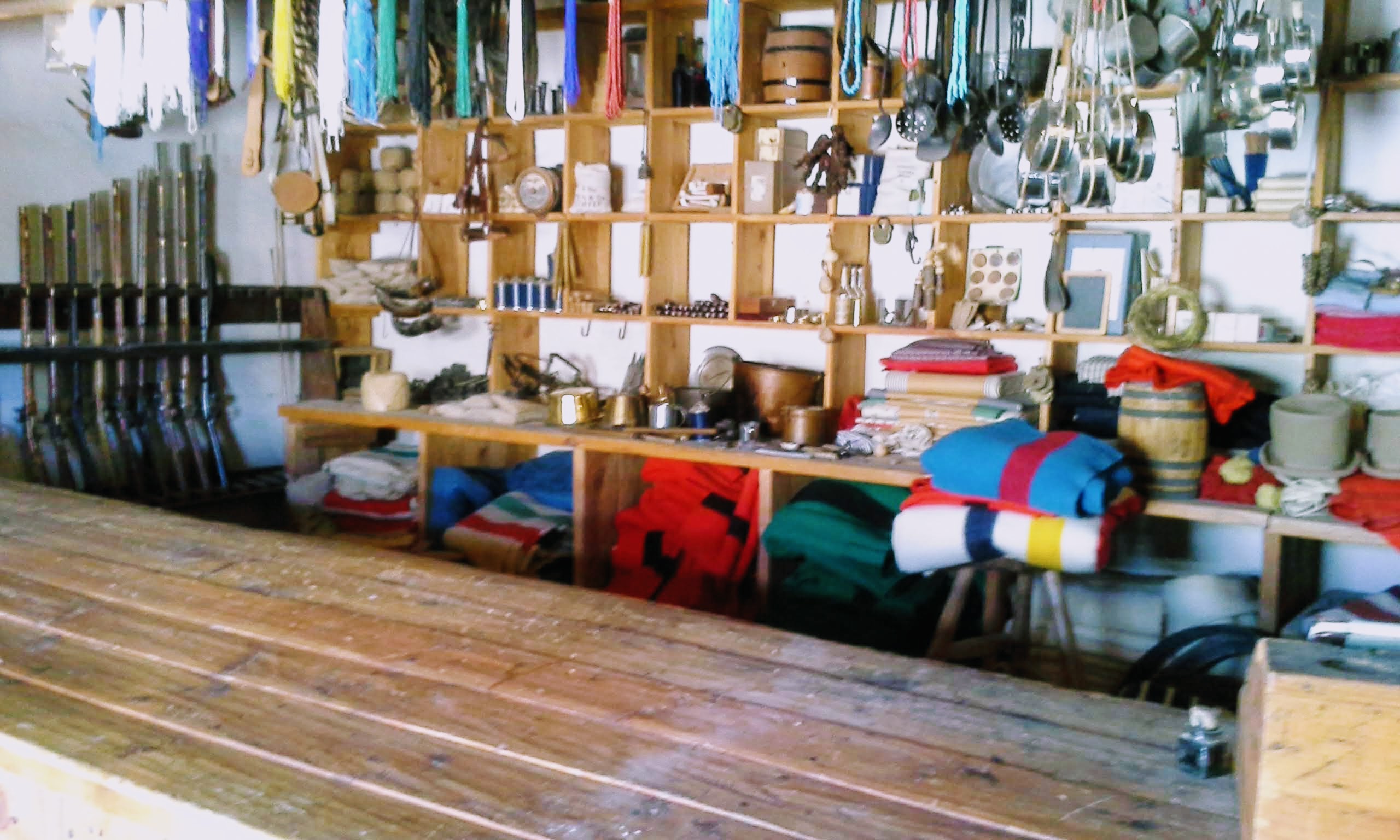
The whole place was as authentic as possible, with a general store

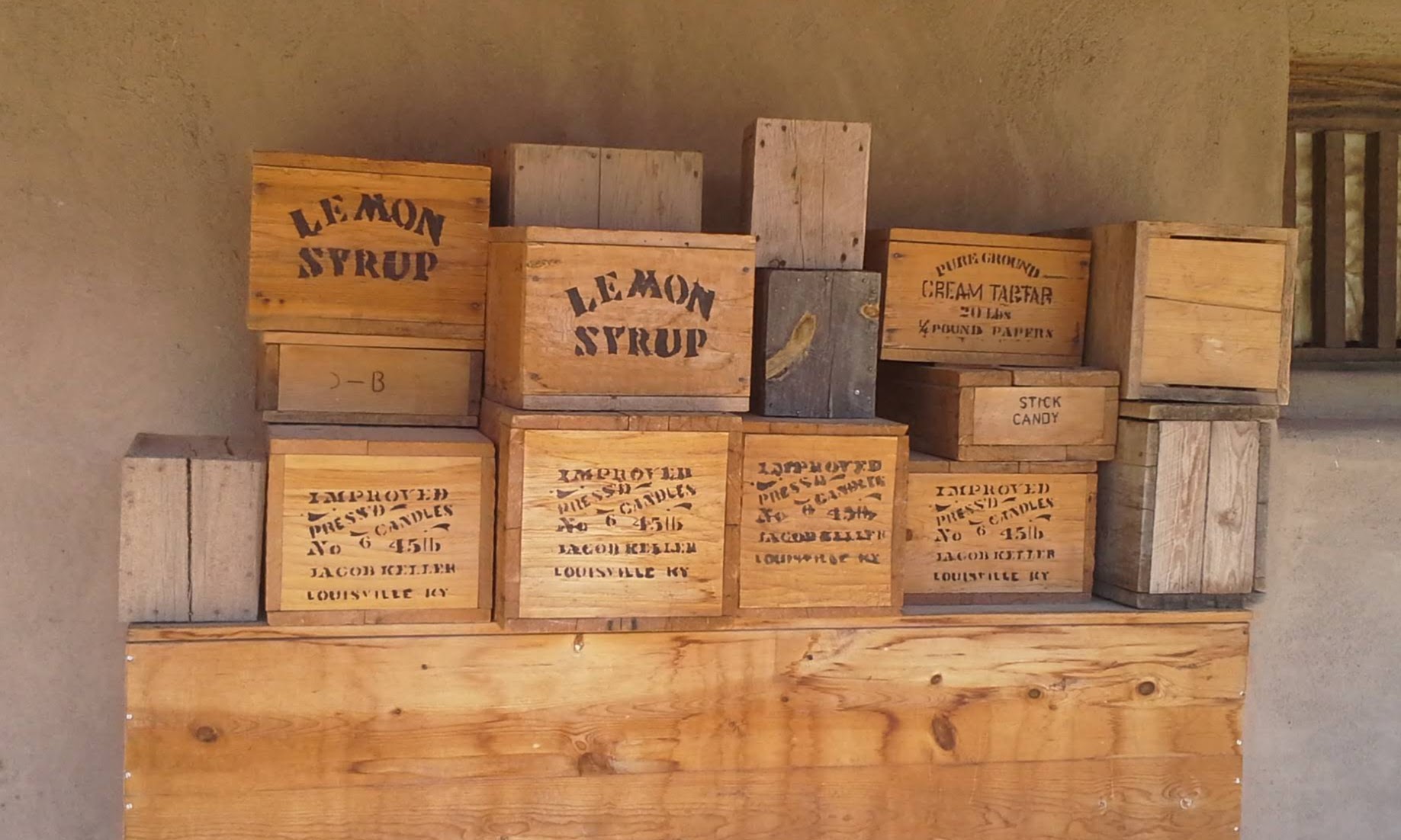
And stores

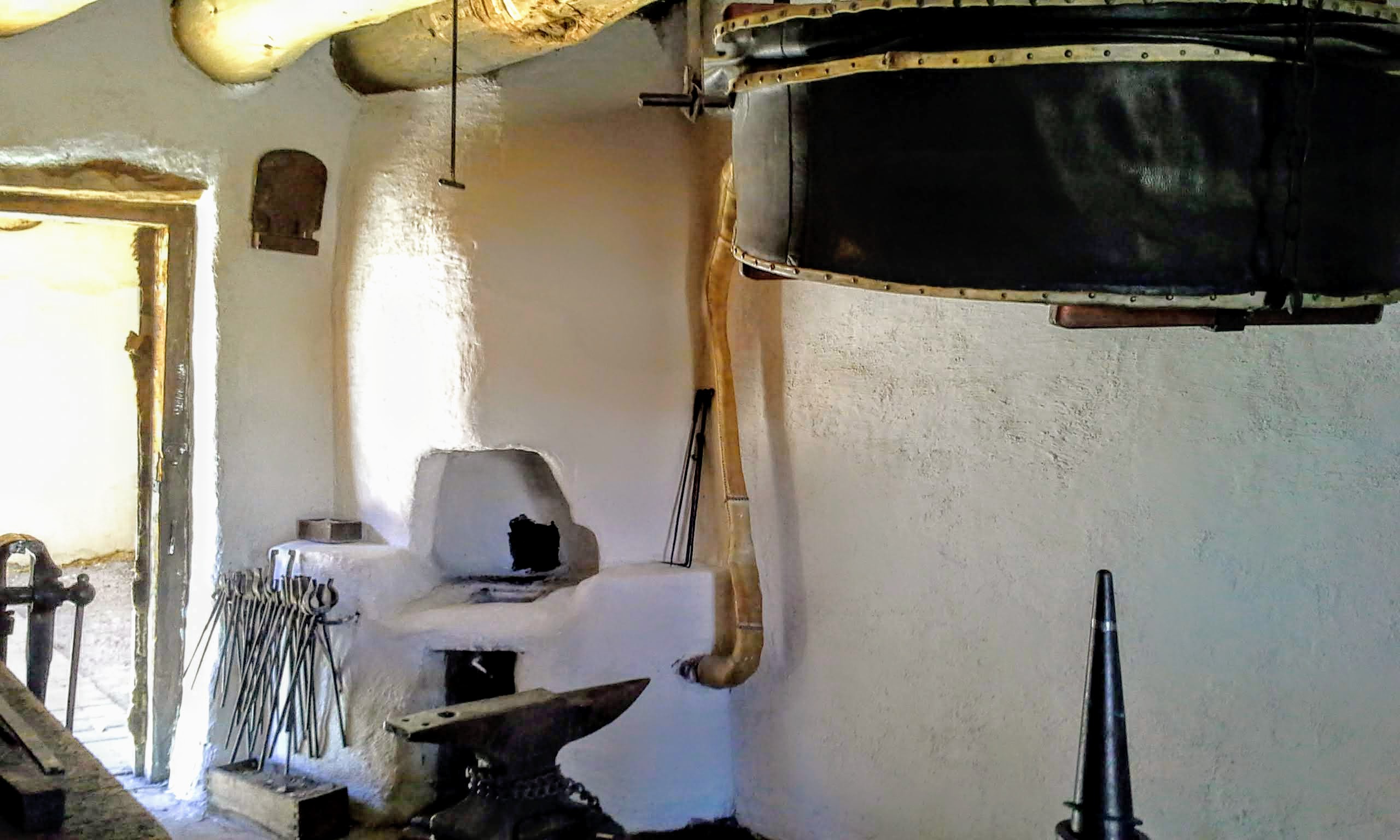
A blacksmith shop, with the huge bellows hanging from the ceiling on the upper right and attached to the adobe stove on the left

The maze of catwalks and ramps leading to the various sections on the second floor

The guard tower from the outside looking in

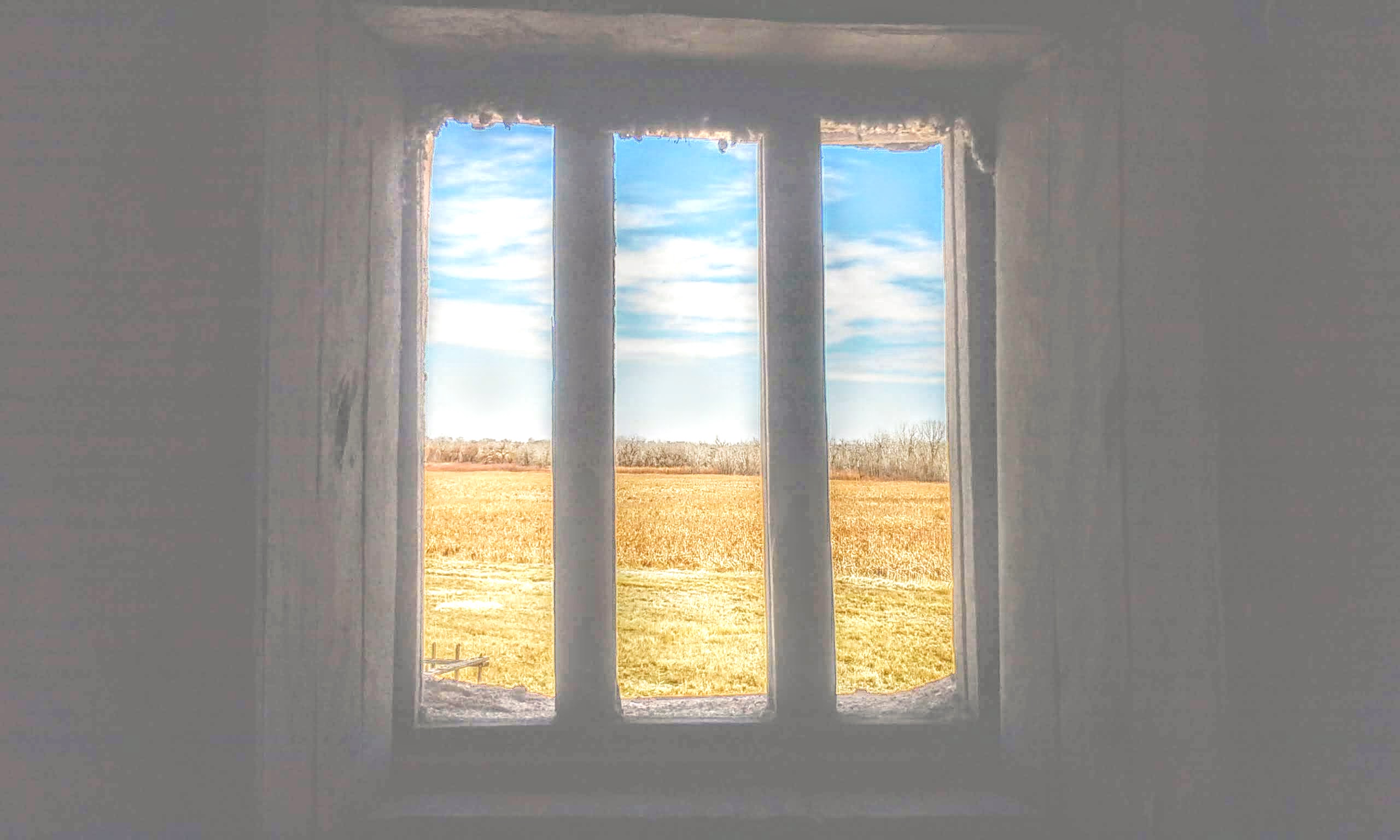
And the from the inside looking out

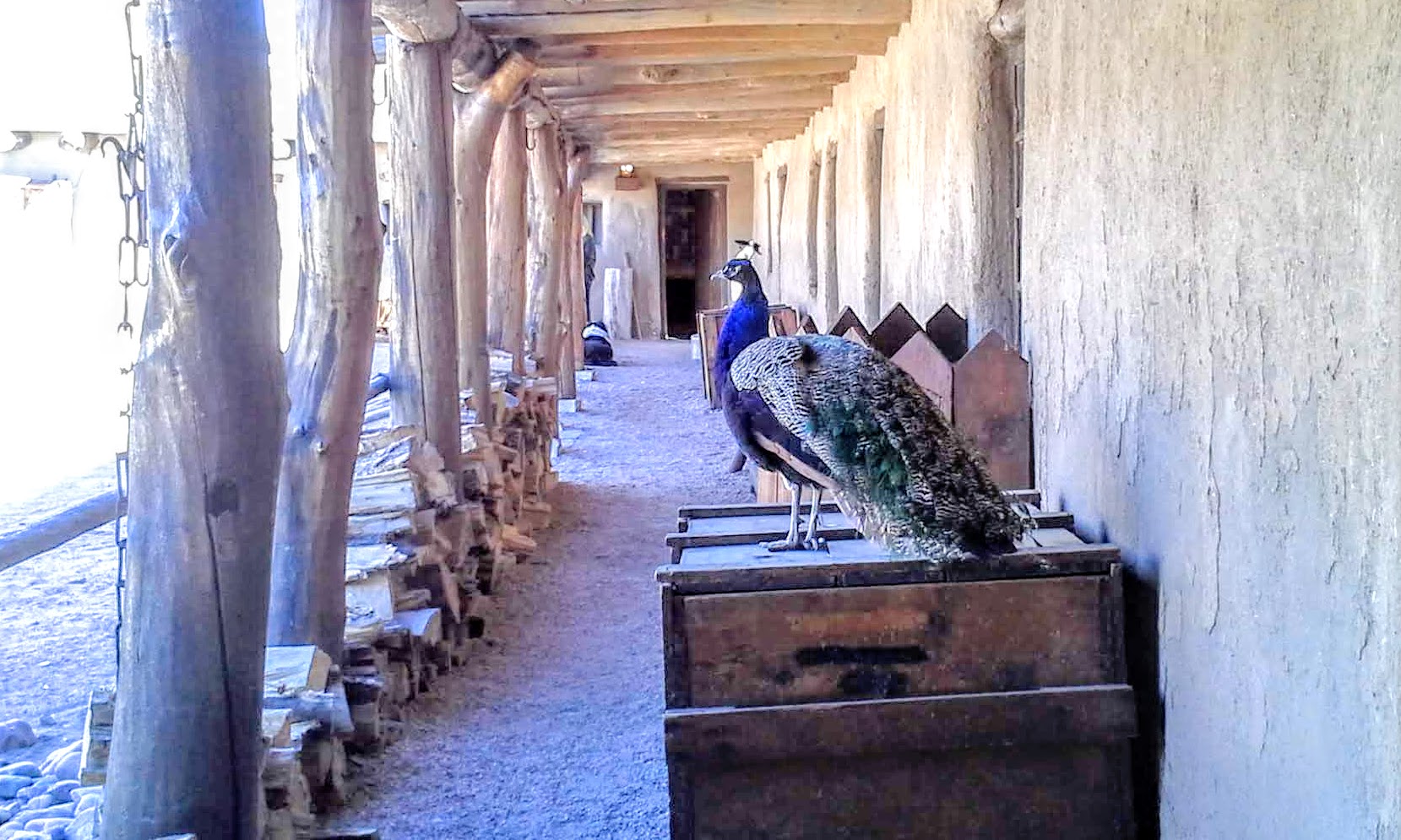
The resident peacock

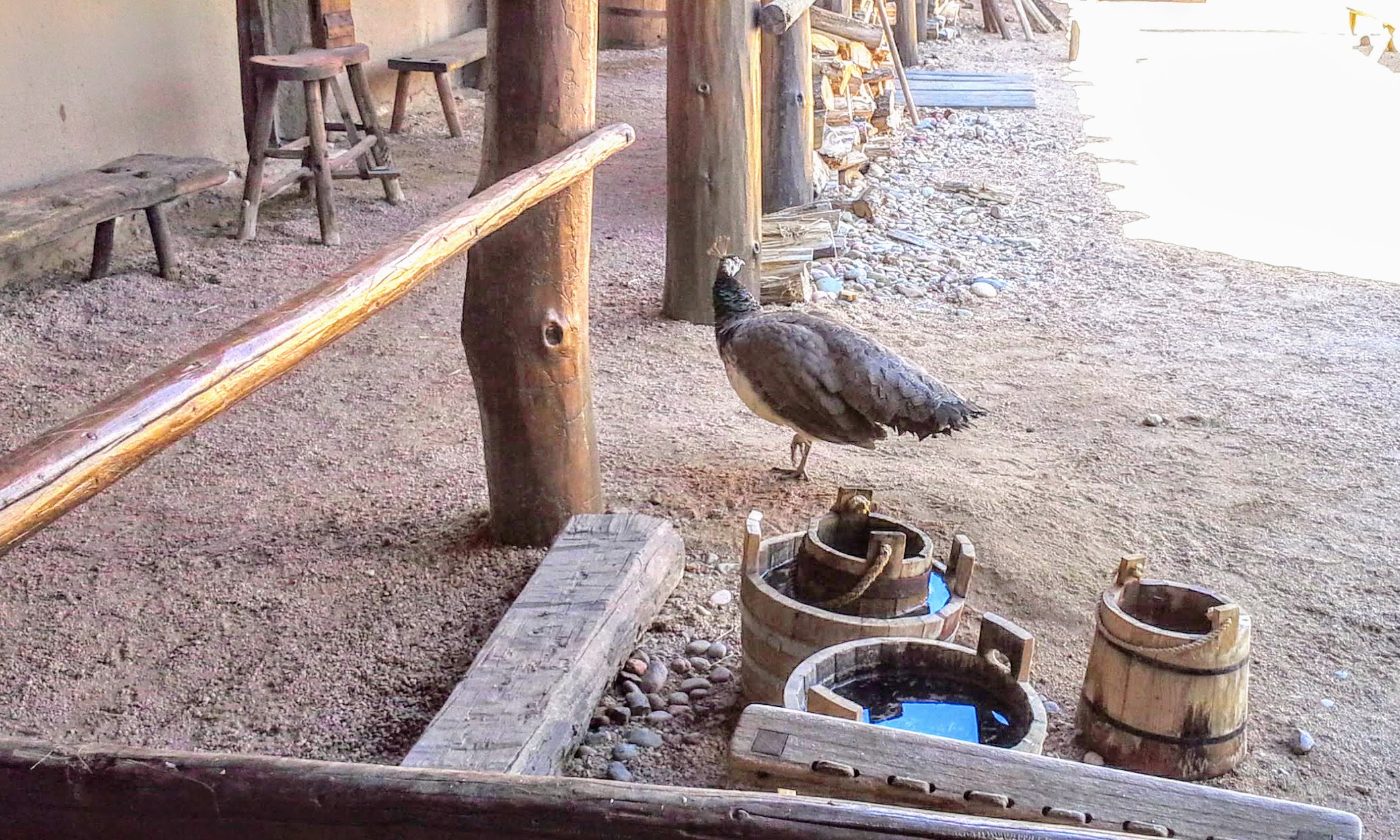
and peahen.

In the summer, there are some encampments where the fort is filled with the various characters, such as the Bent brothers, as well as fur traders, the blacksmith, and the blood-letting doctor rather than the single character who entertained us. Should be fun!

***

Pat Bertram is the author of Grief: The Inside Story – A Guide to Surviving the Loss of a Loved One. “Grief: The Inside Story is perfect and that is not hyperbole! It is exactly what folk who are grieving need to read.” –Leesa Healy, RN, GDAS GDAT, Emotional/Mental Health Therapist & Educator.

Living in my Own Story

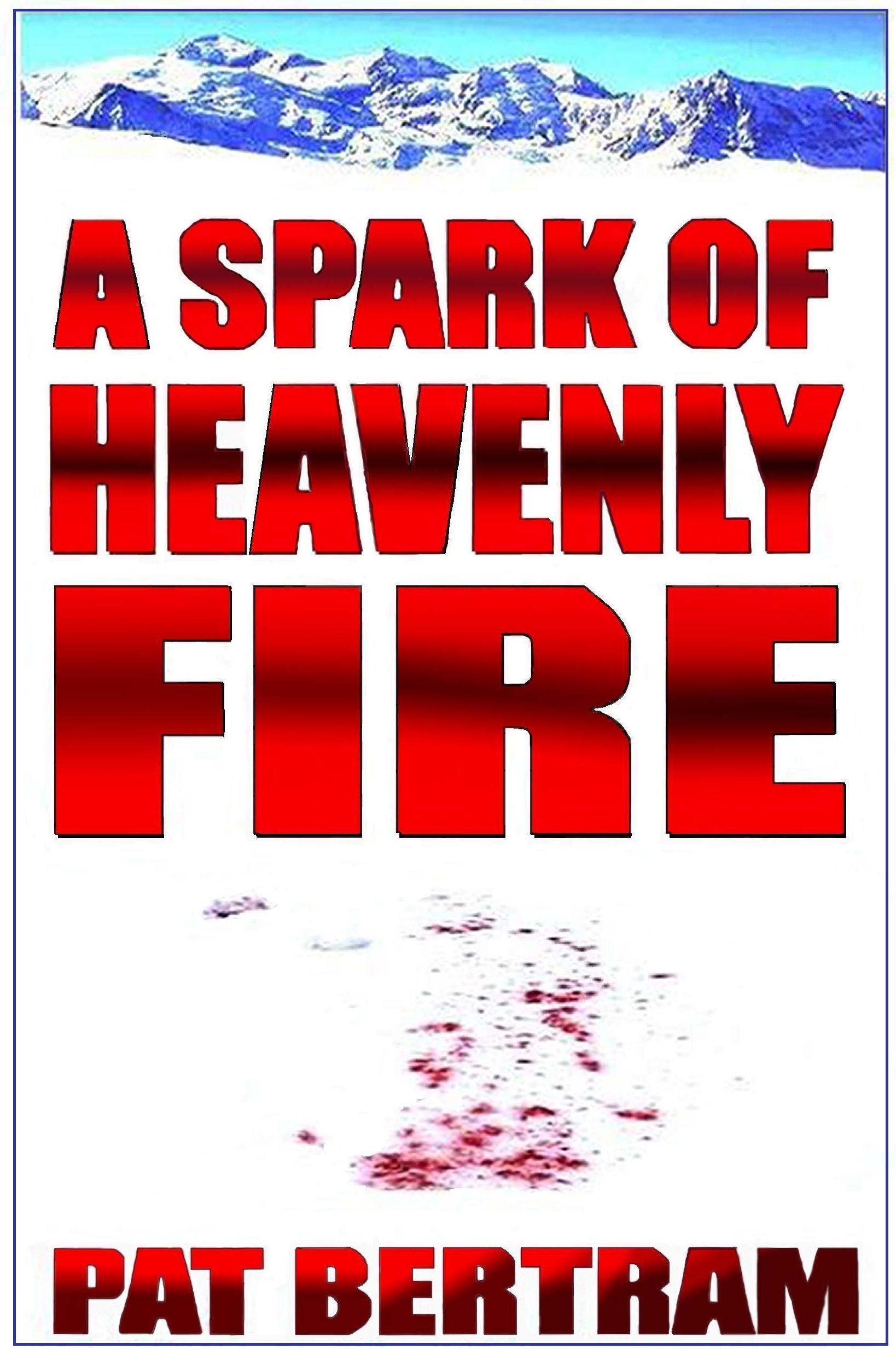
I am feeling very déjà-vu-ish these days, as if I’m living in the pages of one of my books. (A Spark of Heavenly Fire is the story of a quarantine in Colorado where hundreds of thousands of people are dying from an unstoppable disease called the red death. Insomniac Kate Cummings struggles to find the courage to live and to love. Investigative reporter Greg Pullman, is determined to discover who unleashed the deadly organism and why they did it, until the cost — Kate’s life — becomes more than he can pay. This is a story of survival in the face of brutality, government cover-up, and public hysteria. It is also a story of love: lost, found and fulfilled. And is available on Amazon. https://www.amazon.com/gp/product/1630663662/)

Now that was a real pandemic, my red death. What we’re going through now is . . . I don’t know what it is, but it seems more fictional than my fictional disease. Truly, this panic over a rather tepid pandemic has me mystified. Maybe young folks would have an excuse because they haven’t lived through any of the previous named flus (Russian, Swine, etc.) , but most of them seem to be blasé since they are not being hit hard. But for the rest of us? I really don’t get it.

The Russian Flu killed 1 million from 1889 to 1890

The Spanish Flu killed 40-50 million from 1918-1919 (20% of the world’s population)

The Asian Flu killed 1.1 million from 1957 to 1958

The Hong Kong Flu killed 1 million between 1968-1970

The Swine Flu killed 200,000 between 2009 to 2010

Seasonal Flu (the various flus that hit us every year) kill between 300,000 to 600,000 every year.

The Coronavirus has killed 6,500 from Nov 2019 to March 15. 2020, which means we’re almost halfway through the typical period it takes for one of these named flus to run its course. People keep citing statistics, such as the rapid spread rate, the extreme potency of the organism to prove how important the hype is. And yet it is nowhere near as potent or rapid spreading as all the previous flus no one cared about.

The closest thing to this particular reaction that I have seen was the swine flu of 1976. There was a panic to create a vaccine with the ultimate goal of vaccinating 80% of the citizens of the USA. They reached 25%. And all that panic came from a single death. One death. That’s it. The vaccine caused more deaths than that, along with major problems for a lot of the vaccinated people, including an increase in reports of Guillain-Barré Syndrome. Because of that ridiculous mess, and because of being forced to get such a dangerous vaccine or risk losing my job, I will never follow the party line (either party line) when it comes to any sort of flu, epidemic, or pandemic, no matter how wild or how tepid.

Yes, I know. People are dying. For them and those who care about them, it’s a sad and terrible thing, but going by strictly by the numbers, it’s not that big of a thing. And it might never be. I’m not saying taking precautions is wrong, because it isn’t. In fact, most of the precautions, such as washing one’s hands, staying home when sick, and distancing oneself from those who are ill are things we should have all been doing anyway. If we had, there’s a good chance the deaths from seasonal flu would not be nearly as great.

Even if it turns out there are 200,000 to a million deaths from this thing, it’s still pretty much status quo for a virus, whether novel or known.

The main difference between this and previous outbreaks is, as one friend pointed out, an overactive media and an even more overactive social media, both of which seem to revel in riling people because riled people are involved people. (Involved in the story, that is, not necessarily involved in finding solutions to the story.)

I love the internet. I love interacting with people all over the world. But this current reaction has me wanting to hunker down and quarantine myself from all the hype.

Luckily, a friend is coming to stay for a couple of days, so I’ll have other things to think about than living in my own story.

***

Pat Bertram is the author of Grief: The Inside Story – A Guide to Surviving the Loss of a Loved One. “Grief: The Inside Story is perfect and that is not hyperbole! It is exactly what folk who are grieving need to read.” –Leesa Healy, RN, GDAS GDAT, Emotional/Mental Health Therapist & Educator.
Social Distancing

How odd to be told to do what I have always had a tendency to do — practice social distancing. For others, this might be a bad thing, but it plays right into my psyche. For the past year, I have been attending many social activities, meeting people, enjoying having friends and being part of a community, which has been great, but I like this lifestyle, too. It fits well.

Odder, too, to think that the whole country is now living my life. Staying away from people who are sick. Staying home when I am sick or even just have the faintest tickle in my throat or even just because. Washing my hands. Oh, and stocking up and hoarding. I bought eight cans of tuna!!! I was only going to get one package of four cans, but I like two kinds — the white albacore and the chunk light — so I got both. But that was about it. I didn’t need anything else, and anyway, I have no place to store it. (I’ve designated one very narrow cupboard in my kitchen for a “pantry.”)

Normally, I’d be doing a lot of walking since that’s a good solitary activity, but it’s been cold and gloomy here, which doesn’t do much to motivate me, but oddly, the bulbs in my yard seem to like it. Several of them are popping up, which makes me feel good. I should walk anyway, despite the gloom, but I tweaked my knee when I was sleeping so I’ve been babying it. (Isn’t that the silliest thing? I fell splat on the ground, and didn’t even get a bruise. I turn over in bed and hurt my knee. Sheesh. That’s the part of growing older — or one of the parts — I can do without.)

So, what am I doing in my exile? What I always do. Fix what needs fixing — in this case, replacing the cord in one of my Roman shades. Read what is available to read. If I get bored, I have hundreds of movies to watch, but mostly, I’ve been playing on the internet.

I’ve been staying away from FB — there’s not much good that can come of all the virus talk, and there’s not much else going on except for the usual political outrage — which gives me plenty of time for other things, like making mandalas with the online mandala maker I found. Since the purpose of mandalas (besides beauty and symmetry) are to transform ordinary minds into enlightened ones and to aid in healing, it seems the perfect pursuit for this particular time. I wouldn’t mind being more enlightened, and the world can use some healing.

I hope you’re taking care of yourself and that you’re enjoying a quieter time.

***

Pat Bertram is the author of Grief: The Inside Story – A Guide to Surviving the Loss of a Loved One. “Grief: The Inside Story is perfect and that is not hyperbole! It is exactly what folk who are grieving need to read.” –Leesa Healy, RN, GDAS GDAT, Emotional/Mental Health Therapist & Educator.

Author Dynasties

I don’t particularly like Sue Grafton’s books, but I do admire her — she left her legacy as is, her series unfinished, and would not allow anyone to step up after her death and keep her characters alive.

Too many authors didn’t make that decision before they died, so their heirs made it afterward. For example, some classics are being brought back to life when authors today write unsanctioned sequels to beloved favorites, such as those who pretend to channel Jane Austen or Daphne Du Maurier. 

One of the few times posthumous writing was warranted was when Robert Jordan died before he could finish his modern classic, the fourteen volume Wheel of Time series. Another writer was hired to work with Jordan’s wife and Jordan’s copious notes to finish the series. Can you imagine going through decades with all those thousands of characters and millions of words only to be left hanging on the wheel without a resolution? So yes, it had to be finished. But once it was, it was done. There will be no more Robert Jordan books.

But some stories and authors’ names that do not need to be kept alive are still going for no other reason than to milk the money machine. 

Some fellow is now writing Michael Crichton’s books. And another fellow is keeping Robert Parker’s Spenser alive. Who needs these books? They are not the author’s words, not the author’s vision — just some pale vision of the vision.

A new thing now is for the literary name is passed to the next generation. Michael Palmer’s son is now writing Michael Palmer books. Lee Child’s son will be taking over is father’s series.

And what the heck is going on with James Patterson? The way he’s spawning co-authors, his name will be one of the last words uttered when the earth falls into the sun.

This is what happens when an author’s name becomes a brand. I never used to pay attention to authors’ names except as a way of finding more books to read, and neither did anyone else, at least not to the extent that holds true today. The title was the main thing; the author’s name almost an afterthought. But branding and modern publishing changed all that. Now it’s the author who’s paramount, and no one cares what drivel is passed along to the reading public under the famous brand. (I got caught with a Michael Palmer book written by his son because the famous name was in huge letters, the title in a smaller type, and the writer’s name all but swallowed up in the graphic on the very bottom. So not nice!)

It used to be as one author’s star waned, another’s would rise, but what’s happened to all those non-rising stars? What will happen to readers when the brands finally are laid to rest? Not that it matters. There are plenty of books for me to read, and when there aren’t any more books that I like, I’ll write more of my own.

***

Pat Bertram is the author of Grief: The Inside Story – A Guide to Surviving the Loss of a Loved One. “Grief: The Inside Story is perfect and that is not hyperbole! It is exactly what folk who are grieving need to read.” –Leesa Healy, RN, GDAS GDAT, Emotional/Mental Health Therapist & Educator


Inane Things to Ponder

rMost of my life, especially after Jeff died, I pondered the big questions about life and death, love and grief, but recently, I’ve been pondering more inane things.

I don’t watch television, so my life should be commercial free, but unfortunately, I sometimes play a particular game online. Supposedly, the game is free, though the site does exact the “payment” of watching commercials, and sometimes the commercials “cost” more than the game is worth. The worst, of course, are the drug commercials, which are often longer than it takes to play the game. And oh, are they creepy! They show happy families doing happy things, happy couples doing romantic things, happy individuals doing fun or challenging things — all accompanied by huge grins. Meantime, the crawl on the bottom of the screen lists ghastly, and occasionally life-threatening side effects. I wonder if anyone has done a study showing an increase is dissociative personality disorders since the onset of such commercials. For an extreme example, let’s say the side effect of an allergy medication is bleeding to death from internal meltdowns, and yet the person taking the drug is grinning, grinning, grinning as if being able to die in such a way is a glorious ending.

Then there’s a Home Depot commercial where a little girl can’t reach the top shelf of the refrigerator, so her mom goes out and buys a new refrigerator. Huh? Who puts drinks on the top shelf anyway? Why not put them on a lower shelf? And then, to make matters worse, they get the refrigerator and all the little girls reach in their arms and pull out plastic bottles of water. Um. Not cool. The whole thing smacks of arrogance.

In a commercial for the car Infiniti, the driver does not unsnap the seatbelt, but pulls her legs through the belt. This isn’t as horrific as happiness while being told of possible death, and not as ridiculous as buying a new refrigerator instead of moving the drinks, but still, I can only shake my head and wonder why.

Luckily, I have finished all the levels of the game I was playing, so I shouldn’t be subjected to these commercials anymore, but there are always other things that show up to baffle me.

I recently read yet another article about Ted Bundy (everyone’s favorite sociopath). The author made a big deal about him being clean cut and attractive, and yet what is the alternative? If guys who troll for female bait dressed to match their psychopathic selves — dirty and unkempt — there’s no way they’d ever get to be prolific killers. Anyone who saw them would be leery of them. And anyway, they’re not really that attractive, at least not to my eyes. So is it that their looks are at odds from what we think they should look like, so they seem more physically acceptable than they are?

And speaking of serial killers — why is it that women’s author photos, even those of women who write gritty thrillers, always look as if they have just come from the beauty parlor and are so very happy about it, but men often look like creeps who want to whack off your head to make you read their books. They don’t of course, because whacked heads lose the ability to read. The men who don’t look like serial killers, look like stereotypical bums, and those who don’t look like bums scowl. Would a smile really kill them?

What about you? What sort of inane things do you ponder?

***

Pat Bertram is the author of Grief: The Inside Story – A Guide to Surviving the Loss of a Loved One. “Grief: The Inside Story is perfect and that is not hyperbole! It is exactly what folk who are grieving need to read.” –Leesa Healy, RN, GDAS GDAT, Emotional/Mental Health Therapist & Educator


Small Town Living

Small town living can be such a hoot.

I spend most of my time in my back room where I read and work on the computer. Because there are a couple of windows that face my neighbor’s house, I can hear the mail truck pull up to her place, but not mine.

Yesterday was exceptionally cold with a few isolated snow flakes and a lot of biting winds. (28mph). So when I heard the mail truck, I hurried to the door to catch the mail deliverer, bundled in a parka, hat, hood, muffler, heading up my neighbor’s sidewalk.

“Did I get any mail?” I called out.

“Just a flyer,” she called back.

Postal regulations put into effect right before I moved here require new residents to plant a mailbox along the street, though no such regulation targets those who lived here before the rule. Hence, my neighbor gets her mail delivered to her door. I have to walk out to the street. It’s not that long a walk, obviously, but it does entail putting on shoes and a coat and fighting the wind for possession of my storm door.

“So it’s not worth it for me to walk out the box?” I asked.

“Definitely not,” she answered.

We talked about the weather for as long as it took her to stuff my neighbor’s mail in the box, then she said, “You be careful. Don’t go for your walk today.”

I had to laugh at that. Yep. Small towns.

***

Pat Bertram is the author of Grief: The Inside Story – A Guide to Surviving the Loss of a Loved One. “Grief: The Inside Story is perfect and that is not hyperbole! It is exactly what folk who are grieving need to read.” –Leesa Healy, RN, GDAS GDAT, Emotional/Mental Health Therapist & Educator


Informal Poll

I just came across an interesting comment in a book. Supposedly, if people are in a restaurant with somebody, they look at their food more than the other person. If they are alone, they watch people more than their food.

It seems right, and I remember doing both things, but I’m curious. Is this what you do? Is this what people around you do?

Of course, the question doesn’t take into consideration the prevalence of phones at the table. So, do phones affect the original premise? Or does it still hold true?

Pat Bertram is the author of Grief: The Inside Story – A Guide to Surviving the Loss of a Loved One. “Grief: The Inside Story is perfect and that is not hyperbole! It is exactly what folk who are grieving need to read.” –Leesa Healy, RN, GDAS GDAT, Emotional/Mental Health Therapist & Educator

Young Elderly and Elderly Elderly

My post on elderliness the other day might have seemed fatuous, because who of us really cares what age “elderly” is? We don’t need to define our time of life, no matter what it is. At any age, we simply take care of ourselves as best as we can, and as we get older, we make adjustments for ailments, infirmities and joints that don’t work as well as they once did.

And yet, what about others who define “elderly” for us? That will affect us for sure.

For example, one candidate who is trying to win the democratic nomination says that certain medical treatments should be withheld from the “elderly.”

To be honest, people should not be getting quadruple bypass surgeries in their nineties (as my father did) or getting chemo in their late-eighties (as my mother didn’t) but these should be a determination by the patient and the doctor rather than a matter of legislation. (Some insurance companies do make this determination, but it is generally a case by case decision and is not yet mandated by law.)

Many younger folk think this agenda is a good idea. Why should the elderly use up valuable resources if it’s not going to make their lives appreciably better? I, for one, would not opt for such treatments, but then, I only go to the doctor when I scalp myself or break a bone. But it is — and should continue to be — my choice to go or not to go, to accept treatment or to walk away.

A major issue with the candidate’s idea (besides the obvious one of government needing to stay away from such matters) is the term “elderly.” If by elderly, they mean someone who is so frail the treatment would probably kill them, then any reputable doctor would urge the person away from treatment anyway. If by elderly, they mean a person who is strong, healthy, and still heals fast, but has lived many decades, then treatment should definitely be an option. But if by elderly, they mean a person over 65, as is the current political definition of elderly, then such legislation would be nothing short of euthanasia. But it sure would be a political and fiscal coup, eradicating any need for Medicare!

I am not a big believer in government control (not a little believer, either), and usually stay away from politics of any sort, but this particular agenda showed me that “elderly” is not simply a pejorative term or an ageist term, but one of great significance.

And it shows me that I’m right: in the matter of health, there is a big difference between a younger elderly person and an elderly elderly person.

***

Pat Bertram is the author of Grief: The Inside Story – A Guide to Surviving the Loss of a Loved One. “Grief: The Inside Story is perfect and that is not hyperbole! It is exactly what folk who are grieving need to read.” –Leesa Healy, RN, GDAS GDAT, Emotional/Mental Health Therapist & Educator

Preparing for the Death of a Spouse

When people ask me how they can prepare for the death of their sick spouse, I can only shrug helplessly because there is no way to prepare emotionally for all the painful and chaotic feelings that grief will throw at you.

I thought I was prepared for Jeff’s death, so after he died, I truly was stunned by the depth and breadth of my feelings. During the last year of his life, and especially the last six months, he’d begun withdrawing from the world and from me. This withdrawal, this lessening of a need to be with others is a natural part of dying, and my response to his withdrawal was just as natural — an increased determination to live. He might have been dying but I wasn’t, and I had to untangle our lives, find a way to survive his dying and his death. I thought I had successfully completed this task, but his death rocked me to the core of my being.

As I discovered, there is a world of difference between presence and absence, and an eternity of difference between dying and dead. Because of this difference, you simply cannot know, cannot prepare for how you will feel.

There is one thing, though, that you can do to prepare, and that is to make sure you are familiar with all the little chores that come with modern-day living.

Even if we don’t have a traditional split in chores, such as the woman doing the cooking and cleaning, the man doing the outside chores, we do tend to gravitate to certain chores and over the years, they become habit. So still, in a time of — perhaps — more equality around the house, the person left behind is also left learning how to do things that are generally simple to learn. When you are grieving, however, when you are caught in the never-ending spiral of pain and stress, helplessness and hopelessness, befuddlement and utter bewilderment, learning such tasks becomes almost impossible.

One woman I know was frantic when it came time to take her car in for an emissions test. Because it was something her husband had always done, she had no idea what to do. Another woman had no idea how to balance her checkbook, had never even been to their bank. One man didn’t know how to make coffee or even how to cook simple meals. In another case, it was the woman who had done minor chores around the house, and the poor husband was ashamed to admit he didn’t even know how to change a lightbulb or tighten a doorknob.

Those of us who knew how to do these things found it almost impossible to garner the energy to do them, so I can only imagine how these people were nearly done-in when confronted with such tasks.

Preparing ahead of time is not as simple as it sounds. Sometimes it is the dying person who wants to teach the person being left behind how to do all these small things, and the soon-to-be survivor resents not just the lessons, but the very idea that their mate is leaving them.

Sometimes, the one dying is resentful. They already feel helpless and the survivor, by taking an interest in “their” chores, seems to be pushing them further into helplessness.

None of this is easy. We humans are odd creatures — so very fragile, and yet at the same time, so very tenacious. It’s hard to die. It’s hard to survive. And yet each of us manages to do what we need to do, prepared or not.

***

Pat Bertram is the author of Grief: The Inside Story – A Guide to Surviving the Loss of a Loved One. “Grief: The Inside Story is perfect and that is not hyperbole! It is exactly what folk who are grieving need to read.” –Leesa Healy, RN, GDAS GDAT, Emotional/Mental Health Therapist & Educator

Shame

In response to a blog I wrote the other day, Validating Grief, a reader left the following comment:

Last night at my grief group, three people apologized for being tearful or crying as they spoke! They seemed ashamed…actually saying “I should be composed”! How can we expect society to validate our grief, our shadow world, when we don’t! I think that is the reason your voice has been so important to me…you validate yourself which gives permission and example for others in the same to position to do so. Then and maybe only then will the “others” come along.

This comment really made me think. Although I have talked around the issue during the past ten years, I have never actually used the word “ashamed,” and yet it’s true. Our current society, which so shamelessly promotes mores that many people find appalling, still manages to find one group to shame: those who are mourning.

I was never ashamed of my grief, though I did at times feel as if I weren’t handling it well because of all the tears. I cried around others at the beginning because I could not talk about Jeff’s death without sobbing; my grief came from somewhere so deep inside that I had no conscious control over my tears. Later I did my grieving in private. Only I (and my blog readers) knew what I was going through. And even then, as I continued writing about grief, I sometimes felt apologetic as if I were trying to garner sympathy rather than simply telling my truth.

In our present culture, tears are a sign of weakness. Through thousands of movies and books, we are taught to be stoic, to hold back our tears, to be cool. Yul Brynner in The Magnificent Seven was the epitome of western cool, gliding across the film’s landscape without a single show of emotion. Think how different our experience of grief would be if men such as these had wept.

Even more than that, the complex and painful experience of grief for a spouse, life mate, soul mate is not something we see on television shows, in movies, or read about in novels. Fictional folks shed a fictional tear or two, perhaps go on a fictional spree of vengeance, then continue with their fictional lives unchanged.

In real life, this doesn’t happen, and so we are ashamed of our weakness.

For men, this is an especially fraught situation. Where women’s outward shows of grief are often greeted with sympathy, men’s grief is treated with disdain. From a young age, boys are taught that only girls cry, that to be a man, you must be stoic. And so, for men, an additional layer of complication is unnecessarily added to an already complicated situation.

Another reader commented on that same blog post about validating grief:

Agreed that the embarrassment and shame about expressions of grief is important and significant enough for its own essay. I’d add that for us guys, it’s got a different dimension or layer to work through.

Anger is just about the only acceptable form of male grief, and so all those chaotic feelings that so many of us, male and female, feel after the loss of a mate — anxiety, frustration, loneliness, confusion, despair, helplessness, panic, resentment, bitterness, isolation, numbness, emptiness, futility, yearning, envy of those who are still coupled — have no place to go in a man except to be buried in anger and embarrassment and shame.

Current theories about grief that are supposed to replace the outdated five stages of grief model, are just as damaging to the griever, because proponents of these theories say that getting past the loss and returning to our normal selves is a matter of resiliency. Normal selves? There is no more normal! Resiliency? People who are grieving are utterly resilient; how else would we survive?

Because of all this conditioning, if our grief doesn’t fit into any of the established ideas about dealing with loss, we are ashamed. If everyone else can get by without tears, why can’t we? If everyone else can get over their loss, why are we still in such pain?

Despite what people might believe, weeping and wailing are appropriate ways of relieving the incredible stress, pain, and angst of losing a longtime mate for both men and women. Such releases are necessary because otherwise the pain stays inside to cause emotional and physical damage, gets relieved by pharmaceuticals, or leads to inappropriate behavior such as illicit drugs or dangerous anger.

Grief is not just a matter of emotions. It is, in many cases, a physiological response to stress, and especially to the loss of our survival unit. Humans are pack animals, and our very survival depends on our pack, and when we lose the other half of our survival unit, it sets off a cacophony of alarms in our bodies that create havoc with our systems. And yet, somehow, instead of being taught to accept physical changes as a normal part of grief, we are taught to be ashamed of these body processes, as if we were defecating in public. (But oh, wait, I just remembered — in many cities, relieving oneself in public is now accepted without shame and is no longer a punishable offense, but cry in public? Oh, no! That is shameful.)

As time goes on, we are supposed to “get over” our grief, and miraculously, the pain does diminish, but there is no way to get over the loss — every single day, we wake up to a world without our loved one. One year, five years, ten years — what are years to a broken heart? For people who are still married, every day of those ten years, they woke up to their spouses. They take comfort in being married, and yet we are supposed to . . . what? Take comfort in our lonely beds? One year, five years, ten years — doesn’t matter. They are still gone.

We did nothing wrong but try to do the best we could in an untenable situation. So why are we supposed to be ashamed?

The truth is, there is nothing to be ashamed of while grieving. It takes courage and strength to grieve and aren’t those traits the epitome of manliness (and womanliness)?

It’s those “others,” the people who urge us to “get back to normal,” who should be ashamed — of their ignorance, if nothing else.

***

Pat Bertram is the author of Grief: The Inside Story – A Guide to Surviving the Loss of a Loved One. “Grief: The Inside Story is perfect and that is not hyperbole! It is exactly what folk who are grieving need to read.” –Leesa Healy, RN, GDAS GDAT, Emotional/Mental Health Therapist & Educator.