A Taste of Spring

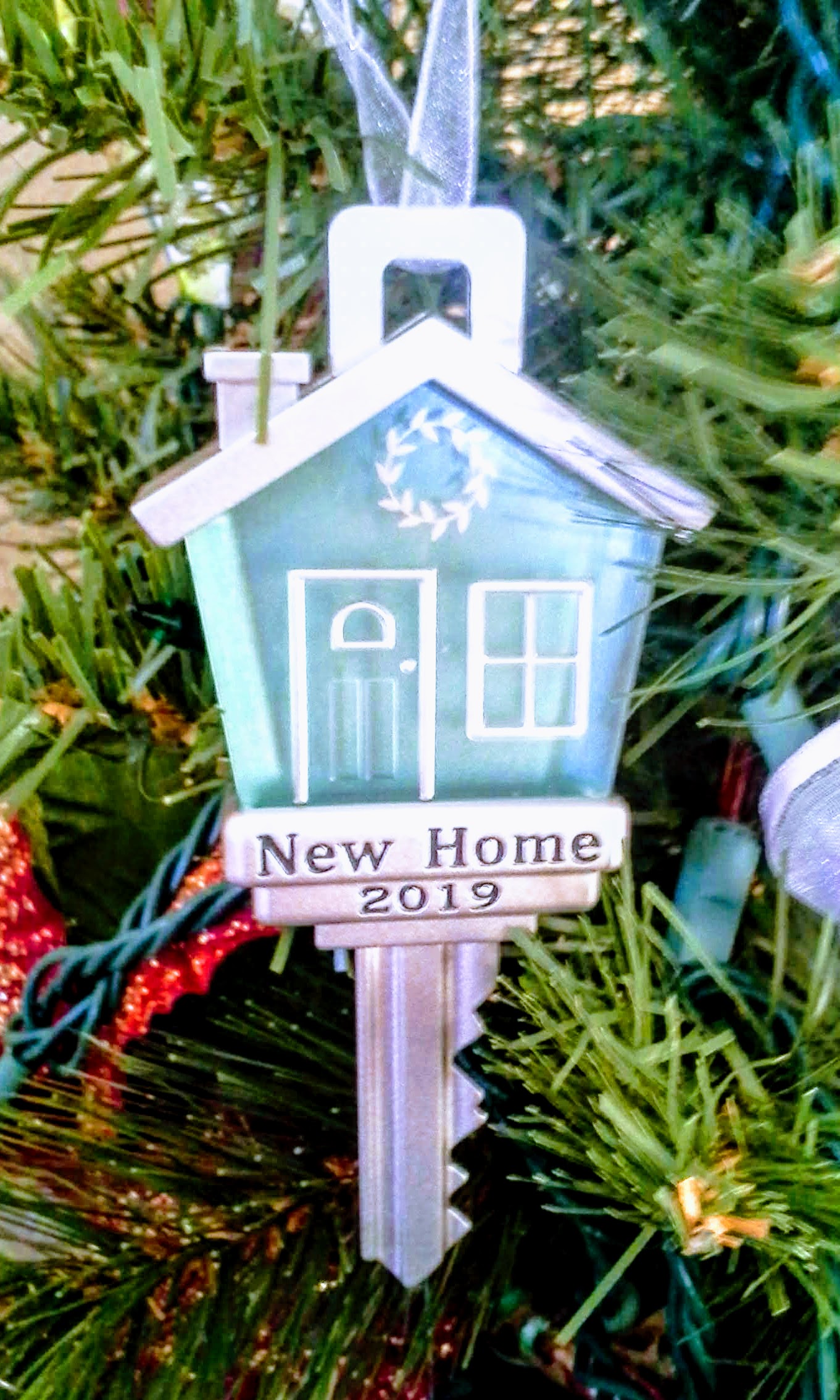
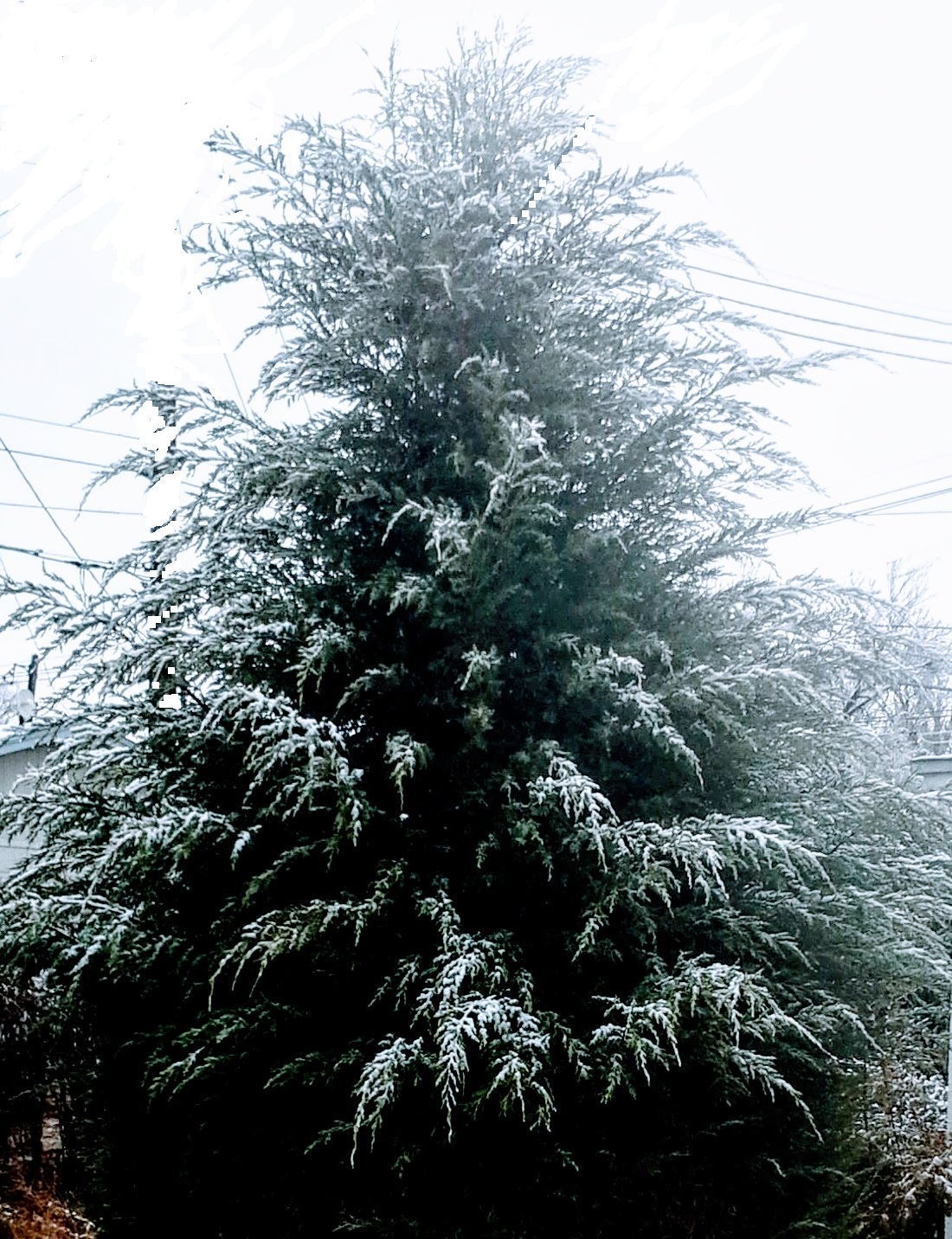
In five days, I will have been a house owner for an entire year. That year sure went fast! I came here just as spring was making itself felt, and today, as if in celebration, spring decided to make a visit. Sunny skies. Gorgeous weather.

None of my bulbs (except for that one intrepid snow drop that’s still hanging around) have put in an appearance, but if, as Aristotle says, “One swallow does not a summer make,” then I’m sure it also holds true that one fine day does not a spring make. So there’s still time for them to make an appearance.

Still, bits of green are starting to peek above the dead leaves that didn’t get blown away last fall. Most of the green, I’m sure, are weeds of some sort, but until I find out for sure, I welcome the color. (And even if I do find out they are weeds, I am sure I will still welcome the color. I am a bit tired of the drab earthen tones of the winter, so new growth of any kind will be nice.)

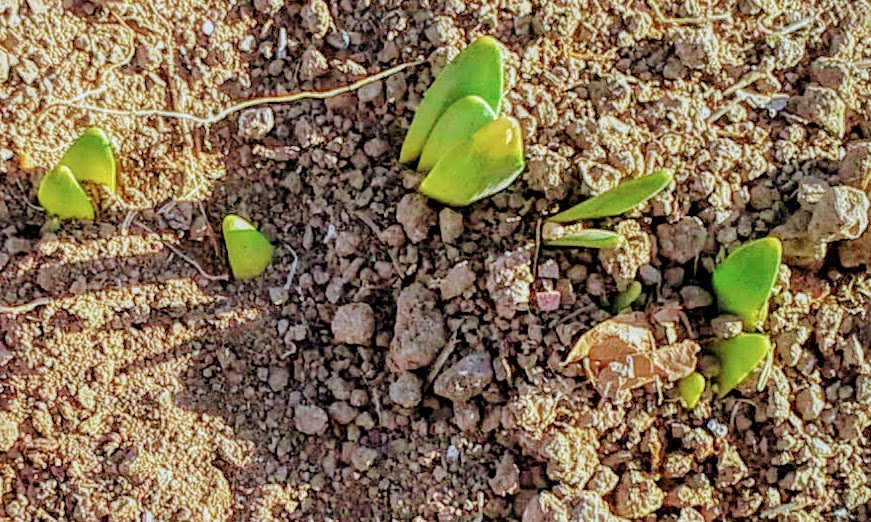
I also found some green shoots that look as if they might be from bulbs, but I never planted them, and there weren’t any blooms in that part of the yard last year. Maybe they are a house anniversary present from Chloris, the goddess of flowers.

The gift of greenery wasn’t the only present I got today. The contractor came to frame the foundation for the garage and he brought me some farm eggs. Such lovely colors!

Whatever the coming weeks hold, I certainly enjoyed today’s taste of spring.

***

Pat Bertram is the author of Grief: The Inside Story – A Guide to Surviving the Loss of a Loved One. “Grief: The Inside Story is perfect and that is not hyperbole! It is exactly what folk who are grieving need to read.” –Leesa Healy, RN, GDAS GDAT, Emotional/Mental Health Therapist & Educator

Inane Things to Ponder

rMost of my life, especially after Jeff died, I pondered the big questions about life and death, love and grief, but recently, I’ve been pondering more inane things.

I don’t watch television, so my life should be commercial free, but unfortunately, I sometimes play a particular game online. Supposedly, the game is free, though the site does exact the “payment” of watching commercials, and sometimes the commercials “cost” more than the game is worth. The worst, of course, are the drug commercials, which are often longer than it takes to play the game. And oh, are they creepy! They show happy families doing happy things, happy couples doing romantic things, happy individuals doing fun or challenging things — all accompanied by huge grins. Meantime, the crawl on the bottom of the screen lists ghastly, and occasionally life-threatening side effects. I wonder if anyone has done a study showing an increase is dissociative personality disorders since the onset of such commercials. For an extreme example, let’s say the side effect of an allergy medication is bleeding to death from internal meltdowns, and yet the person taking the drug is grinning, grinning, grinning as if being able to die in such a way is a glorious ending.

Then there’s a Home Depot commercial where a little girl can’t reach the top shelf of the refrigerator, so her mom goes out and buys a new refrigerator. Huh? Who puts drinks on the top shelf anyway? Why not put them on a lower shelf? And then, to make matters worse, they get the refrigerator and all the little girls reach in their arms and pull out plastic bottles of water. Um. Not cool. The whole thing smacks of arrogance.

In a commercial for the car Infiniti, the driver does not unsnap the seatbelt, but pulls her legs through the belt. This isn’t as horrific as happiness while being told of possible death, and not as ridiculous as buying a new refrigerator instead of moving the drinks, but still, I can only shake my head and wonder why.

Luckily, I have finished all the levels of the game I was playing, so I shouldn’t be subjected to these commercials anymore, but there are always other things that show up to baffle me.

I recently read yet another article about Ted Bundy (everyone’s favorite sociopath). The author made a big deal about him being clean cut and attractive, and yet what is the alternative? If guys who troll for female bait dressed to match their psychopathic selves — dirty and unkempt — there’s no way they’d ever get to be prolific killers. Anyone who saw them would be leery of them. And anyway, they’re not really that attractive, at least not to my eyes. So is it that their looks are at odds from what we think they should look like, so they seem more physically acceptable than they are?

And speaking of serial killers — why is it that women’s author photos, even those of women who write gritty thrillers, always look as if they have just come from the beauty parlor and are so very happy about it, but men often look like creeps who want to whack off your head to make you read their books. They don’t of course, because whacked heads lose the ability to read. The men who don’t look like serial killers, look like stereotypical bums, and those who don’t look like bums scowl. Would a smile really kill them?

What about you? What sort of inane things do you ponder?

***

Pat Bertram is the author of Grief: The Inside Story – A Guide to Surviving the Loss of a Loved One. “Grief: The Inside Story is perfect and that is not hyperbole! It is exactly what folk who are grieving need to read.” –Leesa Healy, RN, GDAS GDAT, Emotional/Mental Health Therapist & Educator


The Winds of Eternity

In one month, it will be the tenth anniversary of Jeff’s death. I can’t even begin to comprehend what that means — is it a lot of time? A little time? It doesn’t seem possible that it’s been so many years since I last saw him, though looking back over the decade since he died, it’s obvious that a lot of time has passed. I’ve felt much, lived much, changed much.

My grief has changed over the years, too, from unimaginable pain to nostalgia, from angst to acceptance (not acceptance of his death — never that! — but acceptance of the reality of my situation). Grief now is the scaffolding of my life, forming the framework of who I am rather than being all that I am. (In the beginning, grief took hold, and it felt as if there was nothing else, would never be anything else. Grief is still there, deep inside, but is now only a piece of who I am, not all of it.)

The biggest change I notice is that the screech of death and the winds of eternity have receded once more into the background, and my life seems much quieter. When Jeff died, it felt as if part of me had died with him. A whole chunk had been amputated and I have never gained it back. For years, I felt as if I were standing at the edge of eternity the abyss yawning at my feet, the storms of time raging around me, one hand held out to try to grasp something, anything, to balance me and keep me from being pulled into the void where that amputated part had gone. I could feel the breath of the eternal, the awesomeness of life and death. I could feel—or almost feel—the driving force of the universe.

That seems fanciful, and I suppose it is, but it’s also how I felt. Looking back, grief seems so . . . noisy. Sobs and gasps and even screams came from my mouth, and loud questions and clamorous confusion filled my head. Death is shrouded with an element of blank. It is the great unknown and unknowable, and our human brains are not equipped to handle the immensity. And yet, when we lose someone important to us, the very fact of death is thrust into our lives, forcing us to deal with it the best we can.

How do we bear the unbearable? How do we fathom the unfathomable? We don’t, not really. We grapple with the conundrums and wait until eternity recedes and our brains settle into new patterns of thought.

I used to miss the feeling of significance grief gave me, with its great emotion, crucial questions, and the nearness of eternity, but now I am merely grateful for the internal quiet.

***

Pat Bertram is the author of Grief: The Inside Story – A Guide to Surviving the Loss of a Loved One. “Grief: The Inside Story is perfect and that is not hyperbole! It is exactly what folk who are grieving need to read.” –Leesa Healy, RN, GDAS GDAT, Emotional/Mental Health Therapist & Educator

Small Town Living

Small town living can be such a hoot.

I spend most of my time in my back room where I read and work on the computer. Because there are a couple of windows that face my neighbor’s house, I can hear the mail truck pull up to her place, but not mine.

Yesterday was exceptionally cold with a few isolated snow flakes and a lot of biting winds. (28mph). So when I heard the mail truck, I hurried to the door to catch the mail deliverer, bundled in a parka, hat, hood, muffler, heading up my neighbor’s sidewalk.

“Did I get any mail?” I called out.

“Just a flyer,” she called back.

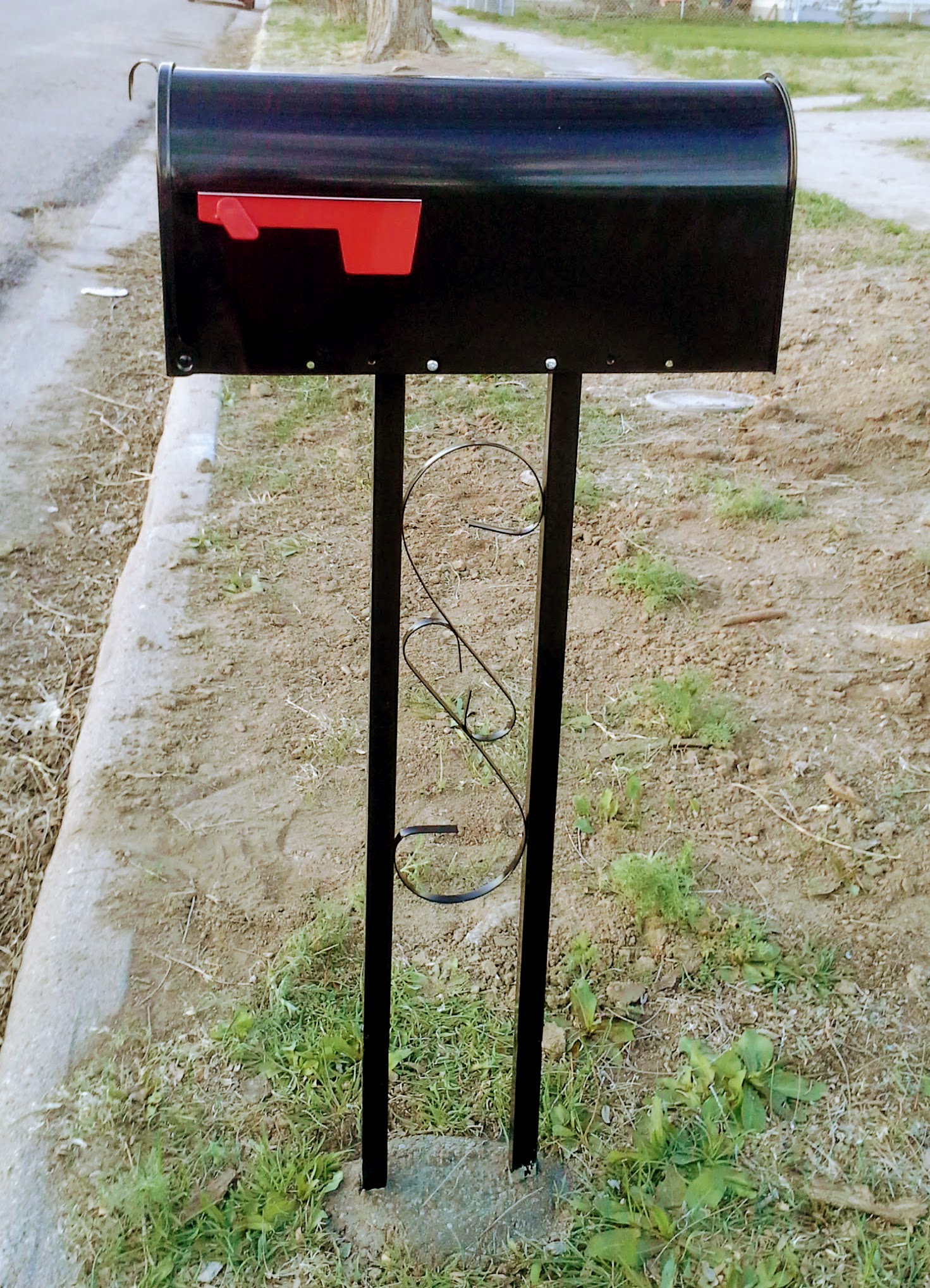
Postal regulations put into effect right before I moved here require new residents to plant a mailbox along the street, though no such regulation targets those who lived here before the rule. Hence, my neighbor gets her mail delivered to her door. I have to walk out to the street. It’s not that long a walk, obviously, but it does entail putting on shoes and a coat and fighting the wind for possession of my storm door.

“So it’s not worth it for me to walk out the box?” I asked.

“Definitely not,” she answered.

We talked about the weather for as long as it took her to stuff my neighbor’s mail in the box, then she said, “You be careful. Don’t go for your walk today.”

I had to laugh at that. Yep. Small towns.

***

Pat Bertram is the author of Grief: The Inside Story – A Guide to Surviving the Loss of a Loved One. “Grief: The Inside Story is perfect and that is not hyperbole! It is exactly what folk who are grieving need to read.” –Leesa Healy, RN, GDAS GDAT, Emotional/Mental Health Therapist & Educator


Reflections of the Past

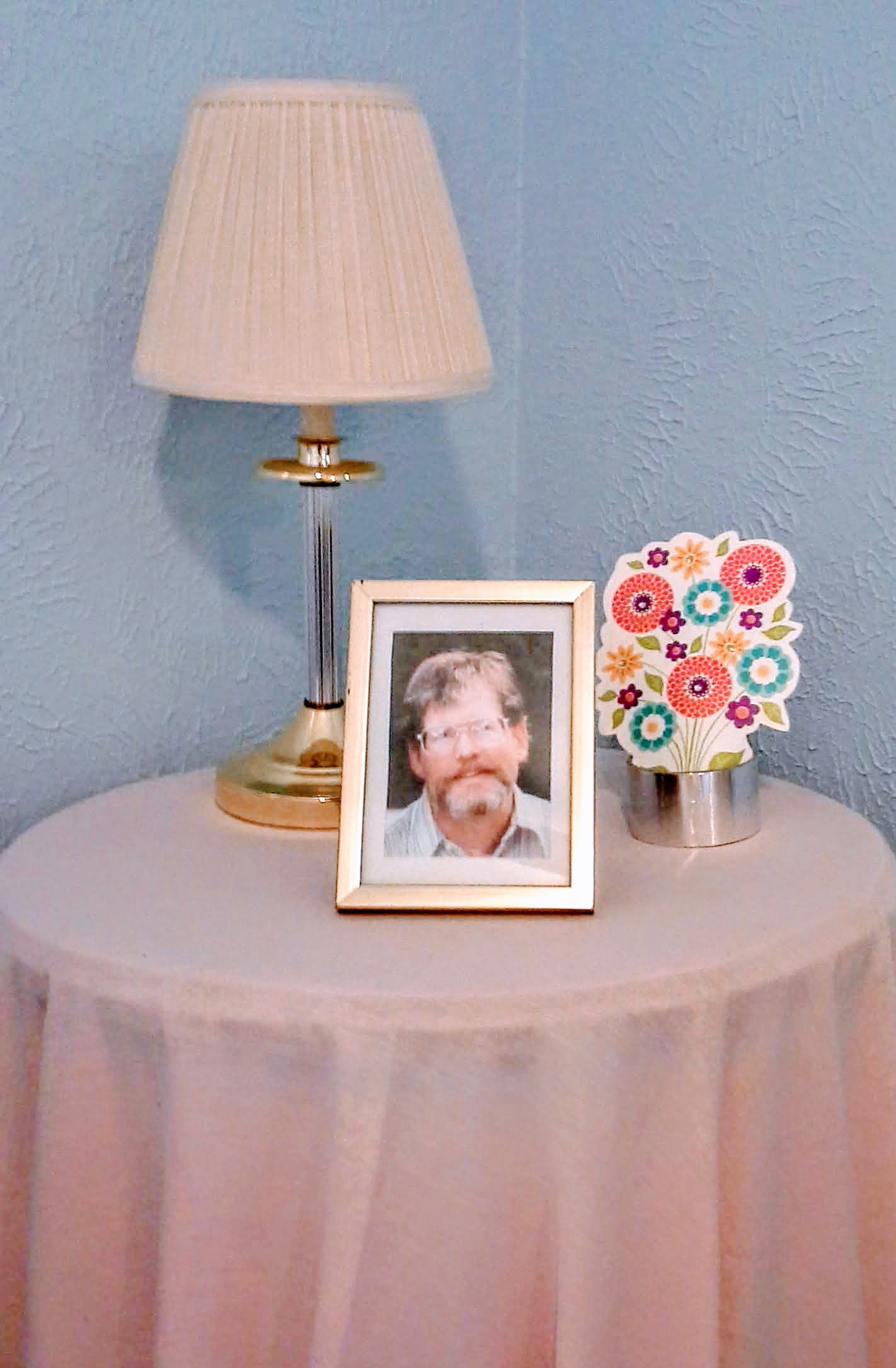
After Jeff died, I was sorry that I didn’t have a current photo of him. The one I do have had been taken ten years before, and it didn’t even look like him. Or at least not the “him” he was at the end. (It was a perfect image back when the photo was taken.) I refused to look at the photo, afraid I’d only remember him as the man in the photo, not the real person, but as the years went by, I realized that neither image — the one I had nor the one I didn’t have — told a greater truth. He was both. And neither.

Although we always feel like us, that “us” changes over the years. We adapt to how we feel, and it’s only later we get a glimpse of the changes we have gone through, whether physical or mental, spiritual or emotional. The person we are at the end isn’t more real than the person we were at the beginning. Each is a facet of the whole shimmering being we are.

Some people theorize that since time is mainly a construct of our minds, each of those people we were all exist at the same time, and it’s our brains that divide time into past and present.

Others theorize that time is a matter of distance. The earth hurtles around the sun at 67,000 mph. The sun hurtles around the galaxy at 140 miles per second. The entire universe is also moving and expanding, so today we are a very long way from where we were 9 years 11 months and 18 days ago when Jeff died.

But whatever the truth of time, for the purposes of our life on earth, the past, whether near or far, is always the same distance from us. We can no more touch yesterday than we can touch a hundred years ago or a thousand. It’s all just out of reach. Gone. Past.

So does it matter that Jeff’s been gone one year or ten? It matters to me of course, since it’s been ten years since I’ve seen him, but he was just as gone the moment he died as he is today. So any photo of him, no matter what age he was, is an adequate image.

Although he and I weren’t picture takers, never liked having pictures of us (or anyone) hanging around, I am grateful for that photo on my bedside table. He might be gone, far out of reach, but I take comfort in having this reflection of the past.

***

Pat Bertram is the author of Grief: The Inside Story – A Guide to Surviving the Loss of a Loved One. “Grief: The Inside Story is perfect and that is not hyperbole! It is exactly what folk who are grieving need to read.” –Leesa Healy, RN, GDAS GDAT, Emotional/Mental Health Therapist & Educator

Bittersweet

Occasionally we meet someone with whom we immediately connect, as if they have always been a part of our lives. Although most of the people I have befriended since moving to my house now seem to have been in my life for more than the year I have known them, one woman in particular was in my heart from the first day we met.

We have a bit of a language problem since English is not her first language, but if we miss a word or two here and there, or even a whole sentence, it doesn’t matter. Only the connection matters. And if words fail, there is the universal language of smiles and hugs.

I hadn’t seen her for a while, so when she and her husband stopped by yesterday to see me, I was delighted.

Until I found out what prompted the visit — they wanted to let me know she’s starting chemo.

This woman, so lovely, lively, charming, always smiling, always kind and caring, has been battling cancer for the past couple of years, and was about to begin a more aggressive treatment. My heart broke at the thought of the pain coming into her life — and her husband’s.

I wanted to scream, “No, no, no.” Bad things are not supposed to happen in this shining new life of mine. But this is not my struggle; it is theirs. All I could do was offer a couple of feeble words.

“I’m sorry,” I said.

“It’s life,” he responded. Then he added, as if trying to convince both of us, “This is a good thing. It means she can now get better.”

Even with the news shadowing the visit, it was great seeing them. She loved my house and said if she needed to be with someone when her husband was at work, she’d come stay with me. I hope she does. This feels like a healing place. It’s helped me heal. Maybe it will help her heal, too.

There’s no real ending to this blog. No moral, no hook, no lesson to be learned, nothing to turn it into more than it is — a glimpse at a bittersweet moment of life.

***

Pat Bertram is the author of Grief: The Inside Story – A Guide to Surviving the Loss of a Loved One. “Grief: The Inside Story is perfect and that is not hyperbole! It is exactly what folk who are grieving need to read.” –Leesa Healy, RN, GDAS GDAT, Emotional/Mental Health Therapist & Educator

An Unscheduled Life

A long-time friend wrote to tell me she’s been enjoying my posts about my new house, and spoke with awe about the success of my new life. Then she said she was going to make attendance at community events in her area more of a priority. I had to laugh at this, because I am doing the opposite — making community events less of a priority.

When I moved here, I made a concerted effort to be . . . not me. At least, not my usual semi-hermit self. I knew I had to do something to keep my concern about stagnating from becoming a reality. To that end, I said yes to every invitation, took every opportunity to attend community events, joined every group that expressed an interest in me, even played games — a couple of times at the library, most often at the senior center. (If you knew how little I like games, except perhaps the solitaire kind that keeps my mind occupied while I think, you would understand how big a concession this was.)

In the last couple of months, things have changed. Or perhaps it is I who have changed, reverting to my stay-away-from-crowds inclination. (I do best one on one. Being with two or three is acceptable, especially if the others are congenial, but more than that tends to overwhelm me.)

Although I did set out to get involved, I never actually set out to get uninvolved. It just happened. Any time someone ignored me, asked for one thing more than I was willing to give, said something that hit me the wrong way (or even the right way), it stopped me cold, breaking whatever momentum of sociability I’d built up. None of these things were important. None of these things hurt beyond the moment. None of them were things I couldn’t have easily shrugged off. But all of them, in that stopped moment, made me wonder, “What the heck am I doing?”

And so, the life I had built for myself slowly disintegrated. Well, not my life — that’s still intact, along with all the friends I’ve made — but my scheduled life is disappearing. I’ll keep up with a few things — Art Guild, the strategic planning sessions, and maybe an occasional potluck or other activity, but everything else that’s been a regularly scheduled event seems to have been wiped from my calendar.

I’m not sure what I’ll do with this newly unscheduled life. Exercise more, eat better, and try to lose the weight I gained by going to all those community events, of course. Visits and excursions with friends, I hope. But beyond that, I don’t know. (I suppose it’s possible — vaguely possible — that I’ll start writing a new book.)

It seems fitting, in a way, that this change is taking place now. The first anniversary of when I bought my house is two weeks away. A lot has happened in the past year. I’m sure a lot more will happen in the coming months, though I don’t know — can’t know — what. More hermitting? More socializing? More scheduling? Walking back to functions I’ve walked away from?

Since I can’t even guess who or what I will be, how I will change, or how I will feel, I’ll just have to wait to see how the future unfolds and trust that it will be good for me.

***

Pat Bertram is the author of Grief: The Inside Story – A Guide to Surviving the Loss of a Loved One. “Grief: The Inside Story is perfect and that is not hyperbole! It is exactly what folk who are grieving need to read.” –Leesa Healy, RN, GDAS GDAT, Emotional/Mental Health Therapist & Educator

Informal Poll

I just came across an interesting comment in a book. Supposedly, if people are in a restaurant with somebody, they look at their food more than the other person. If they are alone, they watch people more than their food.

It seems right, and I remember doing both things, but I’m curious. Is this what you do? Is this what people around you do?

Of course, the question doesn’t take into consideration the prevalence of phones at the table. So, do phones affect the original premise? Or does it still hold true?

Pat Bertram is the author of Grief: The Inside Story – A Guide to Surviving the Loss of a Loved One. “Grief: The Inside Story is perfect and that is not hyperbole! It is exactly what folk who are grieving need to read.” –Leesa Healy, RN, GDAS GDAT, Emotional/Mental Health Therapist & Educator

Young Elderly and Elderly Elderly

My post on elderliness the other day might have seemed fatuous, because who of us really cares what age “elderly” is? We don’t need to define our time of life, no matter what it is. At any age, we simply take care of ourselves as best as we can, and as we get older, we make adjustments for ailments, infirmities and joints that don’t work as well as they once did.

And yet, what about others who define “elderly” for us? That will affect us for sure.

For example, one candidate who is trying to win the democratic nomination says that certain medical treatments should be withheld from the “elderly.”

To be honest, people should not be getting quadruple bypass surgeries in their nineties (as my father did) or getting chemo in their late-eighties (as my mother didn’t) but these should be a determination by the patient and the doctor rather than a matter of legislation. (Some insurance companies do make this determination, but it is generally a case by case decision and is not yet mandated by law.)

Many younger folk think this agenda is a good idea. Why should the elderly use up valuable resources if it’s not going to make their lives appreciably better? I, for one, would not opt for such treatments, but then, I only go to the doctor when I scalp myself or break a bone. But it is — and should continue to be — my choice to go or not to go, to accept treatment or to walk away.

A major issue with the candidate’s idea (besides the obvious one of government needing to stay away from such matters) is the term “elderly.” If by elderly, they mean someone who is so frail the treatment would probably kill them, then any reputable doctor would urge the person away from treatment anyway. If by elderly, they mean a person who is strong, healthy, and still heals fast, but has lived many decades, then treatment should definitely be an option. But if by elderly, they mean a person over 65, as is the current political definition of elderly, then such legislation would be nothing short of euthanasia. But it sure would be a political and fiscal coup, eradicating any need for Medicare!

I am not a big believer in government control (not a little believer, either), and usually stay away from politics of any sort, but this particular agenda showed me that “elderly” is not simply a pejorative term or an ageist term, but one of great significance.

And it shows me that I’m right: in the matter of health, there is a big difference between a younger elderly person and an elderly elderly person.

***

Pat Bertram is the author of Grief: The Inside Story – A Guide to Surviving the Loss of a Loved One. “Grief: The Inside Story is perfect and that is not hyperbole! It is exactly what folk who are grieving need to read.” –Leesa Healy, RN, GDAS GDAT, Emotional/Mental Health Therapist & Educator

Intrusion

For someone who lives such a simple life, I still manage to find excitement. Or rather, excitement manages to find me.

This particular adventure started with the snowstorm last night.

I went out in the dark to brush off the four-inch accumulation from my ramp. The snow doesn’t melt as quickly from the wooden ramp as it does from the sidewalks, and I wanted to make sure no ice formed under the additional two inches that would pile up in the next few hours. It was a lovely night: luminous and oh, so quiet. I stood there, broom in hand, and enjoyed the experience of being inside my own personal snow globe.

This morning, when I went out to finish sweeping the ramp, I discovered that someone (my next door neighbor, I learned later) had shoveled the sidewalk in front of my house. Such a nice thing to have done!

By the time I finished sweeping the ramp and brushing the snow off my covered car, the clouds had cleared away and the sun was shining warmly. So I went inside, opened the curtains to the back yard to get the benefit of the warmth, and . . .

What the heck?

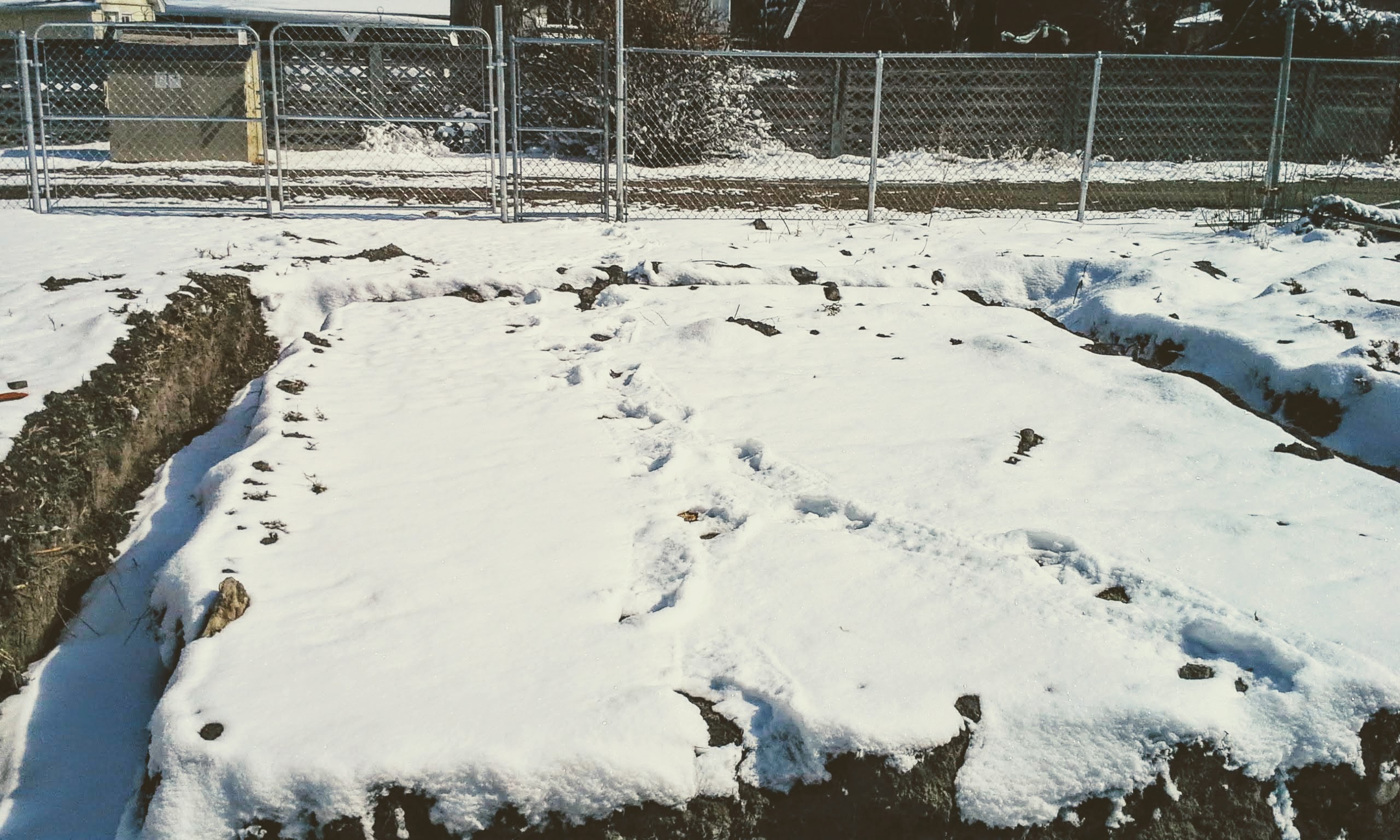
Footsteps led from the back gate, across the newly dug garage foundation, around the carport almost to the house, then back around and into the carport, and finally out the gate. I told myself I must be misinterpreting what I was seeing. This neighborhood is crawling with feral cats, and I thought that perhaps they had sunk into the snow as they made their rounds.

But no. When I went out to look, I could see that the tracks had been made by shoes, so a person had definitely come in the yard, though it didn’t look as if anything had been taken. (The snow that had blown onto the things stored under the carport had been undisturbed.)

I checked with the contractor to make sure neither he nor one of his workers had come for a ladder or some such they had left here, but he said they hadn’t stopped by and he was sure the building inspector hadn’t either since the inspector wouldn’t have needed to enter the yard. The contractor suggested I call the sheriff, but I hesitated, since nothing had been taken.

Instead, I checked with my next door neighbors who have a camera pointed at the alley to see if they could see anything, and there it was — a video of a hooded fellow very deliberately striding up to my gate, crossing the foundation for the garage, leaving camera range, then a minute or so later, retracing his steps. My neighbor husband, being a tracker, followed the footsteps into a well-trafficked street a couple of blocks away where they disappeared.

My neighbor wife came over to stay with me and said I really should call the sheriff to report an intrusion, so I gave in and did. (Is this a small-town thing? In bigger cities, we don’t generally report something so minor, mostly because we know the cops are too busy to care.) While we waited for someone from the sheriff’s department to come, we sipped flower tea and talked about the theft/homeless/street people problem, which is fairly new in this area. There is a homeless coalition housed nearby, and they bus in people from the big cities, many of whom wash out of the program and end up on the streets here. It’s a good thing for those who stay to finish the program, but overall, it’s not a very good thing for the town.

The sergeant from the sheriff’s department came after about an hour, though he did say (when I asked) that if it had been an emergency, he would have been here immediately. Apparently, a couple of ambulance calls took precedence over my non-emergency. He took my name and birthdate, and I offered him a cup of tea. (I have to laugh at myself in light of my post yesterday about channeling my inner elder since offering tea seems such an . . . ahem, old lady . . . thing to do.)

The sergeant said that the guy in the video didn’t look like any of their “frequent flyers.” We told him we thought it might have been our troublemaking neighbor, but that the tracks hadn’t led to his house. The deputy said that the guy doesn’t live there any more, and if we see him to call because there is a warrant for his arrest — fraud and embezzlement. (Apparently, he is a full-service thug — drug dealer, thief, breaker of the peace, and now defrauder and embezzler.) Before he left, the sergeant said that he would make sure the alley behind my house is patrolled.

By the time I had a chance to take a photo after everything quieted down, most of the 6” of snow had melted, but the tracks were still visible. By sundown tonight, the snow will be gone and all but the memory of the weird event will have disappeared. Well, the memory and the locks I immediately went out to buy to secure the gates.

It really had surprised me that a potential thief would be brazen enough to come through the gate even at that time of night (2:35 a.m. according to the video). A lot of things go missing in this neighborhood, but generally, things are not taken from fenced yards. I have a hunch the absence of my car from under the carport (it’s temporarily parked out front since I can’t get around the garage foundation to park it under the carport) made him think the house was empty.

Adding to the weirdness, when I went to get the locks, it turned out they were kept behind the counter as if they were a controlled substance. Apparently, locks are one of that store’s most stolen items, second only to duct tape.

Weirdest of all, none of this scared me. It probably should, but I had the fence put up, am now using my new locks, and once the garage is up and everything stored out of sight, I will have done everything I can to protect myself.

I might be heading toward elderliness (young elderliness, that is), but I don’t intend to live in fear.

And anyway, at least in the writing, it seems that all this excitement wasn’t so exciting after all.

***

Pat Bertram is the author of Grief: The Inside Story – A Guide to Surviving the Loss of a Loved One. “Grief: The Inside Story is perfect and that is not hyperbole! It is exactly what folk who are grieving need to read.” –Leesa Healy, RN, GDAS GDAT, Emotional/Mental Health Therapist & Educator