


I had no idea “minimalist living” was a thing. A simple Google search showed me hundreds of articles about how to become a minimalist, including a lifestyle guide to minimalist living, a complete beginner’s guide to minimalism, ways to start living a minimalist lifestyle, how to ease into a minimalist lifestyle, how to convert your family to a minimalist lifestyle. And on. And on. And on.
Weird. Who knew you had to learn to live a minimalist lifestyle? It’s probably the simplest thing imaginable. You just live . . . minimally.
The truth is, I’ve been living a minimalist lifestyle my whole life, but I don’t call it that. I call it not buying things I didn’t need. I call it living debt-free, not buying anything I can’t afford right now. (My thought has always been that if I can’t afford it today, why would I suddenly be able to afford it when the bill came due? More than that, though, I’ve always had a fear of being in debt. Perhaps I read too many books about owing money to gangsters in my youth.)
I call my minimalist lifestyle “using, reusing, using up.” I call it not wasting anything, especially not food. (How do people live with themselves when they throw away perfectly good food because they don’t like leftovers? I don’t eat leftovers either. At least not by that word. I call any uneaten food a pre-cooked meal or tomorrow’s fuss-free lunch.)
I know one thing minimalism isn’t — following someone else’s guide to minimalism.
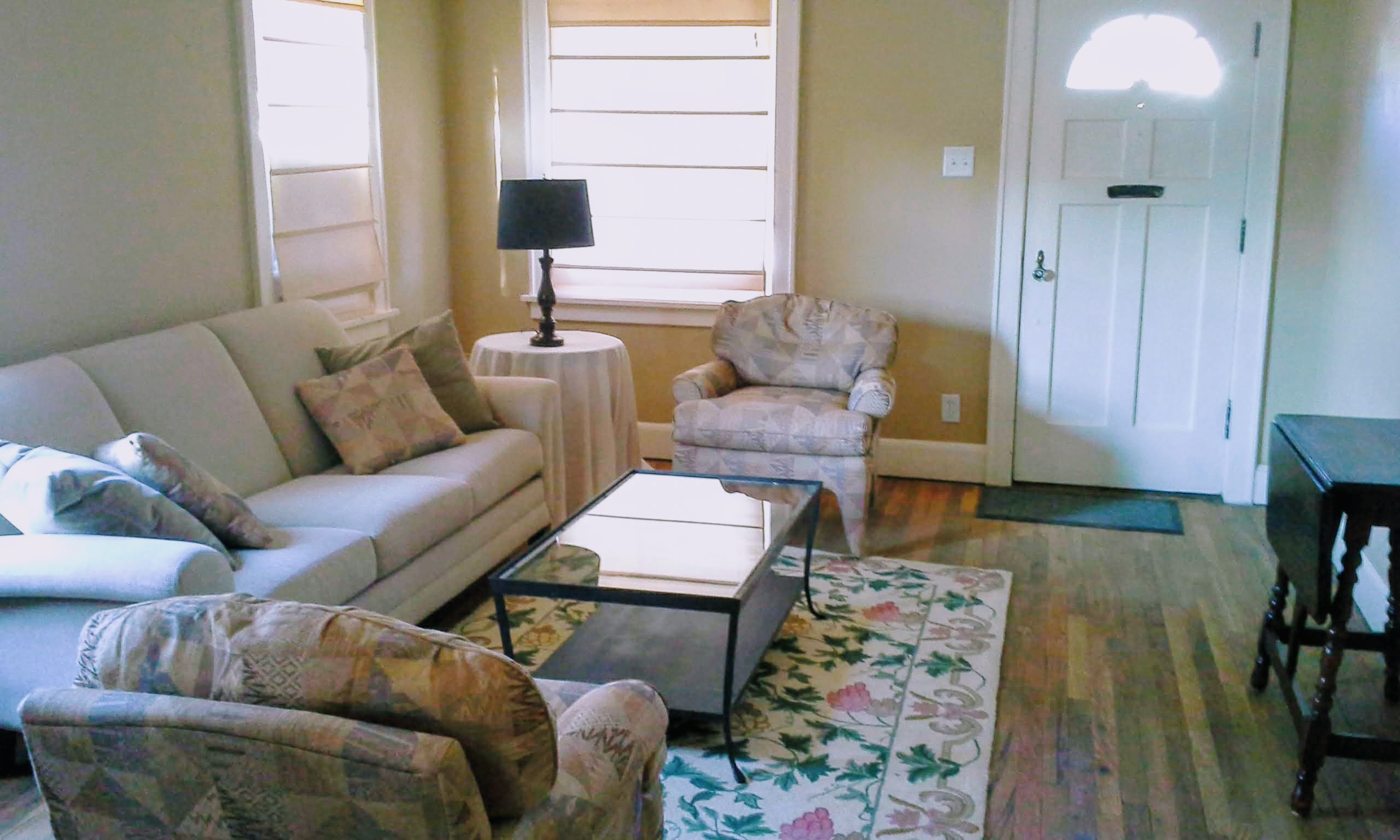
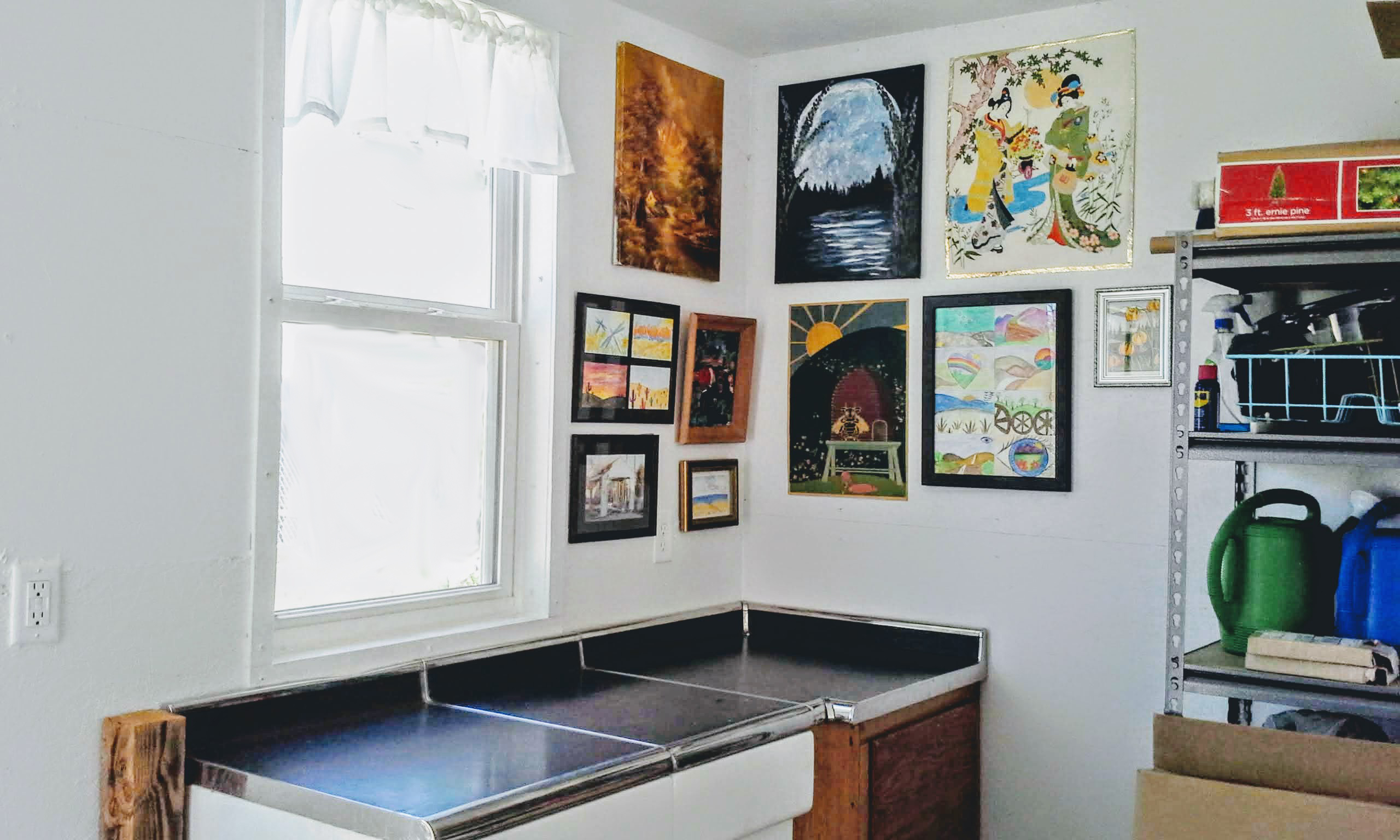
I have way more stuff than the minimalism gurus suggest, but a lot of that was hand-me-downs, such as my furniture. Instead of doing nothing in a relative’s storage unit, I get the use of those lovely items. (According to him, it’s my furniture now. I guess he was minimalizing his life by maximizing mine!) A lot of other stuff I own is left from the retail business Jeff and I used to run, though gradually, I’m finding people to dump the stuff on. (Oops. I mean finding people to donate it to.) All my extraneous stuff is neatly packed away on shelves in my garage, so it’s not in the way. Since I don’t like things on the walls in my house, my finished paint-by-number pictures and other “artwork” decorate my garage. And if I get something new, such as a gift, I get rid of something old. It doesn’t reduce what I own, but it keeps me from becoming a hoarder.
To me, minimalism isn’t so much about what I own but what I do. I try to do only one thing at a time. Not only that, I am truly a minimalist when it comes to letting — or rather not letting — the world intrude on my life. I don’t listen to music while I do chores or whatever. Actually, though I am loath to admit it, I don’t listen to music at all because, to my tin ear, it’s all just noise. Besides, I hate having snatches of songs stuck in my head. I prefer silence. I don’t watch television, either, and when I’m on the computer, I have the volume turned off.
So what are the benefits of my minimalist style of living? Well, no debt, for one. (The typical U.S. household is carrying about $105,000 in debt. Yikes. How do people do that? Doesn’t it make them crazy to owe that much?) My income is also minimalist, but it’s not a problem because my minimalist lifestyle is one I can afford. At least for now. Since I’ve kept the same vehicle for the past fifty-four years, I don’t have to deal with a car payment, and since my driving is minimal, I don’t spend much on gas. (In fact, for me, gas is always the same price — I put in twenty-dollars’ worth each time I get gas, and that’s that.)
Other benefits — less stress since I don’t have to worry about paying off a debt. Peace of mind because I try to keep my mind as uncluttered as the rest of my life. A feeling of lightness since having too many possessions weighs me down. An ability to enjoy the small pleasures of life, such as flowers in my garden, since I haven’t straightjacketed myself into a hectic routine.
I can’t imagine living an opulent life (or whatever the opposite of a minimalist life would be). This minimalism is so ingrained in me that, to me, it’s just life.
***
Pat Bertram is the author of Grief: The Inside Story – A Guide to Surviving the Loss of a Loved One










 Bertram's Blog