Minimalist Living

Daily writing prompt
What are the biggest benefits of minimalist living?

I had no idea “minimalist living” was a thing. A simple Google search showed me hundreds of articles about how to become a minimalist, including a lifestyle guide to minimalist living, a complete beginner’s guide to minimalism, ways to start living a minimalist lifestyle, how to ease into a minimalist lifestyle, how to convert your family to a minimalist lifestyle. And on. And on. And on.

Weird. Who knew you had to learn to live a minimalist lifestyle? It’s probably the simplest thing imaginable. You just live . . . minimally.

The truth is, I’ve been living a minimalist lifestyle my whole life, but I don’t call it that. I call it not buying things I didn’t need. I call it living debt-free, not buying anything I can’t afford right now. (My thought has always been that if I can’t afford it today, why would I suddenly be able to afford it when the bill came due? More than that, though, I’ve always had a fear of being in debt. Perhaps I read too many books about owing money to gangsters in my youth.)

I call my minimalist lifestyle “using, reusing, using up.” I call it not wasting anything, especially not food. (How do people live with themselves when they throw away perfectly good food because they don’t like leftovers? I don’t eat leftovers either. At least not by that word. I call any uneaten food a pre-cooked meal or tomorrow’s fuss-free lunch.)

I know one thing minimalism isn’t — following someone else’s guide to minimalism.

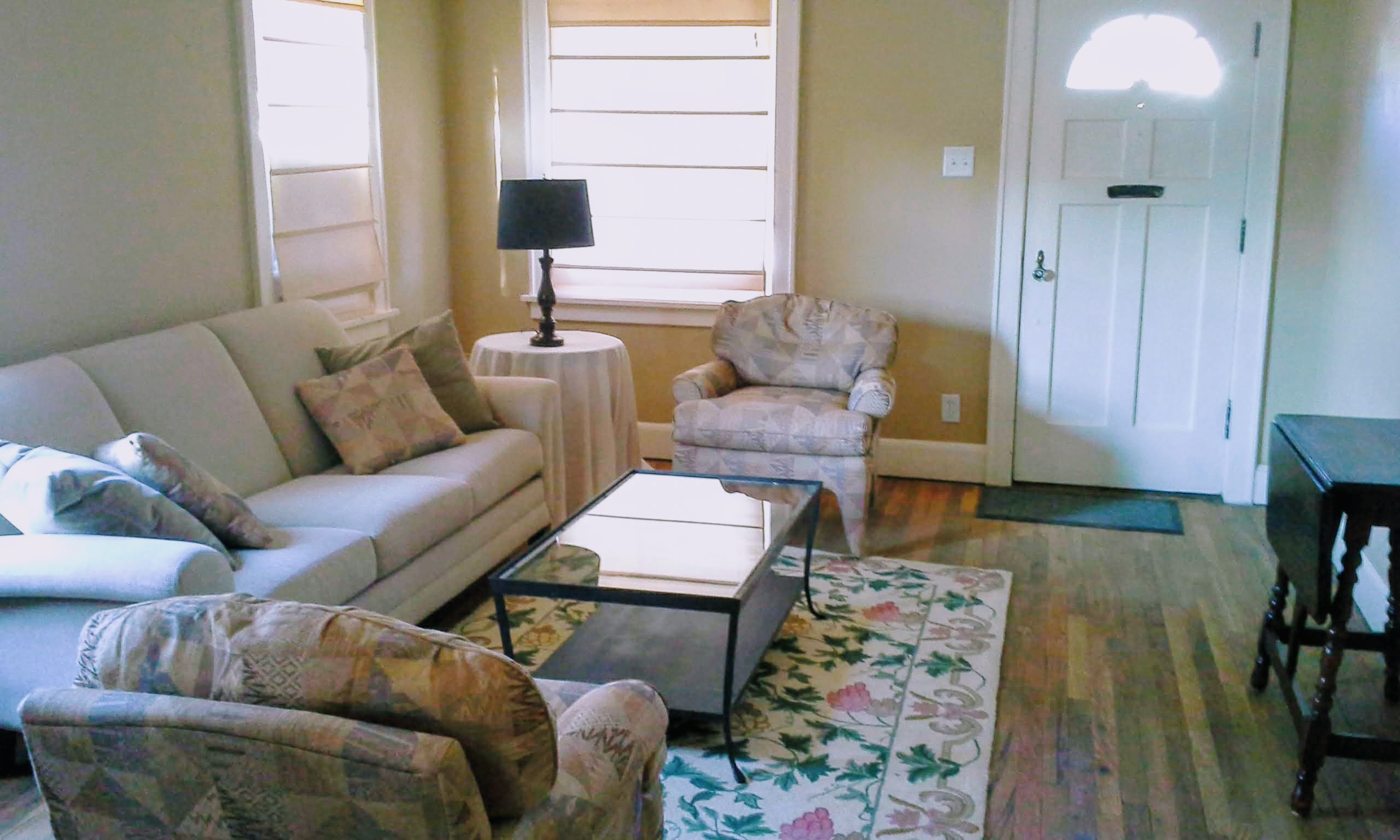
I have way more stuff than the minimalism gurus suggest, but a lot of that was hand-me-downs, such as my furniture. Instead of doing nothing in a relative’s storage unit, I get the use of those lovely items. (According to him, it’s my furniture now. I guess he was minimalizing his life by maximizing mine!) A lot of other stuff I own is left from the retail business Jeff and I used to run, though gradually, I’m finding people to dump the stuff on. (Oops. I mean finding people to donate it to.) All my extraneous stuff is neatly packed away on shelves in my garage, so it’s not in the way. Since I don’t like things on the walls in my house, my finished paint-by-number pictures and other “artwork” decorate my garage. And if I get something new, such as a gift, I get rid of something old. It doesn’t reduce what I own, but it keeps me from becoming a hoarder.

To me, minimalism isn’t so much about what I own but what I do. I try to do only one thing at a time. Not only that, I am truly a minimalist when it comes to letting — or rather not letting — the world intrude on my life.  I don’t listen to music while I do chores or whatever. Actually, though I am loath to admit it, I don’t listen to music at all because, to my tin ear, it’s all just noise. Besides, I hate having snatches of songs stuck in my head. I prefer silence. I don’t watch television, either, and when I’m on the computer, I have the volume turned off.

So what are the benefits of my minimalist style of living? Well, no debt, for one. (The typical U.S. household is carrying about $105,000 in debt. Yikes. How do people do that? Doesn’t it make them crazy to owe that much?) My income is also minimalist, but it’s not a problem because my minimalist lifestyle is one I can afford. At least for now. Since I’ve kept the same vehicle for the past fifty-four years, I don’t have to deal with a car payment, and since my driving is minimal, I don’t spend much on gas. (In fact, for me, gas is always the same price — I put in twenty-dollars’ worth each time I get gas, and that’s that.)

Other benefits — less stress since I don’t have to worry about paying off a debt. Peace of mind because I try to keep my mind as uncluttered as the rest of my life. A feeling of lightness since having too many possessions weighs me down. An ability to enjoy the small pleasures of life, such as flowers in my garden, since I haven’t straightjacketed myself into a hectic routine.

I can’t imagine living an opulent life (or whatever the opposite of a minimalist life would be). This minimalism is so ingrained in me that, to me, it’s just life.

***

Pat Bertram is the author of Grief: The Inside Story – A Guide to Surviving the Loss of a Loved One

A Big To-Do About What To Do

Daily writing prompt
Something on your “to-do list” that never gets done.

Nothing on my to-do list ever gets done for the simple reason that I don’t have a to-do list. If I did have a to-do list, the first thing on the list would be to make a to-do list, which I would not do, so again, the answer would be that nothing on my to-do list ever gets done.

I’m of the firm belief that what doesn’t need to be done today should be put off until tomorrow. And if there is something that needs to be done today? I do it. Simple. If I know ahead of time I will need to do something today (because each day I kept putting it off until tomorrow, and tomorrow finally came), I put a reminder on my calendar. For example, this was the last day to pay my car insurance, which I know because it’s on my calendar, so I did it. But I remembered anyway, so the reminder was simply insurance insurance. (If that doesn’t make sense, no problem; I often try to be clever and only end up being too clever for my own good.) I occasionally leave myself a sticky note to remind me of something I need to remember to do, such as letting a faucet drip during our below freezing nights. I suppose each of those sticky notes could be construed as a list, but a list with a single reminder isn’t much of a list.

I come by leaving myself occasional notes honestly. My father always did it, though my mother never did. In fact, she was a bit bemused by his reminders. She often told the story of coming across a note he wrote before they were married reminding him to marry her. “Would you really have forgotten to marry me?” she supposedly asked. And his answer, “No, but I didn’t want to take a chance.”

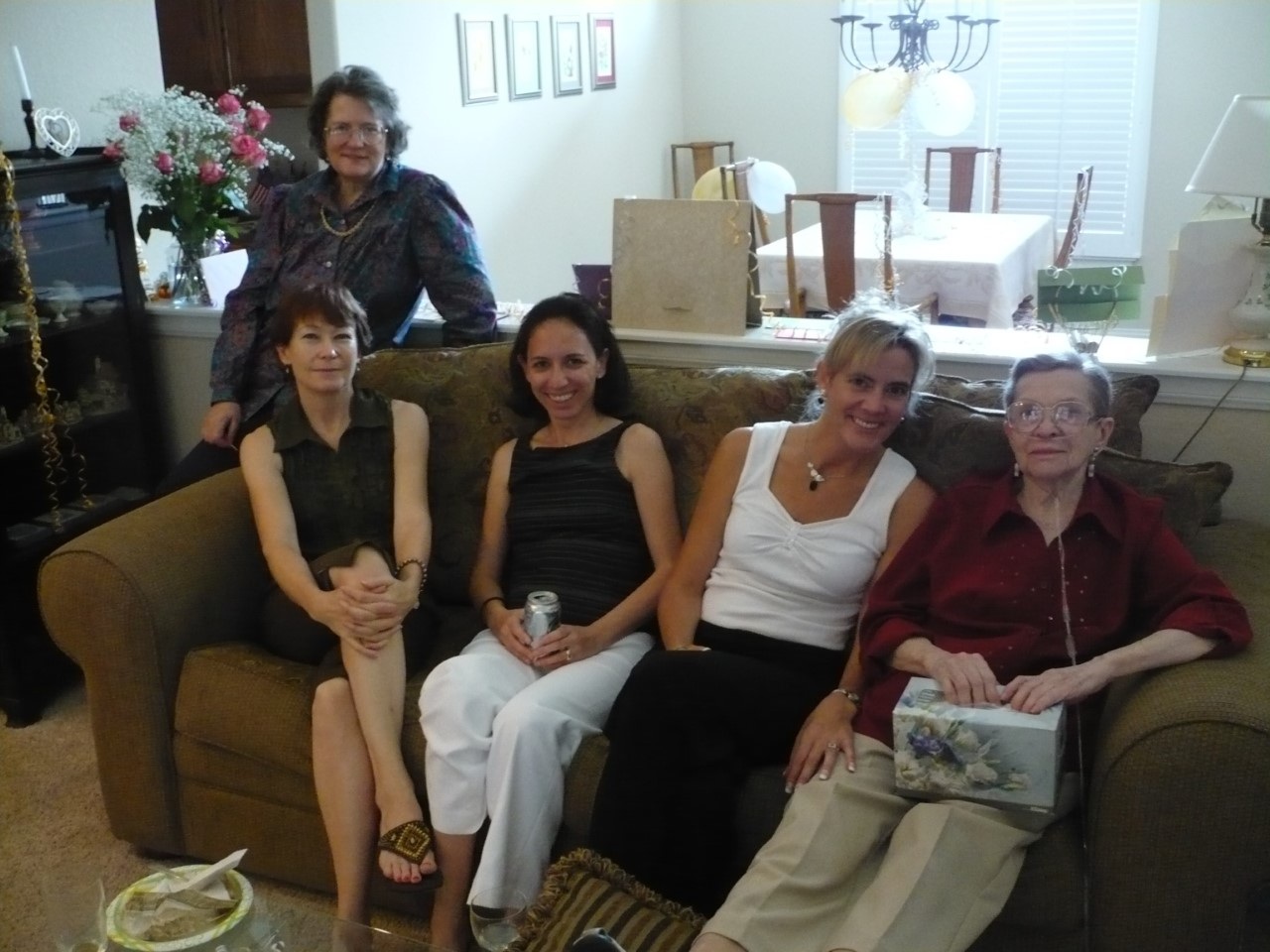
The note apparently worked because they did get married. They celebrated their sixtieth anniversary a couple of months before my mother died. The January before their September anniversary, doctors diagnosed my mother with cancer and told her she had three to six months to live. She told them that wasn’t good enough. She needed nine months. The anniversary was that important to her, and she did make it. (The photo accompanying this article is one taken of all us women at the get-together.)

I think I’m getting off the track here. But really, what is there to say about a to-do list that doesn’t list anything to do?

***

Pat Bertram is the author of Grief: The Inside Story – A Guide to Surviving the Loss of a Loved One.