Figuring Things Out

For the past two months, I’ve been dealing with a situation I can’t write about. It’s outside the scope of this blog, and the people involved would be terribly hurt if I were to make the drama public. It’s a sadly inevitable predicament, with roots dating back to my childhood, and without being able to write about it, I haven’t had any way to deal with my grief over the situation except walking. And tears.

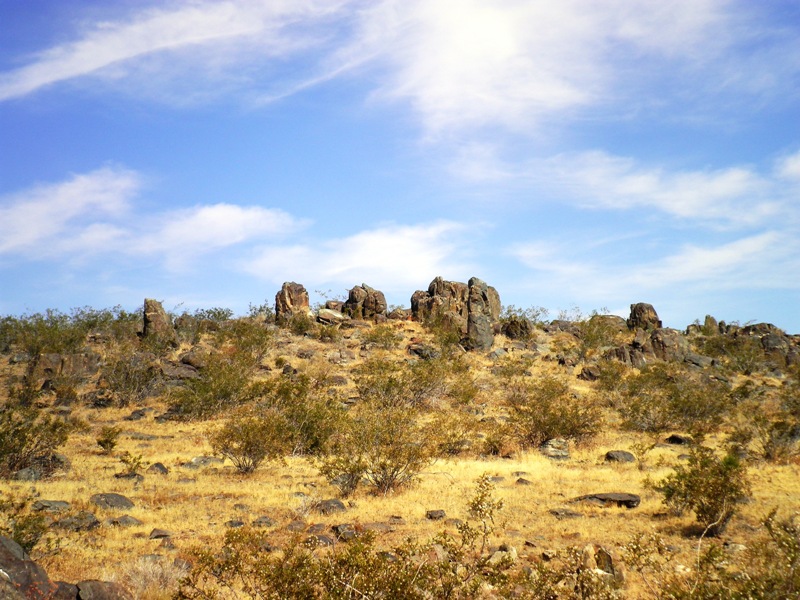
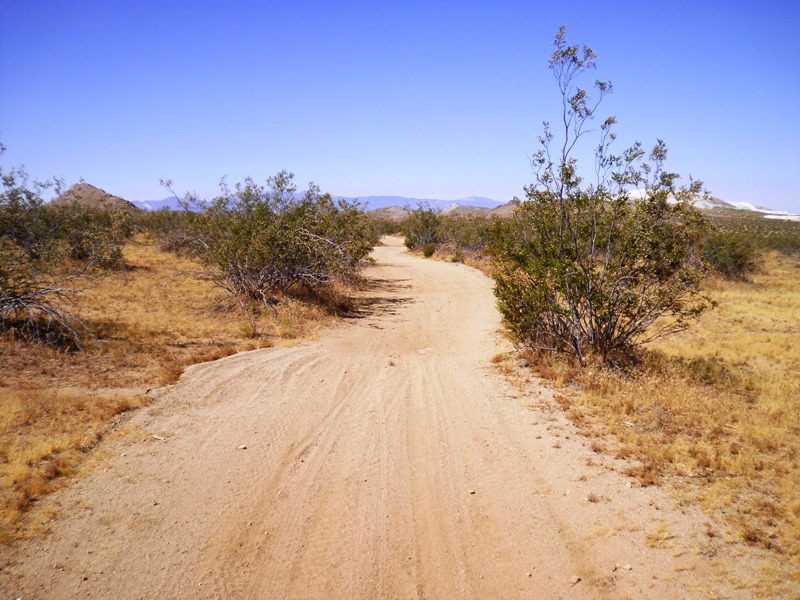
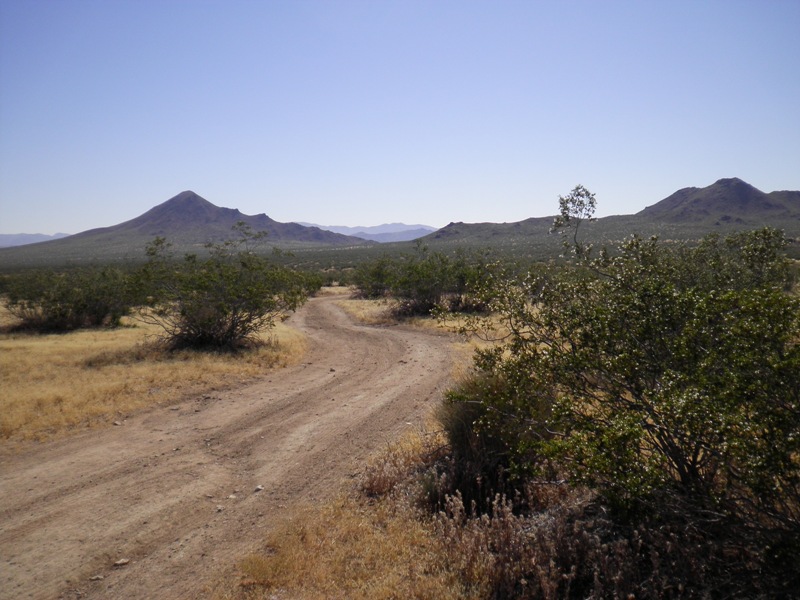
I’ve foundDesert paths myself crying at odd moments, and it’s been comforting, being in the embrace of this old friend. Like most people, I used to think tears were a sign of weakness, but now I know they are a way of getting rid of the hormones that build up with stress. They are also a way of connecting to one’s inner self, as if that self is saying, “There, there. Everything is going to be okay.”
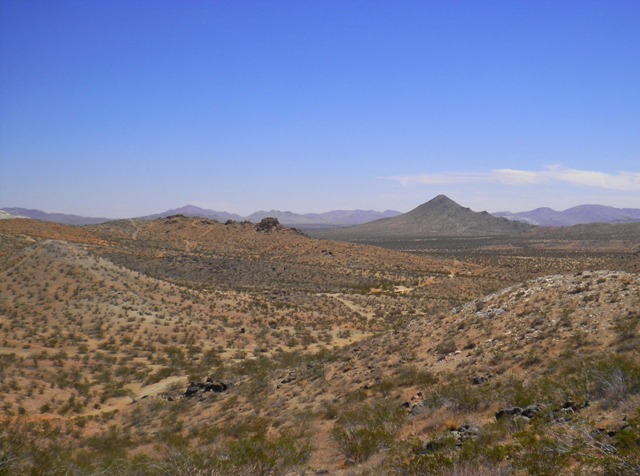
And maybe things will be okay. Eventually. I’ll figure out my dilemma, if only how to deal with the fallout of the situation.

Today I went out walking earlier than normal to try to beat the heat, and apparently that’s what many others did because I saw a lot of people out and about. I don’t like meeting other people when I walk. Walking is my private time, a means of getting in touch with myself and my surroundings, a place to open myself to inspiration and mystical thoughts, a way to deal with my problems, and people disrupt all that. Since the foot traffic kept me away from my usual route to the desert, I took a different direction to get to the back trail I prefer — the trail is a demanding walk with lots of ups and downs and in certain areas a cool wind comes drifting down the hills. Also, for some reason, it’s where I talk to my deceased life mate/soul mate. (I’ve never been able to figure out why I associate him with that particular area. He never liked the desert, he hated the heat, and he’d never been within a thousand miles of the place.)

When I found my way to that back trail, I said aloud to him, “See? I figured it out.” And then I realized how true the words were. During all these years of dealing with the dying of my life mate/soul mate and my ensuing grief, I’ve had a lot of trauma thrown at me, but I figured out each step. I had to deal with funeral services people, get rid of his things, clear out the twenty-year accumulation in our home, store what I wanted to keep, get myself to my father’s house so I could look after him, learn to live with grief and all its torments, deal with the challenges of the book world and of the world in general.

Although I worry too much (I call it weighing my options), and don’t always know where I am headed, when it comes time to take action, I do manage to figure things out. And I have no doubt I’ll continue doing so, which is a good thing. Life isn’t finished throwing challenges at me — besides my current dilemma, there’s still my father’s decline, my need to restart my life when he’s gone, the vicissitudes of aging to deal with alone, and a host of other difficulties that will be sure to taunt me — but I will figure things out when I get there.

***

Pat Bertram is the author of the suspense novels Light Bringer, More Deaths Than One, A Spark of Heavenly Fire, and Daughter Am I. Bertram is also the author of Grief: The Great Yearning, “an exquisite book, wrenching to read, and at the same time full of profound truths.” Follow Pat on Google+. Like Pat on Facebook.
The Wild Heart of the Desert

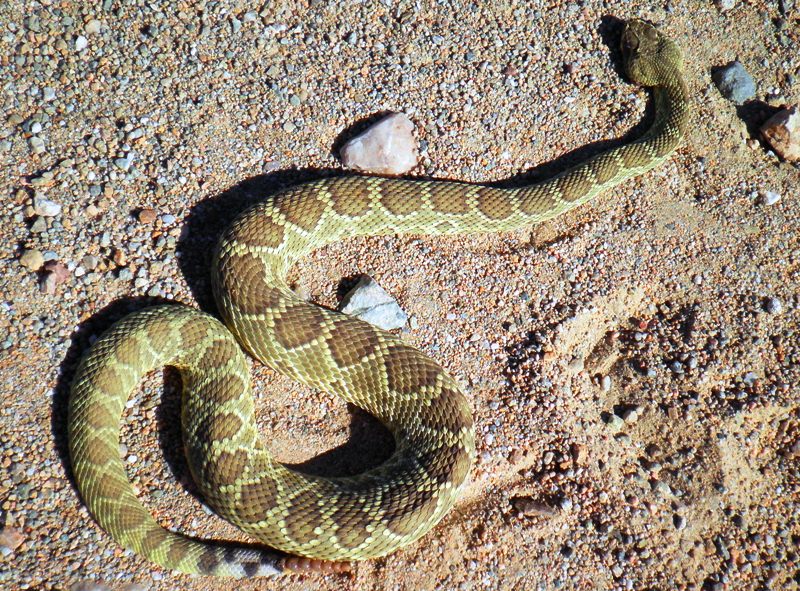
I met an old friend out in the desert today. It was nice seeing the Mojave green rattlesnake again since I hadn’t seen one for a couple of years. I didn’t even notice it at first. I was walking down the middle of a sandy path, minding my own business, when a hiss and a whirring rattle startled me. I stopped, looked around, and there it was, about eight feet away, sunning itself beyond the shadows of a creosote bush.

I edged away from the rattler, and it inched away from me, back into the protection of the bush. And then I continued my walk, a smile on my face. I don’t know why such encounters make me feel good, perhaps because it’s nice to know that there is a wild heart still beating beneath the calm veneer of the desert.

I also got to rediscover the truth: I am not afraid of snakes, just healthily wary, and rightly so. The Mojave green rattlesnake will not attack, but if disturbed or cornered, they will defend themselves. Apparently, bites occur if people accidentally step on a snake or purposely harass it, so if people are careful, they can keep from being bit.

I know people who will run down snakes if they see them in the road, and sometimes they even go hunting for them on the assumption that the only good snakes are dead snakes. The only time that makes sense to me is if the snakes leave the wilds of the desert for the tames of our neighborhoods, but that doesn’t happen very often.

Nor does it happen very often that I get to see such a fearsome creature, so meeting up with it has made my day.

***

Pat Bertram is the author of the suspense novels Light Bringer, More Deaths Than One, A Spark of Heavenly Fire, and Daughter Am I. Bertram is also the author of Grief: The Great Yearning, “an exquisite book, wrenching to read, and at the same time full of profound truths.” Follow Pat on Google+. Like Pat on Facebook.

I Am an Eight-Month Grief Survivor

When you love someone deeply, their well-being is as important to you as your own, but what do you do with that feeling when your someone is gone? Eight months ago, my life mate died, and now he has no need for stories to amuse or outrage him, no need for tasty meals to tempt his appetite, no need for comfort or caring or kindness, and yet my habit of thinking of him remains. Eventually, I imagine, the habit will wear itself out, but for now I still find myself thinking of ways to make his life a bit easier or a bit more enjoyable.

After eight months, I am still in . . . not shock, exactly, but a state of non-comprehension. I can’t comprehend his death, his sheer goneness. I can’t comprehend his life, though perhaps that is not for me to bother about. Most of all, I can’t comprehend my sorrow. I never saw much reason for grief. Someone died, you moved on. Period. I thought I was too stoic, too practical to mourn, and yet, here I am, still grieving for someone who has no need for my sorrow.

Despite my continued grief, I am moving on. My sporadic tears do not stop me from accomplishing the goals I set myself, such as NaNoWriMo and daily walks. My sorrow doesn’t keep me from taking care of myself — or mostly taking care of myself. (I don’t always eat right, and I don’t always sleep well.) Moving on, as I have learned, is not about abandoning one’s grief, but moving on despite the grief.

Grief is much gentler on me now, and I can sidestep it by turning my mind to other things, but I don’t always want to. I have not yet reached the point where thoughts of him bring me only happiness, and I need to remember him. If tears and pain are still part of that remembrance, so be it.

We shared our lives, our thoughts, our words — we talked about everything, often from morning to night — yet even before he died, we started going separate ways, he toward his death, me toward continued life. I often wonder what he would think of my grief, but just as his life is not for me to try to comprehend, my grief does not belong to him. It is mine alone.

And so the months pass, eight now. Soon it will be a year. Sometimes it feels as if he died only days ago, and I expect him to call and tell me I can come home — I’ve proven that I can live without him, so I don’t have to continue to do so. Sometimes it feels as if he’s been gone forever, that our life together wasn’t real, perhaps something I conjured up out of the depths of my loneliness. Sometimes my grief doesn’t even feel real, and I worry that I’ve created it out of a misguided need for self-importance. Such are the ways of grief, this strange and magical thinking. This could be magical thinking, too, but it seems to me that having survived eight months of grief, I can survive anything.

***

Pat Bertram is the author of Grief: The Inside Story – A Guide to Surviving the Loss of a Loved One. “Grief: The Inside Story is perfect and that is not hyperbole! It is exactly what folk who are grieving need to read.” –Leesa Healy, RN, GDAS GDAT, Emotional/Mental Health Therapist & Educator.

Grief: All Things Considered . . .

Another Saturday gone, thirty-three of them since my life mate died. Saturday — his death day — always makes me sad. Even if I’m not consciously aware of the day, my body still reacts, as if it’s been marking the passing weeks. For some reason grief hit me hard this past Saturday. Perhaps it was the lovely weather we’ve been having, weather he will never enjoy. Perhaps it was the homesickness for him that has been growing in me again. Perhaps it was just time for another bout of tears to relieve the growing tension of dealing with his absence. Grief doesn’t need a reason, though. Grief has an agenda of its own and comes when it wishes.

I’ve been mostly doing okay, moving on with my life — walking in the desert, writing, blogging and doing various internet activities, making friends both online and offline — but nothing, not even my hard-won acceptance changes the fact that he is dead. At times I still have trouble understanding his sheer goneness. My mind doesn’t seem to be able to make that leap, though I am getting used to his not being around. I don’t like it, but I am getting used to it. Maybe that’s the best I will ever be able to do.

Someone asked me the other day how I was doing. “I’m doing okay all things considered,” I responded. His witty and wise response: “Then don’t consider all things.”

I’ve been taking his advice, and trying not to consider all things — trying to consider just enough to get through the day, especially on Saturday.

I don’t expect much of myself on Saturdays. Often, I spend the afternoon and evening watching movies my life mate taped for us. It makes me feel as if we are together, if only for a few brief delusional minutes. I try not to consider that he’ll never watch his tapes again. I try not to consider the long lonely years stretching before me. I try not to consider that I’ll never see his smile again, or hear his laugh. I concentrate on the movies, and so Saturday passes.

By Sunday, I usually regain a modicum of equanimity, but Saturday always comes around again.

Healing the Split In Ourselves

I’ve spent many hours walking in the desert during the past few months, which has given me plenty of time to contemplate grief, life, death and anything else that comes to mind. One thought that filtered through my mind was the idea that when my mate died, I split in two. The me that shared a life with him is grieving still, while the other me, the one who was born with his death, continues to live and grow. As long as I am in the person of this second me, I do fine — I’m strong, in control of my emotions, looking forward to what comes to me in life. The problem is that I keep slipping over to the other me, the grieving me, and when I do, the grief is as new as it was when it first hit me. The task is to reconnect the two parts — both the grieving me and the new me.

This might seem like dissociative personality disorder, though it’s not really a disorder. It’s how we all deal with life. I don’t remember the name of the person, but a psychologist once hypothesized that there are no true moods. What we think of as moods are different personalities. This natural order becomes a disorder when you lose track of yourself during mood swings or when they cease to be a way of dealing with life and become a way of hiding from life. I don’t know the truth of this, nor do I know the truth of my idea of splitting apart, but my idea feels true. I can almost feel the clunk of the gears as I switch from one mode to the other. I don’t switch as often now, which makes me think I’ll eventually be whole again.

Today, at my grief group meeting, I had a graphic example of how I am moving beyond my grief (at least for the moment. It does swing back and slam me in the gut from time to time).

During these meetings, there is a lesson — a topic — that we discuss before going on to personal updates. One of today’s lessons started out: Grief brings with it a terrible and lonely loss. Instead of acknowledging the sentiment, and contemplating my terrible and lonely loss as I was supposed to, I looked at the words, and said, “No, it doesn’t.”

This brought the meeting to a standstill while everyone stared at me.

“Grief doesn’t bring the loss. Loss brings the grief, ” I said.

More silence. Eventually, they agreed with me, probably to shut me up and get the discussion going again.

The point is, I focused on the words, not on the emotion. Of course, this could be more that I’m in writing mode than that I’m moving on with my life, but I took it as a good sign. Because this is the truth: death brings a terrible and lonely loss. Grief is our reaction to the loss, and ultimately it’s how we learn to heal the rift in ourselves brought about by that loss.

Even Fearsome Creatures Have Enemies

While walking in the desert today, I saw a dead rattlesnake. I hesitated to take a photo, not wanting to memorialize death, but it was so beautiful lying there, that I went ahead and snapped an image of it. Although it looked vibrant, as if it were sleeping, I could see that it had been run over. This made me think how even such a fearsome creature as that Mojave green rattler had enemies, though its four-wheeled killer was one it could not even imagine.

And so it is with a story’s villain.

For a hero to overcome her nemesis, she has to come at the villain from a different direction, not go at the villain from his position of strength. If the villain is the strongest person in the world, he cannot be vanquished by the second strongest person, but he can be vanquished by intelligence, perhaps even middling intelligence. If the villain is strong and smart, he can be vanquished by a determination to win at all costs. If the villain is smart, strong, and equally determined, he can be vanquished by esoteric knowledge, something the villain cannot even imagine.

My NaNoWriMo project has no villain. My poor character has to deal with her husband’s death, the loss of her home, the loss of her daughter’s respect. Since he had been the focus of her life, his death left her unfocused. Moreover, she finds out he is not who she thought he was, so to find out who she’s been all those years, she has to find out who he was. I’m wondering if her way out of this conundrum is to do or be something she’s never thought of before, something that until now has been unimaginable to her. Like what? I don’t know, but it will give me a direction to follow.

What about your characters? Do you have a hero/villain situation? What special strengths does your villain have? What special strengths does your hero have?

Rewinding My Life

I ended my last blog post with: And so I trudge the hills of grief, and treasure the moments of comfort I find. I meant it both figuratively and literally — I spend a couple of hours most days wandering in the desert hills near where I am staying.

I feel at times as if I am rewinding my life, our life. When the man I was to spend more than three decades with first came into my life, it was such an awesome change, that I felt restless. I would walk for hours trying to get used to this new vision (or version) of me. I wrote. And I read copiously. Now that he has left my life, it’s such a traumatic change that I feel restless. I walk for hours trying to get used to this new vision/version of me. Instead of walking through the tree-shaded parks and parkways of Denver, however, I tramp through the desert a thousand miles from where I started. Instead of poetry, I write prose. And I read copiously. These are the bookends of our shared life.

During the years of his illness, when I tried to imagine how it would be to live alone again after his death, I never imagined, never could imagine, the sheer void of his absence and with it, the absence of meaning. 

Before I met him, I used to wonder about the meaning of life. Now, once again, I am wondering about the meaning of life. I hadn’t realized until after he was gone that during all those years we were together, I didn’t worry about meaning. We were together. That was all that mattered. Now that I am alone once more, the void of meaningless haunts me. Where am I going? And why?

I did have a bit of revelation out in the desert the other day. Instead of a stroke of clarity, I might have had heat stroke, but the end result is still the same. I walked for hours along a path because I was curious where it went, curious to see what was around the next bend, and it occurred to me that this experience could be a metaphor for my life. Perhaps finding meaning isn’t important. Perhaps it’s enough simply to follow the days and see where they lead.

(If you’re interested in seeing the photos I take on my mystical walks, you can find them here: Wayword Wind.)

Grief Has It’s Own Logic

Grief is not a gentle slope. It does not start at the top (or the bottom) and gradually diminish. It comes in peaks and valleys. And sometimes it comes when one least expects it. I was okay for a couple of days, successfully bypassing the minefields of memory — I’ve learned what of our things bring me comfort and what brings me pain — but then yesterday the grief spiked, and it’s as it was in the beginning.

It was such a silly thing that set off this new spate of grief. I washed our comforters, and as I was folding them and putting them in the zipper bags they came in, I thought how nice and fresh they will be when my lifemate and I get back together. Then it struck me — again — that he is gone. We’re not taking separate vacations, nor I am waiting for him to come home from the hospital, but apparently, somewhere in the back of my mind, that is what I believe.

One of my blog readers recommended Joan Didion’s book The Year of Magical Thinking, which was written the year after Joan’s husband died. My blog reader hoped the book would bring me the comfort that it brought her. And it did bring me the comfort of knowing that this illogical thinking, this magical thinking, is part of the grief process. Although Joan had no trouble getting rid of her husband’s clothes, she could not get rid of his shoes, because he might need them. Although I got rid of my mate’s car (I donated it to hospice, thinking that since I took him there, that is where his car should go) I could not get rid of his extra set of keys because he might need them. I got rid of brand new television but could not get rid of a pencil stub because the stub seemed so much like him — he used up everything, wasted nothing. I could not get rid of his eyeglasses, because how will he see without them?

I am not a bubbly, rose-colored glasses sort of person, but I always managed to find an “at least” in every situation, an “upside.” Until now. This is one time when there is no at least. (Yes, I know at least he is no longer suffering, but he shouldn’t have had to suffer in the first place.) There is no upside. I know I will eventually find my way to a new life, perhaps even happiness, but it does not change the fact that he is dead.

Every day I feel his absence. Every day, in some way, I try to rework the events of the past few months so that he really will return to me. But that is not going to happen in this lifetime. And so I trudge the hills of grief, and treasure the moments of comfort I find.

The Long and Winding Road of Grief

The problem with grief (not counting the primary problem of having lost a loved one) is that so many emotions attack you all at once that you feel you can never get a grip. And then, for no fathomable reason, you hit an emotional trough where you feel nothing, and you begin to think that you can handle your grief, and then pow! Out of nowhere, it returns and slams you in the gut.

I was never a wildly emotional person, but now I am buffeted by more different emotions in a single day than I used to experience in a month. The emotions are not all negative, either. This morning, I woke up feeling a tingle of excitement — I’d planned to go on a long ramble, camera in hand, and for the first time in months, perhaps years, I felt alive. I’ve always taken long walks, but for the past couple of decades I’ve lived on a .3 mile lane between a dead end and a busy highway, so I used to walk up and down the lane, always looking for anything different to make the trek interesting. Now, I don’t have to look for those differences — I have a brand new world beneath my feet, before my eyes, and something in me is responding.

But still, side-by-side with my new awakening, is the sorrow that my mate is no longer with me. About fifteen minutes before I returned from my walk today, the thought that he was not waiting for me at the end doubled me over with pain. After such a bout, when the immediacy of the pain passes, when the tears finally dissipate, I’m left with the inexplicable feeling that he is away, perhaps getting well, and one of these days he will be calling, telling me I can come home. But he won’t be calling. And I won’t be going home.

And so I continue walking the long and winding road of grief.

Surprised By Life

I have relocated, and am now staying with my 93-year-old father. We’re muddling on okay together, we two virtual hermits who have lost our mates. He keeps to his schedule, and I keep to mine, though my schedule is less structured than his. I try to take a walk most days, and I bring my camera with me to see capture whatever beauty I might see. It’s a practice I started a couple of years ago to help me with my writing, a way to replenish my creative wells.

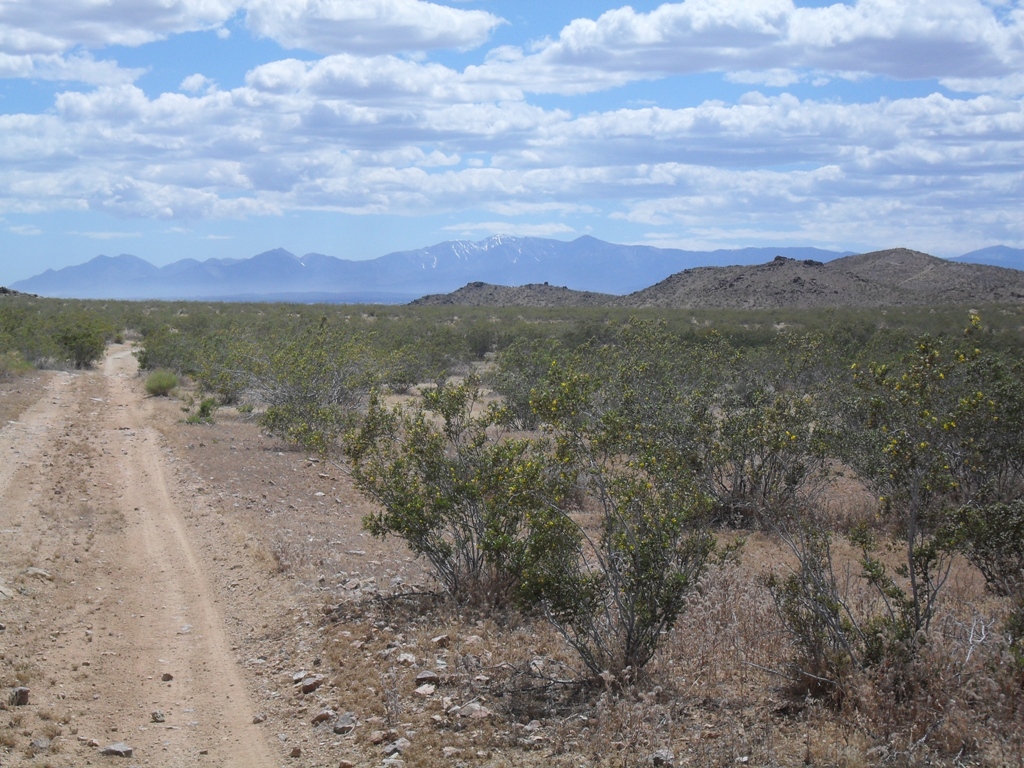
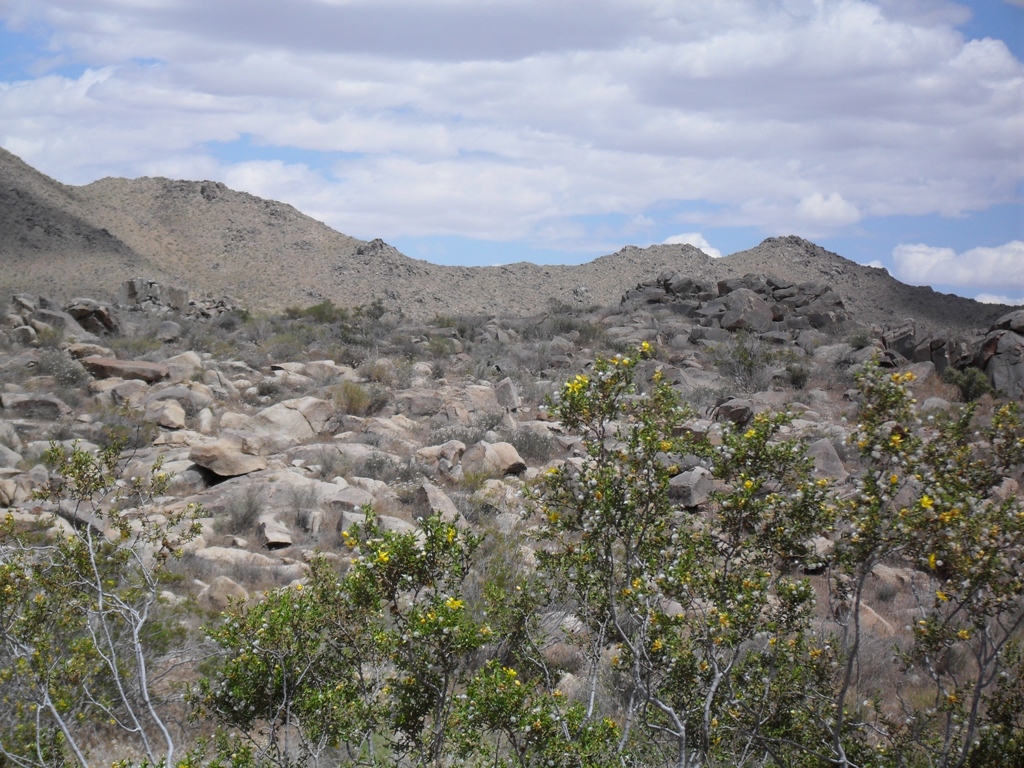
I had forgotten that this valley, like the mesa where I had been living for the past two decades, is surrounded by mountains, so mountains still form the backdrop of my life, making me feel a bit more at home than I expected from such an alien place. And it is alien — high desert rather than high plains, and city rather than country. I’d expected to have to walk along suburban streets, getting lost in the labyrinth of subdivisions, but on one of my first treks, an arroyo beckoned — sort of an alley way between houses — and I took that untraveled path. (Well, not exactly a path, more like a place for flash flood waters to run off. Good thing the day was clear and dry.) And then there I was — in the middle of the desert. Yup. Just me and mountains and knolls and sandy roads. And a few very tiny flowers struggling to live in the bleak sand and heat. (Seems like a good metaphor for my life right now.) Surprised the heck out of me.

Life has held many surprises for me lately, most of which were not good, and since I don’t know what I’m doing or where I’m headed, I’m sure life will continue to surprise me.

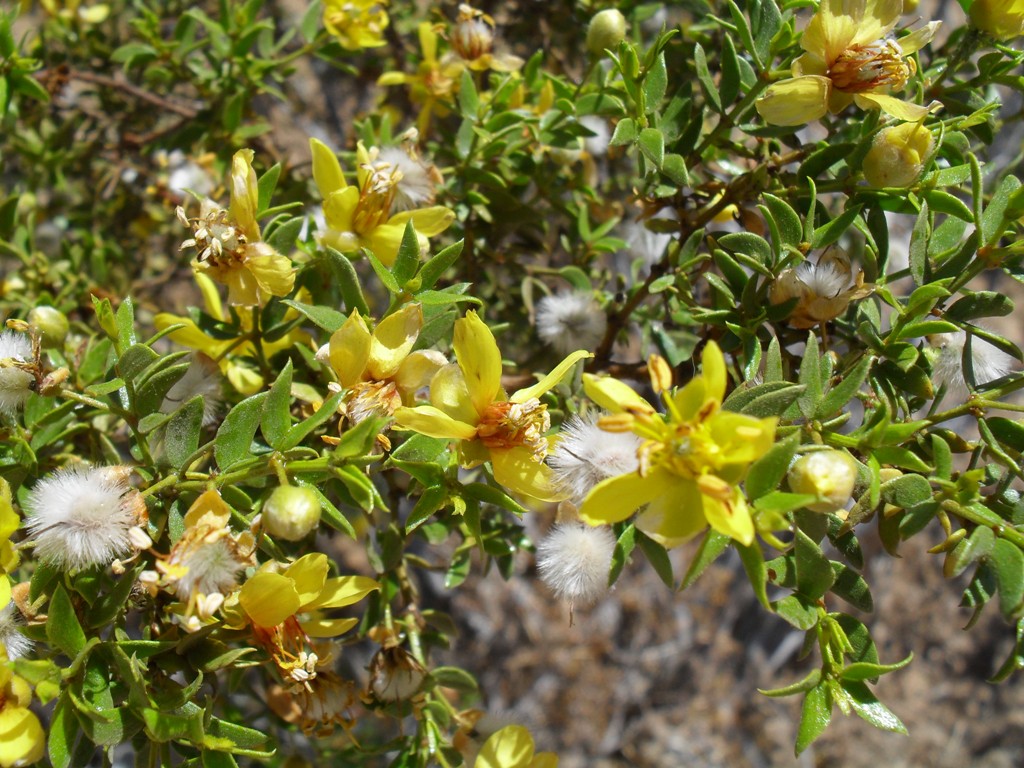
(These yellow flowers are those on the bushes in the other photos.)