Four Days Until the Blog Blast For Peace!


If words are powerful, then this matters.


On November 4th, people all over the world will blog for peace. Blog4Peace was created and founded by Mimi Lenox, who believes that because words are powerful, blogging for peace is important.

Mimi began blogging for peace in November, 2006. Thirteen years and thousands of peace bloggers later she — and all those she inspired — are still blogging for peace. On every continent. In 214 countries and territories. In war-torn countries and peaceful villages. Whole families. Babies in utero (yes, really!) Teenagers. Senior citizens. Veterans of war. Poets and singers. Teachers. Classrooms. Authors and artists. Doctors. Lawyers. Cats (many, many cat bloggers). Dogs. Gerbils. Birds. Goats and Bunnies. Scientists. Designers. Researchers. Stay-at-home-parents. Kids. Baby Boomers. From the Netherlands to Kansas. And everywhere in between.

I joined the peace bloggers in 2012. And I still blog for peace. 

This year’s theme is “Change your climate,” and that is a theme I can adopt. Although I do not believe in the possibility of world peace (because war and stressful times are never our personal choice but are fostered by others or foisted on us by circumstances) I do believe in personal peace, in finding peace within ourselves — in changing our inner climate — no matter what happens to provoke us into chaos.

And yes, words are powerful. And yes, this matters.

I hope you will join Mimi and me this year.

How To Blog For Peace:

  1. Choose a graphic from the peace globe gallery http://peaceglobegallery.blogspot.com/p/get-your-own-peace-globe.html or from the photos on Facebook. https://www.facebook.com/BlogBlastForPeace#!/BlogBlastForPeace/app_153284594738391 Right click and Save. Decorate it and sign it, or leave as is.
  2. Send the finished globe to mimi@mimilenox.com and TAG Mimi Lenox on Facebook. Your contribution will be added to this gallery.
  3. Post it anywhere online November 4 and title your post Dona Nobis Pacem (Latin for Grant us Peace)

Sounds cool, doesn’t it? See you on November 4!

***

Pat Bertram is the author of Grief: The Inside Story – A Guide to Surviving the Loss of a Loved One. “Grief: The Inside Story is perfect and that is not hyperbole! It is exactly what folk who are grieving need to read.” –Leesa Healy, RN, GDAS GDAT, Emotional/Mental Health Therapist & Educator.

There’s Always Something

I’ve been a house owner for only a little over seven months, and I’ve already learned an important lesson: there’s always something going wrong, and whatever that something is, it’s never simple to fix.

Actually, I already knew that about houses, which is why I never wanted one, but after a lifetime of dealing with landlords and ladies, I’ve discovered that it’s so much better dealing directly with repair people than through a middle party who doesn’t care about the comfort and convenience of renters.

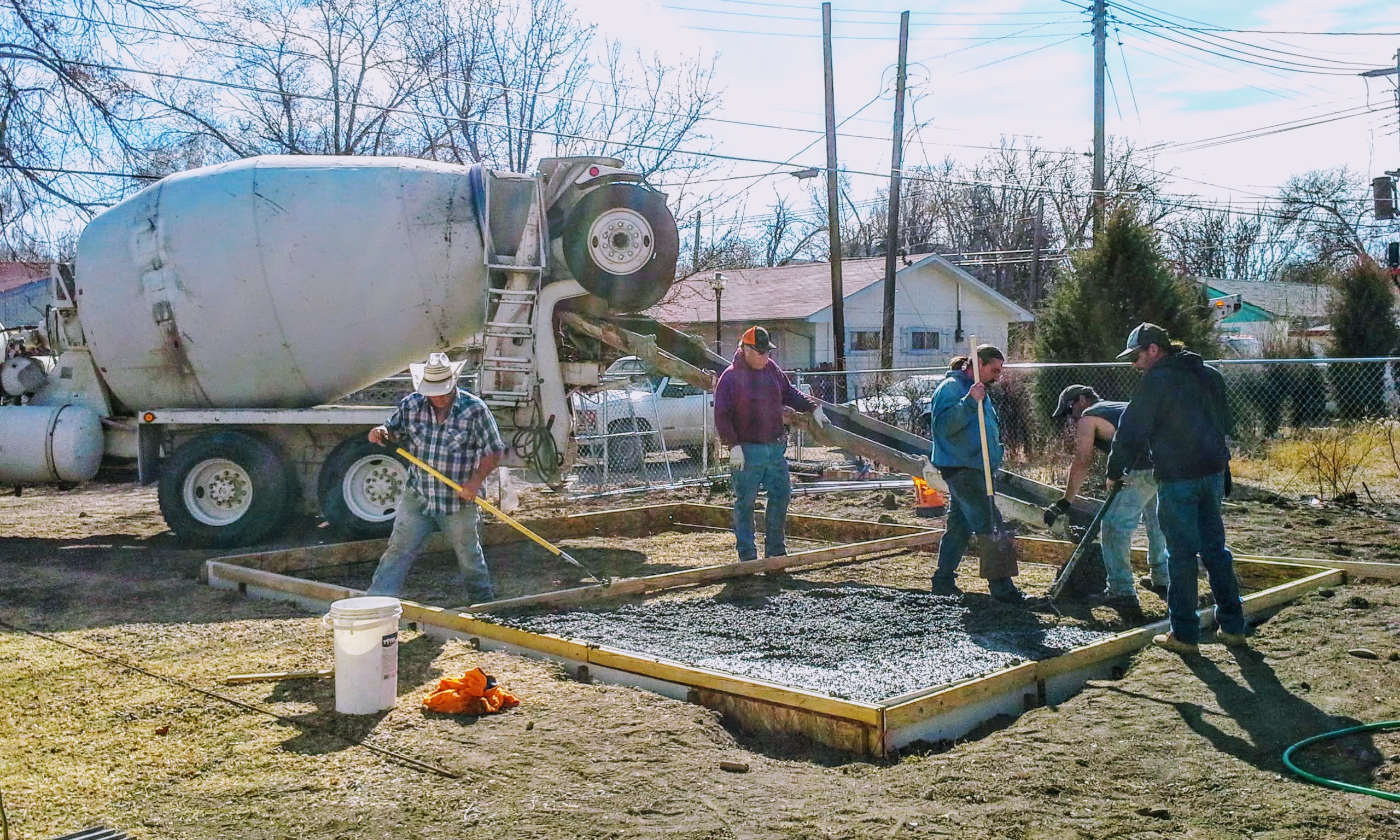
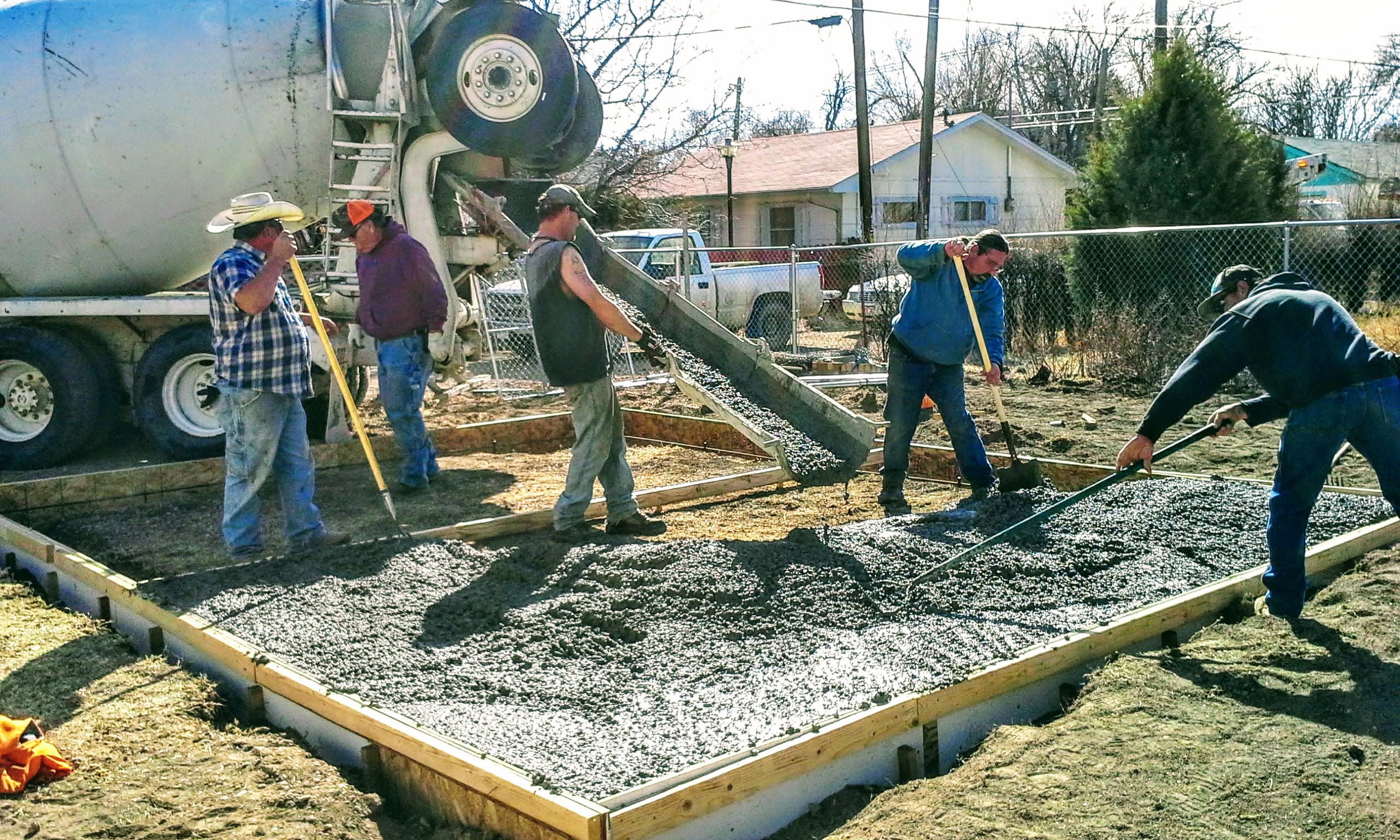
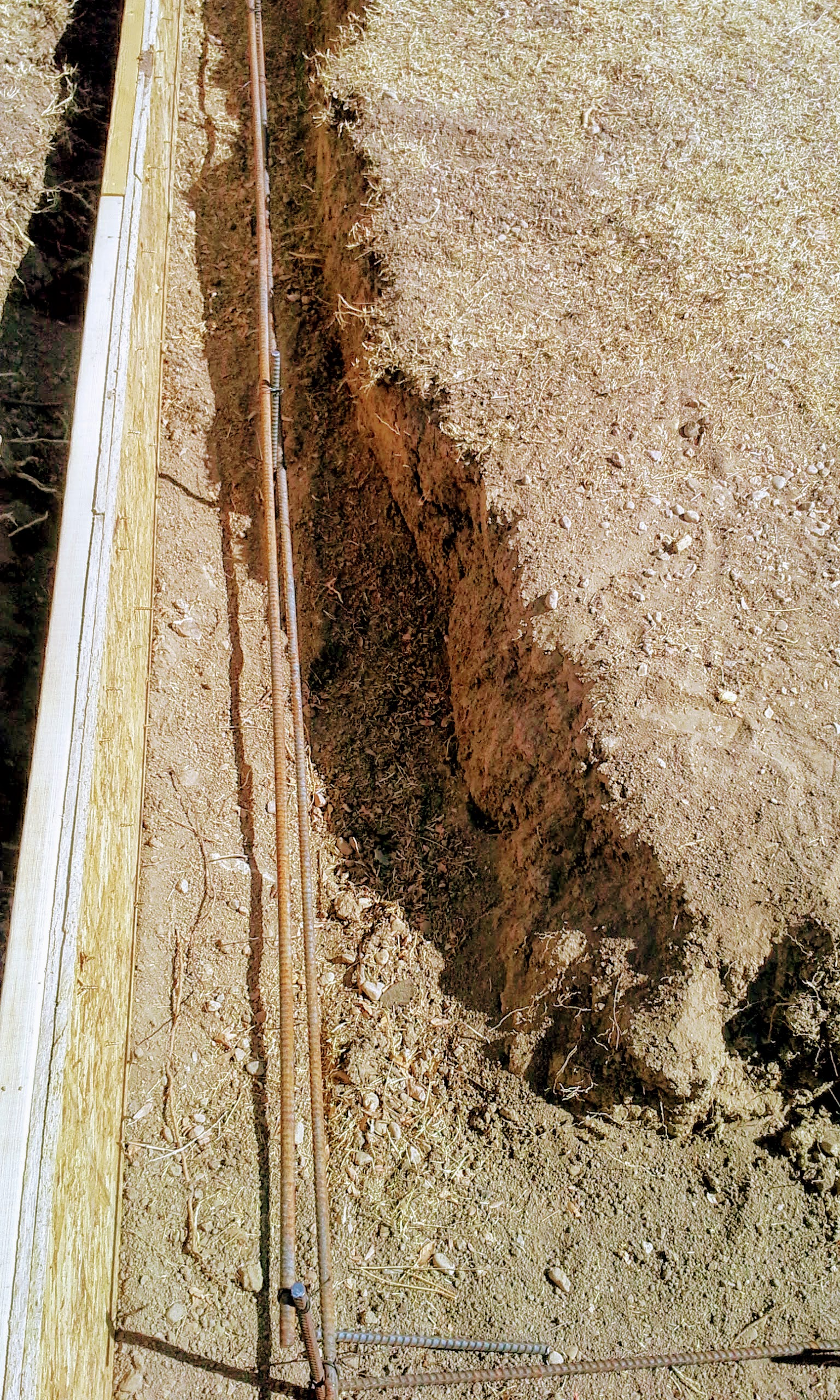
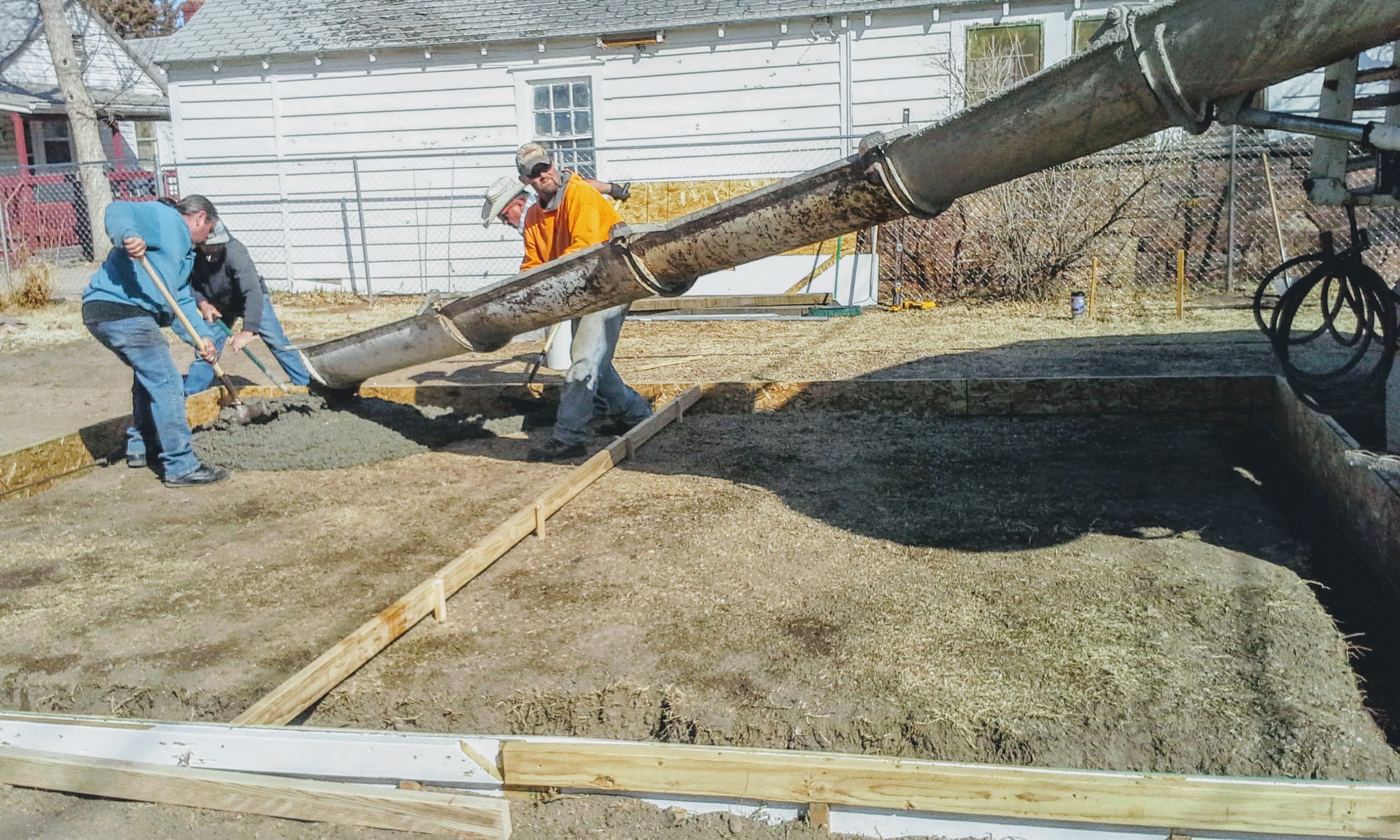
Still, no matter what needs to done, it always entails so much more than originally expected. For example, when the enclosed porch foundation needed to be fixed, it turned out there was barely any foundation at all, so that an entirely new concrete footer had to be built. Then we discovered that the iron sewer line under the porch was rusting out.

And so it’s been going with all the repairs.

My latest “fix” is a pipe. A neighbor told me a few months ago that the kitchen pipes had a tendency to freeze, so the contractor said he’d insulate the pipes before winter. The previous owner said he’d fixed the problem with an insulated cover for the outside faucet, but I wanted to be doubly sure that the pipes wouldn’t freeze in this time of frigid temperatures. So yesterday, the contractor showed up with pipe “noodles” and discovered a leak in the pipe. Not having the time, tools, or parts to fix the pipe, he left with the pipes uninsulated and with instructions to leave the water dripping in the kitchen to ensure that the pipes don’t freeze.

Which I did, but oh, my, it sure was hard it was for my waste-less soul to leave water dripping!

Whether due to the drip, the insulation for the outside cover, or simple good luck, the pipes made it through the snowy night.

And so did I.

***

Pat Bertram is the author of Grief: The Inside Story – A Guide to Surviving the Loss of a Loved One. “Grief: The Inside Story is perfect and that is not hyperbole! It is exactly what folk who are grieving need to read.” –Leesa Healy, RN, GDAS GDAT, Emotional/Mental Health Therapist & Educator.

Good Deeds Going Awry

It’s really a joy being part of a community. I’ve had a bad cough the past week, and in the past few days, more people brought me soup and crackers or offered to run errands than in all the time I was housebound with my mangled arm.

I’m not worried about paying the favors back or fore (I know the common phrase is “pay it forward,” but that terminology only works if one also says “pay it backward,” and we don’t.) When people need help that I can give, I will do so — it’s all about being part of the community.

Or is it?

I recently watched the movie Pay it Forward. (If you haven’t seen the flick and want to, don’t read ahead. Major spoiler!!)

The movie is about a kid who gets the idea of doing good for people and then having them pay it fore rather than back. As a concept, it’s kind of cool, as long as the person who did you the favor knows you’re going to pay it to someone else rather than to them. (Not that we do favors for others expecting to be paid back, but it is nice when they in turn do favors for us — it helps cement the community bond.)

The kid ends up dead (he tried to rescue a friend from bullies, and got knifed). The finale of the movie shows hundreds of people coming to the house bearing flowers and candles. What was supposed to be a tear-jerking moment, showing all the people whose lives the kid had touched, just made me shake my head. There is no way such a display could bring more than a momentary comfort to the mother. In the cold light of day (and the dark of night), she would rather have her son than this evidence of his impact.

I also had to shake my head at this proof of the old adage: no good deed goes unpunished.

The movie reminded me of a CSI show in which Grissom told a story about a guy who found a spider swimming in his toilet. For a couple of mornings, the guy watched the spider struggling to survive the maelstrom of flushing. One morning, the guy decided to rescue the spider. He took it out of the water and set it on the floor. The next day, he found the spider dead. “Why,” Grissom asked, “did the spider die? Because one life impinged on another.”

Yep. No good deed goes unpunished. In the movie, the doer died, in the show, the do-ee did. Generally, no one dies after doing good deeds, but occasionally, as in these examples, the good deed backfires. Sometimes the favor leads to demands and expectations, and when those expectations aren’t met, the benefactor is seen as an evil-doer rather than a do-gooder. Other times the punishment is benign: people resent the interference or are simply ungrateful.

Come to think of it, the destruction of my arm that I mentioned above is another example of a good deed being punished — if I had stood my ground and not done the dance performance as I wished, I’d still have a perfect arm, but because I did a good deed (performed in place of someone who couldn’t make it) I have a humpty-dumpty arm.

I just hope no one is going to be punished for bringing me soup and crackers. I certainly appreciate the favor, don’t resent it, won’t expect more than what was offered.

I’ll pay the favors both fore and aft.

And I’ll hope that none of our good deeds go awry and that we all survive intact.

***

Pat Bertram is the author of Grief: The Inside Story – A Guide to Surviving the Loss of a Loved One. “Grief: The Inside Story is perfect and that is not hyperbole! It is exactly what folk who are grieving need to read.” –Leesa Healy, RN, GDAS GDAT, Emotional/Mental Health Therapist & Educator.

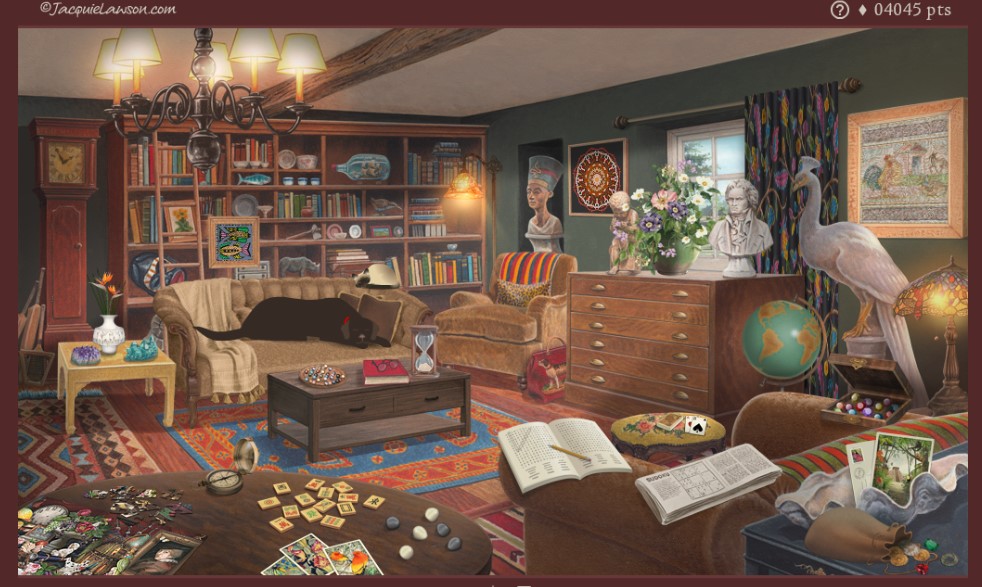
Colonel Mustard in the Library with a Candlestick

I’ve blogged several times lately about the mystery I wrote for a family night in the local historical museum. Yesterday I posted the scenario, so if you want to try your hand at figuring out who did it, you can find the list of suspects and their alibis here: Spur of the Moment Murder Mystery.

(For history buffs, the historical allusions in the game are correct — Clay Allison did kill Deputy Faber. Rutherford B. Hayes had just been publicly inaugurated as the nineteenth president of the United States, and he’d lost the popular vote but won the most electoral college votes after a ferociously disputed ruling by a Congressional committee. The suffragette referendum in Colorado had just been defeated. Clay Allison had surrendered after the Civil War, and some accounts say he escaped the firing squad the night before he was to be killed; other accounts say he was pardoned. In real life, he died ten years after this fictional murder — he was thrown from a freight wagon and a wheel rolled over his head. I am sure he would have preferred my scenario to the ignominy of his actual death.)

So, in our little game, who did kill desperado Clay Allison?

Well, Colonel Mustard didn’t do it, and he didn’t have a candlestick, and he wasn’t in the library. He was, in fact, in the bar at the time of the murder. The bartender attests to that.

Mrs. White did not kill Clay. She was, as she claimed, hosting a suffragette meeting in the schoolhouse. Flyers and posters attest to the meeting.

Professor Plum did not kill Clay. His birth date, clearly stated on the suspect list shows that he could not have shown up in town until decades after Clay was killed since he was not born until after the murder.

Miss Scarlet did not kill Clay. She was, as she claimed, with Mr. Green.

Mr. Green did not kill Clay, because although he denies knowing Miss Scarlet, it is apparent he is lying. A photo shows the two of them together, and the bartender can attest to their relationship. So, since he is a proven liar and Miss Scarlet is a proven truth teller, we have to believe that the two were together when Clay was killed.

So that leaves Mrs. Peacock. Mrs. Peacock killed Clay. She was furious that Clay went free after the judge ruled that Clay Allison’s actions in killing her brother Deputy Farber were self-defense. Apparently, after donating one of the deputy’s spur to the sheriff’s department, she continued to carry the other one around. We don’t know if she’d planned to kill Clay or if she did it on the SPUR OF THE MOMENT!

***

Pat Bertram is the author of Grief: The Inside Story – A Guide to Surviving the Loss of a Loved One. “Grief: The Inside Story is perfect and that is not hyperbole! It is exactly what folk who are grieving need to read.” –Leesa Healy, RN, GDAS GDAT, Emotional/Mental Health Therapist & Educator.

Spur of the Moment Murder Mystery

I missed the murder I created for the museum because I still haven’t gotten over my cough, so I’m reprising the mystery here. This is the scenario I wrote:

It is Monday, March 5, 1877. Rutherford B. Hayes has just been publicly inaugurated as the nineteenth president of the United States. Hayes lost the popular vote but won the most electoral college votes after a ferociously disputed ruling by a Congressional committee. People are out late, some celebrating the victory, some drowning their sorrows at having a Republican in office.

At 9:10, Clay Allison was killed outside the jewelry store, and at 9:15 pm, revelers discovered the body.

There are many suspects.

Colonel Mustard, the blacksmith, born in 1832, was at the garrison in Gainesville, Alabama when Clay and his Confederate unit surrendered at the end of the Civil War. Mustard swears that Clay had escaped the night before he was to go before a firing squad, and this does not sit right with the Colonel. The Colonel says he was in the saloon when Clay was killed.

Mrs. White, schoolmarm, born in 1824, says Clay deserved to be shot for mangling the English language. Clay had bragged that he was a shootist, and Mrs. White says there is no such word. She also says she was at a suffragette meeting that evening at the schoolhouse. The suffrage referendum had just been defeated in Colorado, and she and other women in town were determined to get suffrage for women in Colorado.

Mrs. Peacock, candy-shop lady, born in 1842, is the married sister of Deputy Charles Faber. Clay had gunned down the deputy after the deputy had demanded Clay and his brother relinquish their guns. Mrs. Peacock is not only grieving the loss of her brother, but is fuming that Allison went free after the judge ruled Clay Allison’s actions self-defense. She claims to have been home alone.

Professor Plum, a professor at Colorado College in Colorado Springs, born in 1878, is writing a book about Clay Allison. He came to town to learn more about what actually happened between Clay and Deputy Faber. Plum claims that Clay was long dead by the time he arrived in Las Animas to do his research.

Miss Scarlet, dance hall girl, born in 1860, hated Clay Allison for promising her marriage and a life of respectability and then reneging on the deal. She claims to have been with Mr. Green when the incident occurred.

Mr. Green, bank teller, born in 1847, says he was not with Miss Scarlet, had never even met her. He claims to be an upstanding citizen with pretentions to being bank president one day, though he does admit that Clay Allison tended to play fast as loose with the ladies in town, and should be shot on general principles.

Rules:

Look for clues in the above suspect list and in the photographs provided. FYI: the bartender corroborates the alibies of anyone who said they were in the saloon.

Check off the characters as you learn they didn’t do the dirty deed. When you sort out the truth from the lies, whoever is left, then, must be the killer. Keep in mind, not everyone will tell the truth.

o Colonel Mustard
o Mrs. White
o Mrs. Peacock.
o Professor Plum
o Miss Scarlett
o Mr. Green

***

Mr. Green and Miss Scarlet

___________________________________________________________________________

So, who dunnit? Who killed Clay Allison?

In case anyone wants to figure out who the killer is, I’ll wait until tomorrow to post the solution.

***

Pat Bertram is the author of Grief: The Inside Story – A Guide to Surviving the Loss of a Loved One. “Grief: The Inside Story is perfect and that is not hyperbole! It is exactly what folk who are grieving need to read.” –Leesa Healy, RN, GDAS GDAT, Emotional/Mental Health Therapist & Educator.
Generally Considered Safe

After seven months of living in my new community, yesterday I got friend requests on Facebook from a slew of people I’ve met here. It’s lovely, of course, being connected in myriad ways to people, especially when once has hermit tendencies as I do, but . . . (You knew there was a but coming, didn’t you? With me, there always is.)

But . . . once people I know in offline life start seeing me in online life, I have to be more circumspect in what I blog about lest I inadvertently hurt someone by a thoughtless word, or alienate with an ill-advised observation.

This is especially true in a small community where most of the people have known one another their entire lives. I learned that lesson shortly after I moved here. Someone asked me about an activity I had participated in, and I said it was nice except that one particular person monopolized the conversation. It turns out that the monopolizer was a good friend of the woman I was talking to. Oops.

So I try to be careful even in my thoughts because I am one of those people who, if I’m comfortable, will say whatever comes to mind. And after having opened up about my grief and other private matters the past ten years, I tend to be comfortable almost everywhere and with almost everyone.

The solution, until I get comfortable with my posts being available to new friends as well as old, is to be careful what I write.

Local weather is generally considered safe to write about and in fact is something I’ve been thinking about of late. For weeks, I checked the forecast, and the forecast was always the same — high temperatures until about October 21, followed by weeks of temperatures in the 60s. The first day the temperatures slid down the 60s, I planted my bulbs, and it’s a good thing. I don’t know what happened to all those weeks of 60 degree weather, but somehow they evaporated. The current forecast shows frigid temperatures for a long time to come.

Today was a gorgeous day — deep blue skies and warm temperatures. By Monday we might have snow, and by Wednesday, we’ll be down to a low of 2 degrees. Nope. That’s not a typo. 2 degrees. Almost 0. Brrrrr!

I’d hoped to have my garage foundation finished by now to give me a protected place for my vintage VW, but with this forecast, who knows when the contractor will get to it. I just hope he manages to stop by to insulate my kitchen pipes before the freeze hits.

Thanks to everyone who takes a peek at my blogs. I appreciate all of you, even if I do have to be especially nice on this blog for a while.

***

Pat Bertram is the author of Grief: The Inside Story – A Guide to Surviving the Loss of a Loved One. “Grief: The Inside Story is perfect and that is not hyperbole! It is exactly what folk who are grieving need to read.” –Leesa Healy, RN, GDAS GDAT, Emotional/Mental Health Therapist & Educator.
Field of Hopes, Field of Dreams

A friend asked how many holes I’d dug, and what I planted. It was easier to answer here than as a comment, and besides, it brings me one day closer to my goal of 100 continuous days of blogging.

I must have dug a hundred holes. I had more than three hundred bulbs, and approximately three went into each hole (all properly spaced properly). In retrospect, it was silly doing it all in one day because I worked too hard and ended up with a bad cough that is preventing me from doing anything, especially not planting the last ten bulbs (lilies) that I’d planned to put along the fence in the backyard.

I really don’t see how I could have done it differently, though. I wanted the bulbs intermixed so that the yard will look less like a formal garden and more like a splurge of flowers in a field, and so it pretty much all had to be done at the same time.

I planted lots of tulips and daffodils. Anemones. Snowdrops. Crocuses. Dwarf iris. Larkspur. Grape hyacinth. Aconite. Bluebells.

And I planted hopes and dreams. Dreams of a lovely yard come spring. Hope that spring will in fact come, that the bulbs will flower, that I will still be here, that I will continue to find joy in the little (the best!) things of life.

(The photo was taken this morning and shows the frost on my field of hopes and dreams.)

***

Pat Bertram is the author of Grief: The Inside Story – A Guide to Surviving the Loss of a Loved One. “Grief: The Inside Story is perfect and that is not hyperbole! It is exactly what folk who are grieving need to read.” –Leesa Healy, RN, GDAS GDAT, Emotional/Mental Health Therapist & Educator.

A Spattering of Snow

Some areas of Colorado got dumped on last night, but here in my neighborhood, we just got a spattering — more rain than snow, though there were enough flakes to settle in a few places.

The snow is all gone, now. It was mostly just a reminder of the winter days to come. Am I ready? It’s been years since I had to deal with a true winter. I thought there would be time to get acclimated to chillier temperatures, but we went directly from 80 degrees to 60 degrees to 40 degrees in just a couple of weeks.

It will warm up, of course — Colorado always does. I remember occasionally playing outside at Christmas, then bundling up in heavy coats come Easter. Some Halloweens we wore just our costumes, other years our costumes were buried under layers of outerwear. I remember years of no snow, and years where snow was so deep nothing moved. I even remember a year where there was snow all twelve months — the last snowstorm of one winter came in July, the first of the following winter came the very next month at the end of August.

So am I ready? As ready as I ever was, and as ready as I ever could be in a place where you can’t really determine what the winter will bring.

***

Pat Bertram is the author of Grief: The Inside Story – A Guide to Surviving the Loss of a Loved One. “Grief: The Inside Story is perfect and that is not hyperbole! It is exactly what folk who are grieving need to read.” –Leesa Healy, RN, GDAS GDAT, Emotional/Mental Health Therapist & Educator.
Holes!

I dug holes yesterday. Lots and lots of holes!

I’ve been told (and I’ve read) that one needs a plan when gardening, and my plan was to plant as many bulbs as I could as quickly and as easily as possible. There’s no real design to my holes — I just dug where it was easy to dig; if my shovel hit a hard spot where I planned to plant, I moved to another spot where the soil was softer. I don’t really care if there is any discernable design. I just want some color mixed in with the mostly brown grass. Also, once the flowers die and the leaves turn brown, the whole thing can be mowed, which seems like an interesting idea.

I’d gotten a bit carried away when ordering bulbs, and as it turned out, for the holes I dug, I got the right amount since the holes were big enough to house more than one bulb.

Of course, now my muscles are stiff and my throat sore, but it’s good to have it all done.

Now it’s a matter of waiting for spring to see what I have wrought!

***

Pat Bertram is the author of Grief: The Inside Story – A Guide to Surviving the Loss of a Loved One. “Grief: The Inside Story is perfect and that is not hyperbole! It is exactly what folk who are grieving need to read.” –Leesa Healy, RN, GDAS GDAT, Emotional/Mental Health Therapist & Educator.