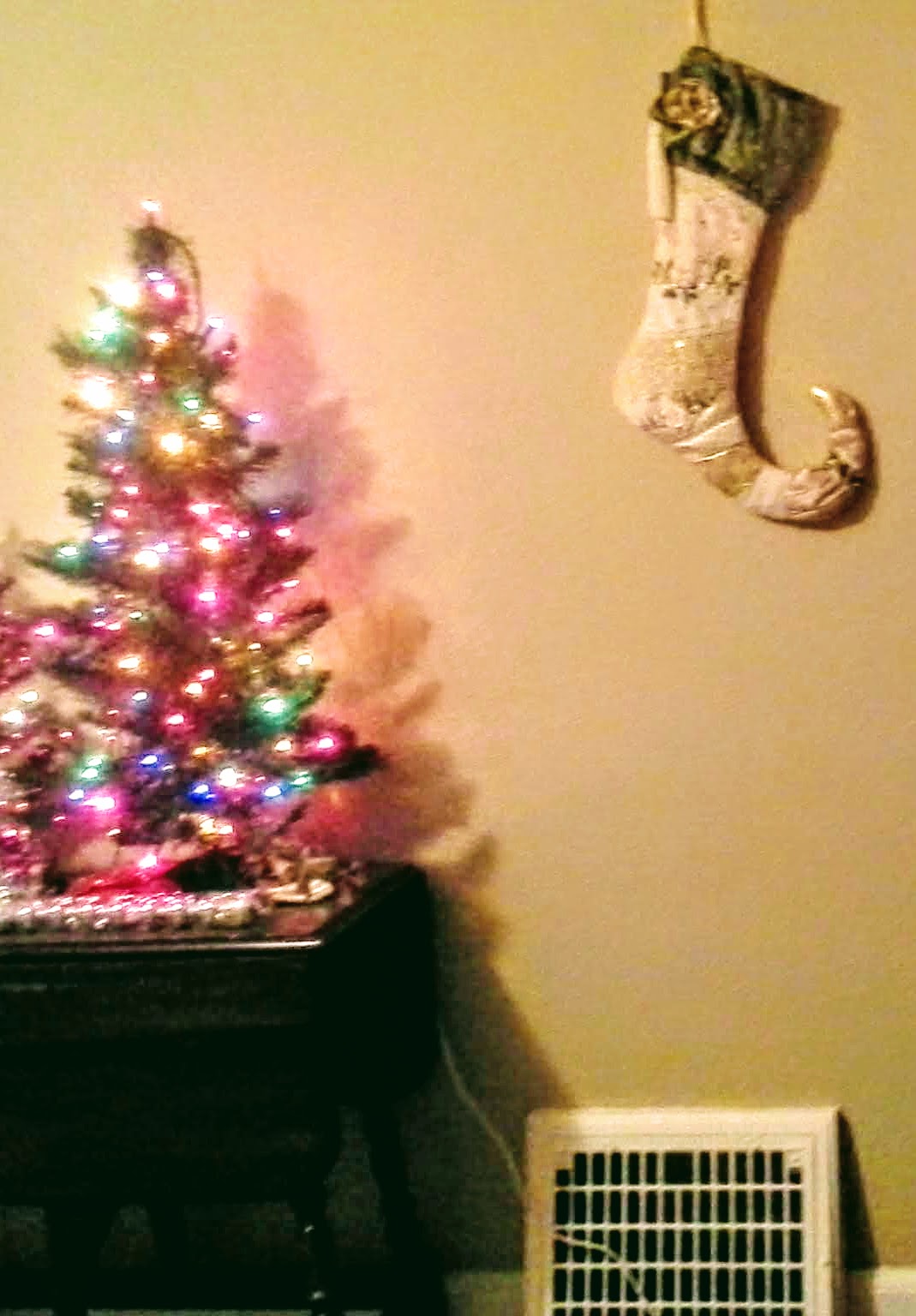
The Stockings Were Hung by the Heating Unit with Care

A word of advice — if you don’t like the sun setting before 4:30 in the wintertime, be sure to move to the western end of a time zone. The sun sets at the western end of a time zone almost an hour later than the eastern end.

And I live close to the eastern edge of the mountain time zone.

Even worse, there are still three weeks until the end of the creeping darkness.

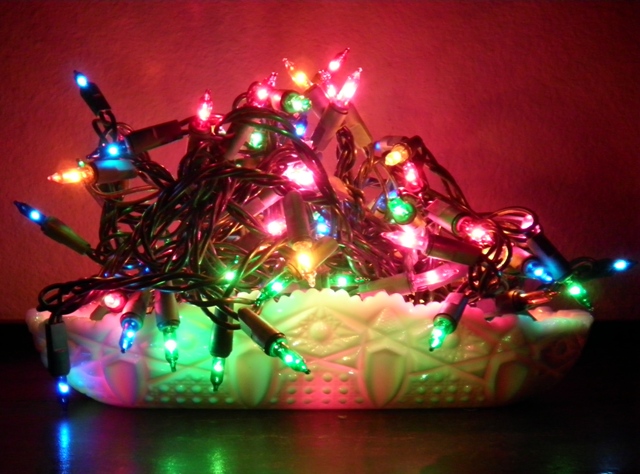
Usually I wait to put out my bowls of light until close to the winter solstice to celebrate the returning light, but this year, I need them early. Not only does the sun set at 4:30, the long twilights I remember from my previous years in Colorado seem to be missing (maybe because I am further south than where I used to live). So, full dark comes at 5:00. Yikes.

Yesterday I put out the bowls of light.

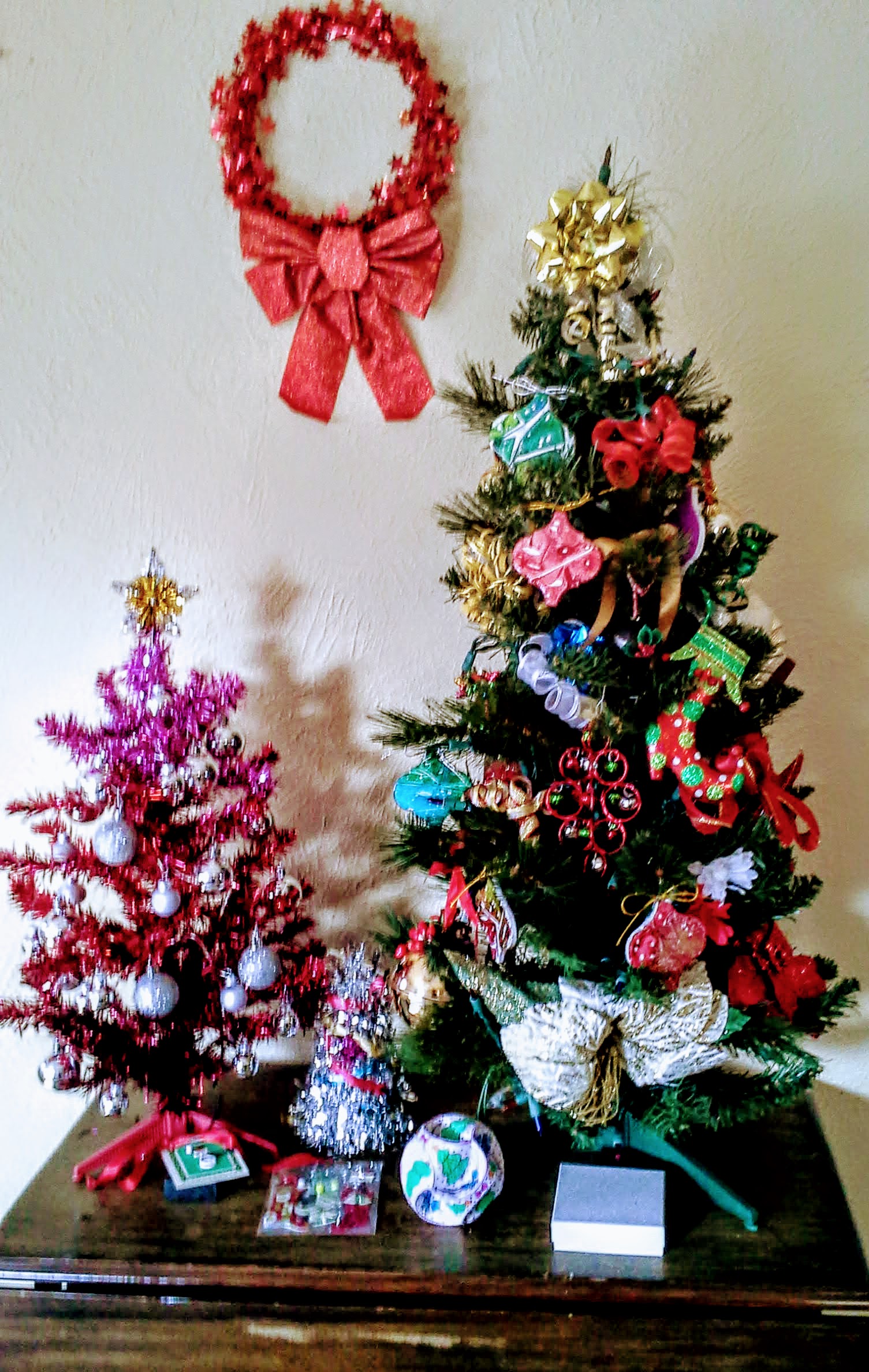
Today, I put up my Christmas trees. The red tree was a gift to cheer me up three years ago when I couldn’t go anywhere because of my destroyed arm, the green tree was my father’s. I hadn’t intended to bring it with me, but someone thought I needed it, because when my brother helped me move my stuff into a storage unit after my father’s death, there is was.

And now here it is.

One odd aspect of growing older is that everything has a story. Those trees, of course. The stocking that was hung above the heating unit with care was a gift from my sister about fifteen years ago that has been packed away. The bowls the lights are in used to be my mother’s. The table used to belong to an aunt, got handed down to my brother, and now it, too, is here. The red wreath started out as a hatband and will again become a hatband in another week or so.

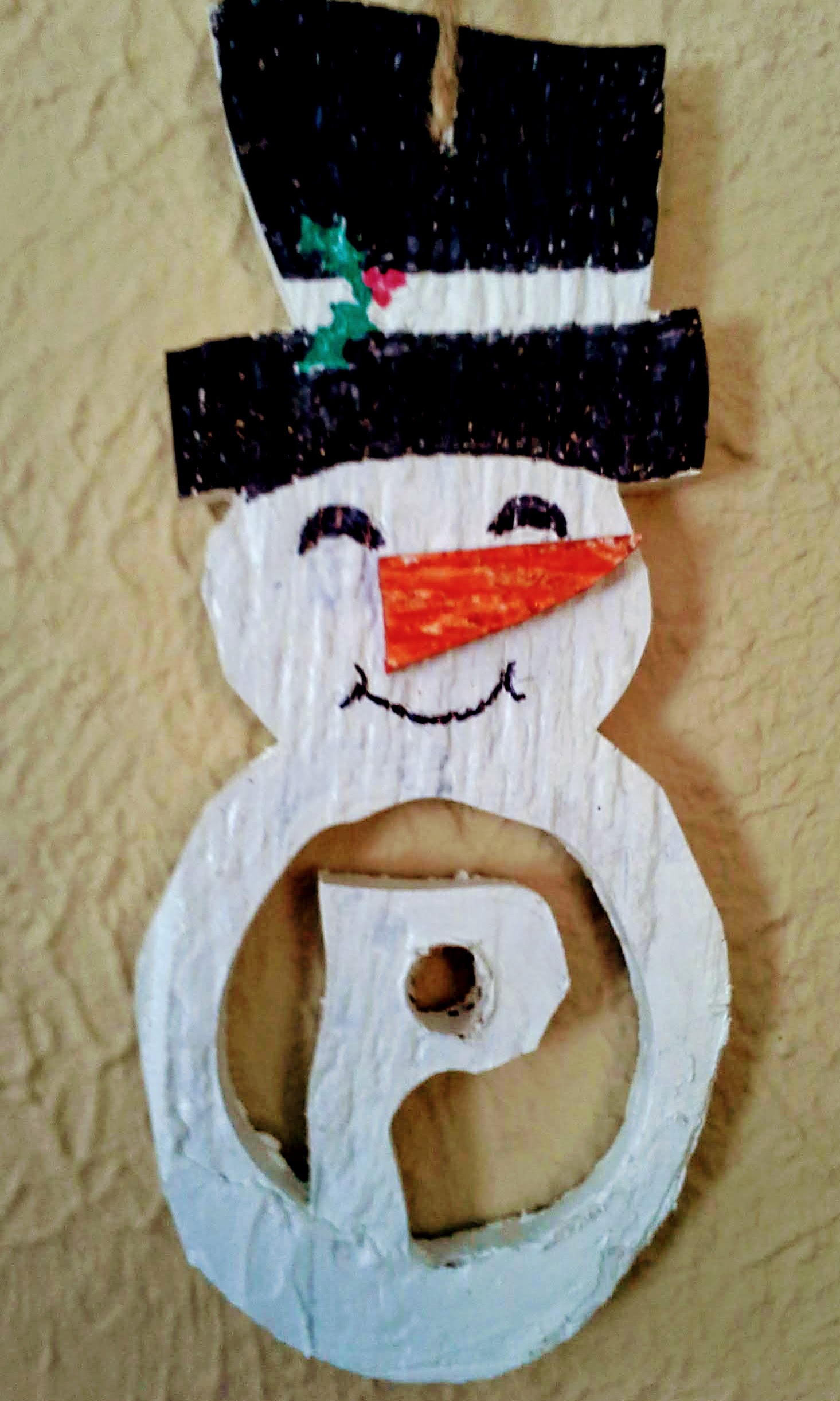
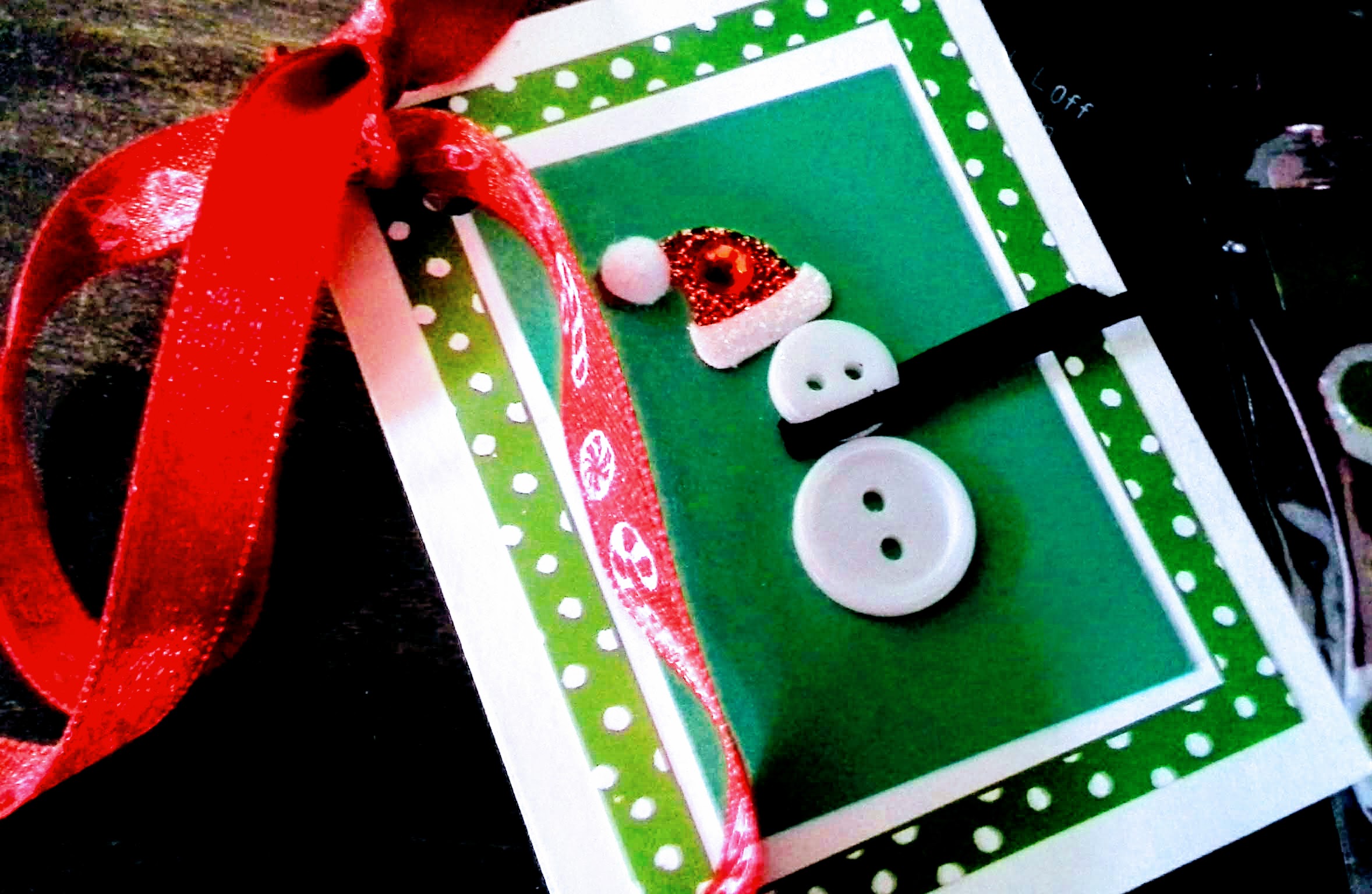
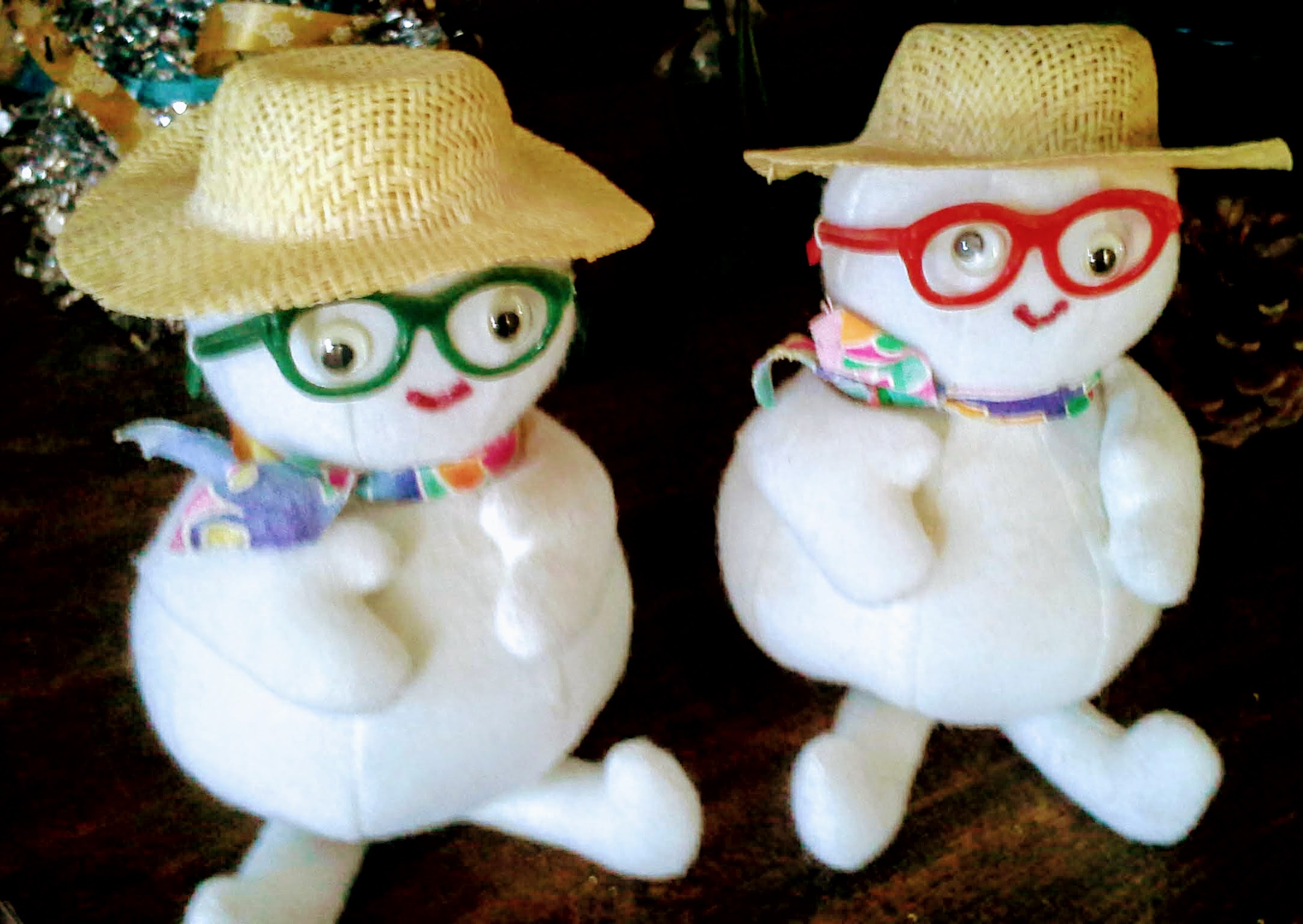
Every ornament has a story, too. Quite frankly, I had no idea I had so many ornaments — I haven’t had a tree for decades. I put up my father’s tree for him but decorated it with the cute felt nativity set I’d made for my mother when I was young. (It seems to have disappeared. I know she gave it back to me before she died, which is why I had it to use for my father’s tree, but I must have gotten rid of it during one of my storage unit cleansings.) I did recently buy some ornaments from an artist friend — the arabesque (onion shaped) ones — but mostly what I have are things I was gifted. A couple of things I found in with my ornaments, I don’t remember ever seeing before.

It might sound as if I get too attached to things, but if you knew how much stuff that I liked that I’ve gotten rid of over the years, you’d see that some things attach themselves to me, and those are the things I still have.

In this case, it’s good I have the stuff. I mean, first Winter Solstice/Light Festival/Christmas in my new house? Of course, I’ll decorate!!

Besides, it makes the long dark nights on the eastern edge of the time zone a bit brighter.

***

Pat Bertram is the author of Grief: The Inside Story – A Guide to Surviving the Loss of a Loved One. “Grief: The Inside Story is perfect and that is not hyperbole! It is exactly what folk who are grieving need to read.” –Leesa Healy, RN, GDAS GDAT, Emotional/Mental Health Therapist & Educator.


Misplaced Outrage Over Self-Checkout

Lately I’ve been seeing a lot of posts on Facebook where people who are against self-checkout proclaim that they don’t work for the company. Yesterday, at a community pot luck, I got caught in a group that began discussing that very thing. Luckily, some friends arrived, so I could make my excuses, but that smug line, “I don’t work for them,” has stayed with me.

The truth is, we do work for them.

At the beginning, grocery stores were all service oriented. You’d go in, tell the owner what you wanted, and they would pick the stuff off the shelves, ring it up, and bag it (generally with the bag or basket you brought for that very purpose).

As stores grew bigger, they provided baskets for people to pick out their own wares. I’m sure those people were just as miffed as those today. I’m sure they, too, said they didn’t work for the company.

As time passed, and more automation came into being, customers not only had to pick out their own merchandise, but had to unload the carts themselves. I remember how upset people were back then. “We don’t work for them.” But they did.

Self-checkout has been in the works for at least fifteen years that I know of. Twelve years ago, I used a self-checkout for the first time. So self-checkout is nothing new. And has been inevitable for a long time.

Frankly, the whole smugly outraged attitude about Walmart going to mostly self-checkout is too little, too late. And completely self-serving.

The truth is, we do more than work for behemoths like these. Much of Walmart’s rapid expansion was paid by public funds, not just tax incentives and tax breaks, but free land, infrastructure assistance, low-cost financing and outright grants from state and local governments around the country to the tune of $1.2 billion. In addition, since Walmart underschedules their employees, making sure they work an hour or two a week less than full time, taxpayers end up paying the healthcare costs of Wal-Mart employees through public programs such as Medicaid.

But oh, yes. Let’s get indignant about self-checkout.

To a great extent, Walmart helped to flood the United States with imports from China. I’ve never been able to find out if it was Sam’s decision or if someone in the government approached him — because of new policies to give China most favored nation status along with deals to bring in tons of products, someone needed to peddle the junk to unsuspecting consumers. (Little is ever mentioned about the coincidence of the world’s largest retailer, the world’s largest chicken producer, and a political legacy all rising at approximately the same time from the same relatively backward state.)

Along with the imports (that poured into the stores at the same time their public relations firms touted proudly that the stores were dedicated to carrying things made in the USA) came human rights violations — sweat shops, child labor, dangerous working conditions, sexual abuse and physical violence in Walmart supplier factories. Where was the outrage then? Those things happened in other countries, so no one seemed to care. Nor did most people seem to care about civil rights violations, such as illegally dumped hazardous wastes.

People are outraged that Walmart employees are being replaced by self-checkout, but there was little outrage when the stores come into an area and destroyed local businesses, often businesses who paid their employees more than Walmart did. Did anyone but the businesses themselves and the suddenly-unemployed people care about those jobs lost? And what about the small companies that Walmart destroyed? Who cared about them? When the giant retailer went into the grocery business, they found small companies to supply their needs, and once those companies were committed to supplying the chain, they were forced into ever higher production demands with ever-lower profits. The suppliers had to borrow money to keep up with the increased demands, believing the lies of more business down the line. And it worked . . . until Walmart opened their own supply stations, most recently a milk processing plant that threw their previous supplier into bankruptcy, with way too many jobs lost.

But oh, yes. Let’s be smug and self-righteous when it comes to self-checkout.

***

Pat Bertram is the author of Grief: The Inside Story – A Guide to Surviving the Loss of a Loved One. “Grief: The Inside Story is perfect and that is not hyperbole! It is exactly what folk who are grieving need to read.” –Leesa Healy, RN, GDAS GDAT, Emotional/Mental Health Therapist & Educator.
100 Word Story: A Different Perspective

Tom milled around the prison yard with the other inmates, waiting for the sound of death. There would be no stay of execution for their condemned friend, who would die in a most barbaric way.

“They don’t care that he’s innocent,” Tom said. “As are we all. The system is guilty, but no one wants to buck tradition.”

The thud of the axe made him flinch. He bowed his head out of respect for the dead.

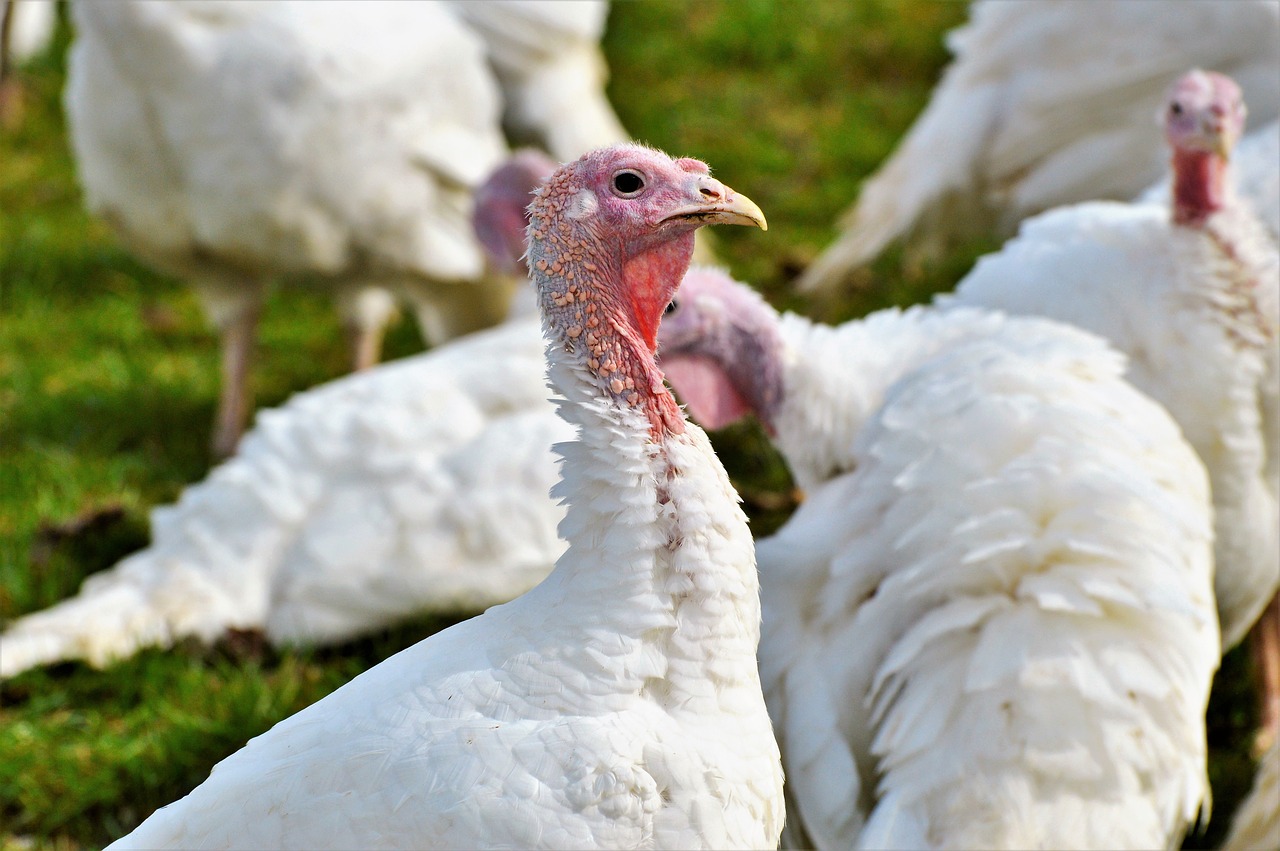
In the silence, he heard the executioner’s voice drifting through the chicken wire fence. “It’s a big turkey. We’ll have a grand Thanksgiving feast.”

***

Pat Bertram is the author of Grief: The Inside Story – A Guide to Surviving the Loss of a Loved One. “Grief: The Inside Story is perfect and that is not hyperbole! It is exactly what folk who are grieving need to read.” –Leesa Healy, RN, GDAS GDAT, Emotional/Mental Health Therapist & Educator.

Dealing With Grief During the Holidays

This is an excerpt from my book: Grief: The Inside Story – A Guide to Surviving the Loss of a Loved One:

***

The first year of grief after the loss of a spouse or a life mate is hard because our grief is so new and so raw that it’s all we can do to take one painful breath at a time. All the firsts we experience during this period can make things even harder.

The first holidays are painful. The first wedding anniversary, the first birthdays, the first major holidays. Each of these days brings a greater sense of grief because we are intensely aware that our life mate is not here to experience these once-happy holidays with us. Whatever traditions we developed together become obsolete when only one of us remains to carry on. The pain and the yearning to be together once more during these times can be devastating.

Thanksgiving, Christmas, Chanukah, New Years are the big holidays with the biggest challenges. These special days are family celebrations, and often we are left alone with our memories and our feelings, even if we are surrounded by family.

After Jeff died, I went to take care of my ninety-three-year-old father. That first Thanksgiving, my brothers and sisters-in-law came to have dinner with us. I felt awkward because my widowed father sat at one end of the table, and I sat at the other end in my mother’s place, even performed her hostess duties. Despite that weirdness, it was a nice meal, but as the guests were leaving, two by two, I fell into a deep crevice of grief that took a couple of weeks to crawl out of.

Christmas is even more challenging because if we do opt to join the family in festivities, assuming we have such an option and want to make use of it, our families don’t know what to say to us. They are afraid of saying “Merry Christmas,” because they know there can be no merriment for us. Their fumbling to find something to say makes us so much more conscious of our situation than the rote greeting, “Merry Christmas,” would have done. After all, no one truly is wishing us, or anyone, merriment. It’s simply the thing we say.

We each have to find our own way to deal with the holidays. Talking to someone about our loved one, perhaps sharing a special memory can help, and if there is no one to talk to, writing a letter to our deceased mate can make the upsurge of grief around the holidays easier to handle. There is great power in writing to our dead because it gives us a sense of connection and continuity. We are verbal creatures, so putting our feelings into words can be therapeutic and can decrease the stress of the holidays.

Sometimes we grievers find comfort in doing things the way we always did because it makes us feel closer to our departed loved one. Sometimes we need to create new traditions for us alone, which is how I dealt with the days.

Jeff loved Christmas lights, and since he still lived in my heart, or so people said, I took him for a walk that first Christmas Eve and showed him the abundance of lavishly decorated houses in the neighborhood. As fanciful a notion as that was, it helped.

Over time, as we build new memories on top of the old ones, the emotional resonance of the holidays and anniversaries diminishes, as does the dread leading up to these days. The upsurges of grief we experience soften to a feeling of nostalgia and even gratitude that once we were loved, once had someone to love, once had someone with whom to share our life.

***

Pat Bertram is the author of Grief: The Inside Story – A Guide to Surviving the Loss of a Loved One. “Grief: The Inside Story is perfect and that is not hyperbole! It is exactly what folk who are grieving need to read.” –Leesa Healy, RN, GDAS GDAT, Emotional/Mental Health Therapist & Educator.

Overcoming Inertia

You’d think, after all these years of doing things by myself, I wouldn’t have a problem with motivating myself, but I do. Ever since Jeff died, I’ve tried to be more spontaneous, but sometimes I simply cannot overcome inertia to just . . . go.

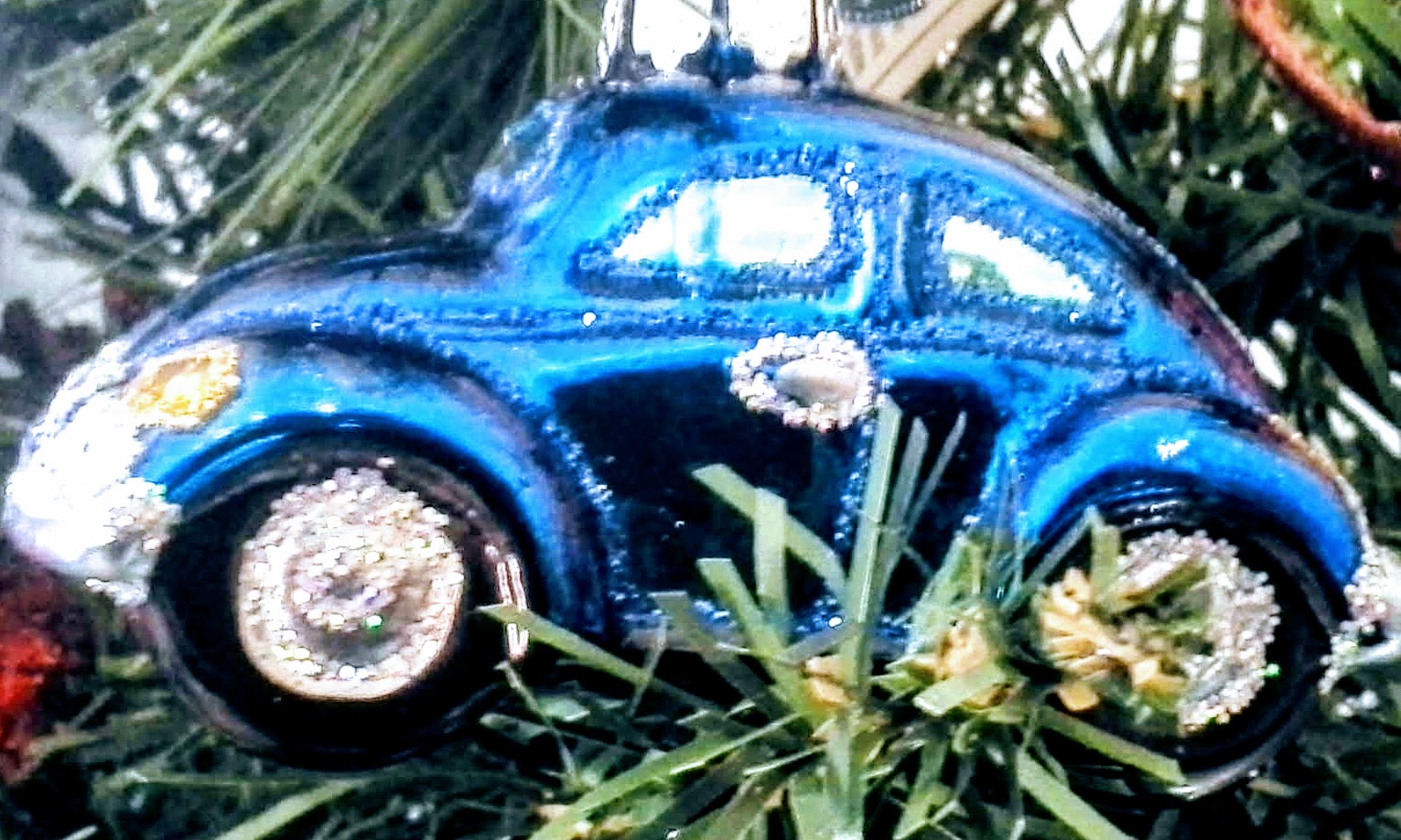
The Union Pacific Big Boy steam engine passed within seventy-five miles of here, and I sort of wanted to see it. But the time for leaving came, and I didn’t go. Apparently, “sort of wanting” is not enough motivation. If I had really, really wanted to see it, I might have gone — after all, I did go searching (in vain) for tarantulas. But maybe not. My days of simply hopping into my car and taking off seem to be diminishing — not just because of no motivation, but because the thought of pulling the cover off my vintage Beetle and folding it up seems too much of a big deal. Also, because I’m not driving all the time, I tend to worry.

Luckily, I can walk most places around here and save driving for the days when the ritual of uncovering and recovering my car doesn’t seem so daunting or if I simply want to drive, worry or no. It might be easier to go somewhere on a whim when (if?) my garage is done, but I doubt it. I won’t have to uncover the car (though a neighbor car guy recommends still covering it), but I will have to unlock and open the garage door and gates, then get out of the car and close them once I’m on the street. Just the thought makes me weary! It’s not an immediate problem, though, since my contractor has disappeared on me again.

Now that it’s getting dark so early, my activities are a bit curtailed — I’m not used to walking in the dark around here, and to be honest, I’m not sure it’s all that safe of a place to be on foot at night — so I don’t attend evening events by myself.

Although all this makes it seem as if I don’t do much anymore, that’s not true. There are many scheduled events I attend during the day, such as the art guild meetings. The meetings are on my calendar, so there’s no need to overcome inertia — I just go. Other times, I hitch a ride with a friend. For example, there was a community dinner last night, and a friend invited me to go with her. It was a wonderful meal, a full turkey dinner, though it amused me — there I was in a Baptist church, eating dinner with my friend and the Presbyterian minister. Only in a small town . . .)

And that won’t be my only Thanksgiving dinner. The senior center will be hosting a potluck dinner for all of us strays. They will provide the turkey; we will provide everything else. (My contribution will be my own creation — a cranberry/apple compote.) Although Thanksgiving as a holiday doesn’t hold the emotional hazards for me that it does for many who have lost their mates, it’s nice knowing I’ll won’t be missing out on anything (except maybe the contention that sometimes come with family get-togethers).

The dinner is already scheduled and circled on my calendar. I’m committed to bringing the compote, It’s during the day. And I can walk. So there won’t be any inertia to overcome.

But it’s not exactly spontaneous, either.

***

Pat Bertram is the author of Grief: The Inside Story – A Guide to Surviving the Loss of a Loved One. “Grief: The Inside Story is perfect and that is not hyperbole! It is exactly what folk who are grieving need to read.” –Leesa Healy, RN, GDAS GDAT, Emotional/Mental Health Therapist & Educator.

More Adventures in Baking

Yesterday I mentioned my woes in translating a cookie recipe from grams to cups and such to use with an embossed rolling pin, and today I decided just to wing it. My guesses as to amounts was pretty accurate, though the cookies aren’t really sweet and crisp enough, and the rose pattern does seem to thin out a bit, though I have to admit, they photograph extremely well!

My idea of painting the cookies before cooking worked, too.

I used only a small part of the dough since I didn’t want to waste it if the cookies didn’t work out, so there is still plenty to experiment with. Maybe refrigerating the cut-out cookies longer to keep the indentation from thinning out? Maybe pressing harder on the rolling pin to make a deeper impression of the pattern? Maybe more butter to make them crisper?

I’ll figure it out, but surprisingly, the cookies turned out great for a first attempt.

***

Pat Bertram is the author of Grief: The Inside Story – A Guide to Surviving the Loss of a Loved One. “Grief: The Inside Story is perfect and that is not hyperbole! It is exactly what folk who are grieving need to read.” –Leesa Healy, RN, GDAS GDAT, Emotional/Mental Health Therapist & Educator.
Adventures in Baking

I’ve wanted an embossed rolling pin for years, ever since I first saw them advertised, but it seemed silly to get a utensil that would sit unused in a storage unit. Now I have a kitchen and reasons to make cookies (ah, those ubiquitous pot lucks!), so I ordered the rolling pin from the original makers in Poland since I didn’t want a cheap knock-off, and wouldn’t you know, the recipe that came with the rolling pin is in grams rather than cups.

I wasn’t worried since I have the internet to help me make the conversions. So no problem, right?

Wrong!

According the conversion charts, one cup is equal to 201.6 grams (or maybe 198.6, depending on the website).

And yet, according to those same sites, 200 grams of butter converts to 14.109585 tablespoons or approximately 7/8 of a cup.

150 grams of sugar converts to 3/4 of a cup. But wait! The recipe calls for powered sugar, which converts to 1.3 cups.

400 grams of flour is 3 1/4 cups, but not always. If you scoop a cup of flour, sometimes that cup is 120 grams and sometimes its as much as 180, depending not just on the type of flour, but on whether it’s sifted, how much it’s sifted, and how full you filled the cup. The preferred way of measuring flour in a cup to get a consistent number of grams is to use a small scoop or spoon, shake the flour into the cup and then level off with a knife. This should yield 150 grams of all-purpose flour. Now I’m really confused about how much flour I need to measure. 2 2/3 cups?

As far as I know, an egg is an egg, and even though there are various sizes of eggs, apparently it makes no difference when it comes to cookies. At least I hope not. And a pinch of salt seems to be a pinch of salt in any measuring system.

The recipe calls for baking the cookies at 200 degrees. I presume that’s Celsius, since that temperature seems way to low to do anything but boil water (here at an elevation of 3,898 feet, water boils not at 212 degrees Fahrenheit but at 204.5 degrees.) 200 degrees Celcius converts to 392 degrees Fahrenheit. Is that even a possible oven temperature?

As if this weren’t bad enough, the recipe needs to be altered for high-altitude cooking, which means I need to decrease the butter by 2 to 4 tablespoons, decrease sugar by an unspecified amount, maybe add a tablespoon or two of liquid, increase flour by 1 to 2 tablespoons, increase baking time by 1 to 3 minutes, or perhaps decrease baking time by 1 to 2 minutes. Or maybe just increase the oven temperature by up to 25 degrees.

You think I’m making this up? Nope. Not even a smidgen (a smidgen equals .18 grams) of hyperbole.

But where does it leave me?

Looking for a good bakery!

***

Pat Bertram is the author of Grief: The Inside Story – A Guide to Surviving the Loss of a Loved One. “Grief: The Inside Story is perfect and that is not hyperbole! It is exactly what folk who are grieving need to read.” –Leesa Healy, RN, GDAS GDAT, Emotional/Mental Health Therapist & Educator.
Actually

After I made a comment to a friend the other day, she said, as if to herself, “Actually.” Then she smiled, not derisively, but in delight.

“Did I say “actually” too many times?” I asked. “I actually do have a tendency to overuse the word.”

She responded, “No, I like it. It’s not a word you hear that often.”

Well, if you hang around me, you will actually hear “actually” a lot. Since I actually do overuse the word, I actually have to go through my manuscripts try to edit “actually” out of my work. (See List From Hell to see what other words I tend to overuse.)

I’d actually never realized I had an actual problem until I once played back a blog radio show where I’d been interviewed. And there it was . . . actually. Actually, there were a lot of “actually”s. I don’t remember how many times I said “actually” in that half-hour segment, but enough that by the time the program ended, I was actually appalled.

The next time I was on blog radio being interviewed, I was very careful with my “actually”s. For a while, I actually tried to censor my everyday speech, but somewhere along the way I actually forgot, so now I’ve reverted to overusing the word “actually. Actually, now that I think of it, I even forgot to de-actually my last couple of finished manuscripts.

I actually don’t know why I use the word so much. It could be from my need to always set the record straight, but I don’t know for sure, actually.

***

Pat Bertram is the author of Grief: The Inside Story – A Guide to Surviving the Loss of a Loved One. “Grief: The Inside Story is perfect and that is not hyperbole! It is exactly what folk who are grieving need to read.” –Leesa Healy, RN, GDAS GDAT, Emotional/Mental Health Therapist & Educator.
Fun Raiser

Yesterday the art guild had a wreath-making day just for fun. (Not a fundraiser as we usually do, but a fun raiser.)

The art guild president (who happens to be half of the couple I bought my house from) set out tools and supplies along with tubs of ribbons and ornaments all sorted by color, and let us rummage for whatever we fancied. Apparently, I was in a blue mood — or mode — because the tub of blue sure caught my attention.

Although I’ve done many different crafts, I’d never made a wreath before, so I followed her instructions as best as I could and ended up with a froth of blue.

The color doesn’t match anything inside or outside my house — the outside trim is a completely different shade of blue — but I kept the wreath anyway. One day, if the foundation and floor of my garage are ever finished being fixed, I’ll be turning one wall into an art gallery for all the pictures and projects I’ve been collecting. Unlike most people, I prefer plain walls in my living quarters, and yet, the pictures and decorations deserve to be hung.

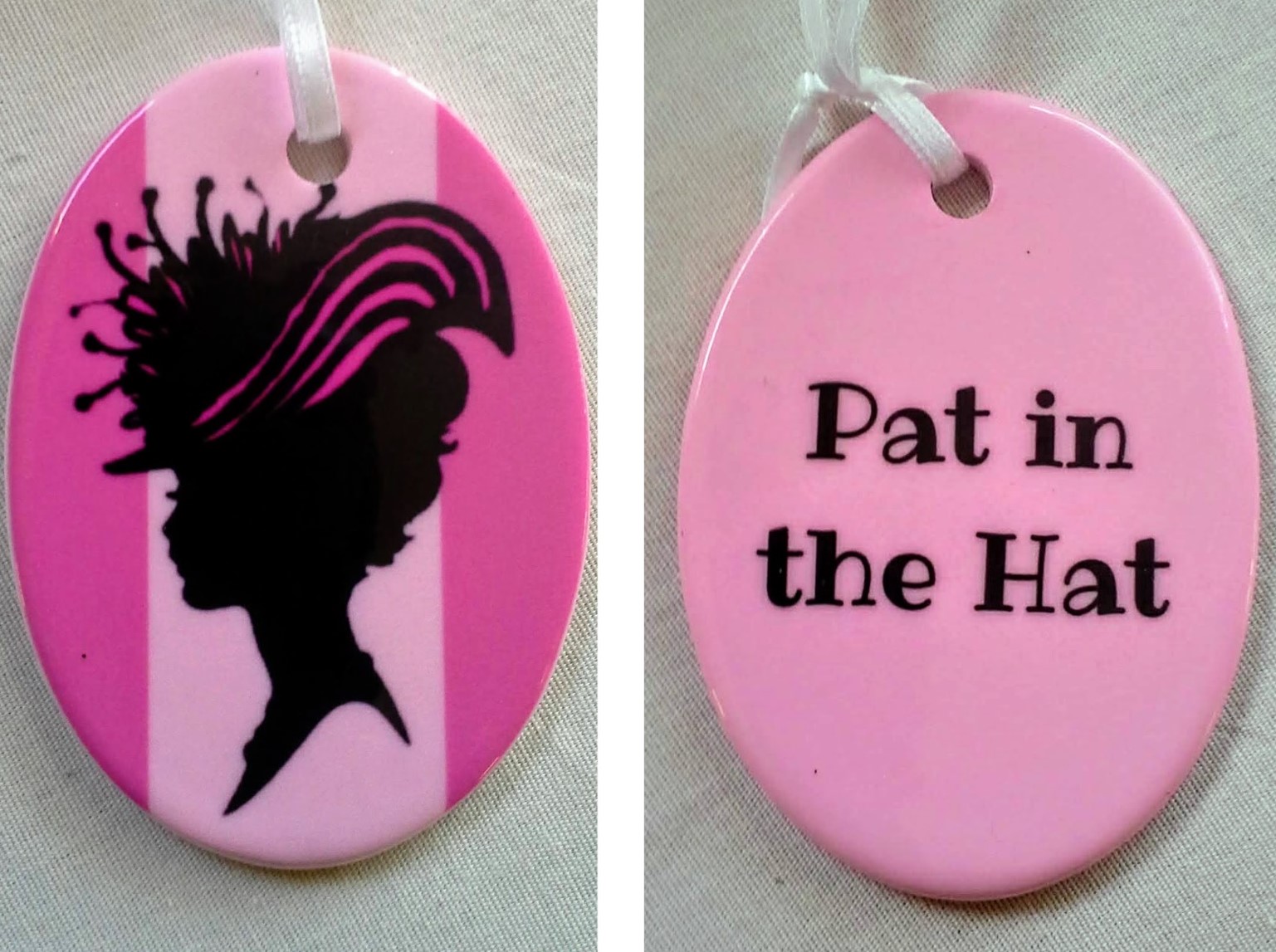
As if the wreath weren’t enough to satisfy my taste for blue yesterday, and since there was still time while the others finished their projects, I had to decorate a hat. (The folks around here call me Pat in the Hat for a reason!)

So, the day was a success. We not only ended up with several wreaths (and one hat) but we did what we intended, and raised some fun.

***

Pat Bertram is the author of Grief: The Inside Story – A Guide to Surviving the Loss of a Loved One. “Grief: The Inside Story is perfect and that is not hyperbole! It is exactly what folk who are grieving need to read.” –Leesa Healy, RN, GDAS GDAT, Emotional/Mental Health Therapist & Educator.

It All Matters

Some people take exception to the things I blog about, whether apples or tea, grief or gardening, writing or planning murder mystery games for local fundraisers. But whatever blog theme I choose to develop, it’s all life, and life matters.

Life can’t consist solely of immense and intense moments, such as love, dying, grief. Life is what we do and how we feel on a daily basis. Life is what we find important enough to disclose. Life is deadly serious, but it is also whim and whimsey — fanciful impulses and ideas. And life is, for a writer, a constant source of blog topics.

It’s a challenge for me to blog every day. Once, everything that happened to me was important — the death of my soulmate made it so. But now the only things that are important are the things I choose to spend my time on — making a home for myself, developing friendships, seeing beauty in the arid earth around me (rather than going in search of more majestic scenery).

When it comes time to blog, I think about something I did or thought or learned that day, and I try to show why it’s important to me, why you might want to know about it. Most people don’t want to know and don’t care, and that’s okay.

Because I care.

I care enough to choose my words carefully, to try to interject a bit of wit or whimsey when appropriate. I care enough to treat each blog with respect even if the topic borders on the inane.

I care because it’s life, and everything that makes up our lives is important for no other reason than because it is our life.

I’ve always wanted to live a life that matters, to do something significant, to learn something vital, to see beyond the trivial to something cosmic, but I’ve come to realize that it is not us that makes life matter; it is life that makes us matter (both literally and figuratively).

When I was dealing with the most angst-ridded part of my grief — learning to live without the one person who made my life worth living — I took heart from the words posted on the blog “Leesis Ponders”:

Life matters.
The search for self that blends into all matters.
The way we act towards others matters.

It’s taken me a long time to truly believe her words, but now I know. Life does matter. Whatever is important to us at any given moment — life, death, grief, growth, homes, writing, apples, tea, the significant experiences and the insignificant concerns — it all matters. It’s all worth blogging about.

***

Pat Bertram is the author of Grief: The Inside Story – A Guide to Surviving the Loss of a Loved One. “Grief: The Inside Story is perfect and that is not hyperbole! It is exactly what folk who are grieving need to read.” –Leesa Healy, RN, GDAS GDAT, Emotional/Mental Health Therapist & Educator.