Bizarre Day

I don’t know what got into me yesterday morning. I started out as I always do, just taking it easy, checking the weather, doing a puzzle, posting a blog.

Then out of nowhere, for no reason, I did a load of laundry. It’s not an onerous task by any means — it’s not as if I have to lug the stuff down to the river and beat the garments on the rocks to clean them — but my washing machine shakes and pounds during the spin cycles, and I can’t always deal with that awful noise. I could buy a new washer, of course, but that brings a whole new set of problems, mostly logistic, but still, not something I want to deal with right now.

Figuring I was inured to the noise, when that load was done, I stripped my bed and washed the linens and mattress pad. Oddly, the machine never made a sound. So when that was done, I did my last load of laundry just to get it out of the way.

Meantime, I emptied the dishwasher, rotated the mattress, cleaned house (dusted everything and dry mopped the floors), went down to the basement and changed the furnace filter. Then I packed up a book to mail, took it to the post office, ran a few more errands, and checked on a friend’s house for him while he’s out of town.

Utterly bizarre. I don’t usually do that much in a month!

The afternoon was a lazy one since I’d done everything that needed to be done, and besides, I was exhausted.

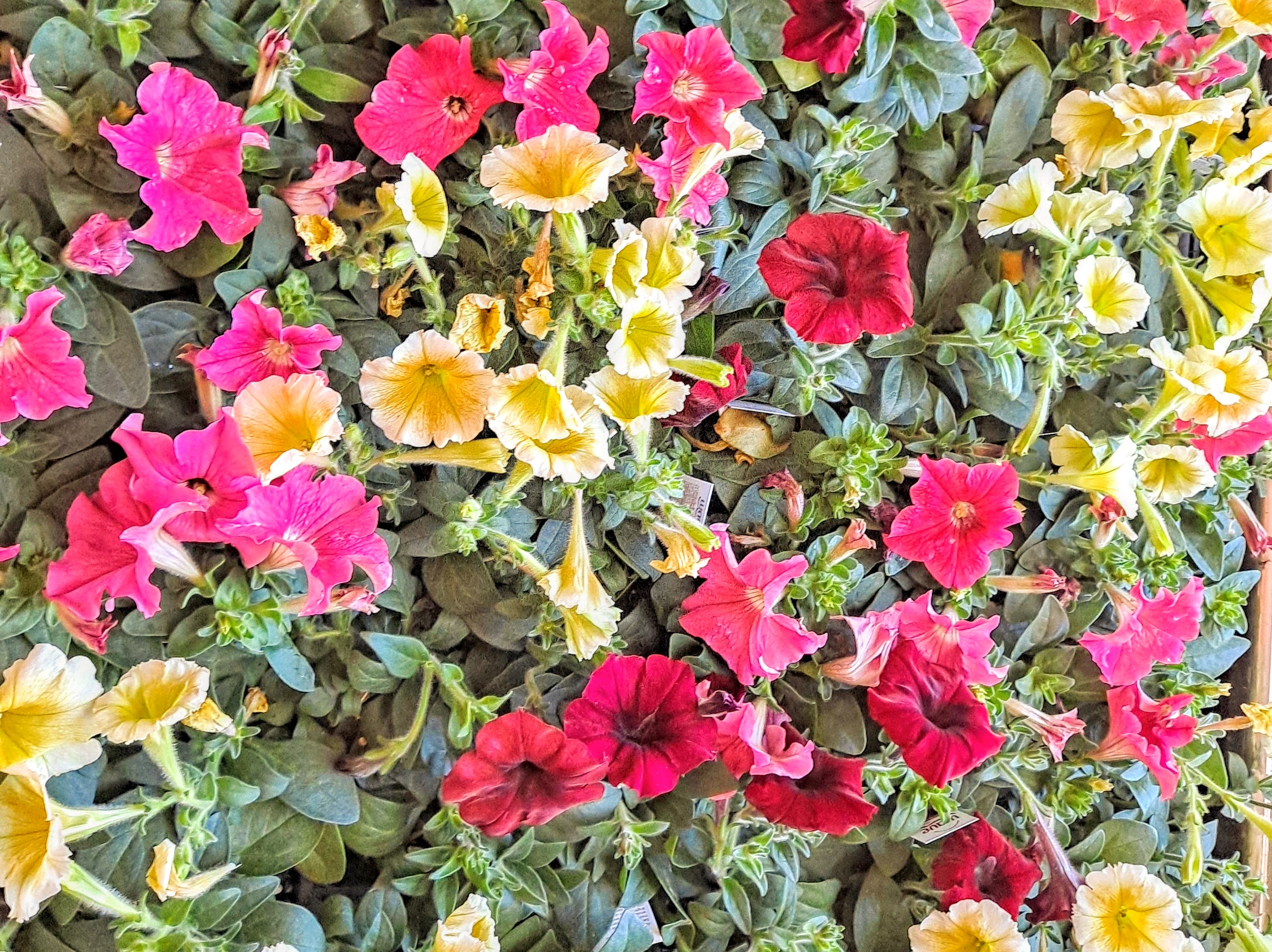
Today might be another lazy day. I don’t have to water, though I will go out and check on my newly planted petunias, and probably grab a few weeds while I’m out there. Then the rest of the day is wide open. I’m not sure what I will do with all that freedom. Just enjoy the clean house and pretty yard, I guess. Not a bad way to spend a day!

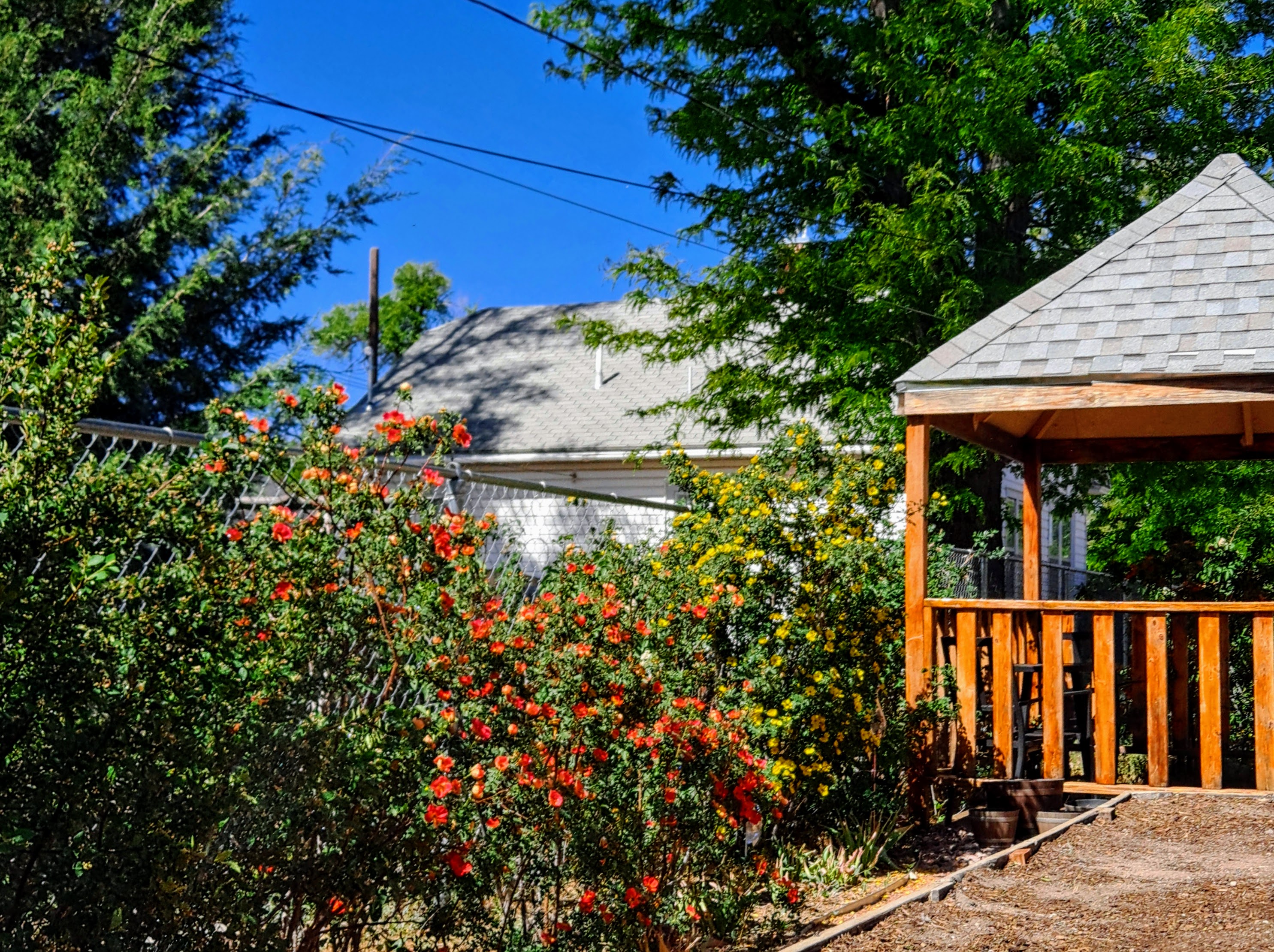
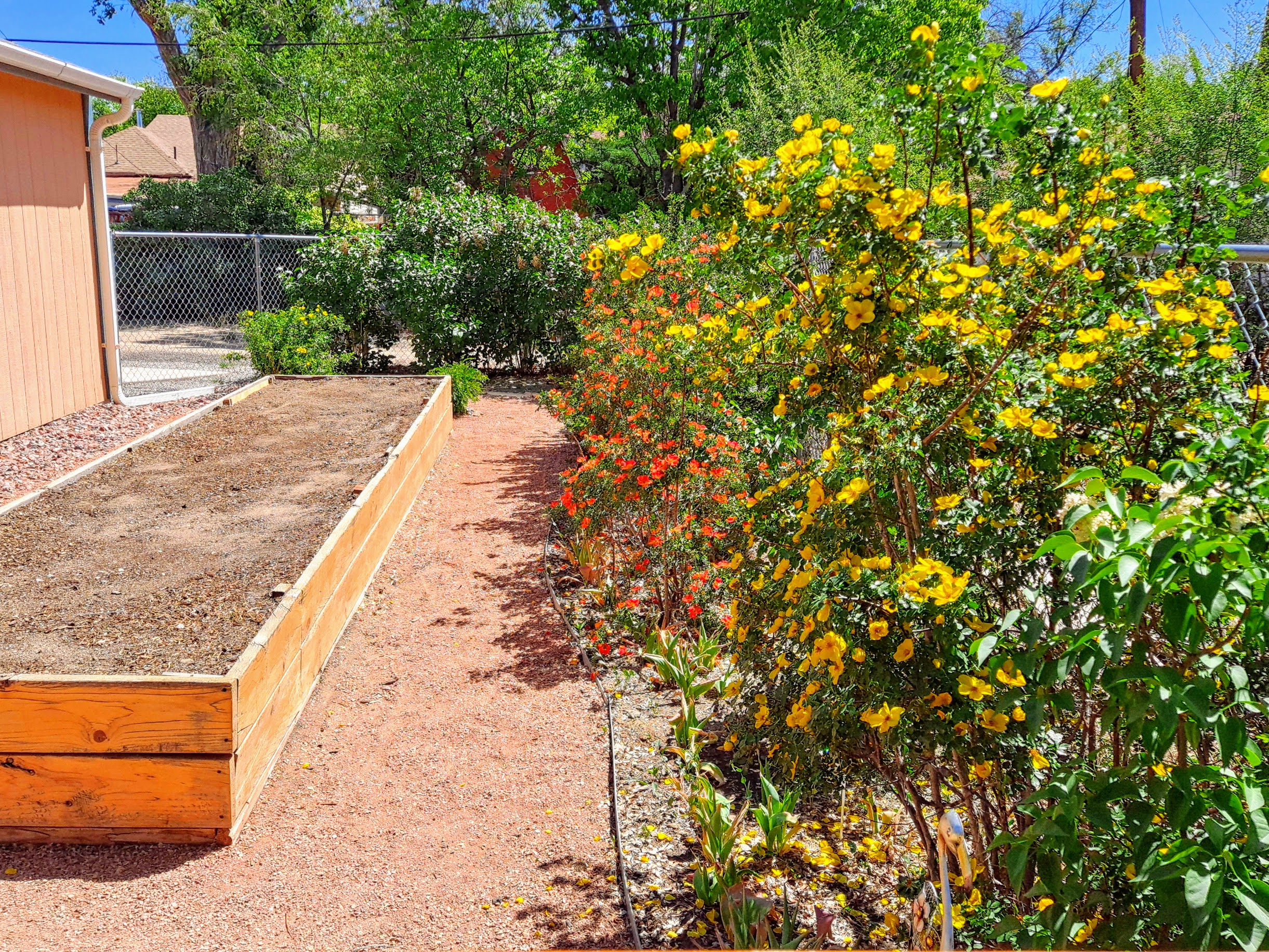
The photo below is what I see when I look out of a back window. Whenever I’m waiting for something to cook or boil or steep, I go to the window and just marvel at the beauty.

***

Pat Bertram is the author of Grief: The Inside Story – A Guide to Surviving the Loss of a Loved One
Minimalist Living

Daily writing prompt
What are the biggest benefits of minimalist living?

I had no idea “minimalist living” was a thing. A simple Google search showed me hundreds of articles about how to become a minimalist, including a lifestyle guide to minimalist living, a complete beginner’s guide to minimalism, ways to start living a minimalist lifestyle, how to ease into a minimalist lifestyle, how to convert your family to a minimalist lifestyle. And on. And on. And on.

Weird. Who knew you had to learn to live a minimalist lifestyle? It’s probably the simplest thing imaginable. You just live . . . minimally.

The truth is, I’ve been living a minimalist lifestyle my whole life, but I don’t call it that. I call it not buying things I didn’t need. I call it living debt-free, not buying anything I can’t afford right now. (My thought has always been that if I can’t afford it today, why would I suddenly be able to afford it when the bill came due? More than that, though, I’ve always had a fear of being in debt. Perhaps I read too many books about owing money to gangsters in my youth.)

I call my minimalist lifestyle “using, reusing, using up.” I call it not wasting anything, especially not food. (How do people live with themselves when they throw away perfectly good food because they don’t like leftovers? I don’t eat leftovers either. At least not by that word. I call any uneaten food a pre-cooked meal or tomorrow’s fuss-free lunch.)

I know one thing minimalism isn’t — following someone else’s guide to minimalism.

I have way more stuff than the minimalism gurus suggest, but a lot of that was hand-me-downs, such as my furniture. Instead of doing nothing in a relative’s storage unit, I get the use of those lovely items. (According to him, it’s my furniture now. I guess he was minimalizing his life by maximizing mine!) A lot of other stuff I own is left from the retail business Jeff and I used to run, though gradually, I’m finding people to dump the stuff on. (Oops. I mean finding people to donate it to.) All my extraneous stuff is neatly packed away on shelves in my garage, so it’s not in the way. Since I don’t like things on the walls in my house, my finished paint-by-number pictures and other “artwork” decorate my garage. And if I get something new, such as a gift, I get rid of something old. It doesn’t reduce what I own, but it keeps me from becoming a hoarder.

To me, minimalism isn’t so much about what I own but what I do. I try to do only one thing at a time. Not only that, I am truly a minimalist when it comes to letting — or rather not letting — the world intrude on my life.  I don’t listen to music while I do chores or whatever. Actually, though I am loath to admit it, I don’t listen to music at all because, to my tin ear, it’s all just noise. Besides, I hate having snatches of songs stuck in my head. I prefer silence. I don’t watch television, either, and when I’m on the computer, I have the volume turned off.

So what are the benefits of my minimalist style of living? Well, no debt, for one. (The typical U.S. household is carrying about $105,000 in debt. Yikes. How do people do that? Doesn’t it make them crazy to owe that much?) My income is also minimalist, but it’s not a problem because my minimalist lifestyle is one I can afford. At least for now. Since I’ve kept the same vehicle for the past fifty-four years, I don’t have to deal with a car payment, and since my driving is minimal, I don’t spend much on gas. (In fact, for me, gas is always the same price — I put in twenty-dollars’ worth each time I get gas, and that’s that.)

Other benefits — less stress since I don’t have to worry about paying off a debt. Peace of mind because I try to keep my mind as uncluttered as the rest of my life. A feeling of lightness since having too many possessions weighs me down. An ability to enjoy the small pleasures of life, such as flowers in my garden, since I haven’t straightjacketed myself into a hectic routine.

I can’t imagine living an opulent life (or whatever the opposite of a minimalist life would be). This minimalism is so ingrained in me that, to me, it’s just life.

***

Pat Bertram is the author of Grief: The Inside Story – A Guide to Surviving the Loss of a Loved One

My Ideal Life

Daily writing prompt
If you had to describe your ideal life, what would it look like?

If I had to describe my ideal life today, it would actually look like my life today, but that description has changed over the years.

If I had to describe my ideal life when I was a child, it would have been no chores and time to read all I wanted. And dessert after every meal.

If I had to describe my ideal life when I was a young adult, it would probably have been a job I loved that paid me a ton of money so that I could save enough to quit my job and read all I want. And yes, dessert after dinner.

In my middle years, my ideal life would have been how things were when Jeff was doing well — playing games together, working together, and making enough to get by. Ideally, we would have made enough not to have had to worry about neither of us working when he wasn’t doing well. Still, during those intervals, I had plenty of time to read, though not always money for dessert every evening.

Now, that I have grown up (actually more than grown up — I’ve almost grown to the stage of spoilage), and now that I have realigned my life after losing Jeff, my parents and my older brother, I can’t imagine any life other than the one I have. And rightly so. For me, it’s . . . ideal. Truly.

For example, this morning, after my stretching exercises, I went outside and mowed the lawn. I talked to one neighbor who crossed the street to chat, saw another neighbor out walking, and she stopped to chat. I watered the petunias I’d purchased yesterday morning and planted yesterday afternoon, then wandered around my yard, marveling at being able to live in such a fairytale environment.

Admittedly, the yard does take work, but right now, it’s easy enough to make the effort. Besides, the work I did today wasn’t work so much as an excuse to be outside in the clement weather, especially after the past two days of inclement weather.

Although I have time to read, I’ve run out of books I want to read, have no interest in scouring the shelves of the local library for more books I have no interest in reading, so I’ve been rereading the few books in my own library. And that dessert after every meal? I could have it of course, but then there’s the issue of my being smart enough not to indulge. But those “ideals” were left over from my childhood, so doing without isn’t an issue. Other things take their place. Blogging. Solving pencil puzzles. Painting by number. Gardening. Sometimes even visits with friends, whether impromptu or planned.

Best of all, I know that this is an ideal life. Since I’m in the aforementioned state of spoilage, I have no idea how long this particular phase of my life will last, though I tend to think that whatever happens, since I’m in the habit of being grateful for whatever life I have, I’ll find that an ideal life, too. Eventually, anyway. And if not, well, that life is in the future, and the future is up for grabs.

But I do know what today is like since I’m living it, and for me, it is the ideal life.

***

Pat Bertram is the author of Grief: The Inside Story – A Guide to Surviving the Loss of a Loved One

Frozen Moment

Daily writing prompt
What’s a moment you wish you could freeze and live in forever?

What’s a moment you wish you could freeze and live in forever? What a question! There’s nothing I like enough to see or feel or taste or experience forever. Sounds like a hell to me.

It makes me wonder, though — if we were locked into a single moment, would we even notice? I mean, when you think about it, we live in our minds, in our memories. The only thing that distinguishes one moment from another is the memory of what has gone before and the forward memory of what will come after (because except in rare cases of accidents and instantaneous body breakdowns, we can almost be assured that the moment after this one will be almost identical to this one). Without a memory of the past and without a forward “memory” of what is to come, the isolated moment we’d live in might as well be frozen forever because we wouldn’t know the difference.

It is interesting to think how the moment preceding this one and the moment following are almost identical except perhaps for an indiscernible change, and yet those indiscernible changes add up to be significant changes over time.

If I were to expand the question from a moment to longer period of time that I absolutely had to freeze and live in forever, I imagine a couple of mornings ago before winter returned would be as good as any. It was perfect weather: not too warm, not too cool, no wind. The flowers were blooming cheerily, the greenery jewel bright. I was feeling good — no aches or pains — and able to bend to pick weeds without any trouble. The neighborhood was quiet, no loud noises — just the crunch of gravel beneath my feet and the sound of an indrawn breath or two when I did too much weed-pulling. I was living totally in the moment — or rather, in that series of moments — with no thoughts of anything but me in my garden. Me as part of the garden.

Sounds lovely, doesn’t it? Always to be pain-free, always in perfect weather, never hungry or thirsty.

But even perfection palls. I could have been outside longer than I was, but I got thirsty, tired, even (dare I say it?) bored.

Of course, in that frozen forever time, none of those hampering sensations would have happened, but still, stasis is never a desirable objective. We are dynamic beings, always on the move, even if we are frozen in place. The earth hurtles around the sun at 67,000 mph. The sun hurtles around the galaxy at 140 miles per second. The entire universe is also moving and expanding, so from one second to the next we are in a completely different place with a possibility of different factors.

And so things change, will I, nill I.

Still, I do have to admit, that was a lovely morning, frozen in memory if not in time.

***

Pat Bertram is the author of Grief: The Inside Story – A Guide to Surviving the Loss of a Loved One

Garden Stroll Part Two

I’ve been posting more this year about what’s growing in my yard because . . . well, because this year there’s more growing in my yard. So, come stroll with me, and I’ll show you some of what is giving me so much pleasure.

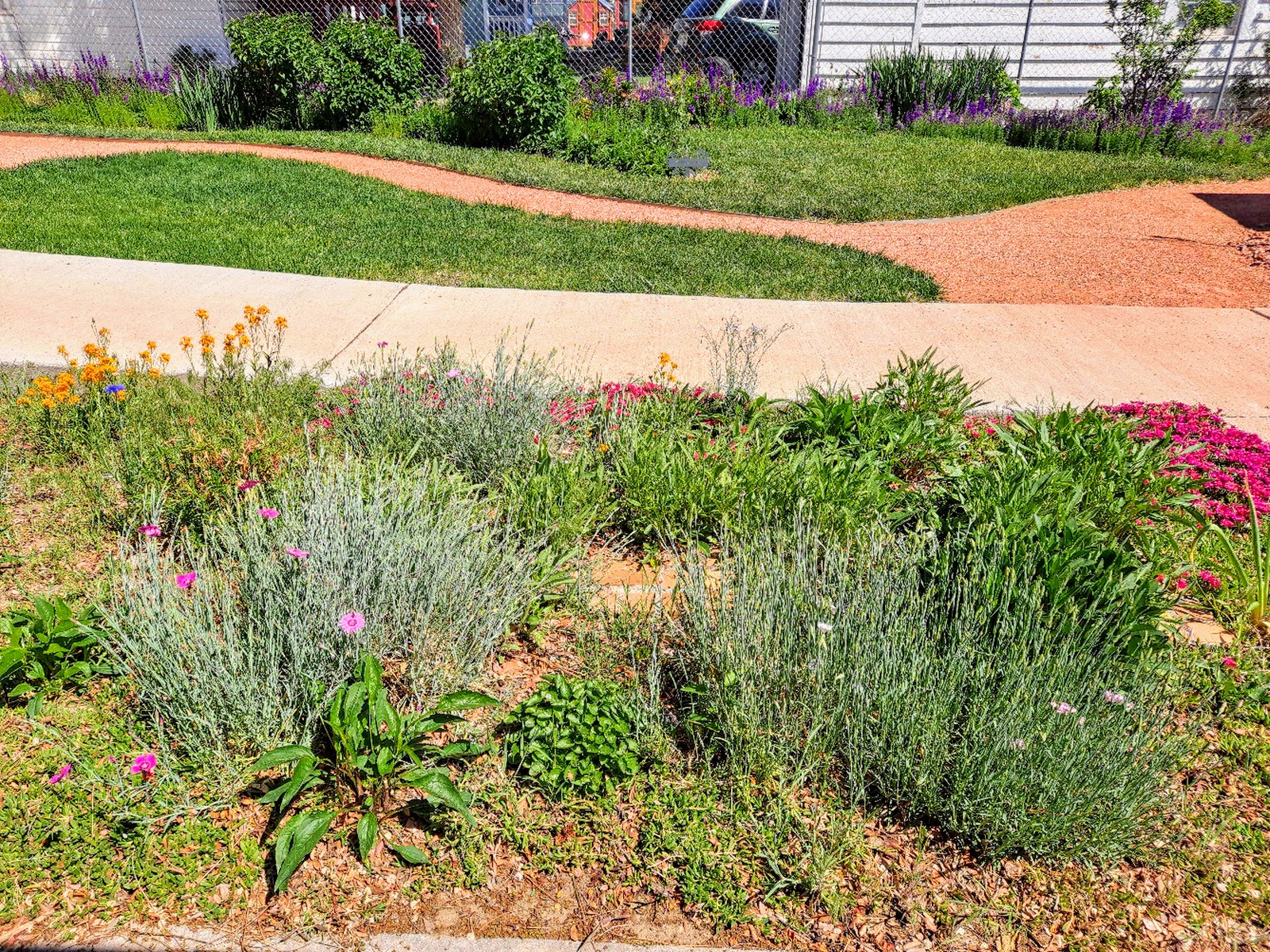
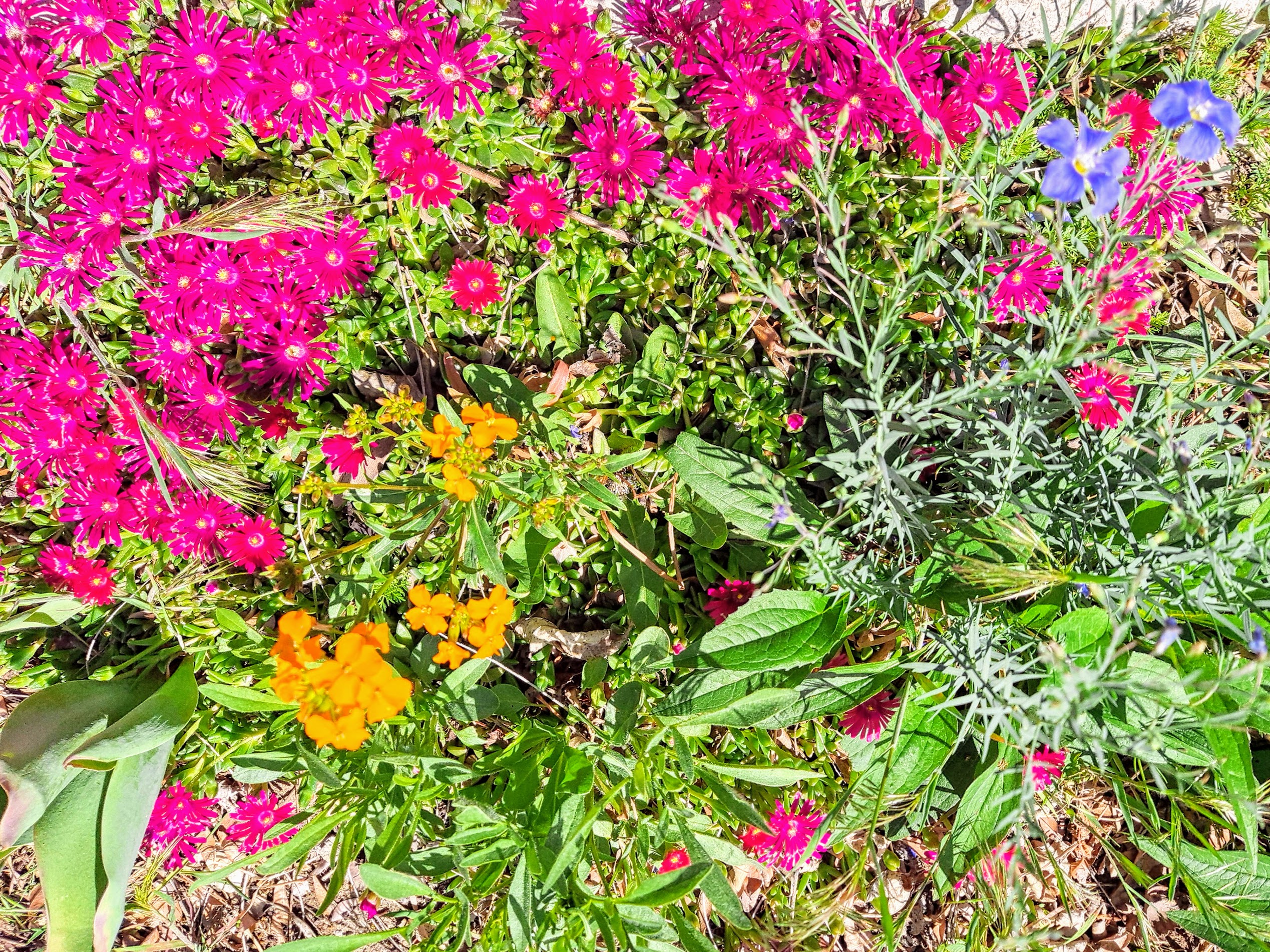
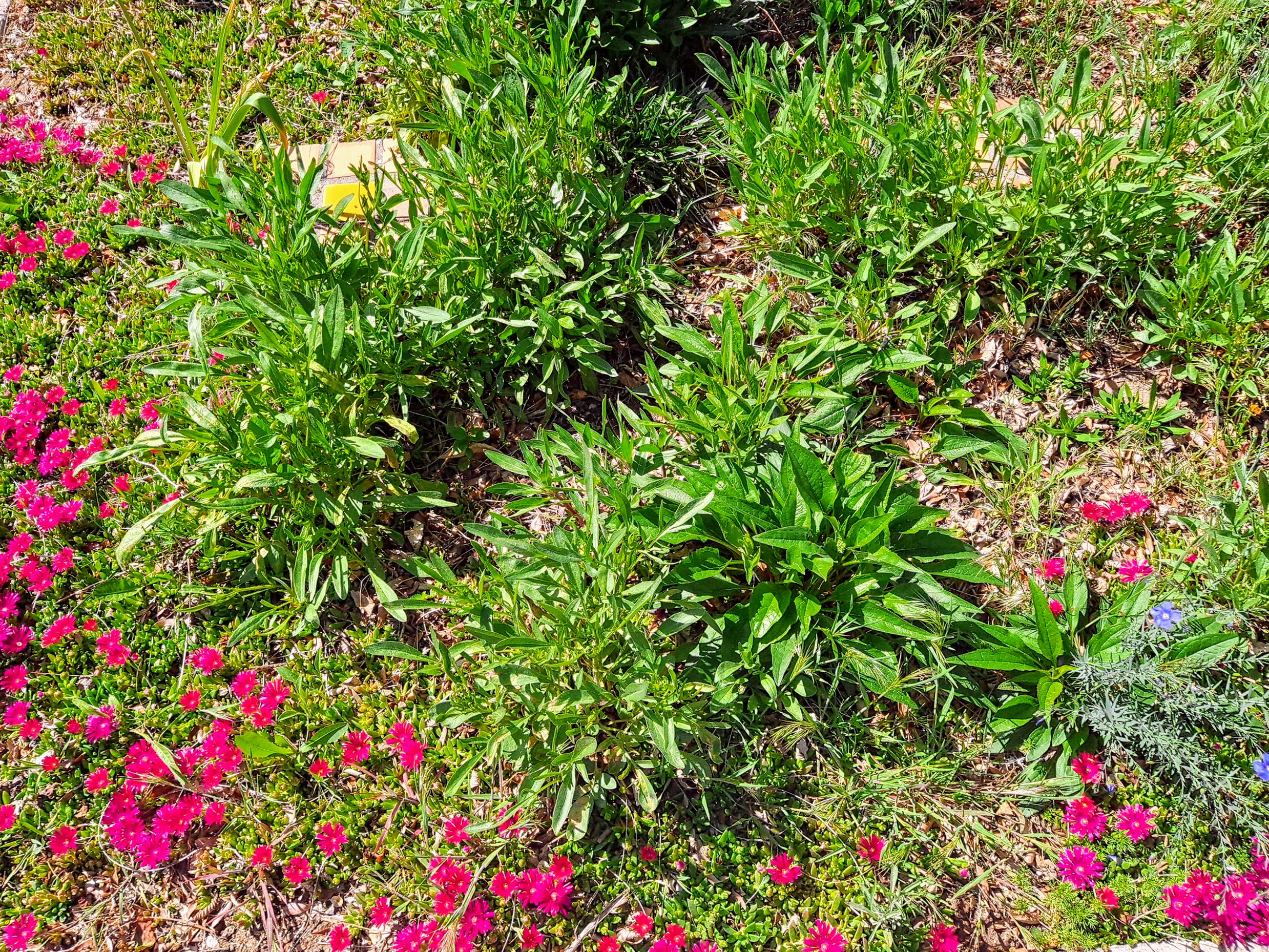
In the very middle of the above photo, is a pretty blend of colors — pink ice plant, blue flax, orange wallflower. And lots of green!

Come summer, these plants will bloom with purple magus echinacea, yellow coreopsis, daisies, and cottage pinks, but for now, I’m enjoying those healthy-looking plants.

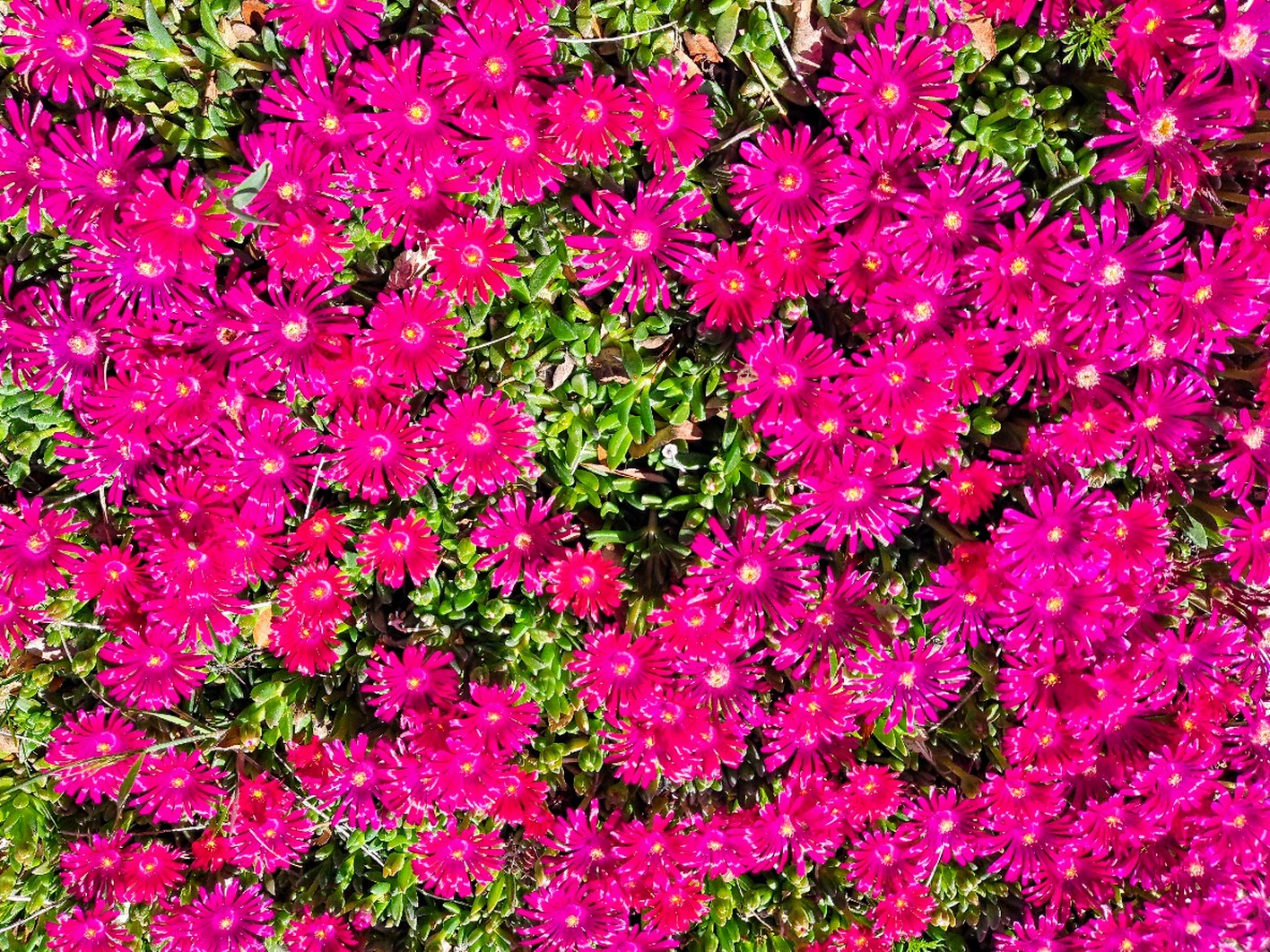
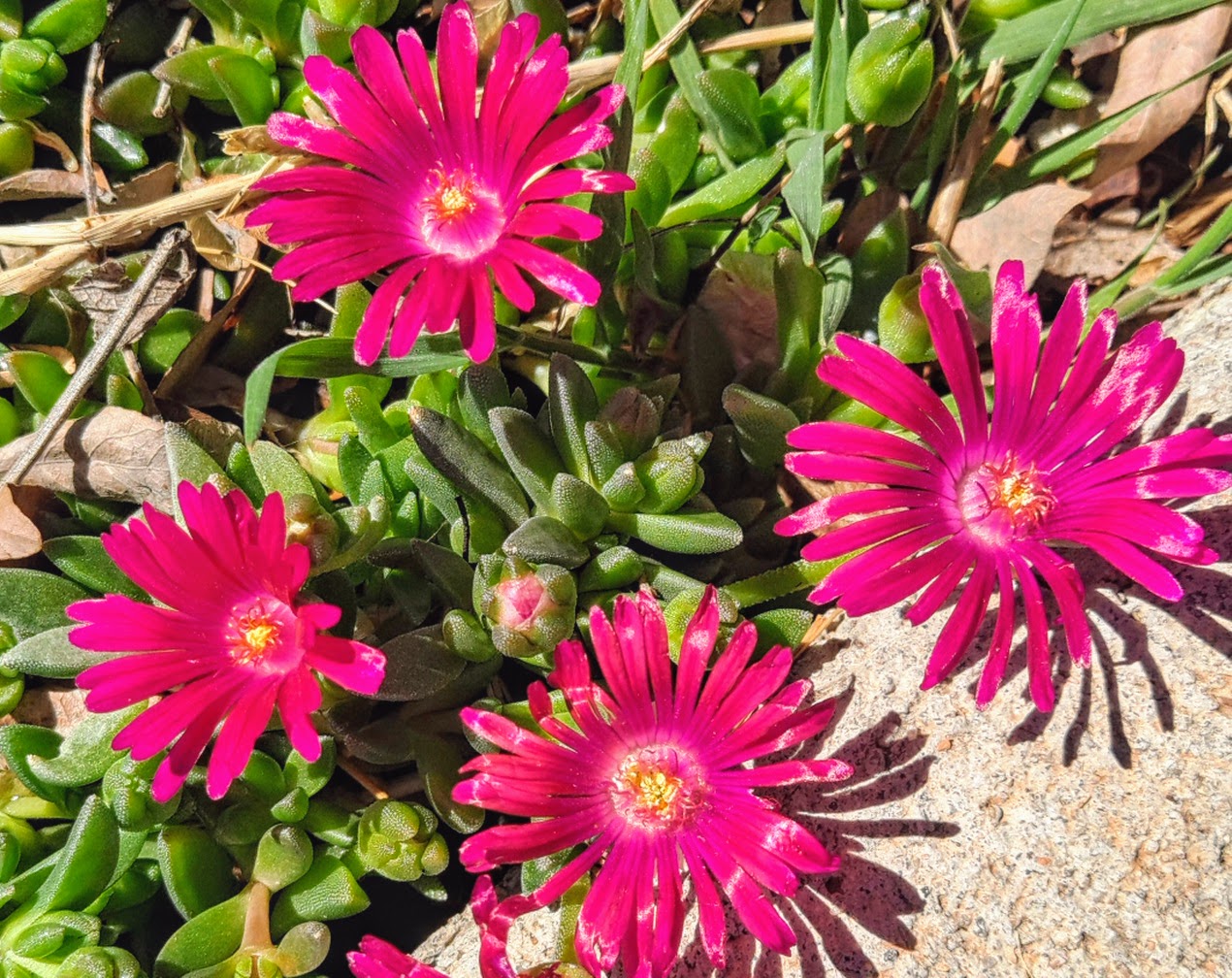
In the middle far left of that same top photo, is a splash of pink ice plant. The picture doesn’t do it justice — as you can see, the ice plant forms a solid mat of gorgeous blooms. (All of that from two plants I bought a few years ago!)

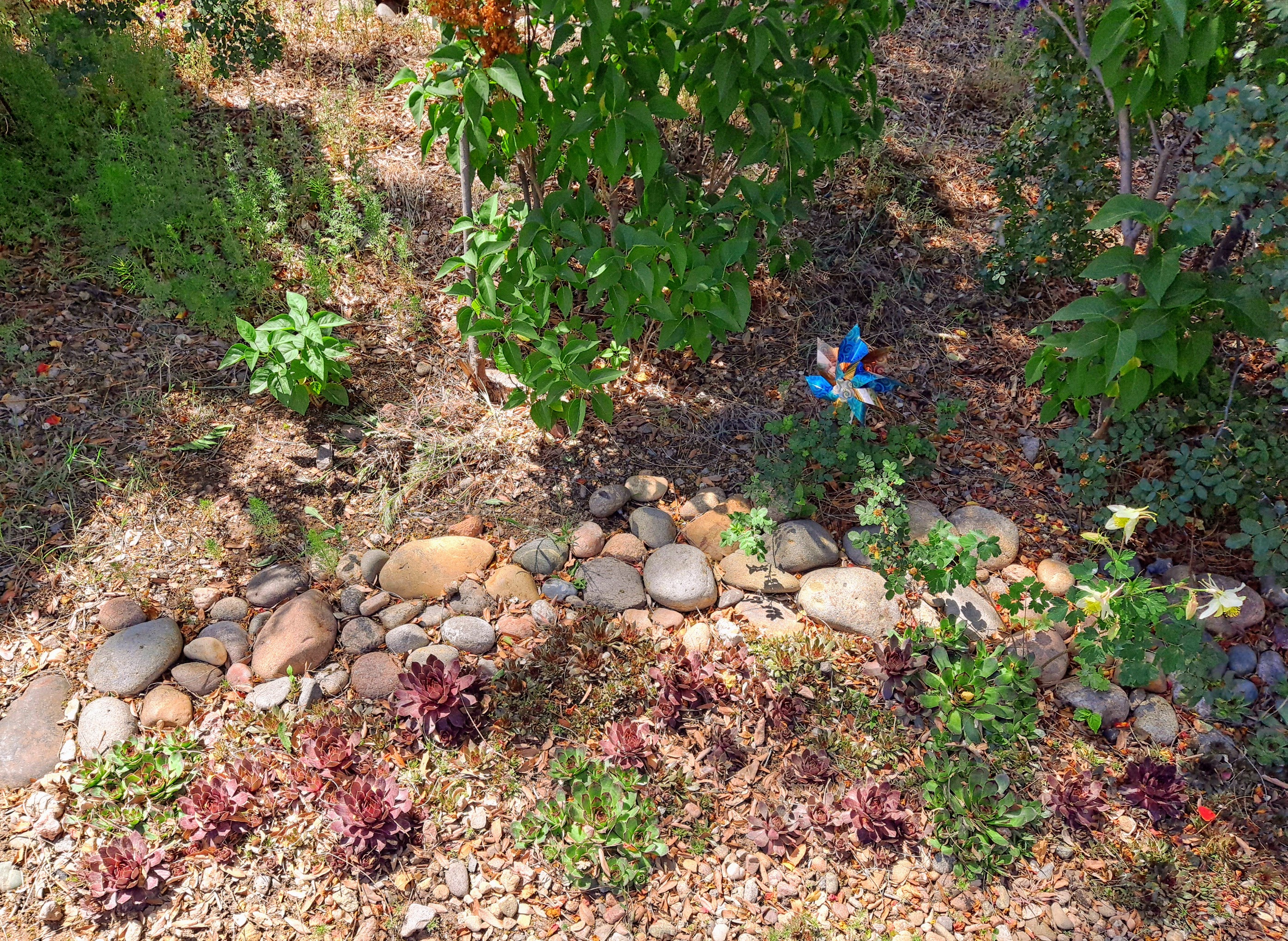
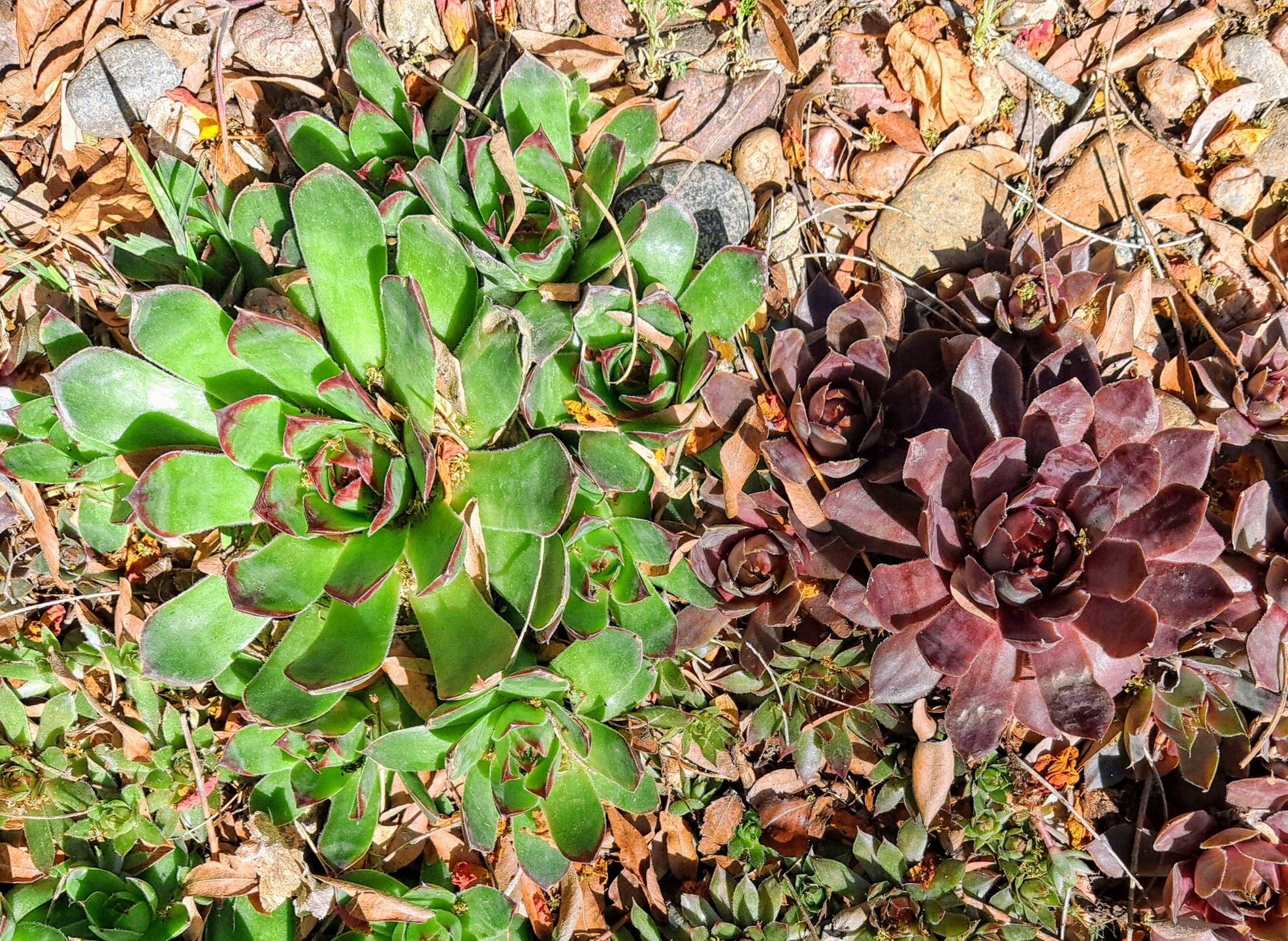
Behind me, as I’m standing taking these photos, is my hens and chicks garden.

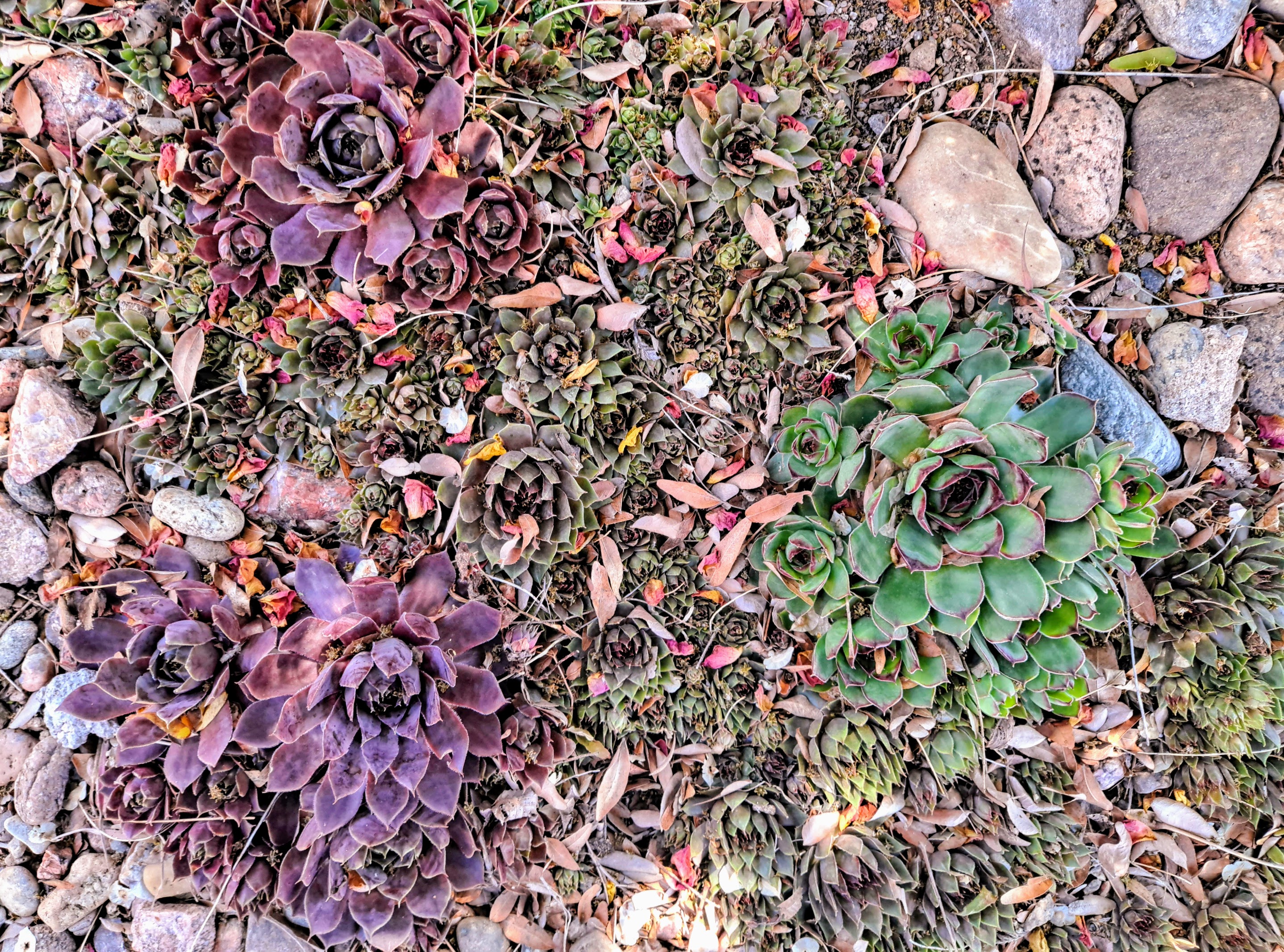
It’s hard to see the detail because some of the plants seem to blend with the ground, but as you can (maybe) see, there are three colors of succulent: purple, bright green, and dull green. The entire garden of hen and chicks came from five dull green plants, two bright green and one purple.

One of the many miracles of gardening is how you can get many plants from one.

Yesterday, I’d planned to get the petunias and other plants I need for my containers and to fill out empty spots in the garden areas, but there’s a chance for a freeze in the next few days, so I’m playing it safe. But still, there’s plenty to show off on this garden stroll. Thank you for walking with me!

***

Pat Bertram is the author of Grief: The Inside Story – A Guide to Surviving the Loss of a Loved One

 

Garden Stroll

With so much the contention in the world right now, we all need a little peace in our lives, so come stroll with me and I’ll show you my garden. That garden, in itself, brings peace — at least to me — so I’m especially lucky that things are growing well this year.

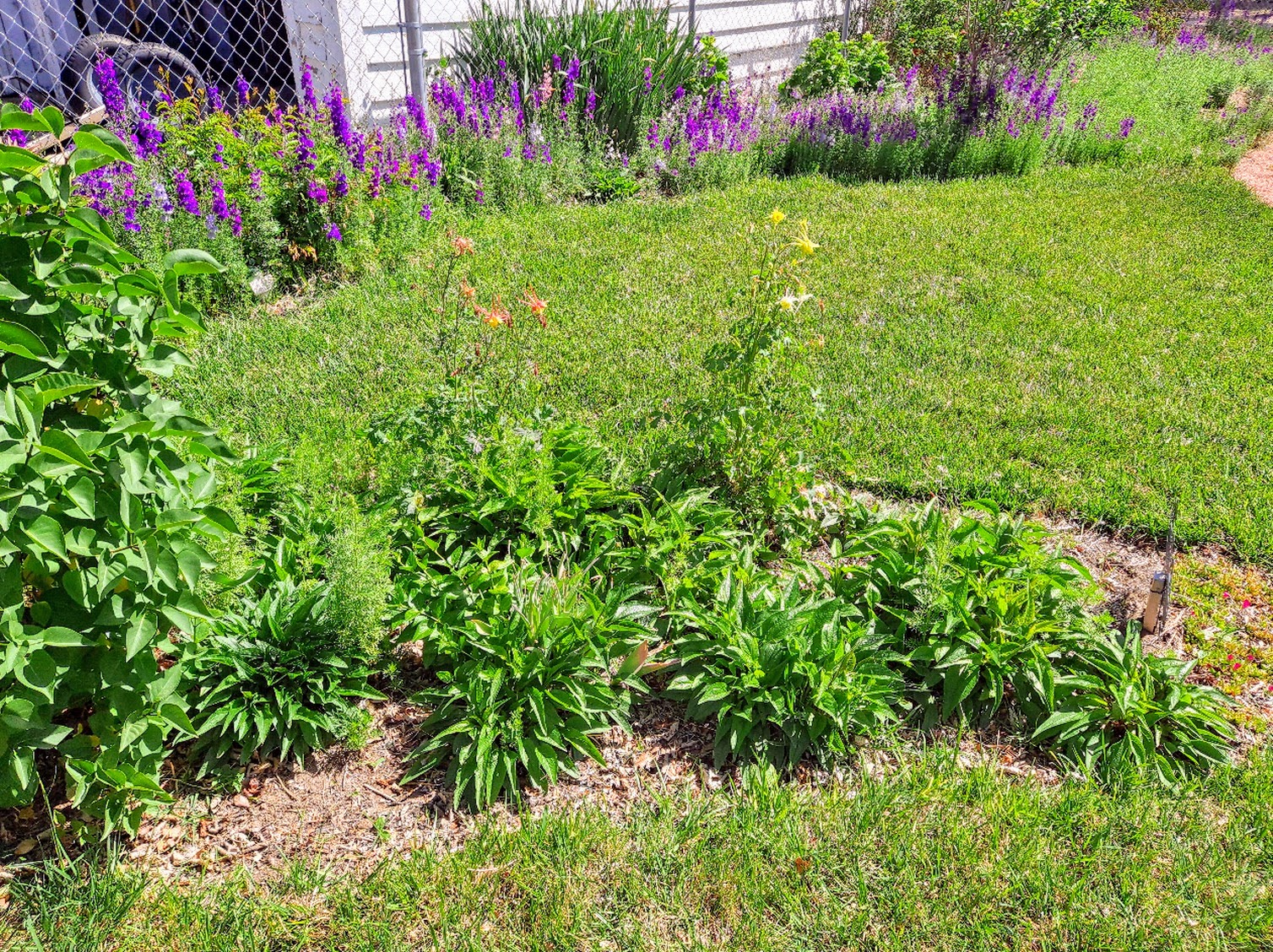
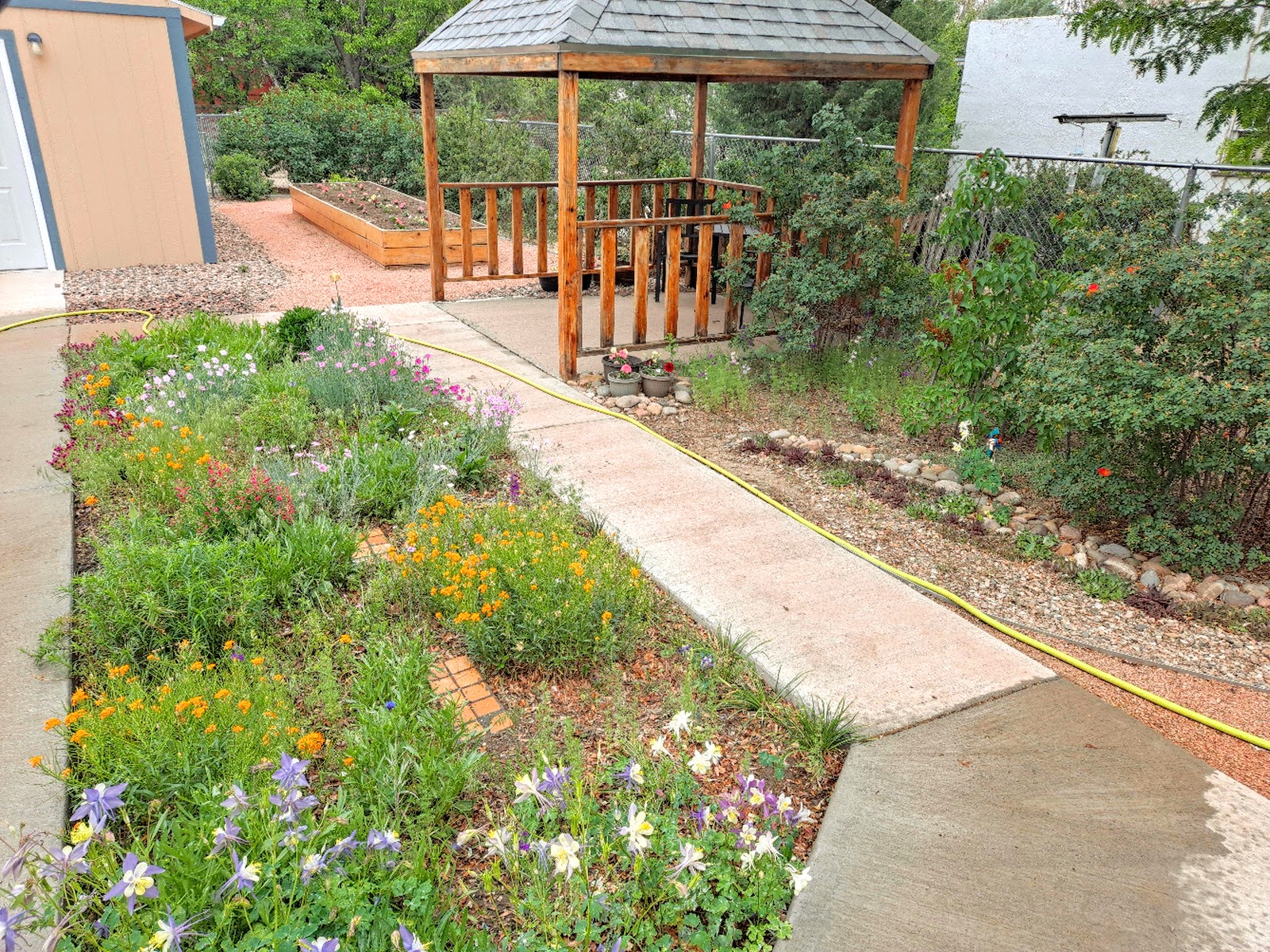
Walk down the path, almost to the garage, you will find this lovely pastoral scene hiding behind the greenery.

I have no idea why the garden is so lovely this year. Winter was warmer but also drier, so those two conditions should have cancelled each other out, but instead, what I have is a lush springtime yard.

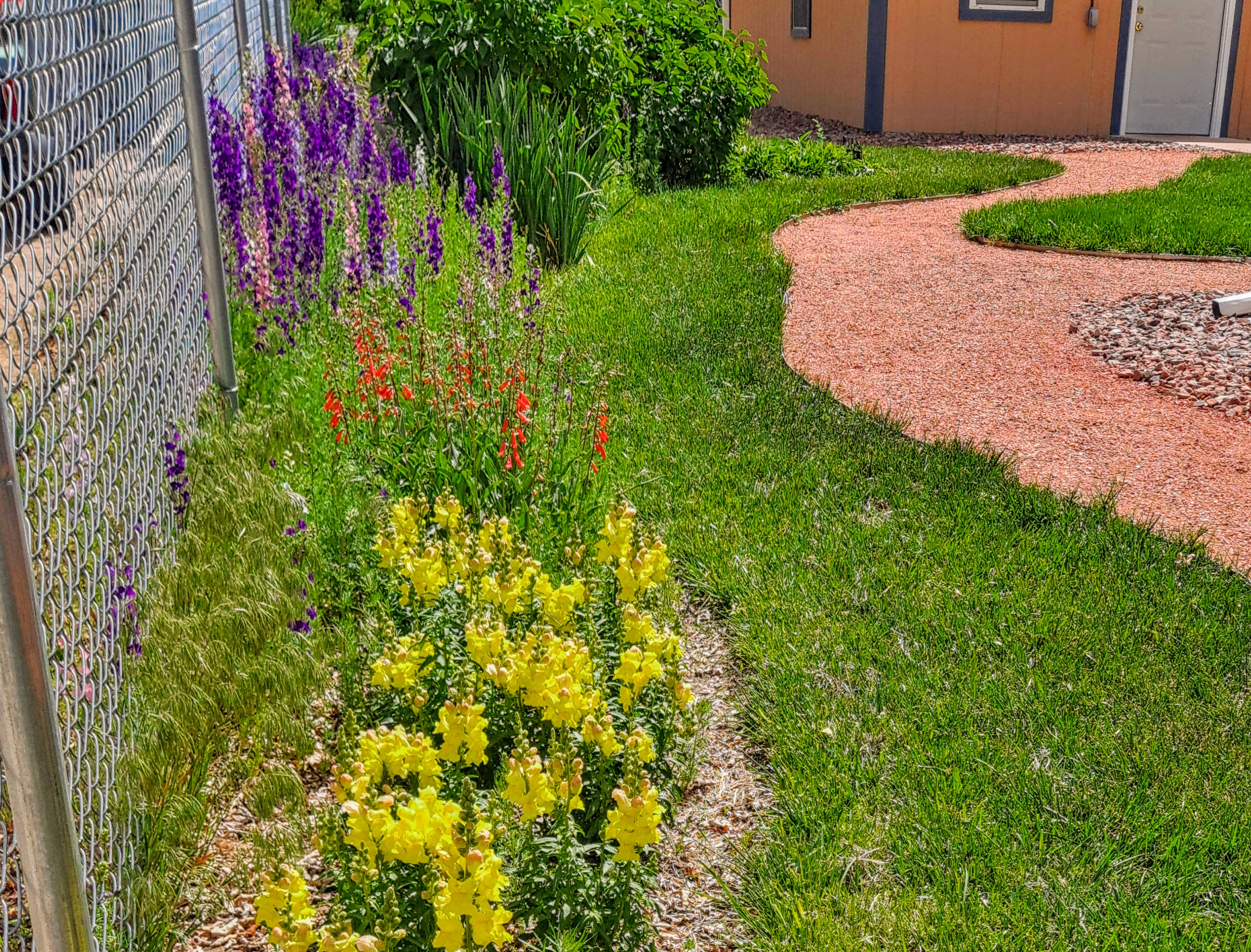
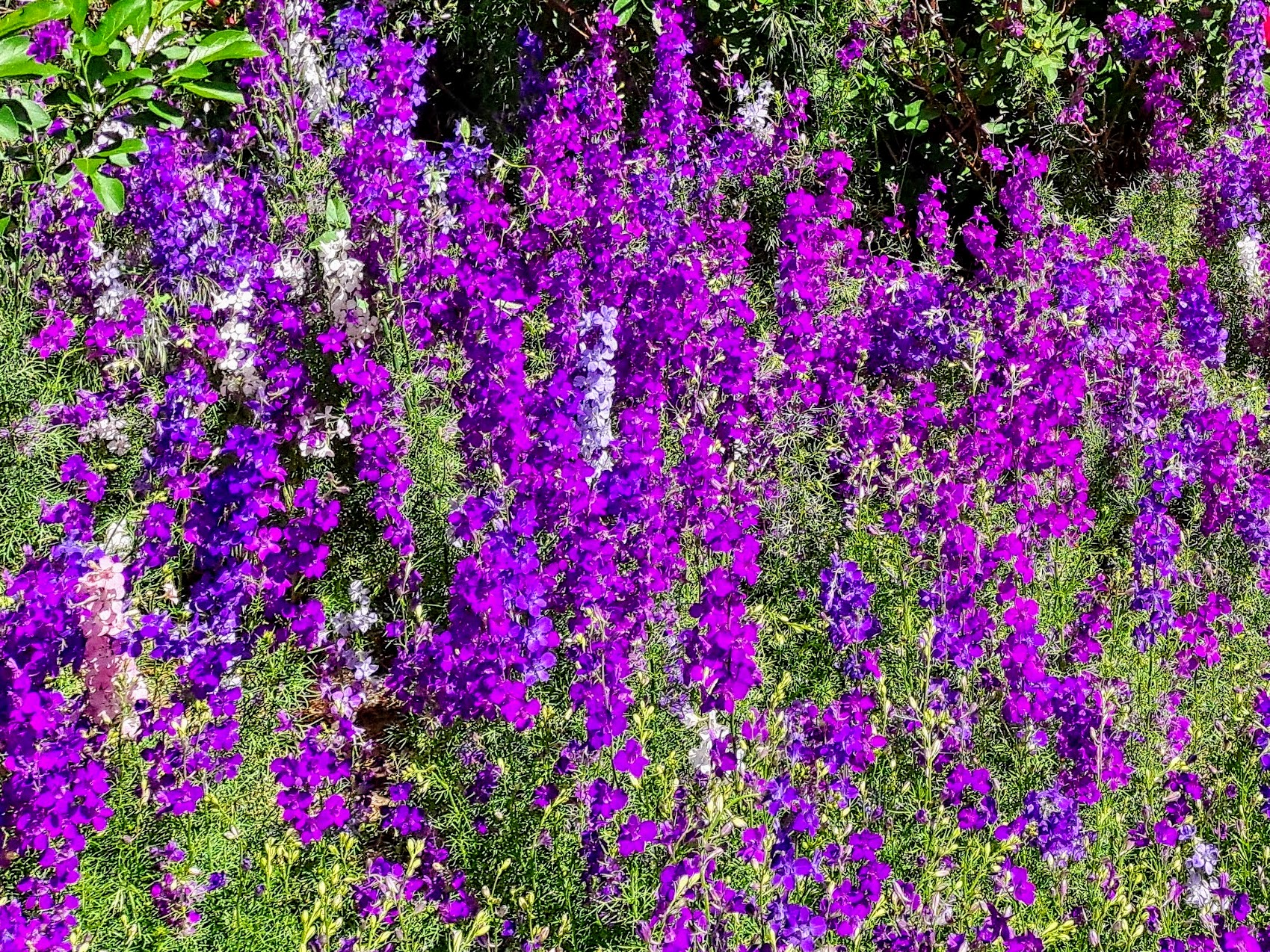
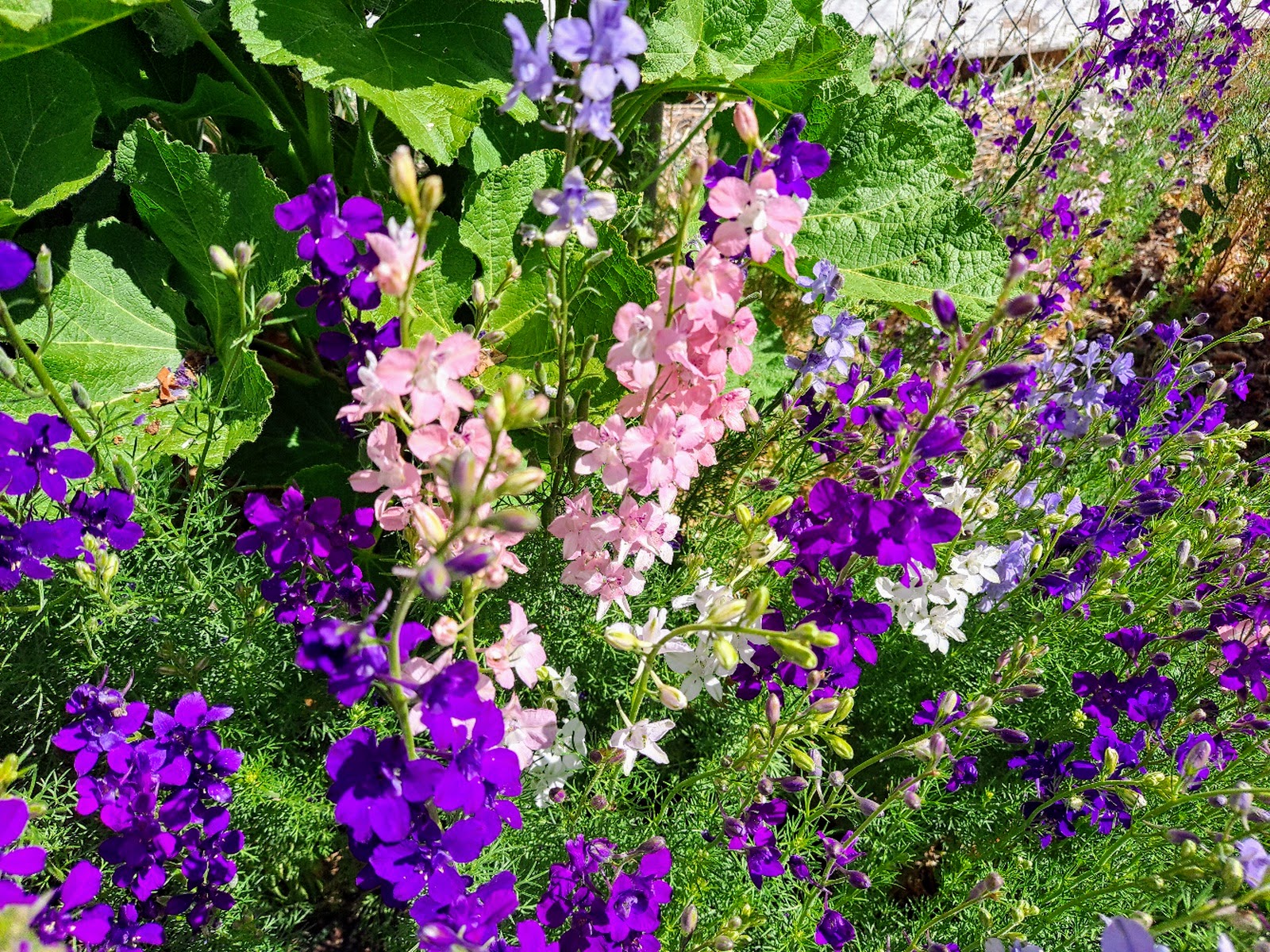
The larkspur, seen along the fence in the two top photos, are growing well, though that’s not a surprise. Larkspur does exceptionally well in this climate, and always I am glad to see the frilly foliage. More than even a robin, larkspur herald spring. It’s interesting that although I started out with only purple larkspur, each year, more colors bloom.

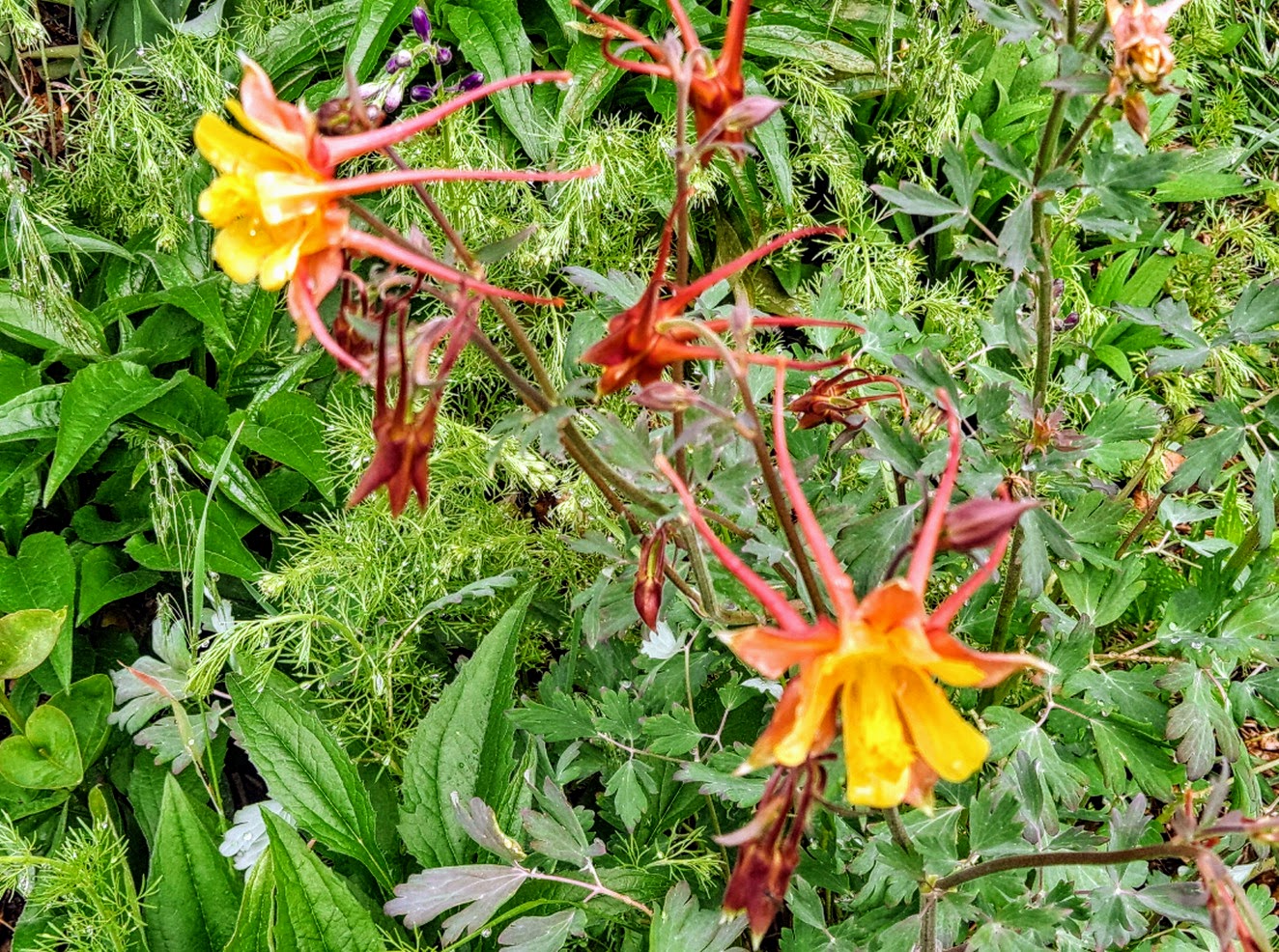
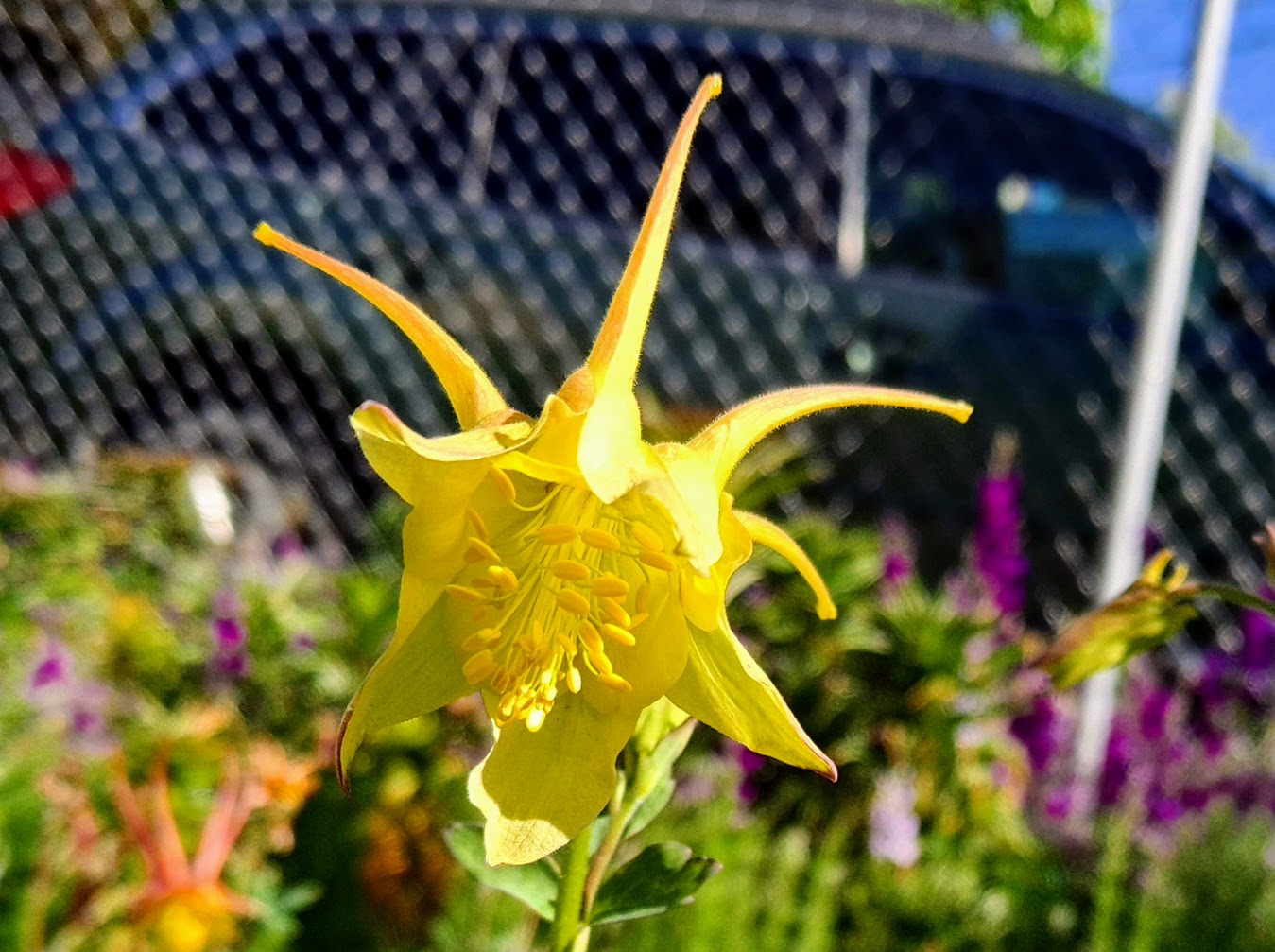
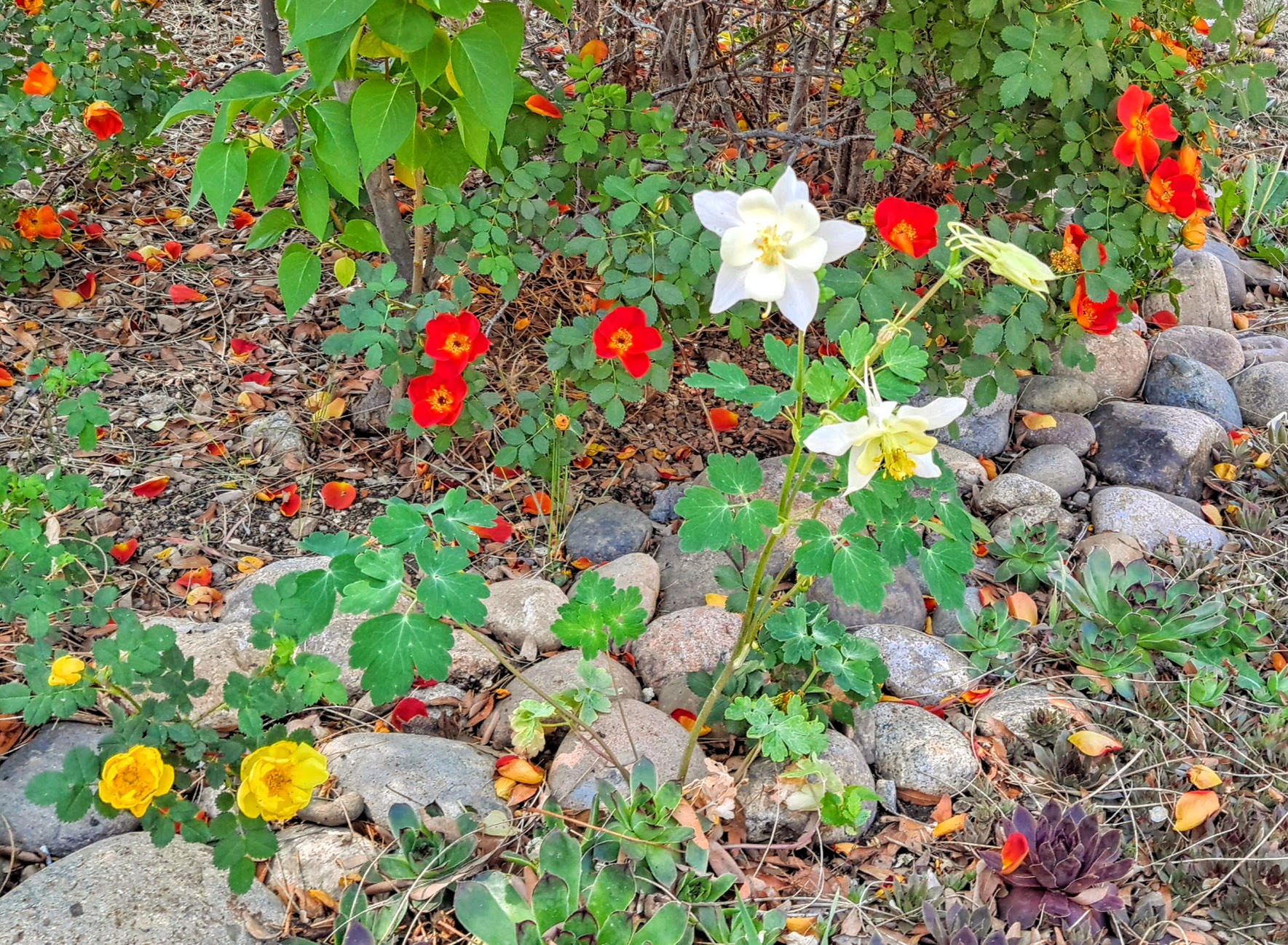
In the forefront of the pastoral photo (second from the top) is a yellow columbine. Oddly, there are also white columbines on that same plant. But that’s no problem. Any columbine is welcome!

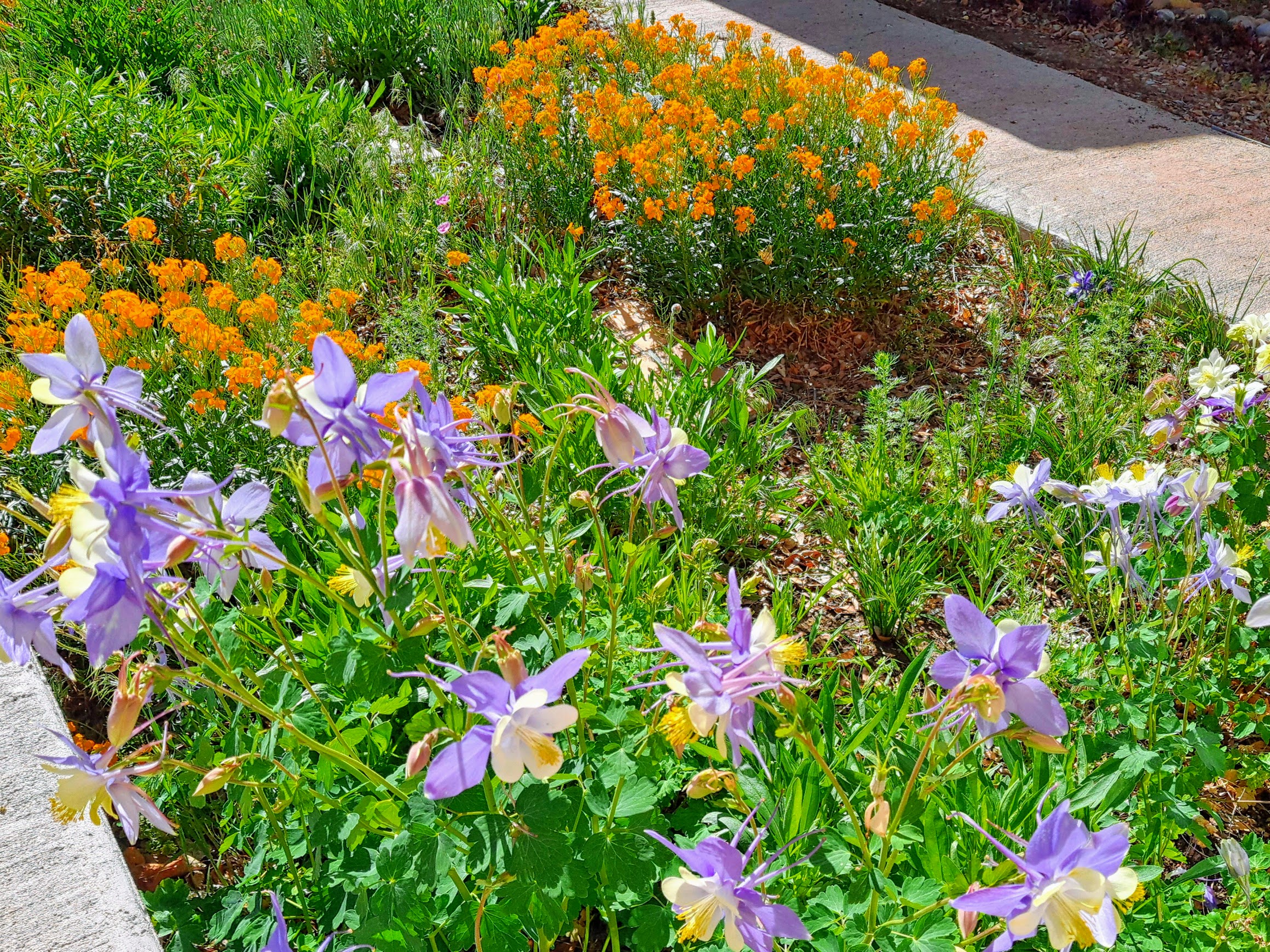
Truly, the columbines are prolific and gorgeous this year. The orange wallflowers in the background of the following photo are hanging around longer than they normally do, which is a thrill for me because that sunrise color sure brightens the day!

I could post more photos, but I don’t want to overwhelm anyone (or tire you out with such a strenuous walk), so I’ll continue this garden stroll tomorrow.

***

Pat Bertram is the author of Grief: The Inside Story – A Guide to Surviving the Loss of a Loved One


Warm Flowers for Cool Days

It’s a dark and chilly day here. Grey clouds laden with moisture hang overhead but not a single raindrop falls. This seems like the perfect time to post a few flower photos from the warm end of the spectrum. I doubt they will do anything to brighten the day outside, but they will certainly brighten my day inside where it counts.

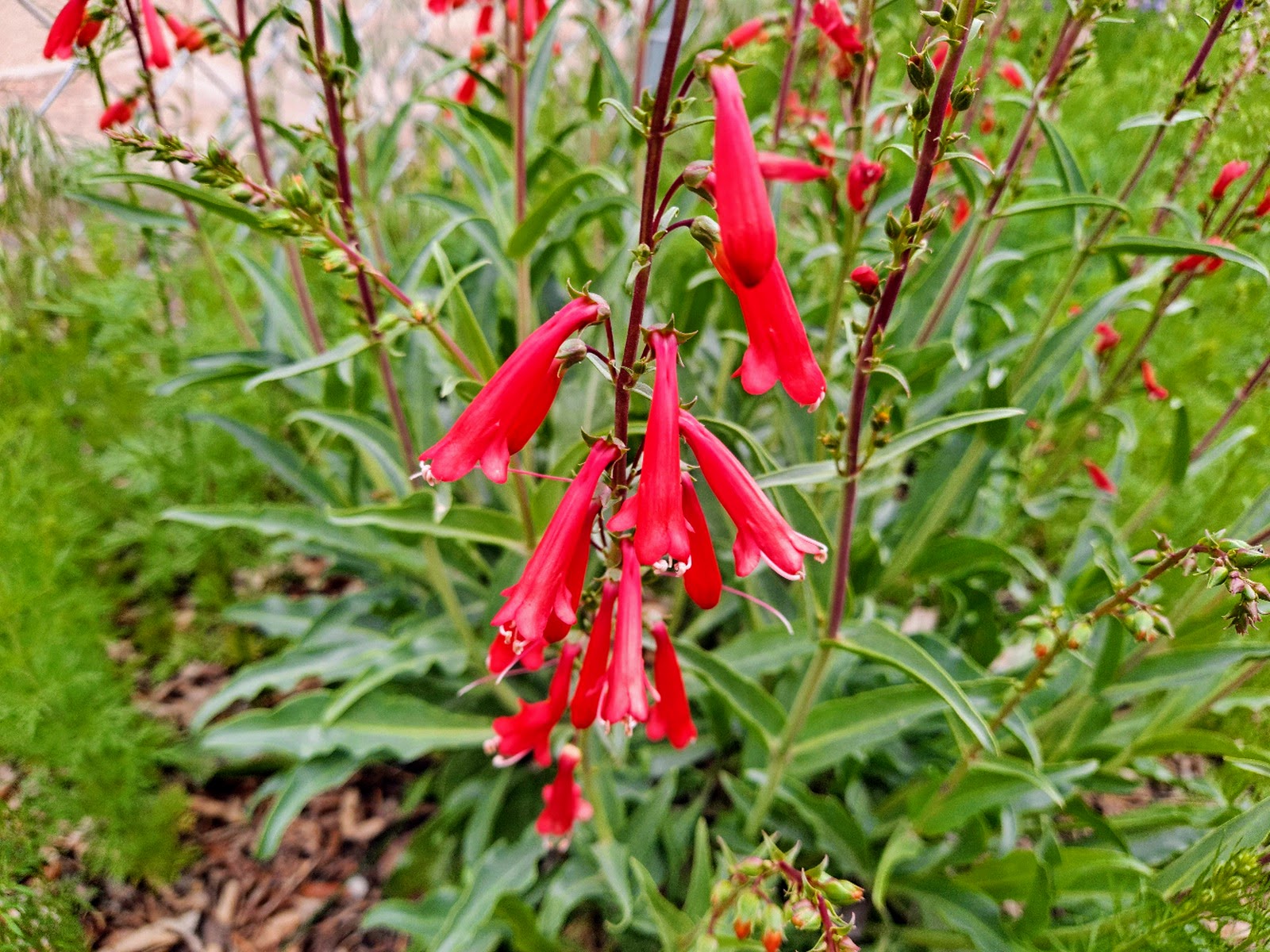
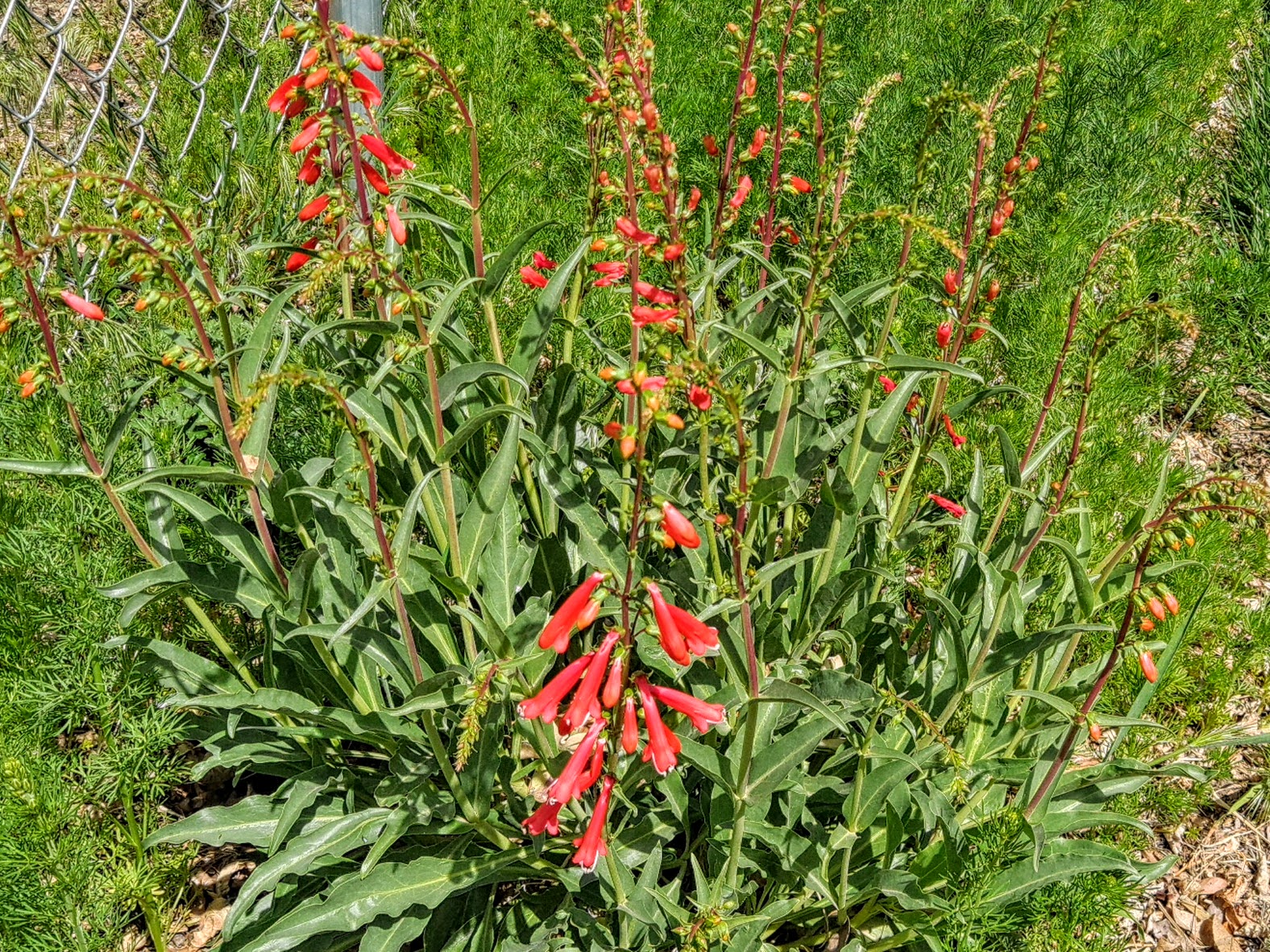
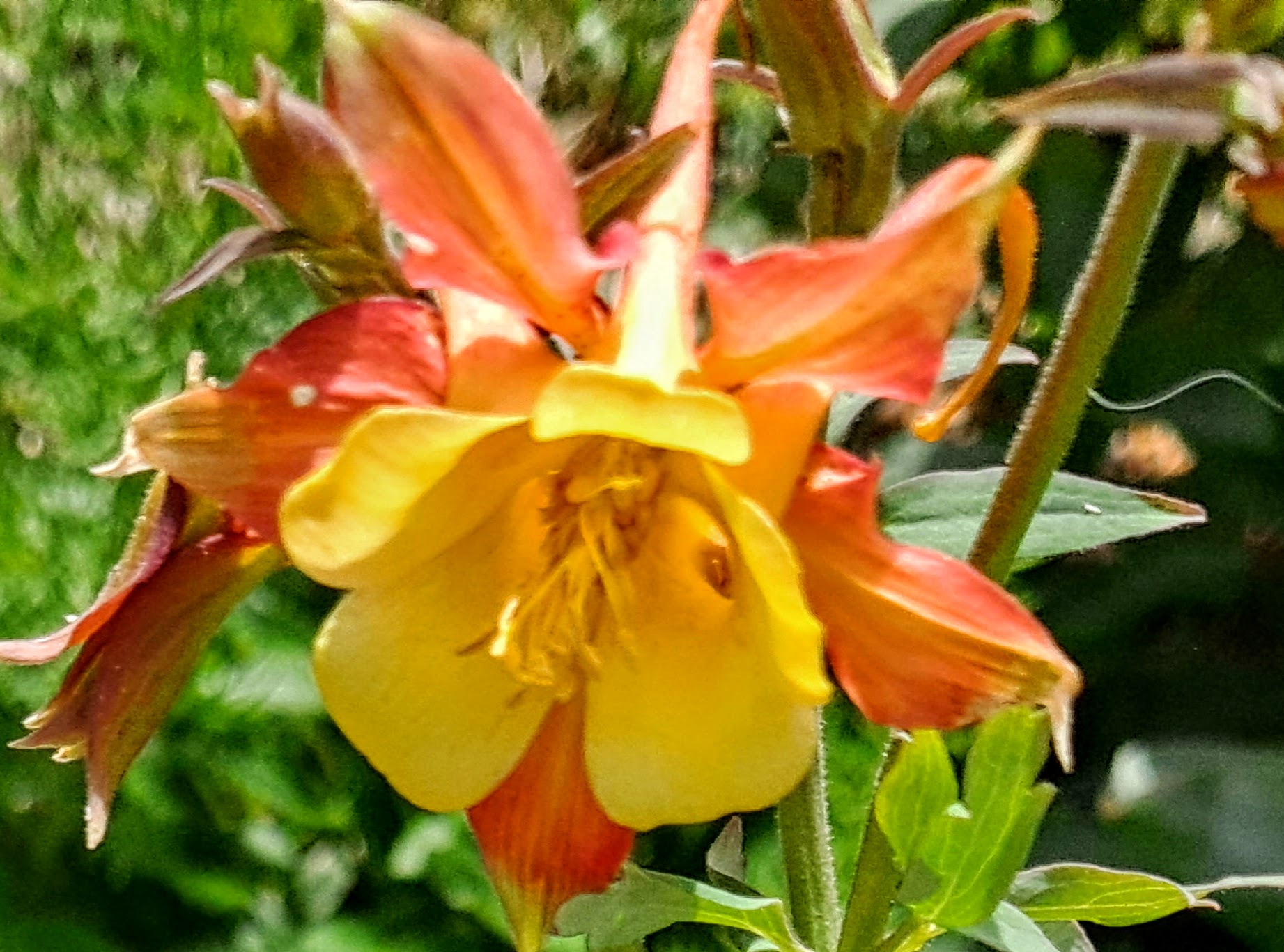
I planted firecracker penstemon seeds three years ago, but it took two years for a few of the seeds to germinate. By the time those few seeds germinated, I’d forgotten all about them and thought they were weeds. Luckily, I realized they weren’t weeds in time to save the last plant. I didn’t know what it was until it flowered. I’m certainly glad I managed to save this last plant.

Now I’m hoping that it reseeds itself. Anything that takes hold in this climate is worth allowing to spread since so many plants that like our winters don’t like our summers and vice versa.

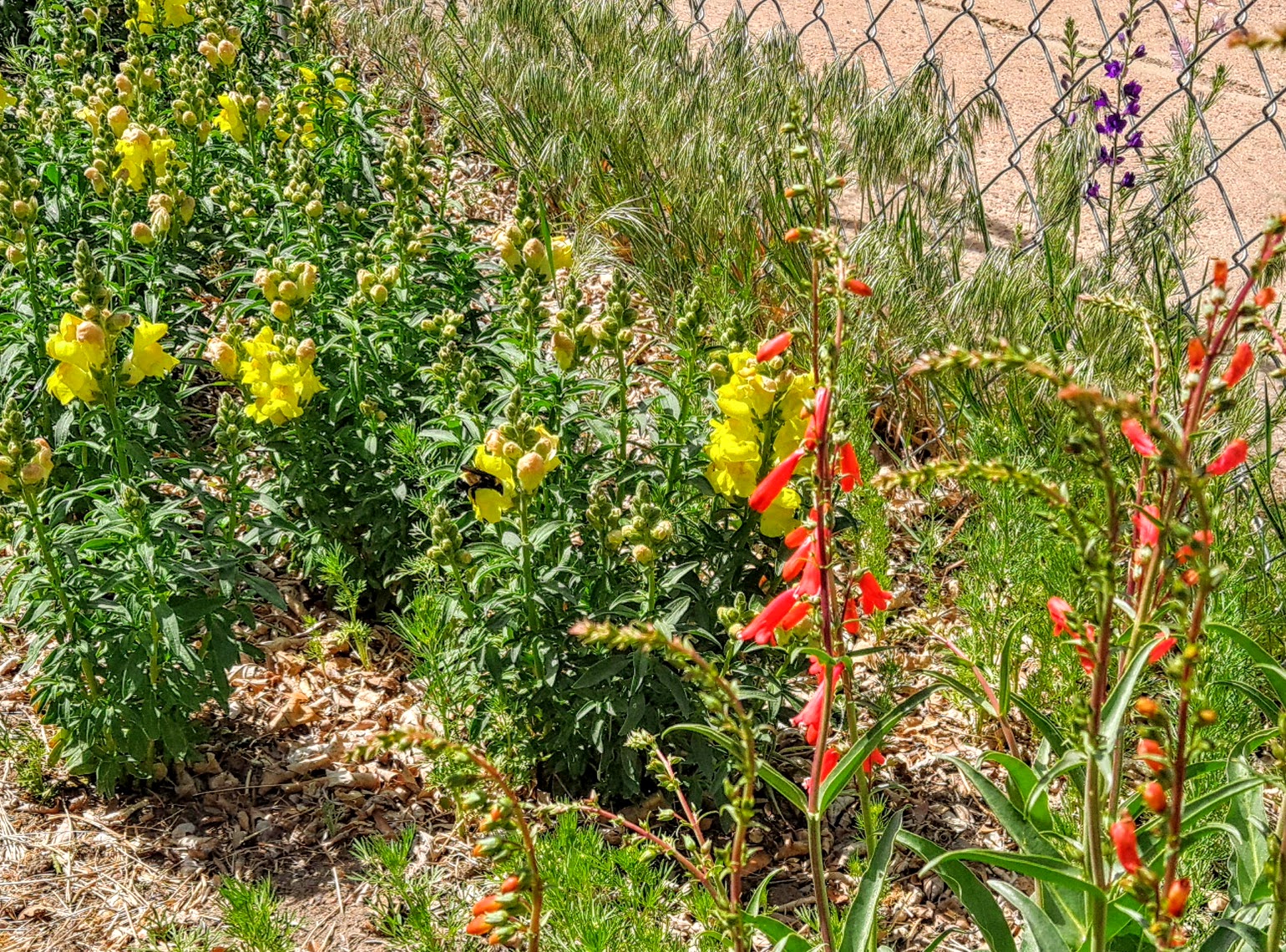
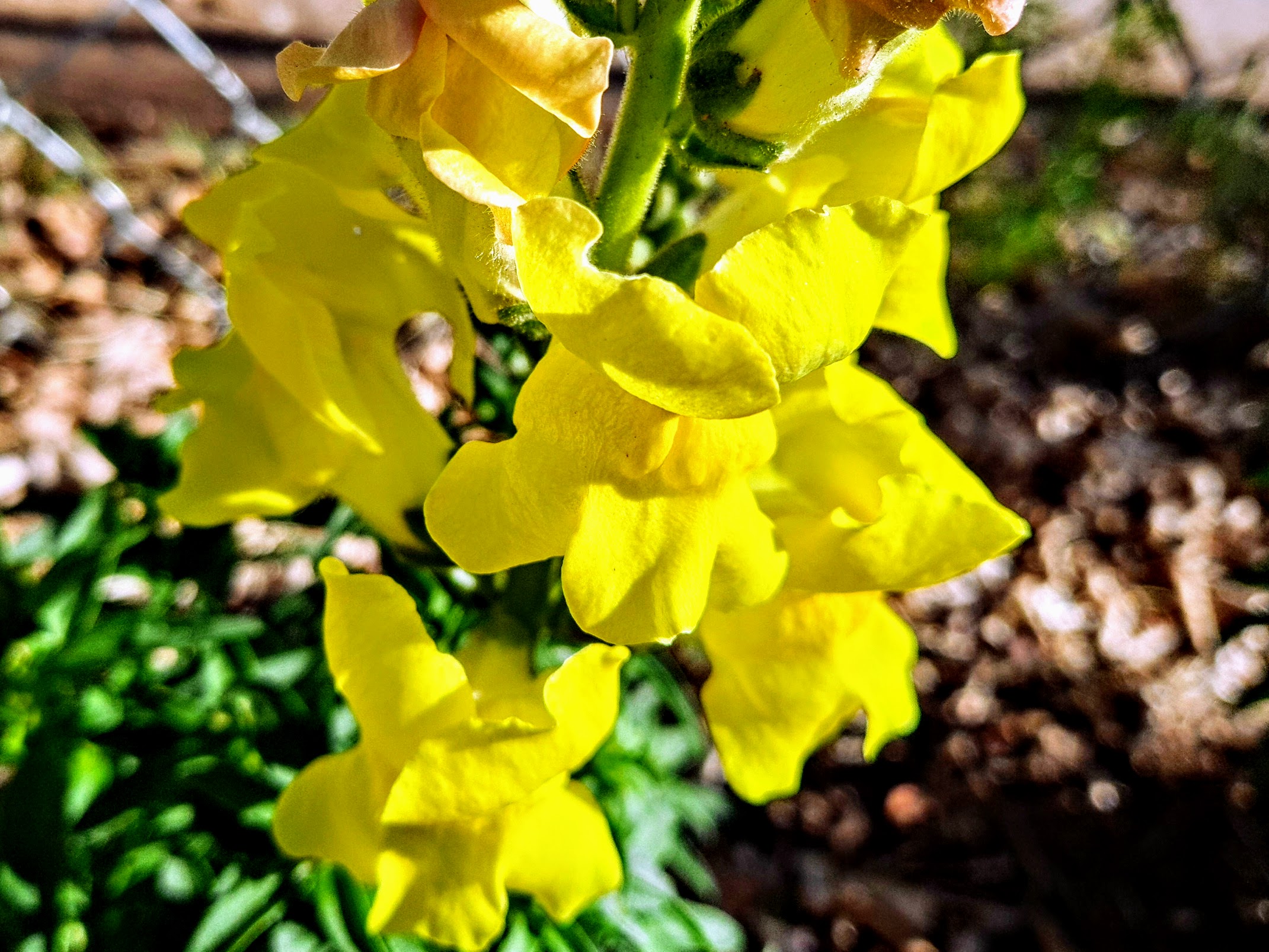
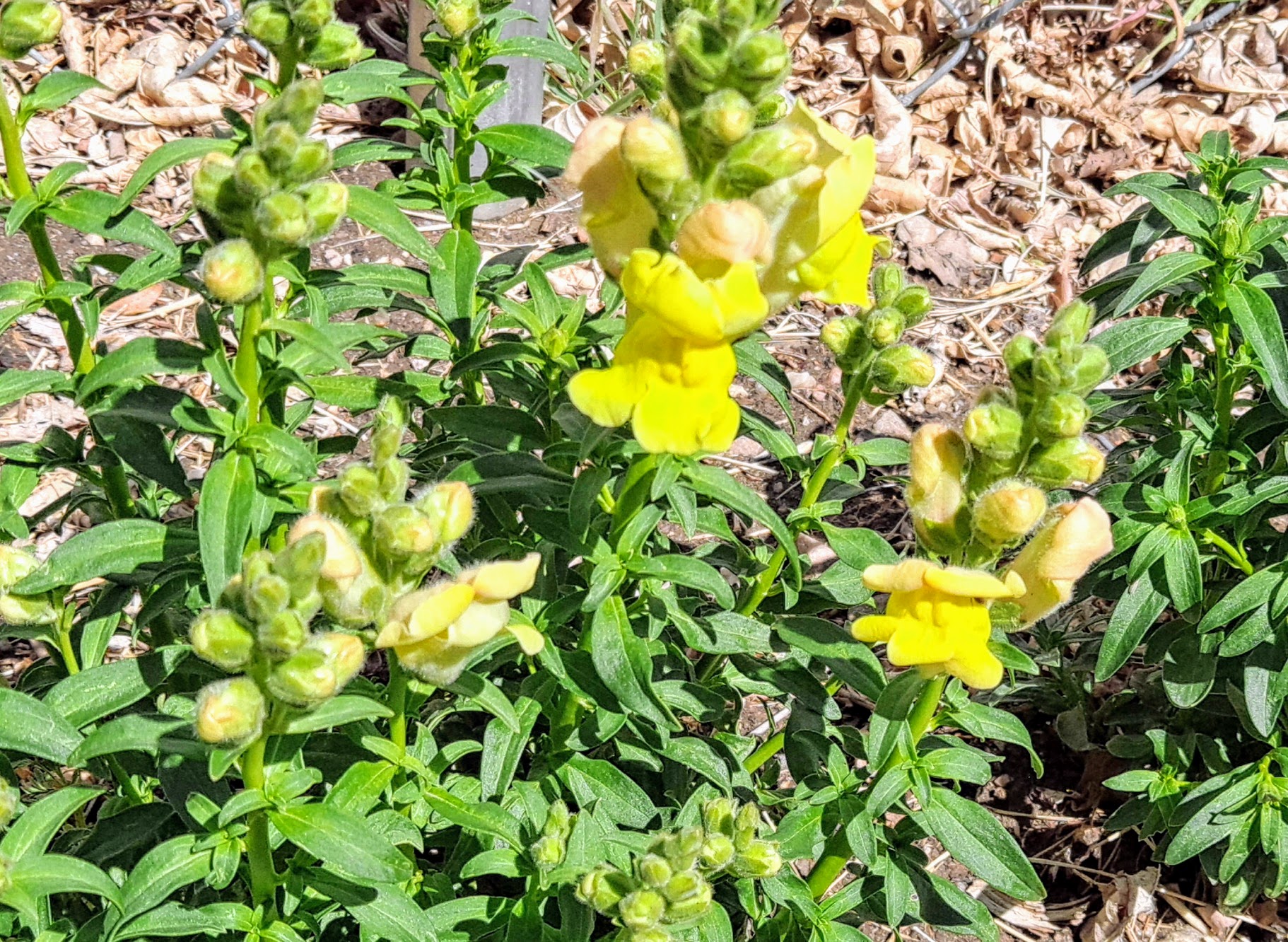
The snapdragons weren’t grown from seed, but they, too are a surprise because normally, although they do reseed themselves, they don’t survive the winter. And yet here they are, still a week before planting season in these parts, blooming cheerily.

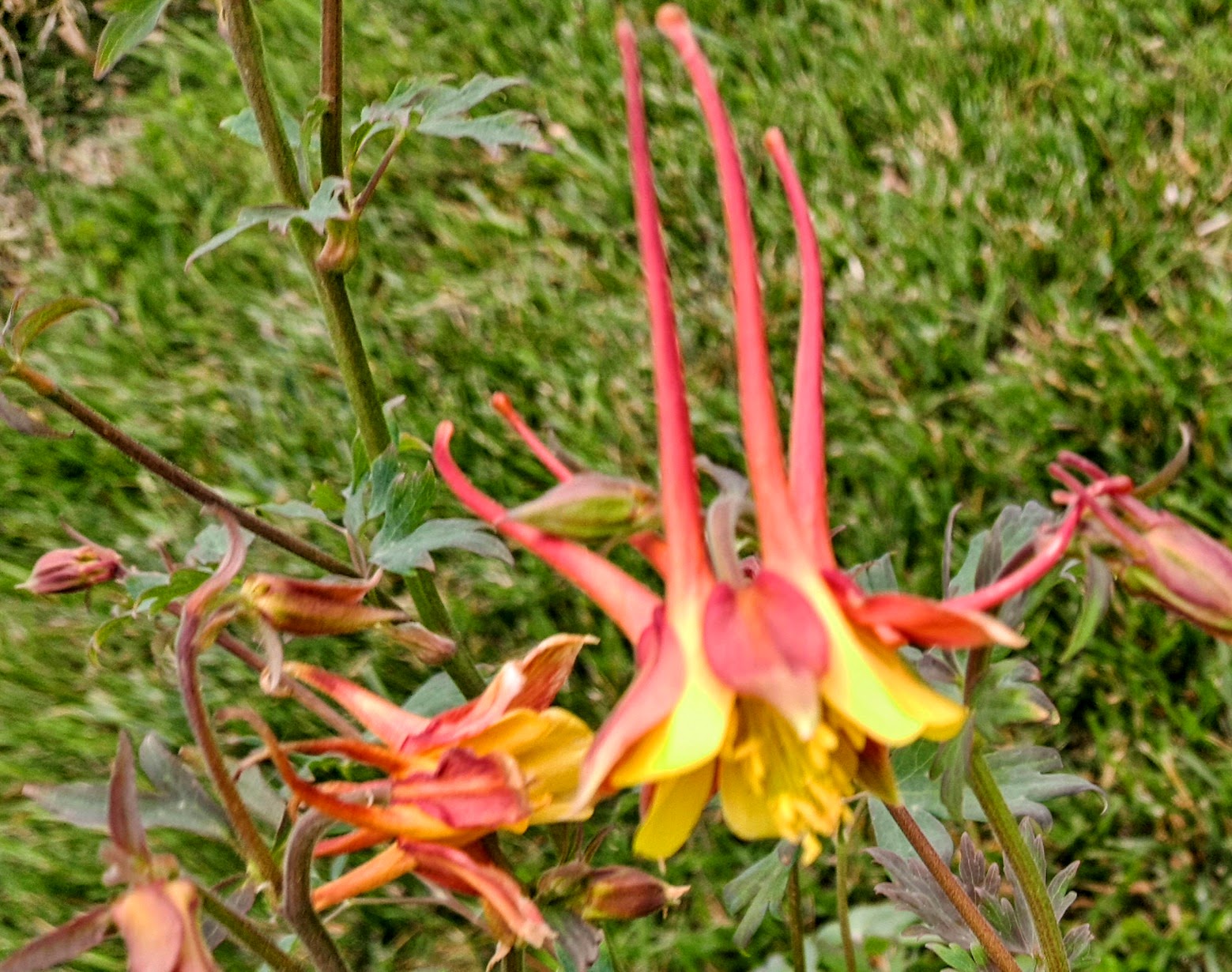
Columbine, like firecracker penstemon, seem to take a couple of years to germinate, at least, this one did. It was grown from seed at the same time as the penstemon and took as long to flower.

This is an interesting columbine — not just the color, but the size. It’s about half the size of the others in my yard. Still, though small, the vibrant color gives them as much panache as their larger relatives.

I hope these flowers have brightened your day. They sure did brighten mine!

***

Pat Bertram is the author of Grief: The Inside Story – A Guide to Surviving the Loss of a Loved One

Pleasing My Eyes

The recent frost did more damage than I originally thought. Although the plum blossoms made it through that first night, they soon turned brown and dropped off the branches. It’s what I expected, but still, it’s a bit disappointing. The lily tree forest was also more damaged than it first seemed — more brown than was first apparent — but I still think there should be plenty of lily flowers come July.

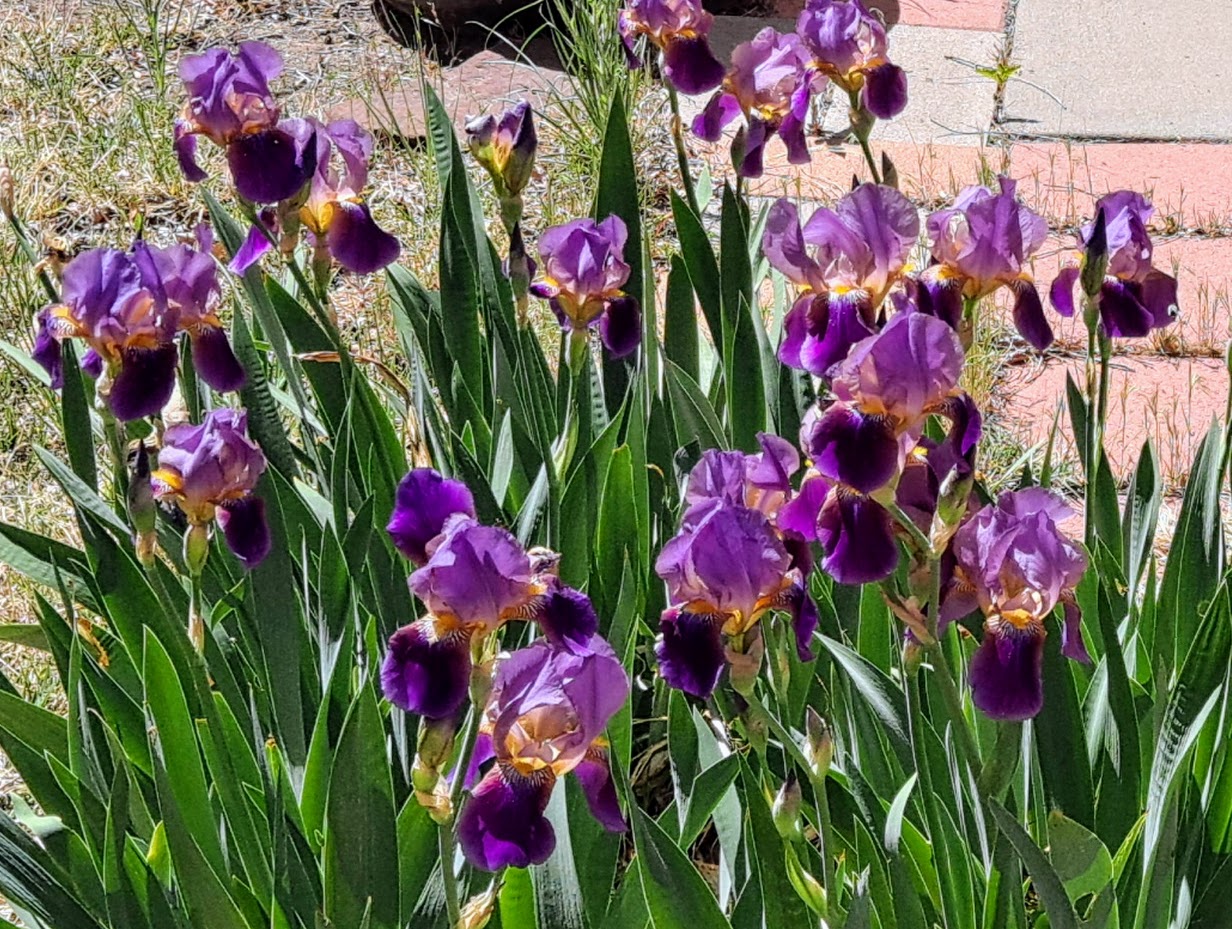
I took a few photos when I was out watering this morning. These irises aren’t mine; they are growing in my next-door neighbor’s yard, though they might as well be mine since there’s no one else to see them. It amuses me to think that I spend so much time outside watering and grooming my yard, and his totally unkempt (well, not totally — he does mow the weeds a couple of times during the summer) and completely unwatered yard yields these majestic flowers.
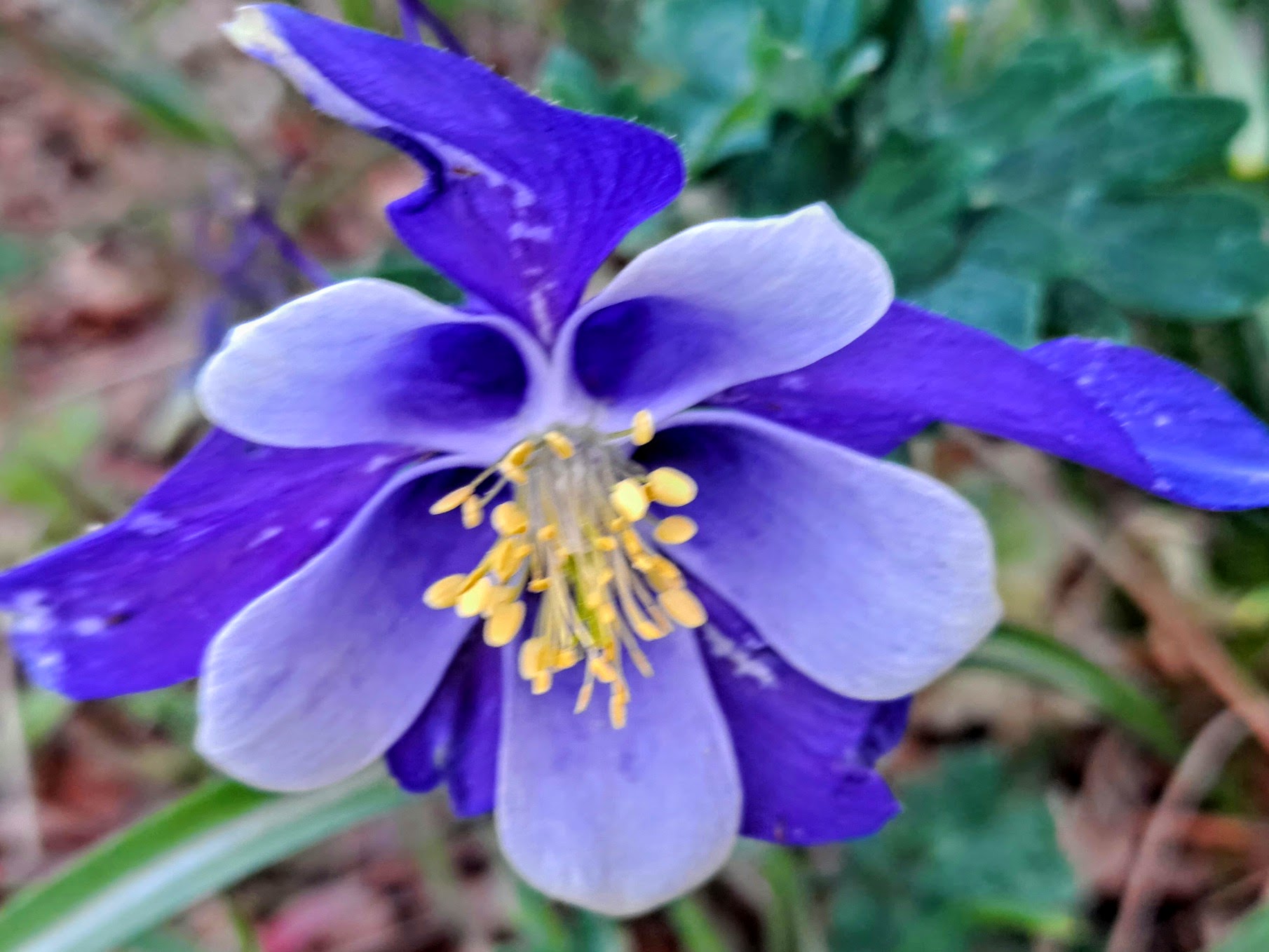
Then there is this photo of a columbine that planted itself. On my phone, the picture was perfect, the color the lovely purple of the plant itself, but when I uploaded it to my computer, it turned blue. Must be the difference when the P3 wide gamut space on my phone was converted to the standard sRGP for web display. I have no idea what that means, but that’s the answer I got when I Googled, “Why is the color different when uploading a picture from my phone. So that’s why, instead of the original purple, you see a blue columbine. Or maybe you see a different color? Purple maybe? Or orchid?

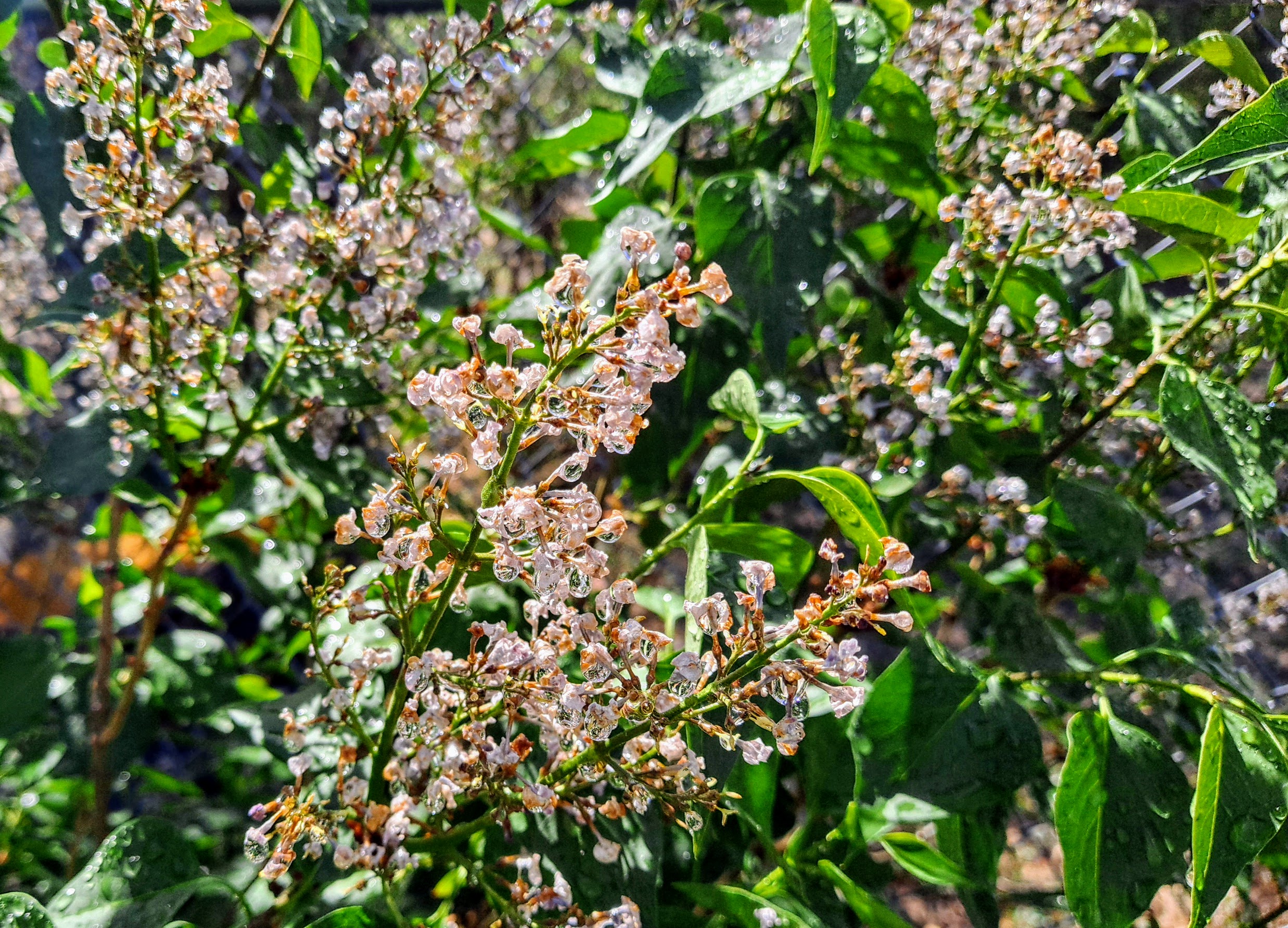
Another photo I took doesn’t do justice to what I wanted to memorialize. I’d just finished watering the lilac bushes when I noticed water drops clinging to the denuded flower stems. In the morning sun, those long-past-their-prime lilacs glittered like crystal. It was an awesome sight!

This last photo was a surprise. I must have pushed the button as I was walking away from those lilacs toward my gazebo, because this photo showed up on my phone. I loved the colors, especially the blue of the sky, so I kept it. (In the interest of honesty, I have to admit I skewed the photo from the original slanted image to get this version, but otherwise, the phone did it all on its own.)

A lot of plants are showing their first shy blossom, such as the larkspur and the cottage pinks, so perhaps I’ll have different garden photos to show in a few days.

Until then, I have these photos to please my eyes, and perhaps yours, too.

***

Pat Bertram is the author of Grief: The Inside Story – A Guide to Surviving the Loss of a Loved One.

How Does My Garden Grow

A friend left a comment yesterday saying that the pictures of flowers I’ve been posting are inspiring her to plant more. I understand that — they’re inspiring me, too. Last year I had little interest in my yard. The work-to-result ratio just didn’t seem worth it, but this year, so far, the gardens are doing great, with bits of color popping up all over.

The freezes we had a couple of nights this week didn’t do much damage, just burned the edges of some leaves, but I don’t think it will affect the flowers this summer. Luckily, the snapdragons I planted late last spring turned out to be hardy enough to survive the winter as well as these freezes, so I’m much further ahead with that gardening area than expected. Look at all those buds!

Columbines are still going strong, and this self-seeder seems to be enjoying the companionship of other flowers.

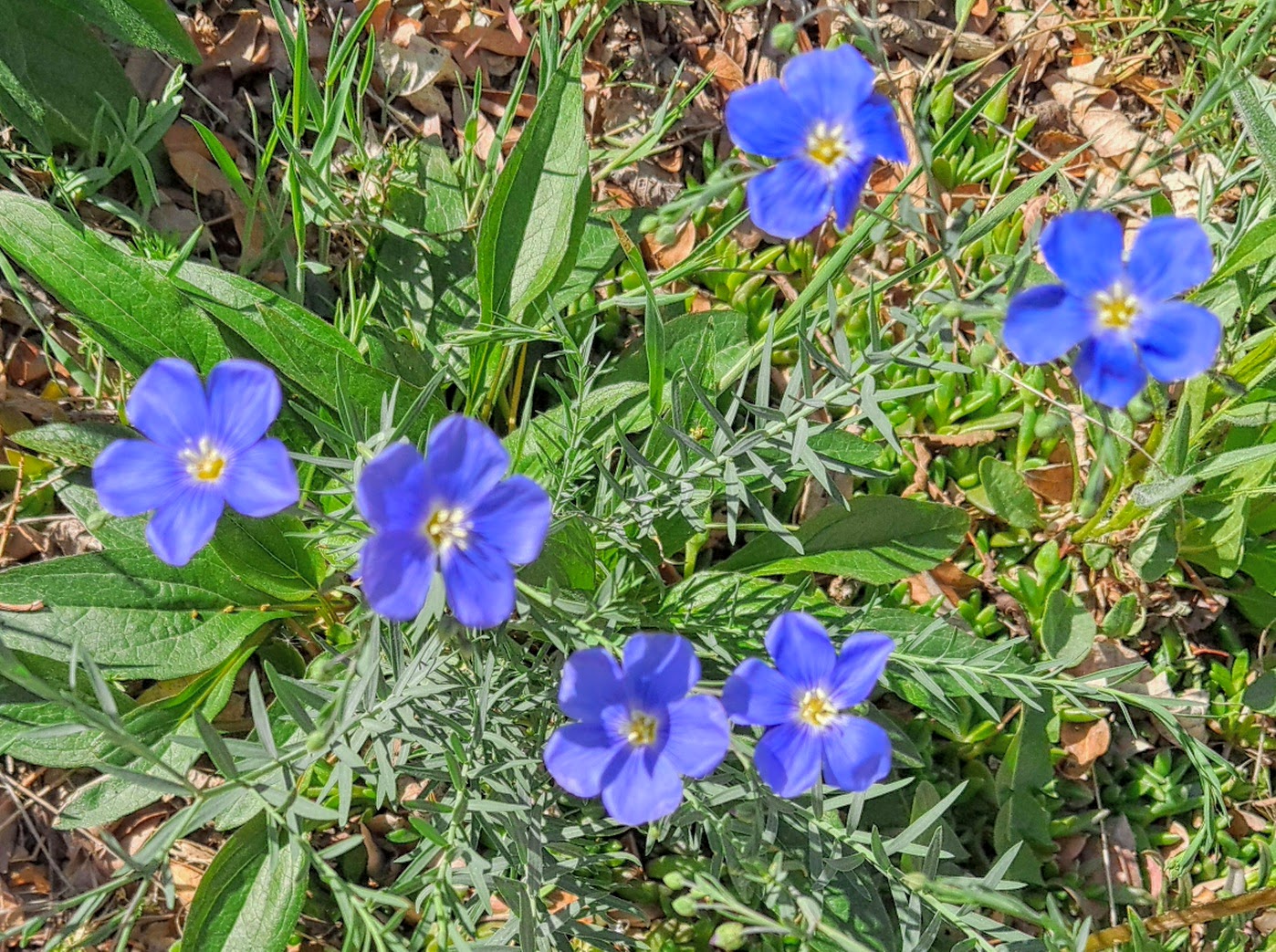
A new volunteer has shown up — blue flax! They might have been in a package of wildflower seeds or been blown in, but the reason doesn’t matter, just the enjoyable fact that are here.

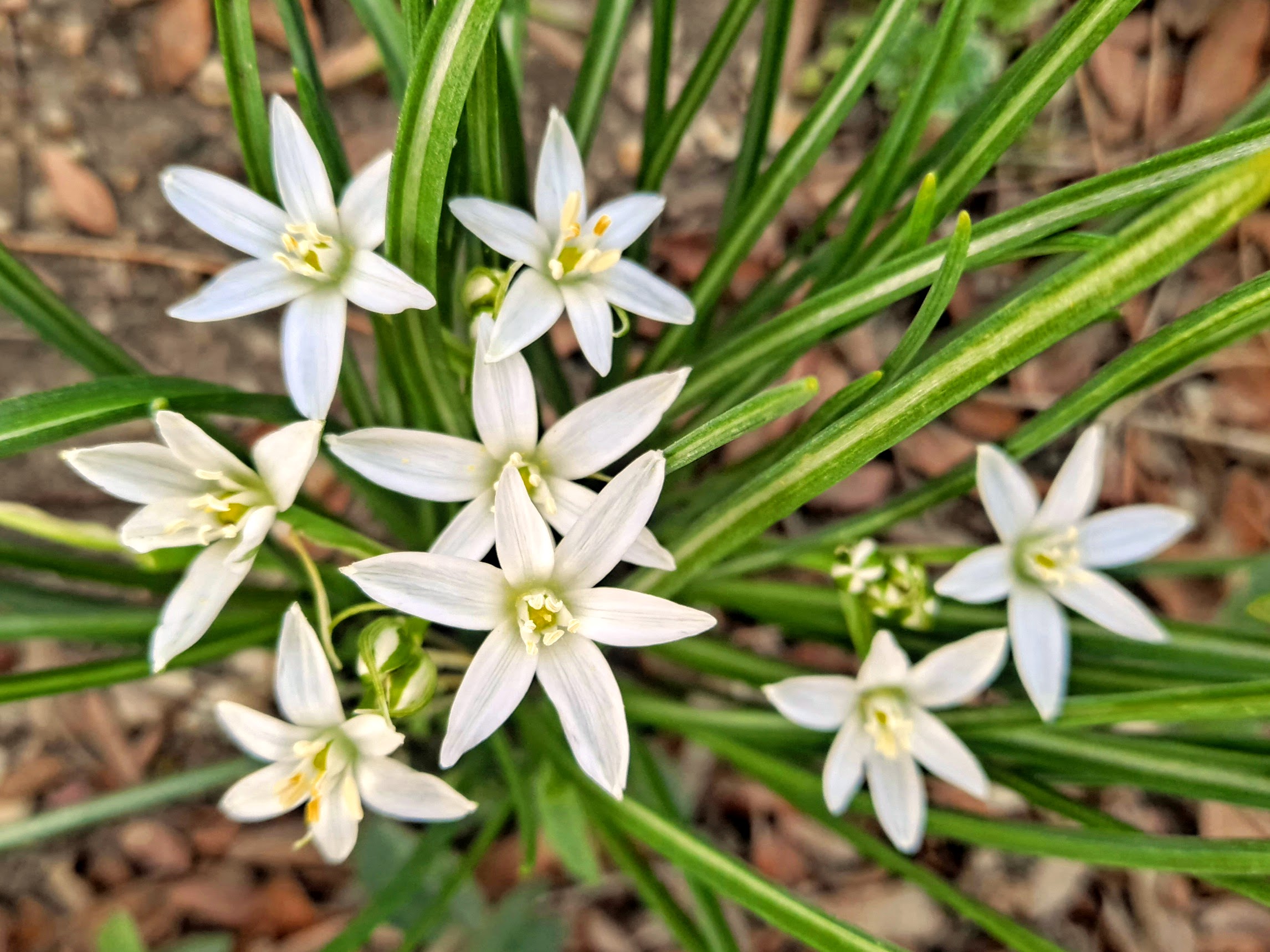
Oh, don’t let me forget the star of Bethlehem! They’re easy to forget because they don’t bloom until the afternoon around here, but so dainty and pristine!

The ice plants flowers are starting to bloom, adding more cheerful ground color to the garden.

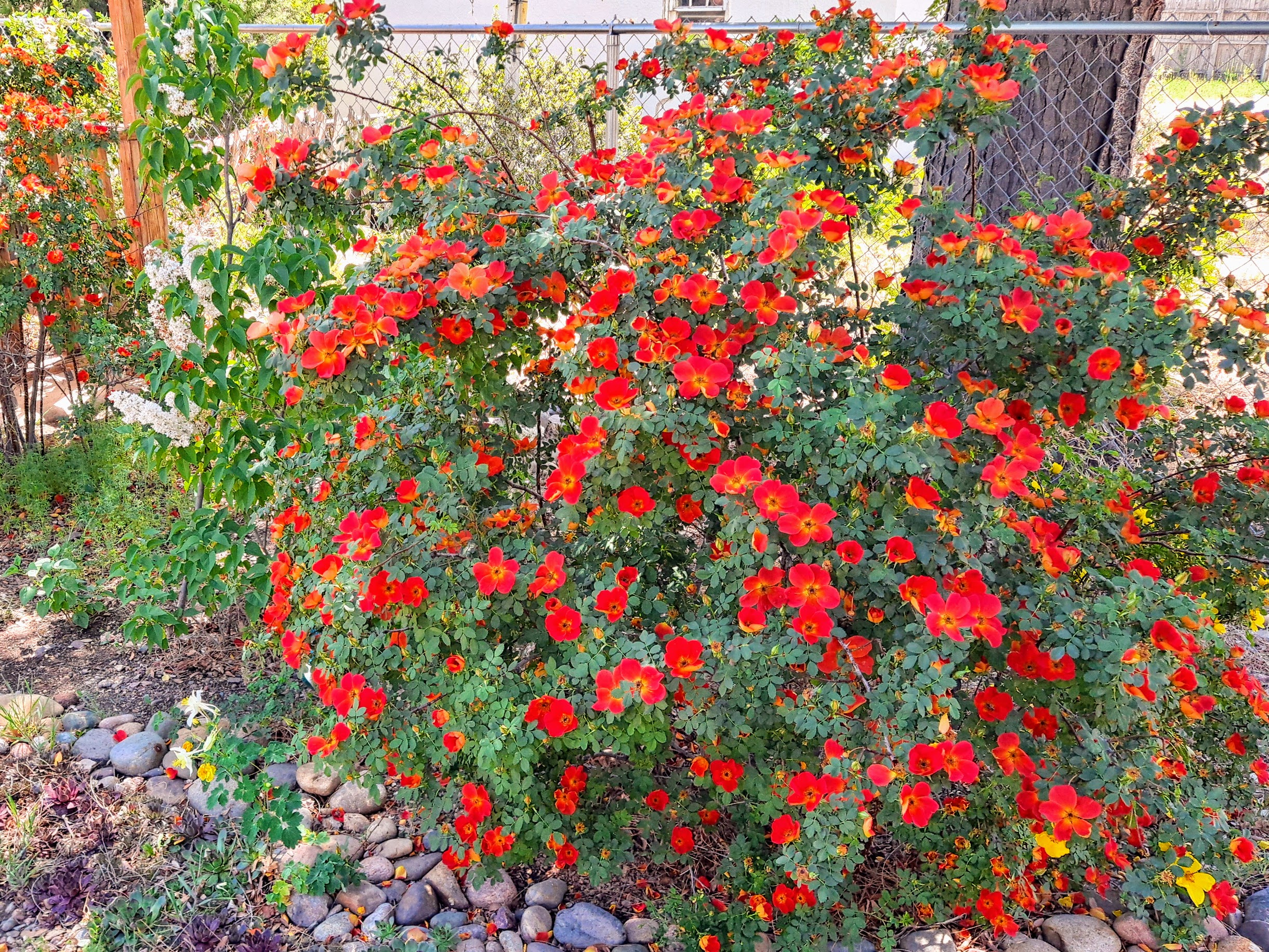
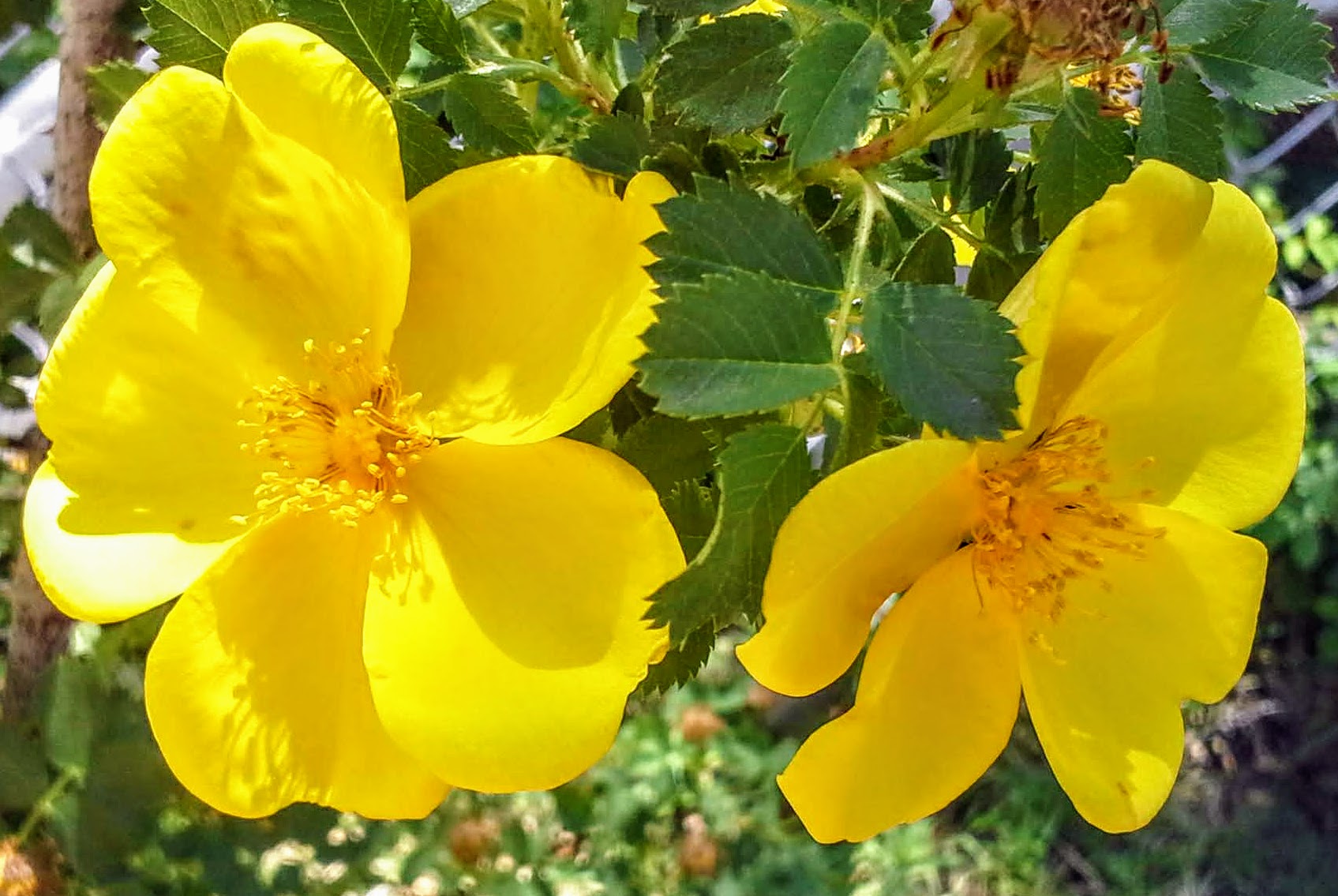
The wild roses surrounding the raised garden seem to be waiting for May, when I can plant whatever it is I am going to put in that planter. Dwarf zinnia seeds, maybe?

Ah, May! The fifth of May, to be exact. That’s historically the last day of a possible frost around here, so that’s when I plan on getting petunias to plant in my containers and whatever catches my eye to fill in a few empty spots.

Until then, I’ll continue to appreciate my yard and try to find satisfaction in a job well done even if I don’t always enjoy the work.

***

Pat Bertram is the author of Grief: The Inside Story – A Guide to Surviving the Loss of a Loved One.


Risky Behavior

Daily writing prompt
When is the last time you took a risk? How did it work out?

The risks I take nowadays are nothing I would have considered risky in my younger days. The most dangerous risk I took recently occurred a few months ago when I climbed a ladder to replace my smoke alarm batteries. The risks of such a venture for older folk are real. If you fall when you’re young, you get up, brush yourself off, and continue as if nothing happened. If you fall when you’re old, it could change your life since breaking a hip or some other body part makes living alone problematic.

Luckily, I managed to change the batteries without mishap. Will I try to change the batteries again? I don’t know. Most people I know who would help are as old as I am or even older, and those I know who can still climb ladders are people I’m uneasy about having in my house. I’m not scheduled to change the batteries again for a few months, so maybe I’ll meet someone young enough or tall enough who will do it for me.

Other risky behavior is not something I can avoid by having someone else do it. Getting out of bed in the morning, for example. Sounds silly, doesn’t it? But the truth is, many older people stand up too quickly, get dizzy, and end up falling. Or they are awakened by their alarm clock, get disoriented, and get up without pausing to orient themselves. Such silly things to be so dangerous! I’ve gotten in the habit of sitting on the side of the bed for a minute before rising, which does mitigate the danger, but still, it’s a very real risk.

Even sillier, though perhaps not as dangerous, is staying in bed. Gravity works to pull joints out of whack, loosens ligaments, and does other nefarious things. I never had problems with my knees until I got up one day a few years ago and could barely walk. It took months of rest, ice, heat, and the proper exercises to get me walking again. I’m still not back to where I was. Even though I’m careful when I’m awake and careful about how I position myself in bed, I can’t control what happens when I am asleep.

I’m not even going to get into the whole shower thing, which is perhaps the most dangerous activity people can do. I’ve minimized the risk with a step-in shower and railings, which help. And so will the bath chair I can see in my future.

I suppose working in my garden could be classified as a risk because the last couple of times I’ve fallen have been when I was outside working. Somehow, garden work doesn’t seem to be as dangerous as the risky behavior listed above, but being outside, especially when I’m concentrating on something other than where I place my feet, has its perils.

Life sure does narrow when one gets older! Still, we all take risks anyway because there’s no other choice. The best we can do is to be careful and to pay attention to what we are doing.

***

Pat Bertram is the author of Grief: The Inside Story – A Guide to Surviving the Loss of a Loved One.